


The releasification occurred on Nov. 21 at the 13th hour on the silver screen downstage-right of the Time Dragon Clock—the direct result of adaptifying Act One of Academy Award-winning composer Stephen Schwartz’s stage classic into a movie musical. Yes, the second act of Wicked—Wicked: For Good—is officially in theatres. Thank goodness!
I couldn’t be happier. No less than a clock-tick later, the truly wonderful Wicked has us off to see the Wizard once more. Come out, come out, wherever you are, and rediscoverate the death-defying conclusion of Elphaba’s origin story, now soaring to the gravitas of a $150 million USD budget. Audiences everywhere are obsessulated with the indelible blonde of female friendship and the extraordinary brains, heart, and courage required to set the merry old land of Oz back down its rightful yellow-bricked path. Wicked: For Good is an invitation to reinvestigate the poppy–lar understanding of technicolour Oz through new eyes and ruby-tinted glasses.
Wicked: For Good opens with the newly arranged “Every Day More Wicked,” a series of brief first-act song reprises—including “No One Mourns The Wicked,” “The Wizard and I,” “What Is This Feeling?” and “Popular.” They reacquaint audiences with everything that’s transpired since Wicked, making it clear we’re not in Kansas anymore.
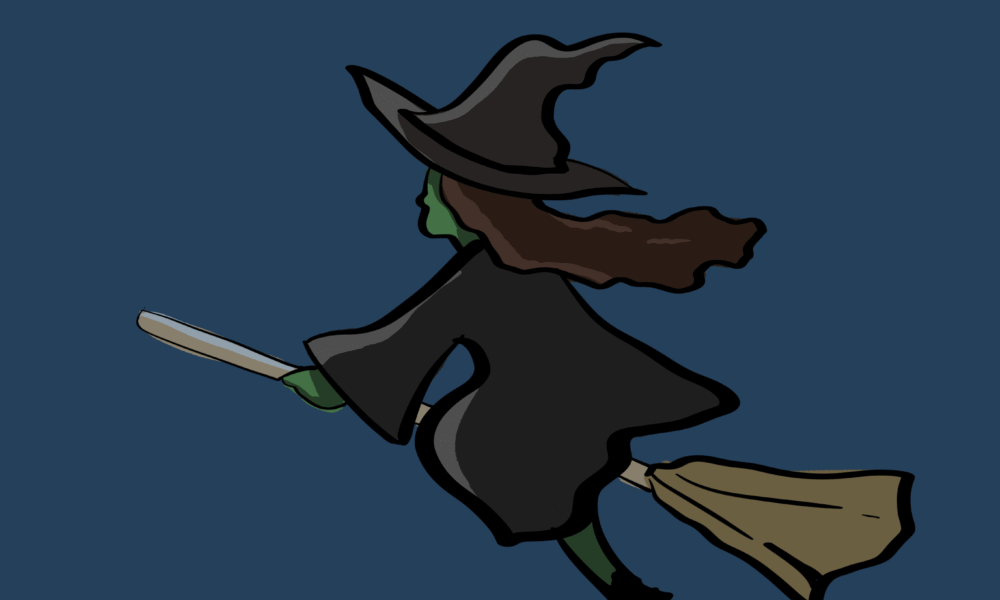
It really was no miracle; what happened in the film was just this: Hiding deep in the forest, thick with shadows, Elphaba flies on her broomstick. She tries to warn the Ozians of Madame Morrible’s tricks. MM begins to flip into a Wicked Witch! Fiyero, Gale Force captain, hopes to find Elphaba and ditch. Glinda, now in politics, unveils roads of yellow brick. Lavender-wed Fiyero, Friends of Dorothy click-click-click! Ding-Dong! The Witch has fled! Which old Witch? The Wicked Witch! Ding-Dong! Will Elphaba end up dead?
This opening sets a darker tone while establishing continuity with L. Frank Baum’s The Wonderful Wizard of Oz. Wicked: For Good undertakes the unlimited burden of offering narrative resolutions to these dissonant but intertwined stories; it incorporates Dorothy’s arrival and aligns the rainbow trajectory of Wicked author Gregory Maguire’s characters with Baum’s intended fates, without ever feeling contrived—oh my! Wicked: For Good needs to have all the convincing answers and deliver it asbestos it can.
With something oldish, something new, something battered, something askew, Wicked: For Good reveres the integrity of the stage classic while expanding its world through the addition of two original, politically resonant solos. Elphaba’s “No Place Like Home” and Glinda’s “The Girl in the Bubble” honour the intentions of Maguire’s political critique by framing Oz’s authoritarian regime through a dual lens: One of resilience, as Elphaba searches for hope in times of despair, and one of responsibility, as Glinda awakens from her political apathy to confront the systems of injustice that her privilege upholds.
Elphaba’s central lament in “No Place Like Home”—“Why do I love this place that’s never loved me?”—captures the grief of holding space in your heart for a society beyond redemption. It’s a perseverance born from love, the defiant will to forgive a homeland that has systematically marginalized her since birth. Glinda’s solo marks a pivotal turning point as she awakens to the hollowness of her complicity in an emerging fascist state—a world gone to Shiz enabled by the fragile comforts her willful ignorance affords. In choosing to become “Glinda the Good,” she sacrifices privilege for principle, illustrating that moral clarity demands personal sacrifice—that in Oz, as in our world, no good deed goes unpunished.
The Wicked duology represents the culmination of a 22-year-long theatrical legacy—a love letter to the generation it raised—crafted by the community that cherished it. It’s a rare milestone: A passion project that celebrates the storytelling tradition and the enduring magic of stagecraft. It’s not just good, it’s great and powerful. It’s a gift to the theatre world that proves pink goes good with green. Who can say whether all its changes have been for the better? One thing is certain: The wonderful world of Oz has been changed—for good.