
//Warning: This piece mentions self-inflicted harm.//
Dave Duerson was a hard-hitting safety at the core of two Super Bowl-winning defences, taking home titles with the 1985 Chicago Bears and the 1990 New York Giants, two of the greatest defensive units in the National Football League’s (NFL) history. The Associated Press voted him Second Team All-Pro for his stellar 1986 campaign, during which he set the record for sacks by a defensive back in a season with seven—a record that stood for nearly two decades. Duerson earned four Pro Bowl selections and gained great success off the field; voters named him Walter Payton Man of the Year in 1987. Following his career, Duerson appeared to be enjoying a fruitful retirement.
So, why did authorities find Duerson dead in his Florida home on Feb. 17, 2011, with a self-inflicted gunshot wound to the chest?
Those in his inner circle noticed significant changes during the last decade of his life. He was increasingly erratic and violent, and he suffered from bouts of depression and intense mood swings. His memory faded and he had trouble putting together words to form sentences. To his wife, Alicia, he had become a completely different person. Duerson’s final message, sent in a text to his family members, was simple.
//“Please, see that my brain is given to the N.F.L.’s brain bank.”//
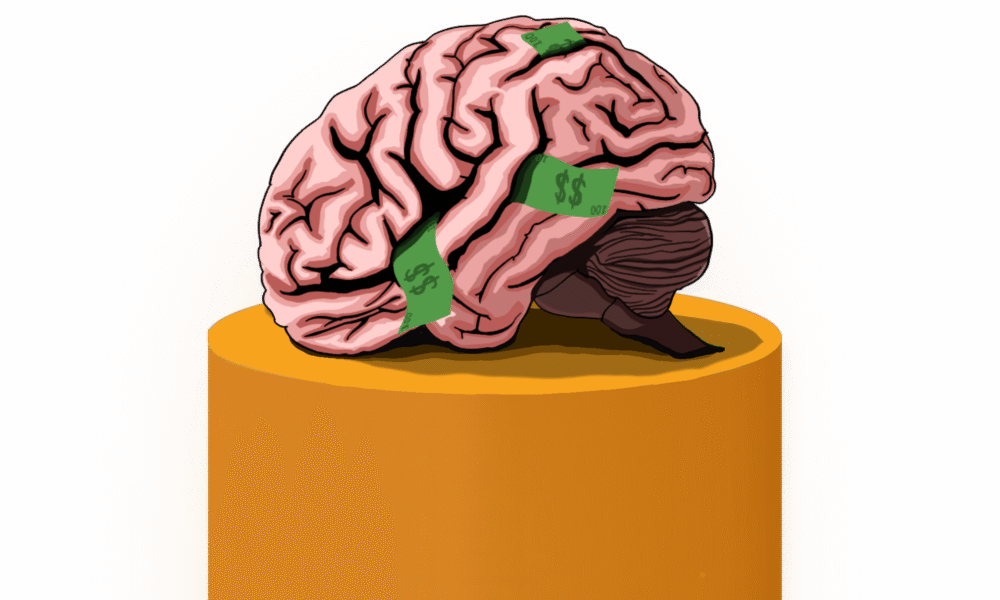
Upon autopsy, Duerson was found to have been suffering from a neurodegenerative disease called chronic traumatic encephalopathy (CTE). The disease most commonly affects athletes involved in contact sports who have sustained multiple concussions without proper recovery time between injuries. At the time of his death, Duerson was one of about 15 retired NFL players posthumously confirmed to have the condition. This number has now increased to at least 345, according to data collected by Boston University’s (BU) CTE Center, the institution where Duerson requested his brain be donated for research. The 345 confirmed cases came from a study of 376 former players, or 91.7 per cent of the sample. While this is a clear example of selection bias, the numbers are still shocking.
According to the Mayo Clinic, a concussion is “a mild traumatic brain injury that affects brain function [….] [Effects] can include headaches and trouble with concentration, memory, balance, mood and sleep.” These symptoms can present significant challenges to the mental health of those who sustain the injury. Concussions are not only found in the highest levels of sport—in fact, it is estimated that between nine and 12 per cent of all injuries sustained in high school athletics are concussion-related. For an age group that is already at higher risk for mental health problems, concussions introduce unpredictable consequences, making brain injuries a youth health issue, not just a professional sports problem.
In an interview with //The Tribune//, Dr. Gordon Bloom, professor of Sports Psychology at McGill University, explained that the effects of concussions can be incredibly detrimental to the mental health of even casual athletes, especially if not properly diagnosed or treated.
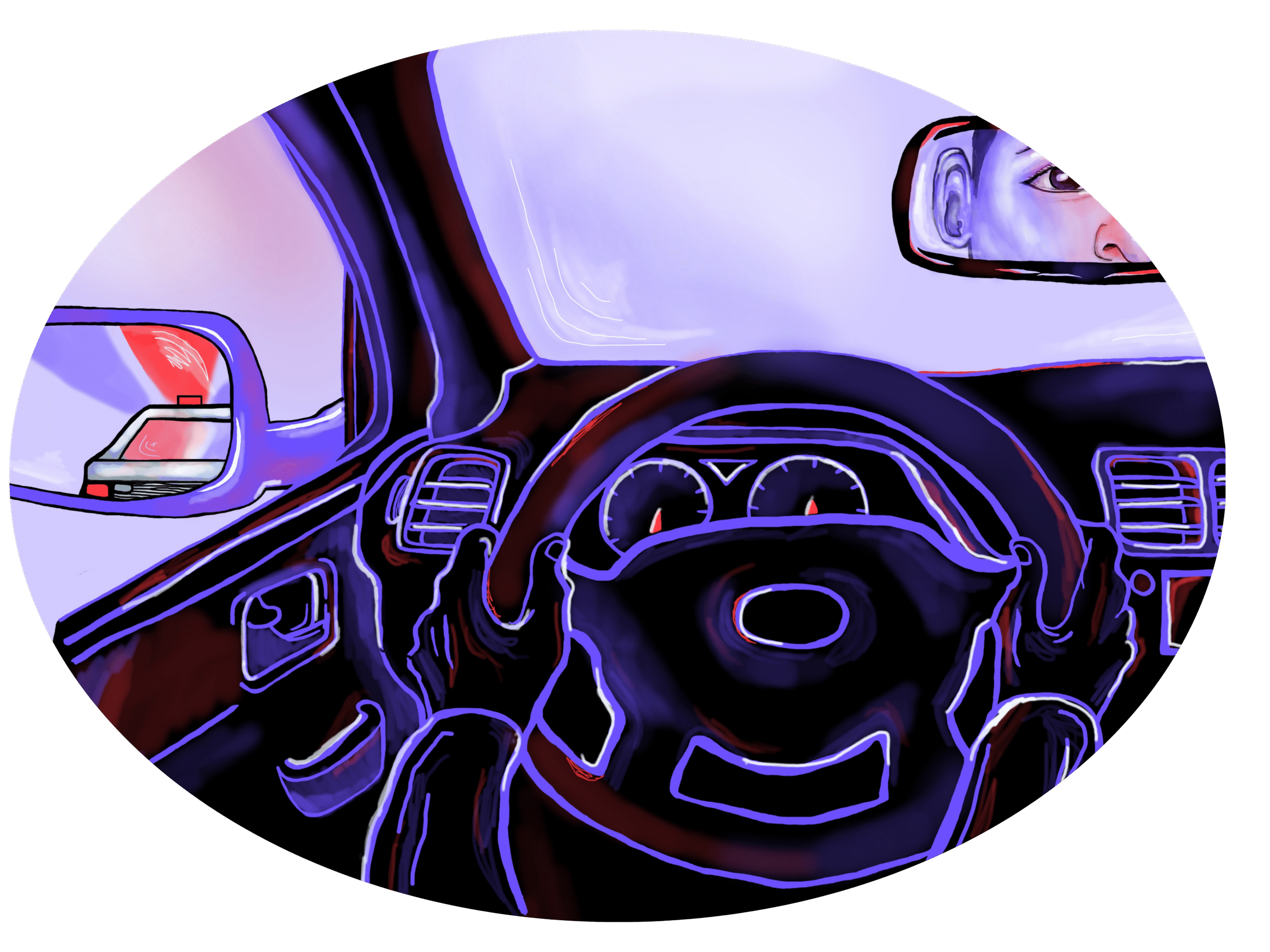
“Unlike other injuries that are more visible, a concussion is an invisible injury [….] People look at someone [with a concussion] and think that they’re completely healthy when they could be going through so much trauma, turmoil, and stress,” Bloom said. “[Symptoms] could last weeks, days, months, years, and that can have a harmful effect on someone’s mental health because it affects your day-to-day activities. You can’t go to school, sometimes you can’t drive […] or [go] somewhere where there’s loud music or bright lights.”
Clearly, CTE’s long-term risks extend beyond the upper echelons of professional sport, affecting amateur and youth levels as well. BU examined the brains of over 150 contact sport participants who had passed away before the age of 30 and found that over 40 per cent of them had CTE, including the first-ever confirmed case of CTE in a woman, a 28-year-old collegiate soccer player.
According to the lab, “more than 70 per cent of them had apathy, and a similar number were depressed, while more than half had difficulty controlling their behavior; many also had issues with substance use.” Dr. Annie McKee, Director of the BU CTE Center, contends that “those symptoms might be a result of the head injury itself […] breaching the blood-brain barrier.”
This creates a troubling dynamic: An athlete gets concussed, can’t engage with life as they once did, slips into depression, and then re-enters their sport too early and sustains another concussion. If the concussion itself can cause symptoms of depression, not just solely through social isolation, a vicious cycle begins to emerge.
CTE, as it is currently understood, is a rare phenomenon, but there are risks from concussions themselves that are much more common and are still cause for concern. If not dealt with properly, concussions can create significant interruptions to the most formative years of most youths’ lives. Bloom expanded on the severity of this issue.
“What some of the evidence shows is that if you come back too early, when you’re not fully healed, and you sustain another traumatic brain injury, that you’re doing damage to your brain long term, and if that happens repeatedly, you’re playing with fire,” Bloom said.
For younger athletes, missing out on the socialization they gain in schools can have a massive impact on their social development, not to mention the possible effects concussions have on growing brains, as the human brain does not fully develop until the age of 25.
In an interview with //The Tribune//, Dr. Isabelle Gagnon, professor and Associate Dean of the McGill School of Physical and Occupational Therapy, who heads a research program on pediatric concussions at the Montreal Children’s Hospital, outlined key concerns when a young person or child sustains a concussion.
“Social life [for kids] is very different [compared to adults], because the social environment is related to school [….] So if you’re taken out of there or have trouble reintegrating, you’re also excluded socially from your circle. That creates extra anxiety, extra problems and symptoms,” Gagnon explained. “We have to protect these young kids, because […] they injure the brain, but the brain is still very, very actively changing, so it’s more difficult to judge the impact of the injury on a brain that’s so unstable.”
Recovery from a concussion can be a long and arduous process because the timeline is not necessarily linear or the same for every person. Gagnon says that this is a key factor in why concussions are so risky when someone returns to action before their body is ready.
“It’s less about the seriousness of the injury itself, in the sense of the hit, or whether [someone] lost consciousness or not, […] it’s mostly about the rate of recovery that we worry about [….] We worry a lot about […] a repeated concussion in someone who would have had one before that took three, four, five months to recover [….] Then we worry more about the next one, what that one is going to do,” Gagnon explained.
Many problems arising in concussion diagnosis and recovery stem from the difficulty of diagnosing concussions, especially in youth. It’s difficult to determine whether academic struggles are due to a concussion suffered earlier in the year or just a student underperforming. There are no concussion spotters in high school sports like there are at the professional or collegiate level, and up to 30 per cent of high school athletes do not have access to an athletic trainer experienced in identifying concussion injuries.
The onus is on adolescent athletes to honestly report how they are feeling and if their condition has improved, or if they think they may have sustained a concussion in the first place. For many years, this was a difficult task, as research into concussions was limited, and people did not understand the full scope of how the injury could affect mental and physical health. However, in the past decade, concussion education has improved drastically.
“I think the message now, through the research […] and really paying attention to this, is that people now are being more honest,” Bloom said. “They realize [they] don’t want to have long-term brain damage, so [they’re] going to be more honest and forthcoming with my symptoms than they used to be.”
The question that parents of athletes across the country now have to face is: //Is all of this worth it? Should my kid play tackle football as a ten-year-old and risk altering their adult life forever?//
The answer to this question, of course, is not a simple yes or no.
Youth sports promote teamwork, enhance social opportunities, and provide an outlet for kids to stay healthy by doing physical activity. According to the U.S. Office of Disease Prevention and Health Promotion, participation in youth sports can lead to “lower rates of anxiety and depression, lower amounts of stress, […] [and] reduced risk of suicide.” Many parents, especially those who had positive experiences with sports themselves, would certainly be inclined to allow their children to participate despite the existing risks.
Eloa Latendresse-Regimbald, the starting quarterback at McGill who grew up playing football in the Greater Montreal area, believes that there is inherent risk in playing football, but recent attitudes have improved concussion management and recovery.
“Nowadays, when you start [playing] really young, there’s not a lot of contact [….] Even though it’s a beautiful sport, I think you need to be aware of the consequences that [it] comes with,” Latendresse-Regimbald said.
He ended with a poignant message to all athletes, reminding them that there’s more to life than sport.
“Every athlete is going to have a life after football, and if the few years you play football affects your life [after] […] it’s an issue.”
The larger problem is that contact sports like football and hockey are firmly enshrined in North American culture. It’s impossible to turn on a television during the fall and not see a football game on. Football tells the tale of America: Underdog stories, intense comebacks, competition. It reflects all the good we want to see in the country, and has all the stories to keep our eyes glued to the screen. And once winter arrives, sports fans in both the U.S. and Canada can be found cheering on their favourite hockey teams on the ice, or driving their kids to an early-morning practice. It then creates a daunting task of changing sports that are so closely tied to people’s national identity.
But beneath the cheers and celebrations lies an unsavoury truth: Athletes are sacrificing their quality of life 30 years in the future for immediate gratification.
It’s the same choice parents must make when they consider allowing their kids to play sports in the first place. Almost three million children aged six to 14 play organized tackle football. That’s three million brains slamming together at the line of scrimmage, three million heads bouncing off the turf after a contested catch—to what end? The macho, tough-guy attitudes of the past may be fading away, and concussion education may be standard practice for the athletes of today, but football is rooted in violence. Players are praised for brain-jarring hits, and physicality is emphasized above all. No matter how many advancements are made, athletes are still making the conscious decision to risk completely altering their lives for what is, at the end of the day, a game.
The NFL generated over $23 billion USD in revenue during their 2024 fiscal year. It’s not competing with the NBA, MLB, or NHL; it’s competing with Google, Microsoft, and Apple. As the NFL’s revenue grows, so too does the popularity of football worldwide. It will continue to invest in concussion education and research, develop new helmets, and add new rules in an attempt to improve player safety. But to ensure that no player ever meets the same fate as Duerson, there needs to be serious reconsideration about the longevity of the sport if it continues on this course.
Flag football has increased in popularity—over 600,000 kids are playing for teams in the NFL FLAG program in the United States—and concussion education is the best it’s ever been. But football’s connection to American identity, its entrenchment in the hearts and minds of people across races, religions, and backgrounds, makes it nearly impossible to see any major changes coming to the sport.
Despite the comparatively paltry popularity of football in Canada, the data show that the perceived absence of macho culture does not mean that Canadians aren’t also at risk of brain injury. On average, 200,000 Canadian athletes suffer a concussion every year.
Canada’s advancements in concussion education can be owed to Rowan’s Law, a legislation that requires sport organizations to educate their athletes on concussions and have proper concussion management protocols. This law was created in honour of Rowan Stringer, who passed away at just 17 following repeated, mismanaged concussions suffered while playing rugby. This is not just an American issue; it affects athletes of all ages, in all sports, in all places.
Without proper treatment, people who suffer from concussions may suffer from the same hurdles that have afflicted other athletes for years: headaches, lethargy, and depression. The reliance on self-reporting of concussions will continue to lead to more people coming back into action before they’ve fully recovered, risking more serious consequences like CTE. The average NFL career is just over three years, largely on account of turnover due to injuries like concussions. While NFL executives continue to rake in the cash, its players continue to go to war on the gridiron every Sunday, risking their bodies while fans cheer on the carnage. It is a cycle that will continue to compound until something changes. These changes must take place at the grassroots level: reducing head-to-head contact in youth sports.
Dave Duerson’s final message wasn’t just so his family could get closure; it was to ensure any athlete going through the same issues could get the help they need, and that future athletes could be protected from repeated head injuries and their devastating effects on mental health. Sporting organizations across the world must honour his memory by protecting their athletes and making sure that players don’t sacrifice their quality of life for the sports that they love.


