


Reconciliation should not come with an invoice. The Vatican’s decision to return 62 Indigenous artifacts to Canada is being described as a “concrete sign of dialogue, respect and fraternity.” Yet when the Catholic Church maintains control over the timing, framing, and logistics of the return, even forcing Indigenous communities to pay to bring home what was stolen from them, such gestures reveal how colonial power still sets the terms of reconciliation.
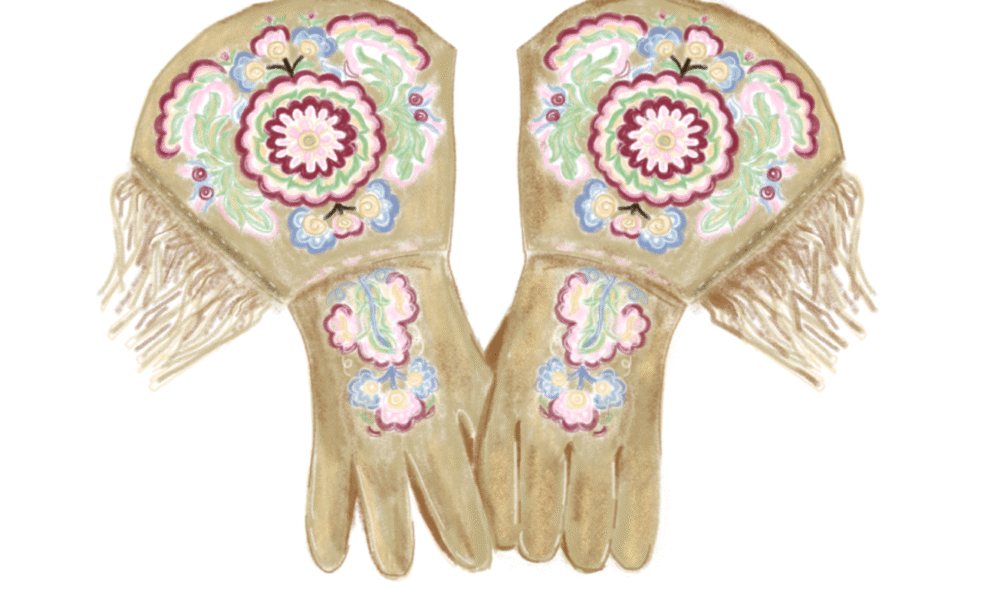
For a century, Indigenous belongings—including an Inuit kayak and a set of embroidered gloves from the Cree Nation—sat in the Vatican’s ethnographic collection. The Church claimed the artifacts, and they were added to the Anima Mundi museum as part of its permanent inventory in 1925. Now, the Vatican has decided to return these artifacts to Canada.
This action, on the surface, is powerful: Indigenous belongings make the long trip home after decades in a European museum. Pope Leo XIV has framed this move as proof that the Vatican is listening to Indigenous demands for justice. Yet, the 62 objects have not been handed directly to Indigenous organizations. Instead, they were formally given to the Canadian Conference of Catholic Bishops, which will then be responsible for working with Indigenous representatives and the Canadian Museum of History to identify each object and eventually route it back to its community of origin. This bureaucratic process reflects a broader pattern in repatriation work.
Indigenous nations bear a large share of the labour and financial burden in regaining what is theirs: Travelling to museums, documenting claims, hiring researchers and legal experts, and covering transport and ceremony costs. One recent report on the repatriation of Indigenous items in British Columbia estimated that fully returning heritage objects currently held in museum collections would cost these groups $663 million CAD. This system places the burden on systemically disadvantaged communities to negotiate with government-funded institutions, which are grounded in powerful academic and cultural networks, just to reclaim what belonged to these communities in the first place.
The Vatican has framed the repatriated artifacts as gifts, stating the items were originally sent by missionaries to showcase both Catholic expansion and the “cultural richness” of the peoples they evangelized. Such characterizations of these artifacts fail to reveal the true context in which they entered the museum—as belongings stolen under conditions of profound coercion. For generations, the Catholic Church was a central power in Canada’s role in colonialism. Catholic orders operated the majority of federally funded residential schools, facilitating land dispossession and banning Indigenous ceremonies to systemically eradicate their cultures. Yet recent moves by the Catholic Church, such as the repudiation of the Doctrine of Discovery and the 2022 papal apology for residential schools, merely distract from the Church’s duty to reconcile for its theft of these objects, instead casting the Church as a morally awakened actor generously choosing to share what it ‘owns.’
This framing shapes public understanding of what reconciliation requires. If the return of these belongings is treated primarily as a sign of good will, the underlying question of rightful ownership is softened, and the asymmetry of power involved in both the original removal and the present-day repatriation is obscured.
The return of the 62 pieces is an important step, but incomplete. Tens of thousands of Indigenous artifacts remain in the Vatican’s ethnographic holdings. If institutions continue to control which items are relinquished, on what schedule, and at what cost, they will still retain the most significant form of authority: The power to decide who gets to keep their heritage and who doesn’t.
For reconciliation to move beyond symbolism and colonial facilitation, the logic reinforcing repatriation would need to be reversed. The default must become proactive, institutionally funded returns guided by Indigenous priorities, and a willingness to relinquish interpretive control not only over individual objects, but over the stories museums tell about how those objects arrived in their collection in the first place.
This responsibility doesn’t end at the Vatican Museums. McGill, situated on unceded territory of the Kanien’kehà:ka, equips archives, research practices, and institutional structures shaped by the same colonial histories that made the Vatican’s ethnographic holdings possible. Whether in Vatican City or in Montreal, reconciliation must represent genuine efforts to repair damage by colonialism—not strategic efforts to save reputational face.


