
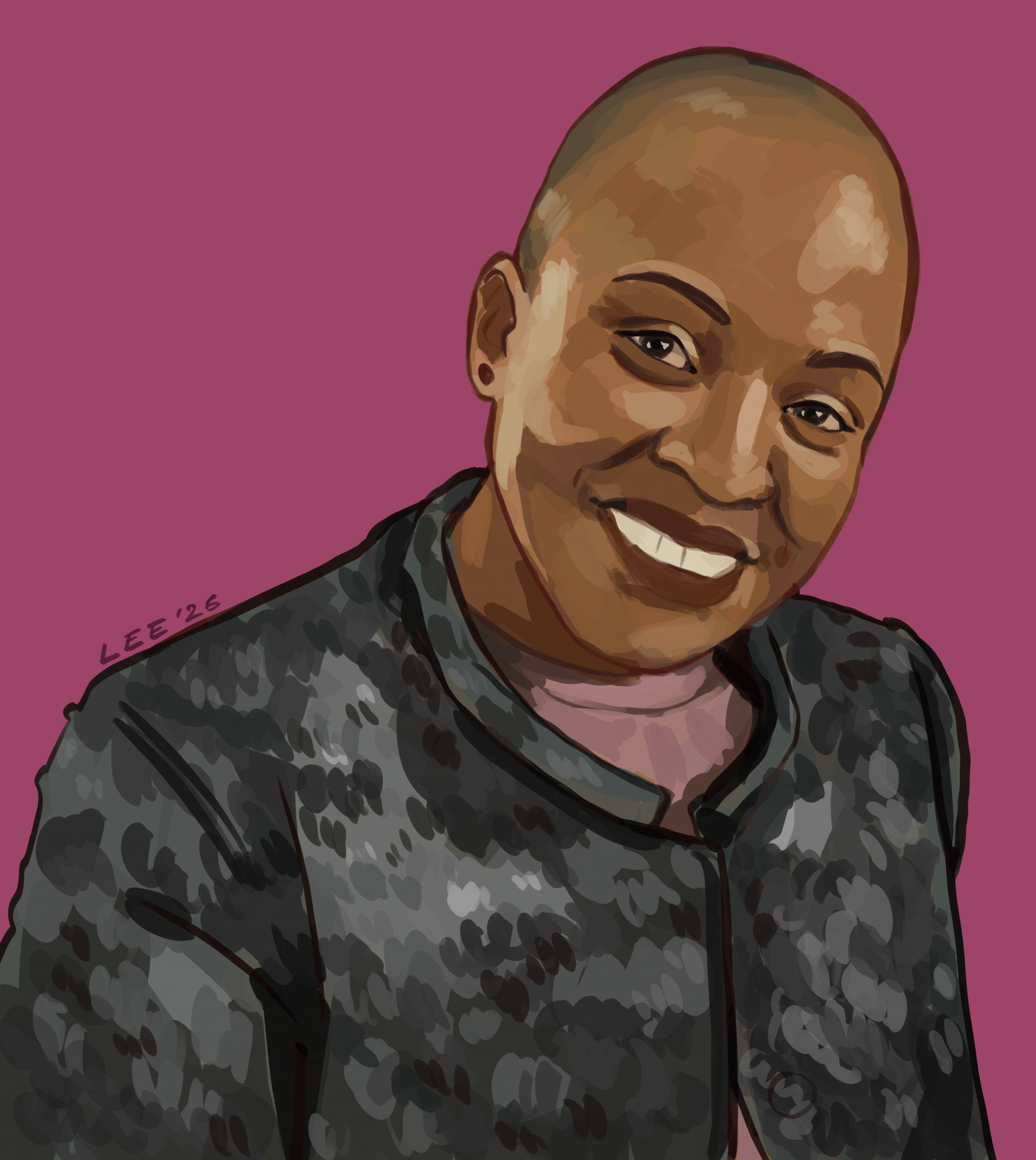



Ontario’s Special Investigations Unit (SIU) has declined to invoke its mandate in response to allegations that Sudine Riley, a Black criminal defence lawyer, was violently assaulted by Durham Regional Police officers inside the Oshawa courthouse. According to statements released through her counsel, Riley was questioned about her presence in an interview room after completing her court appearances, had her head slammed into a desk, and was dragged to courthouse cells. Riley has since been charged with violating the Trespass to Property Act, and the matter has been referred to York Regional Police for criminal investigation.
While courts have historically been framed as neutral spaces conducive to procedural justice, the institutional response to Sudine Riley’s alleged assault demonstrates how anti-Blackness remains embedded within the Canadian legal authority. By employing restrictive thresholds to determine eligibility for investigation and rendering Black professionalism conditionally legitimate, oversight systems reproduce the very racial hierarchies they purport to regulate.
Under Ontario’s Special Investigations Unit Act, the SIU maintains jurisdiction only in cases involving ‘serious injury,’ death, sexual assault, or the discharge of a firearm. According to the agency’s own criteria, ‘serious injury’ refers to harm likely to interfere with health or comfort that is neither transient nor trifling in nature, typically involving hospitalization or fractures. Oversight is contingent on these categorical thresholds.
However, data on policing in Ontario demonstrates that racialized harm often operates through discretionary force and suspicion that does not always culminate in catastrophic injury. The Ontario Human Rights Commission (OHRC) found that although Black residents comprised 8.8 per cent of Toronto’s population, they accounted for 28.8 per cent of arrests involving a single charge and 38.9 per cent of arrests involving ten or more charges. In police-involved shootings nationwide, officers kill Black people at disproportionate rates: Black people account for 8.7 per cent of those killed despite constituting only 4.3 per cent of Canada’s population. Because oversight is triggered by bureaucratically-designated and highly specific thresholds, many forms of racially biased policing fall outside the reach of jurisdiction for formal investigation, further determining which—and whose—injuries qualify for recognition, compromising mechanisms meant to ensure accountability and institutional reform.
Research on systemic anti-Black racism in Canada demonstrates that professional status does not insulate Black individuals from suspicion. The OHRC’s inquiry into the Toronto Police Service concluded that race remains a significant predictor of police use of force even after accounting for age, gender, neighbourhood, and situational factors. In Quebec, a 2024 Quebec Superior Court ruling found that racial profiling is a systemic issue within the Service de police de la Ville de Montréal (SPVM) and held the City of Montreal liable in a $171 million CAD class-action lawsuit concerning discriminatory police stops. The decision affirmed that institutional practices, not merely individual ‘misconduct,’ produced discriminatory effects on Black and other racialized communities.
Evidently, suspicion is institutional and not incidental. It manifests through discretionary stops, challenges to authority, and demands for verification that are disproportionately exercised against Black people. Black legal professionals are frequently mistaken for defendants or court clerks, asked to justify their presence in courthouses, or required to produce identification in ways their white counterparts are not. This dynamic, presumed illegitimacy of presence, persistently associates Blackness with deviance and criminality irrespective of role or status.
Canada, as a national entity, often touts its exceptionalism: The assumption that systemic racism and racialized police violence is an American problem, and that its justice system operates through neutral procedure. However, when its oversight mechanisms define harm so narrowly and its institutions view Black legitimacy as conditional, Canada cannot continue to assert its inherent ‘neutrality.’ If serious injury is the threshold for recognition, and suspicion remains discretionary, then the problem is undoubtedly structural. Accountability requires a framework that recognizes anti-Black harm before it escalates. Until then, Canadian exceptionalism obscures the fact that, in practice, neutrality remains a claim rather than a condition.
Sudine Riley was not a bystander. She was a criminal defence lawyer doing her job inside a courthouse. Yet, this proximity did not insulate her from the racialized scrutiny and discretionary force documented across Canadian policing. Meaningful reform requires expanding accountability frameworks beyond individual incidents and confronting the systemic conditions that allow racial bias to persist.