
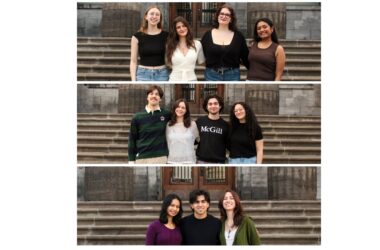
Mia Helfrich Creative Director: I can’t remember what pulled me into The Tribune. I showed up to an Arts and Entertainment pitch meeting before classes began in my first year at McGill. My memories of university simply start here. After writing articles for a few months, I became curious about[Read More…]
Tag: the tribune

How systemic barriers hinder the integration of African immigrants in Quebec’s labour market
Immigrants contribute significantly to Canada’s socioeconomic growth in undeniable ways, yet many of them are excluded from job opportunities for reasons unrelated to their qualifications. A complex interplay of racial discrimination, social isolation, and systemic inequalities shapes the experiences of Highly Skilled African Immigrants (HSAIs) joining the workforce. This raises[Read More…]
Take the Tribune’s Science and Technology quiz
In 1989, Alan Emtage, a graduate and system administrator at McGill, created the first Internet search engine, which present-day search engines still rely on. What did he call his search engine? a) WebCrawlerb) Yahooc) Archied) ChatGPT As of Fall 2025, which faculty had the largest number of students enrolled? a)[Read More…]
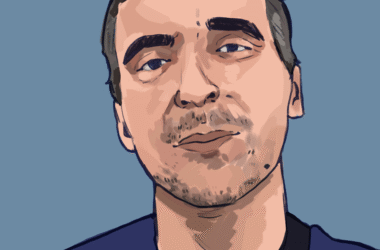
Meet your prof: Nikolas Provatas
Despite being friends with several physics majors, when discussions of gravity and inertia inevitably shift into abstract theory, I can’t help but wonder, what is physics all about, anyway? If you’re studying science or engineering here at McGill—or just interested in the mysterious inner workings of physics overall—there’s a pretty[Read More…]

A diabetes peer mentorship program launches for First Nations youth
Diabetes is often framed as a purely medical condition, managed through medications, blood sugar monitoring, and lifestyle changes. For many Indigenous youth in Canada, however, history and culture shape how they experience the condition. The enduring impacts of colonialism, intergenerational trauma, and the healthcare system’s failure to provide culturally sensitive[Read More…]
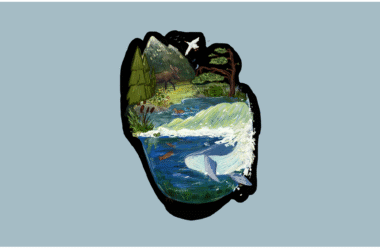
A world in decline: Can ecological restoration reverse the damage?
Human activity has degraded or destroyed many ecosystems; an estimated 75 per cent of the Earth’s land surface has been significantly altered by human activity. This degradation contributes to climate change, reduces water quality, degrades soils, and disrupts pollination patterns. Restoration of degraded ecosystems may serve as a solution to[Read More…]

The cost of silence: How occupational therapy institutions have failed Palestinians
In the face of the Palestinian genocide, Canadian occupational therapy institutions have largely remained silent. This institutional silence has deeply affected many practitioners, who must navigate both ethical responsibilities and moral obligations. To challenge this lack of a clear institutional stance, Hiba Zafran, assistant professor in McGill’s School of Physical[Read More…]
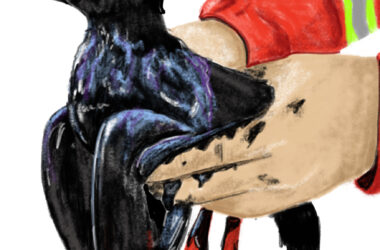
Ships, spills, and genetic shifts: How oil pollution changes Arctic birds’ DNA
The effects of climate change are increasingly visible around the world, but nowhere are these impacts more observable than in the Arctic. The region’s temperature is rising at over two times the global average—a phenomenon that has devastating impacts on natural ecosystems. As the ice melts, it destroys natural habitats,[Read More…]

How institutional regulations of multiple relationships gatekeep psychotherapy
Are there risks in enforcing ethical boundaries in the context of psychotherapy? This question arises when considering how and why ethical red tape becomes cemented into clinical practice, especially in regard to the client-psychologist relationship. Dennis Wendt, associate professor in McGill’s Department of Educational & Counselling Psychology, and director of[Read More…]
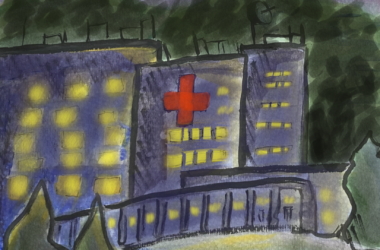
Designing culturally safe interventions in obstetrics
Sept. 28, 2025, marks five years since the death of Joyce Echaquan, a 37-year-old Atikamekw woman who died of pulmonary edema—fluid accumulation in the lungs—due to medical negligence in a northern Montreal hospital, Centre Hospitalier de Lanaudière. Joyce livestreamed the persistent mistreatment and discrimination she endured while seeking medical attention,[Read More…]