

In the past few years, debate has raged over the Keystone XL project, a 1,897 km pipeline between the tar sands in Alberta and Nebraska, in the U.S. While many have opposed the pipeline, largely on environmental grounds, a new report has been released by the U.S. State Department concluding[Read More…]
Opinion
Opinions from our editorial board and contributors.
The case for boycotts
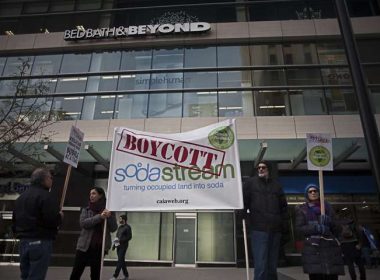
With the Winter Olympics beginning and the Super Bowl just behind us, the spirit of sports is in the air. Along with increased attention to the players and teams themselves, the events have brought further awareness to the commercialism behind the athletics. Specifically, several commercials and social media messages have[Read More…]

Equity policy needs more clarity, transparency
The Students’ Society of McGill University’s (SSMU) Equity Policy has come under sustained criticism from both students and members of SSMU Council in the wake of its application against SSMU VP Internal Brian Farnan, resulting in a public apology. As was reported Feb. 4, changes to the policy—some of which[Read More…]
Government settlement weak in UNB strike
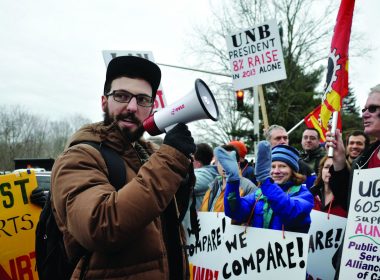
Classes at the University of New Brunswick (UNB) resumed yesterday after more than two weeks of faculty strikes. This development, following a long period of deadlock in negotiations, comes as welcome news to many UNB students who were worried about falling behind on their coursework, and frustrated with their wasted[Read More…]

The Tribune’s SSMU Winter GA endorsements
Tomorrow, Wednesday Feb. 5, marks the Winter General Assembly (GA) of the Students’ Society of McGill University (SSMU). The GA is one of the few places in which students are able to debate, discuss, and directly communicate with their student government in a forum. This week’s event presents us with[Read More…]

Information sharing merits transparency
On Jun. 30, Canadian border officials plan to enact an extended data-sharing program with the United States in which more information from travellers at the U.S.-Canada border will be recorded and shared with other federal departments. These measures, which will serve as an expansion of the current “Entry-Exit Initiative,” will[Read More…]
Goodbye and good riddance
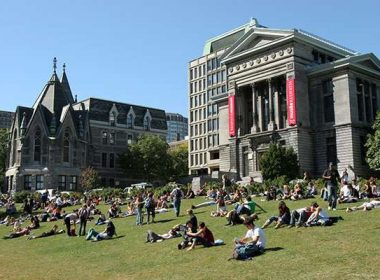
When people ask me about my post-graduation plans, I often tell them that I’m done with school. I’m looking for a job on a midterm campaign, I tell them, and maybe I’ll head to law school somewhere down the line. But what I invariably add is that I’m not actually[Read More…]

You say, we hear—words and why they matter
In 1967, economist Milton Friedman gave an address to the members of the American Economic Review. It laid the foundations for the resurgence of monetarism and the rise of neoliberalism, which would eventually replace Keynesianism, revolutionize macroeconomics, and win Friedman a Nobel Prize. At that time, nearly every macroeconomist in[Read More…]
Such doge, much wow
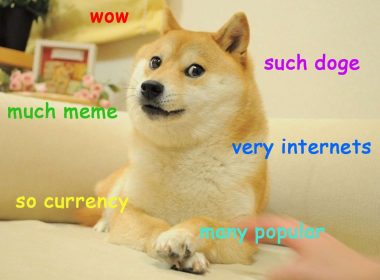
I’ll admit it, I underestimated the Internet meme. Like most young adults of my generation, I’ve spent hours upon hours cheerfully observing the various online phenomena du jour. From Lolcats to the Harlem Shake and everything in between, I’ve watched meme culture—enabled by the rapid technological advancements of the last[Read More…]

Rise of the apps
Apps are transforming the world. If 10 years ago was the dotcom boom; today is the app boom. Being up to date with apps is especially important from a university perspective for two reasons. First, we need to find a job upon graduation. Apps can improve the processes of an[Read More…]