
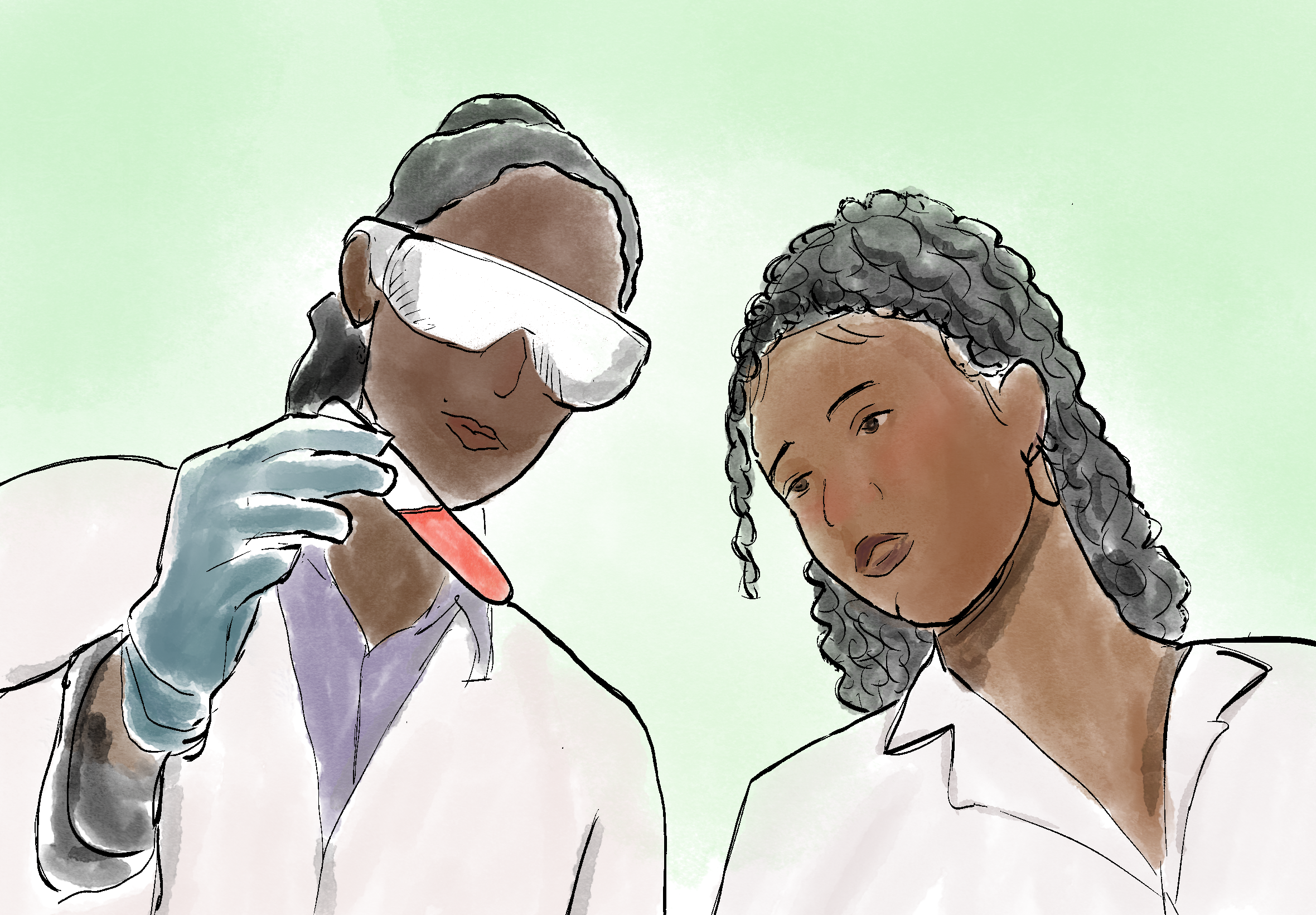
MD-PhD and MD-MSc programs—where students pursue a Doctor of Medicine (MD) alongside either a Master of Science (MSc) or Doctor of Philosophy (PhD)—are becoming increasingly recognized for their academic and career-centric benefits. These programs train physicians with strong scientific research backgrounds, equipping graduates with a unique skillset. However, these courses[Read More…]
Tag: science
Beating the fake-spring blues with science events at McGill
Now that we have returned to daylight savings, our days should feel longer, brighter, warmer—in theory, that is. Somehow, both the ground and the sky remain the same colour of lifeless grey. And not only are our skies dark, but our homes are as well, after recent winds of 120[Read More…]

Accidental discovery reveals a potential plant-based anti-aging compound
Geroscience, the study of aging and age-related diseases, has become a popular area of research in recent years. Here, the focus is not on treating age-related illnesses, but preventing or delaying their onset by understanding the biological mechanisms underlying aging. In a recent study, researchers discovered that Cyrene, a plant-derived[Read More…]
Take the Tribune’s Science and Technology quiz
Montreal is often nicknamed the “Underground City” due to its large pedestrian subway network. How many kilometres does this network run? Which McGill professors discovered the chemical element radon in 1899? Annie L. Macleod was the first woman to earn a PhD at McGill. In which department did she complete[Read More…]
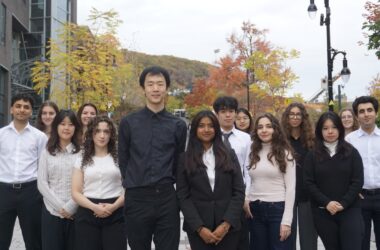
McGill Biodesign pushes the boundaries of competitive bioengineering and peer collaboration
McGill BioDesign is one of McGill University’s premier bioengineering design teams. Based on engineering design practices, the team tackles an array of projects in medtech and sustainability, affording students the opportunity to collaborate in research laboratories across campus and compete internationally. For many, McGill BioDesign provides a unique learning environment[Read More…]
Improving Black and Latine youths’ sense of belonging in schools
Adolescence is a formative time for young people to define both who they are and who they hope to become. For Black and Latine youth, that journey often unfolds against a backdrop of historical barriers and discrimination in society as well as in educational settings, ultimately shaping how they see[Read More…]
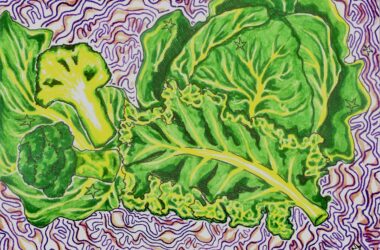
Powerful greens: How natural plant compounds are used in therapeutic intervention
Have you ever wondered why you were encouraged to eat your greens as a child? Not only are they packed with healthy nutrients, but some of these cruciferous vegetables are also home to a chemical compound called isothiocyanates (ITCs)—phytochemicals. These are shown to play a role in preventing cancer, cardiovascular[Read More…]
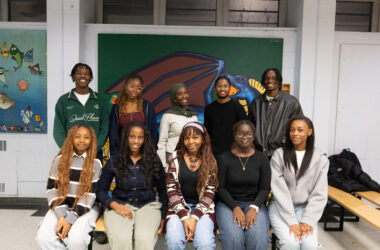
Inside McGill’s chapter of The National Society of Black Engineers
For many Black engineering students at McGill, finding community can be just as important as academic success. The McGill chapter of the National Society of Black Engineers (NSBE) aims to provide that support through camaraderie, mentorship, and leadership. One of the students helping lead these efforts is Fatima Janneh, a[Read More…]
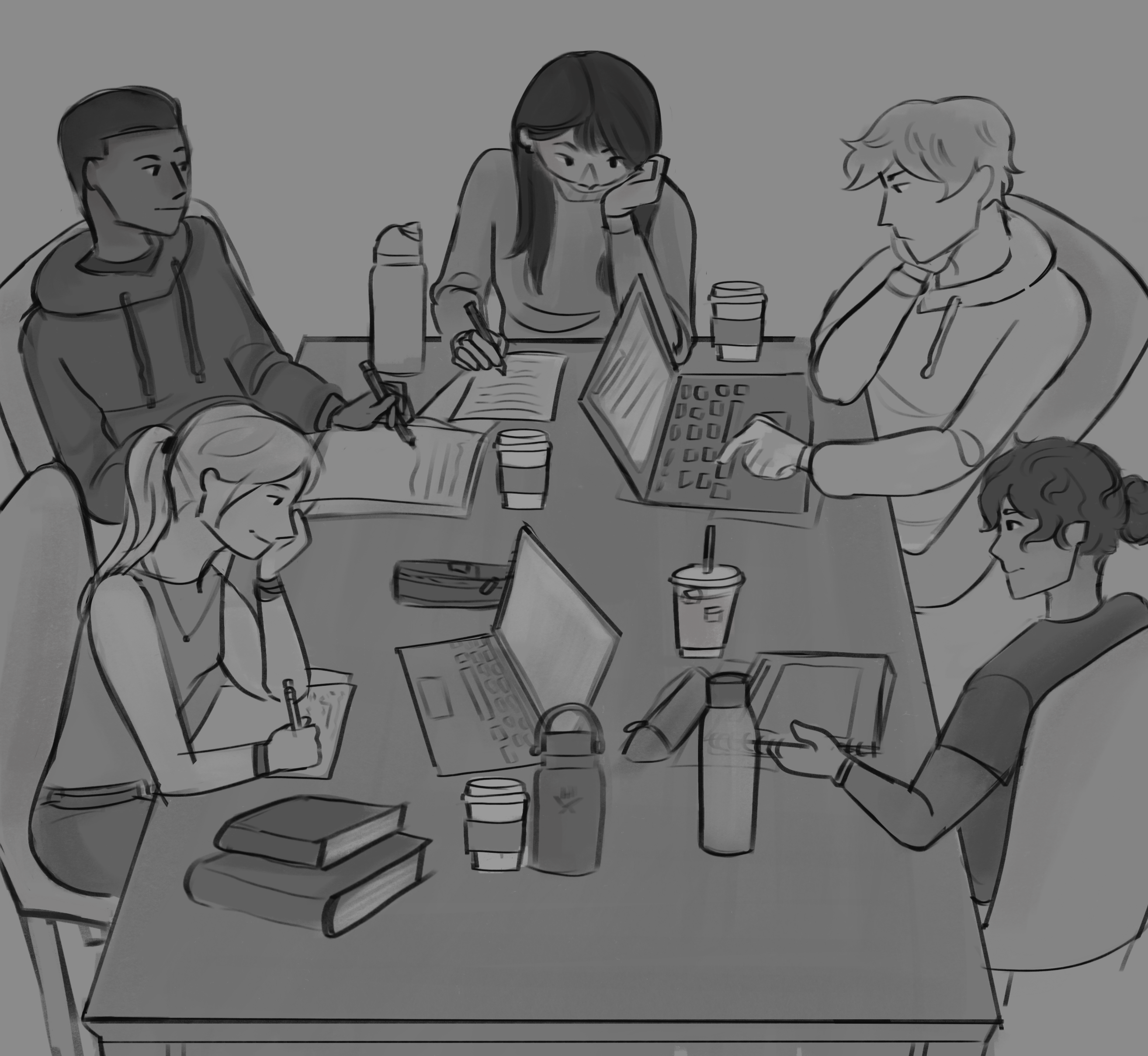
SciLearn: Learning how to learn
Starting a science degree at McGill can feel overwhelming. Between heavy course loads, fast-paced lectures, and the pressure to perform, many students struggle to find study strategies that work for them. SciLearn, a program run by McGill’s Office of Science Education (OSE), aims to change this. Grounded in neuroscience, SciLearn[Read More…]

What is the best way to track ammonia pollution?
Ammonia (NH₃) is an essential component of agricultural fertilizers, but can become an environmental pollutant. Roughly half of all nitrogen used in the agricultural industry escapes into the environment; 56 per cent ends up in water bodies and 44 per cent is released into the air, mostly as NH₃. The[Read More…]