
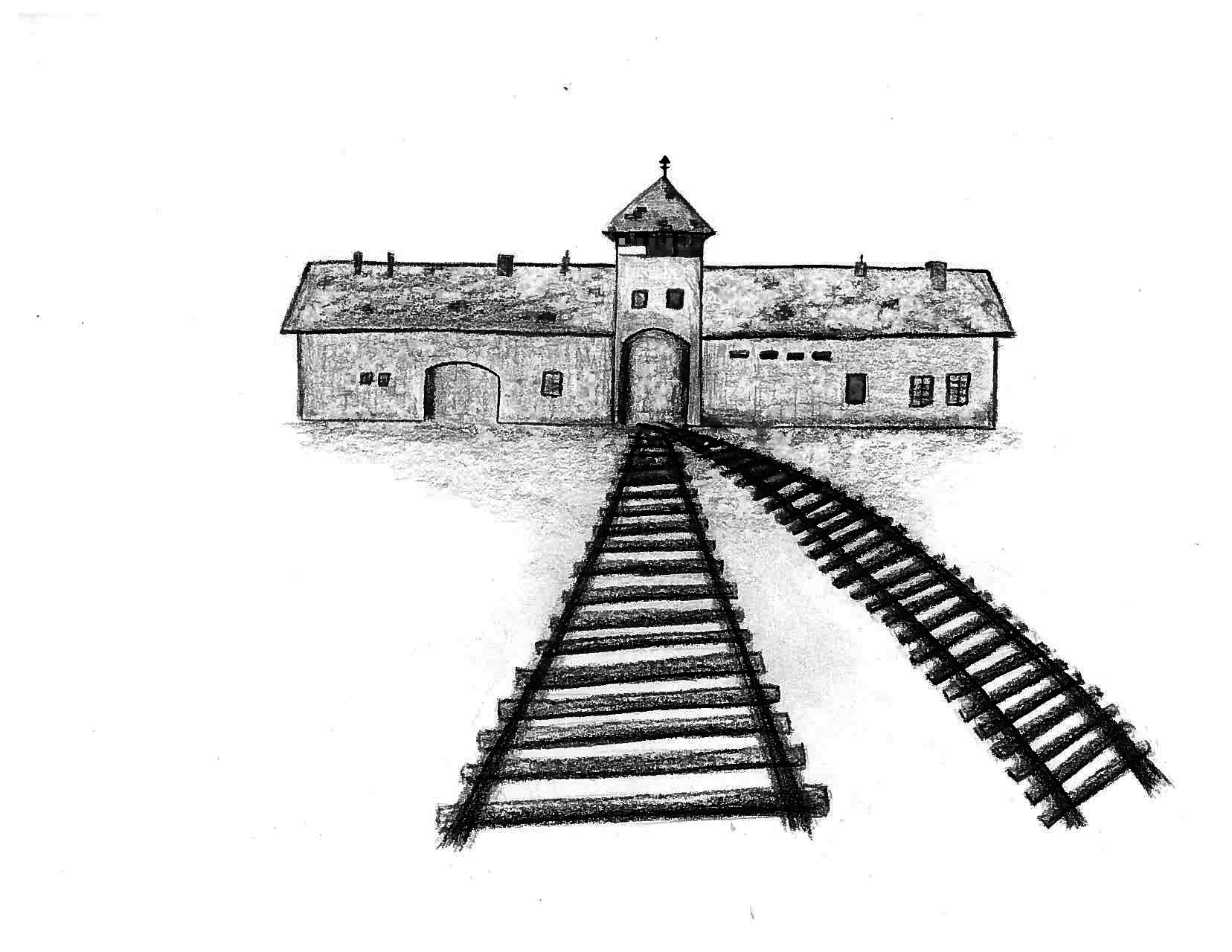


I had gone out the night before, enjoying Krakow’s nightlife and the cheap vodka that came with it. With about three hours of sleep, I awoke to get on a bus for Auschwitz-Birkenau, the head extermination concentration camp from the Second World War.
Falling into a deep sleep on my way to the site, I woke up to a grey sky with steadily falling rain. The atmosphere was chilling. I stepped off the bus, greeted by a deathly silence that serenaded one of the most infamous locations of the Second World War. This was where the Nazis had tortured and exterminated over a million Jews, Poles, Roma, and Soviet prisoners of war. Around 6,000 Jews were killed in gas chambers everyday at the peak of the deportations.
This was not my first time at Auschwitz. When I was four years old, my parents brought me and my sister here, although I retain no memories from that trip. As I grew older and became fascinated by the history of the war, I begged my sister to describe what Auschwitz was like; what did she remember that I could not? She told me that one of the most disturbing images for her 9-year-old self was that of old, tattered children’s shoes that haunted the grounds of the camp.
From these selective memories, I pictured vivid brutality, thinking it would be visibly imprinted upon the structures that had housed atrocities. Perhaps there would be remnants of the creepy cells and dark dugouts which held the prisoners. Maybe blood smeared on the walls, left behind by those who had tried to escape.
It was nothing like I had imagined it would be. Instead, I saw neat rows of brick townhouses—almost resembling a boarding school. Only the signs indicating “Extermination House” on the entrances of various buildings betrayed its identity as a slaughterhouse.