



On March 26, a four-day hearing concluded in the Supreme Court of Canada, where six groups challenged the Quebec government regarding Bill 21, continuing the debate over religious freedom, minority rights, and the use of the notwithstanding clause. The six opposing groups include the English Montreal School Board (EMSB), the World Sikh Organization, the National Council of Canadian Muslims, and the Canadian Civil Liberties Association.
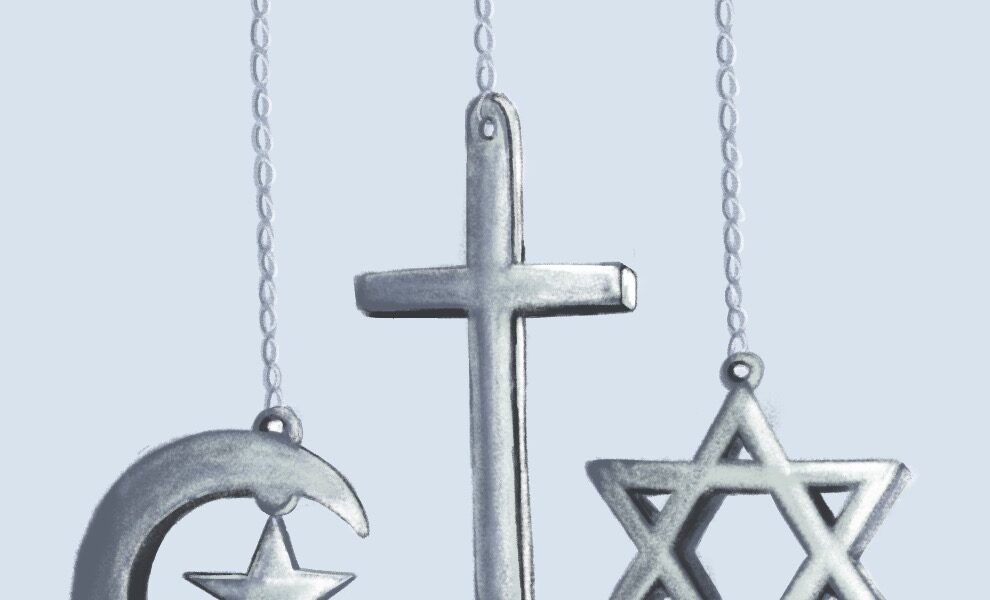
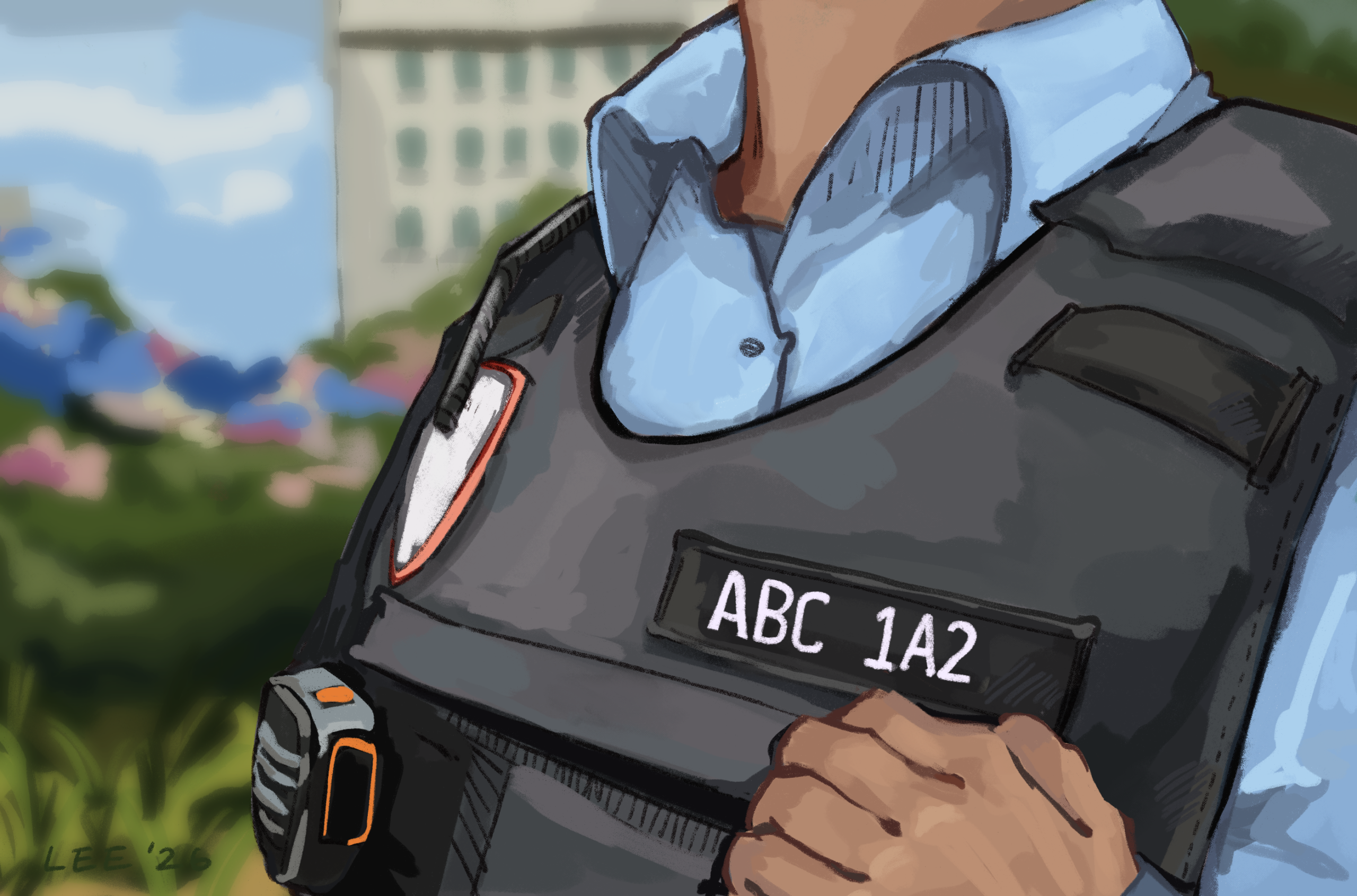
Bill 21, passed in 2019, prohibits public-sector workers, including teachers, police officers, and judges, from wearing visible religious symbols while working. The Quebec government has argued that the law is necessary to uphold secularism in public institutions.
In an interview with The Tribune, Elizabeth Elbourne, a professor in the McGill History and Classical Studies department, emphasized the disproportionately damaging effects Bill 21 has on individuals who wear religious symbols.
“Beyond the impact on particular individuals in their jobs, Bill 21 has arguably created a permission-giving environment for discrimination,” Elbourne said.
Elbourne said that while the law applies broadly, its effects are not evenly distributed. She referenced a survey she conducted with Kimberley Manning, Political Science Professor at Concordia University, which concluded that some student teachers chose to change careers or leave Quebec rather than work under the law.
Historically, the notwithstanding clause has been used sparingly, and typically in response to court decisions. Introduced in 1982 as part of the Charter, it was designed as a political compromise to balance judicial power with parliamentary sovereignty.
In an interview with The Tribune, Jonathan Montpetit, a senior investigative journalist with CBC News, noted that Bill 21 marks a shift in how the notwithstanding clause has been used in the past.
“It was used preemptively […] the law did not specify a specific Charter right it was overriding,” Montpetit said. “Whatever the Supreme Court decides will have huge ramifications, not just for constitutional rights, but for how we think of the federation and indeed Canadian democracy itself.”
Some challengers also claim that Bill 21 violates rights that cannot be overridden by the clause, including gender equality and minority language rights. The Canadian Civil Liberties Association, one of the six appellants, argues that the law violates the protections of the Canadian Charter.
The EMSB contends that Bill 21 conflicts with Quebec’s identity as both pluralist and secular.
“The [EMSB] argues that the English community has the right to manage its own school boards in accordance with its own values and therefore can’t be made to enforce Bill 21 in English schools,” Elbourne said.
The case also raises broader philosophical questions about democracy and the balance of power in Canada. Montpetit pointed out that the outcome could reshape how Canadians understand their political system.
“Which institution ought to have the final say in a democracy, the courts or the legislature?” Montpetit asked. “Is a democracy about respecting the will of the majority or protecting the rights of the minority?”
In a written statement to The Tribune, Kaya Scrivens, U1 Arts and Vice-President Events for the McGill Religious Studies Undergraduate Society, explained the consequences of Bill 21 for Quebec minority groups and McGill students.
“Bill 21 is a ban on religious symbols in public, but it represents much more than that, and it sets a kind of precedent in Quebec for tolerance of religious discrimination as this bill affects certain religions more than others,” Scrivens said. “In terms of the McGill students, banning prayer spaces affects Muslim students who require prayer at specific times of day more than it affects others who can pray on more lenient schedules and in places that don’t require a prayer room.”
Elbourne believes this case will have significant implications for Canada’s constitutional rights moving forward.
“The challenge won’t overturn the notwithstanding clause, even if successful. Nonetheless, if the court places clearer restrictions on the use of the clause this will shift balance of power back to courts and charter rights somewhat, albeit within limits.”
Pingback: A conversation with Ehab Lotayef: A lifelong voyage to the conscience of humanity - The Tribune