
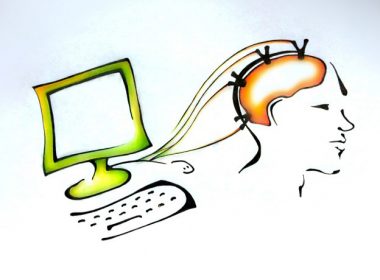
The tech industry has long been a demographically homogeneous place, and there has been a lot of conversation about how to make the industry more inclusive for people who don’t fit the stereotype of the Silicon Valley tech bro. However, making the products themselves more inclusive hasn't received as much public[Read More…]
Articles by Clare Lyle
Life outside lectures: The value of technical jobs and internships
Under the shadow of exams, assignments, and endless lectures, the pressure of academic life can turn the McGill bubble opaque. Although we call ourselves McGill students, there are four months of the year during which most of us are not studying at McGill University. Many students use their respite from[Read More…]

How to deal with threats to your computer and private information
On March 21, Concordia University issued a statement warning students and faculty that keylogger devices had been found on university computers. “These keylogger devices can capture personal data such as login information and passwords (for example, passwords associated with your Concordia netname) by tracking the keystrokes used at a workstation,”[Read More…]
MonWHO inspires students to discuss public health
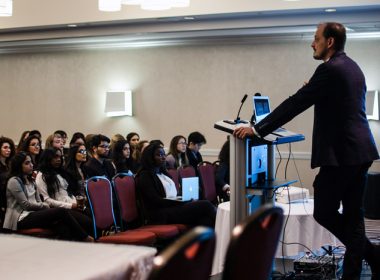
Three days, hundreds of delegates and one goal: To inspire people to talk and think critically about public health. The Montreal World Health Organization Simulation (MonWHO) kicked off on Friday March 18, bringing together students from universities all around Quebec to gain insight into public health. This year’s theme was[Read More…]
Exploring the world of math
The fast-paced world of finance has always been filled with big numbers. Astronomical numbers. Mind-bogglingly huge numbers that inspire the question: How does this much money even exist? Investors turned to mathematicians for help answering this question. Thus, quantitative finance was born. Simply, quantitative finance is a math-intensive subfield that[Read More…]
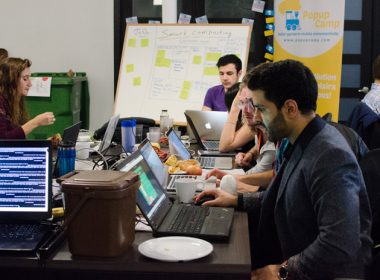
Vert Montreal: Creating a greener future for Montreal
On Jan. 29, 120 developers, designers, entrepreneurs, and experts gathered in downtown Montreal to look for sustainable solutions to address Montreal’s energy problems. The event, Start-Up Weekend: Sustainable Cities, was part of a creative marathon set up by the city of Montreal to tackle the city’s fossil fuel dependency. Sparked[Read More…]
How much sleep do we actually need?
It’s a question that has perplexed humanity for centuries. Some of the most prolific thinkers in human history, such as Leonardo Da Vinci, Thomas Edison, and Winston Churchill were said to get by on as few as two or three hours of sleep per night. But can the human brain[Read More…]
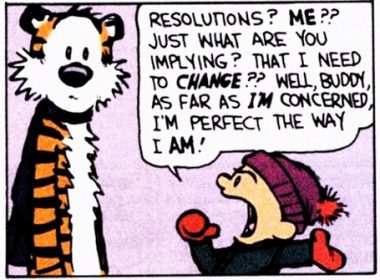
Tips on making and achieving a New Year’s resolution
Historically, a new year was marked by an astronomical event. For example, ancient Babylonians began the new year with the first new moon after the spring equinox. Today, however, the new year is simply marked with a date: January 1. While there’s nothing particularly special about New Year’s Day, it[Read More…]
The Science & Policy Exchange group is planning for the future
Consider the space race, which occured between 1955 to 1972 and saw the U.S. and the U.S.S.R. competing for superiority in space technologies. This resulted in a drive in innovation and increased incentives to do research. Alone a similar line, consider the impact of education policy decisions. In Canada, most[Read More…]
McGill Space Institute takes off with a ‘big bang’
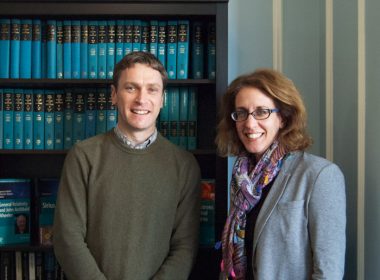
McGill is home to many renowned astrophysicists, cosmologists, and planetary scientists. Until recently, however, space researchers at McGill lacked a place to share their work. Scientists were scattered between different departments, with offices ranging from Rutherford Physics Building to Burnside Hall. But all of this is changing with the creation[Read More…]
From the BrainSTEM: The leaky pipe
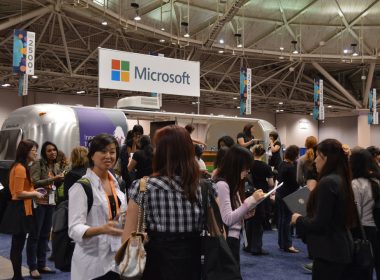
Today, women make up less than 20 per cent of software engineers in the workforce (the precise numbers range depends on who is collecting the statistics and how the observer defines ‘software engineer’). Even in universities, where women outnumber men almost 3:2, only 12 per cent of computer science degrees[Read More…]
2015 Nobel Prize winners in physics, chemistry, and medicine
During the week of Oct. 5, the Royal Swedish Academy of Sciences announced the winners of the 2015 Nobel Prizes. The laureates’ scientific breakthroughs contributed to humanity’s understanding of DNA, explained fundamental properties of the universe, and provided doctors with means of combating diseases like malaria and parasitic diseases. Physics[Read More…]
Bioinformatics is changing the experimental process
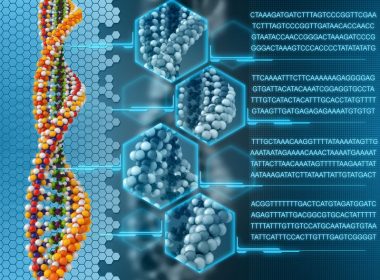
Every iPhone has a processor that is roughly 10 times faster than the Apollo Guidance Computer, used during the first moon landing. The IBM 7090, considered the fastest supercomputer in the 60s, would fail to keep up with today’s smartest watches. Computational power has grown exponentially over the years, but[Read More…]
Notman House hosts Masters of Code hackathon
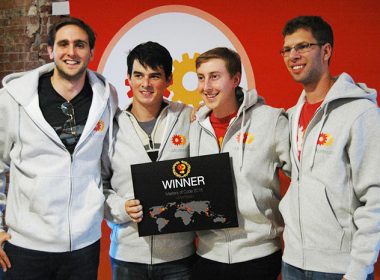
“Develop the greatest digitally connected application [or] solution that will profoundly alter your connected life.” This was the problem presented at the MasterCard Masters of Code hackathon this weekend. Stretching from Saturday to Sunday afternoon, the challenge attracted roughly 100 developers, designers, and tech enthusiasts to Notman House, Montreal’s hub[Read More…]
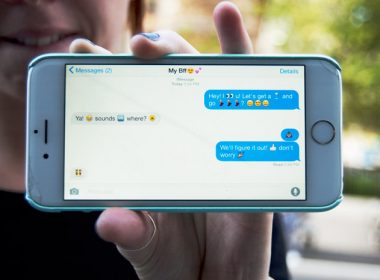
Understanding the world of hiero-gifics
As platforms like Short Message Service (SMS), Facebook Messenger, and WhatsApp grow in popularity, the amount of time people spend interacting face-to-face decreases. To make up for this, tech enthusiasts and artists have teamed up to develop novel ways to convey emotion over text. Ranging from the humble smiley to[Read More…]
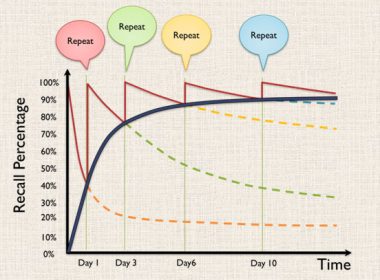
The summer slide
Summer marks a pause in the academic year. It’s a time for students to recharge after a hectic semester and forget about school for a few months. Unfortunately, this can also mean forgetting a sizable chunk of the previous year’s work. This phenomenon, known as the “summer slide,” is well-documented[Read More…]
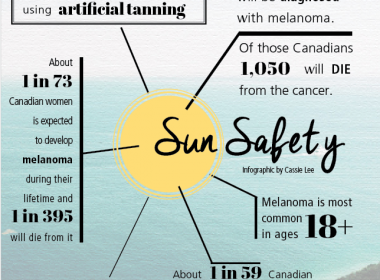
Silent but deadly
Summer is the time to relax, hit the beach, and for some, to get a tan. But swimsuit season brings with it a major public health risk in the form of ultraviolet (UV) radiation. Problems that range from wrinkles to skin cancer arise during the summer because this is when[Read More…]
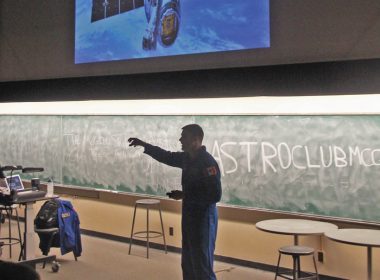
Jeremy Hansen touches down at McGill
The Frank Dawson Adams (FDA) auditorium hosted an auspicious guest on Wednesday when Jeremy Hansen walked through the doors. The Canadian astronaut talked about his profession, space travel, and how space fits into society. He presented the audience with stunning images of Earth taken from the International Space Station (ISS)[Read More…]

This Month in Student Research: Valérie Losier
When Valérie Losier, a U3 Physics major, holds up the project she’s been working on for the past academic year, it doesn’t look like the next generation of breast cancer detection technology. Nonetheless, the device—a labyrinth of wires connecting computers and sensors to a bra—may soon become common sight in[Read More…]
A guide to the galaxy
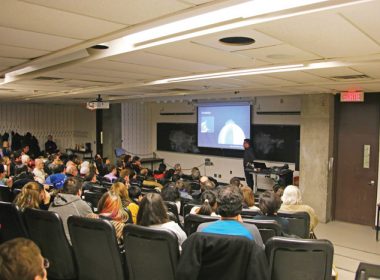
On March 19, McGill students and the general Montreal public were taken on a tour of the solar system—while never leaving 103 Rutherford. Dr. Richard Léveillé, a planetary scientist who has worked on NASA’s Mars Science Laboratory mission, presented to a packed room on what scientists have learned about our[Read More…]
Hi, Robot: How smart are our gadgets?
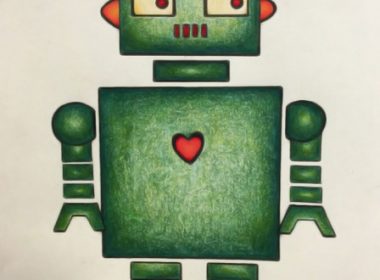
Over the last 50 years, gadgets have evolved into faster, smaller, cheaper, and more accessible tools, becoming indispensable in our day-to-day lives. As technology’s role in our lives grows, so does the demand for more intelligent design. Shopping sites now predict customers’ preferences; cell phones can pay for coffee[Read More…]
Protecting against piracy using DRMs
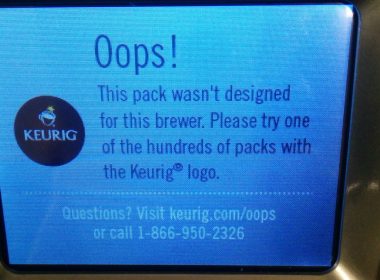
Digital Rights Management (DRM) technology has permeated our phones, our computers, even our coffee makers. In theory, DRM is meant to protect content creators from piracy; however, its critics are quick to disagree. According to the Electronic Frontier Foundation, DRM technologies “impede innovation, security, and basic user rights and expectations,[Read More…]
Research Briefs—Mar. 10, 2015
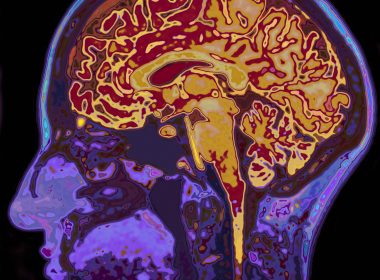
Working out boosts grey matter A recent study of adult twins has shown that an exercise routine can do more than just burn fat. Researchers from the University of Jyväskylä in Finland analyzed data from 10 pairs of adult male twins who had grown up playing the same sports,[Read More…]
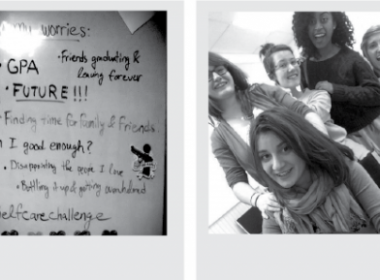
Healthy McGill hosts the #SelfCareChallenge 2015
There’s no avoiding the fact that university students today are stressed. According to a 2013 study conducted by the Canadian Association of College and University Student Services (CACUSS), 85 per cent of students reported feeling overwhelmed by their work Of the study’s 30,000 respondents, 91.5 per cent admitted to feeling[Read More…]
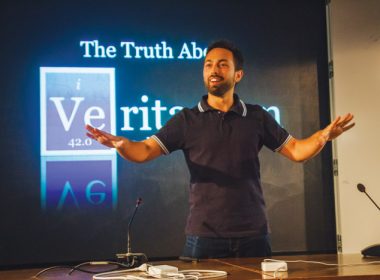
The element of truth
“Where did I spend my 18th birthday?” Derek Muller asked a packed Leacock 232 on Tuesday, Feb. 3. The question sparked confused laughter from the audience. However, this was only the start of a presentation that would continue to amuse. Muller—the man behind the YouTube channel Veritasium—explores a huge range[Read More…]
Academia Week highlights 2015
The curious, the questions, and the answers From Jan. 26 to 30, the Science Undergraduate Society (SUS) hosted its annual Academia Week. The event sparked students' curiosity about science and life in academia, bringing in world-renowned scientists to present interesting questions related to their field of work. SUS Academia[Read More…]
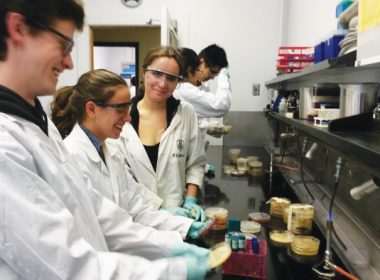
Research project engages undergraduates in research
Unlike traditional courses, where students perform predictable experiments to learn laboratory techniques, MIMM 212’s (Laboratory in Microbiology) students are on the front lines of scientific research. The course is part of the Small World Initiative (SWI), a project based out of Yale University that seeks to engage undergraduates in scientific[Read More…]
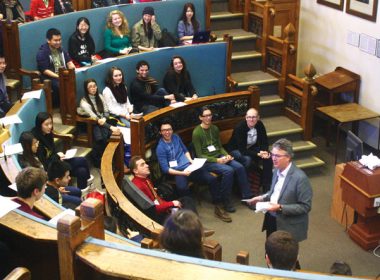
19th edition of Soup and Science
Soup and Science, presented by the Office of Undergraduate Research in Science, has provided a platform for undergraduate students to hear professors discuss their research and potentially secure a position as an undergraduate researcher in their labs. As Dean of Science Martin Grant explained, Soup and Science offers students a[Read More…]
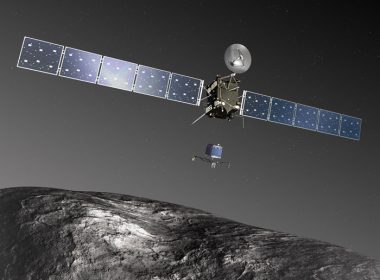
Mission accomplished: Philae touches down
At 16:03 GMT on Nov. 12, 2014, the European Space Agency’s (ESA) Rosetta mission’s Philae lander touched down on comet 67P/Churyumov-Gerasimenko. Its arrival marked the end of a decade-long journey that spanned 6.4 billion kilometres, and the first successful landing of a spacecraft on a comet. The Rosetta mission, named[Read More…]
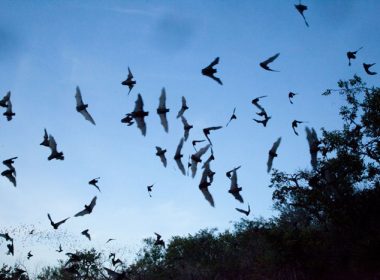
Research Briefs—Nov. 11, 2014
Neuroscience of choking under pressure The experience of choking under pressure—in an exam, at the free-throw line, or in a presentation—is a familiar one. This week a study published in The Journal of Neuroscience attempted to explain what goes on in the brain when the stakes are raised. While monitoring their[Read More…]
ABCs of Science: Alzheimer’s
Alzheimer’s disease and related dementias affect an estimated 500,000 Canadians. A study by the Alzheimer Society of Canada (ASC) found the disease to be the second most feared by Canadians as they age, and with good reason—the disease leads to cognitive function resulting in impaired short-term memory, the inability to[Read More…]
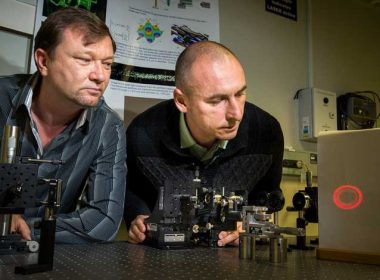
Research Briefs—Oct. 28, 2014
Physicists transport marbles with optical tractor beam The tractor beam—a long-distance invisible attraction beam—is a legendary staple in science fiction. In real life, moving objects using only light seems absurd, if not impossible. However, in a paper published in Nature Photonics, a team of Australian and American physicists successfully transferred[Read More…]
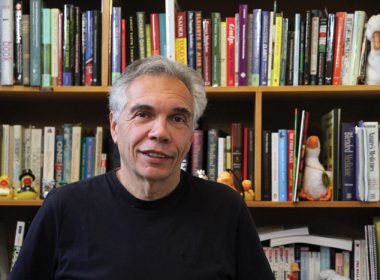
Experts discuss life in outer space
Spanning two days, the Annual Trottier Public Science Symposium “Are We Alone?” took the audience to the moon, Mars, and beyond. Focusing on the origin of life in our solar system, the series explored the where and how of alien life. Monday Monday’s first speaker, Planetary Society President Jim Bell,[Read More…]
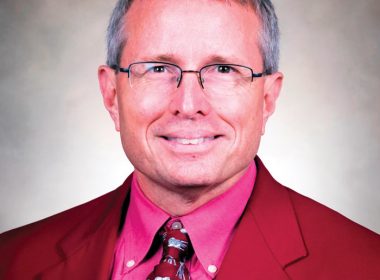
McGill chooses its newest CERC recipient
McGill announced the appointment of its newest Canadian Excellence in Research Chair (CERC), Dr. Robin Rogers, on Sept. 29.
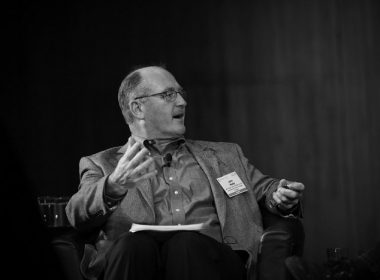
TISED talks address renewable electricity in Canada and the U.S.
Last Wednesday, Moyse Hall attendees watched society and technology collide. As part of a lecture series hosted by the Trottier Institute for Sustainability in Engineering and Design (TISED), McGill presented two views—one from an economist and one from an engineer—on the future of renewable power in North America. The first[Read More…]

Ebola strikes back
As far as infectious diseases go, Ebola is the new kid on the block. It was first identified in 1976, when two simultaneous outbreaks occurred in Western Africa along the Ebola River; 454 deaths occured that year.