



As kids, we ache to grow older; as adults, we ache for childhood. The Tribune shares three childhood books that capture this longing.
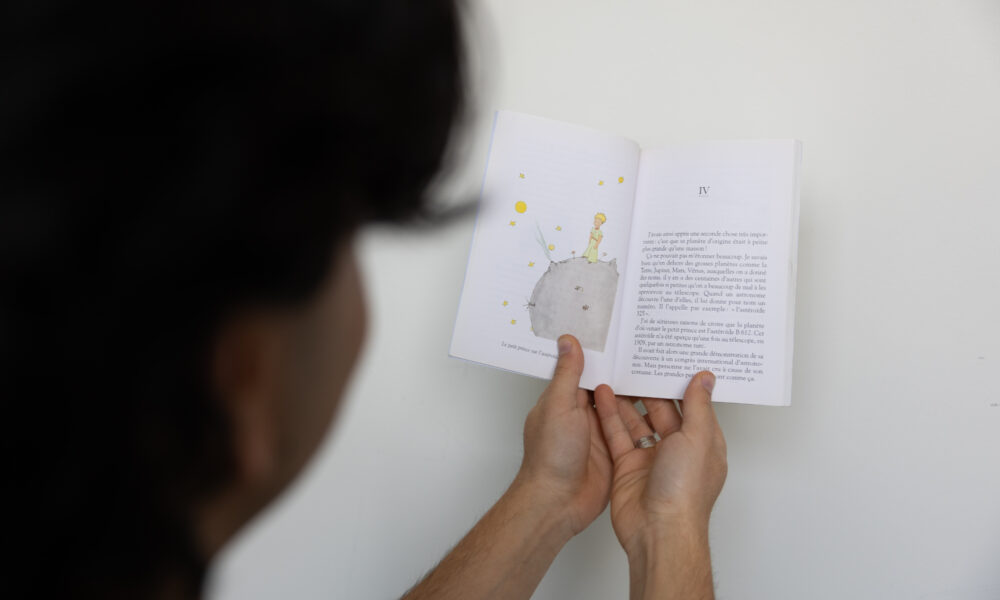
The Little Prince by Antoine de Saint-Exupéry – Bianca Sugunasiri, Arts and Entertainment Editor
Grown-ups become preoccupied with the most inconsequential matters. Peering at the world blindly, they neglect what is laid bare in their hearts, unsure of what they’re searching for. They forget everything that was once painfully obvious as children.
The Little Prince is a story of a stranded pilot once discouraged from drawing elephant-eating-boa constrictors, and the clever little prince he meets in the desert—a child tired of always and forever explaining things to grown-ups. The little prince is a character full of wonder, and wiser than most every grown-up I’ve ever met. His inquisitive heart never relinquishes a question once asked. In his dedication, author Antoine de Saint-Exupéry notes that although all grown-ups were once children, few remember it.
In finishing this book, you find yourself with more questions than you would’ve thought to ask—why is it that when making a new friend, grown-ups only ask about inconsequential things like their age, but never what their voice sounds like, or whether they collect butterflies? You will also follow the little prince to otherworldly places: Secrets in the land of tears, a planet with forty-four sunsets, and a glass dome with a tamed rose inside. He reminds grown-ups that their “matters of consequence” matter very little. The Little Prince is a book which you will mourn after finishing. It will leave you listening for the golden-haired prince laughing amongst every interaction you will have.
The Phantom Tollbooth by Norton Juster – Alexandra Lasser, Arts and Entertainment Editor
Though it’s difficult to pick a single moment that began my love of literature, reading the first pages of Norton Juster’s The Phantom Tollbooth is definitely in the running. The story follows Milo, a young boy bored with life, until a mysterious tollbooth appears and whisks him away to a land of imagination and endless wordplay. There he learns that the ordinary is not always boring, and that one can make an adventure out of every day. Juster’s world-building conjures images as vivid today as they were upon first reading. It is a novel that isn’t afraid to dive into the ridiculous, hysterical nonsense that children—and adults, secretly too—find amusing.
For all those longing for a world unburdened by the everyday routines that melt weeks into years, The Phantom Tollbooth escapes the confines of time and space as the princesses, Rhyme and Reason, are missing. Milo and readers are charged to tackle the beautiful chaos of the world to restore logic and meaning to life. As a student, the pressure of work and assignments makes the idea of a world without structure enticing, and Juster appeases that, but not without a lesson. Chaos is not sustainable; eventually, rhyme and reason must return to grant purpose and organization to a society, leaving readers to appreciate the consistency of each new day.
Love You Forever by Robert Munsch – Malika Logossou, Managing Editor
As children, we are rarely confronted with the reality of aging, of watching those who care for us grow old. But with time, that innocence fades, and this reality grows closer, scarier, and harder to ignore. Love You Forever by Robert Munsch traces a boy’s life from infancy to adulthood, marked by his mother’s unconditional love for him as expressed through her singing: I’ll love you forever / I’ll like you for always / As long as I’m living / my baby you’ll be. She is present at every stage of his life, even going to her son’s house once he’s grown, opening his bedroom window and crawling inside, collapsing the distance between childhood and adulthood as if it never existed. However, the story shifts as the boy grows older and his mother ages. Their roles reverse as he holds her and sings the same song back, later sharing it with his daughter. Revisiting Love You Forever as an adult reminds readers that love—whether from a parent, guardian, or anyone who shapes us—moves in cycles and endures over time.