

Until recently, a postmortem analysis of brain tissue was the only method capable of confirming that a patient suffered from Alzheimer’s disease, as opposed to another mental illness. Despite the many real-time medical assessments available, such as blood tests, brain scans and neuropsychological tests, none of these results are definitive.[Read More…]
Science & Technology
The latest in science and technology.

Avian flu mutation has even deadlier potential
In 2011, when scientists at the Erasmus Medical Center in the Netherlands pinpointed the necessary mutations to make the H5N1 avian flu virus highly contagious, they had to weigh the risks and benefits of their discovery. H5N1—commonly known as the bird flu—first broke out in Hong Kong in 1997. A[Read More…]
This Week in Research
Earth-like planets If extraterrestrial life does exist in outer space, planet KOI-172.02 is a good candidate to host life similar to that on Earth. Using the Kepler space telescope to find planets, scientists at NASA have detected at least 17 billion Earth-like planets surrounding Sun-like stars in the Milky Way.[Read More…]
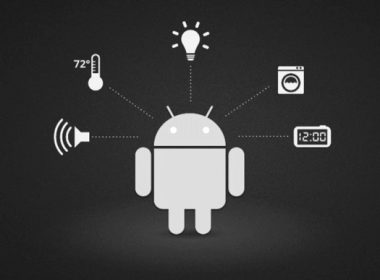
Companies jump on smartphone trend: home automation
At the 2013 International Consumer Electronics Show (ICES) in Las Vegas, Nevada, over 150,000 people watched as companies revealed a new wave of smartphone technology. More than just miniature computers, phones on display at the ICES were designed to be remote controls for the consumer’s life, connecting apps to household[Read More…]

Why are blue eyes blue?
The Tyndall effect is the principle responsible for blue eyes, and also happens to account for the blue colour of the sky. It’s a phenomenon that occurs when light is scattered by “colloid” particles—solid particles of 40-900 nanometers in diameter that float in suspension in a liquid medium. When white[Read More…]
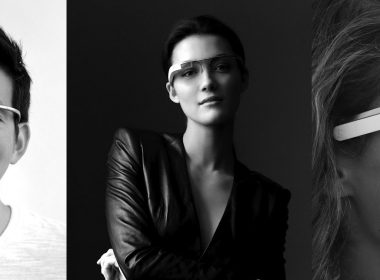
Wearable computing at a glance
Imagine window-shopping down Ste. Catherine on a crisp Sunday morning, when a stunning suit on display catches your eye. Beep! Brand: Arrow; Size: M; Price: $700—all this information pops up in front of your eyes in the flash of a second. This is the future of shopping, as Google envisions[Read More…]
Quantum computers: science fiction brought to life
Constructing the fastest computer has always been a huge challenge posed by technology. In the past, computer developments werheld back, as the machines, though extremely fast, could only perform one binary operation at a time. Today, this is no longer true. In May 2011, computing company D-Wave released the first[Read More…]
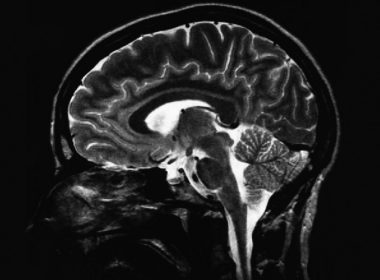
Newborn computer games prevent elderly dementia
The feeling of hitting your maximum capacity to remember facts is not a foreign concept to students—especially the night before an exam. Fortunately, one’s cognitive reserve is far from rigid. Recent research has shown that keeping your cognitive faculties active may be instrumental in preventing the age-related neurodegenerative diseases that[Read More…]
Promising solution for those with poor taste
For people without a functional salivary gland, food tastes like it is rolled in sand, says Dr. Simon Tran, Faculty of Dentistry and Canada Research Chair in Craniofacial Stem Cells and Tissue Engineering. Based on a recent paper by Vijayendra Kumar for the Indian Journal of Stomatology, up to 1.5[Read More…]
Why You Should Eat More Curry
What exactly is Alzheimer’s? Often referred to as “Old timer’s disease,” Alzheimer’s is a type of dementia that affects nearly 36 million people worldwide. It causes problems with memory, thinking and behaviour, and is classified as a progressive illness, which means that symptoms will gradually worsen over time. Whereas someone[Read More…]