
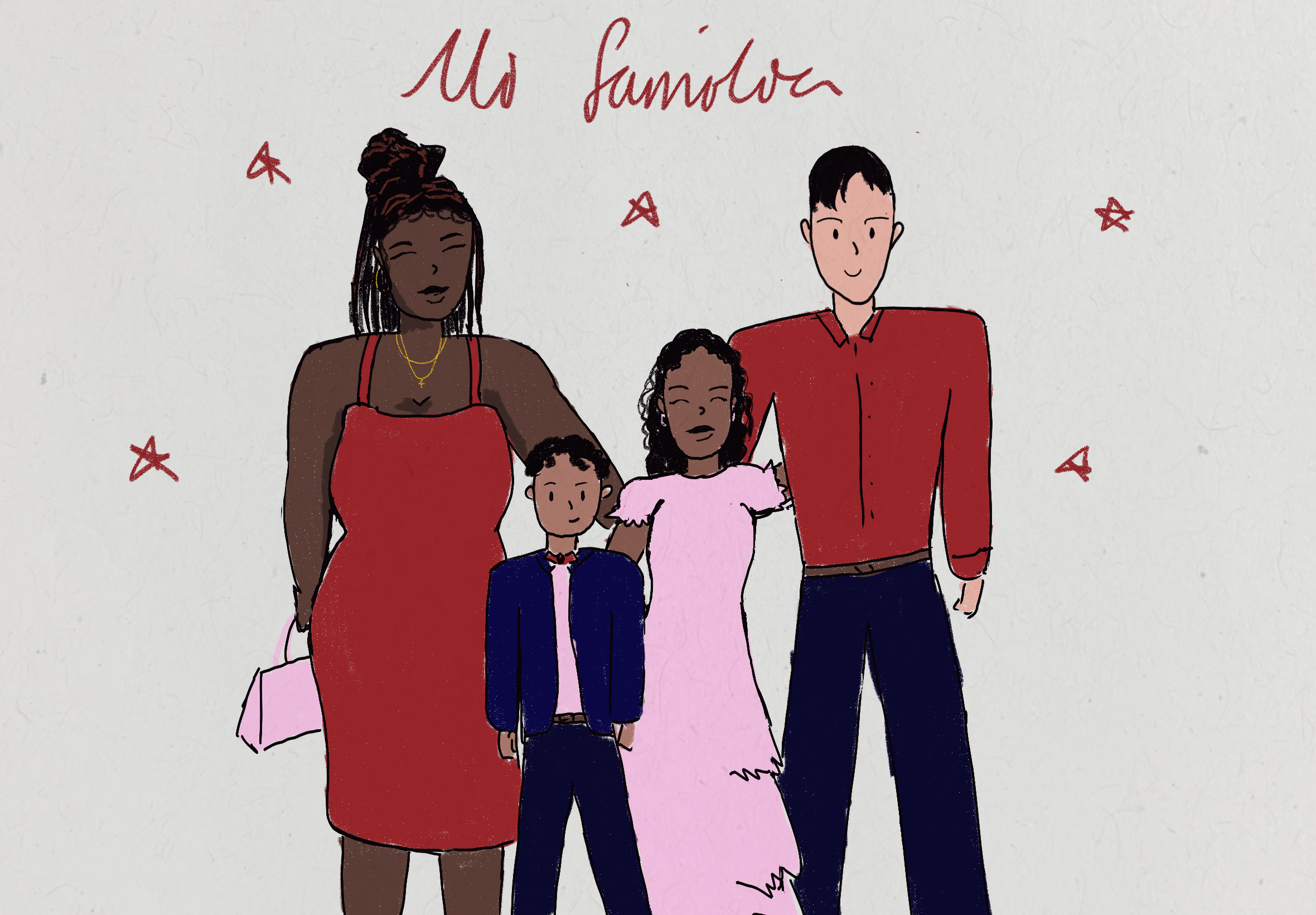
Despite facing unique forms of discrimination, multiracial people remain largely overlooked in research on the intersection of racism and mental health. Multiracial people not only experience racism from strangers, but also from within their own families—a phenomenon known as intrafamilial racism. This, in turn, is a risk factor for poorer[Read More…]
Research Briefs

Improving Black and Latine youths’ sense of belonging in schools
Adolescence is a formative time for young people to define both who they are and who they hope to become. For Black and Latine youth, that journey often unfolds against a backdrop of historical barriers and discrimination in society as well as in educational settings, ultimately shaping how they see[Read More…]
How socioeconomic inequality accelerates musculoskeletal decline
As we get older, our muscles and bones gradually weaken, a progression that can lead to falls, fractures, and a devastating cycle of hospitalization and physical decline. But not everyone experiences this decline at the same rate—social and economic conditions over a lifetime can profoundly shape how the body ages,[Read More…]

From fauna to flora: The benefits of switching to plant-based protein
Vegetarianism has been on the rise for years; in 2024, 2.3 million Canadians self-identified as vegetarian, a 176 per cent increase from 2015. Several factors contribute to the marked rise, including vegetarianism’s perceived benefits for both individual consumers and the environment. But how beneficial is it really? McGill Professor of[Read More…]

Powerful greens: How natural plant compounds are used in therapeutic intervention
Have you ever wondered why you were encouraged to eat your greens as a child? Not only are they packed with healthy nutrients, but some of these cruciferous vegetables are also home to a chemical compound called isothiocyanates (ITCs)—phytochemicals. These are shown to play a role in preventing cancer, cardiovascular[Read More…]

Uncovering Parkinson’s disease
Parkinson’s disease (PD) results from the progressive loss of specific brain cells responsible for movement. As these neurons deteriorate, patients experience tremors and difficulty with balance and coordination. Although treatments can alleviate specific symptoms, nothing slows the progression of the disease. Projections estimate that by 2031, approximately 163,000 Canadians will[Read More…]
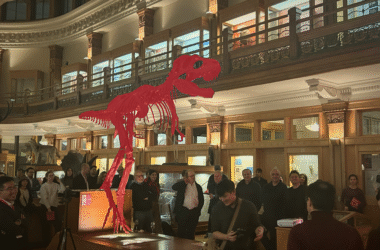
The McGill Engine Centre’s 11th annual innovation celebration
On the rainy evening of Nov. 27, the McGill Engine Centre hosted its 11th annual celebration of innovation and entrepreneurship at the Redpath Museum. The event highlighted the students, faculty, and researchers who applied innovative tech solutions to real-world problems with the help of Engine. In an interview with The[Read More…]

Do good, feel good: Volunteering and its potential benefits to youth mental health
What if youth engagement in civic activities—volunteering, activism, and advocacy—did more than help communities? What if it also improved the mental health of volunteers? While traditional approaches to mental health include psychotherapy, cognitive behavioural therapy, and pharmacological treatments, some McGill researchers are exploring how civic involvement can contribute to positive[Read More…]
The cooling power of wetlands: Climate benefits in Canada’s prairies
Amid rising global temperatures and intensifying heatwaves, wetlands are among Earth’s essential natural defences. However, Canada’s Prairie Pothole Region (PPR) ecosystems are under threat from decades of drainage and agricultural expansion that have turned much of the landscape into cropland. This shift reduces their capacity to store carbon and regulate[Read More…]

The cost of silence: How occupational therapy institutions have failed Palestinians
In the face of the Palestinian genocide, Canadian occupational therapy institutions have largely remained silent. This institutional silence has deeply affected many practitioners, who must navigate both ethical responsibilities and moral obligations. To challenge this lack of a clear institutional stance, Hiba Zafran, assistant professor in McGill’s School of Physical[Read More…]