

Latest News

Cigarette images may cause cravings for some. (thebetterwaytosmoke.com)
a, Science & Technology

Some smokers’ genes make it harder to kick the habit

According to Health Canada, approximately 37,000 deaths each year in Canada can be attributed to tobacco use, racking up $4.4 billion in hospital bills. Although the adverse health effects of smoking are well-known—thanks in part to the government’s anti-smoking campaigns—many have difficulty quitting, despite a variety of available cessation drugs. New research demonstrates that this may have to do with smokers’ genetics.

A recent study at the Montreal Neurological Institute and Hospital (the Neuro) focuses on the role that genetics play in the ability to stop smoking, and that information can be used to help more people quit successfully. It is well established that nicotine is the driving agent in smoking addictions. Studies have shown that smokers can be grouped into two genetic categories: those who metabolize nicotine quickly, and those who metabolize it slowly.

Dr. Alain Dagher, a McGill researcher at the Neuro, is among those examining the implications  of these genetic traits of smokers. A recent experiment he conducted sought to highlight the differences in response between fast and slow nicotine metabolizers, and how this variability could play a role in an individual’s struggle to quit smoking.

Nicotine is believed to work through the brain’s reward pathway. The reward pathway is the body’s way of encouraging good evolutionary behaviour. Activities like eating or having sex trigger the release of chemicals in the brain that give us a feeling of pleasure. Nicotine causes the brain to release the same chemicals.

A fast nicotine metabolism is characterized by a surge in blood nicotine level after smoking a cigarette; this is fleeting, and nicotine levels begin to normalize within minutes. A slow metabolism means nicotine levels stay constant throughout the day. Slow metabolizers have a mutation in the enzyme that breaks down nicotine; this means their body is less efficient at breaking down the chemical compound.

Fast metabolizers become conditioned to this pleasure hit over time, and their brain associates nicotine surges with cigarettes. The close association renders this subset of the smoking population more reactive to smoking cues, such as images of cigarettes.

However, in the case of slow metabolizers, “there is never an explicit pairing in the brain between smoking and nicotine levels” Dagher said, because the nicotine levels stay constant. This variability between these two genetic pools of smokers means different cues drive them to reach for a cigarette.

Dagher tested this hypothesis by exposing each metabolic group to a smoking video and measured participants’ brains’ response through a functional MRI. He found that fast metabolizers’ brains had more active responses to cigarette cues than those of slow metabolizers. The more intense the brain’s response to smoking cues, the less likely that a smoker will be able to quit successfully.

The image of a cigarette or a person smoking is therefore more likely to trigger the desire to smoke in a fast metabolizer, while the slow

metabolizer’s desire would stem from withdrawal symptoms when nicotine levels fall below a certain threshold.

Thus, fast metabolizers are more likely to relapse when exposed to smoking situations. These include exposure to images of cigarettes and stressful situations. In addition, fast metabolizers are unlikely to benefit from the majority of cessation products, such as Nicorette, which work by providing a slow release of nicotine into the blood stream.

“[Fast metabolizers] might benefit from behavioral therapy, where they learn how to deal with their cravings,” Dagher said.

Conversely, slow metabolizers, who smoke to maintain nicotine levels, might find cessation products helpful in their quest to quit.

Dagher believes that the future of smoking cessation involves tailoring a quitting regime to a patient’s genome. Identifying how they metabolize nicotine will help quitters succeed. According to Dagher, the nicotine metabolizing enzyme is “easy to test for, the test just isn’t widely available.”


A meme featured on IFLS. (facebook.com/IFeakingLoveScience)
a, Science & Technology

How social media is changing science

Early in 2011, Ichthyologist (fish biologist) Brian Sidlauskas led an expedition to catalogue biodiversity in a remote river in Guyana. His goal was to bring back over 5,000 fish. According to Guyana’s customs laws, in order remove specimens from the country, each must be documented and identified. This presented an obstacle for Sidlauskas, considering the number of specimens he wished to obtain.

To complete this task, Sidlauskas appealed to an unlikely tool: Facebook. Rather than spend months cataloguing and documenting fish, Sidlauskas uploaded all of his photographs to Facebook and tagged researchers from around the world who might be able to help identify the fish. In less than twenty four hours, Sidlauskas and his team were able to identify all 5,000 specimens.

The general proliferation of social media has had interesting implications for scientific research. In addition to cutting cumbersome research corners, social media has also become an important tool for improving scientific literacy.

Until recently, the general public’s access to science has been limited to few channels: thick journals tucked away on library shelves, intimidating research papers, or scientific documentaries on TV.

While documentaries like Planet Earth and magazines such as Scientific American are evidence that, for decades, scientists have attempted to make their areas of expertise more accessible, the scientific community continues to be perceived as inaccessible to many. This issue is not limited to those considering dabbling in the field—even students studying science have struggled to find methods of maintaining an up–to–date understanding of the subject without an excessive time investment.

However, social media has begun to improve the public’s user interface with science. Websites such as Facebook and Twitter are not only changing how scientific discoveries are perceived, they are also making these ideas much more accessible, providing resources by which information is readily available in short, condensed formats, social media allows anyone with even a remote interest in the subject to access this knowledge in a matter of seconds.

The Facebook page ‘I Fucking Love Science’ is one testament to this development. The page describes itself as a “community built for the posting and sharing of scientific updates, quotes… and photographs…dedicated to bringing the amazing world of science straight to your newsfeed in an amusing and accessible way.”

The page features quirky posts accompanied by eye-catching images. Furthermore, each blurb is written in layman’s terms. This is a conscious choice to avoid overburdening the site with scientific terms—or defining them if they must be used—allowing just about anyone to appreciate the information.

The intertwining of social media with science has a good chance to break down the barrier between the public and the scientific community. The web has allowed science to grab the attention of a much larger audience; 1.1 million people ‘like’ the ‘I F***ing Love Science’ page, and the Mars Rover’s Twitter account, @MarsCuriosity, has about 1.2 million followers.

Whether it is a Facebook page dedicated to presenting scientific updates, or funny Tweets by a space rover, this popularization of science has increased interest in people of a variety of ages and backgrounds interested in new discoveries.

a, Creative

POP Montreal 2012 Photo Spread

(Photos by Simon Poitimolt, Anna Katycheva, & Mike King)

Carolina Millán Ronchetti / McGill Tribune
a, Student Life, Student of the Week

Student of the Week

Q: WHY ARE YOU AN ASSET TO MCGILL?

A: Because I add to the culture on campus.


Q: IPHONE OR BLACKBERRY?

A: Blackberry. Actually, I have a flackberry.


Q: WHICH NEW REALITY TV SHOW WOULD YOU RATHER WATCH—THE ONE WITH CLINT EASTWOOD’S WIFE, OR THE ONE WITH THE JONAS BROTHER?

A: Oh man. Clint Eastwood’s wife. ‘Cause like, Clint Eastwood’s crazy.


Q: WHAT IS YOUR SECRET TALENT?

A: I can bend like the first knuckle of my middle finger without bending the second one at all. It’s super important.


Q: IF YOU COULD HIGH FIVE ANYONE, DEAD OR ALIVE, WHO WOULD IT BE AND WHY?

A: Oh. Do they have to be real? Definitely Edward Scissorhands. ‘Cause like, I go hard.


Q: IF YOU WERE A PIECE OF FURNITURE IN THE SSMU LOUNGE, WHICH ONE WOULD YOU BE AND WHY?

A: I’ve never actually been in the SSMU lounge so…


Q: WHAT’S YOUR GO-TO STRESSBUSTER?

A: Miss Pettrigrew Lives For a Day—it’s a movie.


Q: IF YOU COULD GO BACK IN TIME TO ANY HISTORICAL EVENT, WHICH ONE WOULD YOU GO TO AND WHY?

A: That’s actually really difficult. I’d probably go back to when they were making the cave paintings.


Q: NAME ONE BOOK YOU’LL NEVER GET SICK OF READING.

A: Twilight. It’s awesome.


Q: NIKE OR ADIDAS?

A: Adidas


Q: WHAT’S YOUR FAVOURITE CHILDHOOD TELEVISION SHOW?

A: Dude. Adventure Time’s pretty great. But from my childhood? All That. I watched All That like it was nobody’s business.


Q: WHO WOULD STAR IN THE MOVIE OF YOUR LIFE?

A: Married to Will Smith… Jada Pinkett Smith.


Q: BON IVER OR ARCADE FIRE?

A: I don’t really know either of them. I live in a hole…


Q: WORST WAY TO OPEN UP A CONVERSATION?

A: “Have you met…?” (How I Met Your Mother-style).


Q: WHERE IS NEXT ON YOUR TRAVELING BUCKET LIST?

A: I really want to go to Morocco, but I feel like I have to do a lot more homework on it before I go. So it’s not going to be soon.


Q: WHAT REALITY TV SHOW ARE YOU PERFECT FOR?

A: I want to say 16 and Pregnant, but I missed the deadline for that one.


 Q: WHO’S YOUR FAVOURITE NFL PLAYER?

A: Troy Polamalu, from the Head and Shoulders commercials.


Q: NAME ONE FASHION TREND YOU’LL NEVER TRY AGAIN.

A: Gaucho pants. They look like a skirt on each leg and they’re hideous and nobody looks good in them.


Q: WHAT’S YOUR SIGNATURE DRINK?

A: Gin and Tonic.


Q: WHAT’S THE FIRST THING YOU THINK OF WHEN I SAY MCCONNELL?

A: Ew.


Q: DESCRIBE MCGILL IN THREE WORDS.

A: Cold, hipster, awesome.

a, Recipes, Student Life

Three quick, easy, and tasty desserts

Chocolate candy cups

You will need:

2 bags chocolate chips (amount varies depending on how many you want to make)

1 bag balloons

Parchment paper

Baking sheet

Your favourite candy

Method: 

This recipe requires a little more finesse, as the balloon factor can be tricky. You might lose a few cups in the process, but if you practice enough, I guarantee you can perfect this technique and add a cute, unique dessert to your repertoire. First, line a baking sheet with parchment paper. Next, blow up however many balloons you need to correspond to the number of cups you want to make. Each balloon should be about the size of an orange. Melt the chocolate chips, either in the microwave or by double-boiling (the latter will yield better results but requires more effort). Once the chocolate is melted, dip the bottom of each balloon into the bowl until they are thoroughly coated. Place each coated balloon on the baking sheet, chocolate side down. Leave until thoroughly cooled and hardened. Now comes the hardest part: popping the balloons. I recommend simply poking a tiny hole and letting the air stream out slowly, but just popping them can be more fun. Once the air is out of the balloon, carefully peel it out of the chocolate shell, and voila! Now, fill your chocolate cups with whatever takes your fancy: candy, more chocolate, fruit, ice cream, whipped cream — the opportunities are endless!

Frozen smoothie cubes:

You will need:

Your favourite fruit

A Blender

Ice tray (empty)

Tooth picks

Method:

This could not be faster or more idiot-proof (for those of us who feel not exactly at home in the kitchen). Simply add your favourite fruit or mix of fruits into your blender, and blend it to a smoothie-like consistency (don’t forget to put the lid on). Pour the smoothie into an empty ice tray; if it is already thick enough, stick a toothpick in each cube right away. If not, put the tray in the freezer and wait 15 minutes to half an hour, then add the tooth picks. Leave in a freezer until completely frozen, and remove as you would an icecube—whenever you want a tasty frozen treat!

Chocolate-covered kiwi pops

You will need:

Kiwis (1 will make about 5 pops)

1 bag chocolate chips

Popsicle sticks

Baking sheet

Parchment paper

Method:

This recipe is simple, easy, and borderline healthy. Just take your kiwi, peel it, and slice it into pieces about half an inch thick. Put a popsicle stick about half-way into each slice, trying to keep it as close to the centre as possible. Line your baking sheet with parchment paper and lay the kiwi pops on top. Next, melt the chocolate chips (for best results, use the double boiling method, but microwaving works too in a pinch). Once your chocolate is melted and fully liquid in form, pour it into a shallow bowl or plate. Take one kiwi slice at a time and coat each side evenly with chocolate. Once coated, lay each kiwi pop on the parchment-covered baking sheet. When you’ve filled your sheet, place it in the freezer, and leave until fully frozen.

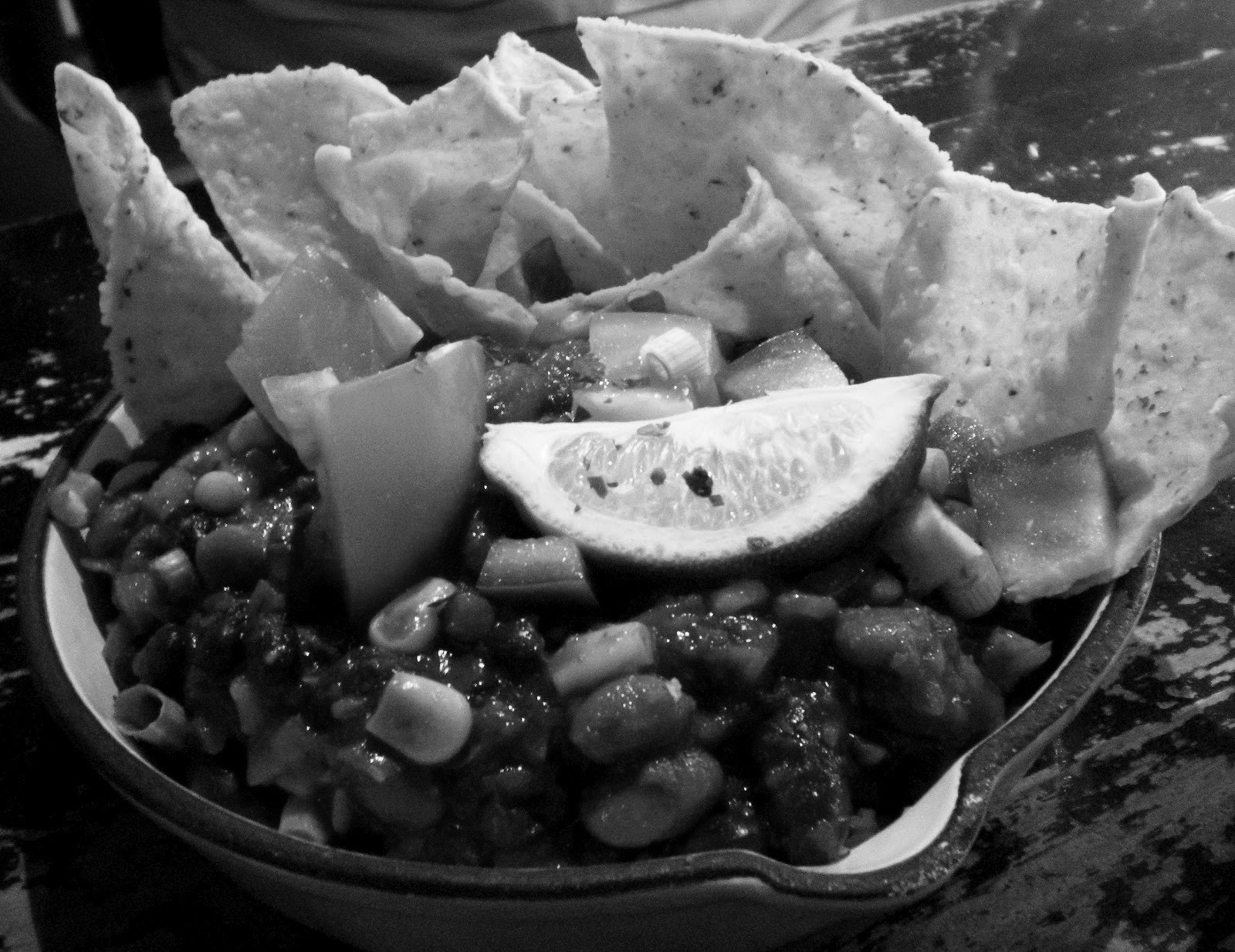
Delicious vegetarian cuisine is served at Lola Rosa. (mtlfoodpics.blogspot.ca)
a, Student Life

Montreal’s favourite vegetarian digs

Lola Rosa

Location: 545 Milton

Price: $10-$15 per plate

If you have not discovered Lola Rosa yet, you should visit soon. Packed from open to close, this bistro is situated in the heart of the ghetto, and serves succulent vegetarian cuisine with both American and international flavours. Lola Rosa offers veggie burgers, quiche, chili, savoury phyllo-pastries, curries, and features desserts to die for such as the key-lime pie and vegan chocolate cake.  Lola Rosa’s fresh, generous portions and offer a taste bursting with flavour, it will always leave you coming back for more. Plan ahead as this cozy gem nearly always requires a reservation. During peak hours, although the service can be slow at those times, the historical notes in your table’s drawers provide whimsical entertainment. If you’re looking for a taste of Lola Rosa on campus, you’re in luck! Lola Rosa Express is now open in the SSMU building.

Aux Vivres

Location: 4631 Boul. St-Laurent

Price: $10-$15 per plate

Classic and fresh, the staple of Montreal’s vegan scene has to be Aux Vivres. Choose from a variety of meat substitutes or indulge in the famous bowls filled with organic brown rice, an array of crunchy vegetables, tofu, and a sauce bursting with flavour. Aux Vivres is definitely an indulgence on the vegan side of the Plateau.

Pushap 

Location: 5195 Rue Pare, 975 Rue Jean Talon Ouest

Price: under $10 per plate

Indian cuisine is full of complex vegetarian flavours. Pushap is both a restaurant and a well-known gold mine of Indian sweets, laden with sugar, milk and ghee (clarified butter). Not only is the food authentic, spicy and bursting with a North Indian flair, but it is also incredibly cheap. Get a multi-course meal with a couple of dishes, bread, rice and dessert all for about $10, then take home a dozen of the best samosas that Montreal has to offer. Don’t let the first impression of the hectic ambiance threaten you—it adds to the experience of authentic Indian cuisine.

ChuChai

Location: 4088, Rue St-Denis, (corner of Duluth)

Price: $15-$25 per plate

ChuChai is a Thai paradise for vegetarians to bring their meat-loving friends. This is the place to find the best veggie dishes that look like meat, smell like meat, and even taste like meat. Highly recommended are the ‘duck’ dishes, which may fool even the most weathered fowl connoisseur. Delicately prepared and thoughtfully delivered, the masterful vegetarian and vegan-friendly dishes are moderately priced. Still, it’s worth every penny for the peace of mind afforded by the fact that the secrets of Thai cuisine can be captured without fish sauce or small meaty surprises.

Crudessence

Location: 2157 Mackay

Price: $15-$25 per plate

The raw, the vegan, the gluten-free—crudessence offers the ultimate indulgence for those with a very particular palate. This trendy restaurant offers a new definition of healthy and cleansing foods. Dishes are made from the freshest, locally-produced, and organic vegetables, artistically assembled to tempt any vegetarian’s taste buds. If you think ‘raw’ and ‘vegan’ mean  salads with flavourless dressings, think again. In addition to the raw soups and colourful salads bursting with unique aromas and succulent tastes, ChuChai offers raw pad thai and lasagna, vegan crepes, and spaghetti. Most importantly, this place gives vegans and raw dieters the opportunity to indulge in cheesecake, brownies, crême brulée, chocolates, and cookies to satisfy their sweet tooth. Finally, this vegan haven gives you a healthy benefit with hearty smoothies and lunchtime specialties, including ‘egg’ burritos, smoked ‘salmon’ bagels, and much more!


Photo from www.welovedc.com
a, Student Life

Drink Mixes

Root Beer Magic

This is a drink for those who have a lot of money to spend on an awesome concoction for pre-drinks and parties. I cannot take full credit for this one, as it is a drink largely invented by former executives of Fight Band—McGill Alumnus Kolya Kowalchuk and SSMU President Josh Redel.

What you’ll need:

• 26 oz. bottle of Jägermeister®

• 26 oz. bottle of Goldschläger®

• 2L bottle of Root Beer

• Vanilla (Optional)

Method

Mix all three bottles in a large bowl and serve in the fashion of Sangria, or mix individually with one part Jägermeister®, one part Goldschläger®, and two parts root beer. Feel free to add vanilla if you want an extra kick. The ratio is completely up to your discretion. 

The Screamer

This one may ruin the innocence of your childhood memories, but I’m going to tell you about it anyway.

What you’ll need:

• 2L bottle of Root Beer

• 1 tub of Ice cream (Vanilla or something similar)

• 26 oz. bottle of Vanilla Absolut®

• 26 oz. bottle of rum (any kind will do)

Method

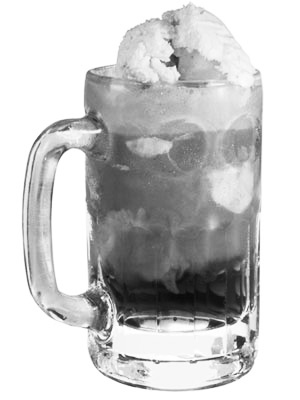
Start with a tall glass (such as a mug or Collins Glass) and pour in 1 ¼ oz. of rum. Next up is the root beer—fill the glass with about two inches to spare at the top. Follow with a generous scoop of hard ice cream. Before adding the ice cream to the glass, scoop a small hole into the ball itself, so it can work as a sort of shot glass. Finally, fill the hole with Vanilla Absolut®, but don’t stop when it’s full. Instead, let it run down the ice cream into the drink. Try to take a shooter of vodka out of the ice cream with your hands behind your back—it’ll be like bobbing for apples, only cooler (pun intended).

a, Sports

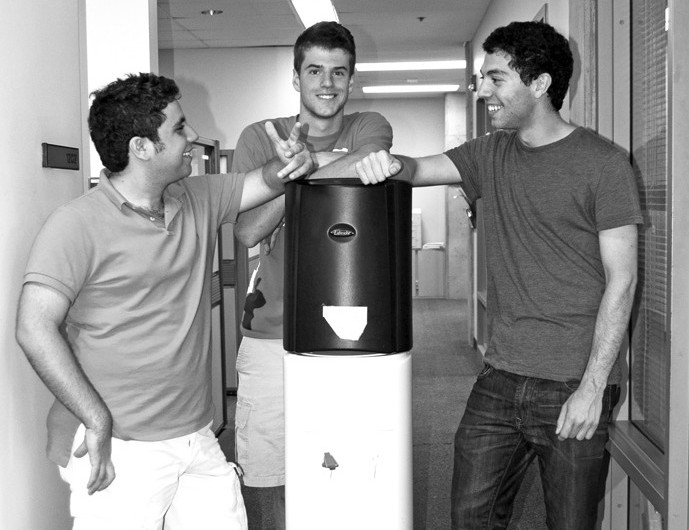
Around the Water Cooler

In case you were too busy moshing, rocking, or slowly nodding your head at POP Montreal, here’s what you missed this past weekend in the world of sports …

BASEBALL — With just about a week remaining in the regular season, things are heating up. The National League is fairly well-decided with Washington (keeping it together without Strasburg … gasp), Cincinnati, and San Francisco holding the divisional crowns, while Atlanta and St. Louis are looking good for the two wild card spots. In the AL, the New York Yankees and the Baltimore Orioles are in a tight division battle, as each team is vying to top the mighty AL East, with the Yanks currently holding a one game advantage. Regardless of who takes it, both will likely make the postseason courtesy of the top wild card spot. In the AL Central, Chicago and Detroit are battling for first, engaged in a tight half-game race with the White Sox currently holding the advantage.

For those who have given up on this MLB season (notably Blue Jays and Red Sox fans), this week has provided a bit of a respite, with qualifiers taking place for the 2013 World Baseball Classic. With a win against Great Britian and two against Germany, Canada qualified for their third Classic. The story of the week, however, was the Israeli team that came up just short in a five-hour, extra-inning thriller in the final game against Spain. Two more qualifying pools will play in November to round out the field for the third installment of the WBC in March.

SOCCER — In the sport that everyone loves outside of North America, Chelsea currently tops the table with 13 points over five matches, holding a slight advantage over Manchester United’s 12 points in as many matches. Last year’s champions, Manchester City, are struggling to get going, but have thus far averted disaster, holding nine points—good for a share of fifth place. Rather hilariously, once-powerful Liverpool is sifting in the cellar with an abysmal two points. When asked about its slow start to the season, Liverpool admitted to being quite distracted by Wayne Rooney’s now fully grown hair plugs and have therefore found it difficult to focus on the pitch.

FORMULA 1 — In another sport popular across the pond, a revitalized Sebastian Vettel claimed his second race of the year last Sunday, winning the Grand Prix Singapore. The victory placed him second overall for the World Championship with 165 points. Spanish Ferrari racer, Fernando Alonso, still sits atop with 194 points. The boys will push the pedal to the medal again on Oct.7 in the Land of the Rising Sun for Grand Prix Japan.


McGill lacked the finishing touch on Thursday night. (Simon Poitrimolt / McGill Tribune)
a, Sports

Fans pack pitch, McGill lacks punch in 2-0 shutout loss

On Thursday evening, the McGill Redmen soccer team hosted the Montreal Carabins in the annual “Pack the Pitch” game. The Redmen were looking for a win that would send them to the top of the RSEQ standings, but unfortunately, it was not meant to be. Montrealwas better throughout and defeated the Redmen 2-0. With the loss, McGill dropped to a disappointing 1-2-2 start on the year, and stretched its losing streak to four games.

Both teams came out with energy, seeking a quick goal to put pressure on the other. Each team aggressively lobbed balls over the top in an attempt to hit the runner behind the defence. However, this high-risk, high-reward style of play caused problems with positioning, as neither team was able to find a rhythm. The players were clearly frustrated, and this all came to a head in the 20th minute, when McGill’s James Allester toppled a Montreal player in a tussle for a 50-50 ball. Despite the physical move, no card was levelled against Allester, and this ferocity set the pace for the remainder of the match.

In the 34th minute, Montreal appeared poised to score, unleashing a targeted volley from inside the 18-yard box. McGill keeper Max Leblond made an excellent save, and soon after, the Redmen were on the counter. They had a near chance on goal, although they were unable to convert. Roused by this save and the ensuing chance, McGill picked up its offensive attack, and had another chance on goal in the 38th minute, when Jeremy Hurdle received a pass at the top of the 18-yard box. He faked a touch on the ball and let it run by his body, opening him up into the box where he unleashed a great strike; unfortunately, the shot was blocked by the Montreal goalkeeper. Despite the action at the goalmouths, neither side could break through completely, and the match remained scoreless at the half.

Following the intermission, Montreal came out hard, and ambitiously tried chipping Leblond from 49 yards out, only four minutes after the half. Although Leblond was beaten, the crossbar was not; the attempt ricocheted harmlessly away from the action. Finally, in the 67th minute, the Carabins scored the opening goal after receiving a free kick in a promising position. The ensuing low-slung cross took a deflection and was converted, making the score 1-0. As the game edged closer towards the finish, McGill made a change to their formation and began employing a more attack-oriented style, leaving only three men behind to defend.

This strategy proved ineffective. In the 89th minute, the Carabins attempted another chip from just inside half, as the unsuspecting McGill goalkeeper was caught off his line. Montreal buried the final tally, and the game ended 2-0 with the crestfallen Redmen looking blue.

The Redmen look to get back on track and end their losing streak on Sept. 28, when they take on Sherbrooke at Molson Stadium.

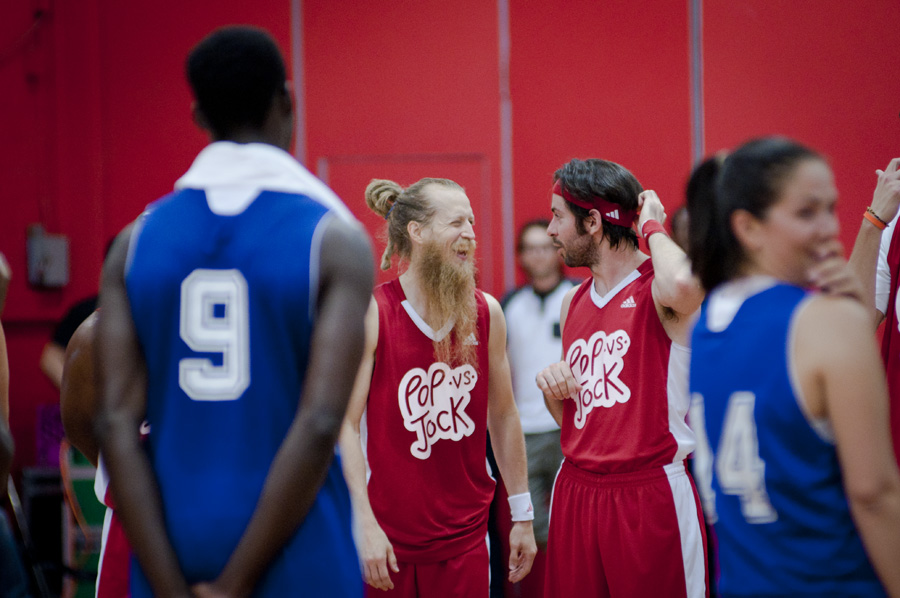
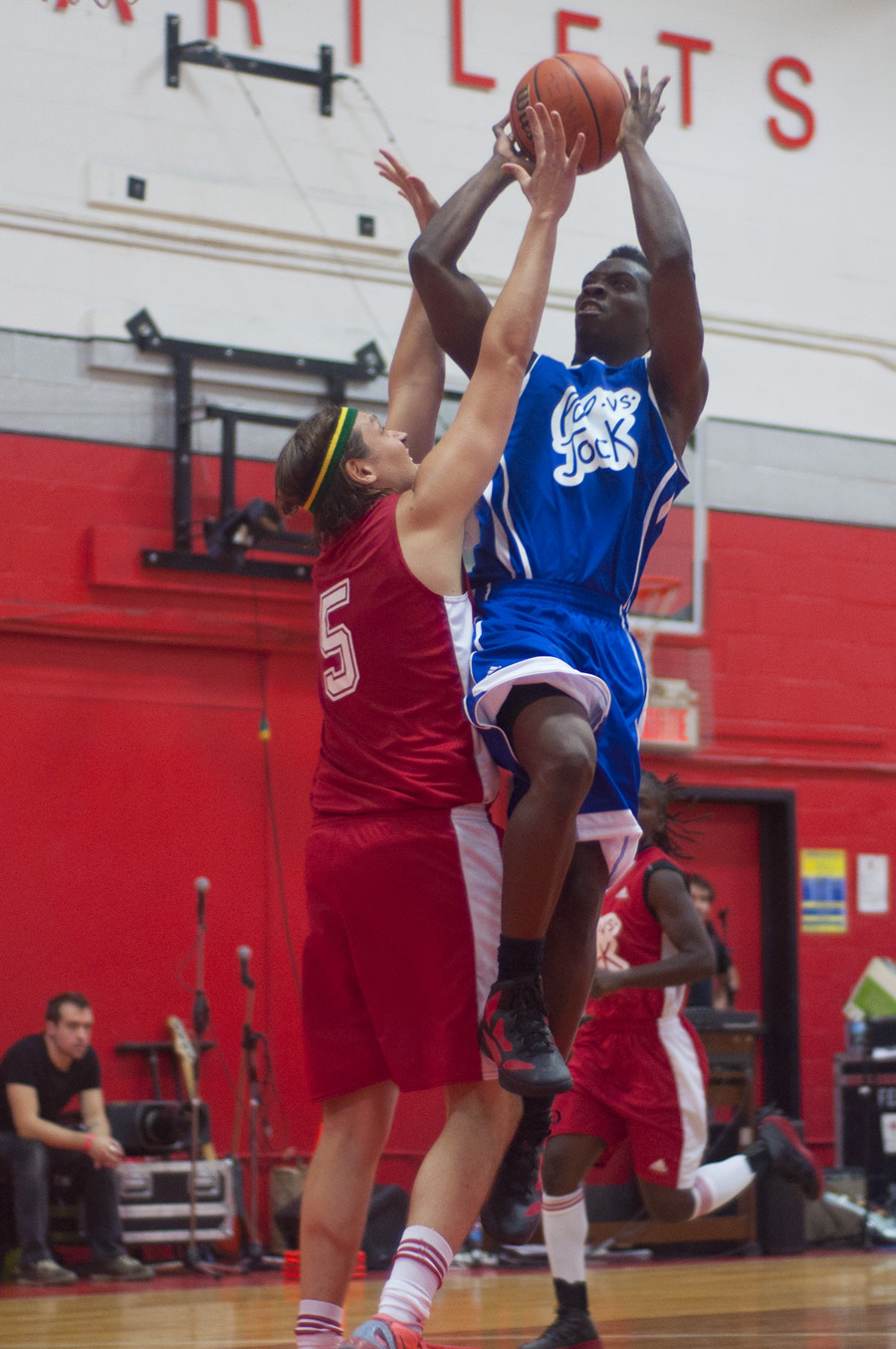
All smiles at POP vs. Jock. (Simon Poitrimolt / McGill Tribune)
a, Sports

Hitting shots and notes for a good cause

Love Competition Hall was busier than ever on Saturday afternoon, as big music stars squared off against members of the McGill and Concordia basketball teams in the second annual POP vs. Jock charity game. All proceeds from the game went towards DJ Sports Club, a non-profit charity organization that promotes and offers sports programs and recreational activities for youth between seven and 17. The Founder and Executive Director of DJ Sports Club, Dexter John, played as a member of team POP.

The game itself was quite the spectacle. Fans were given cutout faces of either Michael Jackson or Michael Jordan, depending on whether their allegiance lay with team POP or team Jock. The atmosphere was electric, and the participants seemed to enjoy the encouragement. Régine Chassagne of Arcade Fire and Kid Koala provided music and beats during the game. Both performers were dressed in exuberant animal suits—Chassagne in a bear suit and Mr. Koala in—you guessed it—a koala suit.

In addition to Dexter John, team POP included the Butler brother duo—Win and Will from Arcade Fire—Martin Starr of Freaks and Geeks and Party Down, Nikolai Fraiture of The Strokes, and professional basketball player Luke Bonner, among others. The Jock team was composed of both the men’s and women’s basketball teams from McGill and Concordia. Second-year Martlet guard Dianna Ros started the game for the Jocks.

Surprinsingly, Team POP handled the Jocks in the first half, with Win Butler and Luke Bonner carrying the way. The first half ended with team POP down only 46-43.

The halftime show opened with a fan giveaway that was shortly interrupted by an impromptu yet intense roller derby game. Afterwards, former Talking Heads lead singer David Byrne led Fraiture and the Butlers in a small set, which included a particularly inspiring rendition of the ever classic “That’s the Way (I Like It).” Once Byrne was finished, children dressed in their own animal suits joined Chassagne and Kid Koala on the court, dancing to Koala’s childish theme song, “Open Close.”

Following the break, the intensity of the game increased. Team POP maintained a lead until midway through the fourth quarter when members of the Concordia team started increasing the tempo. Nevertheless, team POP held their own and with just 20 seconds remaining, had narrowed the Jock’s lead to three points. Then, controversy ensued—Ryan Leier, of team POP, hit a three-pointer to tie the game with only seven seconds left, but the referee blew the whistle just before he released the ball. The officials initially ruled no basket much to the dismay of team POP and the fans.

Win Butler took the microphone and asked the crowd whether the basket should have counted—and shockingly, the fans said it should. Accordingly, the referees counted the points, and at 93-93, team Jock had the ball with seven seconds remaining. They ran a pick-and-roll leading to the game-winning three ball and prevailed 96-93.

For McGill athletics—specifically the basketball teams—this event not only promoted an important cause, but also granted the teams great exposure according to McGill Martlets’ Head Coach Ryan Thorne.

“I think anytime you get to showcase our sport, it’s a great opportunity,” he said. “I’ve known Dexter John for a very long time and what he’s doing is for a good cause. The DJ Sports program helps promote basketball in Montreal, and also has different programs to help kids stay off the streets. It means a lot to have something like that housed in our building.”

With the loss, game organizers Dexter John and Win Butler are now 1-1 in these charity games, leaving little doubt that this rivalry has just begun. After the medals were given out to each of the teams, Butler thanked the fans for the support and announced that they will be back for the third annual POP vs. Jock game in 2013.

Read the latest issue

Read the latest issue