

There’s been a ton of effort over the years towards making McBill an inclusive space, and I thought we had achieved this goal. But all of that changed the day Gerts stopped listing “Timber” on its jukebox. I don’t know how this authoritarian operation that is the Students’ Society of[Read More…]
Latest News
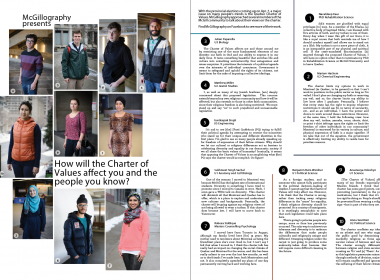
How will the Charter of Values affect you and the people you know?
With the provincial elections coming up on Apr. 7, a major issue on many people’s minds is the Quebec Charter of Values. McGillography approached several members of the McGill community to talk about their views on the charter. Find McGillography on Facebook to see more of their work.[Read More…]
Deep Cuts: the sounds of April
April Come She Will Artist: Simon & Garfunkel Album: Sounds of Silence Released: January 17, 1966 The light flurry of fingerpicked guitar that opens this track is a sonic representation of the feeling that comes over you when you realize for the first time that winter is truly over. Although[Read More…]

2014 Major League Baseball Season Preview
American League East 1. Boston Red Sox The Boston Red Sox look poised for another deep playoff run after bringing home the hardware last year. Centre-fielder Jacoby Ellsbury left for the greener pastures of Yankee Stadium, but with the addition of Grady Sizemore and the emergence of Jackie Bradley Jr.,[Read More…]

Game of phones: Tinder
Swipe right, swipe left. This isn’t Mr. Miyagi’s new mantra in the latest Karate Kid sequel, but if you’ve used the mobile app Tinder, it may resonate with you as a mantra of sorts. Perhaps you’ve opened up Tinder on your phone before, only to realize 10 minutes later that[Read More…]
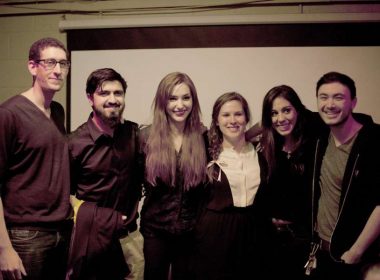
An open letter to the new student representatives
Welcome to the fold—or should I say, welcome to student politics at McGill. Some of you may be new to this process, and some of you may be veterans; but either way, you’re now involved in the decision-making process within this university. Some of you have more power than others[Read More…]

Researchers at McBill use embryonic stem cells to successfully clone HMB
On Mar. 27, McBill’s Mad Scientists Lab (MSL) scrapped their plans to cure cancer butinstead developed induced pluripotent stem cells that were ultimately used to create a fully-developed clone of former McBill principal Heather Munroe-Blossom (HMB). Aya Misou, the coordinator behind the project, explained that after many anonymous requests from[Read More…]
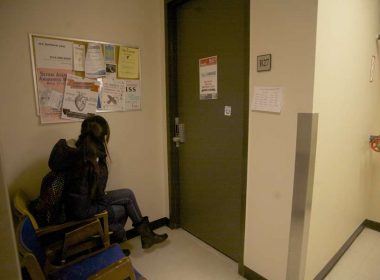
Students provide feedback on proposed sexual assault policy
A sexual assault policy proposed by students was the focus of a workshop last Thursday. The workshop was part of Sexual Assault Centre of the McGill Students’ Society’s (SACOMSS) annual Sexual Assault Awareness Week. Publicized on March 21, the proposed policy was drafted by eight campus groups, including SACOMSS, the[Read More…]
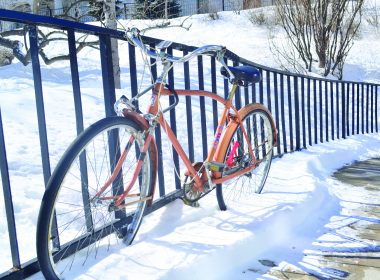
Working group aims to redefine shared space for pedestrians and cyclists on campus
Cycling regulations on campus could undergo substantial changes following the work of McGill’s Cycling Working Group, which is scheduled for release in April. The group was created in order to analyze issues regarding bicycles on campus, with the goal of devising a well-compromised accommodation for cyclists at the university. Its[Read More…]
Provincial election candidates debate university funding, Charter of Values
The proposed Charter of Values and international student policies were at the forefront of a provincial elections debate hosted by the Post-Graduate Students’ Society of McGill University (PGSS) on March 25. The debate featured representatives from the Parti Québécois (PQ), the Coalition Avenir Québec (CAQ), the Parti Libéral du Québec[Read More…]