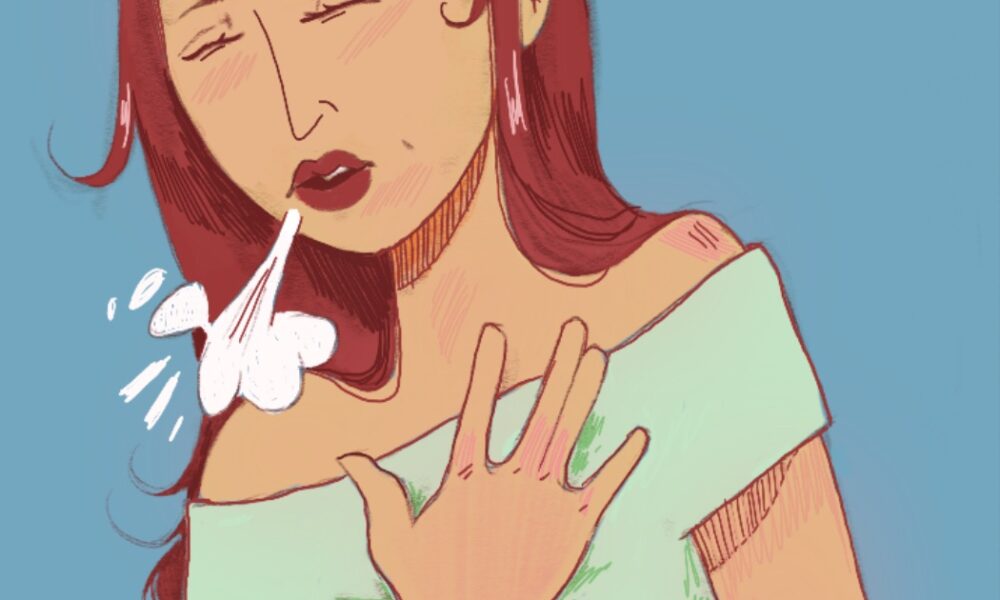

Have you ever trudged through the snow up rue University, about to write a final exam that will make or break your grade? By the time you reach the top of that hill, you might be feeling more out of breath than usual.
A recent study involving Dennis Jensen, a clinical exercise and respiratory physiologist at the Research Institute of the McGill University Health Center (RI-MUHC), reveals that anxious and depressive feelings may intensify the sensation of breathlessness during exercise and in daily life. In this case, breathlessness, also referred to as shortness of breath or dyspnea, a feeling of struggling to take in enough air into the lungs, is estimated to affect one in ten adults.
“These are people that, oftentimes because of their health condition, experience breathlessness that can become so difficult and so severe and so unpleasant that they avoid physical activity. In that way, it becomes disabling,” Jensen explained in an interview with The Tribune. “They start to make decisions around not climbing stairs, not going for a walk, not participating in activities of daily life that require physical activity with friends and family [….] The burden of breathlessness or breathing discomfort becomes an impediment to them to lead physically active lifestyles.”
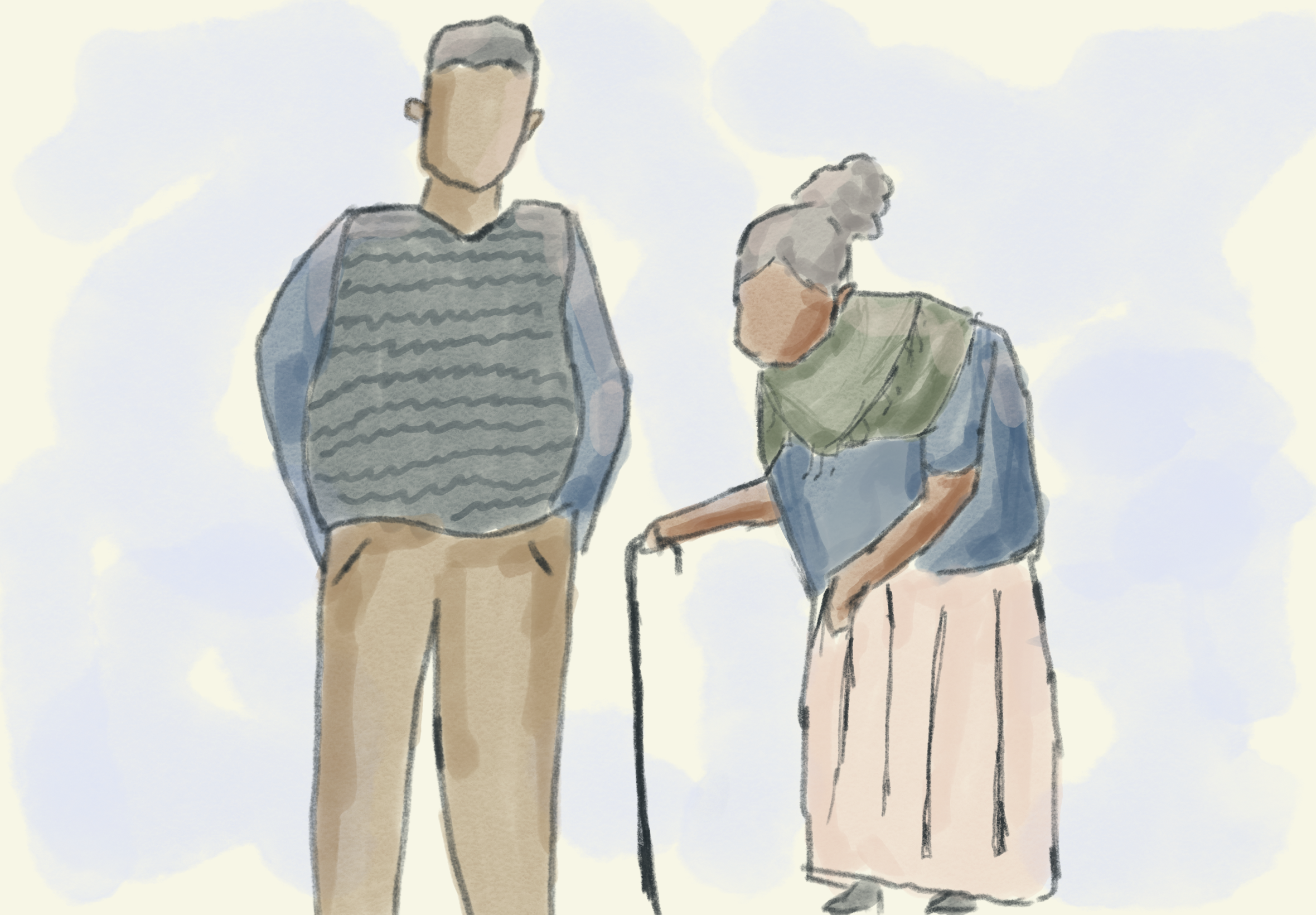
Jensen and his colleagues analyzed a cohort of 1155 adults between the ages of 40 and 91. They found that increased symptoms of depression correlated with greater breathlessness in daily life. The researchers also identified a strong association between both depression and anxiety and increased breathlessness during exercise, or exertional breathlessness.
These relationships remained even after controlling for factors that may otherwise affect one’s degree of breathlessness, including age, sex, body mass index (BMI), smoking status, and the presence of heart and lung conditions such as asthma, cardiovascular disease, and obstructive lung disease. By controlling for these confounding variables, Jensen and his team identified anxiety and depression as independent contributors to breathlessness.
“We used this large cohort to examine the associations between people’s self-reports of anxiety and depression using a standard scale called the Hospital Anxiety and Depression Scale,” Jensen said.
Participants also self-reported their experience of exertional breathlessness in daily life and completed the Cardiopulmonary Exercise Test (CPET), the gold standard for assessing breathlessness during exercise. Sports scientists commonly use the CPET to measure VO2 max, which describes how efficiently one’s body circulates and uses oxygen. The test typically has participants pedal a cycle ergometer, also known as a stationary bike, and breathe through a mouthpiece, all while the bike’s resistance slowly increases.
“While I think our results are important and an important step forward, we recognize that the analysis was cross-sectional, so we didn’t follow people over time,” Jensen said. “While the exercise test was very standardized, and I would say the gold standard, and while the Hospital Anxiety and Depression Scale is a widely used screening tool for symptoms of anxiety and depression, it wasn’t clinically diagnosed.”
The researchers believe that clinically diagnosed depression or anxiety could potentially show even stronger associations with breathlessness, especially in the unstable, non-laboratory setting of stressful daily life. Thus, this study points to the idea that by treating symptoms of anxiety and depression, we can potentially alleviate daily and exertional breathlessness.
“Say, for example, […] you’ve taken somebody with a lung disease and you’ve optimized their condition with inhaled steroids and bronchodilators and stuff, but they’re still breathless [….] Maybe you have to dig a little bit deeper and recognize that some of the residual breathlessness might not go away unless you address the comorbid anxiety or depression,” Jensen explained.
Overall, Jensen’s research supports existing observations on the link between anxiety and depression with greater exertional breathlessness in daily life, and it is the first to show that this association is also reflected in greater exertional breathlessness during a standardized CPET.
“Anxiety and depression and breathlessness, you know, all of them have independent effects on quality of life. I think ultimately, we not only want to understand […], but to make people’s lives better through the work that we do,” Jensen said.


