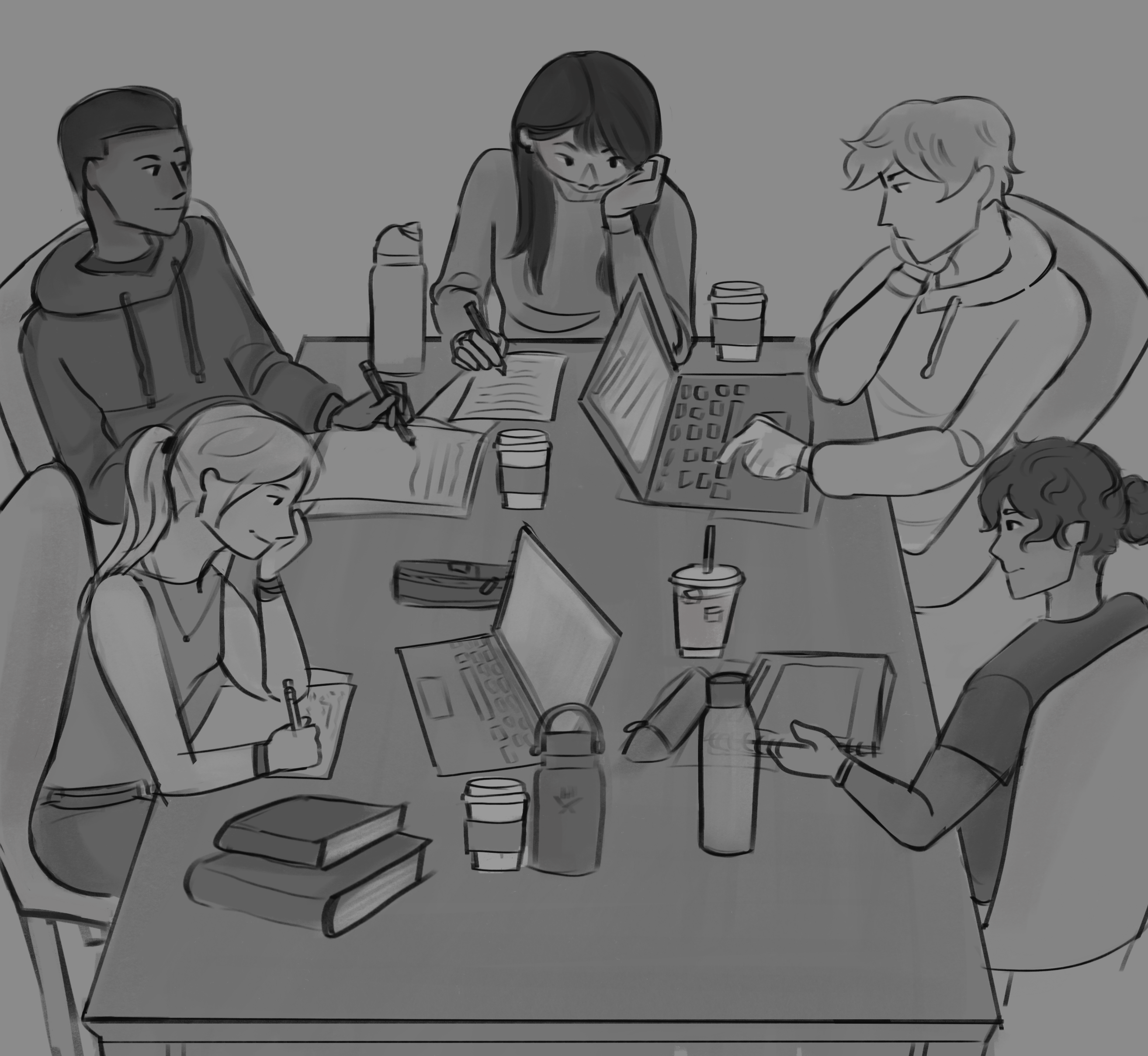
Starting a science degree at McGill can feel overwhelming. Between heavy course loads, fast-paced lectures, and the pressure to perform, many students struggle to find study strategies that work for them. SciLearn, a program run by McGill’s Office of Science Education (OSE), aims to change this. Grounded in neuroscience, SciLearn[Read More…]
Tag: learning
Refuting students’ false mathematical arguments with counterexamples
When today’s elementary school students learn about fractions, they are sometimes asked to explain how they reason, for example, that one fraction is greater than another. By constructing their own arguments to explain how they came to a particular mathematical conclusion, they take on more agency in their own learning.[Read More…]
Fact or fiction: Is your brain wired for a specific learning style?
You have likely encountered the idea that everyone learns best through a specific ‘learning style.’ Social media, classroom discussions, and even online quizzes often promote this claim, categorizing students as auditory, visual, writing and reading, or kinesesthetic learners. This conception sounds convincing, and after many years in the educational system,[Read More…]

McGill students need a greater role in their own learning
As a graduating student, reading break was an opportunity for me to reflect on my time at McGill. After a few moments of thought, I realized that I could not recall a significant amount of what I had learned in the last four years. This is emblematic not just of[Read More…]
Bored on campus? Try going to a random lecture
Have you ever felt like you wanted to try out every class McGill has to offer? If you’re a keener like me, you just spent the first two weeks of school trying out random classes, switching up your schedule so much that you have burnt the Visual Schedule Builder (VSB)[Read More…]

Learning at lightning speed: The McGill summer student experience
While many McGill students spend their summers working seasonal jobs or jet-setting around the globe, for many others, this presumed period of rest and relaxation is all but an extension of their years-long quest to earn their degree. During three sessions in the summer months, McGill offers a vast array[Read More…]

Reading for meaning: A new intervention for children with hyperlexia
Children diagnosed with autism spectrum disorder often have difficulty thriving in a modern education system that is not designed for their needs. Developing language skills, in particular, can be challenging for these children. Between 6 to 21 per cent of children with autism have a syndrome called hyperlexia, where they[Read More…]
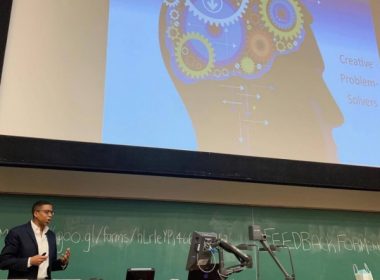
A future vision of STEM education
Nanotechnology is revolutionizing healthcare systems. Self-driving cars are changing how we navigate our roads. The world has entered an unprecedented era of technological innovation, and scientists are making novel discoveries that will extend and improve the quality of our everyday lives. Ainissa Ramirez, a world-renowned materials scientist and science evangelist,[Read More…]
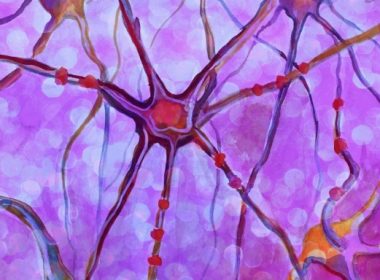
Uncovering the molecule behind synaptic plasticity
Our brains function according to the “use it or lose it” phenomenon: If a skill or piece of information is underused, it becomes harder, if not impossible, to recall it. Conversely, reviewing new knowledge or practicing an action is one of the best ways to strengthen the memory and prevent[Read More…]
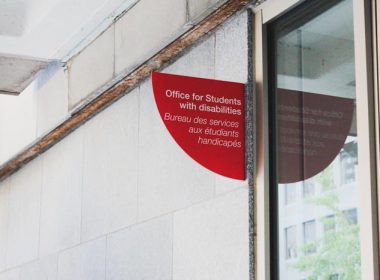
The Office for Students with Disabilities provides new assessments for ADHD diagnoses
The Office for Students with Disabilities (OSD) launched a new Learning Assessment Service in the first week of September that aims to make official diagnoses of learning disabilities like Attention-Deficit Hyperactivity Disorder (ADHD) more effective and financially accessible for students. While the standard cost of diagnosing learning disabilities is $1500,[Read More…]


