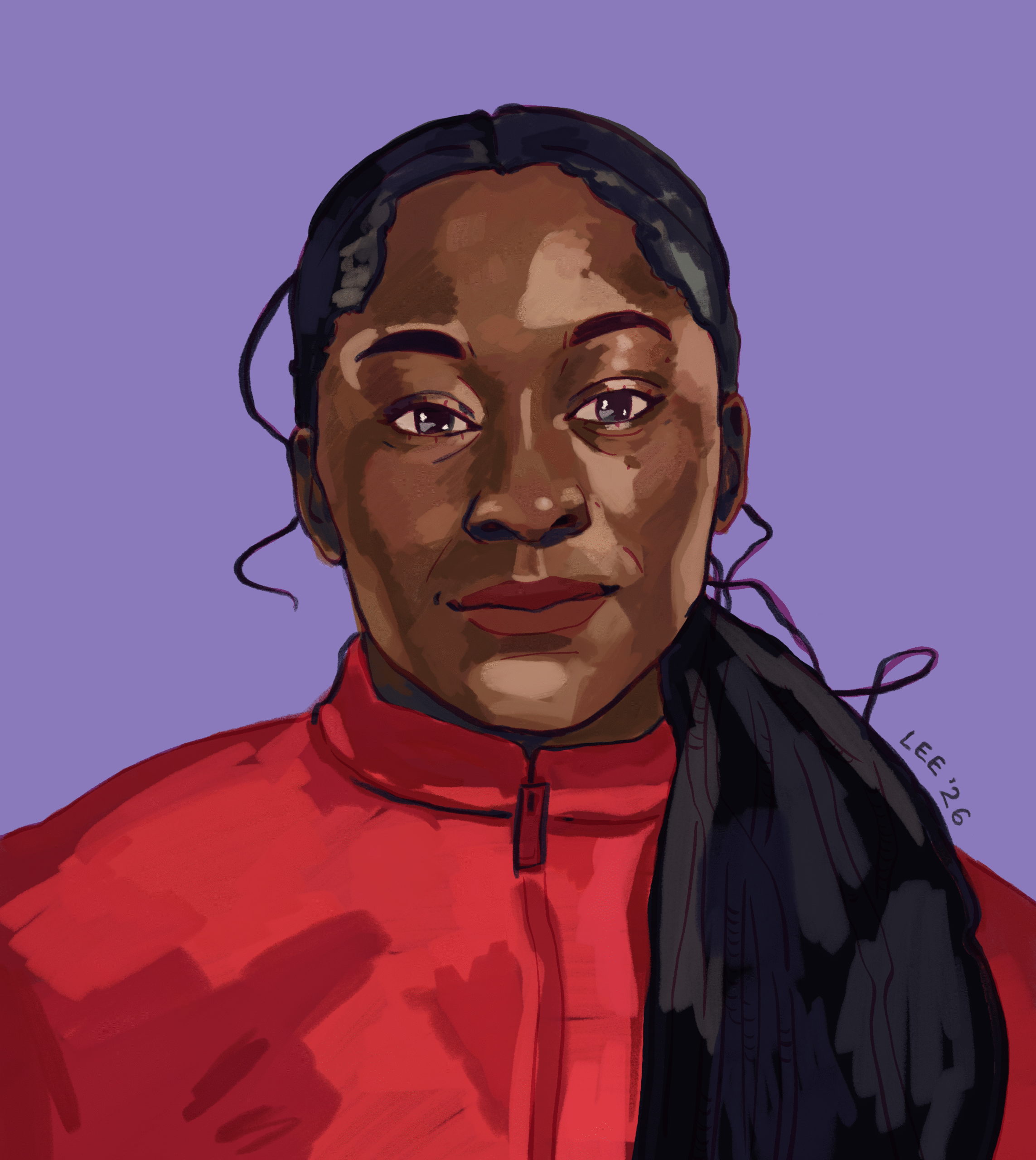



Iran is experiencing its second week of protests following the murder of Jina (Mahsa) Amini, a 22-year-old Kurdish woman tortured and killed in Tehran by ‘morality’ police forces for improperly wearing a hijab. Since Jina’s death, dozens of protesters have been killed, thousands more have been arrested, and the government has enforced a nationwide internet blackout. While solidarity with Iranians against the regime is crucial, Western onlookers must be critical of the lens through which they view the protests in Iran. Popular narratives in Western media ignore the significance of Jina’s Kurdish identity, propagate islamophobic rhetoric used to justify forced secularism in places like Quebec, and fail to address the harms of U.S. and Canadian sanctions on Iranians.
The one-dimensional narrative of women’s oppression in Iran obscures its intersectionality with Kurdish oppression. Jina Amini was a Kurdish woman who, like many Kurds in Iran, was forced to revoke her name and instead go by an Iranian name. Referring to Jina as Mahsa erases Jina’s Kurdish identity from her legacy and perpetuates structural racism in Iran. The Kurdish phrase that has become the slogan of the movement—‘Jin Jîyan Azadî’ (‘Women, Life, Freedom’)—originates from the efforts of Kurdish women in the Kurdish freedom movement. The protests in Iran may be focused on women’s emancipation, but when discussing Amini’s legacy, we must be mindful of the significance of Kurdish liberation and Rojhelat’s (Iranian Kurdistan) struggle for self-determination. The inability to locate Jina’s story in a broader, multi-faceted liberatory framework is a symptom of Western feminism.
Islamophobic rhetoric in the West has created an oversimplified narrative where hijabs equal oppression. The issue is one of women’s choice, not the hijab itself. The popular circulation of videos and photos of women burning their hijabs suggests that the religious garment is the focal point of the women’s liberation movement in Iran, and that all Iranian women are necessarily in favour of secular feminism. This sentiment is also exemplified by the reactionary and misleading ‘before and after photos’ of the Iranian Revolution. The nature of a woman’s clothing is not indicative of her freedom—this notion denies Iranian women their voices in framing their own emancipation against patriarchal violence.
Further, such representations are dangerously used to justify secularism in Quebec and France, prompting support for laïcité and the enforcement of discriminatory policies such as Bill 21. But one common thread uniting Iran, Quebec, and France is the repressive infringement on women’s bodily autonomy. Reducing the situation to religious emancipation falls into an Orientalist and severely misrepresentative perception of Iran, Islam, and SWANA countries more broadly.
Western onlookers must oppose U.S. sanctions and confront how Western governments and media benefit from painting Iran as an evil and repressive regime. North American governments are not interested in a democratic and prosperous Iran. Since 1953, their interests have lain in the oil industry and a subservient government. U.S. and Canadian sanctions against Iran have had devastating effects on Iranians. The country is facing extreme economic inflation, limiting access to health care and critical medical equipment, and restricting agricultural and humanitarian imports. Further, sanctions on Iran actually reinforce domestic power structures and cement the influence of authoritarian leadership. Ultimately, the most vulnerable Iranians—women, ethnic minorities, and the working class—are hit the hardest. Sanctions are unjust, ineffective, and anti-feminist, and are far from an appropriate Western response to the protests in Iran.
Western powers tend to project themselves as champions of human rights. Yet across Iran, Quebec, France, and the U.S., women’s rights are under attack. Framing women’s liberation movements in the East within the lens of Western feminism dangerously misrepresents the problem and fails to account for intersectional struggles. This framework propagates harmful rhetoric and leads to discriminatory legislation. We must situate our ideologies in a global economic and political context, and be wary of the interests of Western powers in their approaches toward Iran. Jina deserves more than to be carelessly inserted into one-dimensional and self-serving narratives of institutional failure.
A previous version of this article stated that all Kurds in Iran are forced to change their names and go by Iranian ones. In fact, it is not in every province that Kurds must change their names. The Tribune regrets this error.