Latest News

Sports

Outdoor activities to beat the end-of-semester blues

Winter is never an easy time for students in Montreal. With indoor gatherings banned and limited outdoor activities, these past few months have been especially challenging. Yet, the start of daylight savings, the extension of curfew, and the improvement of the weather are excellent reasons to leave the house, be active, and catch some rays in a COVID-safe fashion.

Spikeball

Spikeball is not just for shirtless fraternity brothers: Its portability, fast setup time, and low skill required make it the ideal lawn game.

Spikeball is essentially volleyball on the ground. Two teams of two gather around the circular net on the grass, one player serves, then the opposing team has three chances to return the ball. Spikeball can be enjoyed by players at all skill levels, ranging from casual first-timers to hardened athletes looking to jump, dive, and put their body on the line.

Finlay Douglas, U4 Science, has played the game for several years and thinks it has a lot to offer in the way of fast-paced fun.

“Spikeball is great because everybody can play it,” Douglas said. “It’s easy to learn, but it also has a high skill cap, so you can always work to get better.”

Breaking out the spikeball net on a sunny spring afternoon is sure to make one the centre of attention in any friend group.

Kick the Can

A childhood favourite to many, Kick the Can is still fun for fully grown adults. A dynamic combination of tag, capture the flag, and hide and seek, Kick the Can involves one person designated as “it” who must capture hidden players, and trap them all before another player frees those already caught. 

Understandably, most McGill students have not played tag since their pre-teens and have forgotten how exhausting full-out sprinting to escape their friends can be. Kick the Can is a great adrenaline-inducing way to bond with friends and relive the joyful nostalgia of childhood hide-and-seek.

Water balloon fights

Although it may sound preposterous, water balloon fights actually require a fair amount of tactical athletic skill. Hand-eye coordination is needed to aim and throw water balloons with high precision at moving targets. Endurance and cardio are key components as well: Running away from one friend while simultaneously running towards another requires agility for long periods of time. A package of balloons is available for purchase almost anywhere, and avid ballooners may even consider purchasing a water balloon nozzle for efficient balloon filling. 

While not a professional sport, or even an official recreational one, water balloon fights may be just the thing to bring out the childhood joy needed after a long winter of little sun and few opportunities for outdoor fun.

“Growing up in Florida, honestly [water balloon fights] were just a way to get out and have a good time,” Rachel Kalmanovich, U3 Arts, said to The McGill Tribune. “It’s running around and hitting your friends with sacks of water. What’s not to love?”

Mini golf

As the last piles of snow melt, many students are bringing back their favourite pastime: Mini golf. Although it cannot be played on any old lawn, Montreal offers a number of locations for mini-putting. 

Putting Edge Centre-Ville has reservation slots for groups of up to 12 miniature golfers, and their website details the COVID-19 procedures in place to keep visitors safe. Further north, Parc d’Amusement Anjou is a half-hour drive away from downtown Montreal and boasts two 18-hole mini golf courses. For those willing to ditch grassy golf for a more adrenaline-filled activity, the park also offers go-karting.

Arts & Entertainment, Film and TV, Pop Rhetoric

Why we are obsessed with obsession

Hannibal Lecter has been a fixture in contemporary horror since his introduction in Thomas Harris’ seminal 1981 novel Red Dragon. Even though Harris, at the time, may not have understood why readers wanted more of his character, media featuring or referencing the character has been around for 40 years. CBS’s new show, Clarice, although it legally cannot use his name due to ownership issues, is the most recent addition to the Lecter canon. Lecter––a respected forensic psychologist, staunch supporter of the arts, and cannibalistic serial killer––is reminiscent of literary vampires. He is magnetic, charming, refined, and excruciatingly intelligent; it is hard for anyone to divert their eyes from him despite his inherent evil and insanity. Protagonists such as Lecter challenge the audience to expand the limits of their empathy and recognize their own yearnings and desires in villainous characters. 

Due to Lecter’s legendary status—a consequence of Anthony Hopkins’ unsettling performance in The Silence of the Lambs (1991)—it would be easy to chalk up his lasting popularity to the camp and gore of the stories which feature him. The fan cult of Hannibal Lecter, however, is substantially less interested in cannibalism and murder than it is about the dichotomy of attraction and repulsion, all-consuming love, and desire. Harris’ 1999 novel, Hannibal, and NBC’s 2013 TV show adaptation of the same name both feature characters—Clarice Starling and Will Graham, respectively—falling in love with Lecter. Both relationships are loaded with manipulation and mind games, and are a far cry from healthy representation. In fact, the ending of Harris’ novel was so vehemently rejected by audiences that Jodie Foster famously refused to reprise her role as Starling for the film adaptation. NBC’s Hannibal fully embraces Harris’ vision for the characters, highlighting the seductive nature of a character like Hannibal Lecter. The show also goes further: Where the 1999 novel preferred subtext and thinly veiled references regarding Starling and Lecter, the show has Graham (Hugh Dancy) explicitly ask whether Lecter (Mads Mikklesen) is in love with him. 

“Could he daily feel a stab of hunger for you, and find nourishment at the sight of you? Yes. But do you ache for him?” Bedelia du Maurier (Gillian Anderson), Lecter’s therapist, tells Graham.

Transcending the relationship at hand, this question turns a mirror to the audience, explicitly bringing them into the narrative of the show. The audience is thrust into a moment of introspection, and identify parts of themselves in these morally bankrupt characters. This question has been asked in many other works, from the origins of the literary vampire—Bram Stoker’s 1897 novel Dracula—to more modern works such as Netflix’s You (2018-), BBC’s Luther (2010-2019) and Killing Eve (2018-), and Paul Thomas Anderson’s exceptional Phantom Thread (2017).

All of these works challenge the audience to understand and empathize with characters while simultaneously accepting the immorality of their actions. By gaining the audience’s empathy, these works force society to question the notion that media should only reflect the best of humanity. The fictional mutually obsessive relationships at the centre of each story have the inherent ability to heighten the already overwhelming emotions of desire and attraction. Although some may find it morally corrupt, these stories gain popularity by allowing audiences to live vicariously through the on-screen dynamics. 

Watching Killing Eve’s Villanelle (Jodie Comer) and Eve (Sandra Oh), Hannibals Will and Hannibal, and Phantom Thread’s Alma and Reynolds poison, stab, shoot, and maim each other in the name of love is a dazzling and intoxicating experience one could only wish for themselves—although, without the bloodshed. These shows, movies, and books are, in the end, about how far one can go for someone they love. For many people, having someone passionately confess their love to them is all they could ask for. With this in mind, The Silence of the Lambs’s iconic Valentine’s Day release makes perfect sense. 

Science & Technology

Sick and tired: How the medical field neglects women’s health

Compassion and respect towards patients are essential to delivering effective healthcare. Despite advances made by activists and patients alike, the medical field perpetuates its extensive history of sexism, putting women’s lives and well-being at risk. From dismissive doctors to inadequate research, the healthcare gender bias prevents women from receiving the medical services they need and deserve.

Women have long been subjected to harmful medical practices. Since their inception in the 1930s, lobotomiesknown as a horror story of ignored medical ethicswere overwhelmingly performed on women. By inserting a needle deep into the brain, surgeons severed the connections between the frontal lobe and the rest of the brain. Originally developed to alleviate anxiety and insomnia, lobotomies were known to leave people more docile and without the ability to feel intense emotions—if they even survived.

The mid-20th century explosion of the pharmaceutical industry also imposed drastic effects on women’s health. Tranquillizers such as Valium were overprescribed to women between the 1950s and 1970s, leading to severe side effects including addiction. Despite these known issues, the excessive prescription of these drugs, aided by the financial incentive associated with it, continued until the drug patents expired in the 2000s.

In addition to women’s behaviour being wrongly pathologized, their legitimate health concerns have also been dismissed and disbelieved for millennia. Medical professionals often wrongly attribute women’s symptoms to stress, mental illness, or vague hormonal imbalances. Even COVID-19 symptoms are more likely to be overlooked in women, despite the urgency of quickly identifying and containing infections. 

“Nearly every time I went to the doctor after the age of probably 11, […] the doctor would undermine whatever I was asking about, and […] attribute whatever my ailment was solely to anxiety,” Annie Costello, U1 Arts, said in an interview with The McGill Tribune.

Since doctors are less likely to take complaints from women seriously, receiving an accurate diagnosis and appropriate treatment can be frustrating and exhausting. Long lists of personal anecdotes demonstrate that women often suffer years of unnecessary pain and illness before their medical issues are identified. Such diagnostic delays put women’s lives at risk, and are responsible for up to 80,000 deaths in the U.S. every year. 

“I definitely have maintained that self-doubt every time I go to the doctor, even anytime I feel ill,” Costello said. “Every time I go, I get convinced it is something I am making up. It’s beyond frustrating at this point because I don’t actually know now if I actually am ill.” 

Although medical sexism puts all women at risk, other layers of oppression only serve to compound the issue. Modern gynecology in North America is built on the brutal abuse of enslaved women, and this legacy had led to Black women still facing damaging disparities in healthcare access. Indigenous women, as well as undocumented immigrant women detained in the U.S., have long been subjected to forced sterilization, with cases reported in Canada as recently as 2017.

High medical costs and inaccessible care have devastating effects on poor and unhoused women, who are often forced to neglect health issues. Disabled women also face a variety of sociocultural, financial, and structural barriers when accessing medical care. Queer women are also subjected to discrimination in medical institutions; preventative screenings for cervical cancer are less common due to the false assumption that lesbian women are at a lower risk for this disease. Trans women, as well as all other trans people, frequently face prejudice and neglect from medical professionals. Additionally, recent health protection rollbacks under the Trump administration leave them at severe risk of discrimination.

Even when illnesses are correctly diagnosed, treatment options available to women can be severely limited. There is a glaring lack of research into health issues that predominantly affect women, and also into the ways sex and gender influence the consequences of common illnesses—medical studies by the National Institutes of Health were not mandated to include female subjects until 1993. 

Inadequate funding is another major factor in this research gap, according to Dr. Lucy Gilbert, professor in the Department of Obstetrics & Gynecology and the Department of Oncology at McGill. 

“You first have to publish and do the research, and then ask for the money,” Gilbert said in an interview with the Tribune. “You need money to do the research, but they won’t give you money unless you do the research and show that you are getting results.”

Health concerns affecting the female reproductive system are particularly neglected, despite their high prevalence among cisgender women, transgender men, and non-binary people assigned female at birth. Two common diseases are polycystic ovary syndrome, which can lead to mood disorders, diabetes, infertility, and endometriosis, a cause of chronic pain and fatigue. Despite these two illnesses affecting up to 18 and 10 per cent of cisgender women respectively, doctors still do not know what causes them or how to cure them.

The medical literature on how these diseases affect transgender peopleas well as the potential impacts of hormone therapyis exceedingly small. Additionally, they may face barriers and stigma in accessing reproductive healthcare.

Common medical issues affect women in unique ways, as disease prevalence, medication dosage, and symptoms vary based on sex and gender. Many medical trials actively exclude women, leading to a large gap in information on how medications affect half of the human population. 

A wide range of illnesses are exacerbated by this lack of gender-conscious medical research. Women are less likely to recognize the symptoms of heart attacks as well as seek and receive appropriate care. Though the biological causes behind Alzheimer’s disease have yet to be elucidated, two-thirds of patients with Alzheimer’s disease are women. Lung cancer is currently the deadliest form of cancer among women, and is twice as likely to occur in women in a non-smoking population—proposed theories include women’s exposure to secondhand smoking and differences in biological reactions to nicotine, but there is no scientific consensus explaining the troubling statistic. 

Although there is still much work to be done, positive advances have been made in a variety of fields. Significant research has contributed to reduced mortality rates for breast cancer, cervical cancer, and cardiovascular disease in women. Additionally, the proportion of female doctors in several countries has been consistently increasing over the past decades.

“People have begun to understand that women have a lot to offer, that we are the intellectual equals of men,” Gilbert said. “At top levels, there’s a huge gap still […] and this must be bridged. A few women pushing through the glass ceiling will not be enough, the whole glass ceiling must come down.” 

Some studies have concluded that women are better doctors: They are more likely to follow clinical guidelines and communicate effectively, and are less likely to interrupt their patients. 

Increasing education and awareness is also an essential step to empowering and protecting women. Medical Herstory, a non-profit founded by gender health equity advocate and McGill alumna Tori Ford, BA ‘19, is focussed on giving women a voice and helping them navigate the murky waters of the healthcare system, through workshops on patient advocacy and medical education. 

“[Part of Medical Herstory’s mission] is about empowering young people, how to advocate for yourself in medical settings, and also acknowledging why it is so difficult, why do you feel like you don’t have enough time, like you can’t find your voice,” Ford said in an interview with the Tribune.

Ford emphasized the importance of community-building and connecting with others, on top of providing people with the tools they need to demand adequate healthcare. 

“Unfortunately, we like to think about the medical system as this benevolent system, but it’s really not and it causes a lot of harm,” Ford said. “Finding ways to protect yourself, to know your rights, and to get the care you deserve [is essential].”


Features

Just a phone call away

At 22 years old, I have lived in four cities across three different countries. Each move has come with the gruelling process of saying goodbye to loved ones and cultivating a new social circle in an unfamiliar place. While others my age may find comfort in living in one place their entire lives, I find solace in knowing I have acquired something in my childhood that is invaluable: A large network of relationships.  away

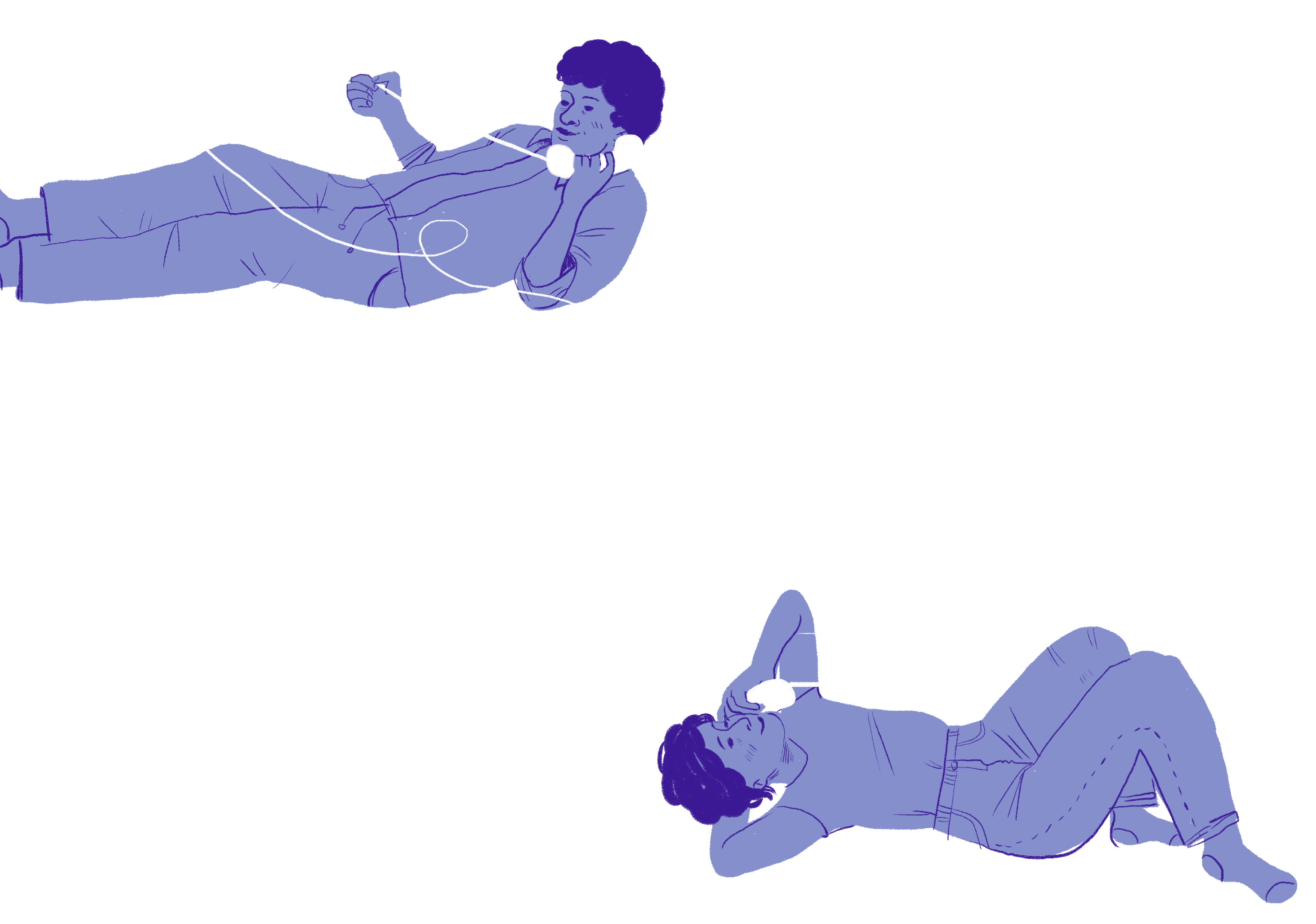
As the romanticization of letter writing, rotary dial phones, and life before technology grow, we can overlook how we are fortunate to today’s digital interconnectedness—one that no generation before us has been able to experience. With the invention of the cell phone, then FaceTime, and now Zoom, reuniting with family members, catching up with old friends, or sustaining a relationship from opposite sides of the country is easier than ever. With just the click of a button, lonely nights no longer seem as frightening as they once did. 

In the past, a move to a different city meant the end of a friendship, and leaving for university meant only hearing a parent’s voice when returning home for the holidays. Now more than ever, students are leaving home to attend university somewhere new. For some, this decision is made easily upon the assurance that they can still connect with their hometown lives. 

With the ongoing pandemic bringing about the rise of Zoom fatigue, it is common to take for granted the gift that is virtual communication. While Zoom meetings and isolated work environments are not ideal, early curfews and time indoors would be much harder without the technologies that currently occupy our days.

Ironically, it is these casual FaceTimes, three-hour-long phone calls to home, and Zoom parties where individuals vent frustrations about virtual life that make the situation a little more bearable. Michelle Yu, BCom ‘16, reflects on how staying in touch with her McGill friends has only strengthened their bonds since graduating, and has made it easier to continue these friendships as time passes. 

“I think a big part of what is special with long distance relationships in today’s era is the sense of comfort that you can quickly slip back into when you are reunited,” Yu said in an interview with the McGill Tribune. “A lot of that is thanks to social media and technology. We’ve been given these tools that have allowed us to stay informed and engaged with our loved ones [….] It has really shown that relationships can stand the test of time and distance.”

In times of uncertainty, we often cling to familiarity. For students living abroad or university graduates starting a new chapter in a foreign city, reaching out to someone who understands your roots can help organize your thoughts and remind you of how far you’ve come. away

Science & Technology

Meeting the wonderful members of the human microbiome

Microbes are often perceived as dangerous nuisances responsible for fatal diseases like tuberculosis. Yet, despite the negative connotations attached to their colloquial name, “germ,” trillions of harmless microbes live on our skin and within the human body, and help us survive and thrive. 

Lactobacillus: The plastic maker 

Lactobacillus is a family of bacteria characterized by their ability to produce lactic acid as a by-product of glucose metabolism. These microbes inhabit human gastrointestinal tracts, mouths, and female reproductive organs. One of the most common Lactobacillus strains is L. acidophilus, which is found in the intestine and can minimize the absorption of cholesterol in the gut, promote weight loss, and reduce cold, flu, and allergy symptoms. 

These bacteria not only play vital roles in the human body, but also in food production and medical treatments: Various species of Lactobacillus are used in the production of sour milks, cheeses, and yogurts, as well as in the manufacturing of fermented vegetables, beverages, sourdough breads, and sausages. They are also used as probiotics to restore bacterial imbalances in the human body after antibiotic treatments. 

Dr. Bastien Castagner, associate professor in the Department of Pharmacology and Therapeutics at McGill, explains that probiotic treatments should be tailored to one’s personal microbiome to have a positive effect. 

“One challenge facing therapeutic interventions aiming at modulating the gut microbiota will be to see how the interpersonal difference will affect their clinical success,” Castagner wrote in an email to The McGill Tribune. “For instance, a probiotic strain might colonize some host[s], but not others, depending on the endogenous microbiota of that person.” 

Escherichia coli: The cancer annihilator  

Escherichia coli, better known as E. coli, are a group of bacteria found in soil, contaminated foods, and human and animal digestive tracts. While some strains can cause disease, most forms of E. coli are harmless and play an important role in the human intestinal tract by aiding digestion and fighting other harmful microbes. 

These microorganisms have also contributed to major scientific breakthroughs: Studies have found that they can help in the fight against cancer. By inserting extra DNA into E. coli cells, the bacteria can manufacture cancer-fighting molecules called nanobodiesthe smallest fragment of antibody in the human body. 

Outside its functions within the human body, E. coli can also help combat climate change by consuming carbon dioxide. Scientists have re-engineered the bacteria to convert carbon dioxide into biomass, rendering the E. coli photosynthetic. 

Bifidobacterium: The cholesterol fighter 

Bifidobacterium are a group of bacteria that play an important role in the gastrointestinal system and overall digestive health. These microorganisms are found in the intestines and break down fibre and complex carbohydrates. 

“It is […] important to favour a diverse gut microbiota by eating a diet rich in vegetables, fruits, legumes, and grains,” Castagner wrote. “This is because the fibres [these foods] contain are not digested by us and reach our large intestine, where our gut microbiota mostly reside.”

There are more than 30 strains of this bacterium, but a few deserve special mention. Bifidobacterium bifidum helps protect humans from unhealthy bacteria, and when combined with L. acidophilus, helps to prevent eczema in newborns. Bifidobacterium infantis can also relieve pain and bloating from irritable bowel syndrome

Staphylococcus: A skin protector, or agitator? 

Staphylococcus is a group of mostly harmless bacteria that live on human skin. However, if Staphylococcus aureus bacteria cluster at an open skin wound, a staph infection can develop and become life-threatening if it reaches the heart, lungs, or bloodstream. 

However, other strains of this germ have beneficial properties. Staphylococcus bacteria are involved in the production of lipoteichoic acid, which stops skin cells from releasing inflammatory chemicals. One strain of Staphylococcus epidermidis even produces chemicals associated with reduced tumour growth in response to ultraviolet light, suggesting a role in preventing skin cancer.  

“The human gut microbiota is really an ecosystem,” Castagner wrote. “[A] great analogy is to think of it as a mature forest, where different trees, bushes, mosses, and fungi are competing for resources but also working together to maintain a stable ecosystem.”

Behind the Bench, Sports

Player safety needs to be a higher priority in hockey

Sports can provide entertainment, outlets for expression, and even career opportunities. However, at the end of the day, sports are games, and safety should always be a top priority. On March 16, Timur Faizutdinov, a 19-year-old Russian hockey player, died after being struck in the head with a puck. Although what happened to Faizutdinov is rare, the tragedy sparked conversation around player safety, and in this case, the efficacy of the hockey helmet. 

Most hockey helmets come with at least some protection around the ear area. However, as in Faizutdinov’s case, many junior and professional league players take the ear guards off their helmets, leaving the region exposed. While ear guards add some safety, the focus of the current debate surrounding hockey helmets regards the cage versus the visor. Faizutdinov was struck near the temporal bone, so a full cage may not have saved him. Nonetheless, facial protection like a cage is proven to decrease the prevalence of injury. 

To minimize injuries to collegiate athletes, the National Collegiate Athletic Association (NCAA) requires college hockey players across the United States to wear a full cage or full face shield on their helmets. Yet, in Canada, male players are only required to wear half shields, leaving their faces partially uncovered. Despite this, female players wear full masks at all levels of play in North America. This distinction is rooted in the misguided belief that women’s hockey is an amateur sport and therefore requires more protection. The NWHL, a professional women’s hockey league, is clearly not an amateur league, but it still requires all of its players to wear full face masks. In contrast, leagues that do not require full face shields see more than double the amount of facial injuries than those that do. 

One argument against face shields is that added padding will make the game more violent by encouraging aggression, as is a claim in football. However, the face shield is not designed to stop hits or any physical component of the game, but rather to stop sticks and pucks from knocking players’ teeth out. Ear guards provide some protection for the exposed area around the ear, and such safeguards may have saved Faizutdinov’s life.

In 1959, after being hit in the face with a puck, Jacques Plante, then-goalie for the Montreal Canadiens, refused to return to the game without a face mask. This move sparked a rule change allowing and eventually requiring goaltenders to wear masks during games. Hopefully, the tragic passing of Faizutdinov will expand conversations surrounding player safety and the use of ear guards and full-face shields. 

Although the NHL did not even require helmets until 40 years ago, changing the rule that currently prohibits players from wearing full-face shields unless they are already injured could be a potential starting point. Still, players in the NHL make a salary from playing hockey, so if team owners want their players to wear a visor and thus increase player recognition, it is a risk associated with the job. 

On the other hand, junior and college hockey players do not earn a significant salary and many do not continue beyond juniors or university. Adding protection to prevent permanent injuries can ensure players are able lead normal lives after their hockey careers come to an end. 

The NHL drafts players from the NCAA at a much greater frequency than U Sports. While this is in large part due to other factors such as scouting revenue, it is clear that the players are still able to develop into professional athletes behind the safety of a mask.

With a sport such as hockey, most players only compete for a relatively short period. However, injuries to the face and head can cause trauma and neurological damage that can last for a lifetime. These extra safety measures may be a minor inconvenience in the short term, but they can prevent permanent damage caused by significant head injuries.

Editorial, Opinion

Quebec’s denial of systemic racism impedes progress

On March 17, La Presse reported that a Saint-Eustache hospital had posted job placements for “white only” personal attendants. According to the hospital, a “difficult” patient that refused treatment by non-white individuals, prompted officials to search for a white orderly to cater to the patient’s preferences. Such discriminatory job postings are illegal, and the government has launched an investigation into the situation. Nevertheless, the fact that hospital administrators assuaged the patient’s racism reveals a much deeper crisis that should infuriate every Quebecer. Although provincial officials refuse to acknowledge that systemic racism exists in Quebec, racism in the healthcare system will continue to persist until the government places morals above politics and support activists’ efforts to confront it.

While patients have the right to decline medical treatment, their refusal to receive care from a non-white practitioner is not only racist, but also devalues the physician’s years of training. Memory-loss conditions like dementia lead to poor behaviour, but they do not excuse racism, and catering to such outrageous requests only further rationalizes their harm. While no person should be denied care if their life is in danger, the medical professionals involved were not obligated to fulfill such an unreasonable request—especially when doing so is against the law and other solutions were available.

It would be a false equivalency to suggest that the patient’s request was comparable to a BIPOC individual demanding care by someone from their own community. Consider the tragic Sept. 28 death of Joyce Echaquan, an Atikamekw mother of seven who died in a Joliette hospital while being subjected to racial slurs up until the moment of her passing. Whereas racialized people have cause to fear for their safety, racists are driven by harmful, baseless stereotypes, and to accommodate bigotry of any sort is outrageous. Given Quebec’s history of discrimination in healthcare, marginalized persons have every reason to seek secure treatment from those with whom they can feel safe.

Whether the request was motivated by a medical condition or not, the patient’s insidious demands serves as an indictment on Quebec society as a whole. Still, the Coalition Avenir Québec (CAQ) administration has willfully ignored deep-seated racism in the province for years. Premier Legault’s immediate reaction to Ms. Echaquan’s death was particularly disturbing: In an Oct. 6 apology, he lurched on the talking point that the incident did not reflect the “Quebec nation” as a whole—defending nationalist rhetoric at the expense of moral necessity. Meanwhile, his administration continues to deny the importance of collecting race-based COVID-19 data, insinuating that the province is blind to race and the unique challenges facing racialized people. The government may in fact be blind to race, but only when it comes to addressing socioeconomic problems disproportionately affecting non-white people. 

Legault also recently appointed Benoit Charret, a white man with little relevant experience, to lead the government’s anti-racism taskforce. Although being white does not automatically disqualify Mr. Charret from holding such a position, it does mean he should be held to a higher standard. Nevertheless, he himself has already asserted that systemic racism does not exist in Quebec. This new position will be of no use until he and the rest of the CAQ party acknowledge the shameful conditions faced by racialized people. 

It is incumbent upon Charret to use his power to address the inequalities that permeate Quebec society. Above all, however, it is crucial that white officials who are appointed to positions of power elevate marginalized voices, rather than take credit for their work. To do otherwise would not only be unfair to the thousands of racialized activists fighting for their communities, but also perpetuate a contemporary white saviourcomplex.

Without question, Quebec must enforce laws against discrimination to ensure that those responsible for the St. Eustache postings are held accountable. But more than anything, it is essential that Quebec’s leaders admit that Saint-Eustache was not an aberration and treat it as a symptom of the racism festering in the province. 

Science & Technology

Tiny plastics pose an immense danger to human life

The Earth’s atmosphere bears the necessary elements needed for human survival. However, as human plastic waste continues to multiply, the introduction of chemicals and toxins into the air and water is life-threatening to several species. Due to their size and properties, micro and nanoplastics indirectly pose dangers to human health. 

Microplastics, which have a length of fewer than five millimetres, form as a result of the disintegration of larger pieces of plastic. Although micro and nanoplastics are harmless when isolated, they can combine with toxins in the atmosphere to form a “cocktail” of dangerous chemicals. This mixture adversely impacts human health, the environment, and the climate. Researchers at McGill developed a groundbreaking technology to detect micro and nanoplastics in our environment. 

Zi Wang, the first author of the study, is a PhD candidate in environmental and analytical chemistry at McGill. Micro and nanoplastics tend to spread faster in the environment once emitted into the air. 

“The atmosphere is the fastest moving fluid in the environment,” Wang wrote in an email to The McGill Tribune. “Microplastics have been found in diverse environmental matrices, for example, oceans, sediments, soil, and biological entities. During precipitations, snowflakes can take up the microplastics in the air. This process may change the morphology, microphysics, and toxicity of the snow, and alter the snow albedo.”

Micro and nanoplastics absorb up organic matter and heavy metals present in the environment. Once these plastics enter the human body, they release accumulated toxic substances that can cause reproductive diseases and cancer. The dangers of such plastics are not limited to the humans: Zooplankton—aquatic organisms ranging from microorganisms to larger species such as jellyfish—ingest microplastics in the ocean and transfer these toxin-bearing contaminants up the food chain. Microplastics that enter a secondary consumer’s body block the digestive tract and reduce the urge to eat, causing starvation and potentially death. 

The adverse effects of these materials are heightened during winter. 

“Snow can take up some of the airborne particles or aerosols during precipitation events,” Wang wrote. “It acts like a filter which gets rid of many impurities from the atmosphere, including micro [or] nanoplastics in the air.”

The study focussed on the snow-borne polyethylene glycol (PEG) and the fragments of polyethylene (PE) found in the environment during colder months. PEG is a synthetic polymer soluble in water and is used in multiple fields, including oral health, medicine, and various other industries. PEG is most commonly used as a lubricant as well as in toothpaste and mouthwash. Its increasingly abundant presence in the environment, however, raises many health concerns, which makes it important to detect the amount and type of such nanoplastics in our environment. 

To detect traces of these plastics in our environment, the researchers used nanostructures, which are designs that exist on a tiny scaleone nanometre is equivalent to one-millionth of a millimetre. The surface of snow samples contain recyclable nanostructures that trap the dissolved plastic, the amount of which is then measured using a technique involving using nano-structured mass spectrometry. 

In April 2019, the researchers used laser technology to test the micro and nanoplastics content of collected snow samples. Micro and nanoplastics in the snow absorbed energy from a laser beam, causing them to separate from the rest of the sample. Following this process, the team quantified the separated micro and nanoplastics.

“This technique may produce crucial missing information on the fate of micro [or] nanoplastics in various environmental matrices and their impacts on the ecosystem and human health,” Wang wrote

This newly developed technology marks one step toward achieving a much healthier and cleaner environment.


A previously published version of this article incorrectly stated that Zi Wang was the lead author of the study. In fact, Wang was the first author. The Tribune regrets this error. 

Soccer, Sports

North American men’s soccer is ready to take on the world

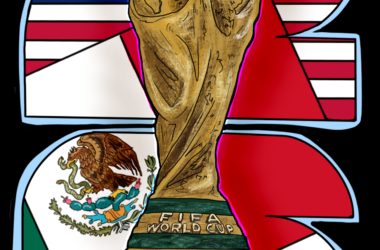
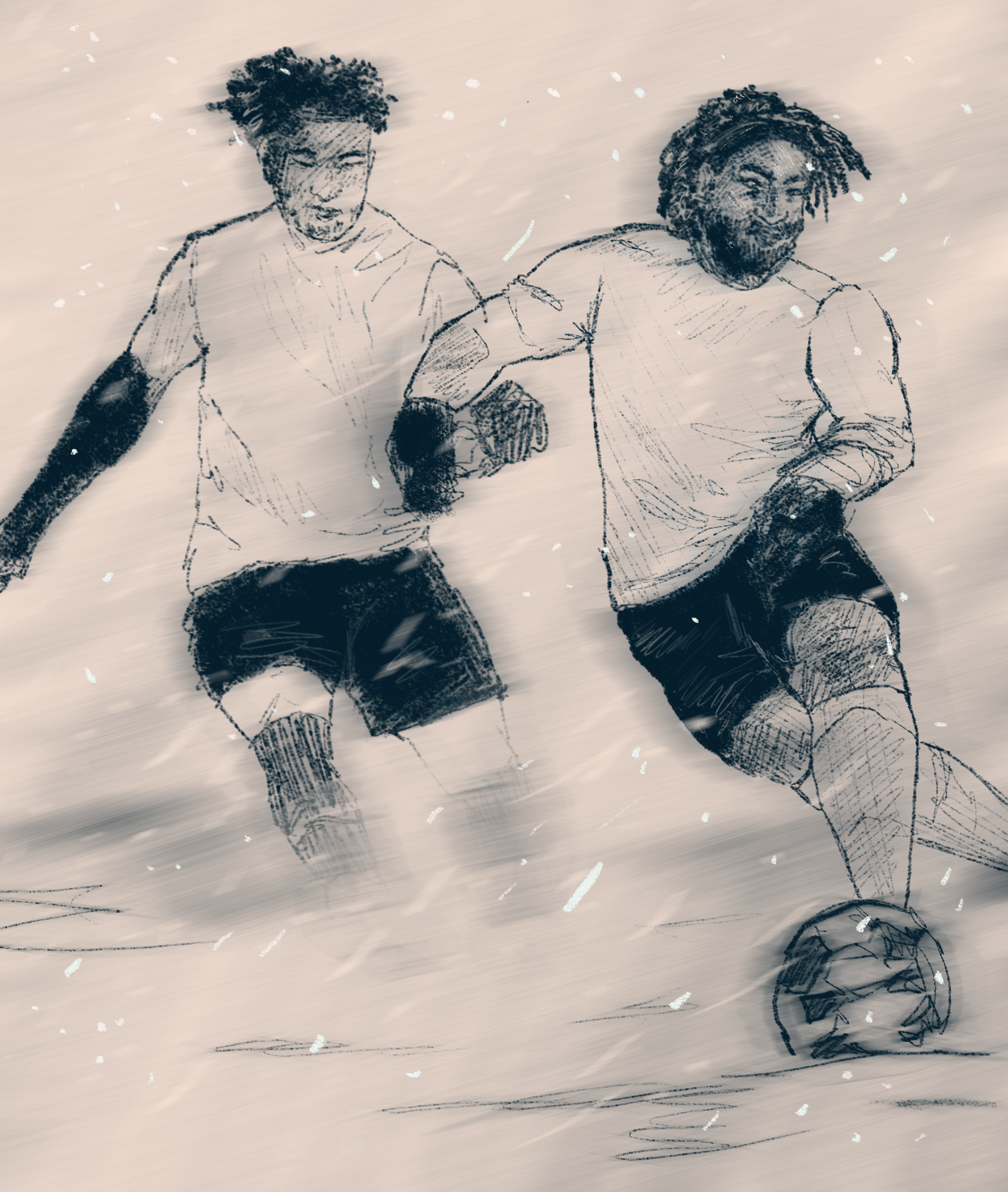
Average, competent soccer players fit into pre-existing systems; great, tactically advanced players develop new ones. Tactical development in soccer has always centred elite-level players: Lionel Messi revolutionized the false 9, and Cristiano Ronaldo popularized the position of inside forward. As a fullback with pace and power that can take over a game in a flash, Canada’s own Alphonso Davies is leading the next positional revolution. The young star is indicative of a larger movementNorth American soccer is on the rise and ready to compete with the rest of the world.

In decades past, North American players have rarely played high levels of soccer. In recent years, however, a plethora of elite talent from Canada and the U.S. has made its way to Europe. Fellow Canadian Johnathan David currently plays for Lille, a French club famous for developing players including Real Madrid’s Eden Hazard and Arsenal’s Nicolas Pépé. Americans such as Chrisitan Pulisic, Weston McKennie, and Giovanni Reyna have been key contributors for Chelsea, Juventus, and Borussia Dortmund.

The newfound success of North American players did not happen overnight. The organization responsible for the development of this generation of young talent is the MLS Next academy system.

MLS Next is a continuation of the U.S. Soccer Development Academy, which was founded in 2007 but shut down in 2020 due to revenue loss from the COVID-19 pandemic. The creation of the academy system was an attempt to address the gap in development when comparing North American players to those in South America and Europe. Despite the financial barriers of the system, most notably the “pay to play” structure, players produced by the program have proven that North America has more talent than ever expected.

McGill Men’s Soccer captain Juliano Cobuzzi, U4 Engineering, was a part of the Development Academy system for nearly six years. He attended the C.F. Montreal Development Academy from its inception until he matriculated at McGill. 

In an interview with The McGill Tribune, Cobuzzi aptly noted that the Montreal Impact Academy, and the Development Academy as a whole, struggled with some early hurdles.

“[It was a] big work in progress,” Cobuzzi said. “When we first got in, it was almost as if everyone was trying to find their footing, including the staff and coaches. It was a learning process for everyone.” 

Cobuzzi added, however, that the club stepped up to face the challenges head-on.

“Two years in, it changed completely, and it keeps changing,” Cobuzzi said. “I’ve been back to the training facility and it’s really gotten a lot better. [When] I started at 14, we were training at some local field, but within two [or] three years, the club had built a training facility where the professional team plays. We went from a local field to a fully independent field with its own gym, pool, [and] medical centre within three years. It was a big financial investment.”

(Juliano Cobuzzi)

C.F. Montreal’s decision to invest in new facilities was indicative of the same youth development the MLS had committed to funding. North America needed to improve its youth development strategy if Canada and the U.S. ever wanted to compete with the rest of the world. 

McGill Varsity forward Vincent Lipka, U1 Arts, grew up in France before moving to New Jersey at the age of 14. Lipka previously played for the famous Le Havre Athletic Club, known for producing talents like Manchester United’s Paul Pogba and Manchester City’s Riyad Mahrez. In the United States, Lipka had trials with the New York Red Bulls and NYCFC academy affiliates, which led to him sharing the pitch with star midfielder Gio Reyna. He eventually joined Cedar Stars Academy in New Jersey.

According to Lipka, there is a critical difference between North America and Europe’s development tracks.

“In France, soccer players have only one objective: To be professional soccer players,” Lipka said in an interview with the Tribune. “When I came to the U.S., I felt that some players just play soccer to get into university. It was a way to get into a top school.”

In Europe, players develop through professional clubs; high-level universities do not recruit for sports. This ensured that the best European talent remains in the academy system. 

In the U.S. and Canada, however, collegiate sports not only exist at a much higher level, but are also a revenue-heavy endeavour. This encourages top tier universities to allocate significant funds to recruit athletes, leading them to pursue a post-secondary education as well as a sporting career. While die-hard soccer fanatics are uninterested in the education level of soccer players, having an education can be a vital safety net for athletes when pursuing a career as volatile as professional sports. The MLS Next system actively reinforces and emphasizes the importance of education to its players.

Goalkeeper Cristiano Rossi, U2 Economics, was a part of the Toronto FC academy for six years before deciding to study at McGill while continuing his soccer career. In an interview with the Tribune, Rossi mentioned that the training system prioritized both education as well as athletics by teaching its students discipline. 

“You always have to be professional; you represent your club,” Rossi said. “The professionalism starting from age 12 and upwards was always stressed on us.” 

Rossi also noted how skills he learned with Toronto FC transferred to life outside the academy. 

“You would always have to [manage your time],” Rossi said. “We did four hours of high school before training, forcing us to be really strict with our homework. I would for sure say the hard work and discipline really stuck from a young age.” 

It was this mentality that influenced Rossi’s eventual decision to continue with his education. According to Rossi, the academy ensured that he was able to balance academics and sport, and he never felt pressured to prioritize one over the other. 

As Lipka noted, a crucial difference in development between France compared to Canada and the United States is the mentality of the players: The “all or nothing” mindset has definitely played a part in France’s incredible soccer talent and recent world cup victory. Rossi’s experiences, nonetheless, demonstrate that the student-athlete approach has positive effects beyond soccer. 

Developing high-level prospects is the goal of these professional academies. Nonetheless, it is equally important to produce student-athletes that can impact the world outside of sports, as not every academy player will set foot on a professional pitch. 

Through student-athletes like Juliano Cobuzzi, Vincent Lipka, and Cristian Rossi, or through international soccer stars like Alphonso Davies and Weston McKennie, the MLS Next academy system is already proving that high-level talent can still be produced with an inherent focus on education. It would not be surprising to see the Canadian or United States Men’s national teams make a deep run in a major tournament within the next decade. Just as importantly, it should not come as a shock if an academy athlete is making a profound impact outside the realm of professional sports—they are being trained to do both.

Read the latest issue

Read the latest issue