
Latest News

Sports, Volleyball

A set, a spike, and a win for women’s volleyball

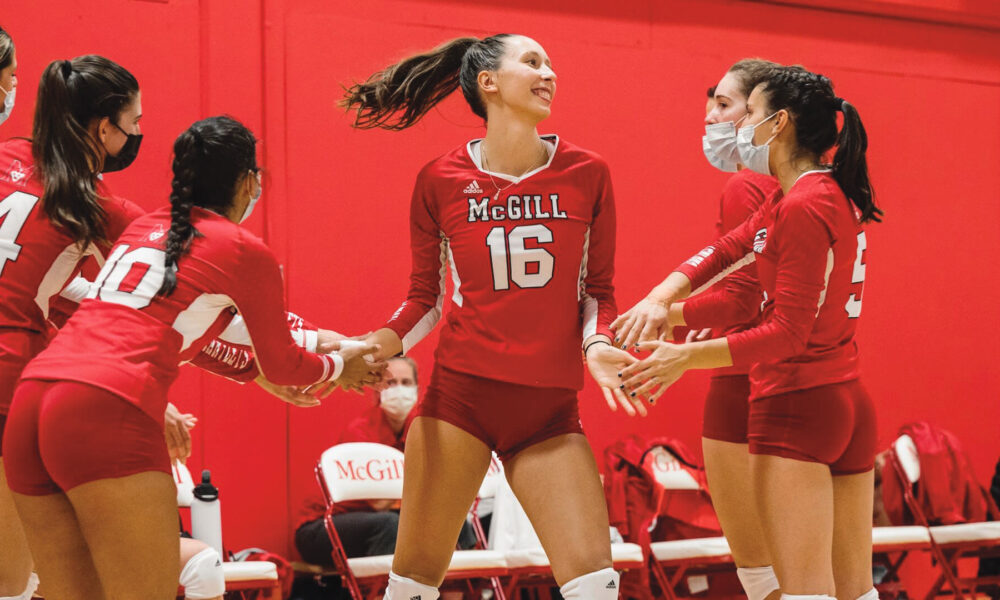
McGill women’s volleyball (3–2) faced the Montreal Carabins (2–3) in their second meeting of the season on Oct. 31. With confidence in their every move, the Martlets won 3-2, marking the third win of their campaign so far.

Charlene Robitaille, a fourth-year nutritional science student at McGill and middle blocker for the team, noted that this confidence stemmed from the team’s earlier victories.

“We were really excited because of our game from the previous week against the Carabins,” Robitaille said. “When we were practicing this morning, we had very good control. We were really looking forward to [the game].”

Despite their high hopes, however, the first set did not entirely go according to plan. The game was neck-and-neck, with both teams proving to be fierce competitors. The Martlets were deliberately forceful from the start, with sheer power behind every attack.

“Our biggest goal for this game was to be aggressive,” Robitaille said. “Mostly in terms of our hitting, but also for our serves [….] No one on our team was scared of the other team’s blocks.”

Ultimately, the Martlets’ efforts were in vain, as the Carabins’ tactical play and point-saving digs led them to overpower their opponents. A slew of back and forth points eventually led to a 23-25 set win for the Carabins. 

The first set loss sparked a fire in the Martlets, and they came back with a searing energy that spurred on an immediate change in the team’s strength. Their focus was up, everyone was communicating effectively, and the entire team moved as one. 

To start off the second set, the Martlets carried out relentless blocks and spectacular spikes. Clara Poire had a particularly strong spike that paralleled the net as it jetted towards the ground. The constant pressure allowed the Martlets to gain an advantage of 16-5 before the referee called a technical time out. 

The Martlets continued their rampage throughout the second set, winning 25-18. The third set saw this trend persist, and though the Carabins were keen to block their opponents’ powerful serves, the Martlets won 25-16. 

Endurance on both sides was needed as the fourth set began, with the score at 2-1 for McGill. Though they had the window open to winning it all, the Martlets unfortunately fell short, finishing 20-25 and forcing the game into its fifth set. 

The final set had the crowd on the edge of their seats. Even though the Martlets bested them in their previous match, the Carabins did not go down without a fight. 

There was no clear winner in sight when the set began, but diamonds are made under pressure, and the adrenaline of the tie fueled the Martlets. The Carabins seemed to adopt the same aggression tactic as their opponents, but to no avail. The Martlets blocked left and right, and finished off the game 15-11, winning both the set and match.

Moment of the game: 

A cut shot by right-side hitter Clara Poire grazed the other side of the net as it sped to the ground, making it impossible to return. 

Quotable: 

“Each win is important [….] We have to concentrate on every game. We focus on the game at hand before looking too far ahead.” —Fourth-year middle blocker Charlene Robitaille

 Stat: Martlet power-hitter Brook Brown led the team with 15 kills.

Creative

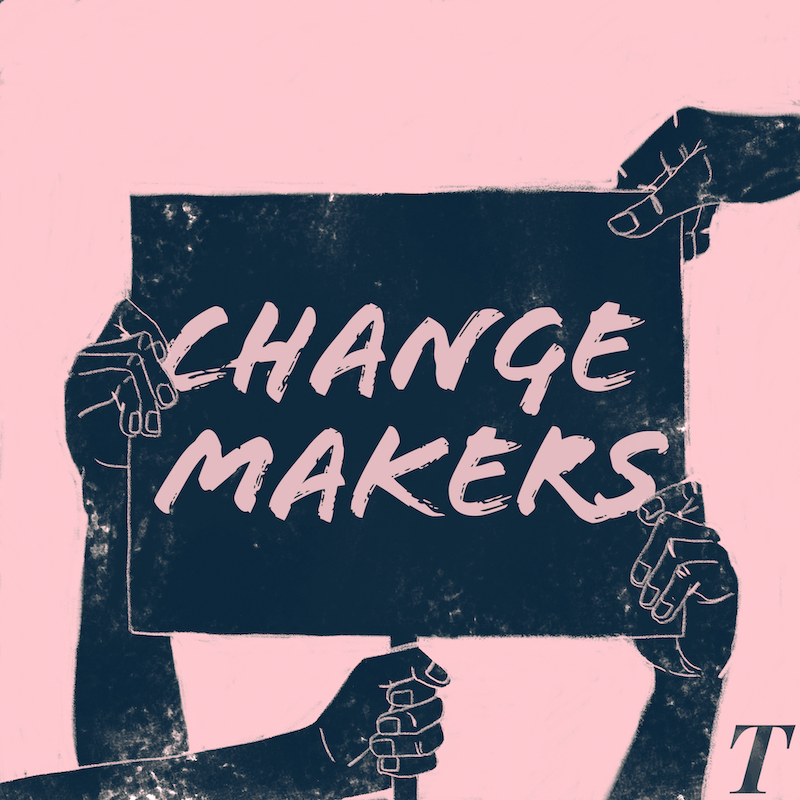
Change Makers Episode 5: Modern Manhood

In the fifth episode of Change Makers, Multimedia Editor Noah Vaton speaks with Lenny Lenhard, a recent McGill graduate, and the founder of Modern Manhood. A pilot project run by men, and made for men, working to positively redefine what it means to be a man.

(telegraph india)
Science & Technology

Vaccine stockpiling may do more harm than good

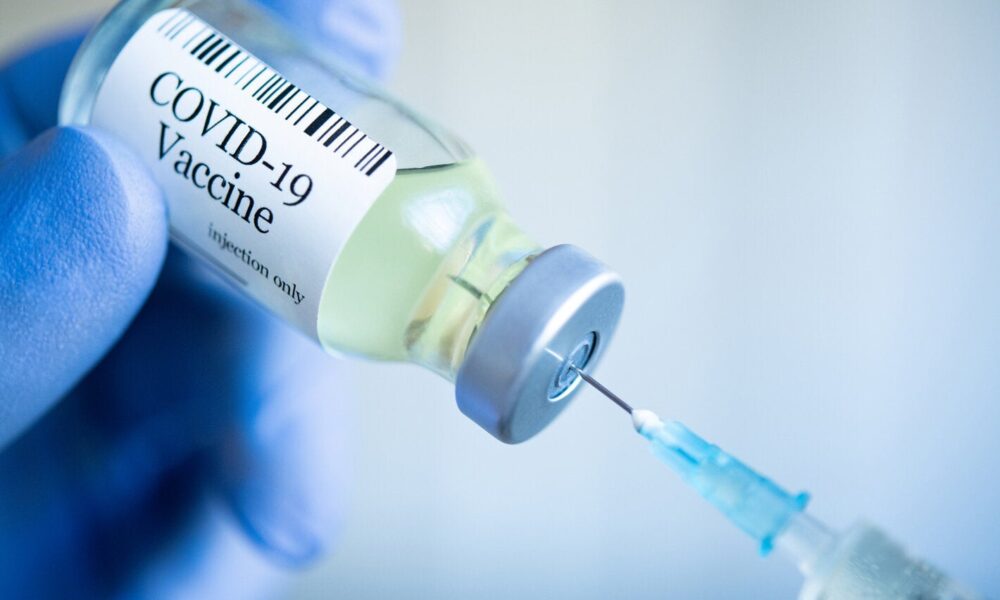
While the high vaccination rate among certain portions of the population has lifted public health restrictions and allowed some semblance of normalcy, the COVID-19 pandemic is far from over. Despite vaccine administration having begun in December 2020, only 37 per cent of the world’s population has received both doses, with high-income countries comprising the highest proportion of vaccinated people.

In a recent study, a team of researchers, including scientists from McGill, ran simulations that explored the impact of vaccine stockpiling by wealthy countries on infection rates in low- and middle-income countries.

Caroline Wagner, an assistant professor in McGill’s Department of Bioengineering and co-first author of the study, explained that the team was motivated to see if there was scientific evidence behind the claim that vaccine nationalism causes harm. 

“I think you can argue against [vaccine stockpiling] on purely ethical grounds, and people have, but we also wanted to think scientifically [about] what the implications might be,” Wagner said in an interview with The McGill Tribune.

The researchers simulated the expected number of infections in two hypothetical regions—one with high access to vaccines and the other with low access—using assumptions based on characteristics like vaccination rates, the strength and duration of natural and vaccine immunity, cross-border transmission, and the potential increase in infections due to viral evolution.

The results showed that in the case of limited vaccine supply, vaccine stockpiling by high-availability regions leads to increased infections in low-availability regions. There is also more potential for the virus to evolve into more contagious variants as the number of infections increases.

“Allowing infections to circulate widely, which is going to be of particular concern in unvaccinated populations, is particularly bad for the potential for viral evolution because every time the virus replicates, mutations can arise,” Wagner said. “If the virus evolves to a point where it can then evade our acquired immunity, then all the efforts to heavily vaccinate a certain region might be futile if a variant comes up that can evade the immunity conferred by that vaccine in the first place.”

In recent months, several new variants of the virus have emerged, such as Delta, Gamma, and Alpha. These variants are more contagious than the original virus and have the capacity to infect vaccinated people. Equitable global vaccine sharing, Wagner explained, would decrease the burden on the health care system in low-income countries and minimize evolution of the COVID-19 virus. 

“The vaccines are not perfect, there are breakthrough infections,” Wagner said. “But by and large, they are super effective at mitigating serious disease. Even if we don’t totally eliminate infections, if we can decrease the clinical burden of this disease around the world through vaccination, that’s very important. Especially in regions which might have less robust health care systems.”

The team presented their research to the World Health Organization and other health policy makers across different countries to encourage them to adopt a global perspective instead of solely considering their country’s interests. In the long run, with cross-border transmission of the new variants, increasing the number of vaccinated people globally would benefit individual countries. 

The team’s current model simulates the effect of vaccine stockpiling in two hypothetical regions. Moving forward, the researchers want to incorporate real-world data and are currently working on a model specific to Canada.

As scientists and policymakers explore the possibility of additional “booster” doses, it becomes increasingly important to consider trade-offs between the benefits gained from a booster shot and the continued viral evolution and harm caused to more than half of the world’s unvaccinated population.

“Everyone is talking about boosters now, so we need to think about incorporating boosters into the model,” Wagner said. “It’s possible that everyone may need boosters, […] but if we allow evolution to happen by not vaccinating the rest of the world, then we don’t know how long the gains from a booster would be beneficial for anyways. While vaccine supplies and availability are limited, it’s a zero-sum game [as] vaccinating here means not vaccinating somewhere else.”

Science & Technology

The secret to mussels’ powerful underwater glue

Mussels spend their days withstanding crashing waves and brutal intertidal environments. A question that has long fascinated scientists and students alike is how they manage to stay tethered to rocks and their fellow mussels amidst these conditions. Luckily, evolution has solutions to such complex design challenges—and it also provides inspiration for human engineers. A recent McGill-led study published in Science details the process by which mussels produce their uniquely powerful glue. 

Matthew Harrington, senior author of the paper and an associate professor in McGill’s Department of Chemistry, emphasized that the mussel glue mechanism was difficult to parse and even harder to emulate.  

“This is not easy since [the glue secretion] process is hidden inside a secretory organ called the foot,” Harrington wrote in an email to The McGill Tribune. “To overcome this challenge, we used a combination of traditional biochemistry methods coupled with cutting-edge material science methods.” 

Understanding how mussel glue forms can also have practical applications for human technology, such as surgical glues and dental adhesives. Mussel glues are much better than current human-made adhesives, which lose function in wet or humid environments. 

Working with the blue mussel Mytilus edulis, the team reconstructed the mussel foot using micro-CT tomography, revealing a complex network of longitudinal ducts (LDs), or long tubes. Two different microscopy techniques revealed that many tiny little hairs called cilia and microvilli form these LD micro channels.  The mussels secrete byssus fibers, which attach the mussel to a solid surface, through an acidic secretion of fluid protein precursors into the distal depression, an indent at the tip of the foot’s ventral side. Before formation, plaque vesicle contents are highly fluid but rapidly form a solid, porous network. Mature plaques are then mechanically strengthened by protein-metal ion interactions, mediated by a compound called silk fibroin, a protein produced by numerous insects such as silkworms. The researchers were surprised to find that the mussels use vanadium—an extremely rare metal in nature—in this process.

This research reveals several important insights relevant to bio-inspiration: The iron and vanadium ions used to form the plaque are accumulated and stored in the foot away from proteins necessary to the glue. Tiny metal flecks called intracellular metal storage particles (MSPs) are transported and mixed during plaque formation. As the secreted contents move through channels, the MSPs release their metal ions that spread throughout the plaque, allowing the glue to retain its structure.

For Harrington, the most exciting part of this research is discovering the secrets of nature’s engineering.

“These materials and fabrication processes evolved over billions of years,” Harrington explained. “We are basically reverse engineering them to figure out useful chemical and materials tricks that we can then apply in a synthetic context.” 

This innovative study uncovered much more of the glue formation process than was previously known. Harrington also notes that understanding how the glue mixes with metal ions—and to identify exactly which metal ions are being used by the mollusc—is crucial in order to mimic these processes in the lab. Indeed, there is an entire field dedicated to the human study and application of nature’s mechanisms: Biomimicry

“Humans are already making mussel-inspired glues that function in wet environments. However, these glues mainly just mimic a specific aspect of the glue chemistry—the use of a chemical group called a catechol, which is really good at binding to surfaces,” Harrington wrote.

In addition to mussel glue formation, scientists in the biomimicry field are also studying spider silk production of smart wearable fibres, examining photosynthetic leaves to engineer efficient solar cells, and investigating snake toxins to manufacture anti-depression drugs. 

Features

Orphaned tongues

A few months ago, I taught my parents a gesture known as the “finger heart.” To make it, you gently cross your thumb and index finger. Selfies featuring this gesture have become a staple of our text conversations, and I hoard a precious collection of screenshots that document this phenomenon: My dad finger-hearting while driving, my mom performing the pinch on the couch. In each photo, I respond with a proud heart-shaped token of my own, my amused grin in the photo’s corner. 

As my fluency in Mandarin worsens, this mute sign, as silly as it seems, sometimes feels like a more effective bridge than language. Like a secret handshake I taught to them, a shared creation, its meaning feels specific to the space between me and them. 

Since I grew up in Canada, my grasp of Mandarin has never been at the level of a native speaker’s. But using it with my family, taking nightly language lessons, and consistently watching Chinese dramas throughout my childhood meant the language always felt close to me. It held a comfortable place in my mouth. 

During my first semester at McGill, however, apart from a few FaceTime calls with family, I didn’t speak Mandarin for months. I didn’t notice how much I had regressed until I visited home for winter break, when words for both mundane things and more complex emotions started to feel out of reach. Pauses punctuated my sentences as I spoke.

This unintentional forgetting, a common experience for immigrants, is known to linguists as first language attrition. The process typically occurs when a person is removed from their first language community, and then immersed in a community that uses a second language. Each time the second language is used, the brain has to suppress the first language, explained Debra Titone, the lab director of McGill’s Language and Multilingualism Lab, in an interview with the //McGill Tribune//. 

“All these little cognitive events accumulate,” Titone said. “Like how the Colorado River, very slowly, drip by drip, created the Grand Canyon.” 

Science & Technology

Trottier Symposium talks dead bodies, COVID-19 myths

Death has an equalizing, inevitable force. But the pandemic, like all public health crises, has cast the sword of Damocles in sharper relief than ever, and indiscriminately so. Yet while the blade will always fall, few reflect on the science of it—what really happens to our bodies after we die?  

The McGill Office for Science and Society (OSS) hosted day one of two of the 2021 Trottier Public Science Symposium on Oct. 25, with its central theme being the science of life and death. Headed by director Joe Schwarcz, the annual lecture series brings in leading experts to disseminate scientific knowledge in their respective fields and to fulfill the OSS mandate of “separating sense from nonsense” amid a deluge of falsehoods. 

Dr. Paul Offit parses through vaccine misinformation

Paul Offit is a professor of pediatrics at the University of Pennsylvania and a director of the Vaccine Education Center at the Children’s Hospital of Pennsylvania. Having appeared as an expert guest on CNN only an hour before, Offit began his informative lecture with some statistics about herd immunity. He explained that in order to predict the herd immunity threshold, the contagiousness index—the number of people infected per one positive case—is divided by the vaccine’s effectiveness in preventing contagion. In the case of COVID-19 in the U.S., this is around 90 per cent. 

“I think we still need to vaccinate about 40 million more people in the United States if we really want to achieve herd immunity,” Offit said. 

As a member of the FDA vaccine advisory committee, Offit receives many emails spouting vaccine misinformation in an attempt to dissuade him from encouraging vaccination. On Oct. 26, the committee is set to discuss whether the vaccine should be approved for 5 to 11-year-olds in the U.S. 

Offit took the audience through several of the most common myths about the COVID-19 vaccines, such as claims that they decrease fertility or alter a recipient’s DNA. If the first myth were true, Offit explained, then the U.S. birth rate would have decreased significantly since the vaccine rollout began. The mRNA vaccines cannot change DNA sequences because the pieces of RNA are unable to enter the cell nucleus or to be reverse-copied into DNA. 

Offit debunked several more unfounded claims, including one that asserted that vaccines can make humans magnetic. The draw of pandemic conspiracy theories, like those touted in media such as Plandemic, is that individuals can put the blame on a common scapegoat and avail themselves of personal responsibility. 

“A pandemic is chaos. There is so much that is unknown when it first [starts],” Offit said. “What [conspiracy pieces] do is make order out of chaos. They give you a villain, and give you a sense of order even though it’s completely wrong.” 

Mortician Kari Northey explores the science of corpse preservation

Licensed mortician and Youtuber Kari Northey has been in the business of bodies for more than 20 years, and has received a fair share of morbid inquiries about her career. In her captivating presentation, Northey took attendees through the history of the mortuary field and addressed the most common questions about caring for the dead. 

“Embalming is more than injecting formaldehyde [and] draining out blood,” Northey said. “It’s preserving in various ways to allow viewing, funerals, and gatherings of family.”  

Proteins denature during the biological process of death, leading to decay, but embalming fluid stops this process from occurring. Though formaldehyde was only introduced in the 20th century, the early origins of embalming stretch back to Ancient Egypt, with the use of natron, a mixture of soda ash and baking soda, on bodies before mummification. 

Northey walked the audience through the embalming process, including the not-so-pleasant details of cavity drainage, which replaces the material in the abdomen—containing the bacteria that are decomposing the body—with preservative fluids. 

Despite their gloomy job description, morticians can act as magicians by physically restoring the deceased so that they are made “viewable” for family members. 

“It’s really an illusion of the person that we’re creating for family to connect with for that final moment,” Northey said. “Even if the person’s not perfect, they may be perfectly recognizable.” 

Northey closed by noting how the field has adapted to contemporary issues. Environmentally friendly options for the deceased, such as “aquamation” and green burials, are becoming increasingly popular. 

“There’s now more women going into the field than there are men, there’s now funeral homes that look drastically different than they used to,” Northey said. “The face of the business is constantly changing with the times, which is beautiful to see.” 

Album Reviews, Arts & Entertainment, Music

Snotty Nose Rez Kids’ ‘Life After’ explores the pandemic’s toll on mental health

Snotty Nose Rez Kids has never shied away from dealing with difficult subjects, and their fourth album Life After is no exception. Released on Oct. 22, the album explores themes of quarantine depression, addiction, and racism, mixed with a musical complexity that includes elements of punk, hardcore, and R&B. 

Young D (Darren Metz) and Yung Trypez (Quinton Nyce), the duo’s members, are members of the Haisla Nation on the West Coast of Canada. After achieving a new high in their career with the release of Trapline in 2019, the Snotty Nose Rez Kids were planning their first U.S. tour in 2020 before the pandemic interrupted their plans. Life After came into existence after 18 months of isolation, with each song from the album capturing a different state of mind during the pandemic.

“Tour life has such a fast pace, it’s easy to distract yourself,” Metz said in an interview with The McGill Tribune. “There were times when we wouldn’t take good care of ourselves mentally and emotionally, and all that stuff that we were ignoring came up during the pandemic, so we were forced to sit down and deal with it.” 

The duo had an entirely different concept album in the works prior to the pandemic, but isolation pushed them into an intensive art block that lasted months. When restrictions began to ease up, they put aside their other project to create Life After, an album dedicated to the hardships COVID-19 brought to both themselves and their community.

“There are times when I don’t want to talk to people about [my struggles], so I just write about it, for my own sanity,” Metz said. “There were things that we needed to say and get off our chest. We came up with [the concept of] Life After because it’s about life after the pandemic, but it could be life after anything, really. Life after depression, or life after success, after grinding for so long.”

Metz describes Life After as a concept album that explores what the future holds after such a definitive moment in human history. The album not only focusses on the impact the pandemic has had on people’s physical and mental health, but also tackles cultural and political changes for Indigenous communities.

The album opens with the track “Grave Digger,” immediately immersing listeners in its dark atmosphere, with powerful lyrics like “I cleanse in the ocean, I don’t need no Baptist.” The entire album follows a unique flow that keeps the listeners intrigued, from trap and R&B sounds to punk and hardcore influences.

The song “Change” holds a special place in Metz’ heart. With the smooth voice of singer ebonEmpress in perfect parallel with the duo’s verses, the song explores the burden of COVID-19 on his community, with lyrics such as “I’ve seen more funerals than graduations or weddings.”

“When I heard the first mix of ‘Change,’ I cried,” Metz said. “After all these difficult times that we endured during this pandemic, those tears were a mix of sad tears and happy tears, like ‘we made it, we survived the goddamn pandemic.’”

Life After mixes joyful beats with darker soulful sounds to create a truly mesmerizing musical experience. The album is a clever combination of brilliant musicianship and candid lyricism, a must-listen for all hip hop fans.

Snotty Nose Rez Kids are currently on the road for their U.S. tour that started on October 25, stopping by Toronto on Dec. 17 and Dec. 18.

Know Your Athlete, Sports

Know Your Athlete: Elizabeth Ling

Calgary native Elizabeth Ling has been making waves on the McGill swim team. After winning the first Quebec Cup competition of the season, Ling was named RSEQ Athlete of the Week for her impressive achievements.

In addition to winning three gold and one silver medal during her first meet of the season, Ling broke two school records, registering her 50 free time at 25.47 seconds on a relay, just under that of Olympian Andrea Nugent’s time of 25.55, set in 1993. This remarkable feat led the McGill women’s swim team to win the first Quebec Cup competition of the season.

Ling’s performance comes as no surprise, as she has tremendous discipline and drive. She started swimming when she was 10 years old and has put in constant effort ever since, eventually making her way to the University of Calgary Swim Club.

“My first club never really pushed me, but moving to a pretty intense team [like Calgary] allowed me to get better and be recruited for the McGill team,” Ling explained in an interview with The McGill Tribune.

As a U2 student in civil engineering, Ling has learned how to focus on schoolwork while keeping her broader goals in mind. Both of her parents are civil engineers, which led to her passion for the subject and inspired her to pursue an engineering career of her own.

What Ling enjoys about swimming with McGill is the positive team atmosphere. The team always encourages each other to do better—fist bumps and high fives keep morale high during practice and at competitions.

A supportive team was a big factor in Ling’s decision to swim at McGill. A healthy, harmonious swim squad can be its own source of motivation and an additional incentive for athletic excellence. There are never discouraging comments between the swimmers—instead, the positive environment makes swimming easier and more fun.

“Everyone is super nice and super supportive,” Ling said. “They’re extremely positive, especially during practice. With my old club, people would make negative comments during practice, but I haven’t had any of that this year.”

Ling is also grateful for the guidance of Peter Carpenter, who has been coaching the McGill swim team since 2009. He was awarded the U SPORTS Fox 40 men’s Coach of the Year award in 2018 and 2020. There is something gratifying about being pushed to do your best by your coach, explained Ling, and Carpenter’s attention to the mental as well as physical health of the swimmers helps them to perform at their best.

“My old club team would get mad at you if you missed practice, but Coach Carpenter is really understanding if you’re stressed and overwhelmed and need to miss a practice,” Ling said.

Ling is loving Montreal, especially in the fall. After living her whole life in Calgary, she felt it was time for a change. So far, Montreal has been living up to her expectations, both in athletics and in lifestyle. Ling recommends Chungchun for the best Korean corn dogs in town. 

In the future, Ling will continue to swim for the McGill varsity team while she finishes her degree in the next three years, and hopes to eventually make the national team. Last summer, Ling was a project management intern for a civil-engineering company, and plans on interning for them again next summer. 

“I’m happy to be doing actual engineering courses this year, as I did chemistry and math last year,” Ling said. “It’s still pretty hard to transition from online classes to in-person classes.”

As advice for aspiring competitive swimmers, Ling advised to keep pushing: Most swimmers go through a period where they want to quit, she said, but it is important to work through that urge. Perseverance is necessary for athletes in general.

“If you push through it and try harder in practices and do your best, it will reward you,” Ling said.

Ling’s goal for the team is to finish with more points than last year and to continue producing good results. One thing is for sure: Ling will give her all to make sure her goals become a reality.

Arts & Entertainment, Film and TV

‘Dune’ is a return to the grandeur of in-person film

The pandemic has placed restrictions on movie theatres since March 2020, forcing many large studios to push back the release dates of their most anticipated films. One of the victims of these delays was Dune. Following its premier at the Venice International Film Festival, Dune finally debuted on HBO Max on Oct. 21 and in theatres across the world on Oct. 22, signalling the return of a certain quality of cinema. The film lives up to its expectations, delivering a visually stunning sci-fi epic. Combining both the scale of the sci-fi genre and the stylistic touches of smaller indie films, Dune was well worth the wait.

Dune is an adaptation of Frank Herbert’s 1965 book of the same name. It follows Paul Atreides (Timothée Chalamet), a gifted young man set to inherit powers far beyond his understanding. But first, Paul must journey to the wildest and most dangerous planet in the universe, Arrakis, to safeguard the future of his family. On Arrakis, conflict erupts over the planet’s supply of spice, the most precious resource in existence. Only those who are brave enough to conquer the treacherous terrain will survive. Paul must learn to harness his newfound powers in order to cross the desert and save his family from the evil Imperium.

The film’s immersive story is grounded in Chalamet’s dynamic and emotional performance, a delivery that audiences have come to expect from the young actor. Additionally, the most impactful performance from the large supporting cast comes from Duncan Idaho (Jason Momoa), a military personality and Paul’s close friend. Momoa’s charismatic character brings a much-needed comedic charm to what is otherwise an intense film. From the moment he appears on screen, he’s instantly likeable, stealing every scene he’s in. 

Chalamet and Momoa’s performances aside, another highlight of the film is its cinematography. Director of photography Greig Fraser brings the golden and otherworldly desert planet of Arrakis to life. Sweeping drone shots of the Wadi Rum desert in Jordan, where the movie was filmed, combine seamlessly with CGI to create an immersive alien planet that feels fantastical, yet realistic. In doing so, the film avoids the pitfalls of its unpopular previous adaptation, which was criticized for having visually bland and monotone settings, and tedious, digressive plot that left the viewer bored and underwhelmed. 

Director Denis Villeneuve employs the use of visions and flashbacks to add visual diversity to the film—and to perhaps tease a potential sequel. These short sequins change the lighting and colour palette, transporting the viewer into the future. Such dream-like sequences help distinguish the film from others in its genre and provide a visual escape from the never-ending desert.

Dune’s only flaw is its pacing. At a staggering 155 minute run time, Villeneuve refuses to compromise artistic style for the sake of brevity. With gorgeous aerial shots and long-held close-ups, Villeneuve’s unique style demands patience from the audience. Despite having action-packed third and fourth acts, Dune requires that the audience sit through long establishing shots and quiet moments between central characters. However beautiful they may be, these quiet moments could lose the attention of casual fans and younger audiences.


With a star-studded cast and a talented, seasoned director, Dune is sure to capture the attention of every sci-fi lover. The film offers audiences the scope and intensity of a blockbuster while maintaining the style and visual language of prestige cinema. Complete with a beautiful score, gorgeous cinematography, and the latest in CGI technology, it’s the perfect film to welcome every cinephile back into the theatres.

McGill, News

Students speak out about racism at Desautels Faculty of Management

A Reddit thread recently surfaced asking for feedback on Career Services at the Desautels Faculty of Management. The top comment was written by a student of colour who claimed a Career Advisor made racist comments toward them during their first year. The student also writes that they, along with many other students of colour, have not gone back to Career Services since, out of fear of “being subjected to outright racism.”

This is the latest instance of racism at Desautels in a history of similar testimonies. On July 30, 2020, an open letter that detailed the experiences of BIPOC students was sent to Desautels higher-ups. With over 600 signatories, the letter included accounts ranging from uncomfortable class discussions to racist comments from career advisors. It also issued a list of demands, such as  curriculum revisions, an official, public anti-racism plan and demographic report, and a concession of a history of past racist behaviour, among other changes. 

The open letter cites the lack of representation within the faculty as a primary obstacle in fostering a more inclusive environment. According to McGill’s 2021 Bicentennial Report on Employment Equity, 14.5 per cent of tenure-stream academics within the faculty identified as ethnic minorities, just above the university-wide average of 13.6 per cent.

Though a statement on “Equity, Diversity and Inclusion at Desautels” is available on the faculty’s Strategic Plan for 2025 page of their website, the “Diversity” channel is currently blank.

In both the letter and the recent Reddit thread, students raised concerns about one career advisor in particular, who allegedly made discriminatory comments such as “ching chong chang,” “I don’t speak Asian,” and “You Muslims think.” 

Riley*, U4 Management, feels that no real change has been implemented in regards to the advisor since the publishing of the open letter.

“In the immediate aftermath of the open letter being released, the staff [member] in question was soon removed from the Desautels website, which many assumed meant they had been removed from their role one way or another,” Riley said. “However, after a few months, when the buzz around the letter died down a bit, the person was put back on the website as a career advisor. No further actions were taken to our knowledge.”

The McGill Tribune reached out to McGill administration for comment on the persistent accounts of racism at Desautels. Frédérique Mazerolle, a McGill media relations officer, emphasized that the university is dedicated to being a safe space for all its students.

“All members of the university community have the right to work and learn in an environment that is free from harassment and discrimination,” Mazerolle wrote in an email to the Tribune. “The university is committed to fostering a community founded upon the fundamental dignity and worth of all of its members and an equitable environment in which all members of the university can flourish.”

This past June, Desautels appointed Yolande E. Chan, a woman of colour, former associate dean and chair of digital technology at Queen’s University’s Smith School of Business, and a Rhodes Scholar, as the new faculty dean. Mary Zhang, U4 Management, says Chan’s appointment is an important start, but that more needs to be done.

“I believe Desautels is making efforts to change for the better, yet we have a long way to go,” Zhang said. 

Zhang also noted that missing expertise and experience in the field of equity, diversity, and inclusion within Desautels is still a major concern for students. 

“The overall culture at Desautels is still far from one of inclusivity,” Zhang said. “A lot of marginalized students are, sadly but justifiably, fatigued by the disillusions of the bureaucracy and pushback in the process of institutional change-making. Personally, despite the emotional labour, I look forward to continuing to push for change and believe in the potential the faculty has.”

*Riley’s name has been changed to preserve their anonymity.

Read the latest issue

Read the latest issue