
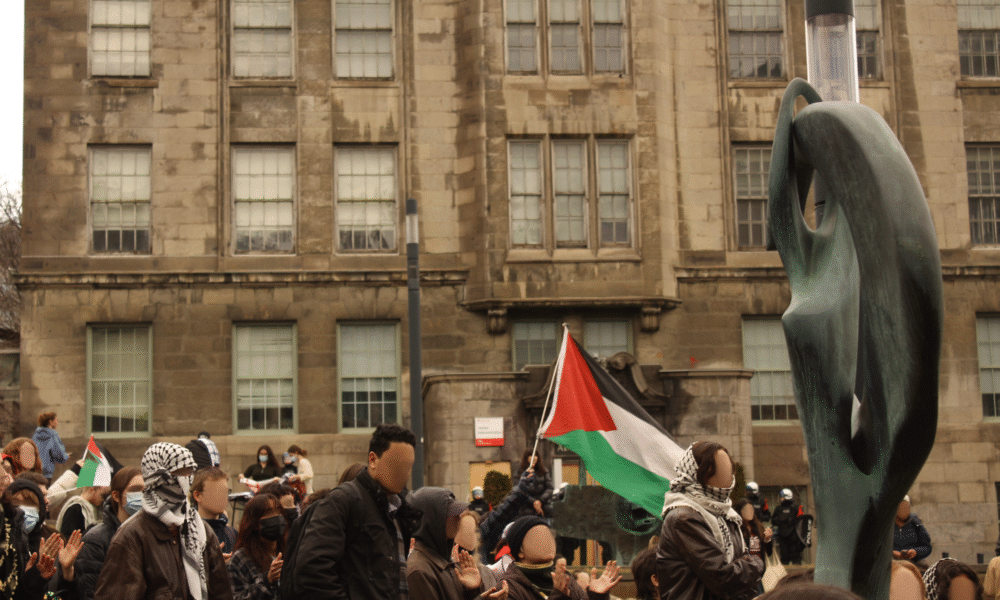

On June 7, 2024, 15 McGill students were arrested for occupying the third floor of the James Administration building in protest during the solidarity encampment for Palestine, and 13—referred to as the ‘Palestine 13’— continue to face criminal charges today, with legal fees amounting to $40,000 CAD. Students for Palestine’s Honour and Resistance (SPHR) at McGill, an advocacy group on campus that has organized multiple pro-Palestine demonstrations, is now campaigning to raise money for the Palestine 13’s ongoing legal battle.
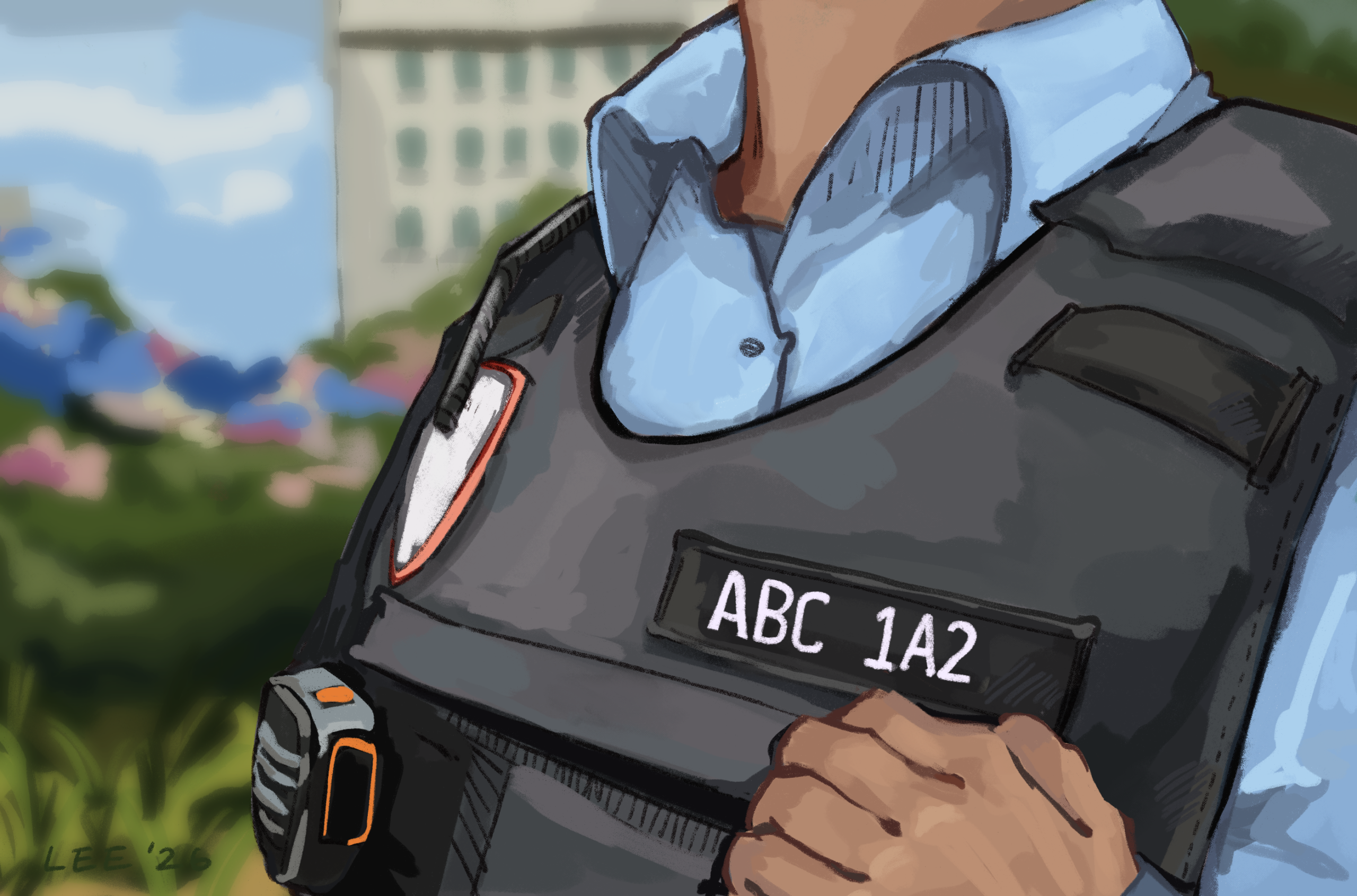
During the summer of 2024, over 100 McGill students participated in a solidarity encampment for Palestine, lasting from April 27 to July 10. The specific protest in question took place on June 6 outside the James Administration building, initially with approximately 50 students. 13 students entered the building, leading to their arrest for breaking and entering, and an additional two were arrested for obstruction of police work. Shortly after, Service de police de la Ville de Montréal (SPVM) officers arrived at the scene in riot gear, employing tear gas and pepper spray to disperse the crowd.
In a written response to The Tribune, a spokesperson from McGill’s Media Relations Office (MRO) stated that McGill did not and does not intend to infringe upon students’ right to protest, unless the given demonstration appears to be unsafe or negatively impacts the university’s learning environment.
“McGill is committed to upholding students’ rights to freedom of expression and peaceful assembly in the context of student activism,” the spokesperson wrote. “At the same time, both McGill and the [Students’ Society of McGill University] unequivocally condemn any acts of protest involving vandalism, violence, intimidation, or the obstruction of teaching, learning, research, and other core academic activities.”
Profs4Palestine, a collective of McGill professors in support of Palestine, disagrees with the actions taken by McGill and SPVM against the Palestine 13, who were protesting in support of defunding the genocide in Gaza.
“All spaces are inherently political—campuses are no different from anywhere else in society. Those of us who work in universities largely believe in using campus spaces as places for open exchange, the debate of ideas, and locations for learning,” a representative from Profs4Palestine wrote to The Tribune. “A political space does not mean that people of a wide variety of views, positions, and politics cannot work together—the opposite in fact. It’s important that we do not try to claim a false neutrality for university campuses, it will not bring about the learning that needs to happen there.”
Across the United States and Canada, pro-Palestine protests have sparked hundreds of arrests. While public opinion generally supports students’ right to protest—a poll by the Angus Reid Institute found that 81 per cent of Canadians are ‘OK’ with student protests—police are still readily employed to stop these demonstrations.
Francis Rose Zeitoun, a U3 student in the Faculty of Agricultural and Environmental Science involved with student group Mac Community For Collective Activism, stated in an interview with The Tribune that McGill’s response to protests on campus is against the spirit of the university and disrespectful to the student body as a whole.
“Since getting to McGill a few years ago, I’ve seen the administration pick profit over people over and over again,” said Zeitoun. “Using our academic labour and tuition money to support things we have demanded and screamed for you to divest from is deplorable. McGill is not the administration, McGill is the students who’ve come and gone, the students who’ve worked hard to make campus a better place, the students who go forward in life with a McGill degree. To see the administration suing the students over what we want is enraging because they are not McGill, we are.”