
Latest News

Sports, Varsity Round UP

Varsity Report Card: Fall 2024

Martlets Field Hockey (0–10): C-

The 2024-25 season concluded with the Martlets Field Hockey team once again finishing at the bottom of the Ontario University Association (OUA) standings. However, this year marked an important shift for the team as they hosted their first home game in over five years. The matches, played in front of an energetic and excited crowd, saw the Martlets face off against the Queen’s Gaels in two close games (0-2 and 2-3). While the results did not go in their favour, their spirited performance highlighted the team’s growth and resilience. With a significant number of talented first-year players on the roster, the Martlets are showing promising signs of improvement, and are looking stronger than they have in recent seasons.

Martlets Rugby (0–6): D

With another winless season, the Martlets Rugby marked one of their toughest seasons to date. The past seasons—2021-22, 2022-23, and 2023-24—had seemed to provide some hope for the team, with the Martlets taking at least one win each year. Nonetheless, this year has led to a quite disappointing trend, with the team losing their last match 0-115 to the University of Ottawa Gee-Gees. Despite the victory-less season, Martlets Rugby did have some success off the pitch, with 16 of the team’s roster making the 2023-24 President’s Student Honour Roll. With the Martlets having over ten first-year players on the team, The Tribune is hopeful that the team’s outlook will improve in the upcoming seasons. 

Cross Country: Martlets B-/Redbirds B+ 

The Martlets placed first in two out of four regular-season meets, and third at Réseau du sport étudiant du Québec (RSEQ) Championships. When they travelled to Kelowna for the U SPORTS National Championships, they ended up placing 15th of 22 teams from universities across Canada. They walked away without medals but with two RSEQ All-Stars: Sophie Courville and Abene Glasgow. The Redbirds came second in three out of four regular-season meets, securing third at the RSEQ Championships and placing 10th at the U SPORTS National Championship, this time with three RSEQ All-Stars: Luca Messenger-Jones, Devin Chapple and Samuel Hepworth. The Tribune looks forward to watching the Martlets and Redbirds take on the track and field indoor season. 

Redbirds Football (3–6): C+

Redbirds Football brought home three wins in nine games this season, falling to the Université de Montreal Carabins in the semi-final of the RSEQ. Despite not making their mark when they travelled to nationals, they put on a masterclass at the Shaughnessy Cup game for a huge homecoming occasion, driving the Concordia Stingers into the turf and running rampant in front of a packed Percival Molson Stadium. In addition, the Redbirds sent three top-tier players to the East-West Bowl: Zachary Aboud, Domenico Piazza, and Ryan McNally were selected to attend the Canadian Football League Prospects game in Waterloo. Quarterback Dimitrios Sinodinos ends the season with packed suitcases ready to embark on his journey to be the first Canadian football player in Japan. The Redbirds showed an improvement to last season, ending the year on a higher note.

Redbirds Soccer (10–7–4): A

Redbirds Soccer had a season to remember. Securing second in the RSEQ, McGill earned a spot at the U SPORTS National Championships. Arriving at nationals champing at the bit, they stormed past tournament hosts, the Ontario Tech Ridgebacks, before unfortunately being outclassed by the eventual winners of the tournament, the University of British Columbia Thunderbirds, in a painful 3-0 loss. Following this, they lost to the York University Lions in their bronze medal game; however, they still received a high grade for such a successful season and strong effort to their fourth place at nationals. The Redbirds produced two players, Yannick Laurent and Ibrahim Chami, who made it into the U SPORTS Tournament All-Star Team. 

Martlets Soccer (9–6–2): B+

With nine wins, six losses, and two ties, Martlets Soccer had a fairly successful season. Midfielder Chloe Renaud was named RSEQ player of the year for her staggering 12 goals and four assists throughout the season. The Martlets began the regular season with four wins in a row until breaking their winning streak to the Laval Victors. From there they broke even, beating a few teams and ultimately held their own, losing games by only one or two points. With three more wins than last season, the Martlets have made a drastic improvement in their quality of play. Unfortunately, getting knocked out of the playoffs due to an own goal in the semifinal match against Laval caused the Martlets to lose a few marks in the grade book. 

Redbirds Lacrosse (11–2): A+ 

Redbirds Lacrosse had an incredibly successful season this year, with 11 wins and only two losses. Once again making it to the Canadian University Field Lacrosse Association Baggataway Cup semifinals, the Redbirds lost by one point in a devastating quadruple overtime, even after attackman Zach Bye tallied five goals. The only other loss of the season was a brutal 16-5 against their American neighbours, the University of Vermont Catamounts. Seven players were named All-Rookie honours and were each a driving force in the team’s massive success. With one more win than the 2023 season, they have upheld and uplifted the Redbird name and will hopefully continue to flourish in the seasons to come. 

Redbirds Baseball (8–4): A-

McGill Baseball’s season seemed to mirror last year’s. They once again went second in the league, with an 8–4 regular season record that included two wins against Université du Québec à Trois-Rivières (UQTR)—who they had been unable to beat the previous season. After consecutive wins over the Concordia Stingers in the semifinals, their strong showing in the playoffs ended in unfortunate back-to-back losses in the best-of-three final against UQTR. 

Shortstop Brad Marelich was a consistent force throughout the season, with several hits in key games. Outfielder Jonas Press was also a standout player on offense for the Redbirds. Centerfield Jett Jarvis was named one of the athletes of the week on Oct. 7, with strong performances in the Oct. 5 playoff games against the Stingers.

Redbirds Rugby (5–1): B+

Redbirds Rugby had an impressive season with a record of 5–1. They won every regular-season game except their last, including a victory over the University of Ottawa Gee-Gees, who they failed to beat last season. They also had a decisive victory against Harvard in the Covo Cup. However, during playoffs, they fell to the Gee-Gees in the semifinals, getting knocked out by the same opponent as last season and failing to see any playoff improvement. Ottawa was ultimately defeated in the finals by École de technologie supérieure (ÉTS).

Several Redbirds stood out on an individual level. At the end of the season, Head Coach Ian Baillie was named RSEQ men’s rugby coach of the year, his third time winning that award. Fullback Martin Laval was a consistent scorer, leading the Redbirds to several of their victories; he was named a first-team all-star alongside his teammates Anderson Recker, Brad Hunger, Ian McDowell, and Harry Corkum.

Rowing: Martlets B/Redbirds B+

2024 marked the second year that the McGill rowing team made the podium at the Canadian University Rowing Association (CURA) championships. Prior to 2023, the last time the team had gotten a CURA medal was in 2014. This year, the Redbirds won bronze in the men’s heavyweight double sculls with Ayoub Sabri in the stroke seat and Patrice Légaré at the bow. Overall, the Redbirds placed seventh in the men’s division with the Martlets placing 10th in the women’s division. While the Martlets didn’t make the podium, three boats qualified for the B finals. Overall, the rowing team is on the up and up from years prior. 

Golf: Martlets B-/Redbirds B+

McGill golf saw some great individual successes this season with Simon Savaria and Amy Wang both earning RSEQ all-star status. Adley Abols made history by becoming the first man golfer at McGill to hit a hole-in-one, when he did so at the RSEQ Omnium 1 Tournament. Previously, only two athletes, both women, had registered hole-in-ones. Despite the accomplishment, Abols was only the fourth top-scoring McGill golfer at the competition, beat out by Savaria, Gregor Lawson, and Camden Purboo, exemplifying the team’s skill this season. The Redbirds also qualified for nationals which will be held in the spring of 2025. On the Martlets side, apart from Wang’s recognition, the team did not make a big splash this season. With young teams for both the Martlets and Redbirds—with over half of the Redbirds team being first-year students—McGill golf is looking toward improvement for the years to come.


Arts & Entertainment, Film and TV, Internet

The Tribune presents: The Best/Worst of 2024

Best: Pop Culture

Moo Deng’s rise to fame

As Gossip Girl’s Serena van der Woodsen once said, “Lipstick lasts longer, but gloss is more fun,” and 2024’s “It Girl” is the glossiest girl around. Some may tell you that the title belongs to Taylor Swift or Sabrina Carpenter, but Moo Deng undoubtedly blows them all out of the water. With gorgeous glass skin and a relatable personality—who doesn’t love to scream sometimes?—this slippery pygmy hippo has captured the hearts of the internet. Originally presented to the public by Atthapon Nundee, her zookeeper, Moo Deng gained popularity when content creator Yammi Saracino translated the original content into English. With every video, Moo Deng has formed a positive little corner of the internet full of smiles and dopamine-spiking cuteness.  

Chappell Roan yells at paparazzi

Chappell Roan has had an incredible year, but her sudden rise to stardom has brought some challenges, particularly with paparazzi. A tense moment at the MTV Video Music Awards (VMAs) found her yelling “You shut the fuck up!” at an impatient photographer hounding her for another photo. Roan later told Rolling Stone that she suffers from social anxiety and that moments like those—with everyone screaming—are incredibly overwhelming. Her insistence on creating boundaries is particularly impactful as we’ve seen an influx of early-2000s stars over the past few years speak more openly about the toll that paparazzi culture has taken on their mental health. It’s exciting to see a new generation of pop stars set a better precedent for a healthier relationship with the media. 

Best: Film

Challengers (Luca Guadagnino)

To paraphrase Oscar Wilde, everything in the world is about sex except sex, which is about…tennis? Well, at least according to Challengers it is. Luca Guadagnino’s romantic drama starring Mike Faist, Josh O’Connor, and the one and only Zendaya follows tennis prodigy-turned-coach Tashi Duncan (Zendaya) who attempts to turn her once-promising tennis player husband, Art Donaldson (Faist), into a US Open Champion. To boost his confidence, Tashi signs him up for a low-level Challenger event competing against his former best friend and now rival—and Tashi’s ex-boyfriend—Patrick Zweig (O’Connor). Fueled by a propulsive club beat soundtrack from Trent Reznor and Atticus Ross, Challengers never drops the ball for a moment, keeping the energy up for the entirety of its 131–minute run time. 

La Chimera (Alice Rohrwacher)

Glistening shores, a breeze of ethereality, a vision of poetic tranquillity in the wake of unresolved loss. Alice Rohrwacher’s film La Chimera blends the surreal forces of a dominating nature with the harshness of 1980s rural Italian landscapes. Rohrwacher constructs a world of elegiac beauty within the narrative of Arthur (Josh O’Connor), an English archaeologist who finds himself entangled in the world of Tuscan tombaroli, a group of grave robbers who loot tombs for Etruscan artifacts. This ensemble of diverse characters, reminiscent of the tropes of the Italian comedic tradition commedia dell’arte makes viewers nostalgic for an environment many have never experienced. La Chimera feels like a dream of the past; it acknowledges the spirituality of preserving artistic landscapes and the immateriality of the past, and questions the corrupt nature of the Italian art market. With La Chimera, Rohrwacher cements herself as one of the most important, introspective voices in global contemporary cinema.

Best: Albums

brat by Charli XCX

The euphoric club beats of Charli XCX’s sixth studio album brat fueled this summer with all the messy-cool-girl energy we needed. An album which on the surface appears to be a simple series of pop, electronic, and club songs, is infused with lyrics about grief, generational trauma, and the anxieties of growing into adulthood. Expanding her project even further on the remix album, brat and it’s completely different but also still brat, Charli pushes the boundaries of how far you can remix a song before it is ultimately something different. Both albums are distinct, yet they work in harmony, seemingly talking to each other about Charli’s insecurity with her career trajectory and subsequent discomfort with her newfound mega-stardom.

Cowboy Carter by by Beyoncé

“They used to say I spoke, ‘Too Country’ / And the rejection came, said I wasn’t, ‘Country ‘nough,” Beyoncé chants powerfully on the first track, “American Requiem.” Second in her trilogy of genre-exploring concept albums, Beyoncé recalls her Texan roots in Cowboy Carter as an exploration of the intentional erasure of Black presence in the history of American country music. She explores the historical complexities of the country genre as a product of early African-American blues music, grappling with her place in the dialogue of contemporary popular music. A masterclass in sampling and vocal performance, Cowboy Carter is a monumental work that showcases Beyoncé’s skill in crafting musical worlds, proving the 2020s are the neo-renaissance of her career.

Worst: Pop Culture

Raygun at the Summer Olympics in Paris

On Nov. 6, infamous Olympic breakdancer Rachael Gunn, also known by the moniker Raygun, announced that she would no longer compete in professional breaking following the onset of criticism for her performance at the Paris Olympics—and it’s for the best. If she wants to call her comedic gesticulations a form of personal expression, then I will be holding space for her journey. But I don’t want to see it on the Olympic stage in competition with the impressive athleticism and fluid movement of her B-Girl peers. This summer marked breakdancing’s debut on the Olympic Stage, but Raygun’s televised contortions overshadowed the monumental occasion. The internet is attributing her with discrediting the nature of the sport, citing her as a reason for its non-inclusion in the 2028 Los Angeles Olympics. Though this has been falsified, her impact is clear: Raygun has made a mockery of and worsened the odds of breaking—which already has a lengthy, controversial history of its consideration as a sport—to circulate in the dominant culture of sports.

Worst: Film

Worst It Ends with Us (Justin Baldoni)

It, in fact, does not end with us; it simply needs to end. Flowers and candy may go together, but flowers and domestic violence (DV) do not. It Ends with Us shamelessly glosses over the significance of DV victims, failing to give it the consideration and attention that it warrants. This was the beginning of a long line of poor choices, ending with Blake Lively choosing to promote her haircare line alongside a film in which her hair looks as frayed as the patience of her fans. Beyond the plot’s lack of awareness, the production quality was equally disappointing, which perhaps should have been taken as a sign to end production. Blake Lively promoted the film with the phrase: “Grab your friends, wear your florals, and head out to see it!” Apparently, It ends with ignorance. 

Worst: Albums

143 (Katy Perry)

143 is such a flop that it’s barely notable enough to be infamous. The epitome of mediocrity, it wouldn’t even warrant mention if not for its tendency towards controversy. The empowerment she hoped to express with “Woman’s World” is immaterial in light of her collaboration with producer/songwriter Dr. Luke. Bringing someone Kesha sued for sexual assault to co-write a song about women’s empowerment is as is as tactless as the track is tuneless. Her intentions are muddy, expressing the desire to touch on significant topics and simultaneously just create something fun. The album screams of apathy, drowning out Perry’s vocals, and her half-hearted attempts at feminism resulted in an album of “meh.” 

Science & Technology

Towards equity: 2SLGBTQIA+ representation in genetic counselling education

Genetic counselling is a growing field that aims to use family history and DNA testing to help families that may be at high risk for having children with birth defects and genetic disorders, as well as assess risk factors for inherited conditions. While innovations in genetic testing present new horizons for doctors and families, concerns are growing that modern genetics may be at risk of reproducing aspects of eugenics, a movement that aimed to “improve” future generations by only allowing certain people to reproduce. 

As genetic counselling navigates these concerns, it must grapple with many serious ethical and political questions. One certainty is that a diversity of voices must be included, both in conversations about genetic counselling and within the field itself. 

Valerie Chu, a recent McGill graduate, published a recent paper analyzing inclusivity in genetic counselling programs. While this paper was part of Chu’s graduation requirement, it held a special place for her, as it allowed her to suggest improvements that could increase the inclusivity levels in genetic counselling masters programs while working to amplify the voices of 2SLGBTQIA+ students. 

“I chose more of a passion project, something I thought was very important to the field,” Chu explained in an interview with The Tribune

Studies have explored and documented the experiences of 2SLGBTQIA+ students in adjacent fields. They have consistently shown that regardless of the field—medicine, dentistry, social work, or nursing—discrimination against 2SLBGTQIA+ students persists.

“They experienced discrimination and a different experience [during] their healthcare degree compared to their non-queer peers,” Chu stated. “But there were no published papers about genetic counselling students who identify as part of the LGBTQ population.”

For her study, Chu interviewed 13 genetic counselling students and recent graduates who self-identify as part of the 2SLGBTQIA+ community. 

“[We asked them about] their experience, and what their relationships were like with their peers and their faculty in their two-year genetic counselling master’s degree,” Chu explained.

The results of the study showed trends similar to those found in analysis of 2SLGBTQIA+ experiences in other fields, with seven sub-themes, such as assumptions of heterosexuality, feelings of isolation, and the need to educate classmates on queer issues, emerging in the responses.

Some of these themes are present in other related fields, one example being the conscripted curriculum—a teaching method where educators ask students to share their personal experiences to teach their classmates about race and social inequalities. 

“There’s this sort of pressure on these minorities to educate their classmates and to be like representatives, where the Asian student [is expected to be] the expert on all things Asian,” Chu explained.

When students are forced to become spokespeople for their identities, they can become objectified, making it harder to form organic personal connections and friendships.

Furthermore, students reported feelings of isolation, which can lead to lowering academic performance averages and potentially impact career choice after graduation.

The conscripted curriculum arises in small group settings. This makes it especially challenging to avoid in genetic counselling programs. All five Canadian genetic counselling schools have cohorts with less than eight students each, and programs in the United States aren’t much bigger.

However, Chu’s analysis provided a positive spin on this detrimental effect. 

“Some participants still said that there was a little bit of discomfort,” Chu stated. “[However, other] respondents said that they didn’t mind educating and helping their fellow students when they were looking for resources for LGBTQ patients or inclusive pedigrees.” 

Despite the limitations of the study—with a lack of gender diversity and no intersex or asexual participants—Chu’s work is critical to prompting important discussions within our working and learning environments.

“We’re hoping that this paper will cause faculty at different universities to reflect on how they treat their genetic counselling students,” Chu noted. “Maybe they will realize that they have some biases.”

Chu’s work paved the way for subsequent improvement in the inclusivity levels of genetic counselling programs—an important step in the fight towards equity and inclusion in health sciences. 

“Because it’s the first paper investigating the experiences of LGBTQ genetic counselling students, people can build upon it. Students now and in the future can quote and reference my paper for their papers that they’ll publish,” Chu said.

Editorial, Opinion

2024 PGSS executive midterm reviews

The Tribune’s Editorial Board presents its midterm reviews of the Post-Graduate Students’ Society (PGSS) executives. Tribune editors researched and communicated with each executive before leading an Editorial Board discussion on the executives’ work and accomplishments. Editors with conflicts of interest abstained from discussing, writing, and editing relevant reviews.

PGSS Secretary-General: Satish Kumar Tumulu 

Tumulu’s goals as Secretary-General included funding for graduate students, better health care, and addressing governance issues at PGSS, such as more transparent communication. When he stepped into the role, he felt and heard that the communication between McGill and PGSS had been inefficient. While Tumulu wanted to engage in better communications between PGSS and the McGill administration, he has yet to take concrete steps to improve channels for executive and student communications. He says he has not received any communications from students when it comes to graduate students’ concerns regarding divestment from the Israeli state, law professors’ striking, and the Association of Graduate Students Employed at McGill rights—claiming that it is difficult to know students’ stances on key issues without them voicing it directly to PGSS executives. However, Tumulu has succeeded in increasing funding—at least $12,000 CAD last and this year—alongside awards for graduate students and has engaged in continuous discussions to find ways to increase appointment availability at the Student Wellness Hub. His priority for next semester is to bring a new governance structure for discussion to executives. 

PGSS Financial Affairs Officer: Dhanesh Patel

As Financial Affairs Officer, Patel has focused on expanding PGSS’s financial transparency and accessibility, ensuring current budgets are up-to-date and available online. Patel reports that he has revamped the PGSS Travel Awards Program, which provides funding to PGSS members to attend conferences or competitions, by making both the Travel Award evaluation rubric and feedback on rejections easier to interpret. Moreover, in collaboration with the McGill Office of Sustainability and the PGSS Environment Committee, Patel has chosen the Bayano-McGill Reforestation Project as the best carbon offset program option for the PGSS. Into January 2025, Patel hopes to continue refurbishing the PGSS website to make it more user-friendly and future-proof, noting that the site may currently fall out of compliance with Web Content Accessibility Guidelines 2.2 which help make content clearer for people with audiovisual disabilities. Patel also plans to continue crowdfunding for the Needs-Based-Bursary program, as the university matches PGSS member contributions to this fund, and to keep PGSS health insurance plans as affordable as possible. Next semester, he will decide between two virtual mental health providers to add to the PGSS’ health program. Patel’s evident commitment to improving existing PGSS structures could be strengthened by creating new initiatives throughout the winter semester that effectively “future-proof” Financial Affairs protocols from broader budget cuts at McGill, where possible.   

PGSS Member Services Officer: Ambre Lambert 

As the Member Services Officer for the PGSS this fall, Lambert aimed to investigate the status and relevance of the Telehealth and Virtual Care services, improve communication with the graduate student body by ensuring transparency and inclusivity in the PGSS’ initiatives, and support the new Graduate Community support program which she successfully launched. Lambert hired a community support coordinator and a BIPOC coordinator, and, together, they have worked to help students navigate their needs. Along with the Mental Health Commissioner and the Health Commissioner—the members of the Health Team—Lambert has launched the Health and Wellness Survey. One of her accomplishments this term has been helping hire facilitators for the PGSS’ French conversation circle which she told The Tribune has seen high student engagement. 

Lambert is currently working on securing the addition of more mental health services through the student health plan, which has not been confirmed yet. Other initiatives include the addition of Grammarly for graduate students which she hopes will be finalized in the upcoming semester. Going into the winter term, one of her priorities will be to focus on finalizing and implementing the Grammarly MOA to ensure that its benefits reach students by next September. Yet, while Lambert cited this as a goal moving forward, strengthening the health program and especially focusing on mental health support services should be pushed at the forefront. The Tribune recommends Lambert complete discussions around Student Care-related services.

PGSS University Affairs Officer: Racchana Ramamurphy

As University Affairs Officer, Ramamurthy has focused primarily on improving graduate student funding and addressing supervision issues. Her most significant achievement has been successfully advocating for the implementation of recommendations from the 2022-2023 McGill Graduate Student Funding Report, which revealed that 88 per cent of graduate students live below Quebec’s minimum wage. These accepted recommendations include a 10 per cent top-up for students with external funding, expedited conference reimbursements, and cash advances for travel. Ramamurthy has also pushed for a standardized funding letter template to provide clarity on take-home amounts, though she told The Tribune this has faced faculty resistance. 

For the upcoming semester, she plans to organize an academic bullying awareness week in January to educate students about their rights and reporting procedures. While she chairs the Library Improvement Fund Committee, specific initiatives beyond a planned January campaign for proposals have yet to be detailed. Similarly, discussions about obtaining Quebec clinic status for the Student Wellness Hub to increase doctor availability remain in the preliminary stages. Regarding international student concerns about recent Post-Graduate Work Permit requirement changes, Ramamurthy’s approach has primarily involved bringing these issues to McGill President and Vice-Chancellor Deep Saini, who has committed to raising them at Universities Canada meetings. Moving forward, these initiatives would benefit from more concrete action plans and measurable outcomes to better serve the graduate student community.

PGSS External Affairs Officer: Naga Thovinakere

Thovinakere has made commendable strides this semester in addressing critical issues such as student mental health, graduate funding, and housing. Partnering with the Observatory on Student Mental Health, she spearheaded a campaign to assess and promote mental health resources, which included a large-scale survey that received significant student engagement, she told The Tribune. Her collaboration with the Quebec Student Union (QSU) led to the development of a policy document advocating for increased funding from Fonds de recherche du Quebec to align with federal graduate scholarships. As a member of the QSU Board of Directors, Thovinakere has cultivated strong relationships and contributed significantly to discussions on housing, work-life balance, and postgraduate opportunities. Her leadership in drafting an evidence-based document on student housing demonstrates a proactive approach to tackling pressing issues. Although participation in the Canadian Alliance of Student AssociationsAdvocacy Week was limited by logistical challenges, Thovinakere’s strategy to pursue focused meetings showcases adaptability and resourcefulness. 

However, balancing the diverse needs of PGSS members while navigating McGill’s structural constraints remains a challenge. Ensuring equitable representation across disciplines and maintaining continuity in advocacy efforts beyond her term are areas for improvement, but overall, Thovinakere’s contributions to PGSS have been productive and impactful. To build on her successes, The Tribune recommends prioritizing institutional memory by documenting ongoing initiatives and creating a roadmap for successors.

PGSS Internal Affairs Officer Cindy García could not be reached for comment in time for publication.

Science & Technology

Reaching every doorstep: Equitable care for pregnant women in Nigeria

Nigeria’s Bauchi State has one of the highest maternal mortality rates in the world. Home visit programs are making a difference in reducing this rate by bringing vital healthcare knowledge straight to the doorsteps of pregnant women. By meeting women and their families where they are, this initiative helps address maternal health inequities and support vulnerable families. 

Anne Cockcroft, professor at McGill’s Department of Family Medicine in the Faculty of Medicine and Health Sciences, recently published a paper in Community Health Equity Research & Policy examining the equity of universal home visits to pregnant women in the Bauchi State. 

“All women need care during pregnancy and childbirth,” Cockcroft wrote in an email to The Tribune. “A problem with many interventions that involve outreach to communities or home visits is that they do not reach the most vulnerable households.”

Maternal health services in low- and middle-income countries (LMICs) are often under-resourced and unable to provide sufficient care for pregnant women. This study specifically examined how home visits—which aim to share actionable health information and promote equity—impact disadvantaged groups including women in rural areas, low-income households, and those with limited education. 

During these home visits, trained visitors shared crucial information on preventing pregnancy complications, equipping households to take proactive measures, particularly with men’s involvement. This included reducing heavy workloads, avoiding violence, and recognizing danger signs during pregnancy and childbirth. 

One key element of the program’s success was its focus on involving men. Men home visitors spoke with husbands, encouraging them to discuss pregnancy-related topics with their spouses and support them with household tasks. One of Cockcroft’s previous studies has shown that this not only improves maternal and child health outcomes but also improves the husband’s behaviour and attitude towards maternal and child care.  

Another major strength of the program is its universal approach. 

“We did not make initial assumptions about which women and which households most needed help,” Cockcroft wrote. “Only by making the visits universal can one ensure all women get support.”

This approach differs from government-provided health services in that it is available to all households. The most disadvantaged households often face the greatest barriers to accessing facility-based healthcare services. 

“The same factors that increase maternal morbidity and mortality reduce the ability of women to attend facilities for antenatal care or childbirth,” Cockroft wrote. 

The study found significant improvements in maternal knowledge of potential pregnancy risks in disadvantaged pregnant women. Pregnant women in rural and remote areas, those from impoverished households, and those without formal education experienced the greatest benefits. These included increased knowledge of danger signs during pregnancy, reduced instances of domestic violence, and improved spousal communication.

Similar to earlier reports of the trial, the home visits also produced notable improvements in maternal and child health. These benefits, however, tend to favour less disadvantaged groups, potentially widening the gap with more marginalized populations. What is unique about this study, however, is that it confirmed the pro-equity nature of home visits.

“The home visits did reach everyone equally, and the program was pro-equity,” Cockcroft wrote. “The impact of the visits was greater in poorer, less educated women in rural communities.”

Comprehensive household-level programs are critical in addressing barriers to accessing healthcare services and offer a practical approach to advancing universal health coverage. Additionally, home visit intervention promotes gender equity and can even be gender transformative

Moving forward, the Bauchi Ministry of Health is planning to integrate home visits—like those in Cockcroft’s study—into its routine services. 

This initiative stands as a testament to the transformative power of equity-driven healthcare. Its success reminds us that equitable health solutions are not only possible, but essential.

News, SSMU

Recap: SSMU Board of Directors meet on Nov. 26 to discuss governance and sustainability

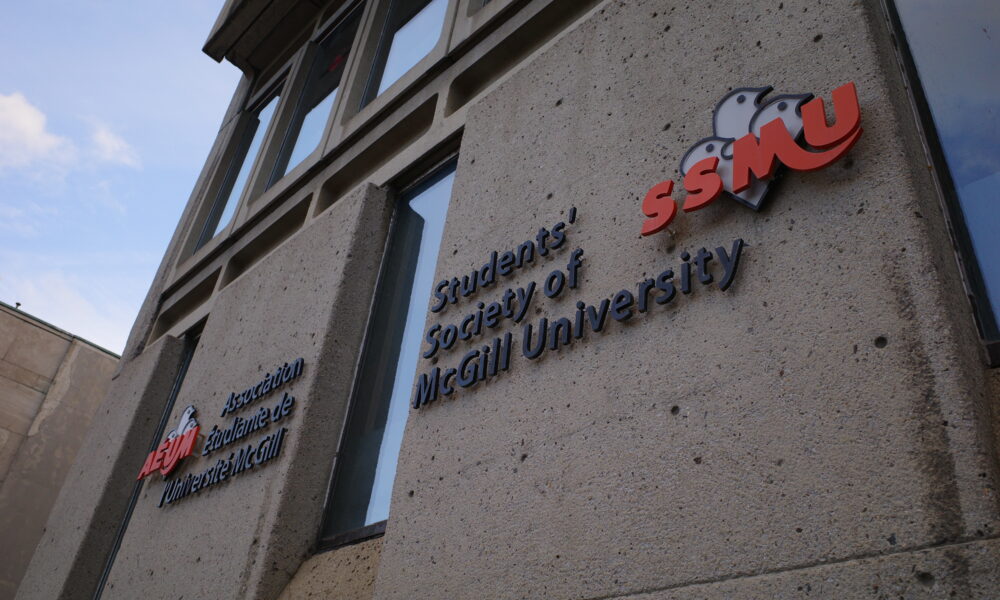
The Students’ Society of McGill University (SSMU)’s Board of Directors (BoD) met on Nov. 26 in a hybrid session held in the SSMU Boardroom and on Zoom. The meeting focused on improvements to SSMU governance regulations, sustainability initiatives, and committee appointments.

After introductions and attendance, the agenda was adopted without changes. The executive committee presented its report, which included updates on recent financial decisions and operational changes. The board ratified the report unanimously. The Parliamentarian, Jessica Bakar, highlighted the need for directors to fill vacant roles on the Nominating Committee. Directors Rishi Kalaga and Elina Qureshi volunteered and were appointed to the positions.

The Governance Review Committee, chaired by the Director and SSMU President Dymetri Taylor, presented its report, emphasizing efforts to clarify committee terms of reference and align internal regulations with SSMU’s governance priorities. Speaker Jonathan Dong also reminded new directors of their obligation to join at least one board committee and provided resources to assist them in making their selections.

During the meeting, the BoD approved several motions. These included amendments to the terms of reference for committees and changes to internal regulations on sustainable operations. Specifically, these changes were implemented to address deficits that some SSMU groups have and allow exceptions for room and event bookings in certain cases to help services recover financially.

At 6:19 p.m., the board moved into a confidential session to discuss financial audit results and other matters. After reconvening, the board finalized updates to the internal regulations for elections and referendums. These changes included adjustments to debate structures and permitted questions to promote transparency and fairness.

Additional decisions included expanding the Finance Committee’s authority to approve financial decisions up to $80,000 CAD and the creation of a new Voting Operations Management Committee to oversee space usage and propose improvements to voting processes. The BoD also reviewed a three-year plan for student services aimed at improving sustainability, accessibility, and resource allocation. The plan will evaluate services based on their financial health, resource availability, and overall impact.

A motion to discuss legislative councillor payment was deferred to the next meeting, which will take place on Dec. 10.

Science & Technology

Nurturing culturally safe birth care for Indigenous communities

Indigenous communities, particularly First Nations, Inuit, and Métis women, face unique and significant challenges in accessing equitable healthcare during pregnancy and childbirth. Historical and ongoing disparities in healthcare access and quality, mistreatment and abuse of Indigenous people in colonial healthcare systems, lack of healthcare services in remote communities and northern Canada, and cultural disconnection all present barriers to Indigenous mothers getting vital and appropriate care before, during, and after pregnancy. 

New healthcare initiatives are emerging to address these inequities by promoting the importance of culturally safe care and Indigenous-led approaches.

Hilah Silver, a postdoctoral researcher in the Department of Family Medicine and a registered nurse at the McGill University Health Centre, is focusing on improving Indigenous maternal healthcare. Her work as a nurse places her at the forefront of patient care, where she often communicates with Indigenous mothers and their hospital liaisons. 

Currently, major issues Indigenous women face when accessing maternal healthcare include the lack of culturally appropriate care, geographical isolation, and the practice of maternal evacuation, where women are relocated to urban hospitals for childbirth. 

As part of a recent study intended to address these healthcare disparities, Hilah implemented four interventions designed with the active participation of Indigenous stakeholders. These measures reflect the principles of cultural safety and provide a model for improving healthcare outcomes for those who face inevitable maternal evacuation. 

Maternal evacuation is especially common for those who live in isolated communities, such as the Nunavik region, that do not have hospitals and professionals who can perform surgeries. This separation of women from their families and communities during such a critical and difficult time often results in isolation, trauma, and stress for both new mothers and their communities.

“When I spoke with the Indigenous participants for this research, it became very clear quickly that maternal care serviced in our hospitals often lacks consideration of how to work for Indigenous families, especially those who are forcibly relocated for their birth appointments,” Hilah said in an interview with The Tribune

Cultural safety goes beyond mere cultural awareness or sensitivity. It means creating an environment where Indigenous patients feel respected, valued, and understood. This requires acknowledging the cultural identities, histories, and practices of Indigenous peoples and weaving these elements into their care.

A comprehensive approach to improving maternal healthcare for Indigenous women involved a series of culturally informed interventions, each designed to address specific needs. One such initiative was an Indigenous-led cultural safety training program for nurses and hospital staff. Indigenous midwives created a training program that used online presentations and hands-on sessions to teach healthcare providers how to deliver respectful and culturally appropriate care. 

Additionally, hospitals adopted an expanded family visitor policy, allowing multiple family members to be present during childbirth. This policy change recognized the importance of familial support in reducing stress and fostering emotional connection for mothers during their hospital stay.

Other measures focused on creating a more welcoming and culturally resonant environment for Indigenous families. Hospitals ensured access to traditional foods, which provided a sense of comfort and familiarity, thereby enhancing well-being during their stay. 

Furthermore, the hospitals allowed the incorporation of perinatal traditions, such as sacred medicines and ceremonies, into the childbirth experience. These efforts collectively empowered mothers, honoured their traditions, and fostered a sense of dignity during a critical life event.

This study prioritized Indigenous voices by involving stakeholders in its design and implementation. Its participatory approach took into account the historical and sociopolitical realities that have shaped Indigenous healthcare experiences, ensuring that services were responsive to the specific needs and cultural contexts of the communities they serve.

“At first, I was worried that there would be limited participants for this study. But I think our clear goals of pursuing this research solely to enhance cultural appreciation and consideration in maternal care intrigued them to actively work with us,” Hilah said.

Given the challenges Indigenous women face in accessing healthcare, there is an urgent need to work collectively towards mitigating health inequities by engaging their perspectives in the development of healthcare interventions tailored to their specific needs.

Features

Shame must switch sides

How survivors are reclaiming power

Content warning: Mentions of rape, sexual assault, and violence.

Survivors of sexual assault and rape often have to grapple silently with feelings of shame. 72-year-old Gisèle Pelicot is flipping the script: Placing the shame on the perpetrators of sexual assault and rape.

In November 2020, Pelicot’s husband Dominique was found to be taking photos of women’s skirts at a supermarket in southeastern France. When police subsequently searched his laptop, they found that Dominique had taken over 20,000 videos and photos of his decade-long sexual abuse of his wife. For nearly 10 years, Dominique drugged his wife unconscious and invited dozens of men to rape her51 of the 83 men identified in Dominique’s videos—aged 26-74—are standing trial: firefighters, journalists, students, truck drivers, prison guards, nurses, retirees, and city councillors. These were men who were going home to their wives, tucking their kids into bed, typing at their work desk the next day, treating patients, and more, all after raping Pelicot.

Pelicot waived her legal right to anonymity in the trial, which prevents the media from identifying survivors of sexual abuse. She wants the world to know her name, and to expose the identities of those who assaulted her. Revolutionarily, she has allowed videos of the rapes to be made public, forcing the rapists to have their faces known for their crimes.

Katherine Zien, an associate professor dually appointed in the Department of English’s Drama & Theatre and Cultural Studies streams, spoke to why theatre’s live format might make it especially effective at engaging audiences with political and social issues. While reading a book, watching a movie, or looking at a painting whose content is political can certainly prompt reflection, it is far easier for the viewer to disengage with these forms of media if they have a dissenting opinion, feel discomfort, or even react with disinterest; all they have to do is put down the book, turn off the screen, or walk away from the artwork. By contrast, the tacit social contract of the theatre—the societal norm present in most traditional theatrical spaces that the audience sit quietly, watch the show, and only make noise when it’s finished—dissuades audience members from disengaging with a piece of theatre, even when it explores difficult subject matter.

“I’ve decided not to be ashamed. I’ve done nothing wrong [….] They are the ones who must be ashamed,” Pelicot told the court on Oct. 23.

Pelicot’s courageous decision stands against the guilt and shame that is generally propelled onto survivors of sexual assault and rape. Stigma and ongoing failings of the justice system for survivors of sexual abuse lead to drastic underreporting: Only six out of every 100 cases are reported to the police, but one in four North American women will be sexually assaulted during their lifetime.

80 per cent of assailants are friends and family of the victim, making a large portion of these cases a matter of intimate partner violence (IPV). 44 per cent of Canadian women who had ever been in an intimate partner relationship reported experiencing some kind of psychological, physical, or sexual abuse in the context of an intimate relationship in their lifetime.

Claudine Thibaudeau works as a social worker in clinical support and training atSOS violence conjugale, a non-profit Quebec organization that works to ensure the safety of survivors of IPV.

She explained to The Tribune that the goal of IPV for perpetrators is coercive control—using violent behaviours to gain power over the other in the relationship, taking away their partner’s ability to make their own choices. Thibaudeau argued that there is sexual violence in almost every instance of IPV. Sexual violence in relationships goes beyond isolated incidents of forced sexual intercourse, such as considering involvement in a relationship as a guarantee of consent, demanding a minimum number of instances of intercourse per week, and creating discomfort for the victim if they do not consent to sexual activity.

Thibaudeau also detailed psychological and emotional sexual violence, which includes denigrating the victim’s physical appearance, or otherwise ridiculing the victim sexually, using sexuality to control or degrade the victim, making sexual comments to humiliate the victim in front of others, comparing their sexual prowess to that of previous partners, or threatening to cheat. There’s also sexual gaslighting, which entails making the victim believe that they had previously consented to sexual activity when they had not.

“It can take a very wide array of behaviours. It’s not reported as much because it’s very intimate. A lot of [survivors] feel a lot of shame around sexual violence. It’s hard to talk about because it’s very private, but most victims of partner violence have been through one or the other or many of those [forms of IPV violence] in their relationship. So it’s a very big problem. It affects hundreds of thousands of women and youth in Quebec,” Thibaudeau said.

Thibaudeau explained that IPV can also include instances where a partner crosses a boundary and does not seek to repair the harm they caused.

“Let’s say someone crosses a boundary once—maybe because they weren’t paying enough attention to realize that the other person wasn’t enjoying what was going on. But the second they find out they should be working so hard to fix things, you know, crossing boundaries happens, but the second you’re made aware of it, you stop,” Thibaudeau said.

She also touched on the shame that many survivors of IPV face, often because they did not see the signs of violence earlier in their relationship.

“Violence can be so subtle. There’s no way that anybody can see the violence,” Thibaudeau said. “So victims often feel ashamed, because when they look back, they can see the violence when it started. They can see the subtle behaviour [….] It’s easier to see afterwards, but when you’re in it at the beginning, there’s no way anybody can see it.”

As a result of this shame, it can often be hard for survivors of IPV to leave their situation, or entirely stop seeing their romantic partner after IPV has occurred.

“Of course, leaving a situation and violence is very hard, because very often, when enough fog has been blown away, and you realize what you’re confronted with, and you see the violence,” Thibaudeau said. “The first reason [IPV survivors don’t leave is it] being dangerous. There’s always a potential for danger, and the moment of separation is the most dangerous.”

Furthermore, the effects of violence are reflected in the survivor’s self-confidence.

“[They’ve] been suffering from violence for months, maybe years. [They’re] exhausted. [Their] self-confidence is low. [They] might be confused about [their] rights, about the situation. [They] might have stress-related health issues. [They] may be scared. [….] It makes it even harder to imagine being able to deal with everything that leaving the violent partner means.”

IPV occurrences are even more frequent in spaces where victims and perpetrators experience violence in other areas of their lives. Orsola Torrisi, assistant professor of Social Demography in McGill’s Department of Sociology, researches demographic factors for conflict and violence, family dynamics, gender-based violence, intimate partner violence, and structural determinants in contexts of armed conflict. In her research on determinants of violence in places of active military conflict, she found that violence became normalized in all areas of life, including the domestic arena.

“Especially on the side of the perpetrator, violence becomes the main way in which people think about how they can resolve problems, especially when they are socialized at a very young age in violent settings,” Torrisi explained in an interview with //The Tribune//. “What I was finding especially in this context was that women that were exposed to violence, particularly between the ages of zero and 15 […] were way, way more likely to experience pretty much all types of abuse, but particularly [those considered] more actually visible forms of violence, that is sexual abuse and severe physical abuse from their partners.”

Torrisi also explained that men in military conflict zones justified beating a woman for a variety of reasons.

“In general, a lot of the research that really looks at violence against women, especially in the home in conflict settings, is related and sort of speaks to these more macro-phenomena that occur and that lead people, and particularly the perpetrators, to kind of acquire those attitudes that are much more masculine and much more prone to violence,” Torrisi explained.

IPV is not the only form of sexual violence that young girls and women face. For women like Lexi Good, sexual violence can occur outside the confines of a romantic relationship, leaving lasting impacts. Good shared how she navigated the mental health challenges that followed her assault, particularly in her interactions with men.

“I was diagnosed with PTSD [….] Anytime there was a man walking on the street, I would be convinced they were gonna kill me. I would completely cross the street anytime I saw a man coming my way. I couldn’t really have relationships,” she explained. “I would say I just wasn’t myself in general, and that was the bigger thing. So I was like, ‘Wait, I’m not just crazy. This is a situation that I’m having right now.’

Good also referred to the lack of control that survivors of sexual assault often feel. While she recalls having called friends and family during her assault to attempt to get out of the situation, she later realized that she did not have as much control over that situation as she thought she did.

“You don’t realize how much your life has changed after. This might sound crazy, but the actual experience itself was not nearly as hard as getting out of it or having issues with mental health,” Good said. “I think people want to feel like they’re in control. That’s why they say, ‘I could’ve done this better. I could’ve done that. But it’s my fault.’ Because if it’s your fault, then you have control. And not having control is actually more scary than being at fault.”

Good also remembers realizing that her healing process had begun to impact her closest friends and family. She felt that she wasn’t treating her friends justly, seeing that “people she loved were hurting by watching her hurt.” Especially after moving from the United States to Montreal for school and making all new friends, she wanted to be a responsible friend, who was kind and helpful to others. After a conversation with her then-roommate, she realized she wanted to actively work through her response to the experience, rather than have its issues resurface years later. She recalls talking to other women who had survived sexual assault and rape and realized that they had felt the same mental health pressures that she had.

“I started having a lot of bouts of mental issues that I didn’t know were related to that [experience],” she said. “Then I talked to other women who were just like, ‘Yeah and then I had this kind of manic-like episode.’ And I was like, ‘Wait, that exactly happened to me.’”

Good shared that eye movement desensitization and reprocessing (EMDR) therapy is what helps her continue to process and heal from her trauma. EMDR therapy involves moving one’s eyes in a certain way while recounting/reliving traumatic memories, allowing survivors to process the original event without the fight, flight, or freeze response being activated.

“It’s really great, because you can be like, ‘Oh, now I know it’s not my fault.’ Logically, I understand it’s not my fault, but now that I’m back in a reprocessing state, I can actually go back in time almost, and make that click better,” Good said.

Good encourages all survivors to speak up and reminds them that they are not alone. However, she recognizes that as women especially speak up, men will attempt to silence them.

“I think it’s good for some women to know they’re not alone, but be wary that as women get more of a voice, more men will attempt to say terrible things to shut them down. The strategy of someone commenting ‘She’s not even hot anyway’ […] is strategically meant to prevent women from speaking out about it,” she said. “Look on the bright side—men are saying these things because they know we’re getting ahead. They know they’re getting left behind. As they see women rise in society, they want to push us down because they’re afraid that we’re going forward. If men weren’t afraid of us, they wouldn’t be making comments like this.”

Following Pelicot’s and Good’s examples, more and more survivors are finding ways to free themselves from shame. Shame is an internalizing emotion—it can make us shrink inwards and hide away from the world. Survivors often feel vulnerable, and disappear to protect themselves from further violence. While all of these are valid responses, the actions of women like Pelicot and Good can work to alleviate some of the additional burden on survivors. Regaining a sense of control—through therapy, freedom from violence, and finding community—can lighten the load for survivors, and change the environment for all women around them. Every time a survivor shares their story, the world becomes a better place.

Shame must switch sides, leaving survivors free to heal and placing the blame squarely where it belongs: On the perpetrators.

McGill, Montreal, News

Protests erupt in response to NATO Parliamentary Assembly in Montreal

From Nov. 22-25, representatives from 32 Western countries met in Montreal to take part in the 70th Parliamentary Assembly of the North Atlantic Treaty Organization (NATO). On the first day of the assembly, protestors made demands to dissolve NATO due to the alliance’s perceived complicity in the genocide in Gaza, and to reduce Canadian defence spending. On the evening of Nov. 22, protestors smashed shop windows on Rue St-Urbain and René-Lévesque Blvd,  and set cars on fire—actions which drew condemnation from Canadian politicians including Prime Minister Justin Trudeau and Montreal Mayor Valérie Plante. 

NATO is a defensive alliance initially formed in 1949 to provide collective defence against the Soviet Union. Today, the alliance is known for Article 5, which guarantees that an attack on one member country will trigger a response from all member countries.

The agenda for the assembly focused on providing support for Ukraine, which relies on NATO to slow the ongoing Russian invasion. Canada is also under pressure to increase its annual defence expenditure from 1.29 per cent of its GDP, to the NATO benchmark of 2 per cent.

Greg Baune is Vice President of Le Mouvement Québécois pour la Paix, an organization that opposes Canada’s membership in NATO, and was involved in organizing the Nov. 22 protests. He argues that NATO’s self-description as a defensive alliance is misleading.

“[NATO describes itself] as purely a defensive organization, and many people just buy it, hook, line, and tackle,” Baune told The Tribune. “In the end, the very existence of the organization allows its members to coordinate the help they give to whichever client state they wish to advance Western imperial interests in [….] We think that as working-class Canadian students, our first and primary task is to dedicate ourselves to fighting against our own imperialism.”

Sasha Robson,* U2 Arts, was starkly opposed to the NATO assembly being hosted in Montreal, as they believe that NATO is complicit in Israel’s siege on Palestine. They called for NATO countries who provide weapons to Israel to stop, and for the alliance to enforce an arms embargo on Israel to avoid the risk of being collectively responsible for a genocide.

“NATO is a cornerstone of imperial power worldwide that is responsible for endless death and killing, including in the ongoing genocide in Palestine and Lebanon,” Robson told The Tribune. “This set of wars is to perpetuate violence for the sake of perpetuating violence, for the sake of profit […] NATO has been responsible for colonial violence worldwide for decades, since its inception in places like Afghanistan and Libya.”

Robson also argued that Canada should not increase its defence expenditure to support Eastern European countries, but should rather reinvest tax revenues in social services domestically.

“I don’t think Canadian tax money should go anywhere other than Canada. Frankly, I don’t think [arming Ukraine] is a responsibility,” Robson told The Tribune. “While I can obviously say that Russian aggression […] is horrible, I don’t think the solution [is to be] found through funneling more money through the US government.” 

Lorenz Lüthi, Professor of History of International Relations at McGill, clarified that NATO is not directly involved in the conflict in Palestine. 

“NATO is not involved in the current war of the Israel government/military against the Palestinians in Gaza. Individual NATO countries provide weapons to the Israeli government, but not all—and some are quite critical about Israeli policies in the region,” Lüthi wrote.

However, Lüthi emphasized that the dissolution of NATO would have devastating effects on Eastern European nations facing Russian expansionism. 

“[The dissolution of NATO would] have a major impact on Eastern Europe, however. The Baltic States, Poland, and Romania have a long history of Tsarist Russian, Soviet, and post-Soviet Russian interference and domination,” Lüthi wrote to The Tribune. “Under Putin, this has become a major issue again.”

Mihails,* U2 Engineering, claims that Canada has a responsibility to protect Eastern European countries from Russian expansionism, and believes in the importance of the country’s continued involvement in NATO. 

“[Russia] wants to expand its influence towards Eastern Europe, and I think it would be an awful thing for some democratically elected governments to fall if NATO were to be disbanded,” Mihails told The Tribune. “I think [participation in NATO is] a very beneficial investment that we’re making in defending weaker countries and maintaining their stability.”

Despite mounting pressure, the US, Germany, and Italy—all NATO members—continue to provide arms to Israel, which are used against the Palestinian population. 

*Robson and Mihails’ names were changed to preserve their anonymity.

McGill, News, Recap

Recap: McGill student societies hold General Assemblies to strike in solidarity with Palestine

During the week of Nov. 18, several McGill student associations held General Assemblies (GAs) to vote on a motion to strike in solidarity with Palestine following a national call for action from Students for Justice in Palestine. Thhe McGill Students’ Geography Society (MUGS), Philosophy Students’ Association (PSA), and Anthropology Students’ Association (ASA) successfully passed the motion and picketed classes on Nov. 21 and 22.

In order to vote on the motion, each GA had to meet its quorum requirements. Tris*, a student organizer involved in the picketing explained to The Tribune that for some associations, meeting quorum was more challenging than for others. 

“The strike votes were conducted democratically through general assemblies, reflecting the collective voice of students rather than decisions made solely by committee executives,” Tris said. “Quorum requirements varied by department: For example, Anthropology required only a majority vote, while MUGS, MESS [McGill Environment Students’ Society], and [PSA] required 25 per cent, 50 per cent, and 10 per cent, respectively.”

Student associations that could not meet their quorum were unable to formally participate in the strike, although some student association executives still urged general members to strike regardless of the outcome.

In an email to The Tribune, the McGill Media Relations Office (MRO) explained its rationale for not cancelling classes during the strike.

“Though we respect the right of students to express their views, we saw no basis to cancel classes [on Nov. 21 and 22]. In fact, the vast majority of students attended class that day,” the MRO wrote to The Tribune. “McGill will always support the right to free expression and peaceful assembly within the boundaries set by policies and legislation. However, the University’s primary responsibility is to deliver on its academic mission.”

Throughout the week, organizers held teach-ins and visited various GAs to talk to general members about students’ right to strike. 

“Students worldwide heeded the call, and it took Quebec’s colleges and universities by force,” Tris commented. “At McGill, the focus was on making the strike approachable for students unfamiliar with such actions, aiming to create manageable, targeted efforts.”

*Tris’s name was changed to preserve their identity.

Read the latest issue

Read the latest issue