

What defines home? For some, it’s your favourite comfort food, the cozy feeling of your bed at the end of a long day, or being surrounded by the love of your family and friends. And in Montreal, home is rarely limited to one thing. In this vibrant, multicultural city, shaped by a rich and layered history, people find their own sense of belonging in many different ways. The Tribune presents a few places across the city and on campus where students can foster their own meaning of home.
Food and cultural heritage
Established in the 1890s, Montreal’s Chinatown exudes a strong sense of history and community. Formally home to Wing Noodles—famous for making the first bilingual fortune cookie—Chinatown remains a hub for restaurants and markets that continue to serve locals. With urban sprawl and gentrification threatening Chinatown neighbourhoods across the country, it is integral to support these communities and small businesses. Organizations like the JIA Foundation work to protect and celebrate the neighbourhood’s cultural heritage, while advocating for their future. On your next visit, explore the wide range of dishes and desserts, immersing yourself in the culture and history that define the community. Wander through the neighbourhood and discover murals, street performances, and festivals that have thrived for generations.
Urban oasis/
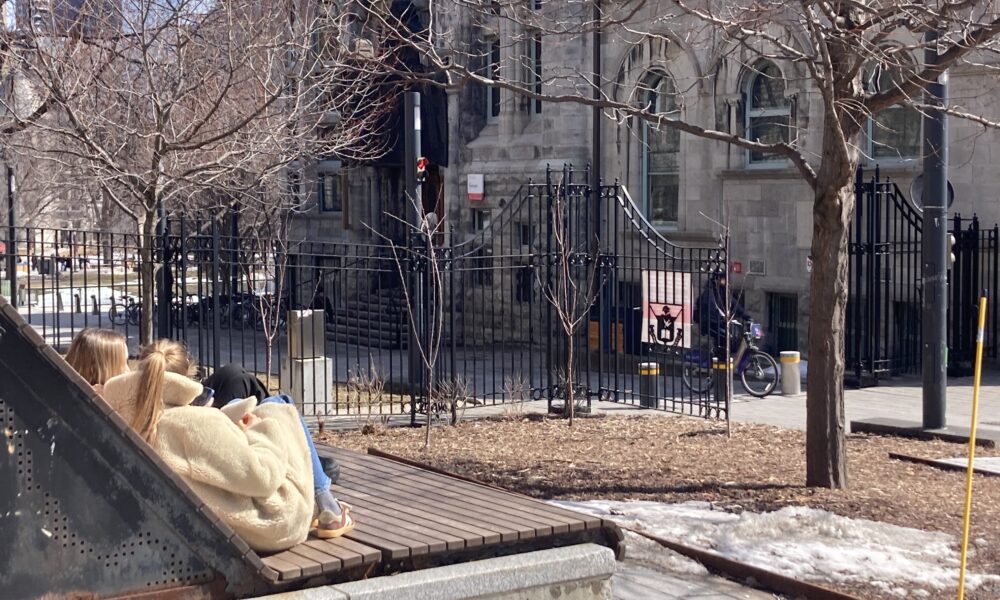
Home to a diverse ecological web of plants and animals, Parc La Fontaine is the perfect place to spend an afternoon basking in the sun while appreciating the nature around you. With the park’s rich native biodiversity, this 34-hectare green space provides the city with a lush oasis amid the urban jungle of downtown Montreal. Across all seasons, visitors can enjoy a number of activities, including cycling, soccer, tennis, cross-country skiing, and more. Bird watchers can also take part in spotting out local species, or simply sit by the pond and admire the park’s beauty.
Religious spaces
Beyond physical spaces, many students find a sense of home within their religious communities. Whether through on-campus clubs such as the Muslim Students’ Association, McGill Sikh Association, McGill Chavurah, or the McGill Christian Fellowship, these communities provide a place where individuals can feel safe, supported, and connected with others who share their beliefs. These spaces become even more essential in the context of Quebec’s increasing restrictions on religious expression, such as Bill 21, which bans public employees from wearing visible religious symbols, and Bill 9, which extends to newly-hired daycare workers, bans prayer rooms in public institutions, prohibits public prayer without municipal authorization, and bars public institutions from solely offering food based on religion. These campus groups offer spaces of belonging for practising faith freely.
Music and representation
Music is another powerful way students can feel at home thanks to its transcendent and intergenerational scope, bridging cultural and geographical gaps alike. It can tie people together by creating shared memories and evoking sentiments that language cannot always express. Music festivals also help foster this sense of community, bringing people of all creeds together to celebrate art they collectively cherish. Montreal hosts a number of such events, such as the Montreal International Jazz Festival, Festival International Nuits d’Afrique, Fuego Fuego, Les Francos de Montréal, LASSO, and more, giving students spaces to celebrate music and culture, and helping them feel rooted—even far from their original homes.
Drag shows and queer spaces that centre music have long served as safe havens for 2SLGBTQIA+ individuals, fostering community, self-expression, and belonging. Many Montreal artists have also found music to be an outlet for exploring and merging their different identities. Montreal-based pop singer Zeina, for instance, is of Lebanese and Egyptian descent and incorporates Arabic music into her songs by singing in English, French, and Arabic, demonstrating how music offers a creative medium to celebrate both cultural heritage and diffusion.
Memory
Last but not least, memory plays a powerful role in shaping what “home” means. Our own reinterpretation of physical spaces, familiar smells, sounds, or experiences transports us back to a specific time or space. Whether you and your community host a potluck or make crafts together, acts that appear mundane can gain newfound meaning once removed from a familiar reality. These moments of nostalgia recreate a sense of comfort and belonging, allowing us to carry a piece of home with us wherever we go.