Latest News

Features

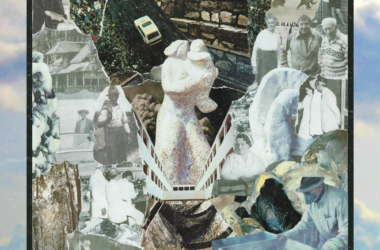
The radical act of leaning on others

I hit a slump. By Thanksgiving break of 2021, I could barely get out of bed, make breakfast, or even sum up the strength to scroll on TikTok. Just a couple of weeks earlier, I was planning out every hour of my day, executing all my tasks with flying colours, peaking in productivity and socialization. I did not understand what had happened. It took a lot of rest, extensions on assignments, and breakdowns to recover, and even then, I still feel the threat of it happening again almost every day.

This “slump,” as I called it then, was actually autistic burnout. Autistic burnout is in many ways similar to a depressive episode: You experience a lack of motivation, an excess of hopelessness, and a lack of energy. But what makes autistic burnout tricky to identify and overcome is that all the tools that typically help depressed people, like going outside, seeing friends, and engaging in hobbies, can make the burnout worse. So basically, you are stuck in your stuckness. 

I had experienced this type of burnout before. Just a few months earlier, in the winter of 2020,  I was so unwell I could not read, think clearly, or physically take care of myself. I ended up moving back home and taking a leave of absence from school. During those months, the thought of doing schoolwork was enough to induce a panic attack. Emails to advisors were excruciating. Although simple, the process to request a leave of absence left me drained for days.

Looking back on these two experiences, what I had thought were depressive episodes were really symptomatic of something entirely different. I fell into a deep spiral of trying to figure out what exactly was “wrong” with me. As soon as I could, I sought out a psychiatrist at home and was diagnosed with ADHD. I had done my research and knew the diagnosis was likely: I experience unpredictable bursts of motivation, have intense dedication to hyperspecific interests, and struggle with task initiation. ADHD. And yet, as my psychiatrist talked me through my diagnosis and medication—hi Ritalin—it became obvious that she was missing something. According to her, my ADHD induced social anxiety as well as the sensory sensitivities I expressed I had. Nonetheless, I decided to give the medication a try and see what would happen. I was like an overly caffeinated toddler for a few weeks, not sleeping or eating, but I was finally getting my schoolwork done. I guess it was working. 

In my follow-up psychiatry sessions, I tried bringing up the aspects of my mental health that were getting worse. I struggled being in public around a lot of people; trips to the grocery store took me down for an entire day, a disruption in my routine felt catastrophic, and if I became overwhelmed, I stopped speaking entirely until I calmed down. My psychiatrist did everything to explain how this was social anxiety and handed me a booklet with instructions for social situations: How to make proper eye contact in a conversation. How to engage in small talk.

I felt mocked. I knew how to do these things—it was just not worth the physical exhaustion of performing them. I suspected a more accurate diagnosis for me was Autism Spectrum Disorder (ASD). I took all the tests, memorized the DSM-5—the American Psychiatric Association’s diagnostic manual of mental disorders—and painstakingly combed through my childhood memories. At every turn, I found myself discovering a new aspect of my life—of my brain—that I had ignored. Or been forced to ignore. This process was painful. I was peeling back layers upon layers of trauma and masking, realizing no one around me truly knew who I was. 

My girlfriend is autistic as well, and so I knew enough from their experience that a medical diagnosis was neither easy to come by nor a holy grail. Most medical professionals do not understand autism through the experiences of neurodivergent people, and most diagnostic tests are based on stereotypes of genius little white autistic boys lining up trains. They therefore fail to accurately assess anyone who is not a little white boy. I also experienced firsthand people’s reluctance to accept self-diagnosis as valid. At an earlier time in my life, I would have agreed that doctors are the best people to provide accurate diagnoses. But eventually I realized that this was a matter of who I was. After seeing psychologists, psychiatrists, and counsellors since the age of six years old who never even thought to assess me for anxiety, I learned that I am the person who knows myself the best. 

Despite understanding the importance of self-diagnosis and the inadequacy of the mental health care system, I was still desperate for validation. I waited for someone to tell me that I was autistic, that I had not made it up, and that I was allowed to be in pain. I was seeking this validation from psychiatrists and my parents, but I quickly understood that I was looking in vain. 

After speaking to other late-diagnosed and self-discovered autistic people, I learned that I was not alone in my experience. Kate Ellis (BA ‘22), explained that before seeking out a professional diagnosis, they were looking for affirmation from the people around them. 

“I mostly just wanted people in my life to like, believe me,” Kate told me. “I wanted the validation of having the words for my experience and wanting people to know me in the way that I now know myself.” 

These words struck me, and I was overcome by a deep sense of grief for what my life could have looked like if I had received that validation as a child. This need for acceptance, however, ran deeper. I needed to validate myself first, and to accept the possibility that my health was more complicated than I thought. When I talked to Ana Dumitrache (BA ‘22), they echoed this sentiment. 

“I think I had a lot of inner bias,” Ana said. “And I had to work on myself [through] a lot of self hate, like, not wanting to be different or be perceived as someone less competent.” 

Talking to other autistic people led me to a realization I was not expecting. Beyond diagnoses, what is key to our survival in an ableist world is community. When I decided to write this feature, I knew I wanted to ask other people who are disabled, autistic, or neurodivergent how they navigated school, the medical system, and relationships. I was excited to conduct interviews, but I did not realize just how transformative these conversations would be. They went beyond the idealized journalistic dynamic of the “objective” interviewer asking questions to a “subjective” individual. I could not easily detach myself from the questions I was asking because they were so deeply linked to my own experience. 

At first this frightened me: What if I was breaking some sacred journalistic code of honour? Or what if I ended up submitting a glorified rant session? But as my interviews progressed, it became apparent that being part of the story I was telling was only strengthening my piece—I write what I know and ask about what I don’t. 

What all the people I interviewed and I know is that the institutions and systems that we navigate daily, like the university and the health care system, are inadequate and actively harm neurodivergent people. Alex*, a U4 Science student has experienced barriers to accessing McGill’s resources. They have ADHD, but have not been able to get an official diagnosis because of the exorbitant amount of money they would have to pay upfront just to get an assessment. “If you don’t have a diagnosis, there is no solution for you,” Alex said. 

Kate had a similar experience. They chose not to pursue a path of accommodations with Student Accessibility and Achievement, formerly known as the Office for Students with Disabilities (OSD), because the process was not accessible to them. Even after Kate submitted an autism diagnostic report, the school required more documentation to grant them accommodations. 

“I didn’t feel comfortable going to the psychologist that diagnosed me to fill out an OSD form,” Kate said. “And I don’t have [a] family doctor, I didn’t have a therapist at the time. And McGill, at least at this time, did not accept just my diagnosis report. It would have had to be the particular form. And so that was a big barrier to me.”

Without the official avenues easily available, disabled and neurodivergent students are left to hope professors will be understanding and give them the accommodations they need. Luckily, for Kate, Ana, Alex, and myself, our experiences with professors have been mostly positive. This, however, does not undermine the fact that we have to disclose personal information and risk being invalidated every time we reach out to a professor for accommodations. For the university to truly be accessible, it needs to build in flexibility into its courses, rather than put the burden of disclosure on students. On the other hand, Alex highlighted one university measure that proved very helpful to them when they were depressed. Being able to defer exams their first time without official documentation allowed them to continue their education while also taking care of their mental health. 

“It gave me the room to actually go through my mental health issues and not have to drop out of college because I had one bad month or one bad semester,” Alex said.

Beyond the university, Quebec’s health care system has severe shortcomings when it comes to providing care for neurodivergent and disabled people. When Kate was undergoing their assessment, they were constantly misgendered even after reminding the medical professionals they were non-binary. In addition, they were tested for their IQ and eventually given an Asperger’s diagnosis. Kate expressed their discomfort, knowing that IQ tests are deeply ableist, racist, and inaccurate measuring tools for intelligence. Similarily harmful, Asperger’s Syndrome no longer makes up part of the DSM-5, failing to accurately represent the autism spectrum and taking its name from a Nazi doctor

“I emailed saying I was seeking an autism diagnosis and the whole time he was talking about it as an Asperger’s diagnosis. Which is not language that is recommended anymore and doesn’t align with the language of a lot of autism self advocates.” 

Oftentimes, autistic people are forced to compromise parts of their identity and even their values to receive some form of medical care, of quality or not. The implications of this are even greater for autistic and disabled people of colour, who are often not granted the right of medical care in the first place and are policed and surveilled instead.

Many racialized disabled educators on social media, however, have spoken out about this omission in the conversation, stressing the need for community-based and anti-racist approaches to mental health. After hearing from these educators, like Imani Barbarin (@Crutches and Spice), I started to think about the need for and meaning of community. Barbarin created the hashtag #MyDisabledLifeMatters to highlight how quickly the U.S. government forgot about disabled people in their COVID-19 response. This hashtag is an example of resisting through community, but also a bleak reminder that disabled people, particularly Black people and Indigenous peoples, have to fight for their lives to be seen as worthy. When the institutions that are supposed to care for you consistently fail you, community avenues of care become indispensable. 

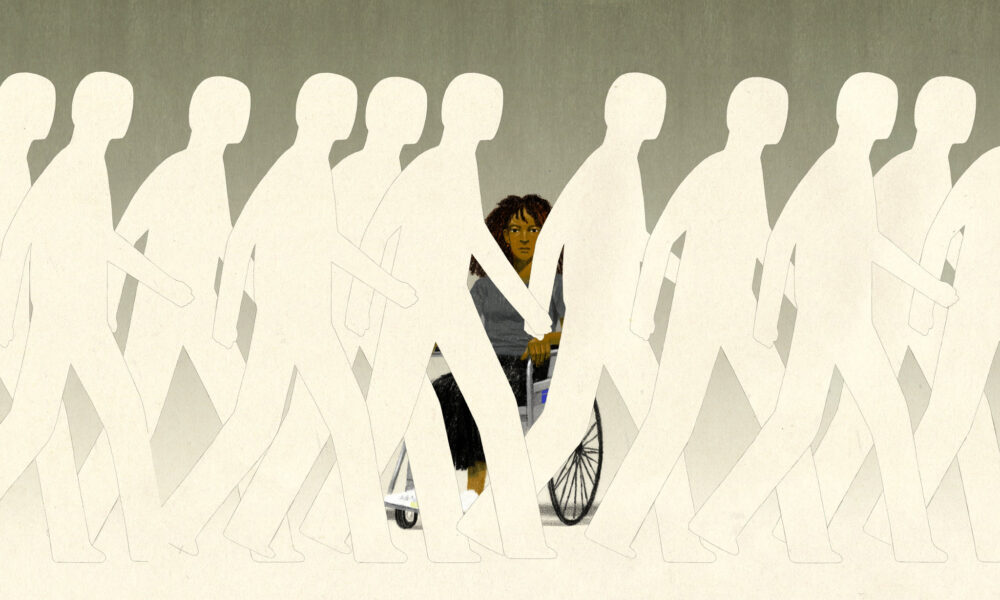
The capitalist and toxic culture of productivity we live in can be deadly for disabled people. But understanding community care solely as a response to capitalism reflects my positionality in the world as a white person in North America. For many marginalized people, community is not an alternative to the system. It is the system. It is important to remember that white people too often take credit for movements they did not initiate, such as the #MeToo movement started by Tarana Burke or the Stonewall uprising led by Marsha P. Johnson and Sylvia Rivera. This awareness paves the way for us to reclaim concepts co-opted by white and capitalist cultures that harm disabled people and how they interact with the world. Definitions of relationship dynamics like codependency, for instance, have been demonized in favor of self-reliance and independence. These “autonomous” ways of living, however, are often impossible for disabled people. Being codependent can also mean survival and community. 

“To neurotypical people, that would be seen as codependent behaviour,” Kate said about their relationship with their girlfriend. “But to us, it’s interdependent—we’re meeting each other’s needs and helping each other thrive.” 

Allowing ourselves to depend on each other and have others depend on us while also maintaining boundaries is a beautiful act of love and care. But care can also look like accommodating ourselves. Alex explained to me that so much of how they cope in difficult periods is simply listening to themselves and catering to their own needs. Sometimes, this looks like wearing headphones in a loud environment or sunglasses inside when it is too bright. Other times, it looks like isolating themselves and cancelling engagements. Ultimately, a significant part of living as a neurodivergent person comes down to finding ways to survive

I focused much of my interviews around the difficulties of being disabled, neurodivergent, and/or autistic. Although it is important to highlight the social and institutional barriers that plague our lives, it is just as important to highlight disabled joy. I ended my interviews with Ana and Kate by asking them about what brings them happiness. 

For Kate, finding joy is allowing themselves the time to engage in their special interests (currently the Descendants movies and the comedians Dan and Phil), taking a step back from school, calling their girlfriend, and playing video games with their dad. 

Ana feels joy when exploring their hyperfixations and kayaking in the summer.

I find joy when I spend time with my girlfriend—mostly when we let ourselves be and we see how amazing our autistic brains truly are. 

I am the most caring towards myself when I feel cared for by other people. Having autistic people around me is about survival, but also about being able to share the bliss I experience in the world. For disabled joy to exist, community is indispensable. So how do you find joy? How do you take care of yourself?

For more resources, my girlfriend, Lou Secher created this document filled with autism and self-assessment resources. For more autistic-written information, I recommend the Embrace Autism website

*Alex’s name was changed to preserve their anonymity. 
Emerging Trends, Student Life

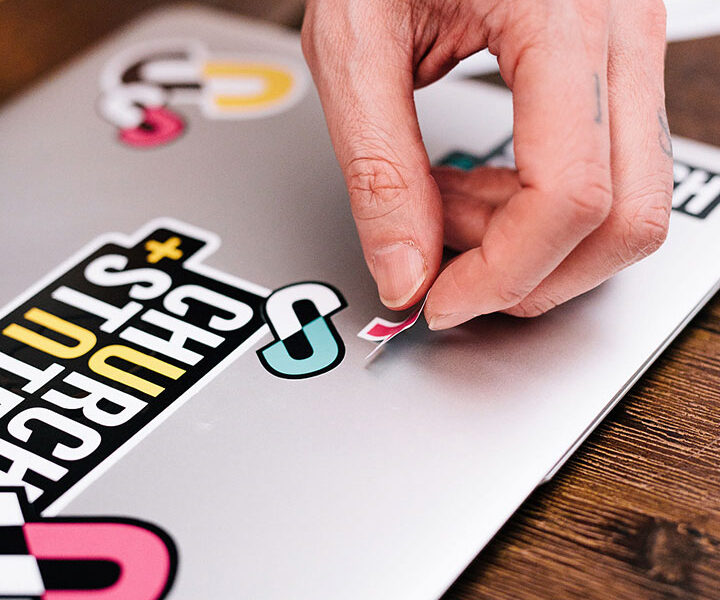
A sticker is worth a thousand words: Laptop stickers, explained

As we reach the peak of midterm season, campus libraries are jam-packed with students scrambling to get all their work done. Although everyone is essentially there for the same reason, let’s face it: Some students simply look cooler than others. Could this be the result of their carefully curated fall outfits? Their brand-new $800 AirPod Maxes? Or is it their aesthetically decorated laptops? I would argue that it’s the latter. 

I had the chance to chat with some students about the increasingly popular phenomenon that is covering your laptop with stickers. Being fairly new to the trend myself, I learned a lot about the thought process behind it and how it varies from student to student. 

Maximalist or minimalist?

Students love to show off the cool stickers they pick up at trendy brand stores, cute cafés, or clubs to promote their extracurricular activities and showcase their personalities. But how does one select which stickers make the cut?  This is a widely debated topic amongst sticker fanatics. Some attempt to fill up every inch of their laptop cover, whereas others prefer a smaller, more meaningful set of stickers. Those who favour a more minimalist approach, like Alex Toca, U1 Management, prefer to have about 50 per cent of their cover coated. 

“Less is more,” Toca said. “Many stickers make a laptop cover look too crowded.” 

Others disagree with this: A laptop cover is meant to be as decorative as possible. After all, why waste space? Having more stickers makes a laptop cover much more captivating to the eye.  

What’s the motivation behind laptop stickers?

I received multiple answers to this question, but one in particular frequently came up: Laptop stickers are an excellent way of exhibiting one’s various interests, as well as giving people a taste of their personalities. In general, students seem to select stickers that hold some meaning for them. 

Anastasia Van Ryswyk, U1 Arts, shared the significance behind her laptop stickers in an interview with The McGill Tribune. 

“Some of them are school logos from universities of my state of residence, which reminds me of home,” Van Ryswyk said.

Better to showcase a smaller or larger number of interests?

Luca Lexham Cianciaruso, U2 Management, explained the importance of sticker diversity.

“Just like computers are used for a variety of purposes, stickers are meant to showcase a variety of interests,” Lexham Cianciaruso said. 

This is pretty much a consensus among students: It’s better to display various topics of interest as opposed to one. The way students approach this, however, differs. Some will go out of their way to buy stickers and make their laptop cover as diverse as possible to ensure they display every aspect of their overwhelmingly interesting personalities. As such, they’ll pay extra attention to ensure a variety of topics are represented amongst the stickers they choose. 

When “many” becomes “too many”…

Although the sticker decorating process may seem fun, it can get quite crowded with multiple stickers. Moreover, attempting to remove stickers is a tricky process, as it can easily result in a sticky, dirty-looking laptop if not executed with steady hands and laser focus so it’s important to be meticulous when removing them. The best trick, apparently, is to use nail polish remover. This sounds dubious, I know, but students swear by it: Once the remover makes it soft enough, they say you can use a credit card to scratch the remaining residue off to make your laptop cover as good as new. 

Others, like myself, however, cannot simply rely on word of mouth and turn to Google for a lesson on the art of laptop sticker removal. To my dismay, it turns out that the first suggestion that pops up when you Google “How to properly remove sticker residue from your laptop” isn’t entirely reliable. Don’t use vinegar to remove sticker residue and if you don’t believe me, I’ll gladly show you the current state of my laptop.

Arts & Entertainment, Music

Artist Spotlight: Silverstein and emo rock revival

Picture the summer of 2007: Posters of Linkin Park and Green Day plaster teenagers’ rooms, hair gel is used excessively to style straightened comb-overs, and MP3 players still exist. The emo wave rocked an entire generation and defined the scalps of Skrillex, early-career Cristiano Ronaldo, and so many more. Even EDM was going through its emo phase—the Tecktonik. It was the best of times, it was the saddest of times.

In February 2000, a group of Canadian high school students decided to ride the early wave of emo rock music and officially formed the band Silverstein. By May 2003, they had released multiple EPs and a full-length album, all filled with distorted guitar parts alongside thick bass riffs and screaming vocals. Silverstein’s emotional music was tapping into the heavy hearts of millions of Canadians. Later hits from 2005 like “My Heroine” and “Smile in Your Sleep” feature memorable melodies and became anthems of emo rock. With half a million records sold following these successes, Silverstein had a global reach and peaked in popularity.

But at the turn of the decade, with the recession in full force, people were growing tired of feeling sad. Emo faced backlash, and musical acts rebranded. Although emo music fell increasingly out of the billboard charts, Silverstein remained faithful to their roots. Their sound matured throughout album releases, featuring more synthesizers and sequencers which created a more modern repertoire. Lead singer Shane Told recalls this progression with fondness.

“We were just kids, and everyone was the same,” Told said in an interview with The McGill Tribune. “Then you realize that people are into different things. It’s important to try new things [….] We wanted to relinquish all that electronic music. We asked ourselves, ‘Who cares?’ Next thing you know, there’s a whole other world out there and another sound palate to the band.”

In 2020, when the band was about to tour for the release of their album A Beautiful Place to Drown, countries were shuttering their borders because of the COVID-19 pandemic. With a cancelled tour and a lot of downtime, Silverstein was back on the writing board.

“Songs were written entirely during quarantine in 2020 and 2021,” Told said. “We weren’t getting together, we just sent files and hearts back and forth. It was a dark time.” 

Those songs became the basis for their recent album Misery Made Me, recorded in 2021 and released in time for their comeback tour in 2022. The album is an exciting blend of their emo and electronic sounds. Layered vocals and reverb permeate the record with effects, immersing listeners in a unique acoustic experience. Told remembers less “misery” and more of the joy of being back with the band when they recorded the album.

“When we got together in the studio, it felt uplifting,” Told said. “We played golf, drank wine, and recorded the album. We had a cohesive idea about the whole record.” 

Nu-metal motifs are scattered throughout the track “Slow Motion.” “Don’t Wait Up” is a tight-sounding blast from Silverstein’s past sound. “The Altar/Mary” has listeners swimming in the sonic space brought by decaying keyboards and vocals until fast-paced and distorted instrumentals suddenly take over. The album is immaculately mixed and produced, emphasizing the breadth of the various musical dimensions Silverstein explores.

I was able to watch Silverstein perform on Oct. 1 at Theatre l’Olympia alongside Amity Affliction, Unity-TX, and Holding Absence. The crowd’s average age was between 30 and 40, a generation that grew up listening to this music more than 15 years ago. The mid-2000s emo aesthetic was in full swing, and the crowd’s energy resembled that of the attendees’ raucous and angsty teenage selves. The opening acts were expressive, guitars were distorted, and everyone was chanting out familiar lyrics. When Silverstein came up, the crowd roared with acclamation. 

“It’s so fucking good to be back,” yelled an ecstatic Shane to the Olympia crowd. 

I would have never imagined myself enjoying emo music, yet there I was, dancing and jumping to their hits. After a two-year hiatus, the stage lights shone brightly on Silverstein once again, reigniting a spark in emo music extinguished long ago. Whatever fire was lit that cold Saturday night, be it on St. Laurent or at the concert, it rekindled within me a sudden desire to mosh like it’s 2007.

Commentary, Opinion

Accessibility on campus is shameful

Nobody enjoys trekking from New Residence Hall to McMed in subzero temperatures to make it to an 8:30 a.m. lecture. Most people take their ability to walk into class or a library building for granted. Montreal’s winters are particularly brutal, and the city is infamous for its never-ending construction. For able-bodied people, however, these are just inconvenient factors to consider before stepping out the door. For disabled students, staff, and faculty members, the lack of physical accessibility at McGill and in Montreal is a constant reminder of the painful reality of an ableist world. If McGill wants to become the inclusive institution it claims to be, it must prioritize an accessible campus for all of their students. 

McGill’s campus is an accessibility nightmare. From steep hills, incessant construction work and cracked curbs, getting around quickly and easily is a privilege reserved for able-bodied people. Even if disabled folks manage to navigate the hellish campus layout, the barriers do not end there. Although the Accessible Canada Act strives to remove accessibility barriers across the country, it only applies to buildings under federal jurisdiction. As such, universities like McGill are not legally bound by the act. This makes for a poorly-planned campus that actively prevents disabled students from accessing education. Although ramps and automatic doors make McGill buildings more accessible, they need to be functional and well-maintained. Steep and narrow ramps like those leading up to Stewart Biology North are hazards, especially during the winter when they are often covered in snow and ice, rendering them completely useless. Automatic doors do not always work and are often blocked by newsstands, mask dispensers, and idling students.  

Although McGill has measures meant to increase accessibility, such as the Adapted Mobility Bus, these initiatives fail to include all of the students who need mobility assistance but may not meet the required standards set by the school. The process requires users to be registered with the Student Accessibility and Achievement office and to have a formal diagnosis or a letter from a health professional. These requirements assume that students have access to quality medical care and essentially push them to prove that they are disabled enough to receive accommodations. Furthermore, the bus services are insufficient as the singular vehicle only runs Mondays to Fridays from 8 a.m. to 4 p.m. This essentially leaves any student whose classes end after 4:01 p.m. unable to move around campus.

Driving is an option for disabled students, but many do not have access to their own cars. Even if they did, proximity parking permits are reserved for faculty and staff members, who still have to go through a lengthy application process. 

Institutional barriers are not the only things making campus inaccessible. Individuals can contribute to the problems, and people often see disability signage as optional. This can range from parking in front of ramps or on curb cuts to leaving bikes on sidewalks and using their feet to open doors and push buttons. When an institution is already actively excluding disabled students, it is discouraging to see our peers contribute to endless inaccessibility issues. 


True anti-ableist change must combine institutional efforts as well as social ones. This starts with knowledge and awareness of mobility issues and disability rights. A great way to start is to unlearn ableist biases of what disability looks like in the first place. Not every person with mobility issues is a wheelchair user or visibly disabled. On the other hand, people should critically assess their environments and question why visibly disabled people may not interact with spaces in the same way. Inaccessibility is not a coincidence, and a lack of accessible public spaces marginalizes disabled people and keeps them from accessing their rights to education, medical care, and ultimately, a barrier-free life. McGill owes it to their students to reconsider their accessibility efforts and allocate enough resources to push for transformative change.

Album Reviews, Arts & Entertainment

‘The Loneliest Time’ offers up a mixed bag of delights and let-downs

As a long-time Carly Rae Jepsen lover, I have been eagerly awaiting new music since her last project, 2019’s Dedicated and the accompanying Dedicated Side B (2020). While Jepsen’s sixth studio album, The Loneliest Time, certainly doesn’t disappoint, it doesn’t quite knock your socks off either. Released on Oct. 21, the album sees this self-professed ambassador of love expand into slightly more reflective territory. Over 13 songs, she scratches the surface of cynicism, insecurity, and loneliness without ever fully abandoning her starry-eyed perspective. 

Sonically, The Loneliest Time straddles a similar divide. A handful of songs flirt with a more mellow, vocals-focused sound, but the lion’s share of the tracklist keeps a tight hold on her signature 80s synth-pop melodies. The result? A fun, albeit fairly incohesive, album that will keep you moving and grooving without too much contemplation of its overall message. Despite its title purporting to be about loneliness, most of the tunes only dive into darker themes for a line or two before resurfacing to take on more light-hearted fare. 

The album’s more laid-back tracks benefit greatly from the skillful production of former Vampire Weekend band member Rostam Batmanglij. The lead single “Western Wind” is as breezy and laidback as its title suggests, and the ballad “Go Find Yourself or Whatever” uses soft, moody strings to underscore Jepsen’s resentful but ever-hopeful lyrics. 

In terms of its pure pop songs, The Loneliest Time is at its best when Jepsen revisits the shimmering synths that made 2015’s E●MO●TION a critical darling and fan favourite. Opening track “Surrender My Heart” and single “Talking to Myself” are pristine pop songs that feel like they have an instant place amongst her catalogue of dance-worthy beats. “Shooting Star,” on the other hand, presents a grating disco-pop track with lyrics as forgettable as its melody. 

Altogether, The Loneliest Time makes for a fun listen with some delightful highlights, but don’t expect much in terms of surprises—most of the themes tackled are nothing new for Jepsen. Indeed, the Canadian pop star has made a career out of creating soundtracks for her and her audiences’ lovestruck fantasies and blissful first kisses. Amidst her discography of hopeless romantic bubblegum pop, The Loneliest Time fits in perfectly.   

Rating: 3.5/5 stars

The Loneliest Time is available now on all streaming platforms. Carly Rae Jepsen is continuing the North American leg of her ‘So Nice Tour’ until November 2022.

Arts & Entertainment, Pop Rhetoric

The raw, ubiquitous power of body horror

Mild spoilers ahead for Raw and Saint Maud

With weak plot lines, underdeveloped characters, and often cliché moralistic endings—such as the least-likely-to-survive character ending up as the final girl—slasher films serve one purpose: To disgust. Films like the cult classic The Texas Chainsaw Massacre and constant rehashings of Evil Dead feature brutal amputations that could make even the most stoic person sick to their stomach. The scope of disgust in these films, however, appeals mainly to our base senses to elicit emotional responses from the audience. 

Beyond fear of a possible intruder, which Open House and the Strangers franchise can drum up, slashers do not inspire contemplations of social and political issues, such as women’s rights and religion. Though few would displace slasher films in the horror cosmos, many movie-goers find their body horror gratuitous and pointless. For me, the gore is gratuitous because it is pointless. But body horror should not be interpreted nor deployed in a vacuum––films like Raw and Saint Maud elevate horror from superfluous gore and story-telling to drama that evokes both sensory responses and social reflection from viewers. 

Julia Ducournau’s acclaimed film Raw (2016) sees Justine, a staunch vegetarian sheltered from the taste of meat by her overbearing parents, slowly develop a taste for human flesh once she moves away for veterinarian school. While the film misleads viewers by placing Justine’s descent into cannibalism as the central plotline, Raw is a woman’s coming-of-age story at its core. The appalling images of cannibalism—complete with blood, hair, and all—portray the grotesqueness and shame of embodying womanhood. Scenes of sexual exploration usually preface the cannibalistic scenes in the film. Ducournau combines images of cannibalism and sex as both fundamental acts of the flesh. The raw or unrefined act of sex reinforces our presiding animalistic instincts, which women are often conditioned to repress. Raw leverages gore to encapsulate the horror that bodies induce, especially in periods of exploration and discovery.

A revered A24 film, Saint Maud (2019) provides complex commentary on religion through modes of bodily suffering. The titular character, Maud, takes up a post as a live-in nurse after experiencing a religious awakening. Maud’s patient Amanda, a terminally ill atheist, presents signs of illness which Maud sees as the affliction of the patient’s misguided soul. Illness and death are the most gripping types of body horror because no one can evade the effects of aging and sickness. In an attempt to regain control over the inescapable reality of mortality, humans moralize pain and death. Maud believes the patient’s physical suffering on Earth simply foretells her eternal suffering after death. Relying on this model of correlation between pain and suffering, director Rose Glass creates a self-conscious paradox of Christian theology, as Maud practices mortification of the flesh to achieve salvation and part with suffering. Maud’s appalling treatment of her own body in the name of God posits pain as inescapably real and God’s distant, disembodied voice as comparably illusive; religion cannot be substantiated in the same way that physical pain can. Though Glass takes a critical position on religion, she uses Maud’s horrible death to demonstrate the crucial importance of suffering to Christian theology. 


Horror derives its merit as a genre from its inclusions of other genres, such as drama or comedy. Horror can be funny in a morbid way, as in Shyamalan’s The Visit, or emotionally charged, as in Kent’s The Babadook. Unlike drama and comedy, horror has the potential to affect audiences on a sensory and emotional level through disturbing presentations of the body. Many other movies live up to the standards of Raw and Saint Maud in terms of using body horror to make important claims about how the human body grapples with women’s adolescence and religious piety. Ducournau’s Titane, Mirabella-Davis’s Swallow, and Brandon Cronenberg’s Antiviral access themes such as fame, domestic life, disordered eating, and women’s sexuality. I encourage you to give horror another try this Halloween and embrace the power of the body.

Sports, Varsity Round UP

Varsity round up: What you missed in McGill sports from Oct. 19 to 23

Men’s Baseball

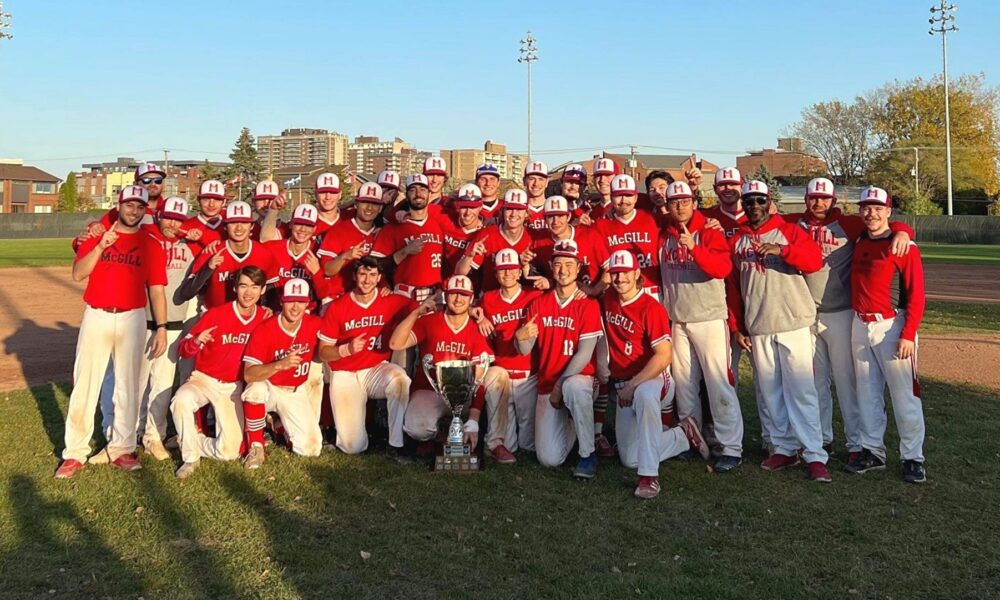
8-1 Final: Redbirds best Stingers in Quebec Baseball Championship

After dominating UdeM in last week’s semi-finals 12-4 and 15-2, the Redbirds (21–8) were the sure favourites in the Quebec Baseball Championship matchup against the Concordia Stingers (12–10) on Oct. 22. A 4-0 win in the first game of the best-of-three series set McGill up to go for the sweep in game two. 

The game started even-steven with each team recording a run in the first inning. After shutouts in the second and third innings for both teams, the game slipped away from the Stingers early in the fourth. After a leadoff single from third-baseman Matthew Rachman, right-fielder Will Bompey came up with a clutch two-RBI double, giving the team a 3-1 lead. The Redbirds sealed the deal in the top of the sixth after some wild pitching from the Stingers and a two-RBI single from centre-fielder Jett Jarvis for an 8-1 final score.

Redbirds starting pitcher Arthur “Cinch” Smith expressed how his teammates’ support helped lead the Redbirds to victory. 

“The last time I played Concordia, I gave up seven runs. Today, I went out there, after the first [inning] I just put faith in my boys behind me and just tried to stay within myself and do the best I can to get these guys a win,” said Smith. 

As the Redbirds’ roster includes 22 first years, head coach Casey Auerbach expressed his admiration at the team’s improvement since the start of the season.

 “We have really been focusing on getting better each week [this season], and we took a big step last week against [UdeM],” said Auerbach. “Our lead-off hitters did a good job getting on base today, and we put some pressure on the defence, and that was our game plan today [….] It was a good team effort.”

Women’s Hockey

2-1 Final: Martlets succumb to Gaiters in home opener

On Oct. 21, the McGill Martlets (0–2) faced off against the Bishop’s Gaiters (2–0) in the RSEQ home opener. The first period remained scoreless until the final 90 seconds of play when fourth-year forward Makenzie McCallum snapped one in, closing off the period with a one-goal lead in the Martlets’ favour. 

The second period developed in the same fashion, with fast-paced back-and-forth action between the two teams, including a double minor penalty for Bishop’s that resulted in an unsuccessful four-minute power play for McGill. After a slashing penalty called on the Martlets and 50 seconds of four-on-four play, the Gaiters scored a power play goal to even the score with less than 30 seconds left on the clock. 

An early Bishop’s goal at the top of the third sealed the deal, and despite generating a slew of offensive opportunities, McGill was unable to catch up. Even with aggressive offensive pressure all game long, the Martlets fell in a 2-1 final. 

In a post-game interview with The McGill Tribune, Martlets head coach Alyssa Cecere emphasized that the loss wasn’t a setback for the team. 

“What we’re working towards is getting better as a team every game, I thought that we did that [….] We showed up to play, kudos to them, they played very well.” 

The Martlets fell 3-1 to Concordia on Oct. 23 and will play their next game on Oct. 28 against the University of Ottawa at McConnell Arena. 

Men’s Lacrosse 

8-6 Final: McGill takes homecoming victory over Bishop’s

On Oct. 19, the Redbirds’ (6–4) face-off against Bishop’s (7–3) ended in a thrilling victory to kick off Homecoming Week and Seniors Night. Fifth-year midfielder Ethan Forgrave opened the scoring with just four minutes to go in the first half, burying his first of three goals and embarking on a meaningful four-point night for the graduating senior. The Redbirds exited the first half 3-1 and maintained momentum carrying a 6-2 lead into halftime. In the third quarter, the Gaiters quickly buried two goals to get within striking distance of an even score but were staunched by fourth-year attacker Isaiah Cree’s first goal of the night. With a 7-4 score entering the fourth quarter, Bishop’s threatened again with back-to-back goals, but Cree sealed the deal with his second goal for an 8-6 final score. 

Redbirds head coach Nicolas Soubry detailed his excitement for the team, especially the seniors, in a post-game interview with the Tribune. 

“This is a group who lost two full seasons because of COVID-19 [and] our new guys really wanted to go out and thank them for keeping watch on our team during those hard years. Personally, I can’t express how proud I am of those guys and how happy I was for them to beat our Quebec rivals Bishop’s one more time.” 

The Redbirds concluded their regular season with back-to-back losses this weekend against  Queen’s and Trent University but will look to bounce back in the CUFLA sudden-death playoff round on Oct. 28, time TBD. 

Men’s Rugby

Final 36-3: Redbirds dominate Gaiters in last regular season game

​On Oct. 23, the Redbirds (6–1) took on the Bishop’s Gaiters (4–3) in their final game of the regular season. The Redbirds took hold of the scoring early with third-year fullback Martin Laval kicking a penalty on, only to be matched by the Gaiters shortly thereafter. A minute later, first-year winger Alexandre Laurendeau opened the floodgates for the Redbirds, scoring an electric cross-field try right before halftime. 

In the second half, Laval made another penalty kick, giving McGill the boost they needed to set up a phenomenal chasedown kick block and try from third-year inside centre, Alexandre Armstrong. Laval made two more consecutive penalty kicks to make it 26-3 before Laurendeau and second-year blindside flanker, Elliot Descarreaux, each added another try to give McGill the 36-3 win.

In a post-game interview with the Tribune, Descarreaux commented on the lopsided scoring effort. 

“Our team is well balanced [….] We scored off mauls, off open play, off kicks; it shows that we are really clinical in everything we do. We worked to get that and it shows in the game.”

​The Redbirds face the Gaiters in the first round of the RSEQ playoffs next weekend at Molson Stadium, time TBD.

*Philippe Haddad is a member of the 2022-2023 varsity Rugby roster but is currently out of play due to an injury.

Men’s Soccer

0-0 Final: McGill and Concordia draw scoreless

​The McGill Redbirds (2–6–3) faced off against the Concordia Stingers (4–2–5) on Oct. 20 in their penultimate game of the regular season. After a slow start, the Redbirds’ offence began to heat up with a couple of scoring opportunities later in the first half but were unable to capitalize on any of them. With a number of starters out due to injury, including star forwards Joseph Getz and Pedro Gulli, McGill’s midfielders picked up the extra slack to keep pressure on Concordia’s defence while the Redbirds held firm in their own territory. 

​The second half remained scoreless but was marked by physicality and chippiness on both sides of the field, resulting in a total of seven yellow cards, including four to the Redbirds. A number of phenomenal saves by first-year goalkeeper Ludovyck Ciociola spearheaded a strong defensive effort to maintain the shutout. With a 0-0 final score, the match marked another draw on McGill’s record.

​In a post-game interview with the Tribune, fourth-year defenceman Julian Huster highlighted the efforts of both the midfield and younger players on the team despite being short-handed.

 “We played fearless and fluid football even though the numbers were thin on the bench with injuries. It’s a shame we didn’t come away with all three points because we deserved more than a draw.”

On Oct. 23, McGill dropped their final game of the season 3-0 to Sherbrooke, giving the Vert et Or their first win of the season. 

Campus Spotlight, Student Life

McGill’s Farmer’s Market builds a community of passionate vendors and students

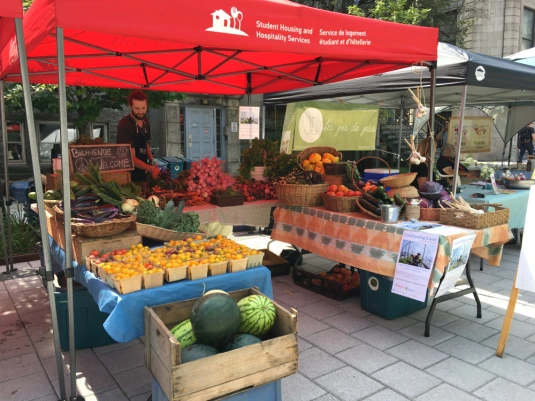
The McGill Farmer’s Market has been a signature component of the McGill community since 2009. Every Thursday from 11 a.m. to 5 p.m. until this Thursday, Oct. 27, McTavish Street overflows with local food producers and excited students. The passionate vendors at the McGill Farmer’s Market come weekly, eager to share their stories, products, and insights with invested and enthusiastic McGillians. From fresh fruits and vegetables to sweet baked goods and local dishes, the market offers a wide variety of options to satisfy everyone’s taste buds. 

Inspiring vendors

Tea, coffee, maple syrup, fresh vegetables, and even adorable potted plants are some of the many items up for grabs at the market. Vendors with fascinating stories set up shop to sell their wares, interact with students, and answer questions about their products. 

Among these vendors is Mike Vasquez, son of Café Elba owner Elba Vasquez. Elba, who once worked as a coffee picker, wishes to give back directly to these labourers. In an interview with The McGill Tribune, Vasquez shared his mother’s story and the importance of selling at farmer’s markets.

“Attending markets is a political act enforcing the local economy to help fight back large corporations,” Vasquez said. “I created this coffee company with my mother, who grew up on a coffee plantation in El Salvador. Over there, coffee labourers endure harsh conditions, picking grains on hillsides under the hot sun.” 

Another exciting find at the market is Ochado, a tea business that bloomed from a brother-sister collaboration between Julie and Normand Vaillancourt. These siblings have been selling their locally-grown tea at the McGill Farmer’s Market for the past 10 years. Julie Vaillancourt told the Tribune why she’s so dedicated to selling at this market. 

“We enjoy interacting with students. They always ask excellent questions and are very invested in discovering where the tea comes from,” said Vaillancourt. “It is so great to be able to educate people about Canada’s rich tea culture.”

Fresh produce 

In addition to connecting students to local vendors, the Farmer’s Market team organizes the Community Supported Agriculture (CSA) program. This initiative offers local and seasonal produce through a weekly basket subscription service. The baskets originate from Co-op au Bout du Rang, a farm based in Saint-Félix-de-Valois that grows over 40 varieties of vegetables. Ranging from mauve aubergines to scarlet-red tomatoes, these colourful baskets are sure to bring flavour to your weekly recipes. 

Felix Todd, U3 Geography, is a proud customer of the CSA program. 

“Every week I get different items in these baskets, which allows me to try something new each time,” Todd said. “Knowing where the produce comes from helps me establish a closer link to the food I eat […] and I especially like coming to the market to socialize with familiar faces.” 

Another source of fresh produce at the market comes straight from the Macdonald Campus Farm (MacFarm) at McGill. Florence Pelletier-Solasse, a researcher in nutrition at McGill, is in charge of selling the fresh fruits and vegetables cultivated by fellow university students at the MacFarm. 

“Students are involved in research and production at the MacFarm, providing the market with fresh vegetables picked the same day,” Pelletier-Solasse told the Tribune. “I am very interested in dietetics, and at the Farmer’s Market, I like to answer people’s questions about nutrition and vegetables.”

So grab your reusable bag and wallet, and rush to the market to fill your kitchen with local goods and flavourful vegetables grown by farmers and fellow students. During your visit, you can engage with a welcoming community and chat with passionate vendors while supporting the local economy by purchasing from smaller, local businesses. 

With a sprinkle of smiles, a handful of fresh produce, a scoop of local foods, and a dash of unique stories, the vendors at the McGill Farmer’s Market come equipped with a recipe to brighten your Thursday afternoons. 

Album Reviews, Arts & Entertainment

Miss Americana is back, and so is her pop persona

It’s 11:59 on a Thursday night. My friend and I wait with bated breath in Milton B, hurriedly refreshing Spotify. We’re not waiting for the café’s mediocre WiFi to load—we are waiting to listen to Midnights, Taylor Swift’s latest album. I knew all too well that the impending release would cause fans’ obsessions with her to begin again, and sure enough, the project is a compilation of tracks beyond a Swiftie’s wildest dreams.

While her latest original projects folklore (2020) and evermore (2020) adopted a more folksy and cozy vibe, Midnights feels closer to Lover or 1989 in terms of beats and musicality. It abandons the acoustic sounds and instead opts for synth-infused tracks, which mesh well with the lyrics’ darker overarching tone. This gloomy energy appears in “You’re On Your Own, Kid”, which explores the hardships of a one-sided relationship. Yet, the album also features more upbeat overtones in its explorations of love and heartbreak. Songs like “Midnight Rain” include unassuming electric piano riffs reminiscent of 80s dance music. 

Swift starts the album off strong with “Lavender Haze,” which details the sanctity of a relationship remaining unscathed despite criticisms from outside forces. Meanwhile, “Question…?” stands in stark contrast to the first track by describing the uncertainties between a couple. The line “And you’re not sure / and I don’t know” paints a picture of a couple with no clear path beyond their feelings for each other. On the other hand, “Vigilante Shit” embraces Taylor’s darker, more vengeful side with the hook “Don’t get sad / get even. Swift is still not someone to be trifled with in any capacity.

While all of its songs are delightful individually, Midnights lacks cohesiveness. Given that the album is meant to define different nights from Swift’s life, it makes sense, but the abrupt mood shift between certain songs is jarring. Additionally, Swift’s highly anticipated collaboration with Lana Del Rey on “Snow On The Beach” is lacking in one department—Del Rey herself. Although her voice can be very faintly heard in a couple lines, her role is less of a feature and more of a brief background appearance.

Midnights is everything we love about one of the world’s arguably most talented artists—clever lyrics, compelling storytelling, and relatable themes of love and loss. After all, Taylor Swift has retained her massive following for a reason. In your most vulnerable moments, her music will be there—all you have to do is meet her at midnight.

Rating: 4.5/5 stars
Midnights is available on all streaming platforms.

Science & Technology, Science Rewind

A sad tail: The marine biology of whale strandings in BIOL 335

In late September 2022, a pod of 230 pilot whales washed up onto the shores of Ocean Beach in Tasmania, Australia. Only half of those stranded were still alive when the response team arrived on the scene, and only 32 whales made it back into the water safely. The grim picture is sadly not uncommon: Mass whale strandings occur fairly regularly all over the world and have only increased due to human interference in marine systems. 

So, what can McGill students do to raise awareness about whale strandings? Well, like any other topic, there’s a class for that. It’s called BIOL 335: Marine Mammals and if you’re curious about whales, seals, or dolphins and don’t suffer from too much seasickness, this is the class to take. 

BIOL 335 is offered by McGill’s Department of Biology, but you don’t need to be a biology student to partake—having the necessary prerequisites and an interest in marine biology is sufficient. The class was most recently delivered over the course of two weeks at the Huntsman Institute in St. Andrews, New Brunswick in August 2022—its first offering since the COVID-19 pandemic. Amanda Babin, an environmental analyst at the Whale Sanctuary Project who received her PhD in biology from the University of New Brunswick, pulled from her experience with marine mammals and whale stranding response procedures to tell students about marine mammal physiology, behaviour, and current conservation efforts.

Over the course of two weeks, students learn about mass whale strandings and their causes, in addition to other topics such as evolution and marine species identification. A mass whale stranding occurs when any two beings that are not a mother and her calf become stranded on land. Both natural phenomena and human-caused disturbances can trigger strandings. It is not currently understood what happened in the case of the 230 pilot whales, but there is some speculation from experts.

“Pilot whales are very social animals,” Babin wrote in an email to The McGill Tribune. “They follow the leader, which is often an elder female that can sometimes go senile or be suffering from an illness. Once the leader strands, it is common for others to follow as they hear the distress calls and attempt to help [….] The pod could [also] have been disturbed in an area that is difficult to navigate.”

Disturbed areas can include fishing regions where whales become entangled in commercial fishing nets. This leads to injury, disorientation, and even drownings. Shipping also disturbs marine life because the noise pollution from massive ships can drown out marine mammals’ communication calls. As a result, whales can accidentally make errors while navigating and end up on land. These types of disturbances are avoidable when the appropriate measures are put in place.

“We often protect habitat that is used for feeding or breeding, but pay less attention to the migratory routes,” Babin wrote. “Migration is impacted by shipping, both direct[ly] through ship strikes and indirect[ly] through noise pollution.”

Some disturbances are more deadly than others: Many whales are hit and injured or killed by ships. This is called a ship strike and is a direct consequence of human activity in whale habitats. That being said, not all human intervention is necessarily bad for whales. Marine life responders are a vital asset to marine life conservation. In BIOL 335, students are taught about how to  approach a beached whale. 

“Response activities include triage, making the animals comfortable by digging out sand so their flippers can be in natural positions and keeping them wet, then attempting to re-float the animals,” Babin detailed. “The decision of which whales to try to rescue and in what order is important so that they don’t re-strand.”

If you come across a beached whale anytime soon, always call the appropriate marine response team, and don’t approach the animal yourself. In Quebec, you can call the Quebec Marine Mammal Emergency Response Network

Read the latest issue

Read the latest issue