


Latest News

Basketball, Sports

Sports and social justice movements come together in the NBA Bubble

There have been many defining moments of the 2020 NBA season, from the successful restart of the season inside a bubble to LeBron James’s fourth Finals MVP title. In the face of a global pandemic, the NBA found a safe way to allow players and franchises to continue making basketball history. However, finding solutions in the face of adversity was not limited to finding a way to play basketball in a pandemic—the league’s facilitation of players’ social justice activism was a large part of what made this season so significant.

Since the restart of the season in Orlando, the league gave players the opportunity to share phrases—such as “Equality” and “Black Lives Matter”—on their jerseys. Activism for social change continued throughout the Bubble as many players and coaches kneeled for the national anthem at the beginning of games, an action that was popularized in professional sports by NFL player Colin Kaepernick. 

NBA franchises have a history of diversity across organizations, from players to team ownership, and the basketball community has always been vocal in supporting social justice movements such as the Black Lives Matter movement. A significant moment in this season came in late August, when the top-seeded team in the Eastern Conference, the Milwaukee Bucks, decided to boycott game five of the first-round series against the Orlando Magic. This boycott came as a response to the shooting of Jacob Blake by police in Kenosha, Wisconsin. Other teams subsequently boycotted their own playoff games in solidarity with the Bucks and the Black community, and the league temporarily paused the season. The question of whether playing in the Bubble was contributing to the fight for racial justice, or distracting players from addressing these issues, was prevalent.

This season was certainly not the first time that NBA players chose to take a political stance. For example, after the Golden State Warriors became champions in 2017, they broke the tradition of winning teams visiting the White House, refusing to visit newly-elected President Donald Trump. Trump has repeatedly denied that systemic racism exists and condemned professional athletes who take political stances. 

Most players have since agreed that making full use of their platforms is critical when it comes to standing up for their values. No NBA championship team has visited the current president. 

As the world outside the Bubble reckoned anti-Black racism, players, led by the Milwaukee Bucks boycott, seriously considered cancelling the season. However, after several days of discussions, including consulting former President Barack Obama, players, coaches, owners, and the league reached an agreement to continue the season while continuing to promote racial equality.

In the Eastern Conference, the fifth-seeded Miami Heat defeated both the Bucks and the third-seeded Boston Celtics to become the third-lowest seeded conference champion since 1984. The Heat faced the Los Angeles Lakers in the Finals, and it was the first time neither finals contender made the playoffs in the year before. Heat rookie Tyler Herro became the youngest player to start in the NBA Finals, while LeBron James made it to his tenth NBA Finals, tying for third in finals appearances with Kareem Abdul-Jabbar.

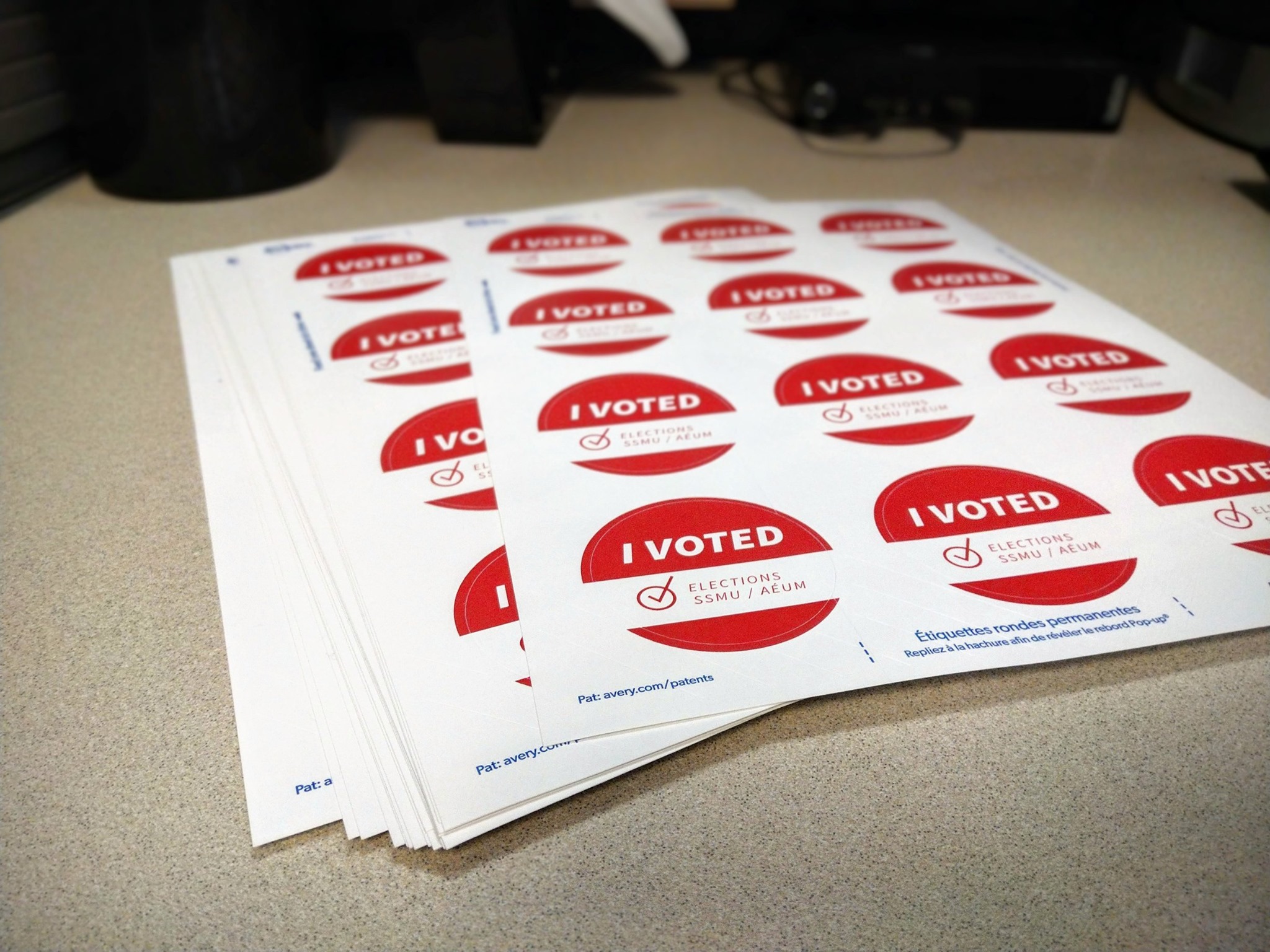
As basketball history was being made in Orlando, conversations from the Bubble were making an impact on the world outside. There were several new initiatives, mostly aiming to increase voter turnout both within and beyond the NBA. Only 22 per cent of eligible NBA players voted in 2016, whereas more than 90 per cent of eligible players are registered to vote as of Oct. 4 2020, including all players on 15 of the league’s 30 teams. In addition, 20 teams across the United States have turned their arenas into polling locations, making it easier for basketball fans and non-basketball fans alike to cast their ballots.

Players share a love of basketball and a commitment to their values. In a tumultuous time, their actions can serve as examples that show that people don’t necessarily have to choose between their careers or taking action to advocate for their valuesthey can do both.

Research Briefs, Science & Technology

Revealing the burning truth about droughts and heatwaves

Throughout the 1930s, horrific dust storms swept through Western North American, eviscerating agricultural fields and leaving the livelihoods of millions of underprepared farmers in peril. This period, known as the Dust Bowl, was characterized by severe drought and wind erosion. Since then, scientific advances have helped farmers develop more resilient farming practices, but experts anticipate more frequent extreme weather events as the climate crisis continues to worsen. 

In a new McGill-affiliated study, researchers found troubling patterns connecting hot and dry weather events with anthropogenic climate change. The increase in frequency and geographic size of dry and hot weather patterns leads to intensified heatwaves and droughts. 

McGill scientists, in collaboration with researchers from the University of Utah and the University of California at Irvine, analyzed over a century of average seasonal temperature and precipitation data. They found increases in the intensity, range, and clustering of “dry-hot extremes.” Such events, though not new, are occurring at a much greater frequency than in previous decades, leaving vast areas susceptible to intense drought and facilitating the spread of wildfires.

Mohammed Reza Alizadeh, Ph.D. candidate in the Department of Bioresource Engineering and the lead author of the study, emphasized that these extreme weather events mutually reinforce each other to cause disastrous consequences.

“We looked at two important processes of land-atmosphere feedback: Self-propagation and self-intensification,” Alizadeh said in an interview with the The McGill Tribune. “We are mostly [dealing with] self-propagation, which refers to the movement of systematic aridity and heat from one region to another.”

Arid regions are characterized by a severe lack of available groundwater and are a growing issue for agriculture in places like the American Southwest. Systematic aridity, another term for large-scale moisture deficiency, can propagate from one habitat to another, especially if precipitation patterns are dependent on the levels of ground moisture. As these dry-hot extremes become more clustered together in space, ecosystems can become overwhelmed by heat stress, incapacitating their ability to recover over time. 

Due to global temperature increases, heat waves can propagate quickly and widely; when these heat waves are combined with drought, the threat of wildfires grows considerably. Human safety, agricultural output, and ecological health are all put at risk, resulting in dire consequences for the economy

These disastrous events have already ravaged a significant portion of the North American West Coast. This year alone, over 4 million acres of land were burned, destroying ecosystems and displacing 96,000 people from their homes. 

Alizadeh insists that policy makers must do more to prepare for inevitable heat extremes and subsequent wildfires. Those living in high-risk fire zones are already vulnerable to housing insecurity and health problems. 

“The recent heatwave events in California caused extensive brown-outs for millions of residents, leaving them with no electricity for air conditioning in scorching heat,” Alizadeh said. “This is compounded by the health orders to stay at home to avoid [the] spread of COVID-19.”

The findings of this study, however sobering, can help high-risk regions like the West Coast of North America and southeastern Australia to adequately prepare for droughts, heat waves, and potential wildfires. If enacted in time, policies intended to curb these warming trends can help lessen the scale of disaster.

“We have to realize that our infrastructure design and social norms may not be proper in a changing climate,” Alizadeh said. “We will have to make hard decisions now to avoid future disasters.”

Arts & Entertainment, Film and TV, Pop Rhetoric

A look into Robert Pattinson’s twisted sonic world

In 2005, Stephenie Meyer released Twilight, making waves in young adult literature. It was the novel’s 2008 film adaptation, though, that truly cemented The Twilight Saga in the teen cultural landscape. A major player to emerge from the series was Robert Pattinson, the British actor who portrayed vampiric protagonist Edward Cullen and was poised to become the next Hollywood heartthrob. Pattinson donned a stilted American accent for the role, inadvertently setting a precedent for the rest of his career.

Rather than capitalize on his major studio presence, Pattinson then starred in a string of independent movies with auteur directors, showcasing the full potential of his acting talents. Over the last few years, though, Pattinson has slowly returned to large-scale movies with wider audiences, developing an unlikely reputation for his craft: A chaotically aloof presence known for outrageous performances bolstered by unforgettable accents.

Any actor can do an accent—not necessarily well, and nothing to make note of either. But for Pattinson, his staggering array of accents have added to the mystique of his public persona.

There are roles where his accent is clearly well-researched: His role as a Queens native and frenetic bank robber Connie in 2017’s Good Time grounds his character with realistic gravitas. And then, there are roles where Pattinson’s accents seem to stand in stark contrast to the rest of the film, almost slapping the audience in the face with their surprising grandeur. 

In 2019’s The King, Pattinson plays the Dauphin of France. While the movie is not necessarily memorable, Pattinson is easily the film’s biggest standout, in part due to his outrageous affect. On the surface, his accent might just be an extravagant—albeit incorrect—French caricature that Pattinson allegedly based on several Dior employees with whom he had previously worked. Pattinson’s ridiculous accent, complemented by his equally ridiculous long and wavy wig, elevates the Dauphin to unprecedented levels of comedy in an otherwise grim, slow, and brooding movie.

In 2019’s The Lighthouse, Pattinson adopts an archaic New England accent to play an isolated lighthouse keeper who starts to lose his mind. The film received great critical acclaim, inadvertently melding Pattinson’s penchant for insanity with his impressive acting chops. Further, in 2020’s The Devil All the Time, Pattinson created a heinous and incorrect American Southern accent on his own, as he refused to work with the on-set dialect coach. As with his French accent in The King, Pattison’s absurdity should again feel out of place alongside more grounded vocal work, but it somehow improves the film by adding unintentional bouts of levity.   

It’s difficult to pin down what about these accents cement Pattinson so distinctly. Maybe Pattinson just exudes a leading man charisma. Maybe it’s his self-aware humour. Maybe it’s the way that his physical appearance remains distinct no matter how unrecognizable his character’s voice is. Perhaps the cultural resurgence of Twilight has brought renewed attention to Pattinson’s early accent work. Perhaps Pattinson is this generation’s Nicolas Cage, immortalized by internet culture regardless of the caliber of work in which he is found. 

Pattinson, simply put, is by no means easily definable. In a recent GQ feature, the actor stated he had almost blown up his kitchen by putting a tin foil ball filled with pasta, cheese, cornflakes, and sauce into the microwave—and made it sound delightful. Pattinson’s bizarre roles and accents have always seemed to fit hand in hand with his own ludicrous public persona. Even dating back to his Twilight days, the films’ ridiculousness was offset by many press interviews in which Pattinson expressed his dislike of the franchise and his own role. Along with his career choices, Pattinson’s life has always seemed serendipitous despite his unpredictability, and he has remained at least moderately relevant.

Nobody really knows where Pattinson will venture next, or what new eccentric accent he will undertake—maybe not even Pattinson himself. But, whenever it comes, the world is ready and waiting.

Off the Board

Reap what you sew

During the first few days of lockdown in March, I decided that I needed a good hobby to occupy my time, so I bought a sewing machine. When I was a kid, my aunt had taught me how to sew pillows, so I figured sewing dresses wouldn’t be that much harder. I was overconfident, to say the least; it took me around two hours to get the machine working in the first place. Finally, when I had correctly maneuvered the thread through the many loops and pinholes on my Singer, it took me another two hours to sew a square of fabric into a face mask. 

I love clothing, so it seemed like it was only a matter of time until I started sewing my own.  Personal style is one of the few parts of one’s outward appearance that can easily be changed. Clothes can directly affect one’s attitude and confidence and reflect one’s interests, cultural heritage, and personality. But there is a transformative magic in this wearable art form, too. A professional actor in a theatre production or a little girl in a princess dress will both be able to say that when they put on a costume, they become a whole different person. I have been fascinated by this transformative potential of fashion ever since I was that little girl in a princess dress.

However, as a fashion lover, I cannot ignore the immense damage that the fast fashion industry has caused since its beginnings in the Industrial Revolution. Fashion is firmly, unflinchingly rooted in capitalism: With the need for constant novelty, fashion perpetuates an endless cycle of production, consumption, and waste for every season of the year. Underpaid workers suffer so that others can wear a cheaply-made crop top that will be out of style in a couple of months. The industry has changed little since the 18th century—the only difference today is that many people choose to ignore its unethical practices because they are not personally affected.

As it stands, it is difficult to find cute clothes that are eco-friendly, ethically produced, and—most importantly—affordable. Thrifting is a good option that I rely on the most, but it is not always a perfect solution. I often end up buying more clothes than I need when they are less expensive, leading to piles of unworn statement jackets and gaudily-patterned button-downs stuffed in the back of my closet. Luckily, sewing has given me a reason to revisit those items, giving new life to pieces that I might have donated once again.

Because I started sewing during a time when many stores were closed, recycling old fabric was not only my best option to reduce waste—it was the only option. I made my first dress out of tie-dyed bed sheets, using a free pattern that I found on the internet. Supplies like thread, pins, and zippers cost me less than $10, but creating the dress itself took around four days in total. It was at this point that I started to think about the sheer amount of labour that goes into every garment. Both retail or second-hand clothes come with a long history: Someone made the pattern for your favourite jeans, and someone sewed the buttons onto your comfiest flannel shirt. Sewing and altering clothes has made me hyper-aware of the production behind my favourite pieces, bringing me face-to-face with the production process of something you would typically ignore.

Of course, not everyone should feel the need to sew their whole wardrobe by hand, as it can be a time-consuming and expensive hobby. However, I do recommend treating your wardrobe with care. Mending and making small adjustments to old clothes requires only a needle and thread, and it can greatly prolong the life of a shirt or a pair of pants that would otherwise end up in a landfill. 

Individuals are not the ones to blame for the destructive impacts of the fashion industry, but we can still be more mindful of our relationship with the clothing that defines and protects us daily. Fashion is a source of creativity and self-expression for myself and many others, and by acknowledging the history of how our clothes are made, we can re-examine and change the trajectory of their future.

Arts & Entertainment, Comedy

‘Just For Laughs’ online festival finds laughter amidst a pandemic

On Oct. 9 and 10, Montreal’s annual international comedy festival Just For Laughs (JFL) debuted its first online and free iteration since its beginnings in 1993. Typically scheduled for two weeks every July, the festival was postponed to October due to the COVID-19 pandemic, shortening its usual offerings to two days, with its organizers citing that cancellation was not an option

JFL has always been a staple of Montreal’s cultural scene; moreover, it boasts the title of the world’s largest comedy festival. Every year, audiences gather to see emerging and established talent from around the world. This year, JFL managed to fulfill its mandate, offering shows of pre-recorded performances, to virtual industry roundtables, to live interviews with comedians.

The festival kicked off with a live conversation between comedians Kevin Hart and Judd Apatow, streamed across all three virtual rooms available on the JFL website. Hart and Apatow discussed the effects of the pandemic on the industry, and reminisced about their beginnings in comedy. Although this Zoom-call-esque conversation offered an intimate glimpse into the lives of two comedy giants, it set a precedent of disappointing redundancy, as nearly every question pertained to comedy during the pandemic. Whether it was actor Titus Burgess or drag queen Trixie Mattel, conversations often lingered on the same platitudes of taking time during the pandemic to relax and rework material. Coupled with occasional Zoom freezes, audio glitches, and awkward silences, many unscripted interviews proved to be duller and more repetitive than previously anticipated for the comedy festival.  

Yet, despite the lack of natural jokes and live audience reactions, JFL proved relatable and at times even inspirational. In one room, comedian Nicole Byer sipped on wine from a straw as she chatted with Mattel. In another, comedian Andy Kindler acknowledged the uncomfortable awkwardness of giving his 25th annual State of the Industry speech online. 

“I’m holding for the applause I hear in my head,” Kindler joked after introducing himself.

In an interview with comedian and JFL part-owner Howie Mandel, comedian Ms. Pat discussed her unlikely debut in stand-up comedy—a creative outlet suggested to her after she was released from prison. Ms. Pat spoke about her past with drug dealing, abusive relationships, and her desire to give her children a better life. When advised by her caseworker to pursue comedy as a hobby, Ms. Pat discovered a therapeutic outlet in stand-up. 

“Find a way to laugh at the darkest thing in life,” Ms. Pat advised Mandel. 

Comedy, Ms. Pat suggested, is more than an income or a source of entertainment: It is a way of processing emotions and showing others that even comedians are not exempt from traumas.

Besides divulging comedian’s personal anecdotes, JFL hosted several panels for industry professionals to discuss the current state of comedy and touring. In the roundtable, “Now What,” viewers learned about the adverse effects of the pandemic on stand-up comedy, like canceled sources of income, but also about the hidden positives, like the industry coming together to uplift comedians in a time of need. Producer Brian Dorfman pointed out the necessity of comedy during COVID-19, emphasizing the importance of finding joy in these tumultuous times.

“We might be the most essential business in this issue that’s happening with the world,” Dorfman said.

As most industries and technologically unsavvy individuals have learned, translating in-person events to online mediums is tricky. Though awkward and disjointed at times, JFL proved that this new format could still be comforting and familiar. JFL presented the best version of itself that it could have, reminding viewers that during a pandemic—in the words of Ms. Pat—we must know how to laugh at the darkest things in life.  


Arts & Entertainment, Books

Avleen Kaur Mokha’s “DREAM FRAGMENTS” impresses with emotional depth

On Oct. 1, McGill alumna Avleen Kaur Mokha, also known as Mirabel, released the 40-page poetry chapbook DREAM FRAGMENTS through Cactus Press. A collection of personal poetry and confessional writing, Mokha’s chapbook highlights her journey growing up neurodivergent, processing trauma, and learning to find beauty in her dreams and darkest moments.

Mokha is a Montreal-based poet who was born and raised in Mumbai, India. She graduated from McGill University in March 2020 with a dual degree in Linguistics and English Literature, and she currently works as a writer and blog curator at Carte Blanche with a focus on featuring content from BIPOC writers in Quebec. Post-graduation, she worked under the Local Journalism Initiative (LJI) grant as a reporter, writing about the COVID-19 outbreak for a variety of local news outlets. She spoke about how the emotionally strenuous work she did during the workday pushed her towards poetry as a creative outlet.

“I probably wrote the most while I was also writing 4,000 words of journalism every week,” Mokha said. “[Investigating the COVID-19 outbreak] really encouraged me to finish my book.”

DREAM FRAGMENTS presents a beautifully folded soul unfurled across a map of pages. Through its mesh of interwoven poems, Mokha’s collection features stories of serene and nightmarish dreamscapes, aching hearts, brutal memories, and entangled lovers. Her language is one of dreams and mirages, with an undertone of animalistic desire, deep loneliness, and inescapable violence. With a Mary Oliver-esque focus on natural imagery, “Melatonin” gracefully explores the psyche of a sleepless night. In the final poem, Mokha tells readers to trust their dreams. 

“Soften & release: / like loose clay becomes / pottery, / I become anew at night / Tighten & release: like hot hands on wanting chests, / I am pressed between seasons / of half-done delight [.…] You, / one moving part of an endless part, / are a stubborn knot tonight. / Soften & release, / tighten and believe / your animal heart.”

As a child, Mokha was actively engaged in songwriting, and took these experiences into her later life as a professional poet; some of her current inspirations from pop culture include Billie Eilish, Mitski, Aurora, and particularly, Lorde’s album Melodrama. Mokha noted that she has special respect for the storytelling abilities of female pop artists.

“We’re kind of taught to hate pop culture figures, [but] I’m really inspired by mainstream pop artists,” Mokha said. “There’s something we envy in pop artists in that they’re able to say things and it sticks.”  

Mokha also spoke of how her education at McGill influenced her creative work and gave her the academic infrastructure and mentorship opportunities that she needed in order to write professionally; the works discussed in her modernism and poetry-centric seminars “The Making of Modern Poetry” (ENGL 361) and “Women and Modern Poetry” (ENGL 414) with Professor Miranda B. Hickman were the most influential. One article entitled The Wise Sappho, by the modernist poet Hilda Doolittle, inspired the chapbook’s title by presenting the idea of writing between fragments, or at least those that remain of Sappho’s work.

“I don’t think this book would exist without me going to McGill and meeting the people I did there,” Mokha said.

Mokha advised aspiring writers to search for community in literary circles, and to not be afraid of talking to other creatives in search of connections.

“A lot of being a poet is the kind of poets you surround yourself with beyond the page,” Mokha said. “There are a lot of mentorship opportunities. [If you] learn how to approach people, [they] will tell you what’s going on in the city.”

Readers can purchase DREAM FRAGMENTS on the Cactus Press poetry website.

Commentary, Opinion, Private

Canada’s new leaders must engage the student voting base

The 2023 Canadian federal election will feature new party leaders representing the Conservative and Green parties. Erin O’Toole of the Conservative Party and Annamie Paul of the Green Party are likely to face off against the current Prime Minister, the Liberal Party’s Justin Trudeau, and the New Democratic Party (NDP)’s Jagmeet Singh. In the years leading up to the election, O’Toole and Paul have the opportunity as new leaders of their parties to engage Canadian students. By presenting new platforms, these new candidates can target young voters whose loyalty Trudeau and Singh may lack. To gain support from the student demographic, O’Toole and Paul must heed student concerns and prioritize issues that matter to young people, such as student-based fiscal policies, racial inequality, and climate issues. 

To attract student voters, candidates must prioritize policy issues that are important to students. Erin O’Toole will be running as the new leader of the Conservative party. In the past, the Conservative Party has run on a student platform of boosting government contributions to Registered Education Savings Plans (RESP), which many families use to save for university. While RESP improvements may be appealing to students, O’Toole’s minimal policy work to change racial injustice and climate reform will likely be a turn-off to young voters. If elected, O’Toole has vowed to criminalize rail blockaders who demonstrate in solidarity with those protesting the occupation of the Wet’suwet’en territory, stating that they impede transport crucial to the Canadian economy. In terms of climate, O’Toole plans to remove the existing carbon tax levied on industries and has failed to set any targets for reducing emissions. To attract student voters, O’Toole must create a more in-depth platform with regards to Indigenous affairs and make hard commitments to combat climate change. 

The Green Party of Canada has historically centred its policies around forward-thinking social systems and the future of our climate. Their new leader, Annamie Paul, has followed suit by putting forward a progressive student platform that aims to abolish tuition and adopt programs that cancel student debt exceeding $10,000. A Green government claims they will build a new relationship with Indigenous peoples in Canada by producing a new reconciliation plan. As of their 2019 policy platforms, the party has committed to transitioning to a green economy and fully supports the carbon tax. While issues of climate and racial injustice are of great importance to voters, Paul must focus on creating progressive education policies in the coming election to maximize student support as voters aged 18-24 have stated education as their top priority while voting. 

Although both candidates have developed student platforms, O’Toole and Paul must make a point to engage with student bodies on the campaign trail. These candidates must place the concerns of Canada’s young people as one of the top priorities of their 2023 platforms. This is key to candidates’ success as student voters are becoming increasingly involved, with turnouts of voters aged 18-24 rising significantly in the past three federal elections. Indeed, in the 2019 election, student age voters showed a 68 per cent turnout, up 13 points from 55 per cent in the 2011 election. In fact, voters aged 18-34 made up the largest voting block of the 2019 federal election. 

Young voters have a history of showing up to the polls less reliably than older age demographics. As a result, candidates often neglect to acknowledge the concerns of this growing voter base. As fresh faces in Canada’s leadership race, these politicians must prioritize policy issues that matter to young people. As young voters are becoming a key voting group, O’Toole and Paul should target them in campaigning to optimize their turnout at the polls. Squandering the opportunity to engage and mobilize Canada’s largest voting block would be a great loss to both O’Toole and Paul on voting day. 

McGill, News

BSN believes McGill’s plan against anti-Black racism has room for improvement

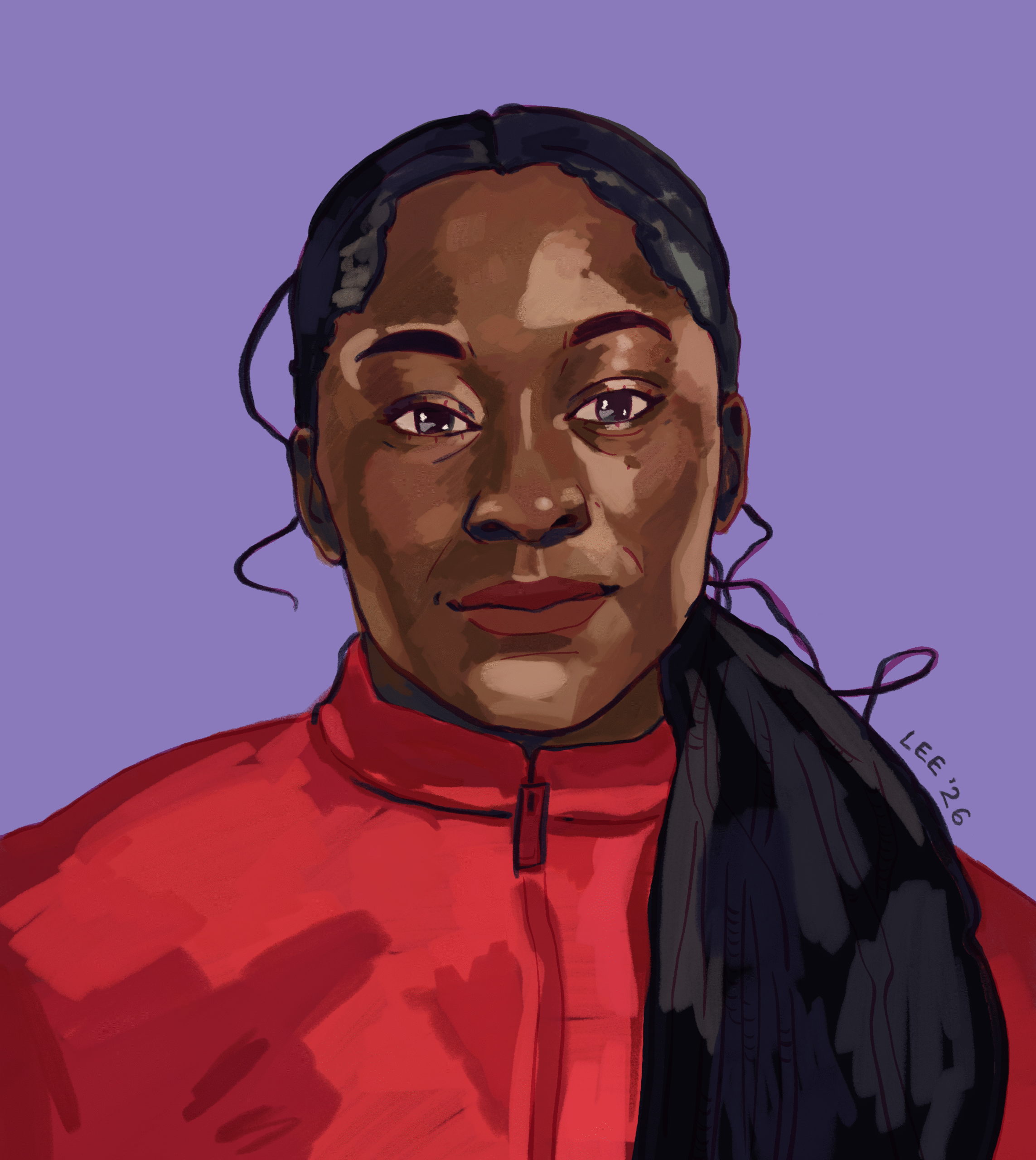
The Black Students’ Network (BSN) believes that McGill’s Action Plan to Address Anti-Black Racism is a good start to addressing systemic and anti-Black racism, but that the group will continue to work with members of McGill’s Black communities and the administration to ensure its effective implementation. On Sept. 30, McGill released its 44-page Action Plan which was developed by Provost and Vice-Principal (Academic) Christopher Manfredi and Associate Provost (Equity and Academic Policies) Angela Campbell. The plan outlines McGill’s five-year course of action to confront anti-Black racism at the university, with a focus on student experience, outreach, research, knowledge, workforce, and physical space. 

The plan was developed in consultation with the Black Students’ Network (BSN), the Dr. Kenneth Melville McGill Black Faculty Caucus, the McGill Black Alumni Association, and the Subcommittee on Racialized and Ethnic Persons.

McGill hopes to increase its percentage of Black students by expanding student aid opportunities and investing in faculty-level initiatives, such as exploring collaborations with other post-secondary institutions in Caribbean and African countries. Additionally, the university intends to implement staff training on how to support a diverse community and understand systemic racism.

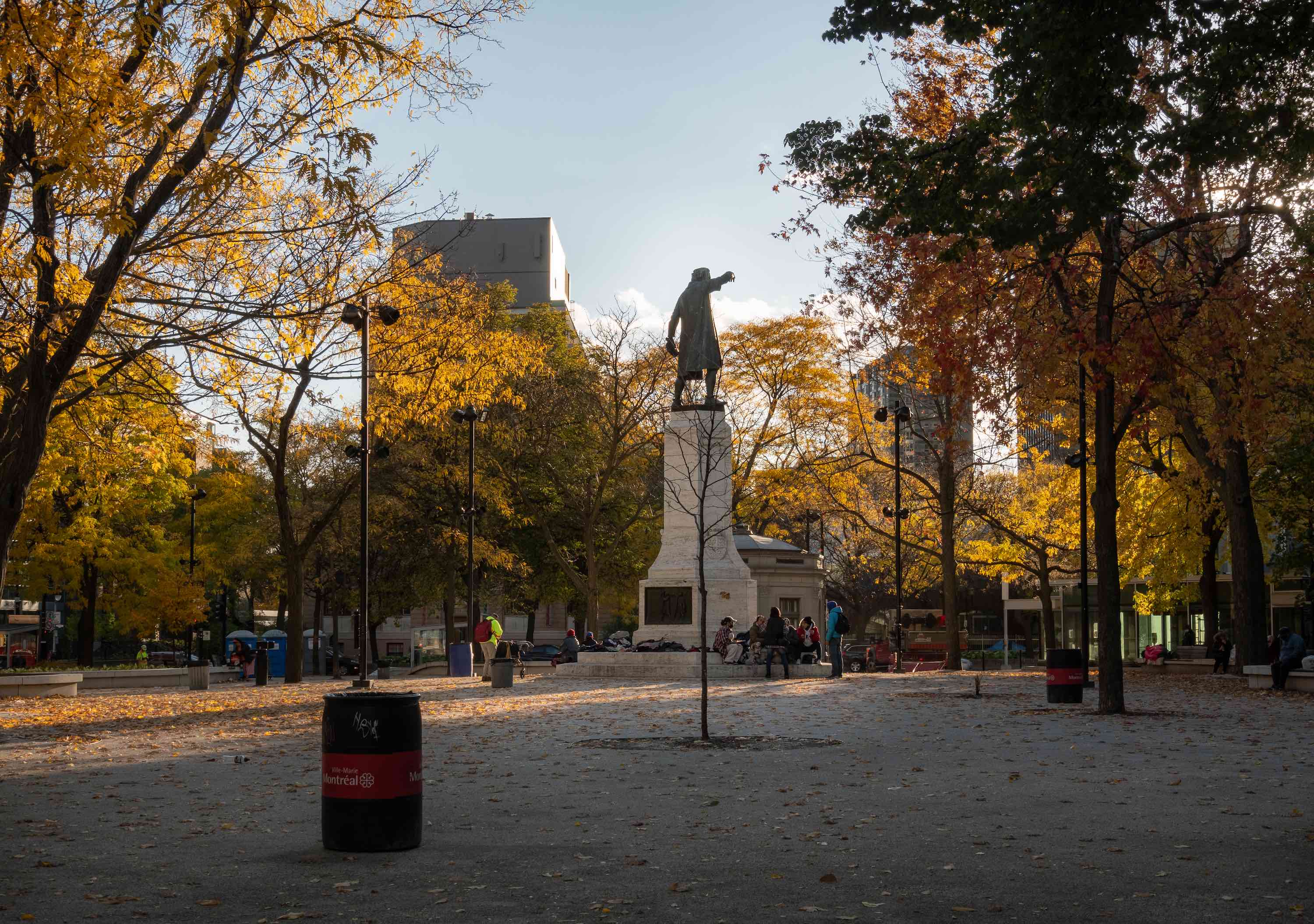
Notably, the plan states that the James McGill statue will not be removed despite popular demand, but rather fitted with a plaque that describes McGill’s involvement in the Transatlantic Slave Trade and his ownership of enslaved people. The possibility of moving the statue, however, will be assessed.

Heleena De Oliveira, BSN President and a U3 Arts student, views the plan as a good foundation for McGill to build a more equitable future. 

“The plan is a good start, but there is always room for further improvement,” De Oliveira said in an interview with the Tribune. “We are committed to making sure that this plan encapsulates the specific needs and demands of Black folk in our university. We are dedicated to not only seeing an improvement of the plan, but also realizing its implementation. More than anything, we want to make sure that the [promises] the administration commits itself to doing are carried out in full and not left unattended.”

The plan has commissioned the development of a new public report which will be published in the winter of 2022 to explore the university’s historical connections to colonialism and recommend further measures to address systemic racism. McGill will also establish a fellowship to welcome Black scholars dedicated to researching Black life in history. The possible expansion of the African and Black Studies department will be reviewed.

Alexandre Vachon, B.A. ‘19, is an activist who expressed his disappointment in McGill’s failure to establish a robust Black Canadian studies department.

“Canadian academic institutions, to this day, are not able to acknowledge Black Canadian history, which comprises, of course, slavery [and] colonialism, but also includes Black Canadian academia,” Vachon said. “McGill was unable to promise the institutionalizing of a Black Canadian Studies department because it insinuates that Black Canadian Studies need to be developed before creating a Black Canadian Studies department [….] McGill is entirely blind to the 400-year-old presence of Black Canadian thought, of Black Canadian academics, and Black Canadians.”

Currently, Black employees only represent 3.4 per cent of McGill’s staff and 0.8 per cent of its permanent academic staff. The university has discussed plans to enhance its recruitment initiatives to improve representation to five per cent by 2025, and 6.8 per cent by 2032.

Dr. Manuel Balán, a professor and director of the Institute for the Study of International Development (ISID), explained how the ISID would use the plan’s recommendations to confront anti-Black racism within the department.

“From our end, we will work to identify how ISID may best contribute to the realization of the plan,” Balán said. “We have a large and diverse student body, and we are committed as a unit to promote and support efforts to better address racism, and particularly anti-Black racism.”

A previous version of this article stated that Heleena De Oliveira is the BSN’s Project Manager of Advocacy. In fact, she is the President of BSN. The Tribune regrets this error.

A previous version of this article had the headline “BSN believes McGill’s plan against anti-Black racism is a good start,” which misrepresented the stance of the BSN on the plan. In fact, a more accurate headline is “BSN believes McGill’s plan against anti-Black racism has room for improvement.” The headline has been updated. The Tribune regrets this error.
Student Life

Native Women’s Shelter’s virtual Spirit Walk surpasses fundraising goal

While Montreal’s entrance into the red zone means an increased period of social isolation for many, the continued spread of COVID-19 has further exacerbated the unhoused population’s daily hardships. As shelter capacities decrease, unhoused individuals are at risk of being further shut out of the already limited sources for refuge. Events like the annual Spirit Walk, hosted by the Native Women’s Shelter of Montreal (NWSM), seek to aid these communities.

Indigenous Peoples are overrepresented amongst the demographic of the unhoused population. In 2018, a survey conducted by Quebec’s Ministry of Health and Social Services revealed that Indigenous peoples represent 12 per cent of the unhoused population in Montreal despite making up only one per cent of the city’s general population. 

Since 1987, the NWSM has been the only shelter in Montreal providing services solely for Indigenous women and children. The shelter supports its residents by supplying them with basic needs such as food, clothing, hygiene products, and dignity along with traditional and contemporary healing techniques. 

This year, the NWSM’s seventh annual Spirit Walk, a fundraiser designed to raise pledges for the shelter, has transitioned to an online platform. In previous years, the Spirit Walk took place in the summer and participants would gather at Mount-Royal to walk together in solidarity. This year, from Sept. 28 to Oct. 9, community members were instead invited to go on their own socially-distanced walks, post a selfie, and share online why they chose to support the shelter. On Oct. 5, the fundraiser surpassed its initial goal of $45,000.

Despite the absence of a physical gathering, the strength of the shelter’s community has persisted online. Nakuset, executive director of the NWSM, describes the support and solidarity participants have shown. 

“I am pleasantly surprised at the initiative that everyone has taken,” Nakuset said. “I know one person that is paddling and getting sponsors [….] People are doing it, and it’s powerful that this continues.”

This year’s Spirit Walk will support those navigating the child welfare system by empowering Indigenous women to advocate for themselves, their children, and their rights as mothers. Nakuset described the significance of this year’s walk and its intergenerational focus both for herself and for the shelter.

“I myself am adopted, and The Seventh Generation Prophecy says that those who are taken away will be the ones that empower and lead the way,” Nakuset said. “The Prophecy thinks about the kind of work you need to do in order to make sure things are good and safe for the seven generations ahead of you, that things will be easier for them.” 

The NWSM’s mandate—to not only help each resident with their unique hardships but repair the shared systematic roots that perpetuate them—is embodied in this prophecy. 

Nakuset described the Canadian government’s exclusion of the unhoused population while disseminating information about the pandemic. 

“When the Prime Minister was making messages in the beginning of COVID, they were geared toward the middle class, not the homeless population,” Nakuset said. “They were left out, literally left out into the streets [….] We would see people bawling their eyes out like children, so devastated they have nowhere to go. I’ve never seen that before.”

The NWSM closed for two weeks in May when seven of its staff members became ill, a microcosm of the pandemic’s effects on at-risk populations. The shelter reopened after meeting with Architecture Sans Frontières Québec to implement safety measures and now offers specialized therapy services for its clients through phone calls. 

Nakuset noted the difficulties that the shelter has endured but remains optimistic for the future. 

“With the second wave, it’ll continue to be challenging, but I feel like we have a leg up in terms of putting all these protocols in place,” Nakuset said. “Everything’s changed. We’re adapting the best way that we can but it’s certainly not easy.” 

Due to safety protocols, the NWSM can no longer accept volunteers or non-monetary donations. Nakuset asks individuals, however, to consider the power that they have to effect change. 

“It’s looking around you, seeing what you can do for Indigenous peoples,” Nakuset said. “Have you read the Truth and Reconciliation Commission reports? If you see someone who’s homeless, can you give them a sandwich, a smile, a resource?” 


News

Seminar highlights injustices facing Canadian migrant farm workers

The Canadian Studies Program at the University of California, Berkeley hosted an online lecture on Oct. 6 to discuss migrant farm workers’ rights in Ontario and the pandemic’s impact on labour mobilization. The event featured Dr. Vasanthi Venkatesh, professor of law at the University of Windsor. 

Venkatesh explained how the COVID-19 pandemic has exacerbated systemic discrimination against migrant farm workers. She also exposed flaws in the Canadian government’s response to the pandemic, particularly its failure to maintain healthy working conditions for migrant farm workers. 

“Within a few days of the farm workers arriving [from the Carribean and Mexico], the outbreaks [of COVID-19] in the farms started, [and] within a few weeks there were at least over a thousand [farm workers infected],” Venkatesh said. “A specific racialized population is getting infected with the virus in the hundreds and in the thousands.”

Even before the pandemic, Venkatesh noted that the farm workers’ living conditions were inadequate. Many workers have reported living in cramped bunks and receiving poor health care. In Montreal, only half the usual number of migrant workers have entered Canada, despite fears of COVID-19 exacerbated by unsafe working conditions. 

“It was obvious […] when the pandemic hit that none of the underlying conditions of work had changed, so the conditions that I described about those bunkhouses, about the lack of mobility,  [and] access to healthcare [were still prevalent],” Venkatesh said. “[The situation] was just ripe for the pandemic to spread [limitlessly within] these farms.” 

The circumstances of the pandemic have also aggravated racist labour structures that were present long before the onset of the pandemic. Farm workers who tested positive for COVID-19 were still required by the Government of Ontario to work as long as they were asymptomatic.

In addition to their lack of dependable rights, migrant workers hoping to secure permanent residence in Canada are faced with barriers set by the Canadian government. The Seasonal Agricultural Worker Program (SAWP), which was established by the Canadian government in 1966, has recently been criticized for failing to enforce safety standards.

“In Canada […] there’s always a way to get permanent status after a while […] but the SAWP, is the only group that [has been] excluded from ever applying for permanent residence since 1966,” Venkatesh said. “This ensures that you always have deportable workers, and they’re also excluded from essential labour regulations.”

At the end of the talk, audience member Sarah Song, a professor at UC Berkeley, asked about how the existing legal structures governing migrant farm worker rights in Canada could change after the pandemic. 

“I wondered about a public health emergency such as COVID-19 providing kind of an external shock that creates an opportunity for legal mobilisation, and I wondered how the literature […] accounts for contingencies like public health emergencies,” Song said.

In response, Venkatesh pointed out that neither legal nor social movement research literature have prepared for a public health crisis like COVID-19. 

Another audience member, Christian Paiz, described mass mobilization of undocumented workers in Canada and how they compare to the mobilization of workers in the United States.

“I was profoundly taken aback by how much mobilization has taken place in Canada,” Paiz said. “I’m wondering [about] the relationship between these temporary workers and undocumented labour[ers], and if that’s a factor in some of the mobilization taking place.” 

In response to Paiz’s comments, Venkatesh explained that undocumented populations in Canada mostly reside in urban, rather than in rural areas.

“The biggest difference between the United States and the Canadian mobilization is the undocumented population,” Dr. Venkatesh said. “Everything [in Canada] revolves around the SAWP […] and the agreement that [Canada has] with Mexico. It’s very much a [three party] issue [unlike] how it is in the United States.”

Read the latest issue

Read the latest issue