
Latest News

Basketball, Sports

2020 NBA yearbook superlatives

The NBA enjoyed six exciting months of basketball before abruptly suspending the 2019-20 season. This has put a freeze on debating the league’s traditional end-of-season award rivalries, such as LeBron James vs. Giannis Antetekoumpo for MVP and Zion Williamson vs. Ja Morant for Rookie of the Year. Instead, The McGill Tribune is taking the league back to high school with a list of superlatives for the NBA.


Class Clown: Giannis Antetekoumpo

When Giannis steps on to the floor, it’s difficult not to laugh at how easy the game seems for him. With a league-leading 31.71 player efficiency rating, comparable to that of LeBron and Michael Jordan in their primes, Giannis is sure to put on a show every night. Giannis makes a circus out of the league with his unguardable moves, including a comically unstoppable drive to the rim and a three-point shot that is much-improved from last season. Most importantly, his personal success has translated into yet another dominant season for the Bucks, who are beating teams by an average of 12.4 points, the highest point differential in NBA history. 

Cutest Couple: D’Angelo Russell and Karl Anthony Towns

On the surface, the Minnesota Timberwolves’ trade for D’Angelo Russell, which saw them part ways with former first-pick and Ontario native Andrew Wiggins, looked to be a last-ditch attempt at setting up a comeback by a team that has made the playoffs just once in the past 15 seasons. However, D’Angelo Russell was not acquired purely because of his skills as a basketball player: This was a trade for friendship. 

Russell and Towns are close friends, a fact reflected in Towns’s personal greeting when Russell first landed in Minnesota. Since their days at the University of Kentucky, these two players, along with Phoenix Suns all-star guard Devin Booker, have maintained a solid friendship off the court that promises tremendous potential for Minnesota. In fact, these three former Wildcat stars have publicly announced their desire to eventually play as a trio. For now, as their respective teams continue to struggle, Russell and Towns can dream of a better, playoffs-filled future together. 

Most Rebellious: The Houston Rockets

The Houston Rockets have always been a forward-thinking organization, especially with respect to their early reliance on analytics and unwavering trust in the three-point shot. However, their recent trade of big man Clint Capela and subsequent investment in a pure small ball system is their most rebellious move yet. 

Since this trade, the Rockets have experienced both an initial encouraging winning streak followed by an alarming losing streak, plagued by a 125–123 loss to the always-struggling New York Knicks. With an overall record of 40–24 prior to the NBA suspension, the Rockets comfortably hold a playoff spot. Now, the real question remains: Will they finally be able to make the NBA Finals? 

Biggest Drama King: Joel Embiid 

Joel Embiid of the Philadelphia 76ers seems to make headlines every week for his fluctuating performance and self-centred attitude. This season, his dramatic tendencies attracted criticism from Shaquille O’Neal and Charles Barkley, who were disappointed with Embiid’s lack of seriousness and dedication. 

Amid this drama, and despite a lacklustre regular season, the 76ers are still viewed as championship contenders. With an elite starting lineup on paper, the window is open for Embiid and the 76ers to capture their first title since 1983. 

Most Athletic: Ja Morant 

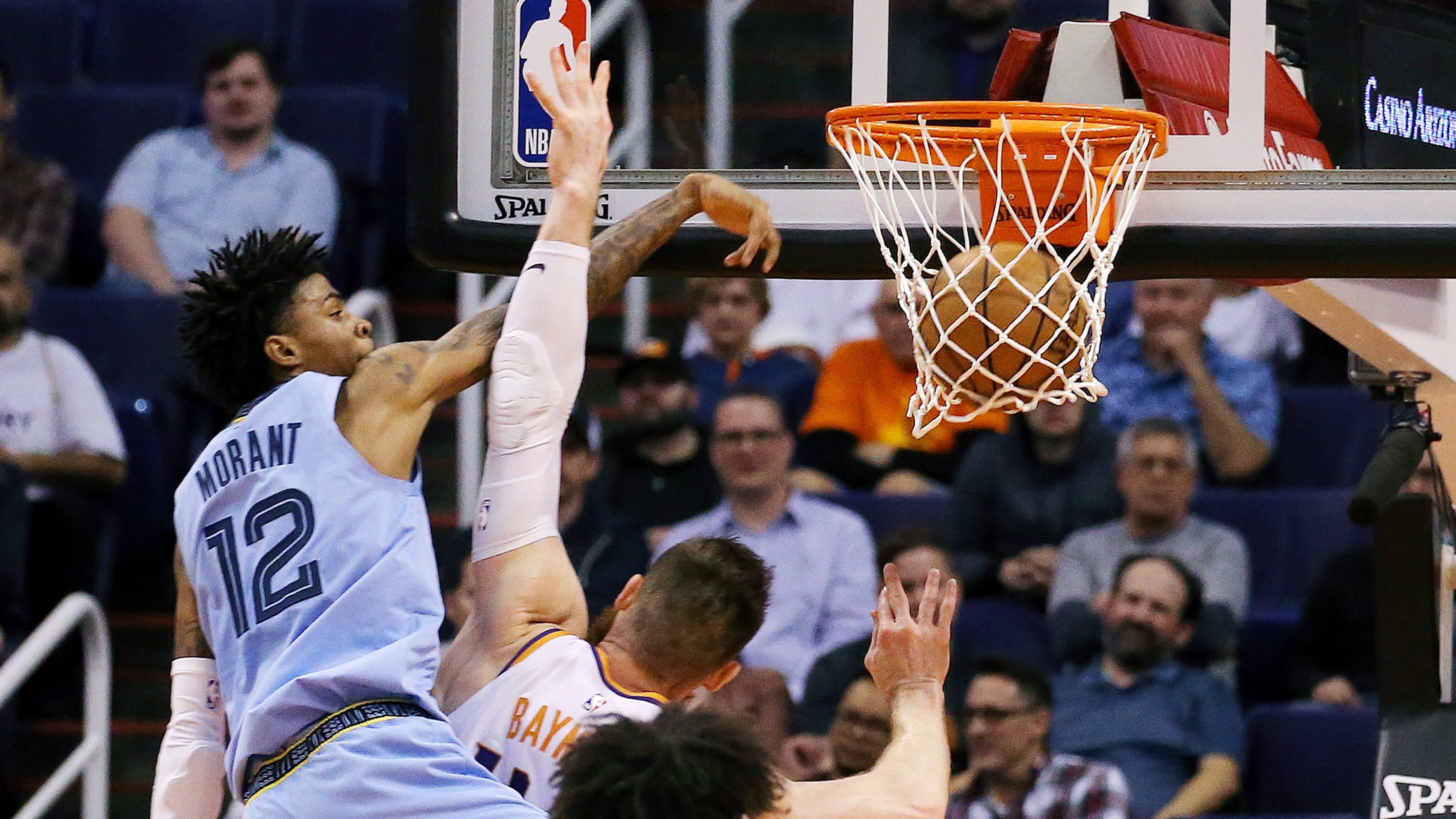
In a league of professional high-flyers, it seems odd to include this category. But, after Ja Morant nearly jumped over Kevin Love on a dunk attempt in December 2019, there is no question that the likely Rookie of the Year is an athletic phenom, not to mention a rising star for the Memphis Grizzlies. Morant currently leads his team in both points and assists, which has surprisingly helped the Grizzlies plant themselves in the eighth seed of a competitive Western Conference. Once the season is resumed, however, Morant will have to remain dominant, as Zion Williamson and the New Orleans Pelicans, as well as Damian Lillard and the Portland Trailblazers, are following closely behind in the standings.


covid-19 illustration
Editorial, Opinion

Keep your distance: students must respect social distancing


Over the last week, the spread of COVID-19 has drastically altered the lives of the McGill community. As we enter the second week of the university’s comprehensive shutdown, the McGill administration has consistently communicated about how to slow the disease’s spread. In addition to cancelling all in-person instruction for the remainder of the semester to reduce personal contact, the university has also emphasized practicing social distancing. Social distancing involves staying in one’s home as much as possible, refraining from interacting unnecessarily with other people, and maintaining a significant physical distance when interaction is necessary. While many students and members of the community seem to be willing to practice social distancing, even if it means not seeing close friends during a particularly stressful period, some young people in North America are taking health professionals’ warnings less seriously. Members of the McGill community, especially students, have a moral responsibility to engage in social distancing, not only to protect the health of themselves and those immediately around them, but also in order to avoid contributing to an unprecedented global health crisis. 

Some young people view the more extreme preventive measures taken by governments and communities as alarmist, and believe that the coronavirus should be treated as more of a temporary concern than a serious threat. This is largely due to the fact that young people, while just as likely to contract the disease, are less likely to experience serious health consequences as a result of infection. However, the effects of COVID-19 on younger individuals’ health should not be underestimated. New Center for Disease Control data shows that 40 per cent of individuals who were sick enough to be hospitalized for Coronavirus in the US are aged 20-54. Further, nonchalant attitudes toward social distancing misunderstand its purpose. The aim of such precautions is to “flatten the curve” of the disease’s spread. This phrase refers to taking precautions that slow the spread of the disease in order to avoid an unmanageable peak of affected individuals, which would overwhelm healthcare systems. The fewer individuals who become sick, the less strain there is on hospitals and clinics everywhere, allowing for doctors, nurses, and other healthcare professionals to treat those who are sick effectively and efficiently. 

Despite world governments’ precautions, , the coronavirus has continued to spread exponentially. The high rate of infection, combined with the fact that individuals can carry the disease without presenting symptoms, means that it is extremely easy to pass the disease to dozens or even hundreds of people without knowing it. Social distancing not only prevents the disease from becoming more widespread and overwhelming the healthcare infrastructure, but also prevents oneself from being the link between someone who would survive the coronavirus and a potentially immunocompromised person who may not. Thus, the moral responsibility to engage in social distancing is twofold: It is required to counter the Coronavirus as a public health and social welfare issue, but also to safeguard those specific individuals who are particularly vulnerable to the virus.

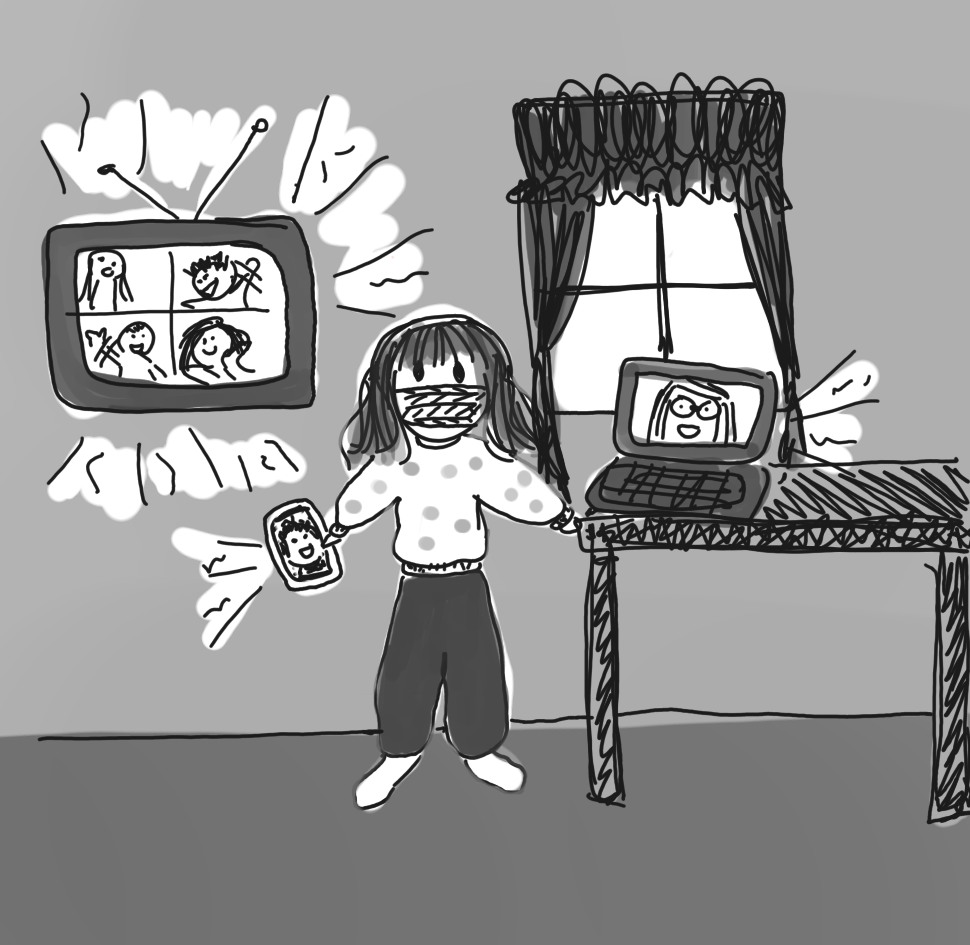
Social distancing is not an easy thing to do. Self-isolation and quarantine can have serious effects on one’s mental health; however, mental health should not be used as an excuse for putting the physical health of oneself or others at risk. During this time, it can be helpful to combat monotony with daily structure. Planning specific times during the day to eat, engage in mindful activities, and exercise, can help fend off depressive cycles. Further, technology provides a variety of ways to engage with others across physical distance, whether by videochat, FaceTime, messaging, or gaming. This is a crucial time to reach out to friends and family, to indulge in existing networks of support, and offer support to others even if that means doing so virtually or over the phone. 

Finally, if you live in an apartment with roommates, from whom it is impossible to practice real social distancing, spending time with those already around you can be invaluable. Alternatively, if you have a roommate who is taking the Coronavirus less seriously and refusing to practice social distancing, thereby putting the health of others and yourself at risk, make sure that they understand the ramifications of their actions. Social distancing is about true collective action, and it can only be fully effective if everyone in the McGill community decides to take part. As the situation continues to evolve, it is crucial that we act in ways which are cooperative, smart, and compassionate. Effectively practicing social distancing demands that we do all three.

If you or someone you know is experiencing challenges with mental health, you can visit free online resources like 7cups.com where you can speak to someone trained in active listening. In addition, a mutual aid form has been organized by McGill students where you can request groceries, medicine, or other resources you may be unable to obtain while self-isolating.

Student Life

HIIT it off at home

With the coronavirus pandemic leaving many stuck at home, the last thing on some students’ minds is exercise. However, according to Medline, taking a quick break from sitting at your desk all day can help improve your mood and get you out of your bed.

One way to stay fit under quarantine is high-intensity interval training (HIIT). This type of training consists of exercises performed at high levels of effort in quick succession with little rest in between. The objective of HIIT is to keep workouts short and to the point, so these sessions only last between five to eight minutes for beginners. 

Below are some exercises commonly found in HIIT and have been sourced from Jeff Cavalier, founder of the fitness channel ATHLEAN-X. Each exercise requires perfect form and constant repetition for 40 seconds. Between each exercise is 20 seconds of rest. For those starting out in HIIT, a recommended regimen is intervals of squats, burpees, mountain climbers, planks and push-ups, all in that order. If you’re looking for a more intensive form of exercise, a sequence of one-and-a-half bottomed-out squats, burpees with push ups, leg raises, bicycle crunches, and push-ups is recommended.

Recommended exercises to include in HIIT:

Squats 

Stand with your feet spread a little bit wider than the width of your shoulders. Put your arms straight away from your face; it should look as if you are pushing an object. Then, bring your body down and bend your knees until they are at around 90 degrees, ensuring that your back is as straight as possible. Hold for two to three seconds in this position and come back up to the starting position.

Burpees 

Start standing. Then, quickly bend down and put both hands on the ground. Jump back to a standing position then return quickly into a crouched position. Repeat until the 40 second interval ends.

Mountain climbers

On the ground, put both hands on the ground and lift your body until it is at a 45 degree angle with the floor. Lift one foot and bring your knee to your elbow on the same side. Keep repeating this on both sides, one after another.

Plank

Lay parallel with the ground, face-down, supporting your body with your toes and your forearms, to form a straight line. Clench your abdominal muscles, as hard as you can. Make sure your back is straight and that your butt is not sticking out too much.

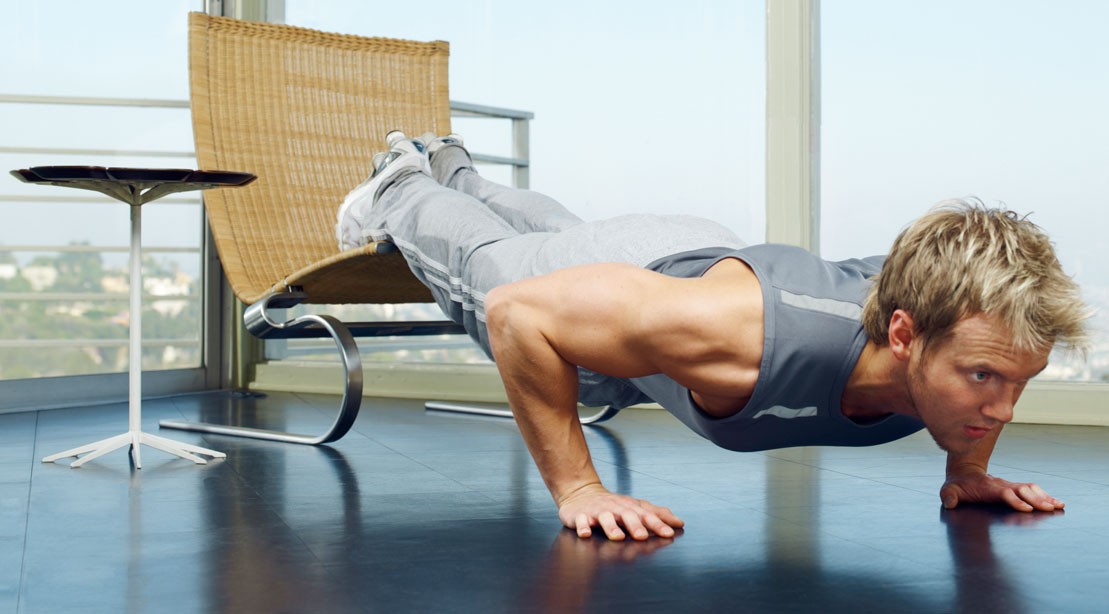
Push ups 

Balance your body on the ground on all four limbs with your palms flat on the ground. Lower your body by decreasing the angle of your elbows, making sure to use your chest and triceps. Once you feel your nose almost touching the ground, push back to the starting position.

One-and-a-half bottomed-out squats 

Squat all the way down with your feet flat on the ground. Come up halfway and do a regular squat. Hold this pose for two to three seconds before returning to the starting position.

Burpees with push ups

This is a regular burpee with a few modifications. When you are in the crouched position on the ground, move into a plank formation then do a push up before jumping your legs back into crouching position.

Leg raises

Lie down on the ground with your back flat at all times. Raise your legs to a little less than 90 degrees above the ground.

Bicycle crunch

Lie down on the ground, face-up, with your legs bent so that your knees are pointed towards your face, making sure your back stays flat. Put your hands behind your head and bend your torso upwards. While extending the left leg, roll the right one back with your knees towards your left elbow and make the two touch. Repeat the same movement for the right leg and left elbow.


Off the Board, Opinion

Identifying as an artist

While I served drinks for a show opening at my sister’s gallery, a guest asked me if I, too, was an artist, as my sister and her partner are. Caught off guard by this question, I was unsure how to respond—I have never thought of myself as an artist nor identified as one, yet I wondered, what am I if not an artist? 

Having had the fortune to hold many different titles during my youth, I never felt attached to one single identity: I was not an athlete, I was not a musician, and I was not an artist. I was a collection of all these things; pieces mixed together to create someone with a layered self.

Further exploring these passions, the uniting thread of my existence became apparent: Music, in all its forms. Through playing various instruments, curating playlists, and spending every waking hour listening to as much as possible, my life is bound by the rhythms and poetry found in the music I consume and create. Some of my closest friendships came through being in a band. These friends encouraged me to ceaselessly push myself as an artist and unconsciously continue to inspire me from their new lives across the world, from the military in South Korea and at university in Vancouver. Although on my own I feel mediocre as a musician, the energy I feel from creating with others and supporting the artistic abilities of my friends drives my individual passion.

There are a lot of people who influence me through various art forms—my sister included—but when I think specifically of individuals who, in all their being, are artists, I think of Prince and Yoko Ono. 

For Prince, music was a way of living rather than something to do. He made a home for himself at his Paisley Park palace with everything he needed: A space to record, film, perform, host, and constantly create. His identity was not singular and often controversial— taking form in his name change to the Love Symbol—but the freedom from fighting to make everything he dreamed has transcended these connotations.

For Ono, her life encapsulates art through performance, instructions, film, sculpture, music, and a lot of nonsense. She unapologetically creates from her heart and her mind, out of love and peace. By many, she is known not for her art but for her marriage to John Lennon,with whom she collaborated extensively, yet on her own she has created a life of work which is unparalleled. Particularly, her contributions to the equally misunderstood Fluxus anti-art movement in the ‘60s that illustrate and speak for her artistic vocation. Some of her most formative and influential works of this period are her instruction pieces, primarily collected in her book Grapefruit. From the first time I read her pieces in the copy my sister passed on to me, the way I observed the world shifted. Ono’s mind is unconventional and compelling, and everytime I feel lost or unsure of myself, I turn back to her words. She reminds me to appreciate the Earth, to not be too serious, and to dream.

My sister told me that, to her, an artist is somebody who creates something every day. For me, I am an artist in the way that I think. Through writing, observing, photographing, skateboarding, and making music, I consciously strive to create. I make an effort to record my thoughts and ideas as often as possible in my journal, phone notes, and recently, on my typewriter. I attached my point and shoot camera to my apartment key as an effort to mindfully turn my observations into film photographs every time I leave my home. Everybody can choose to create in their own ways, whether that decision is deliberate or not. Everybody can choose to be an artist. To be an artist is to manifest dreams.

Still, I personally find the title of ‘artist’ daunting. After pausing to think about this stranger’s perplexing question, I simply laughed and said I wasn’t sure exactly what I was, and continued to pour his glass of wine. 

Research Briefs, Science & Technology

Smoothing the road of glucose highs and lows

Though diabetes was officially discovered in 1899, records of diabetes-like symptoms, such as excessive thirst and urination, go back 3,000 years to ancient Egypt. Diabetes mellitus, or simply diabetes, is a group of metabolic disorders characterized by high blood sugar for a prolonged period of time as a result of the body’s inability to produce insulin. 

With the introduction of insulin pumps in the 1970s, diabetes patients found it easier to regulate their glucose levels, although the task remains tedious to this day. Now, a group of researchers at McGill have developed an artificial pancreas system that uses an algorithm to monitor the amount of glucose inside of it and adjust accordingly.

Type 1 diabetes is an autoimmune disease in which the person’s own immune cells destroy the beta cells in the pancreas responsible for the production of insulin, a hormone key for regulating the body’s glucose levels. Insulin ensures that glucose, a simple form of sugar, can enter cells and participate in the energy production process. When the body has enough energy, the remaining glucose is converted into glycogen, a different type of sugar, and stored in the liver for later use.

Emilie Palisaitis, a clinical research manager at McGill’s Artificial Pancreas Lab, explained that traditional insulin pumps aim to mimic a healthy pancreas. 

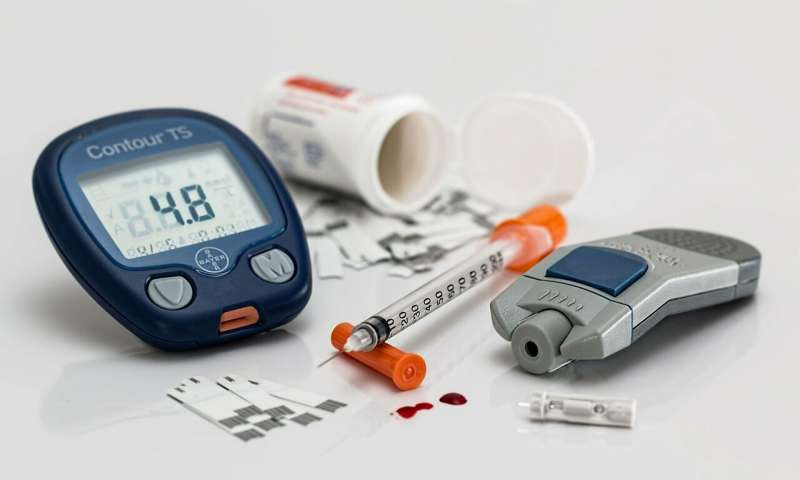
“An insulin pump includes an insulin reservoir, a delivery motor [that] is linked to a control mechanism, and a subcutaneous insulin infusion set […] inserted to the patient’s thigh, abdominal area, lower back, or to the back of the arm,” Palisaitis wrote in an email to The McGill Tribune. “This delivers insulin throughout the day.”

By monitoring glucose levels every five to 10 minutes, individuals with a glucose pump are alerted of glucose peaks and spikes. However, the amount of insulin is determined by the user, and most patients with insulin pumps hit the target glucose range less than half of the time.  The artificial pancreas system increases the time spent in the target glucose range by controlling insulin delivery based on real-time glucose levels.

“The artificial pancreas, also known as closed-loop insulin delivery, automates insulin delivery based on real time glucose values,” Palisaitis wrote. “It is [composed] of three components […] an insulin pump, a continuous glucose monitor, and a control algorithm that modulates insulin delivery based on glucose levels.”

By continuously monitoring glucose levels, this artificial organ uses a control algorithm to read glucose levels in the body, analyze them, and manipulate insulin infusion,  emulating the feedback response from a healthy pancreas.

Currently, people with type 1 diabetes must track their carbohydrate intake and let their monitoring systems know when they are eating. This can be difficult for a number of reasons, particularly the inaccuracy of estimating carb intake and the inconvenience of constantly monitoring eating habits. Thus, the next step for the Artificial Pancreas Lab is to create a fully automated artificial pancreas. 

To improve upon their initial design, the Artificial Pancreas Lab  hopes to infuse insulin with pramlintide, the synthetic analog drug to amylin. Amylin is a regulating hormone that is responsible for inhibiting glucagon secretion after mealtimes and slowing stomach emptying. Glucagon is a peptide hormone that causes the liver to convert stored glycogen into glucose and release it into the bloodstream. Patients with type 1 diabetes do not produce amylin and therefore experience a mismatch with peak insulin secretion and glucose absorption into the blood. Palisaitis explained that the reason for infusing insulin with amylin is to slow the absorption of carbohydrates and allow it to better match up with insulin secretion.

“We have developed a novel dual-hormone artificial pancreas that does not require carbohydrate counting or announcing meals to the system,” Palisaitis wrote. “Meals would be automatically detected, and pramlintide and insulin would be infused after meal detection to control blood glucose levels.”

Currently, the lab is finishing an inpatient trial, where participants undergo 24 hours of insulin-pramlintide delivery with no carb counting and no meal announcements, as is traditional with current insulin pumps. 

“Our results look very promising, and we are moving onto a three-week, free-living, outpatient study to study the fully automated system in real world scenarios,” Palisaitis wrote.

Baseball, Basketball, Hockey, Soccer, Sports

The best sports to play indoors

Sports fans everywhere are suddenly unable to watch their favourite teams or even go to the court and play with friends due to the spread of COVID-19. While confinement to one’s home makes it difficult to maintain an active lifestyle, it is not impossible. To help individuals practicing social distancing enjoy the full potential of their own home, The McGill Tribune compiled a list of the best sports to play indoors. 


Hallway Hockey

Hockey, Canada’s national pastime, is well-suited to the indoor arena. All one needs is a tennis ball and hockey sticks (preferably the miniature kind). While you can play anywhere in the house, a hallway is often the most convenient space, offering both the longest arena and the fewest breakable objects. The hallway’s width can serve as goalposts, so you have a built-in net to shoot on. Get your roommates together and let the games begin!

If hockey is not your game of choice, there are several other sports that can be played in this space: Baseball, tennis, and bowling can all use the same tennis ball, while bats and pins can be fashioned from any number of household items, like brooms and wine bottles. 

Mini-Hoop Basketball

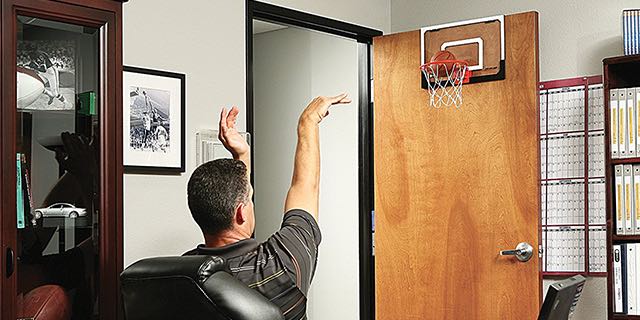
Indoor basketball is a fantastic way to work up a sweat regardless of your apartment’s square-footage. All you need is a mini-hoop to hang from a doorway or on the wall and a small ball, both of which should be available at a nearby dollar store. There are numerous games you can play with this setup. The most physically exhausting is a dunk contest, which involves jumping repeatedly to mimic the 360 and through-the-legs moves of the NBA’s highest flyers. Another great game is HORSE, which entails shooting, dunks, and making trick shots to try to make your opponent miss. Lastly, if a mini-hoop is not an option or you are worried about your neighbours filing a noise complaint, you can always ball up your socks and use a clothes hamper as a hoop to get some shooting practice in. 

Marble Racing

Indoor marble racing is the perfect sport for fans of NASCAR, track and field, horse racing, or any other time-trial contest. All you need is a marble or some other small spherical object, and the rest is up to your imagination. Use whatever objects are lying around your house, as well as stairs and countertops, to construct epic tracks for your marble to race along. You can compare tracks to see which is the fastest, the longest, or even the Rube Goldberg–esque.

Floorboard Curling 

Floorboard curling is a game of precision, rather than speed. The goal of floorboard curling is to give your stone just the right push to land on a specific marking point on the floor. Any household object can be used as the stone, with different objects providing varying degrees of difficulty. Your opponents will then shoot their stones in an effort to knock previous throws out of position. Alternatively, this game can be altered to focus on getting various objects to slide as far as possible. 

Darts

The only activity on this list that was originally designed to be played indoors, darts is the perfect sport to play while in social isolation. All you need is a cheap dart board, which can be ordered online to minimize your contact with others. Place a piece of tape on the ground to mark your throwing line, and you are all set to go. You can work on your own dart throwing skills, play friendly competitions, or even try to develop some trick shots. Whatever you do, the next time you are allowed to visit a bar, you will be sure to have a new set of skills to show off.

Album Reviews, Arts & Entertainment

The unconvincing hedonism of The Weeknd’s “After Hours”

In his latest album, After Hours, The Weeknd appears as a 1970s synth-pop star overcome by his own dark side. He casts himself as the victim of his own fame—ashamed of his wickedness, but too far gone to change—and the ensuing identity crisis reverberates throughout the album. No matter how forced it becomes, The Weeknd is desperate to convince listeners that he remains the contemptible, womanizing, intoxicated anti-hero that first captivated fans of his 2012 Trilogy.

The enthusiasm with which After Hours commits to its pop-star nightmare vibe is admirable, and there are moments when it is contagious. “Blinding Lights” and “Scared to Live” are  two of several spine-tingling intersections between sumptuous production and eerily perfect vocals. The album’s peak is “Faith,” which climaxes in The Weeknd’s best lyrical moment of the album: “but if I O.D. / I want you to O.D. right beside / I want you to follow right behind.” This is the Weeknd at his most extreme; equal parts superstar and suicidal, teetering between exaltation and self-loathing, and entirely indifferent to the personal destruction he leaves in his wake.

The album’s highlights, however, are eclipsed by lows, particularly lyrical ones, bound to leave listeners wincing. “Hardest to Love” is a little more than a half-baked preamble to “Scared to Live,” and “Save Your Tears” is so generic that it could conceivably have been intended for any of Max Martin’s clients. “Escape From L.A.” is the worst offender, responsible for such lapses as “She pulled up to the studio / Nobody’s watching / She closed the door and then she locked it / For me, for me / We had sex in the studio.” Despite its triumphant production, After Hours’s lyricism is amusing at best (“Futuristic sex give her Phillip K. Dick”) and downright cringeworthy at worst.

The Weeknd’s inability to match sonic form with lyrical content on After Hours is suggestive of his more damning problem: His inability to convince anyone that he truly is the wretched, guilt-ridden virtuoso that After Hours claims he is. The self-loathing rings hollow, the regret feels contrived, and next to the wicked splendour of Trilogy, After Hours is as empty as the celebrity lifestyle it is meant to denounce. For all its pretensions, maybe After Hours is just a really well-produced break-up album about Bella Hadid.

Star Rating: ★★★★★☆☆☆☆☆

Arts & Entertainment, Film and TV

Pop rhetoric: Reconciling the remake and reboot

Leave it to Hollywood to monetize the concept of history repeating itself. Film remakes and reboots are here to stay, whether you like it or not. They are profitable, and studios will continue to make them until they no longer make money. To dismiss remakes as formulaic money-grabs that have no place in the worldwide filmography is naive, however, as there is a great deal of creativity that can be gleaned from recreating another’s work. 

The language of the remake is often misleading and confusing, which can work against the audience if employed the wrong way. The lines are beginning to blur: What differentiates a remake from a reboot? What does Spike Lee mean by “reinterpretation” in the 2013 version of Oldboy (2013)? What the heck is a ‘soft reboot?’ Often, a reuse of the original title or adding an errant “the” indicates a reboot or a soft reboot, as is the case with The Batman (2021), The Predator (2018), and Ghostbusters (2016), but this is confused by Star Trek (2009) and Halloween (2017), films that could more accurately be called pseudo-sequels. To make matters worse, remakes often use the same naming convention: Robocop (2014), Hellboy (2019), and The Mummy (2017) all have little to do with the plot and characters of their predecessors, yet share the same title. The audience has to do their own research to figure out the connection, or lack thereof, thus putting the onus on the audience to find out whether they should even be interested at all.

What damns the upsetting majority of remakes is their glaring creative bankruptcy. Spike Lee’s Oldboy is a reinterpretation in the same way Zack Snyder’s Watchmen (2006) is an adaptation: They never show an understanding of their source material. Disney’s live action remakes of their own films are perhaps the most egregious examples, banking exclusively on nostalgia rather than any semblance of creative validity. Critics are finally waking up to this with the lukewarm reception to The Lion King (2019) and Aladdin (2019), but those movies each made over a billion dollars, so rest assured, Disney likely will not stop. 

The reboot, as opposed to a remake, is a concept that allows for more creative endeavours. Yet, there are far too many examples of lazy rehashings, rather than innovations: Tomb Raider (2018) is both a reboot of a film series and a remake of a video game, and it botches both in gloriously tedious fashion. 

As much as many would love to hate the entire idea of the remakes and reboots, some films provide a convincing argument that there is a specific place for them in the landscape of modern cinema. Luca Guadanigno’s Suspiria (2018) takes the basic concept of the 1977 Dario Argento arthouse horror film of the same name and weaves an entirely new and beautifully disturbed vision, Guadanigno making his own mark on the property without ever leaning on his inspiration for anything more than an initial spark. A remake requires that the filmmaker both entirely understands their source material and knows that they too are crucial to the process; a remake should become as much a creation of the new filmmaker as it is an homage to the old. There are a scant few modern examples of the ideal remake, and yet movie fans hold out hope that more films like Suspiria or The Departed (2006) (Scorsese’s remake of the 2002 Hong Kong film Infernal Affairs) can impress. Even some not-so-great films can still fit the criteria: The Invisible Man (2020) puts an interesting spin on a classic tale that clearly shows a new, modern vision on the part of the filmmaker, but it fails to be a particularly thrilling thriller. It is certainly a step in the right direction, at the very least. 

The integrity of the remake is hanging by a thread, but it is not condemned yet. As long as they churn out a profit, remakes will be made, and thus these should be viewed as an opportunity, rather than a sign of the end times. People will see remakes no matter what, so why not make them watchable?

Commentary, Opinion

Reinforcing Bill 101 is Discrimination 101

A reinvigorated Bill 101 looms over Quebec, and if it descends, it could impede demographic reconciliation in the province. Enacted in 1977, the bill established French as the official language of Quebec, forcing government agencies, many businesses, and other institutions to conduct operations in French. While the bill is longstanding in Quebec, anglophones have not historically feared the bill because many of its stipulations have not been strictly enforced. However, anglophones may have reason to fear it again, because Premier François Legault announced on Nov. 5 that his Coalition Avenir Québec (CAQ) government would reinforce the bill. McGill students, in particular, should heed these developments, because they could be threatened by the policy. Although Quebec’s French history and culture should absolutely be preserved, Bill 101 has not been and still should not be fully enforced, because it disregards Quebec’s multicultural reality.

Quebec is not a cultural blank slate. In fact, cultural diversity is inherent to Quebec’s history. Additionally, Quebec has long been a land of hope and sanctuary for the marginalized; including Black Americans using the Underground Railroad to escape slavery, Jewish people escaping pogroms, and most recently, those fleeing political upheaval in the Middle East. Moreover, while relations between anglophones and francophones remain contentious, they have improved overall since the 1970 October Crisis. Francophone Quebecers were once forced to assimilate into English society if they wanted to access economic and political opportunities, but cultural pluralism has nevertheless become a foundational pillar of Quebec society. Reinforcing Bill 101 is a betrayal of this principle as it would disproportionately affect already struggling immigrants who do not speak French. Enforcing cultural homogeneity would not only antagonize minority groups that Quebec has historically protected, it would also put a roadblock in the way of improving cultural relations in Quebec. As the world confronts crises like the COVID-19 pandemic and climate change, reconciling cultural differences is more urgent than ever, because tackling these challenges requires unity and mutual support between all sectors of society.

Reinforcing Bill 101 would also be logistically impracticable. Throughout the 1980s and ‘90s, portions of the bill were challenged in court as violations of the Canadian Charter of Rights and Freedoms. While Legault has claimed that only “historic anglophones” defined by the bill would receive government communications in English, the legal obstructions to this action render Legault’s claim false. Besides which, if the original purpose of the bill was to alleviate a French-language crisis in Quebec, it has already succeeded. According to economists, Quebecers’ proficiency in the language rose to 94.5 per cent in 2016, up from 88.5 per cent in 1971. Reinforcing Bill 101 could cause an actual crisis for Quebecers who do not speak French, especially if they must receive medical bills and documents in French. Considering that many students at McGill are either Anglophone Quebecers, Canadians from English-speaking provinces, or international students who do not speak French, it is possible that the McGill student body would be hit particularly hard by these measures. Consequently, reinforcing the bill would not only be disastrous for affected students, it could also threaten McGill as an institution. Premier Legault should learn from the failure of René Lévesque, because the economic havoc created by his nationalist Parti Québécois and the premiership of Lucien Bouchard is partly responsible for McGill’s current financial problems, among other economic issues across Quebec. 

Reinforcing Bill 101 is morally objectionable, logistically untenable, and economically inadvisable. Most importantly, Legault’s proposal is indefensible because it would unnecessarily hinder the lives of the CAQ’s English-speaking constituents. Not only that, but it could also negatively impact McGill students, particularly international students, by making it more difficult to live in Quebec without speaking French. Divisive policies like Bill 101 are a disservice to Quebec’s cultural heritage, because they ultimately prevent outsiders from even accessing Quebec, preventing the world from appreciating Quebec’s many idiosyncrasies. By touting Quebec’s multicultural and bilingual history as much as its French history, the CAQ can promote French culture without replicating the draconian policies of past anglophone administrations. McGill students should support protests against Bill 101 in Montreal, but not just because the bill could negatively affect students. McGill is an institution of learning and, armed with the facts, its students have the means to challenge the bill on moral and practical grounds.

Student Life

To do work or not to do work: That is the question when social distancing

As cases of COVID-19 continue to exponentially rise around the world, health professionals are mandating that the global community practice ‘social distancing.’  This term refers to a conscious effort made by individuals to keep a physical distance between one another for the purpose of reducing the spread of an illness and flattening the curve to prevent the overburdening of the healthcare system. As the world descends into this new normal, a common ‘motivational’ anecdote passed around on social media is Shakespeare’s creation of his famous tragedy King Lear while quarantined during an outbreak of the bubonic plague five centuries ago. 

Although the act of social distancing offers a chance to explore one’s inner creativity or grind out schoolwork, it can also be an overwhelming time for many McGill students, as this generation feels more uncertainty than ever in regards to employment and education. The already constant pressure to be productive, along with the stress that comes from health crises and self-isolation, can be particularly damaging to one’s mental health. Therefore, people should also allocate some time in quarantine to relax, recoup, and reevaluate the pace at which they are normally expected to operate. 

While social distancing means spending time away from groups, it does not mean spending all day indoors. For young people today, social media, gyms, and other indoor facilities occupy most of their daily exposure. Walking around Montreal alone or with a roommate can be a great pastime and a simple yet effective way to learn more about yourself and where you live. Additionally, social distancing does not mean completely avoiding your friends or community. Spend a day FaceTiming with an old friend, help your younger sibling with their online homework, or drop off groceries for an elderly neighbour. A day helping someone else, given the proper precautions, is never a day wasted. 

Although one can learn a new craft, paint a masterpiece, or write the next great American novel, enjoying the work of others and enriching your cultural awareness can also be a beneficial use of time. This can include watching Oscar-nominated movies on Netflix, doing 1000-piece puzzles, mastering a complicated recipe, and just dancing around an empty bedroom. Sparking joy doesn’t have to be limited to the organization of one’s closet. People today often believe that there is not enough time in a day to do fun things in life, when in reality, there are plenty of enjoyable and productive activities that can be done in 24 hours, particularly when many of those 24 hours are no longer spent rushing to school or work.  

In the quickly evolving COVID-19 pandemic, many have realized that it is acceptable, and necessary, to slow down once in a while. Employees are now working from home, cancelling meetings, and prioritizing what tasks are truly important. Even large corporations have made drastic changes, cutting back on production and fossil fuel usage, therefore slowing down emissions in the process. With social distancing, patience, and cooperation, we can tackle this global problem as a collective unit, while also potentially adapting our way of life to a slower, simpler, and more enjoyable pace. 

Read the latest issue

Read the latest issue