
Latest News

Research Briefs, Science & Technology

Bacteriophages in the battle against malnourishment

‘You are what you eat’: It is an idiom many have heard in trendy food advertisements or in their grandparents’ kitchen. But, for scientists, this common phrase has been proven in the now extensive body of research known as gut microbiomics. Aiding in digestion, producing certain vitamins, and even assisting with weight loss, the assorted collection of bacteria and viruses that live inside humans known collectively as the ‘gut microbiome’ can be helpful or potentially harmful. A recent study published in Cell Host & Microbe documents a novel link between the gut microbiome and stunted childhood growth. Specifically, researchers examined the presence of bacteriophages, pathogenic viruses that attack and live inside bacteria in the gut, and their prevalence in the stomachs and intestinal tracts of children who have experienced stunted growth. 

While previous studies have focussed primarily on the composition of bacteria and viruses in the gut, Dr. Corinne Maurice, professor in the Department of Microbiology and Immunology at McGill, turned her team’s attention toward bacteriophages, which often go overlooked in analyses of the gut microbiome. By using bacteriophages, also referred to as phages, as a molecular marker for the presence of bacteria in the guts of healthy and stunted children, researchers could compare the development of the gut microbiome across various stages of microbial succession. 

The study found no significant difference in the number of phages in children’s guts. Yet, a metagenomic analysis of the bacteriophage DNA, a process that entails the isolation and identification of certain viral DNA sequences, lead to a breakthrough. 

“We saw that stunted and healthy children had different phage communities,” Maurice said in an interview with The McGill Tribune. “For example, stunted kids had more proteobacteria phages, proteobacteria being those pathogens [that] make us sick, while non-stunted children had phages [that] infect bacteria in older children and adults.” 

For children growing up in countries that lack adequate access to food and medical care, the age at which they become malnourished or develop juvenile infections can make all the difference in their likelihood of becoming stunted. To identify bacteriophages, McGill researchers used fecal samples collected from children in Bangladesh, where rates of malnutrition and stunted development are among the highest in the world.

“Food insecurity and pathogen exposure such as diarrheal infections can lead to stunting,” Maurice said. “This, for example, is what is happening with these children in Bangladesh. These kids, before they turn five years old, may have already had three to five diarrheal infections per year.” 

Under such conditions, children are often given nutritional therapies in the form of vitamins and protein supplements, which work for a short period of time but are ultimately unsuccessful and only lead to a delay in growth. Now, as Maurice explained, the failure of nutritional therapy alone can be more aptly attributed to the gut microbiome, which does not respond as readily to dietary changes in the later years of adolescence.

According to Maurice, the notion that the gut microbiome is in some way linked to delays in childhood development such as stunting is a fairly new idea. 

“Most therapeutic interventions, historically at least, did not consider the gut microbiome because […] we had no knowledge that the gut microbiome played a role,” Maurice said.  

Previously, it was thought that children had up to three years after birth to establish their gut microbiome. In the study, however, McGill researchers identified a shorter window of opportunity, where, if children are able to maintain a healthy diet, the adverse effects of stunting on growth during adolescence may be avoided. 

“What we found looking at the phages was that the time frame of intervention may be different than we initially thought and is closer to between zero and two years of age,” Maurice said. “[…] Our older children, [who] were between 28 [and] 38 months, were not able to easily change their [gut] communities.” 

The emerging field of microbiomics is still a long way away from putting an end to childhood stunting, but the work of Maurice and her team shows that sometimes answers to the most pressing questions can be found in the least explored places.


Research Briefs, Science & Technology

How inattention-hyperactivity affects the brain

A new study published in The Canadian Journal of Psychiatry sheds light on the relationship between brain development and behavioural disorders such as inattention-hyperactivity disorder, a condition similar to Attention Deficit Hyperactivity Disorder (ADHD).

“The term inattention-hyperactivity, as defined in this study, refers to a set of behaviours such as fidgeting and lack of concentration that were rated by regular classroom teachers using a questionnaire,” Guido I. Guberman, lead author of the study and a medical student in McGill’s Department of Neurology and Neurosurgery, wrote in an email to the The McGill Tribune. “Although children with a diagnosis of ADHD will display inattentive and hyperactive behaviours, the children in our study who displayed inattention-hyperactivity did not necessarily have diagnoses of ADHD.”

Guberman and his colleagues were interested in the effect of inattention-hyperactivity on the brain development of young boys. To answer this question, researchers conducted a longitudinal cohort study, making several observations of the same subjects over 28 years. The McGill team began by collecting data on a group of 10-year-old boys through interviews with their teachers. In the following years, they collected data from the cohort’s official health records until they were 34 years old. 

The findings suggest that boys who display inattention-hyperactivity at age 10 are at an increased risk of developing traumatic brain injuries (TBIs), such as concussions and brain contusions, in adolescence and adulthood.

The official definition [of traumatic brain injuries] is a disruption in the normal structure and function of the brain as a result of an external mechanical insult,” Guberman wrote. 

Current knowledge of traumatic brain injuries suggests that they have a wide variety of potential causes, as well as numerous effects on brain health and function. 

“They can vary in severity, on one end being mild [like concussions], and on the other end being fatal,” Guberman wrote. “There are many causes, including falls, motor vehicle accidents, sports accidents, and assaults. Even mild TBIs can have consequences that are lifelong.”

The study also found that boys who experienced a TBI before the age of 10 were more likely to develop TBIs in adolescence but not adulthood. Boys who displayed externalizing behaviours—being antisocial or aggressive towards others rather than internalizing their feelings—before the age of 10 were also more likely to develop TBIs in adulthood only. 

The results of this study are incredibly concerning for children and their parents. Past research has shown that TBIs and attention disorders can have negative impacts on a child’s development. 

Previous studies have found differences in white-matter structure in children with diagnoses of ADHD,” Guberman wrote. “One hypothesis we have is that boys who display inattention-hyperactivity end up engaging in more risk-taking behaviours in adolescence, such as driving fast [or consuming] drugs and alcohol [and] engaging in fights.” 

Unfortunately, few treatments exist for TBIs. Currently, scientists are exploring active physical rehabilitation therapies for sports-related concussions, but the number of treatment options are few. Therefore, prevention of TBIs is key to mitigating the negative consequences of brain injuries later in life. 

“It is important to minimize the risk of TBIs by promoting safe riding strategies (on bicycles and motor vehicles) and by minimizing practices that lead to brain injuries in sports,” Guberman wrote. “Future research [also] needs to explore other ways of reducing the incidence of TBIs by identifying and addressing risk factors.”

Science & Technology

Space rocks offer insights into the history of the universe

Our solar system has existed for roughly 4.5 billion years—a long time, especially given that humans have only walked the Earth for the last 300,000 years. To gain an understanding of the solar system as a whole, scientists often follow clues that offer insights into the history of the universe. Such clues often come in the form of space rocks, which tell us a lot about the origin of our solar system and how it was when it took shape. 

There are three main types of space rocks: Asteroids, comets, and meteoroids. Though the terms are often used interchangeably, the rocks themselves are vastly different.

Asteroids

Much smaller than planets, asteroids are rocky objects that orbit the Sun. They are composed of rocks and metals left over from the formation of the four planets closest to the Sun—referred to as the inner solar system—when a huge cloud of dust and gas collapsed to form the giant star. Unlike most spherical space bodies, asteroids are oddly shaped, with craters and erratic orbits. Ranging from the size of a boulder to hundreds of kilometres in diameter, they inhabit a region between Mars and Jupiter known as the Asteroid Belt, where they are sometimes pulled into Earth’s orbit. Ceres, often called a dwarf planet, is the largest known asteroid in the Asteroid Belt, measuring almost 1,000 kilometres across.

Apart from gaining information on the chemical and physical properties of asteroids, NASA’s missions to study these objects have been essential in detecting the locations of other asteroids and predicting the potential dangers that they pose to Earth.

Comets

Ranging from the size of a house to 10 kilometres in diameter, comets are composed of not only rock and dust, but ice and gas as well. Scientists believe that they originate in the Oort Cloud, a very cold region that surrounds the solar system, and the Kuiper Belt, which lies just beyond Neptune. Comets are believed to be remnants from the formation of the outer planets: Jupiter, Saturn, Uranus, and Neptune. Although they were formed around the same time as asteroids, comets were created in colder regions of space where water could freeze.

Comets orbit around the Sun, but in a more elliptical manner than their asteroid counterparts. When pulled in a closer orbit, the icy nucleus of the comet starts to evaporate, and the ice and gasses boil off and surround the nucleus to form a cloud called a coma. The dust and gas is pushed away from the coma by solar winds to form the tail of the comet, which can reach up to 150 million kilometres long. Each time the comet passes close to the Sun, it loses some of its material. Over time, it will break up and disappear completely. If it intersects Earth’s orbit, the dust and debris left in the comet’s wake will fall into the Earth’s atmosphere, becoming meteoroids.

Meteoroids

Smaller than an asteroid or comet, a meteoroid is a chunk of rock that orbits the Sun and has broken off from a comet or asteroid. When a meteoroid enters Earth’s atmosphere, the friction causes a streak of light and vaporizes the meteoroid to form a meteor, which is also known as a shooting star. Meteor showers describe the phenomenon of several meteoroids burning up in Earth’s atmosphere. If the meteoroid survives its journey through Earth’s atmosphere and lands on the ground, it is termed a meteorite.

According to NASA, while 100 tonnes of tiny dust and sand particles attack Earth every day from outer space, meteorites the size of a football field only hit Earth once every 2,000 years. Every few million years, a space rock large enough to threaten civilization comes along. Scientists estimate that the two-billion-year-old Vredefort crater in South Africa, now 100 kilometres wide, was originally three times that size. 


Large or small, space rocks do not generally pose a threat to humans. Rather, they serve as important tools for scientists to understand our solar system and beyond.

Soccer, Sports

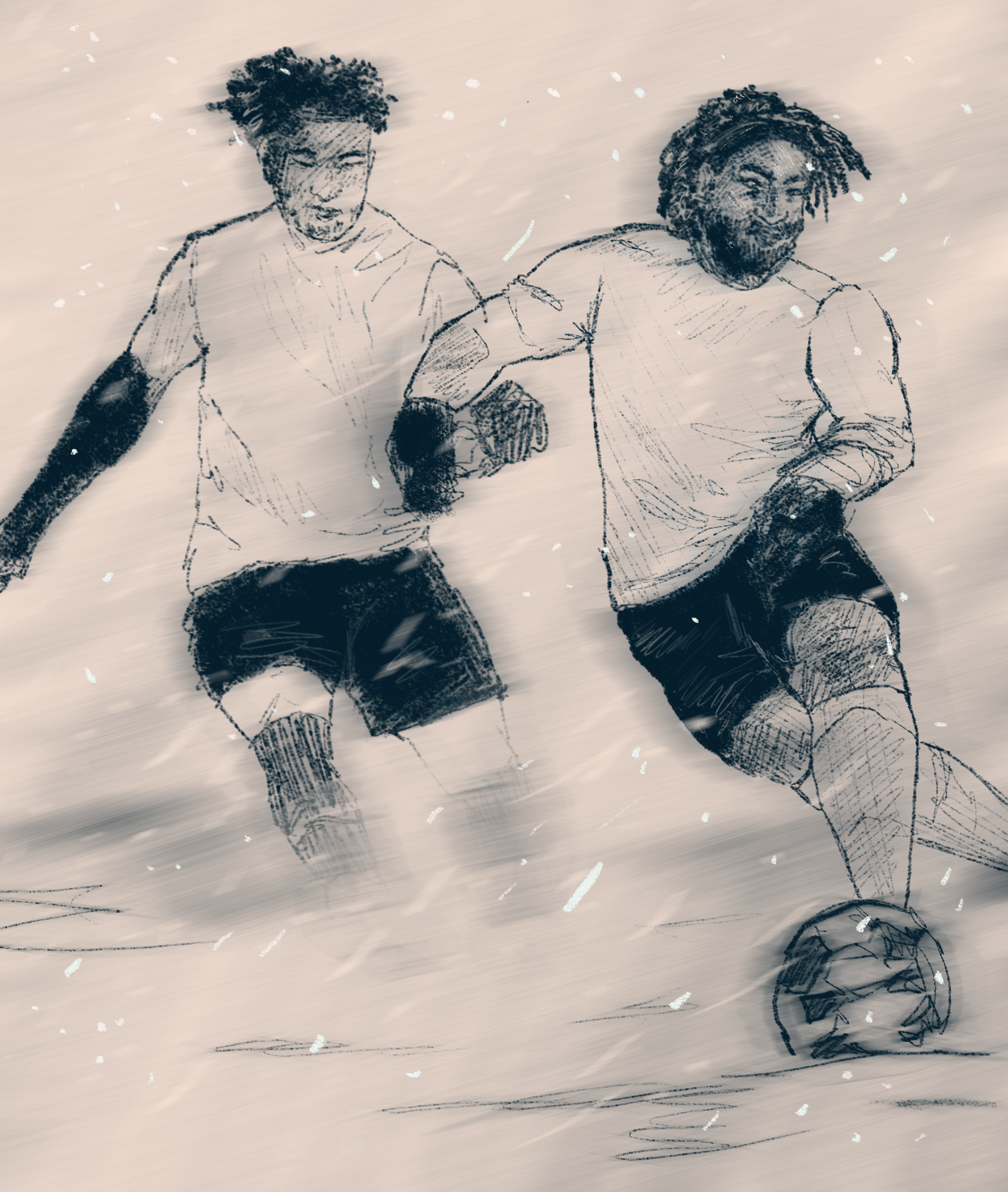
US Soccer board under fire for sexist comments

Court filings in the United States Women’s National soccer team (USWNT)’s lawsuit against the United States Soccer Federation (USSF) have put the federation under intense scrutiny and caused its president, Carlos Cordeiro, to resign on March 12.

“The overall soccer playing ability at the senior men’s national team level is materially influenced by the level of certain physical attributes, such as speed and strength, required for the job,” the filing from USSF read.

The comments, which are clearly sexist, are part of a longer legal battle between the USWNT and USSF. After the USWNT won the FIFA Women’s World Cup in July 2015, USSF brought a legal disagreement to a federal court in February 2016. The federation claimed that a memorandum of understanding could replace a collective bargaining agreement with the USWNT Players Association (USWNTPA), and a federal court ruled in their favour in June 2016. In March 2016, five USWNT players filed an official complaint with the Equal Employment Opportunity Commission (EEOC) under the Equal Pay Act. The USWNTPA signed a new collective bargaining agreement with USSF in 2017, but in February 2019, the five players who had filed the EEOC complaint received a notice of their right to sue USSF for wage discrimination. 

On March 8––International Women’s Day–– 28 players filed a lawsuit against USSF under the Equal Pay Act and Title VII of the Civil Rights Act, alleging gender-based discrimination in favour of their counterparts on the men’s national team. The players seek equal pay, as well as $66 million in backpay. Prior to the trial, scheduled to begin on May 5, each party submitted court filings, those of which submitted by the USSF have received ample and deserved criticism. 

The arguments made by the USSF in their filings have received widespread criticism on social media for their claims that the women have a lesser ability to play soccer because of physical attributes such as speed and strength. This argument represents an incredibly essentialist view of sex and gender that inherently enforces an already pervasive exclusion of transgender and intersex athletes in sports. South African middle distance runner and two-time Olympic gold medalist Caster Semenya was recently barred from participating in the 800 metre unless she took hormone suppressant medication to lower her testosterone levels, a decision since struck down by a Swiss Court. Nevertheless, and even though these decisions are being made in different sports and by different governing bodies, they demonstrate the widespread culture of sexism and transphobia that exists in athletics. Women are told that they are not as good as men because they lack certain physical traits, and therefore they deserve to be paid less. And when they do possess those traits, they are told that they cannot compete. 

USSF also argued that women’s soccer at the international level is less developed, making for a more shallow competition pool relative to the men’s game. Assuming that this is true, this assertion ignores the fact that women’s soccer was purposefully underdeveloped and stalled for the majority of the 20th century. Many players who represent their countries at international competitions are still forced to work other jobs to make a living, creating an environment where they cannot train full-time and develop to their full potential as athletes. The only way to create a deeper competition pool is to pay women’s teams fair wages and provide the necessary resources for the development of the game. The USSF has an opportunity to lead by example, but they are choosing instead to continue enforcing wage discrimination policies. 

On March 11, Cordeiro issued an apology, which expressed remorse regarding statements made in the court filings and has since stepped down from his position. This apology only came after a public statement was released by USSF’s largest corporate sponsor, Coca-Cola, condemning the statements and suggesting that motivations behind the apology remain insincere. 

The USSF intended to absolve themselves of blame for not offering equal pay to their women’s team with these court filings; however, all these statements did was highlight widespread problems that exist within USSF and across governing bodies in sports. 

Off the Board, Opinion

The top of the photo chain

With my hands trembling and heart pounding, I locked eyes with a large, female raccoon. My hands clutched my camera as I slowly worked up the courage to snap a picture. I was too close; the raccoon hissed at the sound of the shutter, and I ran into my house convinced that she might be chasing me. This less-than-ideal moment resulted in an image that transformed an annoyed raccoon into a calm, majestic creature slinking across a branch. Suddenly, I was hooked on the power of photography.

This encounter took place when I was 13-years-old, and since then, I have learned a lot about wildlife photography, including how to maintain a respectful distance from my subjects. With varying degrees of skill, I have photographed just about every creature I could find, from ants in my backyard to bears in Banff National Park. What photography has taught me, above all, is that all animals are worthy of a close-up.

I have yet to come across an animal that I do not consider beautiful, as my camera has revealed to me the subtle beauty in all creatures. Grasshoppers and spiders invite the gaze into the tiny, intricate world of twigs and leaves. Toads in swampy waters appear as relaxed and thoughtful creatures bathing in a serene sea. Snakes reveal their skin shielded with scales and their gem-like eyes.

Though these animals each present such unique beauty, some of them are often considered gross, creepy, or a nuisance. When considering the magnificence of the animal kingdom, reptiles, insects, and arachnids are not likely to come to mind. A recent study sought to find which animals people in Western countries consider the most charismatic. Large mammals such as lions, tigers, and elephants dominated the list, and the adjectives like ‘impressive’ and ‘beautiful’ were most often attributed to these popular animals.

This preference for ‘charismatic megafauna’ is present in conservationism as well, with the animals that are considered the most adorable, like koalas and panda bears, tending to receive the most funding and extensive research, while other animals like reptiles and amphibians are often left forgotten. While big mammals may hold great importance, there are plenty of other smaller creatures that hold equal, or greater, ecological value, even if they are not always thought to be as photogenic. For instance, insects like wasps and spiders are crucial to nutrient cycling, pollination, the maintenance of soil, and controlling or sustaining other animal populations. Nevertheless, animals continue to be subjected to a hierarchy of sympathetic value that translates into monetary valuations of their worth.

Some studies suggest this preference even presents issues for those much-loved large mammals. One study in France showed that the number of tigers people saw in advertising and other media in one year surpassed the amount of actual tigers in all of West Africa. These images can create a false illusion of strength in numbers. This virtual abundance may result in less public appreciation for the dire circumstances these animals are in, even while conservation research and action is underway.

When I started wildlife photography, I found myself succumbing to this hierarchy, and wishing my backyard looked more like a vast savannah crawling with zebras and lions. However, out of my desperation to find wildlife in the suburbs of the West Island, I have gained an appreciation for the undervalued creatures that exist in our everyday lives. Now, I more consciously attempt to counteract this hierarchy with the photos I take, spending as many hours getting the right focus on common wasps in my backyard as stalking bald eagles on nature reserves. The camera allows me to reveal the charisma possessed by under-appreciated species.

The images I create allow me to recognize the beauty and importance of all animals with which I cross paths, and to share these moments with others. All parts of the natural world play a crucial role in the ecosystem and deserve protection, sympathy, and appreciation. By reframing the way we value appearance in the natural world, we can take a moment to appreciate the undervalued wildlife we encounter in our daily lives.

NCAA
Sports

Supporting student athletes through COVID-19

Sporting events around the world have been halted due to the spread of COVID-19. Among North America’s major leagues, the NBA was the first to suspend its season on March 12 when Utah Jazz centre Rudy Gobert tested positive for the virus. Since then, nearly every professional sports league has suspended competitive play in an effort to limit the spread of the virus. The current situation is difficult for fans, athletes, and arena employees alike. Student athletes’ future careers and playing opportunities, however, will also feel the impacts of these disruptions. 

Cancellations of league and playoff competition are adversely affecting student athletes in all spring and many winter sports. The most prominent example among these is the cancellation of March Madness, the annual NCAA Division 1 men’s and women’s basketball tournaments. This is concerning for student athletes who aspire to play professionally following the school year’s end. While certain star athletes have been on scouts’ radars since high school, many depend on the tournament to make a name for themselves. 

This concern is even more acute for spring sport athletesincluding those in baseball, beach volleyball, and tenniswho will likely lose their entire season and potentially an opportunity to play professionally. For both winter and spring sports, these issues may be compounded further by the cancellation of scouting tournaments that provide student athletes with an additional platform to meet with scouts. 

These consequences have been felt by student athletes at McGill, too. The Martlet hockey team was prepared to compete in the National Championships from March 13 to 15, before the tournament was cancelled on March 12. Senior athletes at Canadian universities may be especially vulnerable, as many of them look to European professional leagues to continue their careers. However, as Europe is currently the epicentre of the pandemic, many of McGill’s own athletes may lose opportunities to reach overseas scouts. 

In acknowledging these concerns, the NCAA has announced that all players in spring sports will be granted an extra year of eligibility. While this policy is a step in the right direction, it fails to support winter athletes who are also affected by the pandemic. Moreover, this policy does not address the tremendous opportunity cost student athletes face when being asked to return for an additional season. The financial burdens of being a student athlete are immense, and for many, these costs may prohibit their return to school and competition. As student athletes are unpaid, remaining for another year of eligibility when they had hoped to already be earning money may not be financially viable for many. The long-term consequences of this policy may also prove disastrous because there will be fewer roster spots opening for incoming freshmen, should seniors return for their additional year of eligibility.

U SPORTS in Canada is lagging even further behind, having not yet announced any policies to support student athletes, despite cancelling the hockey and volleyball National Championships. 

Given these concerns, there is a great deal more that both collegiate and professional leagues must do to support student athletes. First among these is to provide financial assistance to student athletes in order to offset the opportunity cost of the lost season. This can be done by adjusting scholarship eligibility to ensure student athletes are supported both now and in the upcoming season.

Furthermore, the NCAA must extend additional eligibility to affected winter athletes, and U SPORTS should follow suit. Professional leagues also need to reschedule scouting events in order to offset the lost league play, which may necessitate professional leagues delaying summertime drafts until later in the year. Lastly, universities should provide more roster spots for freshmen to redshirt in the upcoming year to ensure that the next group of young talent is not indirectly affected. 

The NCAA and U SPORTS made the right decision to cancel league and tournament play in the face of the growing pandemic. However, in the coming weeks and months, both collegiate and professional leagues must take additional steps to ensure that student athletes are adequately supported in continuing their athletic careers. 

Hockey, Martlets, Sports

Martlet Hockey season recap

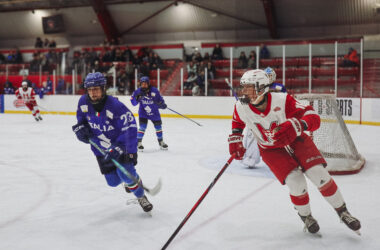
The 2019-20 season was a resounding success for the McGill Women’s Hockey team, as the Martlets clinched their 15th RSEQ championship en-route to a second successive U Sports National Championships qualification. Despite a rocky start to the season, the Martlets’ confidence grew game after game, and they finished their 2019-20 campaign 23–12–0. The team’s success largely came down to the players’ ability to execute on both ends of the ice.  Fourth-year forward Lea Dumais and fourth-year centre Jade Downie-Landry spearheaded a well-oiled Martlet offence that outscored opponents 115–62 on the season. On defence, fourth-year goaltender Tricia Deguire and fourth-year defence Kate Devries each had phenomenal seasons, blocking several of the league’s best offences. Deguire was particularly impressive, finishing the season with league bests in shutouts (5) and goals-against-average (1.67). The four players all ended their campaigns as honourees of the RSEQ first and second All-Star teams. Additionally, captain Emilia Cotter, who also serves as the co-president of the McGill Varsity Council, was awarded with the league’s Leadership & Community Service Award for her excellent work ethic and guidance on and off the ice. 

The Martlet’s came into the 2019-20 campaign looking to right the wrongs of two prior heart-breaking finals losses against the Université de Montréal (UdeM) Carabins and the Guelph University Gryphons in last year’s RSEQ and U Sport postseasons, respectively. Things did not go exactly as planned, however, when the team suffered a 2–1 OT defeat in their very first game of the season against arch-rivals Concordia Stingers. The struggles continued as the Martlets dropped two more games to the Stingers, finishing the fall semester with an overall record of 460. 

Once play resumed in January, McGill faced-off against a familiar foe in the form of the Carabins in what would be their third of seven meetings this season. The game was a spectacle from start to finish: With an inspired performance, the team overcame a two goal deficit to push the game into double overtime where third-year forward Kellyane Lecours scored to secure a decisive, season-altering victory. The return to form helped McGill go 730 for the remainder of the season, securing a second place finish behind division leaders Concordia. Martlet Head Coach Peter Smith was full of praise for the explosive Lecours. 

“Kellyane had a very challenging academic course-load in the first semester, and I think that it affected her play,” Smith said in an interview with McGill Athletics. “But she trained hard over the holiday break and [was] ready to go. She looked really good out there.” 

McGill’s playoff opener positioned the team as favourites against the Ottawa Gee-Gees. The Martlets did not disappoint, making quick work of their opponents to clinch the series in two games and set up a grudge match against the UdeM Carabins, last year’s RSEQ champions. The first game of the series was dominated by Downie-Landry, with the playoff point-leader netting a scintillating hattrick to rout the Carabins 42. Victory in their sights, the Martlets came out roaring in the second game of the series, scoring four more goals to firmly establish their status as Quebec’s best. The goals came from third-year forward Stephanie Desjardins, Lecours, Downie-Landry, and, in what would be her final game for the team, captain Emilia Cotter. 

The Martlets unfortunately were unable to take their six game winning streak to the U Sports Nationals because the tournament was cancelled amidst developing concerns surrounding the coronavirus pandemic. Despite the early end to their season, Smith expressed great pleasure at the season’s outcome. 

“The Martlets hockey program is a process from start to finish, and you can’t evaluate our team after a slow start from September to October,” Smith said. “You need to evaluate us for the progress we make over the course of the year. We have such a hard-working group and now that we’ve gotten to this time of year, our hard work is paying off. I’m happy for the players, they’ve played well, worked hard and won the RSEQ championship.”

Arts & Entertainment, Internet

The vloggers of McGill University

Since the dawn of YouTube in 2006, viewers have seen mankind at its best and its worst; our most epic moments and our cringiest compilations archived indefinitely for all to see. The medium of the vlog—a portmanteau of ‘video blog’—is relatively new, but has had a large influence on internet culture. Within the category exists the college vlog subgenre, and within that subgenre is the McGill vlog. Current upper-year students might remember searching for dorm tour videos as a rising freshman and, instead, finding residence hall lip-sync challenges from 2012. Today, a similar YouTube search yields hundreds of results from current students covering campus tours, residence reviews, personal vlogs, and Q&As for new students. Vlogs are proving to be one of the most useful resources for prospective students looking for realistic, up-to-date advice about the university experience. Although the niche is small, McGill’s vloggers demonstrate the importance of authenticity and connectivity in the age of online videos.

Alena Russell, U1 Arts, started her channel under the pseudonym Alena McKenzie in her last year of high school, initially as a makeup channel and later transitioning to more of a lifestyle channel after she saw a lack of quality content available for prospective McGill students.

“Around the time I started to get accepted into universities, I was trying to find YouTube videos [about life at McGill] and there’s like, three outdated videos,” Russell said. “I’m from a really small town on the west coast […] [I didn’t know anyone] from my state going here. So I [wanted to] record my whole university process […] for fun but also for people from places and situations similar to mine.”

Russell noted that videos made by McGill’s official YouTube were often outdated and lacked warmth and authenticity. These videos often do not seem credible because the viewer knows that they are viewing an advertisement framing McGill’s campus in its best light. McGill vloggers offer their personal experience and perspective as a guideline for prospective students. While they are still helping to sell a product, intentionally or not, these videos democratize the campus tour. Particularly, such videos help prospective international students decide on where to commit their time and money for the next four years. The success of college vlogs demonstrates why influencer culture remains prevalent on sites like YouTube—it’s much easier to believe a person than an institution.

Connections between the creator and the viewer is an important element of any YouTube channel. Inara Qamar, U1 Arts, has been vlogging for over a year now on two channels, inara.q and Inara & Jaydon, and her link with her audience makes her feel as if she were talking to friends rather than a camera on a tripod. In addition to her visually informative McGill vlogs, she also engages directly with her audience in the comment section.

“I do receive a lot of questions about McGill in general,” Qamar said. “I know that university websites can often be daunting, so I reply [to viewers’ comments] with useful links that take people directly to the information they’re searching for.”

As a current first-year student, Audrey Rhéaume, U0 Arts, recently went through the  university admissions process, relying on these vlogs to give her a sense of what life was really like on campus. She toured McGill before, but had planned to commute daily to campus until she saw Russell’s Upper Residence vlogs. 

“I knew that I wanted my first year to look like what I saw in her vlogs,” Rhéaume said. “I chose to live in Upper [Residence] because of her videos.”

In general, YouTube viewers often look for authenticity in video content, particularly in  vlogs made by-and-for the average person. If vloggers fail to establish a sense of realness—for example, James Charles’s infamous apology video in which he struggled to convey a convincingly sad performance—viewers lose respect and interest. Vloggers can establish authenticity through stylistic elements as well as content matter. Qamar’s vlogging style uses mostly unedited footage to give an unscripted, realistic feel. Russell, on the other hand, tends to incorporate footage of her friends and surroundings, using voiceover when necessary. These videos often depict their subject matter, be it McGill-related or otherwise, at its best, most exciting moments. There also exists, however, an ample amount of vlogs from students detailing their negative experiences at McGill. 

“As much as I remember watching videos where people seemed happy here, I also remember seeing a few videos of people who decided to transfer or were simply finding it difficult to keep up [with] this environment,” Rhéaume said. “I think that those [videos] are the most beneficial for incoming students because they can get a look into what it’s really like to be a student at McGill.”

Vlogging, as a medium, is difficult to adapt to; there is an inherent discomfort in talking into a camera, as Qamar and Russell both noticed at first. With practice comes comfort, but making videos requires a basic knowledge of video production. Thankfully, YouTube provides all the tools to learn how to effectively produce videos, from starting a channel to editing and camera tutorials. In the long-standing tradition of how-to guides from strangers on YouTube, the McGill vloggers show that the platform can provide you with practical information on anything—from producing a video to experiencing a campus online. 

While Russsell and Qamar started their channels to record their university experience, they both plan to continue their channel after graduation, branching out to more diverse topics to satisfy their growing followings. While the ‘McGill vlogger’ niche can only be occupied for so long, the ever-changing landscape of campus, residences, and atmosphere indicates that these vlogs might be in demand for a while. Furthermore, the administration finally seems to be catching on to the vlogging trend, too: Recently, Russell was approached to produce a video in collaboration with the McGill Alumni Association. Although the McGill vlogs have a limited audience, they represent a larger culture of vlogging that is changing the way that we narrate our stories and inform ourselves in the age of the Internet.

podcasts
Sports

Podcasts to fill the sports void

The outbreak of the novel coronavirus has resulted in the mass shutdown of professional and collegiate sports, leaving fans scrambling to adjust to the disruption in the annual sports cycle. While leagues are doing the right thing to minimize the spread of the virus, the suspensions have left fans with a void in their entertainment options. It can be hard to know where to turn for alternatives, but The McGill Tribune has a solution. 

Podcasts are a fantastic way to satisfy the hunger for sports. With a huge boom in the variety of content available, it is easier than ever to find a podcast suited to your specific taste. So, without further ado, here is the Tribune’s guide to sports podcasts. Keep doing what you’re doing, get your earbuds, and get listening.

The Bill Simmons Podcast

In perhaps the most followed sports and culture podcast, former sports columnist Bill Simmons hosts a wide variety of guests including Kevin Durant, Barack Obama, and his friends from college. Simmons’ colloquial, jaunty style makes sports analysis fun, while his wide range of guests helps contextualize seemingly insignificant sports events in the broader cultural sphere. Simmons knows how to rope you in and make you feel like you’re caught up on everything, from the latest NBA trade deadline speculations to Oscar nomination snubs. In addition to his own podcast, Bill Simmons’s company The Ringer hosts nearly a dozen podcasts covering everything from statistical sports analysis to impressively in-depth movie and television lore. 

First Take

Who doesn’t enjoy the constantly spewing fire-hose that is Stephen A. Smith’s opinions on any, and all sports? If you thought his TV presence was over the top, you are in for a treat with his daily podcast episodes. Smith isn’t afraid to share his spicy, albeit sometimes uninformed, takes. He is unabashedly pro-New York and isn’t afraid to argue with his co-hosts Max Kellerman and Molly Qerim. If you’re looking to relieve stress by listening to someone with stress levels that top the charts, this is the show for you.

Only A Game (NPR)

Host Bill Littlefield offers a more nuanced, episodic take on sports. This weekly podcast delves into historical oddities, athletes’ personal lives, and niche sports like pickleball or the stair race up the Empire State Building. The mellow, sophisticated aura of the podcast is more akin to public radio programming like This American Life or the Moth Radio Hour. Pair your Bluetooth, get ready to learn and listen to the soft, warm tones of Bill Littlefield’s voice.

The Real Science of Sport Podcast

Sports is a constantly evolving discipline: With ongoing improvements in technology, dieting, training, and statistics, it is fascinating to see all the work that goes into allowing athletes to perform their best. Sports science professor Ross Tucker does just that in this weekly podcast, breaking down topics as intricate as revolutionary running shoe design technology to the reasons that Eliud Kipchoge was able to break the two hour mark for the marathon. Listening to this podcast not only helps you understand the intricacies of athletics, but also helps you better analyze your own performance in relation to physical ability and mental resilience. 

30 for 30

Conceived in 2009 by ESPN, 30 for 30 has pioneered the sports documentary genre, combining in-depth coverage of athlete profiles with investigative journalism. Their relatively recent audio adaptation is no different, and certainly is not lacking in originality. While an episode is produced only every month or so, it makes up for the infrequent releases with its impressively high quality. Topics include the birth of the Madden NFL video game series and the history of the Yankees-Red Socks Rivalry. 

covid-19 illustration
McGill, News

Experts encourage students not to panic in wake of COVID-19 crisis

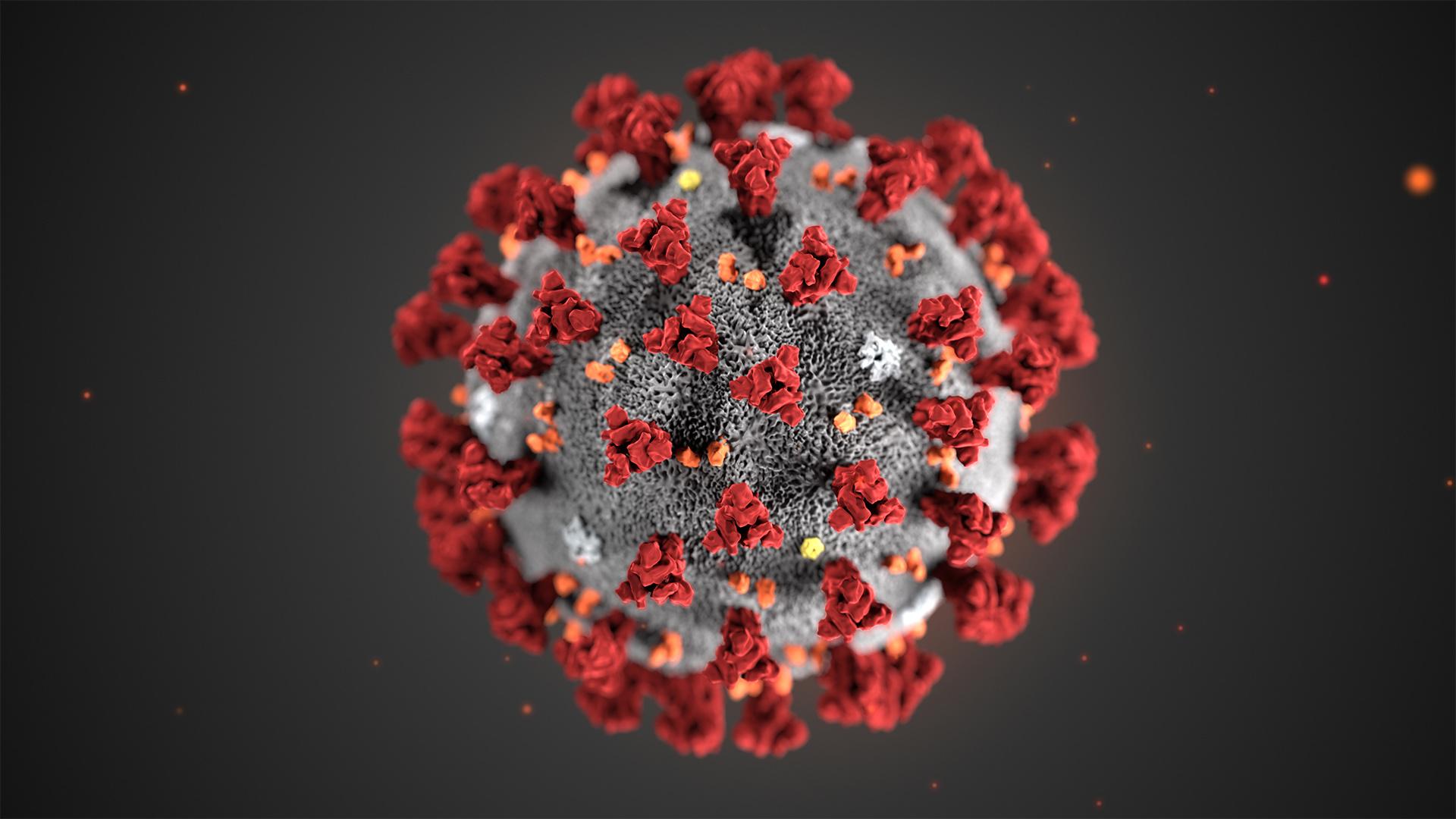
Despite the ongoing global COVID-19 crisis, McGill experts are advising students to remain calm. About one million students and educators have been affected by the two-week closure of Quebec’s CEGEPs, secondary schools, and universities, leaving many wondering as to the possible extent of the crisis’s disruptions to their daily lives. 

Epidemiologist Dr. Raymond Tellier, a professor at McGill’s Department of Medicine, was a member of the research team that identified the SARS Outbreak in 2003. Tellier explained why it is important to stay calm during the current epidemic. 

“I don’t think panic helps anything,” Tellier said. “Going berserk about [the pandemic] is not going to help us. This is a difficult situation that we need to face. But there are ways to deal with that. Social distancing, all the measures that we’re seeing [….] The [crisis] will actually pass, provided that we do things that stop the chain of transmission.”

On March 11, the World Health Organization declared COVID-19 to be a pandemic; province-wide school closures followed soon after, on March 13. Josie Grundy, U0 Arts, explained that McGill’s announcement that classes were cancelled came as a relief after hours of uncertainty. 

“It’s been intense wondering what’s happening next, just always looking out for the next email,” Grundy said. “But now that we know what’s going on, at least for the next two weeks, […] I can’t really worry beyond that.” 

Tellier explained that while they may have caught some students off guard, the provincial measures to prevent the virus from spreading are likely to pay dividends later.

“There are those that say ‘Well, this is a fairly strong reaction given that we have only a small number of cases [in Quebec],’” Tellier said. “But the thing is that […] we know that these measures of containment are much more efficient if you take them early rather than taking them late.”

Shelves in grocery stores such as Provigo are empty, and some shops are seeing a spike in demand for toilet paper. According to Samuel Veissière, an assistant professor in the Department of Psychiatry, it is important to bear in mind that humans are evolutionarily predisposed to fear. 

“The spread of a novel coronavirus for which people have not yet acquired immunity certainly requires planning and action,” Veissière wrote in an email to //The McGill Tribune//. “When one compares the [number of infections and deaths] to well-known seasonal viruses like influenza, […] the public’s response and that of officials in many [countries] seems disproportionate. [One] evolutionary factor is the well-documented negativity bias. The human mind is obsessed with potential threats.”

Some communities, particularly the Chinese and broader East Asian community, have been particularly affected by the COVID-19 crisis. Montreal’s Chinatown has seen a steep decline in business, and a hooded individual recently attacked several sacred lion dog statues with a sledge hammer at the Quan Am Buddhist temple. Two other temples have been attacked since.

Experts like Sandra Hyde, an associate professor of anthropology at McGill, are linking the outbreak of COVID-19 to a rise in xenophobia. According to Hyde, part of the issue is the rapid pace of information. She claimed that every epidemic is accompanied by a parallel ‘infodemic’ of speculation and misunderstanding.

“[Infodemic means] misreading, misunderstanding, and a lot of misguided speculation and guesswork about this new disease’s parameters,” Hyde wrote in an email to the ///Tribune./// “I think since Wuhan was the epicentre, there are xenophobes that label the epidemic as [the] Chinese or Wuhan virus. But all epidemics know no borders and COVID-19 is no different.”

Veissière also believed that there was a social cost to unchecked alarmism. He classified the current response to COVID-19 as a moral panic, a phenomenon that occurs when a public response is significantly out of proportion to a perceived threat. According to Veissière, xenophobia and prejudice often draw on a contagion model of foreign infectious agents. He believed that the current COVID-19 outbreak is liable to heighten fears of being contaminated by marginalized groups, especially groups seen as carrying the disease.

“In times of epidemics, seasonal and otherwise, avoiding large crowds and maintaining good hygiene is obviously advantageous for people with compromised immune systems,” Veissière wrote. “Excessive fear, isolation, and discrimination, however, are terrible for our democratic societies, our economies, our mental health, and our well-being more generally. These irrational fears must be countered with love, care, and compassion.”

Read the latest issue

Read the latest issue