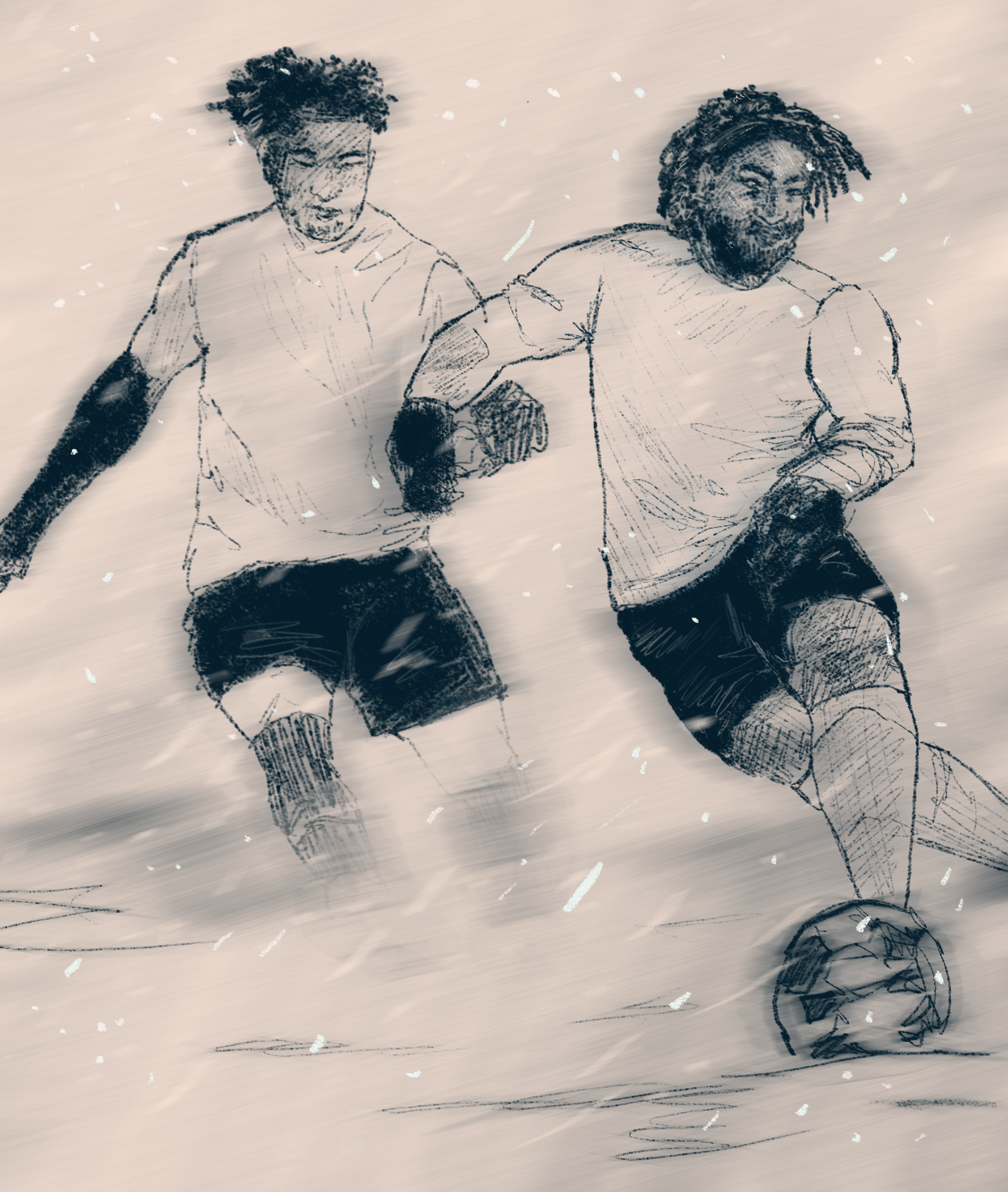

Hunting has often been suggested as an effective means of controlling animal populations. Yet, hunting can be beneficial in some instances and harmful in others.
Hunting can actually help fund conservation: In the US, hunters generate millions of dollars for conservation efforts through excise taxes and licence fees. In Sub-Saharan Africa, trophy hunting, the government-licensed shooting of big-game animals such as lions, raises more than 200 million dollars a year for conservation purposes.
Another benefit of hunting is its effect on local communities, which profit off of increased revenue from hunting. This gives them an incentive to preserve animals and the environment.
According to Kyle Elliott, an associate professor in the Department of Natural Resource Sciences at McGill, hunting can also help improve the health of certain animal populations.
“In some cases, hunting prevents overpopulation and [its] associated diseases and hardships, so individuals may be in better condition because they have less competition from other individuals,” Elliott wrote in an email to The McGill Tribune.
Hunting is also a useful mechanism for controlling populations of invasive species.
“Hunting can clearly help increase the populations of species that are in competition or predated by the species being hunted,” Elliott wrote. “For example, hunting […] wolves can increase deer and moose populations.”
Yet, despite the good that hunting can do, it can also create environmentally harmful consequences, the most serious of which are overhunting and species extinctions.
“Most species of animals that have gone extinct in North America have gone extinct due to overhunting,” Elliot wrote.
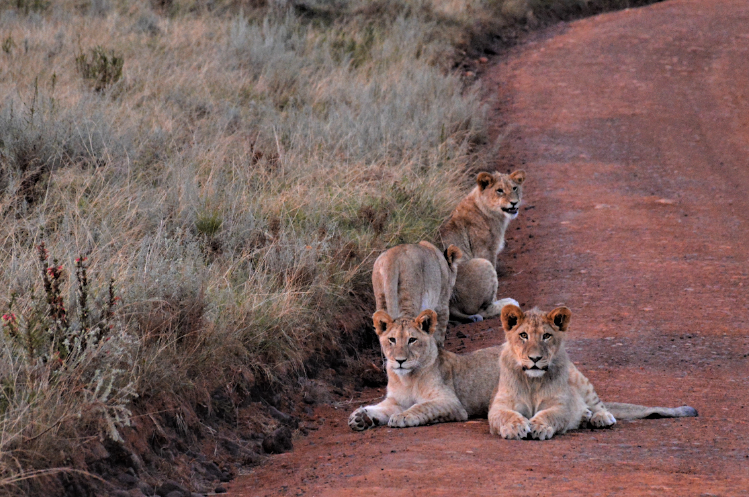
One of the most notable examples of overhunting in North America is the extinction of the passenger pigeon. In Africa, too, regulated hunting can drive species closer to extinction. Trophy hunters, who are responsible for killing 600 lions each year and tend to target males, often destabilize lion populations. They also kill animals from populations that are already declining, which is particularly alarming given that 75 per cent of the African lion population have been killed in the last 20 years.
Trophy hunting often provides a cover for, and consequently increases, poaching. To continue reaping the financial benefits of this practice, groups inflate animal numbers and even pressure the government to raise hunting quotas.
Furthermore, hunting license fees can adversely affect ecosystem health. The revenue from these fees often increases the population size of big game target species, leading to overpopulation at the expense of countless non-game species. This results in reduced biological diversity, genetic integrity, and ecological balance.
While hunting invasive species is often a management strategy to save native populations, it can also put these species at risk.
“Some groups encourage the hunting or harvesting of invasive species to control populations,” Elliott wrote. “This can be effective, but can lead to a market for related species or species in their native range.”
By creating a market for invasive species in their natural habitat, humans endanger these species and degrade these native ecological systems beyond repair. For example, the overhunting of frugivores—fruit-eating animals—hinders seed dispersal, thus reducing tree diversity and overall forest biodiversity.
Ultimately, using hunting as a management strategy is the result of previous human intervention. In North America, white-tailed deer populations are now abundant, after humans hunted down predator wolf populations. Hunting is often seen as a way to manage these deer populations and prevent habitat destruction, though research shows that it is not always successful. Other options include culling, or selectively killing individuals; translocating individuals; and preventing reproduction through sterilization.
Whether hunting is a useful conservation tool depends heavily on geography, species, and who you ask. In some circumstances, it is appropriate and beneficial. In others, it does much more harm than good.