


Latest News

Album Reviews, Arts & Entertainment, Books, Film and TV, Music

What we liked this summer break

We Are Who We Are (TV miniseries)

By Jordana Curnoe, Contributor

The HBO miniseries We Are Who We Are, directed by Luca Guadagnino, follows a headstrong army brat from New York City named Fraser (Jack Dylan Grazer) who moves to a fictional American military base in Chioggia, Italy. There, he befriends a group of other army brats including Caitlin/Harper (Jordan Kristine Seamón). As they grow closer, Caitlin begins to question her gender identity and feels that she cannot exist inside her old world the way she is expected to. The series consists of visually captivating shots of curiously beautiful Italian scenery and awkward but fitting close-up shots of people’s faces. Although few questions are fully answered, the story demonstrates the importance—and cost—of being unashamedly yourself. Each of the characters tries to accept that they cannot change themselves or what they’ve experienced; they simply are who they are.

Interview with the Vampire – Season 2 (TV show)

By Siena Torres, Contributor

The AMC television adaptation of Anne Rice’s novel Interview with the Vampire is the queer vampire show we all needed. Set in the dual timeline of present-day Dubai and 19th-century New Orleans, the story of Louis (Jacob Anderson) and his complex relationship with his creator and lover, Lestat (Sam Reid), unfolds through flashbacks as he narrates it to a reporter. Through stellar performances ranging from comedic to deadly, this show does not hold back with gore, nudity, or the darkest parts of its “failmarriage.” The second season premiered this summer, raising the stakes as the consequences get deadlier when Parisian vampires and engrossing theatrics merge. The third season has been teased with Lestat as a Chappell Roan-inspired rockstar vampire (yes, you read that correctly), so no need to fret— your new favourite show will be back in no time.

Gayotic with MUNA – Season 3 (podcast)

By Dana Prather, Arts & Entertainment Editor

Gayotic with MUNA is back, and it’s here to save the (podcasting) world. Hosted by indie pop band MUNA’s Katie Gavin, Josette Maskin, and Naomi McPherson, the podcast is a freeform gabfest covering everything from the artists’ personal lives and artistic processes to their political takes and favourite memes. Thanks to the band’s (and by extension, the podcast’s) growing popularity, the show’s third season offers new video episodes alongside the tried-and-true audio-only format. The result? A front-row seat to all the unbridled chaos and unabashedly queer content the show’s name would suggest. While the podcast certainly benefits from its wide range of special guest appearances—fan-favourite drag queen Trixie Mattel, singer-songwriter and guitarist extraordinaire Towa Bird, and Oscar-winning producer FINNEAS are just a few of the stars that have graced the studio this season alone—Gayotic is at its best when it returns to its roots: Solo episodes featuring the trio’s constant chatter and jokes that will make you feel like you’re yapping along with your best friends. 

Dìdi (弟弟) (film)

By Amelia McCluskey, Contributor

Sean Wang’s debut feature Dìdi (弟弟) depicts coming of age in 2008 with nostalgic delight. Attempting to pass the time before the first day of high school, thirteen-year-old Chris (Izaac Wang) watches kissing tutorials on YouTube, practices kickflips in the garage, and swipes Paramore t-shirts from his older sister’s closet. While the film is funny and whimsical—full of talking fish, reanimated squirrels, and some of the most realistic middle-schooler dialogue I’ve ever heard—Chris struggles with a sense of profound loneliness. Dìdi (弟弟) earns its comparisons to films like Lady Bird and Eighth Grade with its deeply heart-wrenching moments as Chris desperately tries to fit in. After changing his ringtone to impress his crush and berating his mom in front of his friends, he only finds himself further ostracized by his peers. Through its unexpected combination of drama and humour, Dìdi (弟弟) provides a fresh perspective on familiar themes, producing a story that feels universal, yet wholly unique. 

The Road to the City (novella)

By Kellie Elrick, Arts & Entertainment Editor

Delia is seventeen and ashamed. She has lofty dreams of life as a housewife in the city. She hates her family’s rotting red house in the village, solacing herself with walks along the road by the river into the city, where there are orchestras and women who want to be seen. Her distant cousin Nini walks with her; he is in love with her. Natalia Ginzburg’s The Road to the City was published in Italian in 1942 under the pseudonym “Alessandra Tornimparte”—Ginzburg was Jewish, and Mussolini’s racial laws forbade her from publishing. Her prose is cold, but it plunges into the deep, bubbling underbelly of disgust and desire: Delia looks at her greying mother and thinks, “If I had met her in the city I should have been ashamed.” Delia is poor, then pregnant, then married, then rich. One day, it appears that she is living as she wished—with a maid and a big house in the city and a velvet blanket—but Nini is gone, and the house, and the days, seem to empty out into the past.

brat (album)

By Charlotte Hayes, Staff Writer

To be ‘brat’ is to embrace your flaws, mess, and ego—at least according to British singer-songwriter and DJ Charli XCX. Her summer release brat is an intensely energetic yet emotionally vulnerable electronic dance-pop album which embodies the essence of breaking down and then getting back up to party again; revelling in the emotional complexity that comes with growing up, while never letting it get in the way of having a good time. Blunt, honest, and volatile, brat is the album to tease the party animal out of your sad-indie-bedroom pop-loving soul. Even though the album is well worth highlighting on its own artistic merits, it exists within a larger cultural context of trends this summer. While we were all in the throes of having our own ‘brat girl summer,’ another unlikely figure joined the brat-iverse: Kamala Harris. Following Joe Biden’s termination of his presidential campaign and subsequent endorsement of Harris, Charli posted a tweet that irrevocably linked her album with the upcoming U.S. election. Somehow, this club-track-packed album has gone from songs about partying every single day of the year, to unpacking generational trauma, and now… to becoming invested in the political future of your country? The campaign’s decision to lean into the support from the British pop star is one that has great potential to bring in a new generation of voters by using a vocabulary that they find more engaging or approachable. However, they could run the risk of leaning too far into the joke at the expense of the promotion of any substantive policy.


Arts & Entertainment, Pop Rhetoric

Trigger warnings: Are modern audiences too soft?

Language is one of the most illusory human creations. We trust that words will remain objective and unchanging. Thus, we are often ignorant of the ways they can distort before our eyes. In a momentary sleight of hand, a word’s meaning can slip away, adopted anew by generation after generation. We use words primarily within context, with definitions existing in the periphery. As such, the meaning of a word can quickly become obscured. Examine the following definitions: 

trigᐧger warnᐧing (Noun: trigger warning; plural noun: trigger warnings): a statement at the start of a piece of writing, video, etc., alerting the reader or viewer to the fact that it contains potentially distressing material (often used to introduce a description of such content) 

trigᐧger warnᐧing (Noun: trigger warning; plural noun: trigger warnings): a chronically online and misused phrase, often serving as false consideration before presenting derogatory statements or as a form of defence for one presenting a controversial opinion 

The first definition, taken from the Oxford Dictionary, provides the intended conceptualization of the word. The second aligns more with its practical misuses. “Trigger warning,” or “content warning,” has become a buzz-phrase that is excessively misused in several ways—to precede a reprehensible statement in a futile attempt to justify it; to defend oneself from being cancelled for expressing an opinion that deviates from the majority; or even simply to appear more considerate of others, seeking praise online. These misuses unwittingly undermine the purpose of a trigger warning: To situate and inform an individual to mitigate unnecessary psychological harm. 

Despite the term’s blatant unnecessary amplification in social media, trigger warnings are lacking in the entertainment industry. Earlier this year, English actor and film producer Ralph Fiennes presented a brash outlook on trigger warnings, stating that theatres ought to scrap trigger warnings so that audiences might engage more immersively with productions. He maintained that trigger warnings would prevent an audience from being shocked and disturbed by violent or sexual themes. He asserted that the modern audience has gone “soft.” However, the accuracy of this statement is irrelevant; whether or not audiences have become too sensitive, the purpose of the entertainment industry is to entertain. It is not the artists’ job nor their place to “toughen up” audiences. 

Fiennes’ idea that information has to be withheld to avoid marring the impact of a film is contradicted by every mainstream marketing strategy. Entertainment looks different for any individual, so the entertainment industry provides its audience with information prior to a viewing so they can determine what would best suit them—trailers, plot summaries, or maybe avoiding a viewing altogether. This secures a more attentive audience than attempting to generalize across individuals. Take the horror film IT; what if it was marketed as an animated princess film? Would it be a sensation? Or would it precipitate an influx of child trauma? If two-to-three-minute trailers are released for every film, it is difficult to believe a two-sentence trigger warning would be what dismantles the multi-billion dollar industry. 

Consider the recent film adaptation of Colleen Hoover’s novel It Ends with Us starring Blake Lively and Justin Baldoni. The film is marketed as a floral romance despite its portrayal of domestic abuse—and provides no trigger warning. Although the intended message of the story appears to advocate for ending the cycle of abuse, it is easily masked by the perfume of roses. With its misleading marketing, one could easily walk into the theatre prepared for a heartwarming two hours only to emerge feeling deceived. Some might argue that this is an exaggeration. However, one in three women and one in four men in the US alone have experienced some form of domestic abuse. While the word “trauma” has been diluted from overuse (and sometimes, misuse), it is critical not to undermine the genuine pain and experiences of survivors. Millions of people’s shared trauma warrants a couple of sentences from a multi-billion dollar corporation. Regardless of whether or not you have experienced domestic violence firsthand, no one deserves to be made ignorant of something that may likely cause psychological damage. 

If you or someone you know is going through a traumatic experience, including domestic violence, please refer to the resources below.

SOS violence conjugale 24/7: 1-800-363-9010

Kids Help Phone: 1-800-668-6868

Commentary, Opinion

Feeling lonely? Montreal researchers recommend sex robots as an antidote

One of my all-time favourite films, Her, follows Theodore (Joaquin Phoenix), a lonely divorcée who finds himself falling deeply in love with the virtual assistant on his phone. When it premiered in 2013, it seemed like an outlandish sci-fi fantasy; who would want to date a computer program? Yet, here we are—and our reality is even scarier than the movies.

On Aug. 24-25, researchers at the University of Quebec à Montreal (UQÀM) hosted a conference titled “Love and Sex with Robots.” The conference was led by researchers from across the province to explore the use of “erobotics”—erotic-robotics—spanning from “intimacy dollsto artificial intelligence (AI) chatbots that can simulate a human partner. 

Creators of the event claim that the use of technology to replicate romantic and sexual relationships is inevitable and, therefore, merits exploration. It’s hard to argue that any topic is unworthy of research, but there is reason for concern about the direction in which this research is heading. 

Not long ago, a relationship as detached from reality as one with a doll would have been a red flag for many mental health professionals; when did disengaging from reality and retreating into a fantasy world become a recommended practice?  It raises troubling questions.  Why are people turning to technology to fulfill their most basic human need: Connection? Is it because they find it easier to interact with a machine with no human needs, boundaries, or capacity for disagreement? Are we becoming so accustomed to relationships that exist on our terms alone—relationships we can control, pause, or shut down—that we are losing the skills to navigate fundamental human interactions?

Rather than funding and pushing forward innovations that use technology to simulate intimacy, we should focus on the fundamental issue at hand: The loneliness epidemic that has only been worsened by our reliance on virtual interactions. Prescribing technology as an antidote to a problem that is, in large part, caused by technology, is absurd. Research shows that as people feel more connected online, they can begin to neglect the real relationships that they have all around them and, slowly but surely, feel less confident socializing in person. Then, when it is time to turn off the screens, they find themselves lonelier than before. 

Proponents of “erobotics” suggest it could help individuals become more comfortable with their sexuality or serve as a tool for sex education. Still, this view misses a critical point: Technology designed to fulfill personal desires creates a controlled environment that cannot replicate the complexity of genuine relationships. Human relationships are inherently messy. They require vulnerability, reciprocity, and an acceptance of imperfection—all things that technology, no matter how advanced, cannot simulate.

To its credit, the conference did tackle some ethical implications of erobotics. However, this only further demonstrates how easily this technology can take a dark turn. Consider deepfakes—AI that can alter images and audio to create convincing but fake representations of real people. Sometimes, it can be amusing—such as videos of politicians saying silly things—but more often, it’s downright horrifying—like blackmail and revenge pornography.  

The horror goes beyond screens, as dolls like Frigid Farrah enter the market, designed with “resistance settings” that allow users to simulate rape; other dolls are even designed to resemble children. At best, this technology pushes people further into self-isolation and loneliness; at worst, it enables terrifying, violent behaviour. Technology has made it increasingly easy to retreat into self-isolation. Rather than attempting to fill the emotional gaps in our lives with new technology that only further enforces isolation, the countless hours (and dollars) put toward “erobotics” research would be far more effective if it were aimed at enforcing what will truly fix the problem: Love, community, and the irreplaceable value of human relationships. Spoiler alert: By the end of Her, Theodore realizes that AI can never replace real human connection. The hope is that we all come to that same conclusion, too—sooner rather than later.

Commentary, Opinion

American students should be grateful for McGill’s rigid grading policies

In the past decade, there has been a massive uptick in average university grade point averages (GPAs) in the United States (most notably) but also in countries such as  the United Kingdom. This data became especially alarming after university reports identified top U.S. universities such as Yale and Harvard as major culprits. At Yale, the average undergraduate GPA rose from a 3.60 in 2014 to a 3.70 in 2023, and the distribution of As and A-s rose more than 11 per cent. At Harvard, the percentage of A-range grades rose 19 per cent between 2010 and 2020.  

While GPAs at US universities have risen rapidly, those at McGill have not. Based on a compilation of McGill crowdsourced data, the average grade in PSYC100—a requirement for Psychology, McGill’s largest major concentration program—was B+ (3.3) in 2014. In 2022, that average had not changed; in COMP202—a requirement for the Computer Science major, one of the top five largest at McGill—the 2013 class average was an A- (3.7) while the 2023 class average was a B+ (3.3).  

The surge of American grade-inflation data and discussion in the media in just the past year has fueled animosity in McGill’s American students towards its less lenient—or, as one American student wrote in a College Confidential online forum, “sadomasochistic”—grading policy. The growing GPA disparity between Canadian and US universities has left McGill’s American students questioning their post-graduate viability in the American job market, overrun by our American-educated peers who, with equal effort, boast higher GPAs. 

However, fundamental to the oversaturation of A-level students is a devaluation of the American A, and a subsequent uncertainty regarding students’ true aptitude. When the GPA of a stand-out student differs by half a point from that of a student who barely attends class, an employer or admission office will logically consider the two equally-qualified, or equally unemployable. It is debatable which is worse.  

Meanwhile, the guarantee of an easier A is a threat to the work ethic and grit of a university student, as well as the student’s necessary excavation of their own intrinsic motivations. Where an A feels ever within reach, there is less, if any, urgency to do more—to talk one-on-one with professors, to restart a paper when the argument proves itself misguided, to move away from a subject to one more interesting.  

It is no fault of the university student that the drive for good grades often overshadows commitment to learning itself, as graded performance is held on a high pedestal from an early age. But to dangle the gold-plated 4.0 in such easy reach melts American college graduates into one homogenous, unmotivated puddle. 

That said, the McGill student still faces the reality that their GPA is likely to be lower than the (still increasing since 1990) American standard. To that, I see a clear rebuttal in both the short and long term.  

Short-term, McGill students are working through school with both a stronger work ethic, and a built-in conviction that there is more to learn and ever-more room to improve–a universal truth from myself to Einstein. This is an invaluable asset that plays the key secondary role of pulling a student into uncomfortable or unpredictable territory where they can explore what they find individually interesting. It is in these positions that the best thinking happens.  

In the longer term, while an American student might enter the vast real world and find themselves lost when success is no longer given so readily in letter grades, a McGill student will have already come to terms with failure and with deserved success. They will have embraced the world that waits to be explored outside of a four-point scale: hands-on experience, travel, personal creative endeavors, and more.They will, in short, be prepared for success, however they choose to define it.  

There is a groundedness inherent to McGill’s unapologetic grading that is the single most valuable gift to receive from a college education. Americans may bask in their fleeting 4.0s, but when such statistics are so easily won, the student loses in the end. American students at McGill dodged a bullet.

McGill, News

McGill restricted access to campus after dismantling the Palestine Solidarity Encampment, some say it was unwarranted

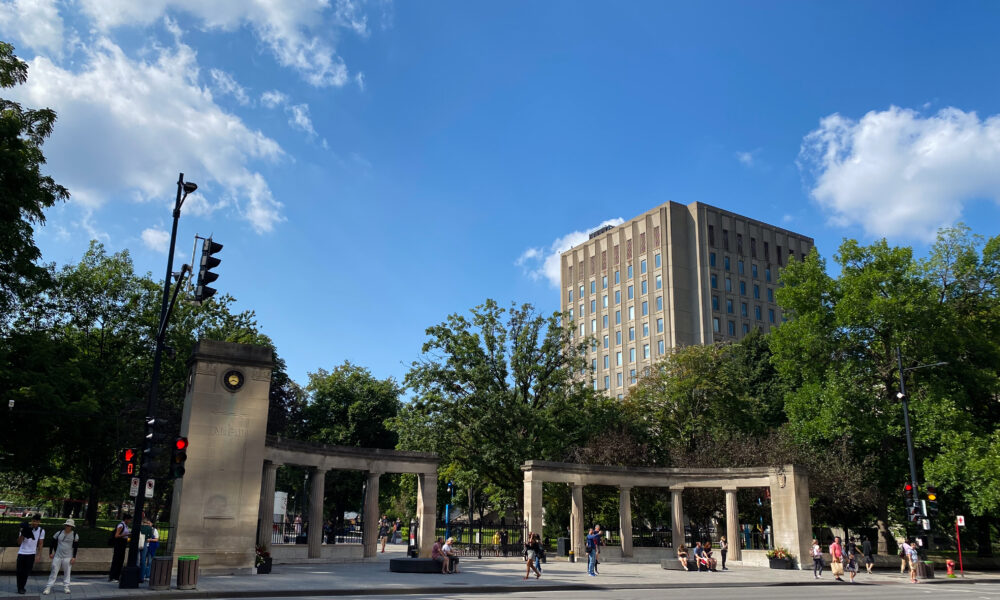
McGill closed its downtown campus to public use as the Service de police de la Ville de Montréal (SPVM) officers and private security firm, SIRCO, dismantled the 75-day Palestine solidarity encampment in the early hours of July 10. Beginning the same day, all buildings were closed to students, courses were moved online, the campus was blocked off to the general public, and the McGill University Emergency Operations Centre urged staff and students in an email communication to avoid campus. Regular campus use as a public park and studying space was effectively suspended. 

Partial restrictions were in place in the downtown campus through Aug. 5. Between July 10 and July 15, 18 buildings were closed entirely. Any research or courses in those buildings were moved online and all staff were required to work remotely, if able. On July 16, key card access was restored to these buildings for essential faculty and two entry points to lower campus were opened between 8 a.m. and 5:30 p.m.. Individuals were required to show their McGill ID before entering lower campus.  

The Roddick Gates were finally opened on July 22 and building access was restored to full public hours on Aug. 5, meaning that McGill ID was no longer necessary to enter lower campus.

As of Aug. 26, the Emergency Management page dedicated to the status of the gradual reopening process reads that those faculty, students, and staff who need to conduct university business on campus outside of opening hours “may do so, but must carry their McGill ID card and may be asked to present it.”

President Deep Saini wrote an email to the McGill community on July 18 explaining the administration’s intentions behind the closures. 

“Our phased reopening aims to reduce, where possible, the risk of occupations or vandalism […] incidents that were not legitimate forms of expression or assembly,” Saini wrote. “As we look ahead, we are called to reestablish a climate where each of us feels welcomed, celebrated, recognized, uplifted, and capable of sharing our views without fear of retribution, regardless of who we are or what perspectives we hold.”

The McGill Media Relations Office echoed Saini’s statement and further emphasized the closures as a means of avoiding further occupation of campus. 

“This approach also provided the time and space needed to stabilize the campus and provide all members of the community who have been working tirelessly for weeks the time and space needed to regroup, restore the campus’ physical state and operations, and to plan for the Fall term,” the Office wrote in an email to The Tribune.

However, some McGill community members—including those active in organizing for Palestine—have criticized McGill’s recent closures of campus. One professor involved in profs4palestine who wished to remain anonymous due to privacy concerns expressed disappointment in an email to The Tribune.

“It upset me—as did most everything else about the way the Administration reacted to the encampment,” they wrote. 

In an interview with The Tribune, Sonia Nouri, U3 Arts, explained her confusion and difficulties moving around campus during the closures. 

“When I finally went on [campus] it was really jarring how hostile the environment felt,” Nouri said. “It is really difficult to get around campus without having a confrontation with some kind of security or seeing someone else have a confrontation with some kind of security.” 

Passang Regyal, a Masters student in the Faculty of Arts and Science cited few disruptions to her daily routine but she was not happy with the closures and did not look on them as an appropriate means of quelling campus tensions. Both students made claims that the presence of private security and police was unnerving and threatening.

“I don’t think there was any adequate explanation provided by the university for the extent of the closures, especially when it comes at the cost of public use of the outdoor spaces and the solidarity and activism of the McGill community that the encampment represented,” Regyal said.

Science & Technology

Unraveling infection mysteries: Can probiotics provide answers?

How many times have your parents or significant other reminded you to take your supplements, emphasizing their health benefits?

Over the past few years, probiotics have garnered significant attention due to studies showcasing their efficacy in treating various human diseases. Researchers believe that probiotics promote human health by stimulating the immune system and inhibiting the growth of pathogens. By acting as adjuvants, probiotics have the potential to enhance the effectiveness of a cure by supplementing the immune response. This combination approach can help to strengthen the body’s defense mechanisms and improve the overall outcome of the treatment. 

A recent meta-analysis by Eva Suarthana, adjunct professor in McGill’s Department of Obstetrics and Gynecology, and her team unraveled the numerous effects of probiotics on a series of infections, particularly intestinal infections that roots from a common bacteria of H. pylori. Suarthana’s research aims to guide policy changes and recommend effective treatments within current patient care policies. 

So, what exactly are probiotics and why are they so important? 

“To put it simply, probiotics are a distinct group of organisms that enter infected areas to fight against harmful substances that cause negative effects,” Erni Nelwan, first author of the paper and full professor in the Department of Internal Medicine at Faculty of Medicine Universitas Indonesia, said in an interview with The Tribune.  

Suarthana, Nelwan, and the rest of the team initiated research focusing on probiotics when they realized they had not conducted any meta-analyses on the various beneficial effects of probiotics as a supplementary measure for promoting health. 

Probiotics function as adjuvants to strengthen the immune system, preventing recurring infections caused by weakened immunity. They achieve this by maintaining the stability of the cell flora in organs and preventing pathogens from adhering to surfaces during interactions with the immune system. 

“It’s not that probiotics can serve as a cure for all infectious diseases, but it can work as a supplement for our body to lessen the chance of one catching one,” Suarthana said. 

Another interesting finding showed that when people receive antibiotics, they build resistance to them, and over time repeated infections would cause the potency of antibiotics to go down. 

“In some countries, there’s no modulation of how drugs should be administered, so the first drug that can be prescribed to patients suffering from infectious diseases are antibiotics,” Nelwan added. 

Nelwan and Suarthana’s team conducted extensive patient studies across different countries to minimize bias. Their review is the first to provide a comprehensive overview of the use of probiotics in managing highly prevalent infectious diseases; this meta-analysis is the extension of their work on 2011 regarding their investigation on diarrheal cases. 

Researchers have established that probiotics in the gastrointestinal tract have a specific binding affinity to H. pylori– a bacteria that causes ulcers. Its presence in the stomach leads to the production of substances that hinder its attachment to the cells of the gastrointestinal tract. Probiotics also possess the ability to secrete antimicrobial substances, such as lactic acids, which damage harmful bacteria and help to prevent potential infections. 

Furthermore, Nelwan and Suarthana examined studies where they administered probiotics to patients at varying frequencies throughout the duration of the study. 

“Probiotics were effective when administered with triple regimen therapy as a first-line treatment, but not with quadruple regimen for H. pylori eradication,” Nelwan explained. 

Despite the promising findings of this meta-analysis, which suggest that probiotics are effective in curing a range of infections, there are still uncertainties about the overall impact of probiotics on patient well-being. This is mainly due to the limited number of published studies on this topic and the fact that doctors primarily rely on other medications to treat infectious diseases, as Nelwan explained. 

While probiotics may not be a cure-all for infections, they play a vital role in understanding the intricacies of infectious diseases in human health. Continuous study in this field has the potential to bring more accessible and successful probiotic treatments. 

Sports

Transphobia in women’s sports is a danger to all women

Content Warning: Mentions of transphobia, racism, and misogyny

In the 2024 Paris Olympic Games, Italian boxer Angela Carini abandoned her 66-kilogram Round of 16 match on Aug. 1 after 46 seconds, following her failure to properly block two hard hits to the face by Algerian opponent Imane Khelif. Rather than celebrating Khelif’s resulting win, media outlets focused on Carini’s teary post-fight comments and speculated upon whether or not Khelif is a cisgender woman—which she is.

In the days after the fight, self-proclaimed boxing experts subjected Khelif to invasive scrutiny over her body and her childhood as they attempted to decide for themselves whether or not they considered Khelif to be “feminine” enough to meet their definition of womanhood. High-profile voices like J.K. Rowling, Elon Musk, and Logan Paul further fueled the abuse.

Transitioning is criminalized in Algeria, making these claims not only an insult to Khelif’s integrity, but a genuine threat to her livelihood. Furthermore, it makes the notion of Algeria sending a transgender athlete to represent itself in the Olympics extremely unlikely.

The International Olympic Committee (IOC) released a statement clarifying that every athlete at the Games had cleared their respective eligibility rules and condemning both the harmful discourse and the previous 2023 decision from the International Boxing Association (IBA) that fueled it. In 2023, the IBA—an organization that lost IOC recognition as the global boxing body in 2023 with a 69-1 vote due to issues over governance, finances, and ethics—made the sudden and controversial decision to disqualify Khelif and fellow Olympian Lin Yu-ting based on the results of a vaguely-defined “separate and recognized test.”

In recent years, transphobes and misogynists alike have found a new method of attacking women: Suggesting that any talented woman athlete must have been assigned male at birth. Khelif is not the first or the only woman to be swept up in debates about their gender. After American swimmer Katie Ledecky—arguably one of the most dominant athletes in the world—won the 1500-metre freestyle, ESPN’s celebratory Facebook post attracted several comments questioning her gender.

Unlike Ledecky, Khelif isn’t even the dominant athlete that she is characterized to be—she lost to Irish boxer Kellie Harrington in the quarterfinals of the 2020 Tokyo Olympic Games (held in 2021), and to Irish boxer Amy Broadhurst in the 2022 IBA Women’s World Boxing Championships, which are just two of her nine career losses. Carini, on the other hand, lost her opening fight in the 2020 Olympics.

Despite their claims that they “protect women’s sports,” transphobes can’t stand to see women athletes succeed and dominate, unintentionally pushing forward a misogynistic narrative alongside their transphobia. In their anti-trans fury—which is already condemnable—the “protect women’s sports” crowd are now attacking cis women as well.

Women, such as Khelif, who are discriminated against based on both their gender and their race experience even more adversity. The masculinization of women of colour is strongly rooted in racism—especially in anti-Black racism—and has repeatedly been aimed at several successful BIPOC athletes. Throughout her playing career, conspiracy theorists have repeatedly subjected American tennis legend Serena Williams to fabricated speculations that she is not a cis woman. And following a recent Olympic soccer matchup between the Australian and Zambian women’s national teams that resulted in a tight 6-5 win for Australia, Australian commentator Lucy Zelić publicly questioned the gender eligibility of sole Zambian goal scorers Barbra Banda and Racheal Kundananji—two of the bright spots in an otherwise struggling Zambian women’s national soccer team—who are both star players for their respective club teams in the National Women’s Soccer League.

Headlines such as “Boxer previously banned from women’s events wins fight after opponent quits in 46 seconds” and “Imane Khelif, Algeria boxer who had gender test issue, wins first Olympic fight when opponent quits” further fuel baseless accusations from reactionary onlookers who do little more than read the headlines. Presenting the fact that Khelif previously failed gender tests in the head of a piece without contextualizing it in the fact that Kheilf is a cis woman and that she is fully eligible to participate in the Olympics is irresponsible, dangerous journalism. 

Imane Khelif has fought her whole life to get to this moment; she is a woman from a rural village in Algeria who sold scrap metal to fund her bus fares to training, despite her father’s disapproval of girls participating in boxing. However, transphobic hate and journalistic malpractice has turned what should have been presented as an inspiring story into a flurry of personal attacks fueled by the tears of a white woman.

Soccer, Sports

The double standard: How media ideology magnifies mistakes of Black players

England’s National Football Team’s lackluster 1-0 defeat to Iceland’s National Football Team on June 7 was more than just a forgettable pre-European Championships match. In the post-match analysis, a curious trend materialized: 22-year-old Bukayo Saka, who played a mere 25 minutes of the game, became a focal point of criticism. Headlines following the game shifted blame onto the Arsenal star, despite his limited role in the match. This wasn’t the first time that Saka, alongside other Black players on the English team, had been unfairly targeted by the English media. This persistent trend reveals the dark undercurrents of sports media’s sinister role in the perpetuation of racist attitudes and sentiments.

Black athletes in contemporary sports media often find themselves under a harsher spotlight than their white counterparts. A misplaced pass from a white player is seen as nothing more than a forgivable lapse in concentration, while this same error from a Black player is spun into a narrative of a lack of ability. This racial bias is amplified by the media’s tendency to dissect a Black player’s performance through a negative filter, especially when losses are involved. Headlines become pronouncements, pronouncements morph into truths, and truths, however skewed, become ingrained in the minds of fans and casual observers. 

Saka’s post-Iceland scrutiny was not a one-off ordeal, making the media’s existing criticisms against him even harsher. After England’s heartbreaking loss during the penalty shootout in the final of the 2020 European Championship against Italy, Saka, alongside two of his Black teammates—Manchester United striker Marcus Rashford and Manchester United winger Jadon Sancho—were subject to a torrent of racist abuse online after missing their penalties. These incidents paint a disturbing picture: Black players are disproportionately vilified for their team’s defeats.

The penalties missed by Saka, Rashford, and Sancho became a national conversation, representing a glaring disparity in media coverage. The English captain Harry Kane, a white player, also missed a crucial penalty against France in a huge World Cup shootout in 2022. While some criticism was directed at Kane as the leader of what was supposed to be a very successful England team, the outrage paled in comparison to the torment Saka, Rashford, and Sancho faced. 

Rashford commented on the ways in which football increased his self awareness, and plunged himself and other Black players into a whirlpool of disproportionate negative comments regarding their skills. The abuse even transgressed beyond the field, highlighting the emotional toll of the continuous racist abuse faced by young Black players on the England team. England manager Gareth Southgate backed Rashford’s sentiment, that the scrutiny placed on players like Saka was disgusting. 

To destroy such harmful narratives around racialized atheletes such as Saka, a multi-pronged approach is crucial. First, sports journalists must become more discerning in their collection and representation of facts. Analyzing the performance of an entire team, like the English men’s national team, instead of scrutinizing individual moments in a way that can be shrouded in prejudice creates a holistic approach to performance analyses. Second, greater representation in the media is a vital aspect of sports journalism—having more journalists of colour creates a wider range of perspectives and produces fairer representation. However, all  journalists must  learn how to properly report on issues and stories concerning players of colour and other athletes of communities in which the reporter is not a member. Furthermore, social media platforms like X, previously known as previously Twitter, which are notorious for facilitating online abuse, must be held accountable for their wrongful sentiments by increasing proactive identification of abusers and through the removal of racist content. 

International sports organizations are emphasizing collaboration with social media platforms to create stable reporting systems, resulting in safer online spaces for players. The Guardian stated that the Premier League is laying down a powerful call to arms to combat the onslaught of negative racial abuse targeting minority players. This reinforces the general consensus that in order to increase equality on the field, we ought to ensure equality in every auxiliary context. 

The “beautiful game” deserves an equally beautiful environment off the field. By promoting balanced reporting, fostering diversity in sports media, and demanding accountability from online platforms, we can begin to tackle the ingrained racism within the sports industry.

Commentary, Opinion

Overcoming opioids: Methadone and Montreal’s path to recovery

Following the onset of the COVID-19 pandemic, Québec’s rate of overdoses and opioid addiction skyrocketed. With a record number of overdoses in 2023 and rising concerns around addiction and drug use in Montreal, the search for a solution to this epidemic has become increasingly urgent. Replacing one addiction with another may, on the surface, sound like a questionable idea, yet it is one that some doctors in Montréal swear by. 

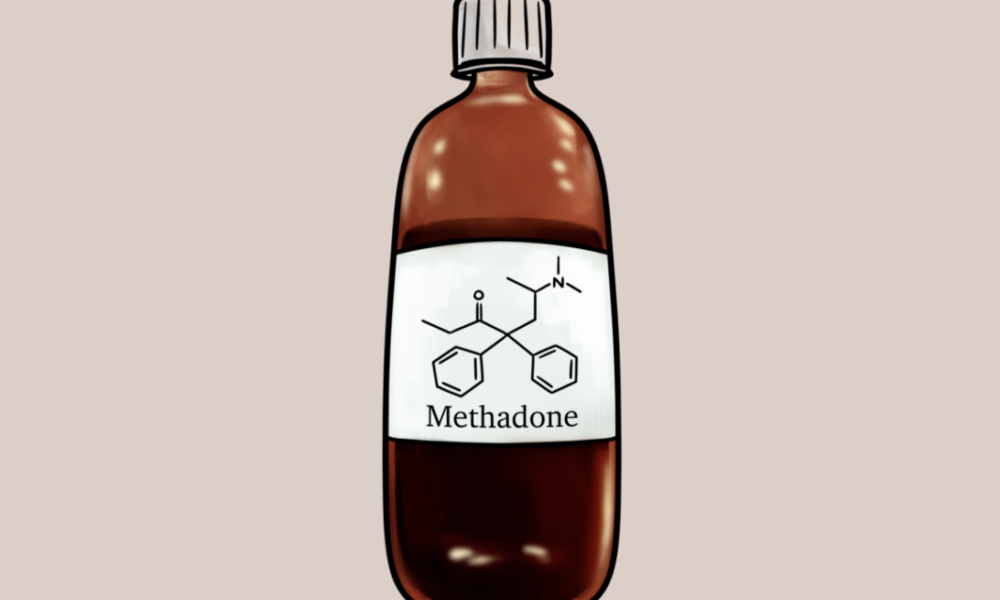
 Methadone is a long-acting opioid prescribed to treat severe addictions to more harmful opioids, like fentanyl. Typically, the drug is taken over the span of a few years and then gradually reduced until the individual is no longer dependent. The difference between methadone and other opioids is that it is long-acting, preventing the user from needing multiple doses throughout the day, and devoid of the same euphoric effects as other opioids, like heroin. 

As a result, people who use methadone are more functional in their day-to-day lives and have a better chance at building support systems, seeking out professional help, and solving issues often associated with addiction, like financial troubles. This approach directly counters the moralistic view that addiction is a choice or a lack of willpower; instead, it treats addiction like a disease that requires evidence-based treatment. And so far, it has been tremendously effective. 

There is an ocean of research about the benefits and safety of methadone, including one study by the National Institute of Health, which found that methadone-based treatment reduced the risk of opioid-related deaths by nearly 60 per cent. Still, many doctors refuse to prescribe the drug out of fear that it perpetuates addiction. The problem with this approach is that, though recovery from addiction should always be the ultimate goal, it cannot and should not be the only goal.

People don’t deserve to die simply because they remain addicted to opioids. Focusing exclusively on ending drug use oversimplifies the complex needs of individuals struggling with addiction solely to stopping drug use and neglects the crucial responsibility to safeguard those who continue to use drugs. Preventing overdoses must be the top priority for healthcare professionals, for which methadone has proved time and time again to be an imperative tool.

Robert Thivierge was one of the few physicians in Montreal who prescribed the drug before closing his practice in August 2023. He reports that many patients will be left helpless without access to a methadone prescription, vulnerable to relapsing and unable to find another doctor because of the stigma around addiction. Similar regressive policies have impacted McGill as well, such as the Québec Health Ministry’s recent decision to shut down the McGill University Health Centre’s day addiction program. The purpose of the program was to support patients transitioning from in-patient rehabilitation in hospitals and addiction centres—including patients who failed to complete their rehabilitation programs— to outpatient treatment, which is less costly to the healthcare system in both time and money. 

With the province’s surge in opioid-related deaths, it is more important than ever to explore concrete solutions. A solution to Montreal’s opioid crisis is within reach. Methadone has the potential to save hundreds of lives, but stigma undermines its effectiveness. A paradigm shift is urgently needed—one that prioritizes harm reduction alongside recovery, rejects moralistic views of addiction, and ensures access to evidence-based treatments like methadone. With lives at stake and the opioid crisis worsening, it’s time for decisive action and compassionate policy to pave the way forward for Montreal’s path to recovery.

McGill, Montreal, News

McGill administration dismantles Palestine solidarity encampment after 75 days

In the early hours of July 10, police swarmed the lower field of McGill’s downtown campus to dismantle the student-led Palestine solidarity encampment. After being forced out, campers protested under the rain on Rue Sherbrooke alongside supporters from the broader Montreal community. The action by McGill’s administration brought an end to the 75-day encampment, which was established on April 27.

McGill hired private company Sirco—which specializes in investigation and security—to examine and dismantle the encampment. McGill’s Media Relations Office explained to The Tribune that Sirco’s findings “provided the basis of the information” in McGill President Deep Saini’s July 10 message to staff and students. 

In this message, Saini highlighted several reasons that the university acted to remove the encampment. He stressed the presence of individuals from outside the McGill community, health and safety risks such as drug overdoses and a rat infestation, and the encampments’ ties to an escalation of vandalism and violence.

“The University permits peaceful, lawful protest, even uncomfortable for some members of our community. However, harassment, intimidation, violence, threats, vandalism, occupation or forced entry and psychological or physical violence are completely unacceptable,” the Media Relations Office wrote in an email to The Tribune. “Our top priority is the safety and wellbeing of all involved.”

Student protestors from McGill, Université du Québec à Montréal (UQÁM), and Concordia University initially formed the encampment to pressure McGill and Concordia to meet their demands in taking an active stance against Israel’s genocide of Palestinians. First, protestors called on McGill to disclose and divest from holdings valued at less than $500,000 in institutions complicit in Israel’s siege on Gaza; McGill’s investments worth over $500,000 are already publicly available. Protestors also demanded that their respective universities call on the Canadian government to condemn Israel’s war on Gaza—which has killed over 39,300 people since Oct. 7 2023 as of July 29 2024. Finally, they urged McGill and Concordia to refrain from punishing student protestors supporting the encampment with disciplinary actions. 

McGill’s dismantling of the encampment came after tensions between the administration and student protestors escalated over the course of the summer. On May 10, McGill filed an injunction request to dismantle the encampment, an action that the Québec Superior Court denied. A month later, on the evening of June 6, protestors occupied the James Administration building for several hours. Police used pepper spray and tear gas on supporters outside the building during the occupation and ultimately arrested 13 protestors for breaking and entering and two protestors for obstruction of police. The following day, McGill President Deep Saini wrote a statement thanking police for their intervention and condemning the occupation. 

Shortly after, the university’s negotiations with encampment representatives also ended. On June 11, McGill issued a proposal that promised to grant amnesty to student protestors, increase connections with Palestinian scholars and institutions, disclose and consider divestment from weapons manufacturers, and speed up the process by which this issue would be brought before the Board of Governors’ (BoG) Investment Committee if the encampment was dismantled. However,  June 18, Saini released another statement informing readers that encampment representatives had rejected the university’s offers and that McGill would end discussions with the protestors. Encampment organizers have maintained that they believe McGill’s offer did not present material steps towards divestment. 

At a July 10 press conference held by encampment representatives after the administration began the overhaul, a representative who wished to remain unnamed expressed that they felt the university administration had demonstrated no commitment to ensuring a “peaceful end” to the encampment by complying with their demands.

“We, the students who have set up this encampment, have made it clear from its first day of inception that we are willing to pack up and go home so long as the university commits to divesting from companies complicit in war and genocide,” the representative said.

While the encampment was being dismantled, McGill sent out a notification alerting staff and students that the downtown campus was closed to members of the community and to the public. 

Another notification on the same day explained that these restrictions were designed to mitigate the threat of “ongoing risks of additional property damage or new occupations.” It also stressed the need to decontaminate the site of the encampment due to the presence of human waste, rats, garbage, and discarded syringes. At the July 10 press conference, the representative claimed that McGill’s allegations of illicit drug use at the encampment were categorically false and that the university used photos of syringes present on Rue Sherbrooke to mischaracterize the camp.

“The administration has been actively leading a defamation campaign against its own students and community,” the representative said. “People who have braved thunderstorms, electricity cutoffs and intimidation tactics because they are appalled at their university’s complicity in this genocide. ”

When asked about the claims that the university had misrepresented drug use at the encampment, McGill Media Relations told The Tribune that Sirco and university security “verified that emergency vehicles were called to the encampment twice in the days leading up to its dismantlement to deal with drug overdoses.”

“While Sirco investigators did find drug paraphernalia, the University never used images of syringes in any of its communications nor did it provide images to media,” McGill wrote.

Throughout the day on July 10, a crowd protested the dismantlement of the encampment on Rue Sherbrooke near Roddick gates. There, professors and students alike voiced that the end of the encampment will not halt further pro-Palestinian mobilization on campus. A faculty lecturer present emphasized the solidarity between students and faculty in demanding justice from McGill. 

“I feel really ashamed of the McGill administration,” they said. “The professors do not want to be complicit in genocide, and we demand that they divest, they disclose, they meet the student’s demands. Even [as] the encampment ends today, we’re still holding [McGill] accountable.”

Since July 10, access to the university’s lower campus remained restricted, and the university asked students and staff to work remotely if possible.  

In a statement released on July 18, Saini also noted that the university would carry out several actions in line with their previous offers to the encampment. The BoG’s Committee on Sustainability and Social Responsibility (CSSR) will consider divesting from weapons manufacturing companies regardless of where or for what country they operate. McGill will also host two scholars or students in conjunction with the Scholars-at-Risk Network and will disclose investments under $500,000 where possible in the next report of the university’s investment pool in August.

A representative from the encampment—who wished to remain unnamed—highlighted in an interview on July 10 that student mobilization for Palestine would not be deterred by McGill’s removal of the encampment. 


“The student movement never started with the encampment, and won’t end with the encampment,” they told The Tribune. “Students are still going to stay strong in solidarity to continue applying pressure on McGill and to continue the divestment campaign.”

Read the latest issue

Read the latest issue