

Latest News

McGill, News

Former student goes to court over alleged toxic culture and discrimination within Faculty of Dentistry

A former McGill dentistry student has sued McGill and three professors who were part of the Faculty of Dentistry while he was at the university over alleged discrimination. Adam*, the complainant, says his experiences at McGill were marked by targeted threats, a toxic atmosphere, and efforts to limit his ability to continue his studies.

Adam, who is Muslim and of North African heritage, is now 42 years old. He came to McGill as a mature student in 2012, entrance scholarship in hand, having graduated from the University of California, Los Angeles (UCLA) at the top of his class. Entering McGill, Adam hoped to ultimately become an oral and maxillofacial surgeon.

“At UCLA, I felt it wasn’t based on how you look […], [your] origins,” Adam told The McGill Tribune. “It was just based on merit, you know,  if you’re serious about your work, if you are professional, if you are interacting with others in a polite and nice way […] that’s how it should be, not based on how you look. But at McGill, it was different [….] I felt like I was entering politics. It was who you knew […] how much you [are] willing to give up.”

During conversations with the Tribune, Adam alleged that he was subject to verbal abuse, had grades manipulated maliciously, and had negative feedback added to his Dean’s letter—a reference letter required to apply for a specialization in oral and maxillofacial surgery—without due cause. He believes that both his race and willingness to voice his opinions about unjust structures and practices within the institution precipitated this treatment.

Ashraf Azar has been an advocate for students for over a decade and has his own experience going to court against Concordia University. He has helped Adam navigate his experiences with McGill and advocate for himself.

In an interview with the Tribune, Azar explained that listening to students and giving them the tools to challenge large institutions is crucial for holding power to account and helping students recognize their worth.

“A lot of the students, whenever they get involved in these things, they kind of feel isolated and secluded,” Azar said. “Some of these targeted events and some of these situations almost make you feel like you’re undeserving of continuing this program, or you’re not worthy, or, you know, ‘why is this happening to you?’ You’ll see a lot of these [instances], they’re almost psychological, [they’re] extremely dramatic events for people.”

Azar noted that Adam was not the only student in the Faculty of Dentistry concerned about the culture and practices ingrained at the school.  

“Just in his graduate cohort alone, I had spoken to at least five to 10 people who told me that it was complete abuse in that faculty,” Azar said. 

Adam explained that pre-clinic, which some faculty members referred to as “boot camp,” is meant to help students prepare for a mandatory summer clinic between their third and fourth years. This, however, was when his experience at McGill took a turn for the worse. According to Adam, the director of pre-clinic at the time would curse at students and put them on his so-called “shit list,” creating a hostile environment. The director also allegedly told Adam—who was on this “shit list”—to “get used to it” and that he would encounter patients in his clinic that were hard to work on.

Another professor allegedly made inappropriate and derogatory comments about Muslims, referring to them as “fucking Muslims,” and asking Adam what was “wrong with [his] kind.”

In 2016, Adam was told he was being held back from entering his fourth year of Dentistry because he failed a summer clinic course led by former assistant professor Nareg Apélian. After appealing the failing grade, the decision was rendered null, and Adam was reinstated with the rest of his cohort in the fourth year. 

Though he ultimately graduated on time, Adam felt that his experience in the program was hindered by the extreme stress of the barriers and discrimination he faced, along with the time and practice he lost. When he began his fourth year, Adam was behind and excluded from the listserv and Facebook group where important information was disseminated to Dentistry students in his year.

Another student from Adam’s year, Gregory Gareau, was also held back but not reinstated. In 2016, Gareau, who is Indigenous, recounted his story of alleged discrimination and ableism within the Faculty of Dentistry to The McGill Daily, explaining that he was denied necessary accommodations and felt unwelcome and unvalued in the Faculty.

When Adam requested a Dean’s reference letter in 2016 to apply to get an MDCM (Medicinæ Doctorem et Chirurgiæ Magistrum) at McGill, the then-Dean, Paul Allison, provided him with a document that stated Adam was “below expectations” in three categories. Adam vehemently argued that this was an inaccurate reflection of his performance and pointed out that the letter was based on the overturned summer clinic evaluation. 

Apélian, who taught the summer class, was one of the subjects of Adam’s complaints and was deemed to have carried out “psychological harassment” against him by a McGill assessor. The dean’s letter also stated that Adam repeated a year in 2012-2013, when in fact he took a leave of absence, after which he resumed his studies. The Dean’s letter was later amended to say that Adam “met expectations” and the error regarding his leave of absence was corrected. 

Documents shared with the Tribune show that two other instructors believed that Adam “exceeded expectations” across the board in their evaluations.

Azar helped Adam reach out to the administration and eventually file an official grievance over his experiences.

“All the channels were accessed, the Dean of Students was contacted, the Associate Dean was contacted, the Provost was contacted throughout this process,” Azar said. “And everybody just kept giving [Adam] the runaround, like nobody addressed anything, all the way up to when the grievance was reached. After the grievance was reached […] nobody did anything. I think the only thing that they did, which says a lot for what was going on internally, was that they found Nareg Apélian guilty of psychological harassment.”

In his written statement to the Senate Committee on Student Grievances, which compiles a systematic list of his complaints against the school, Adam quotes an assessor at the university as having determined that “the situation in the Faculty of Dentistry is clearly troubling” and that “there is sufficient evidence to indicate management and governance issues.” The assessor also wrote, “the charge of psychological harassment [against Nareg Apélian] is deemed founded [….] Given the nature of the transgression, I believe discipline is warranted in this case.”

Apélian was later at the centre of a sexual assault scandal and removed from his position in 2019.

Unsatisfied with the university’s handling of his case, Adam decided to sue for damages in March 2018. In September 2022, he was unable to attend a hearing because he had contracted COVID-19. As a result, his case was dismissed and Adam was mandated to pay McGill’s legal fees. He is in the midst of fighting this decision by requesting a revocation of judgment.

When the Tribune reached out to the Faculty of Dental Medicine and Oral Health Sciences for comment, the university’s Media Relations Office replied that the university “does not comment on cases involving former students.”

A representative from the Dental Students’ Society of McGill University (DSS) wrote to the Tribune on behalf of the Society. They noted that the makeup of the senior faculty has changed significantly since 2017. 

“Since 2020, there has been an [Equity, Diversity, and Inclusion (EDI)] committee established and implemented to the 2021-2026 strategic plan; [and] in 2021, as part of our accreditation visit by the [Commission on Dental Accreditation of Canada (CDAC)], the student body was surveyed,” the representative wrote. 

They went on to quote some of the internal survey’s findings about Dentistry students’ feelings toward the Faculty as of 2021:

“Most students felt that faculty members exhibit professionalism and/or ethical behaviour (85 per cent) [….] A great number of students felt respected by their faculty (75 per cent) and themselves respect the faculty (85 per cent). Half the students felt that their time and needs are valued by the faculty (53 per cent) and that the faculty has adequate policies in place to deal with harassment or abuse (physical and mental) (43 per cent).”

The report also states: “Students’ comments voiced concerns over the faculty not taking student feedback and making changes regarding timing and coordination of the different aspects of the curriculum and elements of the curriculum itself [….] Some students share the view of ‘us vs. them’ in regards to the faculty and commented on the lack of [a] formal process to hold professors and faculty accountable.”

Adam, who is now a practicing dentist in the U.S. but never got to specialize in oral and maxillofacial surgery, hopes to create a non-profit where he can platform and advocate for students. Although plans have not yet been solidified, he believes in the need for a “ contre pouvoir to make a difference.”

*Adam’s name has been changed to preserve their confidentiality.

Ask a Scientist, Science & Technology

On the origins of stereotypes: Implicit bias rooted in identity markers

Are Canadians ridiculously polite? Is Gen Z exceedingly self-absorbed? Stereotypes pervade our day-to-day lives, with their roots grounded in false notions and “othering” media portrayals. However, stereotypes of age, race, gender, and other identifiers do not exist in a vacuum—an identity consists of multiple identifiers that mesh and interlock. A person is not just their age or their race—they also have gender identities and sexual preferences that affect how they move through and experience the world.

In a recently published article, assistant professor Jordan R. Axt of McGill’s Department of Psychology examined how in-group identity and group status affect people’s race-gender associations. The researchers discovered that theBlack women and Asian men respondents in their study exhibited weaker stereotypical associations between race and gender. 

In the first part of the study, 1,071 American participants of different racial and gender backgrounds completed a computer mouse-tracking task, categorizing Black and East Asian faces as either male or female. The mouse movements were tracked as participants reacted to each face, mostly collecting straight-line responses for Black man and Asian woman faces but recording a pull toward the incorrect gender label when shown the faces of Black women and Asian men. 

While there could be a multitude of reasons for this race-gender bias, Axt offered an explanation rooted in societal stereotypes due to repeated, harmful media portrayals that essentialize entire racial groups. 

“Black people are disproportionately likely to be shown as perpetrators of violent crimes on [news outlets]. Exposure to this type of media could, over time, build up this association between Black and masculine,” Axt said in an interview with The McGill Tribune

In a similar vein, Asian people in North America are underrepresented in high-status or leadership positions that are societally associated with masculinity, which the researchers theorize leads to an association between being Asian and femininity.

When audiences are exposed to these images in the media, they subconsciously absorb this misinformation to form stereotypes and biases. These race-gender biases exert a weighty influence on educational institutions, workplaces, and even how people choose their romantic partners.

“When these associations exist, they might subtly push us in one direction [over] another,” Axt explained. “For example, we live in an educational context where, oftentimes, students are rewarded for portraying behaviours […] like leadership and assertiveness that have more historically masculine components.”

Structural discrimination does not end in educational institutions. Starting with disproportionately excluding Black students from gifted and talented programs to phenomena such as the bamboo ceiling in the workplace, Black and Asian people are often subjected to microaggressions at various levels due to unjustified stereotypical associations.

Axt’s research team also found that Black women and Asian men—the respondents who most opposed the stereotypical association—exhibited less of a pull towards incorrect gender labels in the mouse-tracking task, suggesting that people’s intersectional identities influence their perception of other groups.

“It could be that, for example, Black women and Asian men are more proactive about the type of media that they choose to consume,” Axt speculated about the reasons behind this difference in race-gender association. The race-gender identity of all  other respondents were white and Hispanic men and women, with more women than men being surveyed.

Axt suggested that considering intersectionality in social psychology research is crucial going forward.

“Social psychology has done a lot of great work to show some of the effects of these social characteristics, such as race, gender, and age, in isolation,” he said. “But we can begin to more fully appreciate, in the years to come, that when we start to combine these social identities, there are unique effects. And I hope that our research is just one more example of that.”

ABCs of Science, Private, Science & Technology

Advancing scientific frontiers through undergraduate research

On March 15, the fourth Undergraduate Poster Showcase took place in the Students’ Society of McGill University Ballroom, bringing in a new cohort of student scientists. Nearly 400 attendees congregated that evening to learn from the 117 students presenting their projects, ranging from earthquakes melting rocks to building a safer community through harm reduction. The McGill Tribune brings you some of the highlights:

Screening cystic fibrosis amongst newborns

Grace Parish, U2 Science, is researching the impact of blood spot tests on infants to screen for rare diseases—mainly cystic fibrosis (CF), which causes severe respiratory difficulties. The cystic fibrosis transmembrane conductance regulators (CFTR) from patients with CF are currently being sequenced to deduce the exact genes that cause CF. As opposed to a panel test, which screens against a common set of mutations, CFTR sequencing has fewer false positives.

“We’re able to now discharge all these people we can identify as healthy carriers of cystic fibrosis,” Parish explained in an interview with the Tribune. “ You need two cystic-fibrosis-causing alleles to have cystic fibrosis, [but] they have one allele that’s cystic-fibrosis-causing, and one that’s normal.”

Despite fewer false positives, CFTR sequencing can still produce inconclusive tests, leading to over-medicalization—when your health is harmed because of undue treatment—which has unknown long-term side effects. But this is balanced by how versatile CFTR is, as it isn’t limited to CF.

“[CFTR sequencing] can be applied to any kind of genetic disease. In some cases, that already is being applied,” Parish said. “Identifying [CF] mutations and new mutations would be useful.”

Poetry as a mathematical language

Eve-Marie Marceau, a recent graduate from McGill’s Département des littératures de langue française, de traduction et de création, is researching how words can be translated into a mathematical context to devise a way of evoking the “sublime” in poetry.

Edmund Burke said that the sublime was, and I quote, ‘the strongest emotion that the mind could feel,’” Marceau told the Tribune

Marceau almost experienced the sublime after having an inexplicable emotion when reading a poem.

“I was like […] ‘what is this kind of emotion I cannot explain?’ So, I went to ask my friend who is doing his PhD in mathematical logic if he could define what I was feeling—the infinity of discovery,” Marceau said.

Marceau and her friend then combined mathematics and poetry to construct a model for the sublime. They used both mathematical and linguistic approaches, including category theory and semantics, but this proved to be challenging.

“The more and more we try to find a model, the less we can really grasp the sublime,” Marceau said. “We realized that poetry was really similar to mathematics in a way that [it] was going toward the sublime, but never reaching it.”

She asserted that the sublime was “the best way to describe the experience of infinity, but in a qualitative way,” and that the sublime is about “hazard and imperfection,” not beauty.

Astrophotography: Intersecting art and science

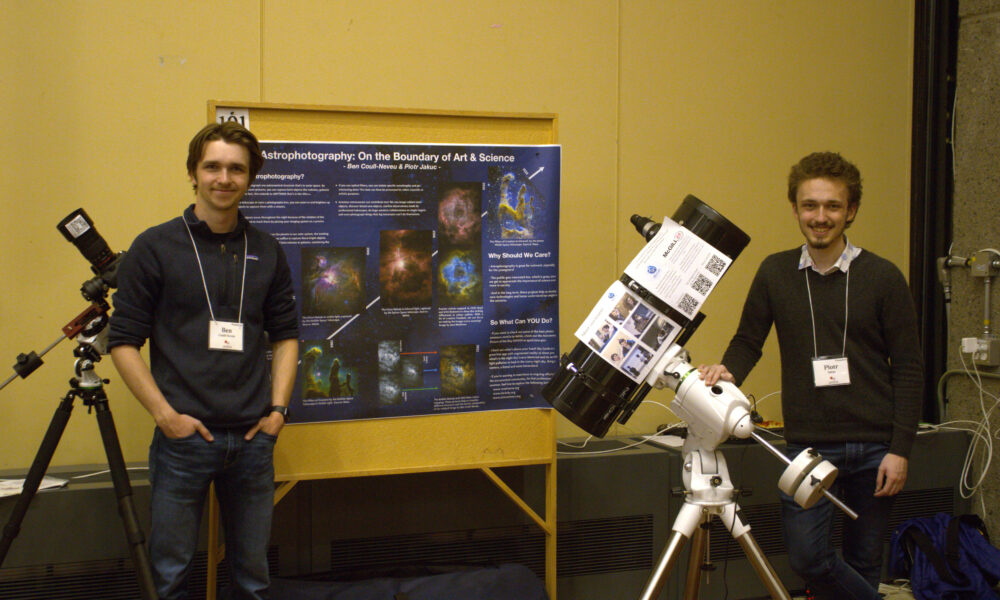
U1 Science students Ben Coull-Neveu and Piotr Jakuc transformed their astronomy hobby into art. As astrophotographers, both Coull-Neveu and Jakuc carefully control the colour and focus of their photographs for artistic flair.

“A lot of [astrophotography] kind of comes back to the person who processes it to find what they wanted to get out of the image,” Coull-Neveu explained to the Tribune. “Even if they’re using the exact same initial data, the final image will pretty much always come out completely different because it’s their choice as to […] what colours they really want to bring out on the image.”

When it comes to space photographs, this artistic freedom is also found in the James Webb Space Telescope’s photograph of the Pillars of Creation, which Jakuc states is colour-saturated to give a sense of awe.

“And that’s kind of like the artistic side of things because no one’s supposed to really tell you how to present your pictures if the final goal is to just impress the public,” Jakuc told the Tribune. “At that point, [astrophotography is] just what’s prettiest to you and what’s prettiest to most people.”

A previous version of this article incorrectly stated that this was the third edition of the Poster Showcase. In fact, It was the fourth.

Ask a Scientist, Private, Science & Technology

Stiffer DNA hydrogels open new paths for biomedical applications

Besides acting as the backbone of genetic material, DNA is getting significant attention for being a versatile building block of nanomaterials—particles one-thousandth of the diameter of a hair strand—including a type of nanomaterial called DNA hydrogels

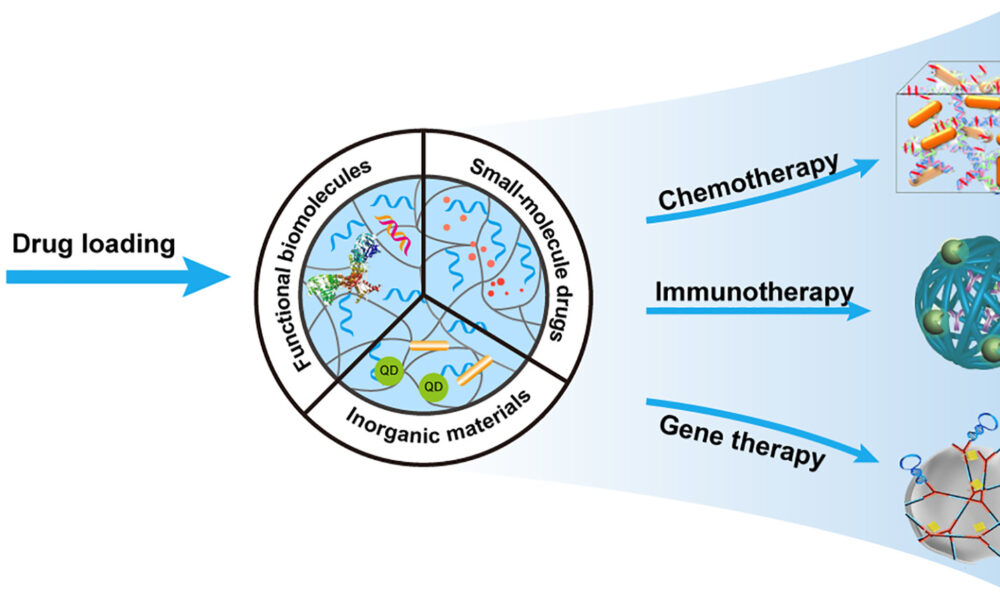
As a rising star in the field of nanoengineering, which is the study of extremely small-scale particles, these hydrogels have great potential for biomedical uses. In a recent paper published in Advanced Science, McGill researchers proposed the use of a novel structure that would allow the formation of stronger DNA hydrogels for wider biomedical applications, such as enhancing drug efficacy. 

Hydrogels are structures that can hold large amounts of water. For example, some hydrogels can absorb up to 600 times their original volume of water. They can be prepared from protein molecules, such as collagen and gelatin, and carbohydrate molecules, such as starch and agarose. DNA’s ability to absorb water enables it to possess the properties of a hydrogel.

DNA-based hydrogels, which are composed entirely of DNA, can be produced through chemical or physical linkages between DNA strands. They exhibit various sought-after qualities, such as biodegradability, the ability to self-heal, and non-toxicity, making them an ideal choice for in-body tasks such as drug delivery, targeted gene therapy, and cancer treatment.

However, DNA hydrogels are not without their drawbacks. For instance, hydrogels made of unmodified DNA are extremely soft, making them incompatible with certain environments, such as the spleen, which has stiffer cells. 

Additionally, unmodified DNA hydrogels lack a convenient chemical handle, so they cannot be used for specific biomedical applications, such as controlled drug delivery, tissue engineering, and cell transplant therapy. Chemical strategies for the construction of hydrogels, notably ligase-mediated reactions, allow the hydrogels to be fine-tuned and tailored for these kinds of applications. 

“Scientists who wish to combine the attributes of DNA with say, catalysis, drug delivery, photochemistry, cell growth, or any other purpose for which chemistry has many solutions, rely on synthetically modified DNA,” wrote Christophe Lachance-Brais, a PhD student in McGill’s Department of Chemistry who led the study, in an email to The McGill Tribune. “Without a convenient chemical handle, DNA hydrogels are limited to the chemistry of DNA, and that may not be enough.” 

In other words, a convenient chemical handle allows biomaterials such as DNA to be re-constructed for biomedical applications.

Lachance-Brais and his team proposed the use of a novel nucleic acid structure resulting from a genetic assembly called a dA/CA motif, which is made up of poly-deoxyadenosine (dA)—a derivative of DNA components—and cyanuric acid (CA)—a small non-toxic molecule. 

“Our hydrogels could theoretically load up one molecule per adenine base, while the ones incorporating the molecule as low-density synthetic modifications could only release one per strand,” Lachance-Brais wrote. In other words, the new hydrogels are high-density, allowing them to have a high drug-loading capacity. This is advantageous because it means fewer hydrogels could be used to deliver the same amount of medicine. 

This novel DNA hydrogel can also respond to complex stimuli, including specific DNA sequences and small molecules. When the hydrogels come into contact with a stimulus, such as a drug solution, they swell up to absorb the drug.

The new hydrogel can even influence gene expression by delivering a high concentration of gene-related therapeutics. This is done by enhancing the gene-silencing efficacy of antisense oligonucleotides—a versatile group of therapeutics with gene-silencing effects used to treat diseases such as Duchenne muscular dystrophy and spinal muscular atrophy.

Although the development of DNA hydrogels is still in its infancy, McGill researchers have opened up exciting possibilities for biomedical applications of DNA hydrogels by making them a little less rigid—and their uses a little more flexible. 

Ask a Scientist, Private, Science & Technology

Call off the search for a “normal” brain

A “normal” brain—also termed “neurotypical”—has long been used in cognitive science research as a benchmark for brain activity comparisons. But this distinction between brains actually limits neuroscience research and has long escaped the notice of experts.

Jakub Kopal, a postdoctoral fellow in neuroscience at McGill, researches the effect of genetic mutations on brain architecture and behaviour, and has come to the conclusion that there is no such thing as a normal brain—at least in the general population.

“We talk a lot about a normal brain […] and I think these are notions that were used in the literature. This is more like the vocabulary from the 20th century,” Kopal explained in an interview with The McGill Tribune. “We are trying to argue now that there is no such thing as a typical brain or a normal brain.”

The idea of a “normal” brain is usually found in studies that look to distinguish between subjects with and without a brain disease. Those with “normal” brains make up the control group—a sample that is not affected by the experimental conditions and is used as a baseline—and are labelled as neurotypical.

“The term [neurotypical] was really focused on WEIRD [Western, educated, industrialized, rich and democratic] people. Most of the research takes place at the universities, [and] there is a specific [socioeconomic] group of people that go to university,” Kopal said. 

Previous research has focused mainly on WEIRD people, who actually do not make up more than 15 per cent of the global population. Another defining factor of neuroscience research, according to Kopal, is its high cost, which had limited sample sizes to only 15 to 20 subjects per study until the 2000s. 

“[We] need to reduce the ‘noise,’ so [researchers] would focus only on people that are right-handed or meet several other criteria,” Kopal said. “They would put these criteria to homogenize their group to get the strongest evidence. But then it is really not telling you much about the whole population.”

As Kopal explained, the inclusion of only right-handers in studies consolidated a popular conjecture that our language centre is localized in the left hemisphere of the brain. It was only when researchers included left-handers in their studies that it became clear that the lateralization of the language centre in the brain is quite different for lefties—found in the right hemisphere. In this case, narrow sample sizes lead to results that don’t apply to the wider population and are not reproducible in future experiments. 

Lack of reproducibility in current research has been a big motivation for the creation of databases such as UK Biobank and Adolescent Brain Cognitive Development (ABCD) Study, which allow us to look at neuroscience research from a more global, inclusive perspective. UK Biobank is a resource with extensive genetic and health data from British patients, while ABCD comprises research focusing on the brain development of children in the United States. These databases have shown that ethnicity, gender, and other socioeconomic and personal characteristics factor into the makeup of one’s cognition. 

“The reproducibility crisis [showed that] we need large sample sizes in order to reproduce our results. And then there was another set of studies showing that the samples we have right now are really WEIRD,” Kopal said. “And this probably means that our results might not generalize to the whole population.” 

A potential application of expanding sample sizes in neuroscience research is using technology to assess risks of developing neurodegenerative diseases, such as Alzheimer’s

“With the advances in machine learning, we also saw that often our algorithms fail for minorities,” Kopal said. “Our machine learning approaches are really tailored to the majorities and they fail non-stereotypical populations.” 

This is especially critical in the medical industry because physicians must provide high-quality services to diverse patients and need reliable data based on inclusive studies. 

“I don’t want to claim I can predict Alzheimer’s disease if you are of European ancestry, well-educated, have a higher income and you’re a male,” Kopal said. “This doesn’t really serve us as a tool. [We want] a tool that serves the whole population.”

McGill, News

Students, faculty frustrated by administrative changes within Faculty of Science

Recent changes within the Faculty of Science concluded with the merging of administrative staff from the Geography, Earth and Planetary Sciences (EPS), and Atmospheric and Oceanic Sciences (AOS) departments into one administrative pod as of March 13. This decision has brought on significant frustration and stress for staff and students, who cite a lack of effective communication from the faculty and sudden changes to advising and research procedures.

Bruce Lennox, Dean of the Faculty of Science, and Maria Babiak, Director of Administration and Operation for the Faculty of Science, announced the merger at an EPS department meeting on Nov. 11, 2022. The change required the administrative staff of all three programs to move to a shared office in Burnside Hall and reconfigure their workloads to cover all programs rather than just one. 

The administration told students and staff that the changes were implemented to “create redundancy,” meaning that if one or more administrators were away on vacation or leave, the other administrators would be able to cover their work.

The physical move was initially supposed to take place on Jan. 5, but was subsequently postponed to March 13 because the shared office was not yet ready for occupation. While the administrative staff for Geography and AOS were already housed in Burnside Hall, the administrators for EPS moved there from the nearby Frank Dawson Adams Building. 

When contacted about the changes within the Faculty of Science, media relations officer Frédérique Mazerolle confirmed that the restructuring was taking place but did not provide further detail. 

Julia Baumgarte, president of the EPS graduate student society, The Adams Club, told The McGill Tribune that the physical displacement of the administrative staff has changed day-to-day operations and put a strain on certain research procedures.

“I know that a bunch of other students in the department […] need frozen samples for their research,” Baumgarte said. “As soon as that stuff [is] delivered, it has to go into a freezer. And if that were to be taken out of our building, those students’ research would be really compromised.”

Many students and faculty members of the affected programs have communicated that this change does not only reflect a difference in workloads or office space, but also disrupts the community and culture within these programs. 

According to William Minarik, an EPS faculty lecturer, the current administrators’ deep knowledge of their respective departments makes for an efficient workplace environment. To Minarik, altering these relationships affects the workplace’s  ability to run smoothly. 

“As a teacher and researcher, I interact daily with our department staff in order to work in these roles,” Minarik told the Tribune. “Our departmental office is the nerve centre of all departmental activities, the hub [….] Students with questions, concerns or other issues currently can visit and immediately talk to a knowledgeable, empathetic, and helpful person.”

EPS associate professor and Wares Faculty Scholar Christie Rowe told the Tribune that many students and staff feel that the delayed timeline of the merger reflects a broader trend of administrative disorganization at McGill. Rowe believes that there was insufficient consultation with the faculty about the essential function of the administrative staff. 

“[B]ecause we’re getting information very piecemeal, it’s not possible for us to prepare in any way,” Rowe said. “It would have been nice to consult with the department about what are the key functions that these admins are providing and what support we really need to ensure that the new system would also address the same issues. But so far, that consultation has been pretty thin.”

Rowe, Minarik, and Baumgarte all pointed out that because these programs are small and tight-knit, the changes have affected their sense of community.

“One of the key elements of my 10 years at McGill has been that we tend to appreciate one another as colleagues through all levels of the university,” Rowe said. “It’s that kind of social network of relying on one another that has made this a really rewarding place to work. And so I’m upset with anyone feeling undermined or feeling not valued in our community.”

Editorial, Opinion

It’s time Quebec funds trans futures, not transphobia

Just two months ago, McGill students raised their voices against the Centre for Human Rights and Legal Pluralism hosting a transphobic talk by Robert Wintemute, whose work at the LGB Alliance denies the fundamental rights of trans people under the guise of protection for cisgender gay, lesbian, and bisexual people. The Quebec government has decided to follow McGill’s lead in letting down trans people and economically supporting the erasure of the community. Quebec’s Ministry of Labour, Social Solidarity and the Family confirmed the province’s funding of Pour les Droits des Femmes du Québec (PDF Québec)—a trans-exclusionary so-called feminist organization. 

It is in Quebec’s best interest to immediately stop supporting PDF Québec. As the organization uses its social media platforms to publicly target and misgender trans activists such as Fae Johnston, their actions discredit the province as a body legislating in good faith.

Despite the province’s claims that they do not support the entirety of PDF Québec’s views, financial support amounting to $143,000 for the 2022-2023 fiscal year makes the statement that, in fact, they do. Among the province’s several competent and inclusive feminist organizations, Quebec chose the only one in support of Bill 21––which prevents civil servants from wearing religious symbols—that also excludes trans people from its bigoted platform.

In 2015, PDF Québec presented a brief to the federal government asking that only trans people who had medically transitioned could change their official gender identification on government IDs. Two years later, in 2017, it campaigned to modify Bill C-16—which aims to protect  gender-diverse people from discrimination—to exclude some trans people, arguing that offering them protection would impede on women’s rights. Quebec’s support of the organization has been ongoing since 2019, with $120,000 to $140,000 of tax-payer dollars going to PDF Québec every year. In the context of increasing hate crimes against 2SLGBTQIA+ people across Canada, Quebec is not protecting its own residents. Instead, the government has explicitly endangered the trans community by not providing them a safe and welcome space to exist, while funding an organization that stands in opposition to their very identity. 

Quebec’s support for PDF directly challenges the idea of Canadian exceptionalism, which elevates Canada as a uniquely socially just country in the international order. But Quebec’s political decisions prove that the country is—step by step—following the repressive path of our neighbour south of the border. American lawmakers are passing transphobic bills at an exponential rate, like bans on gender-affirming care or restrictions on name changes. As they become normalized, these laws provide legitimacy for Canadian provinces to implement their own anti-trans agenda. Rather than offer meaningful solutions to the strained health-care system for trans people in Quebec, the province adds to its deadly inaccessibility. By funding a group that only recognizes trans people who have medically transitioned, Quebec ignores the medical discrimination faced by the trans community and propagates biological essentialism.  For Indigenous communities under the imposition of settler colonial constructions of gender, the money the province funnels to PDF Québec would be better spent decolonizing Quebec health care.   

Quebec must collaborate with and listen to young trans activists like  Celeste Trianon, who runs a legal aid clinic helping trans women in Montreal and is a direct target of PDF Québec’s vitriol. Futures for trans people flourishing in the province must recognize the role played by  trans women of colour in the history of the North American queer rights movement. Marsha P. Johnson, Sylvia Rivera, and Miss Major Griffin-Gracy led the 1969 Stonewall Riots and played a key role in the emancipation of gay people in the United States and across the world. The ‘T’ carried the ‘LGB’, and excluding trans people, especially of colour, from today’s feminist movements would be a grave denial of history.


The outcry against Quebec’s trans-exclusionary funding must be infinitely louder. The Montreal student community already rebelled once against McGill’s transphobic talks, and must keep denouncing the powerful institutions that impede upon trans people’s basic rights—human rights. Let’s not forget the individual power that each one of us holds in reaching out to their National Assembly representatives, for a single voice speaking out can go a long way in the collective fight for justice.

Campus Spotlight, Student Life

What is good sex to you?

When it was announced that a two-time Fulbright-winning Harvard-PhD professor from the University of Alabama was coming to speak at McGill about her new book, most students probably weren’t expecting it to be titled Good Sex

But when professor of gender and cultural studies Catherine Roach visited McGill on March 14 to speak on a panel about the book, she was greeted with a room of very interested students and faculty.

“Good sex is good as in ethical, and good as in pleasurable,” Roach said to open up the discussion. 

Her book, which she actually finished writing while on a fellowship here, covers five “manisextos” for how to change the norms around sex as part of the new gender and sexual revolution, including positive sexuality, equity and inclusion, body positivity, consent, and mutual pleasure.

The panel featured three students from McGill’s Gender, Sexuality, Feminist, and Social Justice (GSFS) program—Ashna Naidoo (U2), Céleste Pépin (U2), and Juliet Morrison* (U2)—who each shared their views of the book. 

Naidoo discussed the hookup culture on campus and how gender norms not only create a double standard but make sex positivity impossible for all students. 

“Women who partake in [hookup culture] are seen as promiscuous, […] men as commendable or honourable,” Naidoo said. 

She also expanded on the challenges that racialized individuals face in partaking in sex positivity under Eurocentric beauty standards.

“The binary convention of what it means to be conventionally attractive in [a] university of tall, skinny, and white […] perpetuates exoticism for anyone existing outside of this,” Naidoo explained. 

Roach’s book covers many of the risks bad sex entails. “As we screw around, sex can screw us up,” she writes.

For panellist  Pépin, one of these risk factors is many individuals’ lack of self-awareness and inability to question their intimate preferences. 

“We also need to stop for a second and think about what our fantasies might mean to us […] I’m submissive, I’m dominant, but why do you feel like that?” Pépin said.

According to Roach, so much of sex is based on gendered scripts that circulate and embed patriarchy through pornography and social media. These norms also factor into conversations surrounding consent.

“Full consent [arises] out of egalitarian gender norms,” Roach said. 

According to all three panellists, the book’s accessibility makes it all the more enjoyable. Roach collected various images, sidebars, and quotes from students at the University of Alabama, making the academic content much more legible.

During the panel, Roach and the students discussed the newly re-released McGill “It Takes All of Us” training module. The attending students also had a lot to say on the matter. 

“We can have these great conversations as students here at McGill, but is the administration actually going to take it into account?” said audience member Gabriela Toharia, U1 Arts.

This comes after multiple student groups, including Sex and Self and the Union for Gender Empowerment, expressed their disappointment in a lack of consultation in the program’s redevelopment, with many questioning how a module for improving the norms around sex can be successful without first consulting with students about what those norms are.

In addition to frustration towards the state of sexual health and safety on campus, there was also a resounding hopefulness in the room, with students and staff wanting to improve both the quantity and quality of sexual education opportunities at McGill.

“What are ways in which we can push for more of this education? We need accessibility to those courses and to that education,” said Dominique Magleo, U1 Arts.

“We need to make education so much more fun and accessible, like this book!” said Pépin, adding that “the sexual and gender revolution is for everyone.”

Roach seemed impressed with students’ passion and engagement. She hopes that this book will create conversation about these important topics, and lead them in a positive direction.

“Sex should do good, and feel good.”

If you’re looking to learn about what’s going on with your sex life, have a read of Roach’s new book, Good Sex, on sale at Le Paragraphe, or online.
*Morrison is currently a News Editor at The McGill Tribune and was not involved in the publication of this article.

Student Life, The Viewpoint

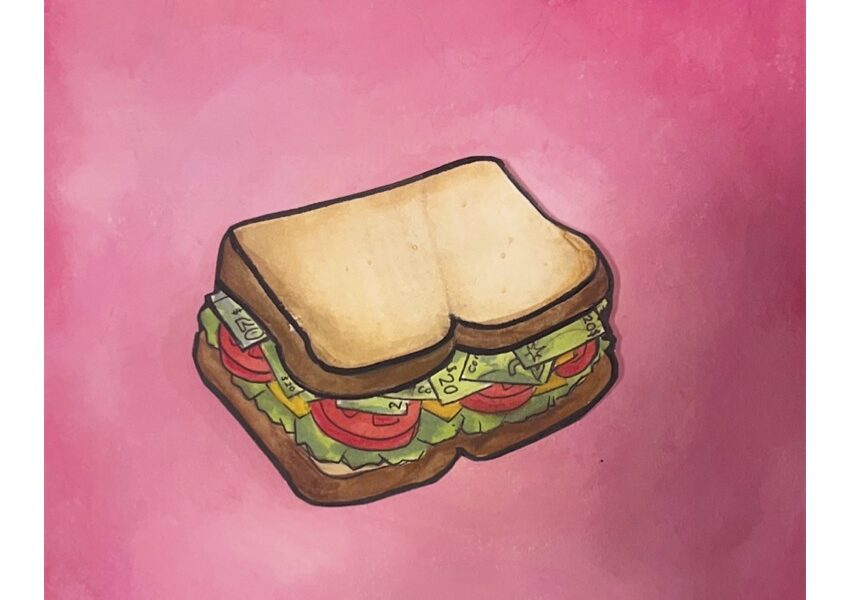
Food Q&A: Surviving lunch at McGill

Campus food. It’s what everyone’s talking about. High prices, insufficient options, and food quality to rival the mouldy scraps in the back of your freezer. I dread to think what Gordon Ramsay would do if he ever got the McGill Food and Dining Services team by the collar, but I can’t lie, I’d be jolly pleased if he did. 

The campaigns are coming in fast now. Let’s Eat McGill’s community assemblies and student protests are leading the charge to shed light on the food insecurity crisis at McGill. But despite students’ best efforts so far, the university is working at a snail’s pace. Campus food accessibility and quality have not improved. So, since they’re uninterested in addressing this problem sufficiently and quickly, we have a pressing issue: What’s for lunch? 

Here are some affordable options to get you through the day. 

Super Savings ($0-3) 

Midnight Kitchen

Midnight Kitchen, a non-profit volunteer collective, is back and on a mission to increase the accessibility of campus food. Operating out of the second floor of the Students’ Society of McGill University (SSMU) building, the student-funded service provides free vegan meals.

And look, I’ve had my fair share of bad vegan food; most are not worth a side eye, but hand on heart, Midnight Kitchen is worth your time. Free, simple, sustainable food that fills you up—take notes, McGill. 

It’s only operating two or three times a month at the moment, as it’s underfunded, but when it is serving, be sure to get there well before 1:00 p.m. because the line will snake fast. 

Homemade sandwiches with ingredients from local grocery stores

Sometimes nothing beats a homemade sandwich. It’s also a smart idea when it comes to lunch-time savings, and when it comes to price, it’s a hard sell to beat Segal’s on St. Laurent for consistent cost savings. 

My advice? Keep it simple. Stick with sandwiches or salads, and let the creative juices flow for dinner. Grilled ham and cheese or a Caesar salad play well for the school day. For me, I like to take inspiration from Marco Pierre White: Sourdough, shallots, anchovies, butter, parsley, and dish-dash-dosh, sorted. You can also mix and match your ingredients with other independent stores. Fruiterie du Plateau, for example, in the Plateau offers cheap, fresh fruit.

Lunch on the go ($4-6)

Super Sandwich

It’s one of our own, as we say. I’ve heard some talk recently that McGill should buy it or allow it to move on-campus. Don’t forget that it’s so super because McGill has precisely nothing to do with it. That and the fresh sandwiches—made in front of you faster than your eyes can blink, and for prices that don’t make you rethink. 

Tim Hortons

Tim Hortons on Sherbrooke troubles me. Not in terms of price, quality, or anything in between, but the waiting in the 20-minute desolate line. I find myself fading in and out of reality, lost. Thankfully, Tim’s $4.99 roast beef and crispy onion and  $5.99 BLT brings me back to reality. And, as it’s just across from campus, it’s a great lunch on the go.

Nearby deals 

Metro hot food counter deals

It might seem counterintuitive to say that McGill students should support Metro, which is perhaps one of the main culprits of the latest food price spikes, but their hot food counter on Parc has some great deals, from a $5.29 chicken leg meal on Monday to $4.99 poutine on Thursdays. Portion sizes are also not for the faint of heart, either. 

Sansalizza

Another deal to consider is up Parc Ave: Sansazzlia’s special of the day––a different nine-inch pizza every day for $6.90. Sansalizza is opposite New Residence, but don’t fret about running into first years—they only go at midnight when they’re listening to Drake, high as a kite. 

A short stroll away 

Café Aunja

I’ve mentioned this before in a café recommendations article, but it’s still worth bringing up: An Iranian café-lunch spot on Sherbrooke, a few steps down from street level, offering a range of sandwiches and brunch bites, as well as coffee and herbal tea. 

News, PGSS

PGSS executives debate restructuring responsibilities to ease workload

The Post-Graduate Students’ Society (PGSS) held its 2022-2023 Winter General Assembly at Thomson House on March 15. Although there were no binding votes or motions passed, attendees discussed the status of the Library Improvement Fund, the potential installation of air-filtration devices across campus, and a restructuring of the PGSS itself.

To start the meeting, Hossein Poorhemati, the current PGSS University Affairs Officer, gave updates on the Library Improvement Fund and addressed concerns about the potentially dwindling library space due to planned construction on the McLennan-Redpath complex as part of the Fiat Lux project. The fund is a recent PGSS project that offers gift cards to students with the best library improvement ideas—PGSS then attempts to implement those suggestions by bringing them to the McGill Library and investing in projects. 

“This construction is taking a lot of resources from the library, so we’re not getting timely responses from the library,” Poorhemati said. “As for the many concerns members have of library space, the library says actual construction will be in two to three years, so there won’t be any issues anytime soon.”

According to the McGill Reporter, construction is set to begin in early 2024.

Following the update, Hannah Derue, a master’s student in neuroscience, brought up the possibility of implementing a small air-filtration Corsi-Rosenthal Box in every Post-Graduate Student Association (PGSA) office, which would cost $5,000 in total. 

“Up to 10-12 per cent of COVID cases become long COVID, so this is something relevant to everybody,” Derue said. “But it is especially significant to make a point that this is also an inclusivity and accessibility problem because COVID impacts certain groups more than others, including our immunocompromised and high-risk demographics, who are members of the PGSS community just like everybody else.”  

The discussion then shifted to Kristi Kouchakji, the PGSS Secretary-General, who wanted to discuss potential changes to PGSS executive titles, such as changing “Secretary-General” to “Internal Governance Officer,” and restructuring committee responsibilities within the next year or two. These changes would hopefully create titles that better represent executives’ responsibilities and curtail executives’ heavy and unmanageable workloads

Poorhemati, however, was doubtful of the proposed restructuring’s timeline.  

“Making these many changes in one or even two years would make it almost certain that PGSS would almost collapse [….] my concern is how quick and fast, and maybe some things that work should be left alone,” Poorhemati said. “Focus should be more on students and student problems, and not necessarily about PGSS and PGSS problems. There is a delicate balance between these two and an unclear line here.”

Kouchakji responded that the divide between student and PGSS problems is precisely what needs to be better defined in the roles of different executive positions.

“PGSS is going to collapse a heck of a lot faster if we don’t start addressing some of these issues. Like it’s becoming an access issue. It’s becoming an equity issue. It’s becoming [an] inclusivity issue,” Kouchakji said. “To continue to say, we’re going to expect […] five [executives] to work more hours than they’re being paid for and two of them to work double if not triple the hours they’re being paid for, I don’t think that that’s necessarily a healthy and productive way for us to continue doing things.” 

Moment of the Meeting:

Although there seemed to be general support for Kouchakji’s revamping proposal, a non-binding straw poll revealed that only eight per cent of attendees wanted to be a part of the committee working on the proposal if the motion passes—50 per cent of attendees voted no, and the other 38 per cent said maybe. 

Soundbite:

“I love unions. I think everyone should belong to a union. I think that’s extremely difficult to implement here because half of us are elected and the other half are appointed.”

— Kristi Kouchakji on the difficulties of unionizing PGSS employees 

Read the latest issue

Read the latest issue