


Latest News

Arts & Entertainment, Film and TV, Pop Rhetoric

One Sinner After Another

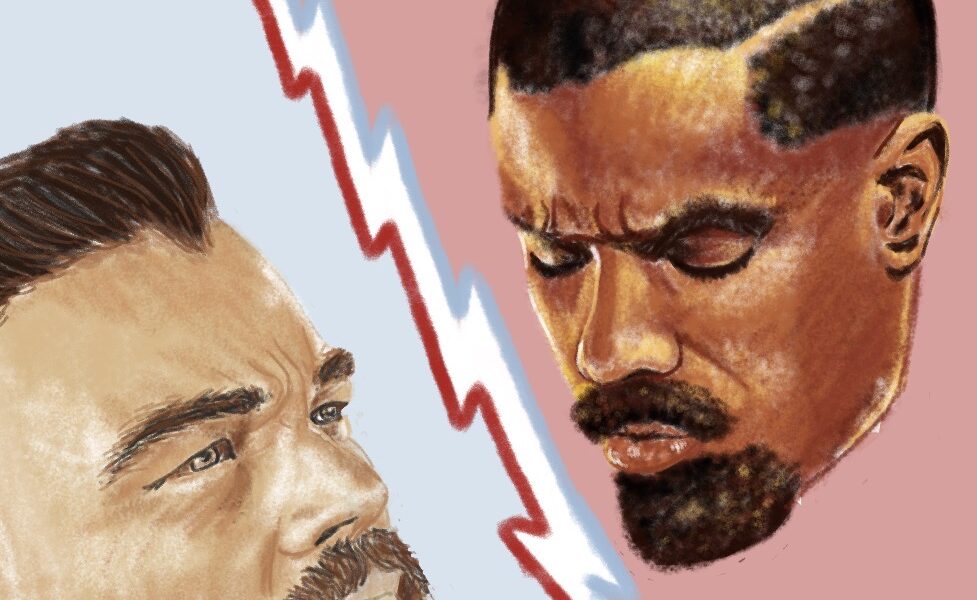
On March 15, the 98th edition of the Academy Awards took place at the Dolby Theatre, bringing the usual spectacle and controversy that define Hollywood’s most anticipated night. This year, two films in particular—Ryan Coogler’s Sinners and Paul Thomas Anderson’s One Battle After Another (OBAA)—competed closely in the race for Best Picture.

This category is traditionally the final award of the night, cementing its status as the ultimate marker of cinematic prestige. Unlike other categories, this Oscar is unique as it is decided by a preferential ballot system, in which Academy members rank nominees instead of selecting a single choice. This process rewards consensus and broad appeal, but also raises important questions about which films are ultimately deemed worthy of recognition—and why.

It is precisely this tension that has fueled the critique surrounding OBAA’s win. OBAA has received significant attention for its apparent political ambitions, engaging with themes such as racism, immigration and authoritarianism; Yet, Director Paul Thomas Anderson has repeatedly dodged opportunities to relinquish his apolitical stance. Nonetheless, despite—or perhaps because of— this ambition, the film has been widely criticized for its aestheticization of politics. A critique of authoritarian state violence turned into a polished rendering of cinematic action, prioritizing form and effect over depth and meaning.

On the other hand, Sinners has been noted to humanize Black political identity in accordance with history, offering a portrayal that remains grounded and attentive to lived experience. The film has received acclaim for its ability to merge supernatural horror with a meaningful exploration of the dynamics of oppression and Black Southern culture, creating a narrative that feels both creative and relevant

The contrast between these two films thus extends beyond questions of genre or style, pointing to a broader issue regarding the standards and criteria by which a film’s cinematic value is measured. What does the Academy reward when it recognizes a film as “Best Picture?” OBAA’s win reveals less about the relative quality of the films than the underlying values and preferences that shape the Academy itself. By favouring a stylized portrayal of political struggle over the more grounded and historically attentive approach of Sinners, the Oscars continue to privilege representations of politics that are aesthetically legible and institutionally familiar. In doing so, they reaffirm a particular vision of what “serious” political cinema looks like. Thus, the value of what constitutes a “Best Picture” no longer emerges as an objective measure of distinction, but as a reflection of the outdated and often problematic cultural frameworks through which the film industry operates.

This critique is further compounded by OBAA‘s choice of perspective. Despite the film’s engagement with themes of racism and systemic oppression, OBAA centres its narrative on two white male protagonists—a decision that has sparked additional criticism regarding the film’s representational scope. This results in the political stakes of the film feeling distanced, with racial issues appearing as thematic backdrops rather than lived realities. 

The directors’ reputations also shape how audiences and institutions understand the dynamics of these films. Anderson has long established himself as an auteur in American cinema and benefits from a history of critical recognition and prestige. Ryan Coogler, however, while influential and successful, is a director tied to popular cinema. The outcome of the Best Picture award thus appears to reflect not only artistic judgments but also the hierarchies that reign in the film industry. 
Despite this year’s Oscars being shockingly predictable, the outcome somehow never fails to polarize the crowd. If anything united viewers, it was the widespread belief that Timothée Chalamet did not stand a chance of receiving his small statuette.

Science & Technology

At the water’s edge: Stories of climate adaptation

One wave at a time, coastal communities are becoming increasingly vulnerable to the impacts of climate change. Rising sea levels, intensifying storms, and shifting fisheries threaten ecosystems, infrastructure, and commerce. These challenges were at the heart of this year’s Annual Grand Challenge on Sustainability, organized by Desautel’s Faculty of Management’s Sustainable Growth Initiative (SGI).

The event kicked off on March 24 at Cinema du Parc, drawing a full house with a documentary storytelling evening. It opened with remarks from Adam Turcotte, associate director of the SGI.

“The SGI was created mainly to address the interdisciplinary issues in solving the global sustainability challenges that the world faces,” Turcotte said. “[…] The objective of [SGI’s Annual Grand Challenge] is to present students across the country with a specific challenge related to sustainability and let them find a solution.”

This year’s challenge centred on exploring strategies that strengthen coastal communities’ resilience against climate change.

Two short documentaries were featured, followed by a Q&A session with their creators: Leila Beaudoin, a journalist who specializes in fisheries and climate stories, and Maxime Corneau, a Radio-Canada journalist who covers environmental issues.

Beaudoin’s film, All Eyes On the Water, explores the growing threats to coastal communities posed by rising sea levels and increasing storm intensity. When introducing her work, she reflected on sustainability and the challenge of maintaining communities and ecosystems in a rapidly changing world.

“Fishermen in my film can tell you the exact speed [by which] the wind has changed since they were children,” Beaudoin said. “When I started filming on my iPhone, I did not know what I was gathering […], just that I had to gather it and that it was important [.…] Last year, I purchased a [Sony camera] […], but one thing I realized when making this documentary is that climate stories do not wait. They do not care about theatrics or lighting or programs or funding, even.”

Filmed near her hometown in northern Newfoundland during the COVID-19 pandemic, the documentary highlights how storm activity is accelerating coastal erosion and damaging infrastructure, such as homes and fishing facilities.

“The message for me was really how [people] already know, they have solutions,” Beaudoin said.

By giving people space to express their thoughts, ideas, and concerns in her film, she demonstrates that communities are already adapting—proposing solutions such as relocating buildings inland or reinforcing shorelines with rock barriers—but are lacking the funding and political support needed to implement them.

During the Q&A, Beaudoin further explained how climate change impacts fisheries: While warming waters have benefited the lobster industry in Newfoundland, stocks are declining further south in the United States.

Maxime Corneau’s documentary, Tuktoyaktuk: où aller quand l’océan nous engloutit?, presented on Découverte, tells the story of Tuktoyaktuk, an Inuvialuit hamlet in the Northwest Territories, facing severe coastal erosion, worsened by permafrost thaw, rising sea levels, and amplified wave action.

“We wanted to share the story of people who were thinking about leaving [….] But when we got there, we quickly realized that […] they wanted to stay there, and it realigned the story,” Corneau said.

The film blends voices from scientists, local residents, and former mayor Erwin Elias, portraying a community deeply attached to its land; cultural, cemetery and economic activities are all connected to this place.

“As a Southerner, I […] thought [climate change] must be terrible [for Indigenous communities in the north],” Corneau said. “And when you are there, you speak with people, and it is all about adaptation, and how they move with the environment.”

Following the screening, Corneau shared that the community has since secured $54 million CAD in federal funding to help protect the town from erosion. He highlighted Tuktoyaktuk’s geopolitical importance as a factor in securing funding and expressed hope that the film will inform broader adaptation strategies, including in southern regions like Montreal.

Overall, audience members responded positively to both films, praising their striking visuals that captured the beauty of Canadian coastal landscapes, the representativeness of people’s voices, and the human-centred storytelling. 

As conversations continued beyond the screening room, the event marked yet another successful edition of the Annual Grand Challenge on Sustainability.

Student Life

P[h]assion is a ritual we must uphold 

Student-organized events are a playground for creativity and innovation. Designers, unrestricted by large corporations or monetization, are instead fueled by true passion—or in this case, P[h]assion. P[h]assion is a non-profit organization at McGill that has fundraised over $150,000 CAD for various Acquired Immunodeficiency Syndrome (AIDS) and Human Immunodeficiency Virus (HIV) foundations, including their primary partner AIDS Community Care Montreal (ACCM), thanks to events centred on fashion. On March 14, P[h]assion held its annual spring fashion show to help raise awareness and funds for ACCM. This year’s theme was “RITUAL.”

Alina Lu, U4 Management, and co-director of P[h]assion, explained the show’s theme in a written statement to The Tribune.

“For us, RITUAL is a journey through the experiences, spaces, and practices that shape daily life around the world [….] Some rituals are collective, rooted in culture, community, and shared belief. Others are deeply personal, unfolding in moments of solitude and everyday routine [….] It shapes identity, creates connection, and brings meaning to the ordinary.”

Lu and her colleagues aim to paint awareness onto a visual landscape, such as fashion, to encourage people to make contact with realities they would otherwise turn away from. By contributing to these creative events, either behind the scenes or as audience members, students learn to see art as a medium for change.

“Fashion is an art form that has always been inherently political, standing alongside and amplifying social movements throughout history including the AIDS movement of the 1980s,” Lu continued. “[Fashion] is both deeply personal and profoundly collective [….] In the context of the cause we stand for, history is especially meaningful. We are always intentional about honouring it and using P[h]assion as a platform to carry forward the legacy of those who used it as a tool for change.”

The runway, set in Centre St Jax, a church located on rue St. Catherine, solidified the show’s theme. The quiet light streaming through the stained glass and the arched reverberant architecture served as a backdrop for a collective religious identity formed through ritual. The community P[h]assion has built went hand in hand with supporting other communities, both Montreal designers and communities struggling with AIDS and HIV.

Alongside the setting, clothing pieces themselves are integral to the coming-together of any fashion show. One dress, from the collection of designer Maya Ginzburg, particularly stood out to //The Tribune//. The garment was held together by strings attaching black squares to make a long silhouette. The back was open, consisting only of thin black strings stretching between the two sides of the dress. The dress was beautifully intricate and seemingly fragile, reflecting the delicate nature of rituals themselves. 

Lu highlighted an additional piece from the Maya Ginzburg collection.

“[Another] dress [highlighted] forest fires in Canadian [forests] using charred wood and wood heels, it’s such a beautiful piece intersecting fashion and nature.”

The evening’s theme tied directly to the club’s main goal of spreading awareness and generating support for HIV/AIDS. 

“Rituals can foster empathy and understanding. By showcasing diverse stories and lived experiences through fashion, we want to humanize and bring visibility to the communities affected by HIV/AIDS,” Lu wrote.

“RITUAL” not only displayed but convinced audiences of the importance of P[h]assion’s mission to engage the McGill community in both art and social justice. Each collection offered its own unique perspective on the importance of the club’s cause, coming together to create a meaningful show representative of P[h]assion’s mission. 

News

McGill Senate questions application of revised identification policy

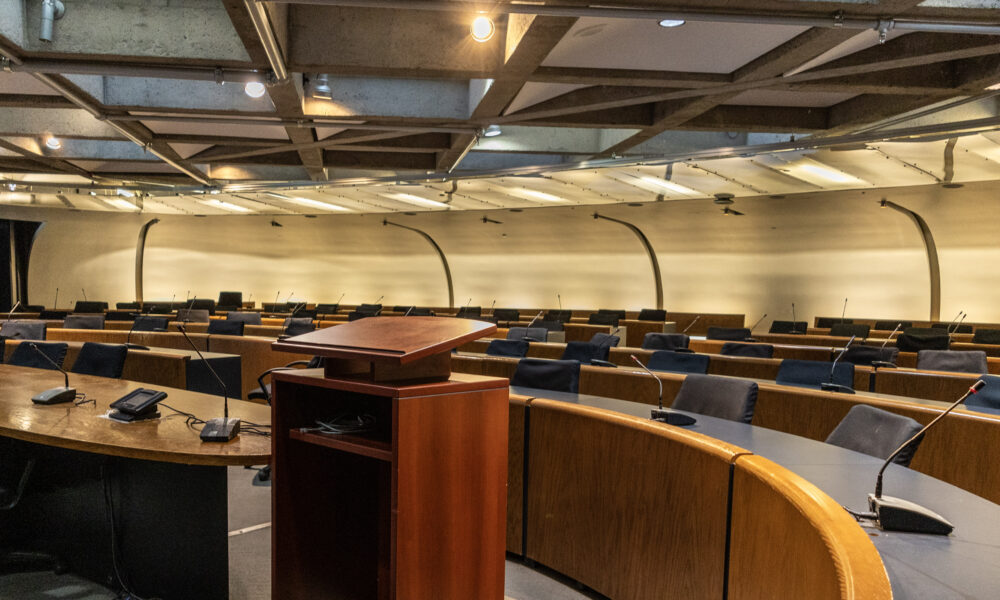
The McGill Senate convened on March 18 for its third meeting of the Winter 2026 semester. The meeting began with a memorial for the late Professor David Harpp in the Department of Chemistry. McGill’s President and Vice-Chancellor Deep Saini shared his Feb. 25 speech for the Montreal Chamber of Commerce with the Senate, as well as his visit to India with Prime Minister Mark Carney to discuss the opening of a Centre for Excellence in AI. 

Next, Vice-President (VP) of Administration and Finance Fabrice Labeau opened the discussion with a revised identification (ID) policy proposal following the policy’s initial proposal in the Senate’s Jan. 14 meeting. The proposal would allow authorized personnel to request student identification on campus property for “legitimate purposes” outlined in the policy.  

Post-Graduate Students’ Society University Affairs Officer Amina Bourai raised questions regarding the initial proposal’s academic necessity and potential safeguards, referencing an open letter from the McGill community opposing the proposed policy.

“[The open letter] has now been signed by over 500 members of the McGill community, including undergraduate and graduate students, staff, alumni, and faculty,” Bourai said. “This reflects a broad and urgent level of concern across the university about both the necessity of this policy and its potential impacts.” 

Furthermore, among other concerns of the policy’s safeguards, Bourai questioned the need to change McGill’s current security apparatus.

“What remains unclear is why [the existing frameworks] are inadequate and why a broad identification policy that doesn’t require any suspected wrongdoing is a proportionate response [….] How exactly is security supposed to handle the exclusion of people? Physically carry them outside or are we calling the police?”

In response to Bourai’s initial questions, Labeau presented his revised proposal with consultations from other senators. Labeau cited increased theft on campus as a reason for the policy, while also taking into account concerns about discretion in asking for ID.

“We heard a lot of comments about the fact that too many people had too much power and that was never the intent. We’ve clarified in this version that the role of an individual that is qualified to ask for identification is really limited to a specific place and time,” Labeau said. 

Labeau acknowledged that the consultations were useful, yet the policy’s passing would ultimately go through the Board of Governors (BoG), a point echoed by Saini. Labeau also clarified the definition of “authorized personnel” allowed to request ID, listing exam invigilators, campus security, and faculty or staff acting in an official capacity at on-campus events. 

Faculty of Law Professor Victor Muñiz-Fraticelli then raised a question about the administration’s intention with the proposal and the practical application of this policy.  

“We’re a bit like Athens under Pericles and not like Sparta,” Muñiz-Fraticelli said. “We are open to the world with Sparta, maybe Yale perhaps as a point of comparison, which closed itself from surrounding the community. And no one in Canada is asked to carry government-provided ID when they walk around the street.”

Additional concerns included adequate training for campus security under the policy and its potential effect on peaceful protests on campus. Particularly, the need for sufficient efforts to prevent profiling was brought up by Faculty of Dental Medicine and Oral Health Professor Alissa Levine.

“The only times in my life when I’ve been asked to produce ID have been when I was in the presence of a friend or colleague of colour,” Levine said. “I am concerned there will be no records kept. I think the intent was to reassure and it actually might have the opposite effect in terms of how it’s carried out.” 

The BoG will vote to pass the proposal at its next meeting on April 23. 

Soundbite: 

“I’m wondering if McGill intends to post guards at the entrances and gates of the university, to ask any tourist who wants to see the arts building, or any cyclist who wants to commute, to produce their papers or be excluded from the publicly funded campus.”—Senator Victor Muñiz-Fraticelli.

Moment of the Meeting: 

Senators voted to add a 12th day to the examination period for the Fall 2026 term to alleviate evening exams, in turn shortening Winter break.

Arts & Entertainment, Film and TV

Anicinabe Park Warriors remembered 

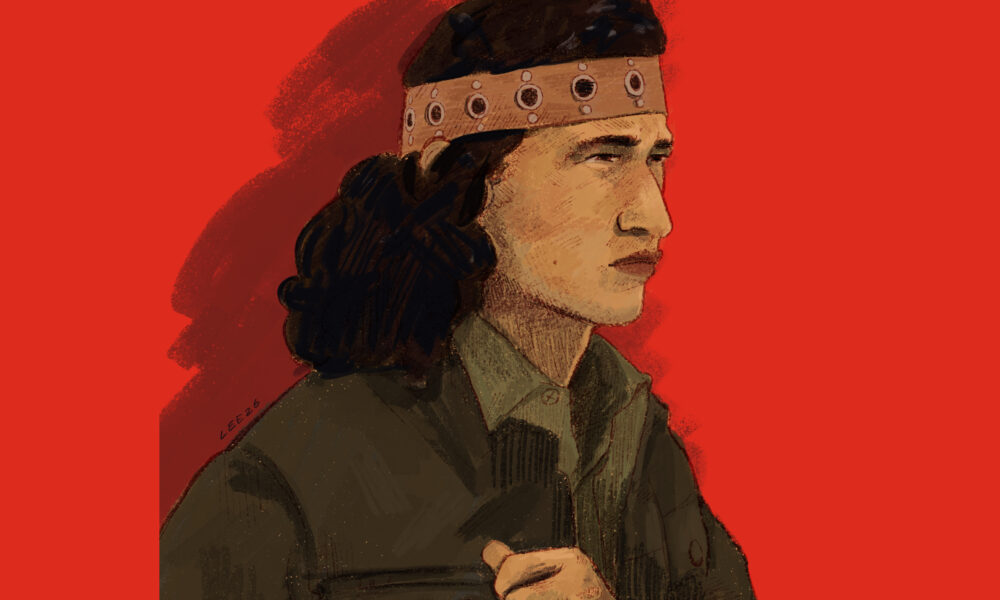
While researching for her book, The Knowing, Anishinaabe journalist, author, and filmmaker Tanya Talaga was asked by a friend what she knew about the 1974 occupation of Anicinabe Park. That prompted her to explore the story further. What followed was a captivating collaboration with Metis writer, director, and filmmaker Shane Belcourt, recounting the story of the young Louis Cameron

On March 16, Cinema Politica Concordia hosted the Montreal premiere of Ni-Naadamaadiz: Red Power Rising as part of their Winter 2026 program, Carpe Machina. In the summer of 1974, led by Cameron of the Ojibway Warriors Society, a peaceful occupation of Anicinabe Park began, following a four-day youth conference. The documentary weaves interviews, archival footage, and a voice-over of Cameron’s son, Tyler, reading Cameron’s unpublished manuscript. 

The film begins by setting the scene of life for a young Anishinaabe person living on the Grassy Narrows First Nation Reserve, or in nearby Kenora, Ontario. Racism and discrimination plague the lives of the local Anishinaabe youth, both during the film’s time period and today. For example, interviewees share experiences of being refused service in restaurants and denied public-facing jobs as Indigenous people. The film also explores how the Kenora region housed one of the largest numbers of residential schools in Ontario, where Cameron and other Anicinabe Park Warriors spent their youth facing sexual, physical, and emotional abuse. 

The narrative then follows Cameron’s son, Tyler, as he explains the extent of the mercury poisoning in his community and the process of getting his daughter tested. This is especially significant given that Indigenous communities disproportionately suffer from the effects of environmental racism, in which practices and policies result in greater pollution or health risks for Indigenous or racialized communities. Belcourt also illuminates the high levels of violence in the town, including the “Kenora Indian Beaters”—a violent and racist gang of non-Indigenous young men that target Anishinaabeg.

Despite the widespread culture of hate in town, the police focused their attention on Cameron. 

“My dad, Louis Cameron, was one of the most wanted men in Canada. An outlaw. They called him a terrorist. I call him a warrior,” says Tyler in the film.

The photos and videos of the occupation dispel this depiction by revealing a very young group, with ages ranging from 20 to as young as 17. The occupation, which lasted 40 days, involved Anishinaabe mothers, youth, and leaders camping out in the park through cold weather, threats from the Kenora locals, and constant police surveillance. Their demands included better housing, more employment opportunities, an overhaul of the Department of Indian Affairs, and—most significantly—the return of Anicinabe Park lands, which they claimed were illegally purchased by the federal government and sold to the City of Kenora in 1959.

During the post-screening Q&A, Talaga shared her intent behind the film.

“I wanted to show the youth our heroes. The heart of this film is human connection [.…] The youth in this film were standing up to resist what was happening, what is still happening,” Talaga said.

Cameron emerged as a political visionary who was both charismatic and well-spoken despite his youth. He left behind an unpublished manuscript, stored in a pink storage bin in Tyler’s home. The manuscript, narrated in both Anishinaabemowin and English, reveals the breadth of Cameron’s vision for his people. The film positions Tyler as the emotional thread of this movie, inviting audiences to share in his experience of revisiting his father’s legacy of activism from Anicinabe Park to Parliament Hill. Digging into the storage bin, the film gently unravels this forgotten juncture in Canadian history. Stunningly, Tyler looks and sounds exactly like his dad, reminding audiences that Indigenous resistance echoes through generations.

Behind the Bench, Sports

Militarism in American sports: What Team USA’s approach to baseball says about sports culture

The World Baseball Classic (WBC) is one of the most captivating tournaments in international sport—a stage where national identity shines not just through competition but also through energy and celebration. Teams played with joy and spirit just as much as athleticism throughout the ups and downs of every game. Players from Team Italy sip espresso from Moka pots after home runs, while the Dominican Republic National Baseball Team turns every big hit into a moment of collective joy by dancing and embracing each other in celebration. 

Against this backdrop, the United States National Baseball Team stood out, not due to its electric energy, but for its cold restraint. The contrast has sparked a broader conversation about the role of militarism in American sports culture and what it communicates globally.

This theme of militarism was only amplified when Team USA invited Robert O’Neill, a former SEAL Team 6 member, to deliver a motivational speech in the locker room. O’Neill is widely known for his role in the 2011 raid that killed Osama bin Laden. In recent years, however, he has gained attention for controversial social media commentary, making him an increasingly polarizing figure in the public sphere.

His presence in the locker room symbolized a longstanding pattern of military imagery being meshed into American sport. From camouflage uniforms to pregame flyovers and “Salute to Service” campaigns, U.S. sports have long incorporated military symbolism into their culture. Yet, in the context of an international tournament defined by cultural expression and joy, the tone Team USA has conveyed felt significantly different. Bringing an even colder energy, catcher Cal Raleigh was seen wearing a shirt reading “Front Toward Enemy,” a phrase associated with the Claymore mine. While it was likely intended as a symbol of toughness or focus, the message holds overt military connotations. In a tournament where other teams lean into identity through food, music, and communal celebration, this kind of imagery is quite jarring.

The WBC lets nations choose how to represent themselves. For many countries, baseball is a point of cultural pride, an opportunity to be joyful and proud of where they come from. The Dominican Republic’s exuberance reflects a relationship with the sport that is deeply connected to the nation’s identity. Italy’s espresso rituals speak to its people’s cultural traditions and humour. On the other hand, Team USA chooses to platform its government’s insistence on foreign interference. Their inability to forgo discipline and focus—ultimately reminiscent of ‘military mentality’—may reflect broader cultural values of efficiency and become a testament to how seamlessly the emphasis of military presence has embedded itself into common culture in the U.S. It brings important questions to light: What do we lose when we stop prioritizing and emphasizing joy? Is this lack of whimsy worth it to uphold the image of the U.S. as a nation not to be reckoned with? Couldn’t the real trophy be the friends we made along the way?

From Olympic boycotts to national anthems and flag ceremonies, international competition has always carried political undertones and has raised questions surrounding the relationship between sport and politics. In the case of American sports, the integration of military symbolism runs deep, and is shaped by decades of partnerships and cultural reinforcement. The integration of military symbolism has become a defining factor instead of just a facet of what it means to be American, and these symbols tend to speak not only to how nations see themselves, but also how they wish to be perceived. Having such a prevalent military attitude during a time when the U.S. military is waging war on the Middle East can convey a message of hate and malice to international audiences who are watching the WBC.

With Pete Hegseth calling the U.S. a Christian nation and intertwining the national identity with war—“Blessed be the Lord, my rock, who trains my hands for war and my fingers for battle”—the notion is only deepened. 

To meld together the United States’ identity with battle and war implies that those are actions to be proud of, despite the thousands of lives lost in the pursuit of those ‘values.’ A display of military dominance has no place on the global stage of WBC—which, at its core, is a celebratory tournament of baseball across the world.Baseball and the culture that surrounds it are as much about joy as they are about competition. The success of the WBC shows that fans are drawn to authenticity, energy, and connection, which are all qualities that transcend borders. There is no place for the continued normalization of the American military-industrial complex at international sports tournaments.

Science & Technology

Beating the fake-spring blues with science events at McGill

Now that we have returned to daylight savings, our days should feel longer, brighter, warmer—in theory, that is. Somehow, both the ground and the sky remain the same colour of lifeless grey. And not only are our skies dark, but our homes are as well, after recent winds of 120 kilometres an hour left over 300,000 Quebec residents without power. To add insult to injury, exam season is right around the corner. These are trying times, fellow McGillians. So, what better way to ease your woes than to participate in science-based activities around campus?

Physical Society Colloquia

It may feel a little bit intimidating to attend a seminar on the mechanics of our planet and our universe, especially if your specialty lies outside of the Department of Physics. However, do not let that stop you from checking out the weekly Physical Society Colloquia. While these talks target Physics undergrad students, we can confirm, as SciTech editors who are not majoring in Physics, that they remain interesting and accessible to all. If you are in need of plans on Friday, March 27, then head to the Ernest Rutherford Physics Building at 3:30 p.m. for a talk on dark matter and dark energy—the mysterious substances that make up 95 per cent of our universe. The event takes place in room 112 of the Keys Auditorium, followed by wine and cheese.

HPV Walk-In Vaccine Event

On March 26 from 10:00 a.m. to 3:00 p.m., the Student Wellness Hub invites students to a walk-in vaccination event for Human Papillomavirus (HPV), completely free of charge, in Room 5001 of the Brown Student Services Building. HPV is an incredibly common sexually transmitted disease, with experts estimating that around 75 per cent of sexually active Canadians will contract it at some point in their lives. Some strains of HPV can cause cancer, making vaccination an excellent way to protect against this. In fact, if you are vaccinated before being exposed to the virus, the HPV vaccine is 97 percent effective in preventing cervical cancer and cell changes that could lead to cancer. Plus, it’s almost 100 percent effective in preventing external genital warts

Moreover, given the concerning rise in vaccine hesitancy seen in recent years, it is critical to remember that vaccines in Canada have been proven to be both safe and effective. They are a public health miracle and have saved more than 150 million lives around the globe over the past 50 years. The event does not require registration, so if you are looking to get an HPV vaccine, all you have to do is show up with either your government or student ID. 

Undergraduate Science Showcase

Every year, McGill students dedicate entire semesters working on research projects in their departments, and many science classes afford students several opportunities to write for and contribute to the scientific fields they care about most. To celebrate this hard work, McGill’s Office of Science Education (OSE) hosts the annual Undergraduate Science Showcase, giving students the chance to present their work in a science-fair-style format. This year’s event—happening on March 25 from 5:00 p.m. to 8:00 p.m. in the University Centre—will feature work from hundreds of students, including posters and field studies projects, as well as hors d’oeuvres and DJ sets. Registration is free, and the link can be found on OSE’s website.

Aurora Gala ‘26

Finally, if learning more about science isn’t your thing, then at the very least, you can spend some quality time with fellow science students at the Aurora Gala. On the evening of March 26, join a number of different McGill student societies and associations from 8:00 p.m. to 12:00 a.m. at Pangea Restaurant & Bar in Old Port for an end-of-year celebration. Tickets range from $20-25 CAD and are available on the McGill Undergraduate Geography Society’s event page.

Science & Technology

Spotlighting Canadian women in science

Women have long driven scientific discoveries in Canada, yet their contributions often remain unrecognized and overlooked. Spotlighting the work of these innovators is crucial, as it ensures they are remembered without misattribution. The Tribune has compiled a list of women whose groundbreaking achievements continue to inspire future generations.

Elizabeth Elsie MacGill

Elizabeth Elsie MacGill was the first woman to earn a Bachelor’s degree in Electrical Engineering in Canada, and later, in 1929, became the world’s first woman to earn a Master’s degree in Aeronautical Engineering. She led the Canadian production of Hawker Hurricane fighter planes during World War II, earning her the nickname “Queen of Hurricanes” in a male-dominated field. MacGill also served as the national president of the Canadian Federation of Business and Professional Women’s Clubs from 1962 to 1964, and then as a member of the Royal Commission on the Status of Women in Canada from 1967 to 1970.

Anne Innis Dagg

In 1956, at the age of 23, Anne Innis Dagg became the first Canadian biologist and Western researcher to study giraffes in their natural habitat. Despite publishing 20 research papers, universities continually sidelined her: The University of Guelph denied her tenure, and the University of Waterloo rejected her application because she was married. However, in 2010, giraffologists rediscovered Dagg’s contributions to the field, and filmmaker Alison Reid highlighted her journey in an award-winning documentary based on Dagg’s memoir. In 2019, she was named an honorary member of the Canadian Society of Zoologists and a Member of the Order of Canada.

Annette Herscovics

In 1969, Annette Herscovics shaped the future of medicine when she discovered that thyroglobulin—a key precursor to thyroid hormone–goes through carbohydrate modifications. This was one of the earliest discoveries in glycoproteins, and it took place here, at McGill. A few years later, in 1974, she found the universal process by which carbohydrates attach to proteins in nucleated cells while researching at Harvard.

Nadine Caron

Nadine Caron, a member of the Sagamok Anishnawbek First Nation, was the first Indigenous woman to graduate from the University of British Columbia’s medical school and became the first female Indigenous general surgeon in Canada in 2005. Her expertise is broad, and she leads projects on cancer as well as healthcare services in rural and remote settings. In 2025, Caron joined six other individuals as inductees into the Canadian Medical Hall of Fame

Roberta Bondar

Roberta Bondar, neurologist, medical researcher, and educator, contributed tremendously to the field of space science and medicine. In 1992, she became the first Canadian woman astronaut to go to space, breaking gender barriers in both medicine and aerospace. She also led NASA’s head of space medicine for over a decade. Bondard holds the NASA Space Medal, has been named Officer of the Order of Canada and is an appointee to The Order of Ontario. She was also inducted into the International Women’s Forum Hall of Fame, the Canadian Medical Hall of Fame, and has received 24 honorary doctorates.

Donna Strickland

Donna Strickland, a professor in the Department of Physics and Astronomy at the University of Waterloo, pioneered the development of chirped pulse amplification, enabling the creation of the highest-intensity lasers possible. In 2018, she became the third woman to ever win the Nobel Prize in Physics. Her work has large implications, revolutionizing laser applications, from leading to more precise corneal surgery in patients to the machining of small glass parts for use in cell phones.

Juliet Daniel

Juliet Daniel is a major pioneer in cancer biology who has been credited with finding the ‘missing puzzle piece’ explaining why Black women experience higher breast cancer mortality rates than other racial groups. Her research focuses on colon cancer, as well as triple-negative breast cancers, which are most prevalent in young women of African and Hispanic descent. Daniel’s research is critical to the advancement and study of breast cancer and has earned her several awards, including the Black Excellence in STEM & Medicine Mentorship Award in 2022 from the Canadian Black Scientists Network and WXN Canada’s Most Powerful Women: Top 100 Award in 2020. She was also featured in “Millennium Minds: 100 Black Canadians” in 2000, a testament to her achievements.

Arts & Entertainment, Music

Open mic nights at Turbo Haüs: A safe space for artistic self-expression

Tuesday nights at Turbo Haüs are synonymous with music and connection, and March 17 was no different. Located minutes away from the Plateau, the cocktail bar is committed to actively supporting the Montreal music scene. Open Haüs Nights give performers the opportunity to show off their skills and connect with other musicians, all in the spirit of enjoying the raw live performance experience.

While the bar is rather small and nearly completely hidden on rue St.-Denis, its intimate atmosphere is offset by its eccentric decor. A massive statue of a surreal, freakish woman greets visitors near the bar’s entryway, while artworks depicting alien-like figures adorn the walls.

A wall separates the seating and bar area from a spacious dance floor and stage. Along the walls, several coat racks are propped up, allowing visitors to enjoy the music in total comfort. At 7:00 p.m., musicians can sign up to perform, with the first act typically taking the stage around 8:00 p.m.

The venue provides a full backline, further encouraging participation. Musicians who may not have their own instruments can join in on the fun, too, or can experiment with a different kind of sound by picking up a new instrument. This setup also alleviates the burden of transporting one’s own equipment. Artists performed a mixture of their own original work and covers, with genres ranging from folk to rap to alternative rock. 

The crowd is a melting pot of regulars, new attendees and performers. From the first act, a strong sense of community and camaraderie is felt. As a young duo was on stage, one of the bar’s employees ran into the dancefloor area, requesting a song. Another performer, El Totoso, encouraged audience members to provide feedback on one of his original songs, which he plans to perform to the person to whom he dedicated it. Casual interactions such as these foster the bar’s intimate and inviting atmosphere.

Singer-songwriter Danny Durand, a regular performer at Turbo Haüs’s open mic nights, revealed in an interview with The Tribune that he values the safe space that the venue creates for experimentation. The low-stakes environment allows musicians to take risks without fear of judgment. If a musician slips up, it can be easily brushed off. And since the crowd consists of many regulars, performers grow comfortable with the familiar crowd.

“It’s not a show like at the Bell Centre,” Durand said. “It doesn’t matter if you try something and it doesn’t work.”

Durand also credits the bar’s distinct energy for shaping the style of his performances. The musician recalled feeling inclined to perform his work with a more aggressive tone by leaning into the rock atmosphere within the bar, a tone that strays from his usual folktronica sound.

These open mic nights represent an earnest commitment to live performance and creativity. For instance, there is no advertised setlist. While musicians can take the opportunity to promote their own work, they don’t have to. They’re offered the safety to perform any work just for the sake of having fun and sharing a project with whoever lends their ear. This freedom allows musicians to be authentic and vulnerable in their performance without it feeling too daunting.

“It’s like music is a flower and this is the pot. This is the soil where it grows from,” Durand explained.

In a world dictated by social media algorithms, both well-established and aspiring musicians feel the pressure to constantly adapt to the ever-changing digital world to increase the reach of their work. However, Turbo Haüs’ accessible and nonthreatening space builds community through music in a world that promotes social isolation. Open mic nights remind musicians that there is an audience who will heartily listen to what they have to say.

Open Haüs Nights are held every Tuesday night from 7:00 p.m. to midnight at Turbo Haüs.

Editorial, Opinion

Protect trans students, not transphobic educators.

A high school educator is suing the Quebec government, claiming a provincial policy that allows students over the age of 14 to change their name and pronouns without parental consent violates her Canadian Charter rights. The policy, introduced by the Quebec Education Ministry in 2021, requires educators to use students’ preferred names and pronouns, even when the parents are unaware. The teacher has claimed that this obligation obstructed her freedoms of expression and conscience.

With anti-trans sentiments rising across North America, Quebec must enshrine trans student dignity and anonymity in policy and in practice, rather than validating the transphobic biases of educators. Institutions across Canada have a profound duty to ensure that transphobia is neither normalized nor accepted, and that trans-inclusive policies are enforced effectively and completely.

This lawsuit communicates a clear message: The transphobic ‘discomfort’ of a teacher deserves more legal recognition than the identity and human rights of trans individuals. This negligence of inclusivity in schools is a fundamental safety concern; 46 per cent of transgender and non-binary youth have considered suicide in the past year, citing non-recognition of their identities, violence, and bullying as key factors. 

Confidentiality is critical to protecting the physical and emotional safety of 2SLGBTQIA+ individuals, particularly for those who are uncomfortable coming out at home. Trans youth are far more likely to be kicked out of their homes or later become unhoused and experience disproportionate levels of violence as early as age 15, making schools a crucial space for safety and discovery. 

Yet, the educator invoking this lawsuit has erroneously equated confidentiality with withholding vital information from family members. While mandated reporting policies may require teaching professionals to share privately-disclosed information for safety reasons, confidentiality in the context of a student’s gender identity does not fall under this umbrella. Forcibly outing trans students to parents only exposes them to heightened risk at home.

Confidentiality may seem basic in the context of policy imperatives such as healthcare access, but it is foundational to trans safety. A study of patient-clinician relations found that doctors using patients’ preferred pronouns reduced the likelihood of trans youth suicide by more than 30 per cent, proving the importance of identity-affirmation to the well-being of trans individuals. 

This lawsuit stands alongside several legal challenges to trans rights across Quebec. French-Language Minister Jean-François Roberge’s policy to ban gender-inclusive language from government communications in French poses a significant risk to inclusivity in the province. Roberge has repeatedly asserted that French gender-neutral pronouns are “grammatically incorrect.” This fallacious argument interprets the gendered nature of the French language as requiring an equivalent binary at the level of identity and neglects the evolving nature of grammar and syntax. Trans individuals deserve to see their identities represented in the language of the law, as the normalization of gender-neutral pronouns in official, public contexts reaffirms 2SLGBTQIA+ identity rights. 

Homophobic and transphobic discourse at the level of political rhetoric and legislation also leads to anti-2SLGBTQIA+ sentiment in inter-personal contexts. Over 40 per cent of Quebec high school students surveyed in 2025 stated they would feel uncomfortable if their best friend was gay, compared to only 25 per cent in 2017. Quebec is entering a period of major backsliding where queerness has been de-normalized and the alleged ‘discomfort’ of a cisgender person is prioritized over the rights of transgender people.

The Canadian and Quebec governments must take active steps to ensure that such anti-trans sentiment is curbed and trans rights are protected under the law. McGill too must dedicate itself to protecting 2SLGBTQIA+ individuals through language, confidentiality, and policy. While the university offers a preferred first name policy, it is not well enforced: Professor of Religious Studies Douglas B. Farrow repeatedly violated the preferred first name policy, expressing hostile views towards trans and queer individuals, with minimal intervention from the administration. Further, in 2023, McGill’s Centre for Human Rights and Legal Pluralism hosted a debate titled “Sex vs. Gender (Identity): The Divorce of LGB from T,” inviting notoriously transphobic and trans-exclusionary speaker Robert Wintemute as its host. 

Both McGill and the Quebec government possess explicit constitutional and policy bases mandating the protection of trans rights, yet both fail to defend 2SLGBTQIA+ rights against rising hateful extremism. Quebec must reject this lawsuit and strengthen confidentiality protections for trans students; McGill must ensure neither faculty nor campus events are empowered to platform trans-exclusionary rhetoric.

Read the latest issue

Read the latest issue