

Latest News

Arts & Entertainment, Books

Kasia Van Schaik’s literary talents bridge separate spheres

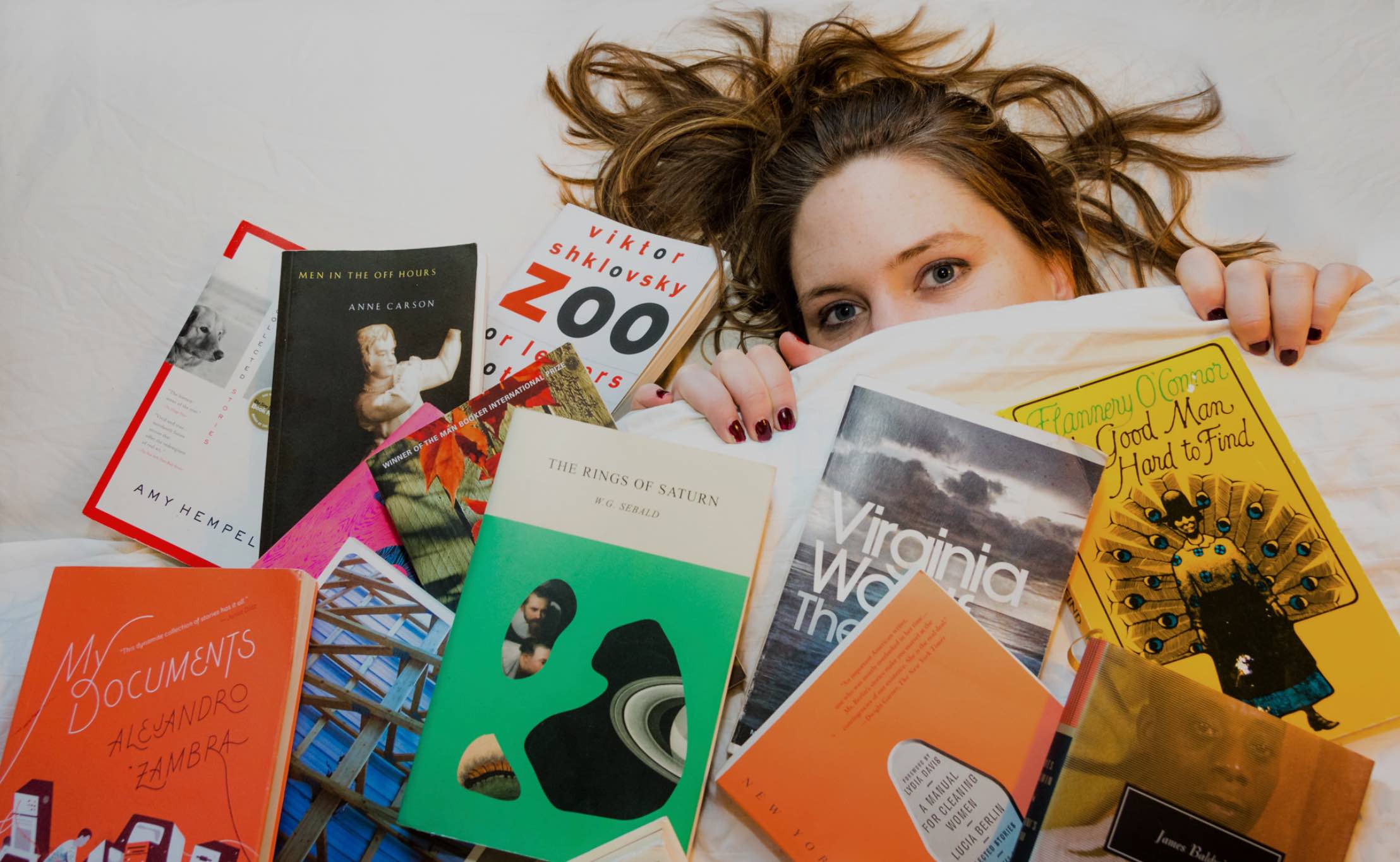
Kasia Van Schaik, also known by her pen name Kasia Juno, is a McGill doctoral candidate whose work focusses on environmentalism, feminism, and physical spaces. Her writing has been featured in popular journals, including The Los Angeles Review of Books and The Best Canadian Poetry Anthology. Currently, Van Schaik straddles the line between academic and creative writing, simultaneously writing her dissertation on American postwar women writers and preparing a short story collection for publication, tentatively entitled We Have Never Lived on Earth

“I feel like my creative and my academic work are quite related,” Van Schaik said in an interview with The McGill Tribune. “I do find [that] when I focus more on one, the other one suffers. So, at this moment, I just try to squeeze in the creative work where I can.”

In her upcoming collection, Van Schaik uses narrative structure to explore the connection between ecological change and human emotions. For instance, one story features a world threatened by the possibility of Montreal skyscrapers floating up the Saint Lawrence Seaway, while in another, women are legally prohibited from sitting in front of mirrors for more than 10 minutes. 

“Together, the stories in We Have Never Lived on Earth suggest that love, like water or oxygen, is a resource easily polluted by greed,” Van Schaik said. “Balancing hope, fear, and a nostalgia for the present, the stories in this collection portray [our] struggle to understand what it means to live on Earth.”

Ecological writing is not a novel topic for Schaik: Her poetry chapbook, Sea Burial Laws According to Country (2018), received the Mona Adilman Prize at McGill for the best collection of poems relating to environmental concerns and was adapted into a concert performed by the Montreal Music Labs in 2019.

“I’m really interested in defamiliarizing the everyday,” Van Schaik said. “Sea Burial Laws According to Country is made up of found poetry. I found certain sea burial laws from all over the world, and I’ve used those as prose poems throughout the book [….] I was interested in thinking about the arbitrariness of ocean borders, these huge bodies of water that we divide up, and [how] our different cultures have laws about how we interact with them.”

Van Schaik’s fascination with literature and writing began in her youth when she moved from her birthplace of South Africa to Western Canada.

“I’ve always loved reading,” Van Schaik said. “I remember being a total bookworm when I was a kid. You know how it is when you move somewhere new, it takes a while to get to know people and to know a culture. For a while, I built my world in books.”

Van Schaik’s literary passions continued into her post-secondary education. While at Concordia University, her short story, “The Fox,” won the Quebec Writers’ Federation Short Story Prize in 2009. The story’s publication helped her realize how her work had the potential to reach and affect a wider audience.

“There’s something magical about that process, something inside you, your perceptions and ways of seeing the world, and then it’s on a page and other people are able to see the world in the same way,” Van Shaik said. “After that [story], I took writing more seriously and did an M.A. in English and Creative Writing [at the University of Toronto] and decided to pursue that in quite a more formal way.”

As a member of Poetry Matters, a university-based group that facilitates workshops and conversations surrounding poetry, and as a teaching assistant at McGill, Van Schaik encourages students and writers to embrace self-expression and appreciate art.

“I really think that learning how to observe the world around us, both in a political and a creative way, is another way to engage,” Van Schaik said. “Whether it means writing about it, singing about it, or creating art in some other way, for me, the most important thing is to teach myself to listen and to perceive and to see the world around me and to find what is unique and beautiful.”

 

Student Life

McGill’s Indian Student Association moves Diwali celebrations online

Diwali, the festival of lights, is a major cultural event for Indian communities around the world. During the five-day celebration, families illuminate their households with oil lamps and candles and come together to worship Lakshmi, the goddess of wealth and prosperity. Traditionally, the McGill Indian Student Association (ISA) would host a Diwali party as a means to kick off the Indian New Year. The event is important to McGill’s Indian community, and the inability to host an in-person gathering is undoubtedly a major disappointment. Starting on Nov. 8, the ISA began hosting a week of virtual events to bring people together despite the physical setbacks.

Sannah Ratra, U2 Arts and ISA Vice-President Communications, commented on the importance of Diwali as a social event that connects those who celebrate it. For university students who have moved away from their families, the virtual event provided a unique opportunity to embrace their culture with new people. 

“Diwali to us means celebration and time with our loved ones,” Ratra wrote in a message to The McGill Tribune. “Even though most of us are so far away from home, we have tried to make our members feel closer to home by hosting these events.”

The ISA faced a new set of challenges while attempting to offer the full experience of Diwali virtually. Crucially, they considered time zones and Zoom fatigue in their decision to break up what is usually a longer event.

“This year we decided to host [a] Diwali week where we had a bunch of events all through the week,” Ratra said. “We started on Sunday with Bollywood Trivia on Zoom, we had ‘Cook with ISA’ on Monday on Zoom where we made chickpea curry (Chole) and Rasmalai shots. On Tuesday we had a live Zoom where we did a Bhangra workshop and today [Nov. 13] we hosted a Yoga workshop also through Zoom.”

The ISA’s virtual celebration for Diwali provided an impressive range of activities to make students feel welcome, especially as many Indian students can feel homesick during this time of the year. Notably, the decision to include a cooking workshop as a part of their itinerary was true to the traditions of the festival and gave students a chance to enjoy the food they may have eaten at home with their loved ones. A Diwali celebration by tradition involves family feasts, and any Diwali week would not have been complete without a warm meal. 

The Bhangra workshop was similarly important because Bhangra, a traditional form of dance popular in India, is an integral part of Indian party culture. The workshop reminded students of the energy of an in-person party and also gave participants a chance to blow off steam and move their bodies. With prolonged hours spent indoors, a few minutes dedicated to moving around can be a good way to relieve stress and bring joy. This is especially important for students during Diwali as no New Year’s celebration feels complete without dancing among friends and family. The ISA did a great job in bringing together the Indian community at McGill, giving students the opportunity to start the new year with some new friends. 

The ISA has shown that even though students may be far apart during these difficult times, we can be close together in spirit. The virtual Diwali celebration was a stellar example of maintaining unity during the holidays, despite the tough circumstances.

Photos of the event can be found on the ISA’s instagram page (@isamcgillu). 

Student Life

How to combat digital eye strain

With the new reality of remote learning, many students are constantly staring at screens. Spending the day focussed on Zoom classes and meetings may leave some students feeling extra tired or dizzy. Although extended use of digital devices will not permanently damage your eyes, they can still cause bothersome symptoms such as eye discomfort, blurred vision, headaches, and difficulty sleeping. Digital eye strain is a common condition which has been exacerbated with the recent uptick in remote school and work. Thankfully, simple changes to your work station and daily habits can have small but impactful effects on your eye health. 

Below, The McGill Tribune has compiled some simple ways to relieve digital eye strain. However, prolonged eye strain may be a sign of something more serious that should be discussed with an ophthalmologist.

Correct positioning

The top of the computer screen should be at eye level. Additionally, the screen should be placed approximately an arm’s length away from one’s face to protect the eyes and alleviate neck and shoulder pain: Placing a laptop a comfortable distance away minimizes eye strain and allows your entire screen to be viewed without head and neck twisting. If possible, the screen should be slightly tilted back to avoid glare from ceiling lights, as too much glare can make it difficult to see objects on your laptop. Glare can also be reduced by placing blinds over nearby windows or installing an anti-glare screen on the display. 

Adjust your settings

Changes in brightness, text size, and colour temperature can make a world of difference. Try adjusting screen brightness to be approximately the same brightness as the surrounding workstation. Turning down the brightness level of screens reduces exposure to blue light, especially during the night. When reading or writing long documents, increase the text size and keep contrast moderate to avoid eye strain. Lastly, reduce the screen’s colour temperature to lower blue light emission for better long-term viewing comfort. 

Blink more

One simple way to minimize eye problems is by blinking more frequently. When staring at a screen, people tend to blink only half as much as normal, which can lead to evaporative dry eyes. Blinking helps to flush the eyes in their natural fluids. Another option is to use moisturizing eye drops to refresh the eyes when they feel dry. 

20-20-20

Taking breaks from staring at a screen is important. One trick is to keep in mind the 20-20-20 rule: Every 20 minutes, try looking at something 20 feet away for a minimum of 20 seconds. It is also recommended to take more extended breaks from digital devices. Every two hours, take a longer 15 minute break and set a recurrent timer as a reminder of when to look away.

Night mode

It is well known that digital devices emit blue light, which is linked to poor sleep quality. Although blue light is not damaging to the eyes, it suppresses melatonin, a hormone that influences circadian rhythms and helps you sleep. Consider turning on night mode on devices in the evening to decrease the blue light exposure. Switching off devices one hour before going to bed or wearing glasses with a blue light-blocking filter are also good options for reducing blue light exposure. 

Arts & Entertainment, Film and TV

Femme Fatale demonstrates the resilience of femme-identifying filmmakers

From narrative films to political documentaries to abstract and surrealist productions, the Femme Fatale Film Festival has something for every type of film lover. The festival offers young women and femme-identifying filmmakers a means to showcase their work in an inclusive and empowering space. 

Festival director Astrid Mohr, U2 Arts, explained that in her final year at Etobicoke School of the Arts, she envisioned starting a film festival designed for femme-identifying and women filmmakers as her final project for an Arts Management course. Mohr spoke with //The McGill Tribune// about how Femme Fatale started and grew since its conception in 2018. 

“I remember being in grade 12 […] and [feeling] that there weren’t a lot of spaces for women to gather in film,” Mohr said. “I wanted to create a space where women could […] celebrate each other’s work [….] We held [the first festival] at the Revue [cinema] in Toronto [and] it was mostly films from other filmmakers at the school. The first year, we had like maybe 35 people come.” 

Since its first year, Femme Fatale has grown and expanded its film submissions beyond Mohr’s high school. Mohr explained that she had plans to sell out the Revue and host an after-party for this year’s festival, but the pandemic forced her to shift course. Despite the drawbacks of hosting the festival online, Mohr described the shift as a blessing in disguise as it allowed her to expand Femme Fatale’s scope. By collecting submissions online through FilmFreeway, Femme Fatale received over 1,700 submissions from filmmakers across the globe. 

“When I first realized we wouldn’t be able to host it in person, I was pretty down about that, especially because I […] want to build a community and being able to physically gather in a space […] feels so important to that,” Mohr said. “But I realized [that] it’s more [about] having people in conversation with each other.”

By hosting a virtual after-party with the film directors, Mohr explained that her team could engage with the filmmakers more closely than in previous years. Mohr also started a podcast to increase Femme Fatale’s year-round programing. 

“I’ve been interviewing female filmmakers,” Mohr said. “I think that was something we wouldn’t have done if we didn’t have this […] online platform [….] I’m really grateful to be able to have those conversations with all of those ladies because they are all just fascinating and super talented people.” 

Mohr also discussed the effect that the pandemic has had on the topics filmmakers decide to explore.

“For some people, it [felt] like documentaries [became] so much more relevant because it feels really important to document the world right now,” Mohr said. “For some […] it makes so much more sense to do something completely fantastical and separate from everything that’s going on. ”

Italian filmmaker Livia Oya Proto directed a short called //Mutations// for the festival, which followed a woman living alone in her apartment during the COVID-19 lockdown. Other highlights from the festival included a satirical short by Canadian filmmaker Céline Floyd called //Museum,// which commented on rape culture by walking the viewer through various stereotypical scenes of gendered sexual harassment. In their film, //Outgrowing my shoes//, directors Grace Conley and Kaya Trefz highlighted the experience of a young woman growing up and learning how to say goodbye to childhood without completely abandoning the lessons it taught her. 

Although this year has certainly had its fair share of challenges, Femme Fatale demonstrates that creatives are resilient and willing to adapt to the new circumstances by continuing to use their craft to bring people joy and entertainment. The festival offers women and femme-identifying filmmakers a space to showcase their work for a wide audience and discuss their experiences in the film industry. 

McGill, News

Senate and BoG discuss the impact of COVID-19 on the McGill community

McGill’s annual joint Senate and Board of Governors (BoG) meeting, which took place virtually on Nov. 12, addressed the university’s response to the COVID-19 pandemic and future challenges of remote learning and in-person instruction. 

Principal and Vice-Chancellor Suzanne Fortier began the meeting by acknowledging the toll that the pandemic and the transition to online classes has taken on McGill’s sense of community. 

“It has been eight months to the day since we had to restrict access to our campus,” Fortier said.  “There has been a tremendous effort given to that task by everybody at the university […] to help us achieve our academic mission despite this very large crisis.”

After her opening remarks, Fortier yielded the discussion to Dr. Timothy Evans, director of the School of Population and Global Health, who presented an update on the state of COVID-19 in Canada and the work of McGill scientists in combatting the pandemic. Evans speculated that a vaccine for COVID-19 may become available sometime in 2021 and discussed its implications for teaching, such as the possible return of in-person classes. Evans pointed to other schools, such as Tufts University in Massachusetts, that have remained open despite pandemic restrictions on large gatherings. 

“What they have done, in a very remarkable way, is create a testing system that will keep on top of the situation on their campus and allow them to remain open without jeopardizing the safety of their students or staff,” Evans said. 

Students’ Society of McGill University (SSMU) Arts and Science senator drew attention to Concordia and other Canadian universities’ decisions to extend winter break amidst growing student concerns about academic burnout. The Arts and Science senator questioned Associate Provost (Teaching and Academic Programs) Christopher Buddle on whether the administration is considering such measures given that McGill’s winter 2020 holiday is four days shorter than previous years.  

“Although it seems like a fairly simple decision […] to extend the start of the winter term, as you may have realized, the Concordia situation means that students will be studying into May, which has other implications [for] the end [of the school year],” Buddle said. “It takes time to look into this. It is not something that we can decide or make decisions on quickly […], and we [first] have to look at all the factors.” 

Following a short open question period, senators and Board members moved into breakout rooms where each group was tasked with summarizing the semester’s successes and challenges and speculating on issues that may arise in the long term.

Arts Senator Darshan Daryanani commented that the pandemic warrants greater attention to addressing McGill’s history of failing to provide adequate mental health services to their students. 

“COVID-19 has really proven the inequities [students face] and exacerbated them when we think about learning,” Daryanani said. “One of the key challenges is students’ mental health. I think McGill really needs to step up when thinking about student’s mental health. You say, ‘Zoom fatigue is a real thing,’ but the solutions are slightly lacking from the students’ perspective.” 

Daryanani expressed his concerns about the impact of the online winter semester on student enrollment numbers. 

“We need to be aware that our [enrollment] number may decrease for the coming term,” Daryanani said. “This semester, it was very sudden for many students to say ‘yes, I’m willing to take an online class even though it is my final year’ […], but I think moving forward, students will reconsider these opportunities.” 

Moment of the meeting:

Principal Fortier quoted Winston Churchill, the wartime prime minister of the United Kingdom, who said that one should “never let a good crisis go to waste.” It appears that Fortier was referring to the pandemic and how McGill may use the crisis to take stock of necessary institutional changes. 

Sound bite: 

“There are many stakeholders, and everyone is working in good faith. I think tensions can be high, and people can be quick to judge, but we need to remember that people are doing the best they can.” Associate Provost (Teaching and Academic Programs) Christopher Buddle 

Sports

The wild world of the balisong

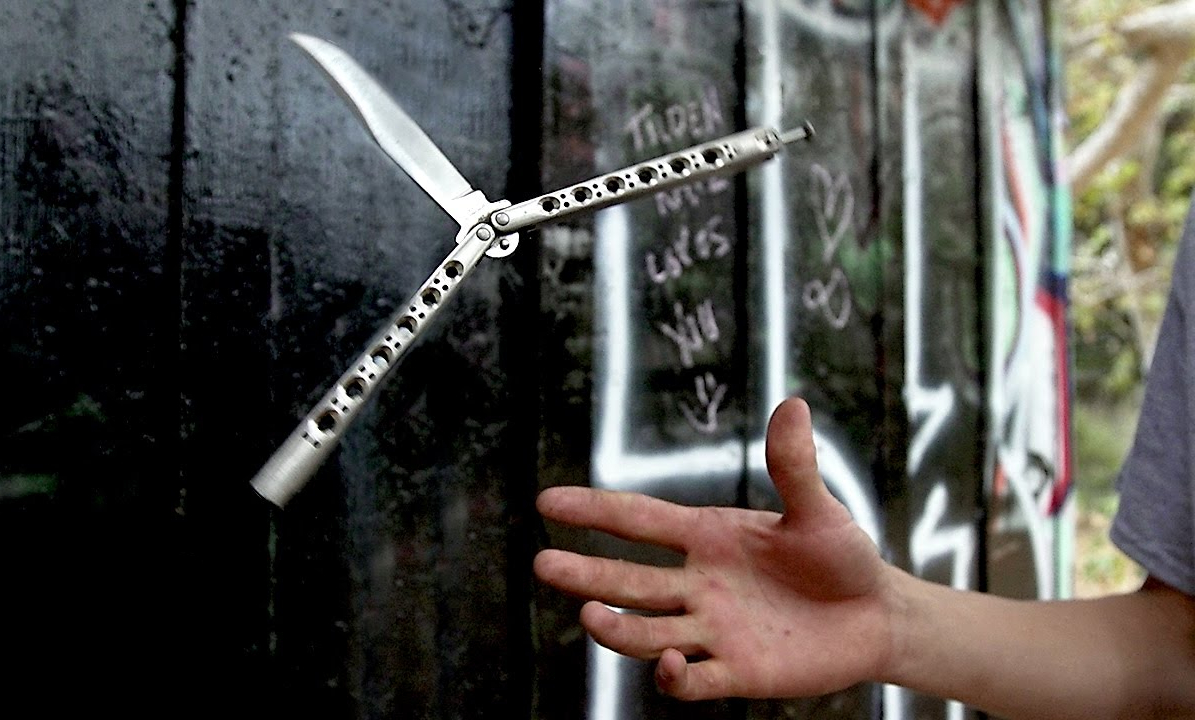
The terms “bite handle,” “live blade,” “aerials,” “Loctite,” or “Squid Industries” mean very little to most people. For enthusiasts of balisong—the art of manipulating butterfly knives in different tricks and combinations—however, they are key vocabulary.

A butterfly knife, also known as a balisong or a Batangas knife, is a folding knife with two handles that can be rotated around to open and close. Balisongs originated in the Philippines, with versions of butterfly knives also existing in France for centuries. “Live” butterfly knives, or butterfly knives with sharp blades, hold varying legal statuses around the world: Some regions restrict ownership depending on the length of the blade, or allow collecting but not carrying. All live-bladed butterfly knives are prohibited in Canada. Instead, Canadian balisong enthusiasts use “trainers,” which are blunted or plastic butterfly knives, and are completely legal. 

While people have been flipping butterfly knives for centuries, the sport only began to develop in the 21st century. Informal competitions among friends took place at knife shows like BLADE Show West in Oregon, which hosted its first live competition, the Bali Royal Showdown, in 2017.

Corbin Lovins, 2019 Bali Comp Champion, started taking flipping seriously in 2016 and has watched the competition scene grow since then.

“When I first got on the scene of flipping in 2016, competitions were strictly online,” Lovins wrote in an email to The McGill Tribune. “The online forums often had battles as well as the Facebook group [Balisong Flippers And Butterfly Knives] having Fliptober. Every year now it seems we have more competitions popping up.”

Lovins’s favorite part of competitions and the world of butterfly knives is the community he has found there.

“I fell in love with the community, the competitions, the constant progression [and] the [camaraderie] before the competition,” Lovins wrote. “[I have a] love of knives to where I have started to make my own. Every flipper [comes] together bonded by one interest: Balisongs.”

I first started flipping in the summer of 2019, when I stumbled across some YouTube tutorials. I ordered a cheap trainer, watched more videos, and immediately started practicing when it arrived. My knuckles quickly blistered from using improper form in vertical openings, I accidentally flung the trainer across the room trying to do fans, and I drove my parents crazy flipping at all hours. In short, I was hooked.

When purchasing new equipment, I stick with trainers even though butterfly knives are legal in my home state of New York because I’m not comfortable switching to the live blades—something very few people in the community judge me for. I absentmindedly practice my thumb rollovers and full twirls in Zoom lectures. I am by no means a naturally coordinated person, so landing my first basic aerial after working on it for hours was immensely satisfying and exhilarating.

Although I am an amateur flipper and have never been to a blade show or entered a competition, I’ve found the same community online. Experienced flippers are happy to give advice on which trainer to buy, applaud beginners’ first tricks, and commiserate over injuries acquired. The “gore” tag of the balisong subreddit is not for the faint of heart.

YouTube is a great place to start for anyone interested in balisongs. When learning how to flip, committing to tricks is crucial—hesitation is the best way to mess up. Lovins also suggests that beginners get involved in the community.

“Just sit back [and] learn the craft from the people who you notice are in that top tier division of flippers,” Lovins wrote. “Asking questions isn’t bad. Most [flippers] are always willing to answer questions and help you learn the art we have such a passion for.”

Balisong flipping truly is an art, and people who can overcome the initial intimidation of flipping around a knife for fun will discover just how captivating it can be.

Science & Technology

Fictionalizing science: How literature and film have shaped modern technology

Science fiction has always focussed primarily on imagining the future and coming up with inventions far beyond what was possible at the time. Whether science fiction directly inspired inventors or because writers were able to predict the future, several technologies first featured in fiction are now part of everyday life.

Science fiction first emerged as a genre in the late 19th century as a result of the Industrial Revolution. At the time, many people, including authors, were apprehensive about the rapid innovations of the industrial age and their effect on society.

In an email to The McGill Tribune, Jana Perkins, a recent master’s graduate in the Department of English at McGill, explained the early origins of science fiction. 

“There were those for whom these changes were almost beyond comprehension,” Perkins wrote. “And so, at a time when relatively little had been achieved in the way of advanced technology, there was a lot of room for writers to be able to depict the possible futures that could be brought about by either the invention or the widespread adoption of a particular gadget they believed might one day exist.” 

Recently, science fiction has pivoted away from discussing new technologies, with an updated goal of analyzing how technology affects society. In questioning technology’s existence, science fiction also asks how current innovations can be better put to use.

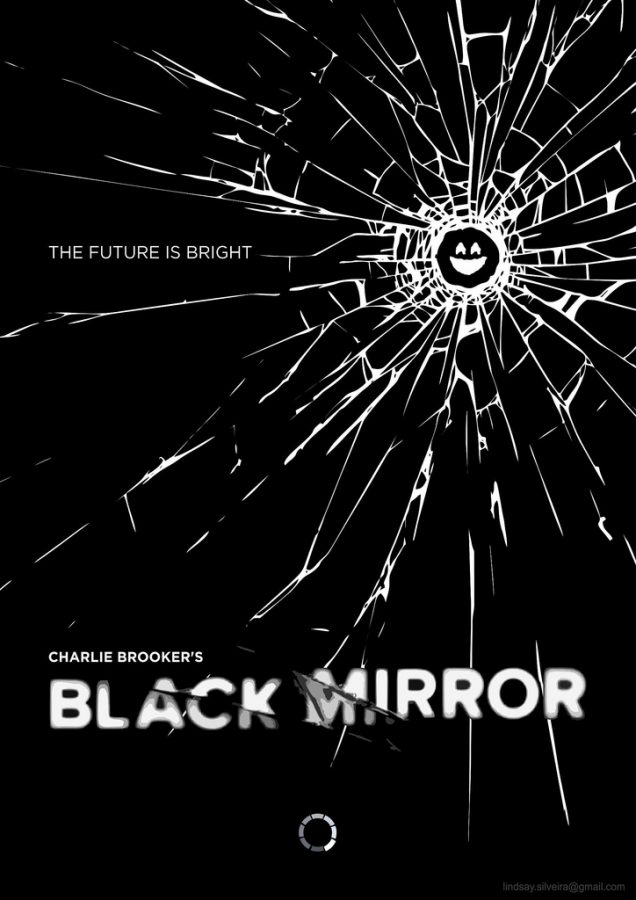
“Take, for example, a show like Black Mirror,” Perkins wrote. “An episode of Black Mirror isn’t seeking to wow audiences by introducing some never-before-imagined technology—it’s inviting viewers to explore the kinds of everyday challenges that would arise from even relatively minor improvements to existing technologies. It’s a shift in focus from the what to the why.” 

The promotional poster for the critically acclaimed television series Black Mirror (Netflix)

While the approach of using the impacts of technology on society as a focal point has become increasingly popular, it is most certainly not new. The plots of classic sci-fi shows like Star Trek have largely followed the dynamics of crew members and their interactions with extraterrestrial beings, rather than highlighting futuristic space technology itself. 

Another example is Mary Shelley’s Frankenstein, which is often cited as the first science fiction novel and is thought to have inspired organ transplantation. As Dr. George Zogopoulos, assistant professor in McGill’s Department of Surgery, suggested, it is possible that Frankenstein merely reflected the goals of 19th-century medical practice.

“I have not considered the relationship of Mary Shelley’s classic novel with organ transplantation more than a myth,” Zogopoulos wrote in an email to the Tribune. “My impressions have been that representations of transplant and organ donation in popular culture […] reflect myths and societal challenges surrounding organ donation and transplantation.” 

It should be noted that Shelley never delved into the scientific details of creating Frankenstein’s monster, leaving many plot holes that later movie adaptations attempted to fill in for themselves. 

“Shelley seeks to address such moral questions as whether the ability to imbue inanimate matter with life is a technology that should exist,” Perkins wrote. “And so, for much of the novel, we’re presented with responses to this question from a variety of sources [….] It’s a brilliant narrative structure that expertly invites readers to examine the issue from every angle.” 

The poster for the 1931 film adaptation of Frankenstein (Universal Pictures)

It appears that fiction has long served to warn scientists about the consequences of technology, especially those in fields that regularly face ethical dilemmas, such as organ transplantation. Many of these warnings are merely a result of misplaced technophobia, inspired by baseless fears that humans could be enslaved by robots, for instance. 

While the most terrifying of science fiction’s predictions have yet to materialize, some of their more realistic warnings have come true. A prime example is Gattaca, a 1997 dystopian film that predicted the use of genetic information to assess a person’s status in society. The film’s warnings have proved eerily relevant, with the rise of DNA testing companies and their decision to sell consumer data to insurance companies with malicious intent.

“I wouldn’t say that we necessarily take our cautionary tales from fiction, but fiction does serve to remind us perhaps of our limitations, and this is useful,” Dr. Steven Paraskevas, a transplant surgeon at McGill University Health Centre (MUHC) and assistant professor in McGill’s Department of Surgery, wrote in an email to the Tribune. “Sometimes, I think fiction may remind us of how public perception of what we do can be negative or misunderstanding. Life in a hospital isn’t exactly like it appears in ER or Grey’s Anatomy, but it’s informative to see how [physicians and scientists] are perceived.” 

This dignified portrayal of scientists in the media has often inspired people to pursue STEM careers. Unfortunately, science fiction frequently portrays science incorrectly or completely ignores its basic laws in an attempt to stretch the realm of possibility.

“Fictionalized role models inspire people, and may lead young people to see themselves in a certain career,” Paraskevas wrote. “At the same time, I doubt people become disillusioned when things in reality don’t quite happen the way they do in a movie or novel, or worse, the 60-minute time frame of a series episode. The truth is, science and medicine are so much more complex than they are depicted in pop culture, and discovering this complexity is part of the fun.”

Careers in science are also often glamourized in fiction and popular media, omitting details about the gruellingly long hours, failures, or dead ends. This is partly because some science fiction writers have no background in STEM-related fields, along with the fact that the mundane aspects of scientific practice are less interesting to audiences.

The relationship between science and fiction is complex and oftentimes difficult to reconcile. Although science fiction does not foretell the future or directly influence the invention of new technologies, it can be an interesting reflection of society’s dreams and aspirations. Science in literature and film gives authors and audiences a chance to see beyond the current limits of their age and presents an outlet for non-scientists to express their concerns about technology. 

In most cases, scientists’ aims do not revolve around the dreams of fiction writers of previous centuries. Rather, they invent because of an inherent curiosity to push the boundaries of science: To discover new and better ways to do the things humans already do, such as communication, travel, and the many jobs that have now been automated.

“I don’t think there is a conscious effort to bring fiction to life, as far as science is concerned,” Paraskevas wrote. “We don’t really develop or invent the worlds depicted in science fiction, so much as validate them [….] If we ever develop huge starships that travel at incredible speeds, it will not be because they were dreamed by 20th-century filmmakers, but rather because of the enduring wish to see what’s out there beyond our world.”

Ask Ainsley, Student Life

Ask Ainsley: How do I heal from a pandemic breakup?

Dear Ainsley, 

As if dealing with the current state of the world wasn’t hard enough, I’m now newly single and left to cope with my pandemic breakup. Before, I’d usually get dressed up and spend the night dancing away my pain with my closest friends. Now, all I can do is use my seemingly endless time to ruminate over what happened with barely any distractions aside from online assignments, which have begun to feel more and more overwhelming. What should I do? 

Sincerely, 

Single Amidst Disaster (SAD)


Dear SAD, 

I’m so sorry you’re having such a tough time! The present moment is a particularly difficult time to be going through a breakup, since most traditional breakup recovery advice revolves around going out, letting loose, and processing emotions in the company of friends. You should be gentle with yourself as you heal. Although the conditions of online learning can encourage a skewed school-life balance, allow yourself to disconnect from work if you feel it would help. It is okay to do the minimum for a while as you cope with emotional turmoil.

As difficult as breakups may be, there is one key advantage to the pandemic breakup: A clean break. You likely won’t run into them at parties or gatherings with mutual friends, giving you some much-needed space while you gather your emotions and take care of yourself. Similarly, you likely won’t have to fight off the temptation to jump into a rebound relationship. Try to reframe your newfound alone time as an opportunity to focus on cultivating your individual interests and passions. Many people have rediscovered a new enthusiasm for old hobbies while in quarantine, which can help to rebuild the fractured sense of identity that sometimes follows a breakup. However cliché, nurturing these interests can help strengthen your sense of self: You were whole before this person, and you are equally whole without them. 

Alongside acknowledging your grief, therapist Anisah Milley recommends replenishing oxytocin, a hormone that is related to connection and touch, post-breakup. While this is more difficult amidst the pandemic, there are remote options: Connecting with friends and family over video chat is a great way to remind yourself of the platonic love you still have while combatting loneliness. Though quarantine limits the options for comforting touch, it’s not impossible—try out self-massage or self-pleasure.

We can all agree that breakups suck, but healing is different for everyone. If you find yourself needing someone to sit with you as you process your emotions, reach out to family, trusted friends, or a counsellor. Sometimes talking about your situation can help you process the pain. McGill-specific resources include the Peer Support Centre, the Wellness Hub, and Keep.meSAFE. Additionally, meditation or journaling can be useful forms of expression. 

Although it’s difficult, isolation can serve as a time to reflect on your past relationship and what you learned about yourself in the process. Prolonged alone time can allow for some much-needed introspection, and can ultimately help you grow as an individual. Taking some time to understand what worked and didn’t work with your previous partner can strengthen your future relationships—and yes, there will be future relationships. 

The current crisis does not need to keep you from practicing healthy coping methods. Get dressed up anyway, put on your favourite playlist and dance away the pain in your living room. Although things are a little more complicated, the one thing that hasn’t changed is the notion that time will heal your post-breakup blues. Keep focussing on you, and eventually it won’t hurt so much. 

Best of luck, 

Ainsley 

Chill Thrills, Student Life

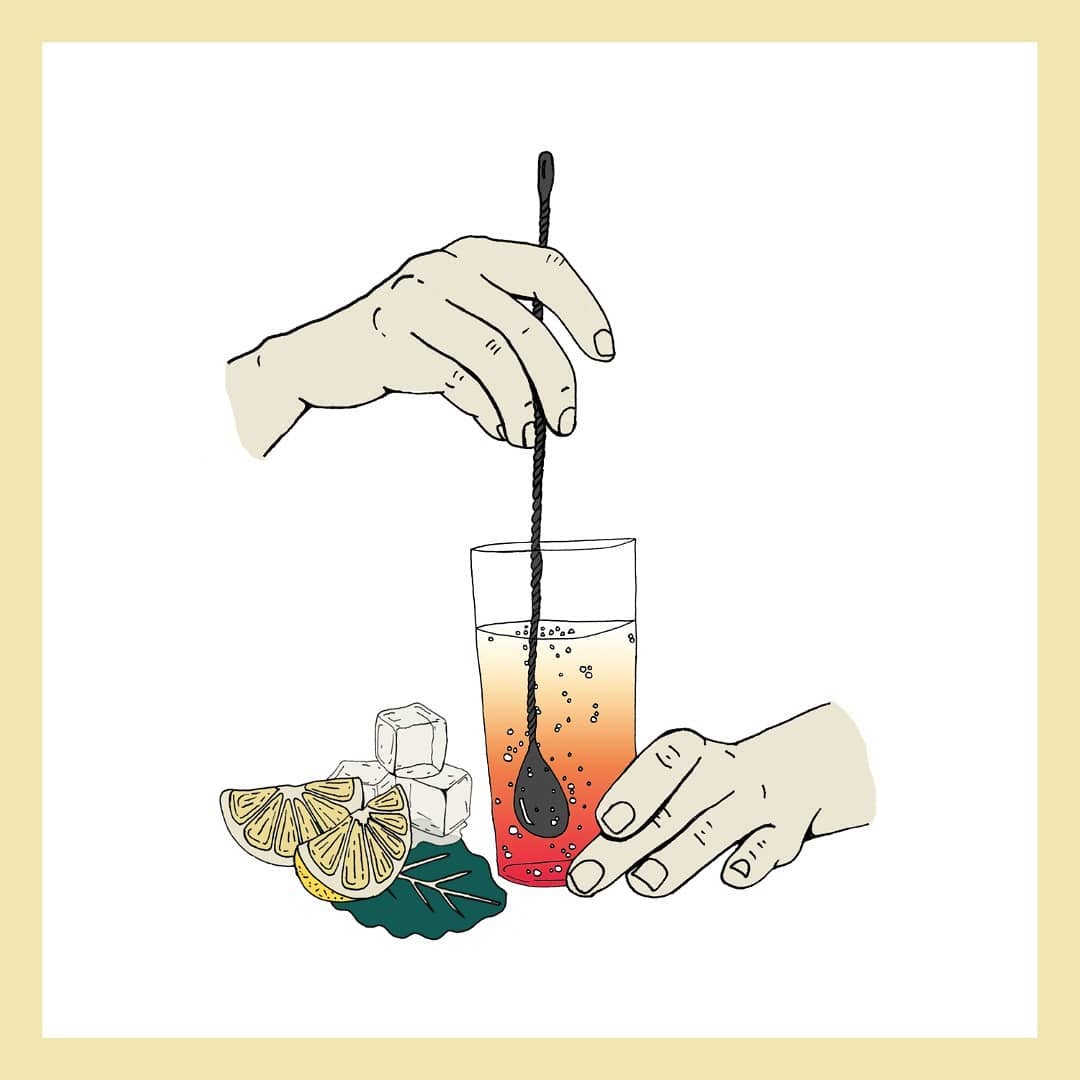
Okapi Club Mtl offers premium at-home mixed drinks

After nearly two months in the red zone, Montreal’s nightlife seems like a faint and distant memory. However, some students are continuing to find ways to stay lively and drink with their friends. While some have turned to learning how to make cocktails and mixed drinks, many students have simply accepted White Claws and PBR as their quarantine drinks of choice. While this is an easy option for drowning out Zoom University and the chaos of the world, there is no better time to explore the world of mixology. Okapi Club Mtl is a cocktail delivery service offering innovative drinks for students missing the bars.

Founded by Kimberley Martin, a Montreal intervention and social worker, Okapi Club Mtl came to be when Martin realized in June that many of her friends were craving their favourite cocktails but were having a hard time learning how to make them. Prior to becoming a social worker, Martin worked in the entertainment industry and loved experimenting at the bar. 

“I noticed during the first quarantine that people were missing that element of their life,” Martin said. “I began to think about how we could create a way for people to have bar-quality drinks at home without the unnecessary effort.”

Okapi Club Mtl offers premium bar drinks while remaining accessible and eco-friendly. The service’s menu lists a wide array of ever-changing drinks. Ranging from cranberry, hibiscus, and basil martinis to green tea and orange bitters spritzers, the selections are far from your average mixed drinks. Drink orders come in brown paper bags and every part of the kit is sustainable, including mason jars containers and biodegradable instruction manuals. Martin focusses on shopping local and has pledged to maintain a zero-waste business model. 

“Unfortunately, the bar industry is responsible for too much waste and so one of our goals was to try to make a unique eco-friendly version of a bar,” Martin said. “We do not use any plastic in our packaging, and I strive to shop at markets with little to no plastic.”

For customers seeking a more hands-on experience, Martin is currently working on a second, more interactive phase of Okapi Club Mtl. While some of her customers simply want to sip their drinks and call it a day, others have expressed interest in learning how to make the many intricate beverages offered on her menu. Because of city-wide social distancing measures, Martin has been unable to launch in-person workshops, but is planning to host Zoom workshops and in-person events once Montreal is out of the red zone. 

“The workshops we will be launching will teach customers what elements there are in a cocktail,” Martin said. “[We will teach] how there is an acidic base, a sweet base, and of course the liquor. We will have customers try different mixes and maybe even creating a cocktail of their own.” 

With classes entirely online and assignments piling up, student life in Montreal can seem bleak and exhausting. Ordering in cocktails to share with roommates can be a way to break up the monotonous student schedule and add a little joy to the school week. On Dec. 1, Martin is launching a new holiday-themed menu featuring traditional holiday flavours like maple syrup and pine, which will surely spruce up student holiday celebrations. 

To order and learn more about Okapi Club Mtl, check out their Facebook page.

McGill, News

Webinar discusses impacts of COVID-19 on mobility policy in the European Union

The McGill Journal of Sustainable Development Law hosted a webinar on the impacts of COVID-19 on mobility policy in the European Union (EU) on Nov. 12. The featured speaker was Iris Goldner Lang, a professor of EU Law at the University of Zagreb in Croatia. 

Emma Sitland, 2L Law and executive editor of the McGill Journal of Sustainable Development Law, hoped the event would give students a unique opportunity to learn directly from experts. 

“Through these short webinars, we hope to create spaces where students can engage with experts in the field, learn new perspectives, and explore their passion for sustainability and development law,” Sitland said.

Lang began the talk by highlighting some of the restrictive measures the EU has put in place to contain COVID-19. 

“In March 2020, almost all EU member states unilaterally imposed mobility-related measures, drastically restricting cross-border movement in the EU,” Lang said. “[They] enforced lockdowns, which included restrictions on intra-state non-essential movements, and closed their external borders towards third [world] countries for most non-residents.”

Lang explained that these restrictions were accompanied by a range of measures that restrict migrant and refugees’ rights, leading to a substantial decrease in the number of asylum claims. 

“[Asylum claims] hit the lowest levels since 2008 and represented an […] 87 per cent decrease in comparison to the numbers that were present […] before the [COVID-19] crisis,” Lang said. 

By implementing these travel bans and restrictions, Lang said, the EU is invoking the “precautionary principle,” an approach that has been controversial in the past.

“[Invoking the] precautionary principle enables decision-makers to adopt and legitimize restrictive measures where potentially dangerous effects, deriving from a phenomenon, product, or process, have been identified for human health, and scientific evidence about the risk is insufficient, inconclusive or uncertain,” Lang said.  

According to Lang, the COVID-19 pandemic has brought to light the interaction between science and politics. The precautionary principle allows scientists to assess risks. Then, decision-makers and politicians carry out risk management and communication.  

“The first step, scientific risk assessment, was at the EU level performed by the European Centre for Disease Prevention and Control (ECDC),” Lang said. “Interestingly, when advocating which measures should be used to mitigate the impact of the pandemic, neither the ECDC nor the World Health Organization encouraged the use of border closures and travel bans.” 

She also questioned the legality of the EU’s policies from the view of the necessity test, which states that the desired results of a certain policy cannot be achieved through less restrictive means.

“At a time when most EU member states decided to introduce travel bans and close their external borders towards third countries, the level of knowledge about COVID-19 was not sufficient and conclusive enough to know with certainty that no alternative [with] less restrictive measures would protect public interest and public health just as effectively,” Lang explained.  

Carla Arbelaez, 1L Law and associate managing editor for the McGill Journal of Sustainable Development Law, felt the talk was particularly important to bring attention to an impact of COVID-19 that is, in her opinion, not widely discussed. 

“The event reminded its audience that, even amidst the uncertain times of a pandemic, we cannot forget our humanity when assessing EU migration policy,” Arbelaez said. “Strict border closures are not necessarily the best solution to addressing the risks of COVID-19. [Professor] Goldner Lang presented compelling evidence that there may be better options that allow people to pursue their asylum rights while still prioritizing public health.”

Read the latest issue

Read the latest issue