


Latest News

Commentary, Opinion

COVID-19 calls for a shift in how McGill students view the elderly

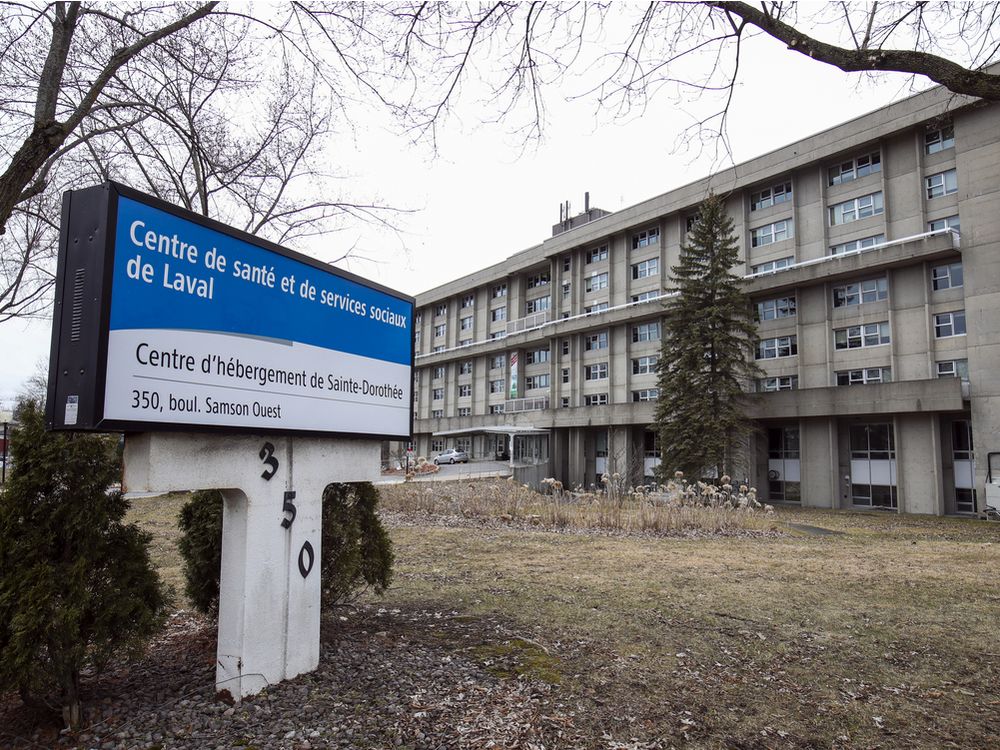
Michelle Wilson was shocked to find her father looking unrecognizable during a window visit to his nursing home in May, his lips cracked and arms ridden with sores, despite reassurance from staff that he was doing just fine. He died shortly thereafter. There’s no shortage of stories like this: Blood-curdling tales of neglect in senior homes across Quebec have abounded since late February, exposing the injustices in the province’s long-term care facilities. More than 80 per cent of COVID-19 deaths in Quebec are linked to these facilities, a figure that has forced administrators in the elder care industry to reckon with the treatment of seniors in society. This reckoning is a perfect time for McGill students to strengthen connections with Quebec’s elderly.

Young people often believe that they are invulnerable, disconnected from the glum world of nursing homes, perhaps save for a grandparent or a former neighbour. What’s more is that students, swept up by their busy schedules, may find themselves far too tied up to act on matters that do not directly concern them. McGill students hardly have the time to complete their 15-page paper by midnight, much less to revolutionize long-term care facilities. But this tacit acceptance of elder care injustice does not just hurt the elderly. When students refuse to acknowledge the flaws in senior care homes, they are not only discounting the value of elders, but they are also blinding themselves to the very institutions that await them. Testimonies reveal the inhumane treatment of seniors in various long-term care facilities: Seniors left in their beds for nearly hours; widespread neglect due to staff shortages or an inadequate training of employees; residents being deprived of basic sanitary services such as baths and dental care; rampant loneliness; shortages of testing and protective equipment. A lack of resources and funding in nursing homes failed to protect seniors from ravages of COVID-19; in effect exposing the pre-existing flaws in elder care. In the absence of reform, these are the bleak spaces that students can look forward to when their time comes.

Although young people may find it easier to be passive than to help reform geriatric care, any apathy on the part of the young only perpetuates the grisly reality seniors face. To overturn society’s latent disregard for seniors, McGill students must make it a priority to provide assistance and companionship to the elderly. Students should offer to deliver groceries to an elderly neighbour, or simply engage them in conversation. They should volunteer for one of the many social and health organizations in Montreal that support seniors, such as The Yellow Door, which runs intergenerational programs to combat the isolation of seniors in the Milton-Parc community. McGill Students for Geriatric Health (MSGH) is another group working to improve geriatric health outreach by hosting annual symposiums and connecting students with volunteer opportunities in Montreal. MSGH aims to bridge the gap between seniors and youth, and is currently locating remote volunteering opportunities for students around the world for the Fall 2020 semester.

The median age of Canadians killed by COVID-19 is 84 years old. Victims of the pandemic, however, are not merely statistics. These are siblings, teachers, cousins, parents, friends—people to whom we are inextricably tied. This is the class of 1958. We must reject the rhetoric that casts the elderly as expendable bearers of bygone tradition, and instead see them for what they are: Human beings with inherent value.

Some members of the McGill community have already made strides toward mending the gap between older and younger generations. Claire Webster is the founder of the McGill Dementia Education Workshops, an authority in the field of ageing and caring for individuals with dementia, and, most importantly, a former caregiver to her late mother. She emphasized the vital role empathy and education play in revamping elder care. 

“Education is the key to everything,” Webster said. “If you are properly educated, you have power. When you see the elderly, it is almost as if they have been the forgotten ones. But what you have to remember is that once upon a time, they were you.”


e-commerce
Science & Technology

E-commerce booms in a time of retail uncertainty

The e-commerce industry has existed for over 40 years, but never in its history has it experienced such a period of immense growth as during the current COVID-19 pandemic. Within two weeks of Canadian cities beginning to lockdown in mid-March, online sales in the country had already doubled, with a net increase of 99 per cent across all retail sectors combined. 

The global crisis came as a shock to businesses that were reluctant or unable to adapt, driving some companies to file for bankruptcy while online businesses flourished. Shopify, a Canadian e-commerce giant, had reported a record 62 per cent surge in the creation of online stores in just six weeks. These developments have made Shopify one of Canada’s largest publicly listed companies. 

Hoda Mottaghi, senior e-business consultant at Desjardins and lecturer at McGill’s School of Continuing Studies, explained that for businesses, developing an engaging online interface during this period of retail uncertainty is crucial. 

“User experience is everything,” Mottaghi said in a video interview with The McGill Tribune. “A good website gets the content to the customer at the right time.” 

Mottaghi emphasized that a successful online platform requires tried and tested website infrastructure able to evolve with consumer needs. Small changes, such as the strategic placement of buttons on web pages and attention-grabbing graphics, can substantially increase user engagement.

“Market research is the first essential step, followed by the development of a mobile-friendly website before the web version,” Mottaghi said. “The limited screen space forces web developers to be creative but concise.” 

As the push into a digital marketplace persists, three McGill undergraduate students have taken an entrepreneurial approach to help local businesses reach customers. By helping to bring small businesses online, at a time when global dependence on e-commerce is surging, these students are providing support to those facing financial burden during the pandemic.  

Laid-off from his summer job, Owen Cumming, U2 Arts, founded ShopBaxter. ShopBaxter is a service-based business that specializes in designing e-commerce stores for small businesses looking to have an online presence on existing platforms such as Shopify or Squarespace.

“Shopbaxter was founded by students who were affected by the pandemic to help other students and businesses that were also affected,” Cumming said in a phone interview with the Tribune. 

Cumming developed ShopBaxter when he recognized that small businesses without an online presence required affordable solutions to create engaging digital platforms. 

“Not only do people pay thousands to build a website, they have to repay web developers for any additional changes once the website is set up,” he said. 

Alongside Cumming, Jake Furniss-Yesk, U3 Arts, and Will Croke-Martin, U3 Arts, work closely with their clients to build websites that are affordable, customizable, and easy to update. 

“Online is the future, and we can finally see why [….] Following the pandemic, more and more corporations will start looking to young people,” Cumming said. “Investing in an online presence has become necessary in order to be self-sufficient and [to] survive the post-pandemic market.”

In the near future, while many social distancing measures may still be in place, data scientists and web developers will remain hard at work reinventing the online business standard. Research suggests that consumers are unlikely to revert to shopping traditionally, foreshadowing high competition amongst retailers in the e-commerce sector. During the COVID-19 pandemic, the success of a business may not only be determined by the quality of their products and services, but also their ability to engage users online.  

Arts & Entertainment, Film and TV

‘Influence’ presents a damning portrait of Lord Tim Bell

Influence, written and directed by Montreal-based documentary filmmakers Diana Neille and Richard Poplak, sets forth a captivating portrayal of Lord Tim Bell, the British advertising executive who co-founded the public relations firm, Bell Pottinger, and helped to put Margaret Thatcher into 10 Downing Street. Influence does not get lost in the PR giant’s allure; the documentary is scathing and rich, albeit oversaturated at times.

The documentary, which premiered on May 21 as part of Hot Docs Festival Online, invites viewers into the fascinating world of Bell while also sounding the alarm against the regime-influencing communication he pioneered. The opening sequence encapsulates this. Influence begins with a slow close-up of Bell, who at first appears mysterious and unknowable, sitting at a distance from the viewer. But as he comes into focus and falls into a coughing fit, tapping his cigarette butts into an ashtray, the allure fades away, and the mirage is displaced by an image of decay and poison. This vivid skepticism towards Bell and the duplicity he embodies is what makes the documentary great. 

This glimpse into the mind of the PR executive who capitalized on a divided and vulnerable public to win elections is relevant in the age of fake news. The project uses stock footage and interviews with Bell and his adversaries to chart Bell’s ascent from salesman to spin-doctor. Bell emerged from making jean adverts with his advertising agency, Saatchi and Saatchi, eventually lending his PR expertise to authoritarian politicians such as Chilean despot Augusto Pinochet and Belarusian dictator Alexander Lukashenko. He transformed the public images of despots, rogues, and politicians alike, giving them a more palatable air. To do this, Bell employed a brutal style. The documentary illustrates his methods by featuring Bell’s legendary “Labour Isn’t Working” ad campaign, which presaged Margaret Thatcher’s first election victory in 1979.

Influence explores the relationship between advertisement and state politics, placing this phenomenon within a context of rising public distrust. The film shows the eerie consequences of Bell’s work, such as during the Gupta controversy. A family of businessmen, the Guptas ran a shadow government in South Africa, employing Bell Pottinger to run campaigns that presented them as victims of “white monopoly capital,” fomenting racial tensions in the process. Bell Pottinger’s role would later be exposed, forcing the PR firm to file for bankruptcy. Flashing between campaign ads and footage of strife in South Africa, the documentary shows, through the Gupta controversy and the fall of Bell Pottinger, the destructive link between cunning advertising and social unrest. Influence condemns Bell Pottinger bluntly and vividly, featuring jarring footage and images that highlight the dangers of public deception. 

But there is only so much scheming one can take in a single sitting, and Influence suffers from over-saturation. The film scrambles to fit every facet of the Bell Pottinger story into an overstuffed 92-minute runtime. It juggles too much: Bell’s career; the PR guru’s relationship with Pinochet; the birth of corporate PR and strategic communications; attempts to sell the Iraqis on the American message of regime change through commercials and soap operas; the emergence of Russian information warfare; and more. Although untangling the complicated web of modern day spin-doctoring is a laudable task, the project would benefit from information downsizing. The documentary’s patchwork approach only weakens its timely message.

Figures like Bell have always lurked in the shadows of giants. The wider-scale trend of disinformation and half-truths that plague current mainstream media makes Influence ambitious and intriguing, despite its overly vast scope. The documentary goes far beyond chronicling the rise and fall of Bell’s career: It sheds light on a mirage of influence that risks poisoning hearts and minds. For a deeper understanding of the dark underbelly of modern-day advertisers, Influence is a required summer viewing.

McGill, News

McGill prepares to celebrate the class of 2020 with virtual convocation ceremonies

McGill will celebrate the class of 2020 on June 18 and June 19 with virtual convocation ceremonies due to physical distancing regulations spurred by the COVID-19 pandemic. Principal and Vice-Chancellor Suzanne Fortier announced on April 24 that the in-person convocation ceremony will be postponed until Spring 2021 provided that public health authorities permit large gatherings. 

Between June 18 and 19, McGill will host a total of 10 virtual convocation ceremonies, with one for each faculty. The administration will be releasing pre-recorded videos of each faculty’s ceremony sequentially, premiering five on June 18 and the remainder on June 19. The videos will be both faculty-specific and open to the extended graduating class of 2020. The schedule is available on the convocation website.

Véronique Bélanger, chairwoman of the Convocation Subcommittee planning the ceremonies, explained the symbolic importance of holding a virtual ceremony, as well as a postponed in-person ceremony.

“Students want the opportunity to walk across the stage,” Bélanger said. “But we also thought it was very important […] to have a virtual ceremony in the spring so that we can mark this exceptional time in the lives of students.” 

Kate Whitmore (B.A. ’20) expressed both disappointment and understanding towards the cancelled event given the unique circumstances, a feeling many graduating students are harbouring towards the suspension of the conventional in-person convocation.

“I definitely feel as though the transition from a McGill student to alumni has been made more difficult due to a lack of closure after four years at the university,” Whitmore wrote in a message to The McGill Tribune. “I’ve been thoroughly impressed by the administration’s communication with new graduates during this time [.…] Of course, it’s not ideal. However, this situation is unprecedented and […] I would expect nothing less than for McGill to adhere to public safety instructions in order to prioritize the well-being of its students and their families.”

The abrupt change of plans caused by COVID-19 ruled out a proper farewell with friends and classmates, as Alana D’Amico (BCom ’20) explained. 

“To me, I think the hardest part may have actually been the fact that [COVID-19] was so unexpected and I never got to actually say bye to some of my international friends who went back home  when COVID-19 started,” D’Amico wrote in an email to the Tribune.

The decision to hold a virtual ceremony and a postponed in-person ceremony came after extensive consultation with graduating students. A feedback webform, which garnered over 1,000 submissions, and a focus group composed of students helped to discern which elements of convocation were most dear to students. 

To make the virtual convocation as fulfilling as possible, the ceremonies will retain traditional graduation elements such as music, a bilingual convocation address, and speeches from the Chancellor and the Principal. It will also feature the names of graduates and their degrees. Super Bowl champion Dr. Laurent Duvernay-Tardif (M.D., C.M. ’18) will deliver this year’s convocation address. Attendees are encouraged to use the hashtags #McGillGrad2020 and #McGillVirtualConvocation to promote the digital event.

In planning a proper send-off for graduates, Bélanger explained that a chief goal of the convocation ceremonies is to recognize the class of 2020’s resilience and solidarity. 

“Students finished their program at a moment that was not easy,” Bélanger said. “In a way, they should be even prouder of their accomplishments, and that pride is what we are working on reflecting.”

Science & Technology

COVID-19 pandemic spells trouble for wildlife

A jaguar prowls the deserted streets of a small town in Colombia. It turns, catching the scent of two hunters in the distance, but it’s already too late: They shoot before it can flee. Many animals have suffered a similar fate, according to conservationists, since the beginning of the COVID-19 pandemic early in 2020.

Although some of the secondary consequences of social distancing measures, such as a reduction in air pollution and a decrease in automotive traffic, have positively impacted wildlife, the news is not all good for animal populations worldwide.  

COVID-19 has disrupted social and economic systems on a global scale, with devastating effects in rural areas of Asia and Africa. Unemployment has risen as a result of the loss in tourism revenues as well as the rapid closure of export businesses and a decline in manufacturing. 

Though ecotourism presents many cultural and social challenges, such as the loss of cultural identity due to greenwashing, it still remains a large source of revenue for some rural communities across the globe. Since the 1980s, as ecotourism became increasingly popular with foreign visitors, businesses began operating in rural communities to provide travel opportunities to remote areas. As a result, communities began to out-source goods and services to meet the demands of  tourists, leaving some areas largely dependent on foreign investment capital. 

Following the decline in tourism with the onset of COVID-19, these rural communities were some of the first to feel the effects of a decriciating economy. These sharp and consequently disastrous repercussions on local businesses  have led to a rise in poaching in rural communities in Africa, Asia, and South America, where some residents have resorted to hunting valuable endangered species as a means of economic survival.

“In the current absence of oversight, poaching is on the rise – and this will likely continue as long as income from wildlife safaris and other forms of ecotourism is diminished,” Anthony Ricciardi, a professor in the Department of Biology at McGill, wrote in an email to The McGill Tribune

Another side effect of the decline in tourism is the loss of revenue normally allocated to conservation efforts. National parks and wildlife sanctuaries often rely on park fees, safari rides, and private donations to fund anti-poaching measures. A sharp decrease in the number of visitors and recreational vehicles in parks since the beginning of lockdown measures around the world have thus resulted in fewer park patrols.

“Cutbacks stemming from the enormous financial cost of the pandemic will make it difficult to police illegal activities that harm wildlife in various countries,” Ricciardi wrote. “For example, lack of tourism revenues has forced layoffs of anti-poaching personnel in Tanzania.”

Behavioural changes in wildlife have also presented poachers with additional advantages. In Colombia, big cats are now venturing into areas normally occupied by humans, putting them at a greater risk of being targeted. 

The pandemic has already prevented conservationists from engaging in field work, resulting in a loss of research that translates into missed opportunities to identify conservation priorities and the inability to properly monitor the health of species and ecosystems. 

“The downside for conservation is that people are distracted, and understandably focused on the immediate health, financial, and social issues surrounding the pandemic,” Anna Hargreaves,  assistant professor in the Department of Biology at McGill, wrote in an email to the Tribune. “It can be hard to find the additional mental energy to focus on broader, less immediate problems, like deforestation and climate change, even when they ultimately pose the same or bigger threats to our long term health and well being.”

Yet, some conservation scientists including Hargreaves remain optimistic about other ways the pandemic may have changed how people choose to interact with nature. 

“The upside is that people are really treasuring local greenspace, and noticing when and where it is missing,” Hargreaves wrote. “I hope this will help us wake up to the need to create large green areas throughout our cities, so that everyone has access to local greenspace.”

Commentary, Opinion

Black Lives Matter at McGill too

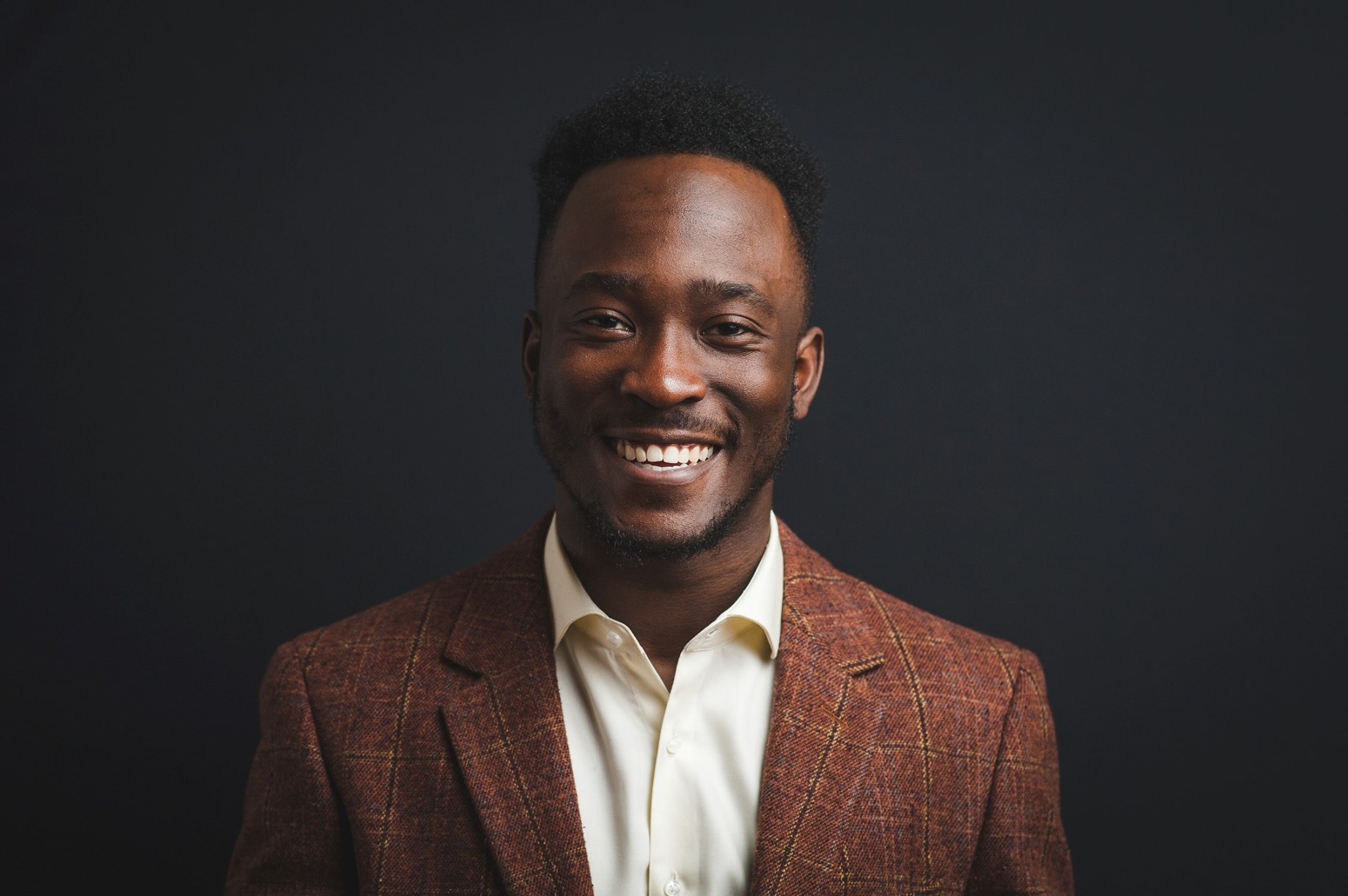
Danielle Geathers, MIT’s first Black woman student body president, and Nicholas Johnson, Princeton University’s first Black valedictorian, inspired my recent Facebook post reacting to the news that I would be serving as one of the very few Black presidents in the Students’ Society of McGill University’s (SSMU) 112-year history. I was both surprised and in disbelief, given the number of overqualified Black individuals that I have met at McGill, and I hope that SSMU will be able to celebrate more accomplishments like these in the near future. News like this has made it slightly easier for Black people like myself to navigate social media as we try to prioritize our own mental health while attempting to engage with the overwhelming media attention on anti-Black violence spurred on by the recent murder of George Floyd. My post was designed to evoke the same sense of pride I felt when reading about Danielle, Nicholas, and countless other Black individuals who continue to succeed despite living in a society designed to see us fail. 

Despite my election to SSMU president as a Black man, it has also become increasingly clear that, contrary to what politicians like Quebec Premier François Legault may claim, systemic racism is not just an American problem. It is a Canadian problem. It is a Montreal problem. It is a McGill University problem. 

As McGill prepares to celebrate its bicentennial anniversary, it is important that we ask ourselves: “What kind of university do we want to be?” It appears that students and administrators have different visions. Most emblematically, James McGill’s racist legacy is acknowledged by all except the university’s administrators. McGill has also failed to provide adequate resources and support to marginalized students, leaving student groups such as the Black Students’ Network (BSN) no choice but to take on this work instead. These students have also been forced to take it upon themselves to educate the administration just to have their voices heard. That activism is increasingly visible on our campus today, uplifting marginalized voices and combating systemic problems that continue to hold my people down. This is a student body that I am incredibly proud to be a part of and to represent at the administrative level in the coming year, in the hopes that McGill will take concrete steps to do better in the future and listen to the voices of Black and other marginalized students.

If there is one thing that I have learned during my six years at McGill, it is that students are capable of mobilizing and creating change on campus. However, the most successful campaigns against issues affecting marginalized communities are led by marginalized students themselves. The Change the Name campaign successfully led by Indigenous students is just one example. As former SSMU Indigenous Affairs Commissioner Tomas Jirousek reflected in a statement, the campaign provided an opportunity for non-Indigenous students to listen, learn, and educate themselves and others in the process. Commissioner Jirousek concluded his statement by emphasizing that we need more movements like this on campus. I wholeheartedly agree. As SSMU looks to the leadership of the BSN on this particular issue, know that we are committed to fully supporting BSN by dedicating our resources to fighting anti-Black racism. 

As SSMU President, I remain committed to uplifting student social movements and ensuring that marginalized voices play a larger role in university decision-making. This includes ensuring that no communities are left behind. Our Asian allies continue to face increased levels of racism due to COVID-19, and they need our support. Likewise, we cannot continue to take to the streets and vocalize our frustrations about the violence, inequities, and discrimination that marginalized groups continue to face without acknowledging that our protests are happening on stolen land. 

To my allies, please continue to do what you can to support the Black community. You can refer to this comprehensive master list outlining how to support the ongoing activism in Montreal. To my fellow Black students, I will continue to use my position of power to advocate for our rights. I want you to know that I am listening. I want you to be able to see yourself here. I want us to continue to fight, I want us to continue to succeed, I want us to continue to stand up every time we are knocked down. We are Black. We are proud.

A previous version of the article published on June 15, 2020 incorrectly stated that Jemark Earle is the first Black SSMU president. In fact, he is the second Black SSMU president after Jeremy Farrell (SSMU President 2001-2002). The Tribune regrets the error. 

A previous version of the article edited on June 17 incorrectly stated that Jemark Earle is the second Black SSMU president. In fact, we can only state that he is one of the very few Black SSMU presidents with the limited records available to us at this time. The Tribune regrets this error. 

McGill, News

The Canada Emergency Student Benefit aids many students while leaving others behind

The federal government’s Canada Emergency Student Benefit (CESB) program, which provides a monthly deposit of $1,250 or $2,000 aiming to alleviate financial insecurity caused by COVID-19, has left a group of students scrambling to pay bills. The benefit is available until August 2020 but is only accessible to domestic students, leaving the 30 per cent of McGill’s international students with little to no financial support. 

The CESB was designed as an alternative to the broader Canada Emergency Response Benefit (CERB) targeted at students. Daniel Béland, Political Science professor and director of the McGill Institute for the Study of Canada, detailed why the CESB was developed. 

“The idea was that a lot of students won’t be able to find work this summer because unemployment is skyrocketing, and many students rely on [summer] jobs to pay the tuition to save for the forthcoming academic year,” Béland said.

As only permanent residents and Canadian citizens are eligible to apply for the CESB, international students, who pay far higher tuition than their domestic counterparts, are ineligible. Béland attributed the decision to only cater to domestic students to Canada’s federal system of government.

“Tuition money goes to universities, which are provincial in nature, and CESB is paid by federal taxpayers,” Béland said. “So the two are not related directly in the sense that tuition money from international students doesn’t end up in Ottawa.”

Heela Achakzai, U3 Arts, is from Pakistan. She saw many of her fellow international students rushing to return home, especially as borders began to close.

“In March, there was only one week when people could decide whether to fly back home or not, maybe even a couple days,” Achakzai said. “If somebody was unable to fly, that means you’re just stuck here […] with your lease and stuck with paying so much money. So many of my friends were [initially] very glad this rolled out, then we found out we couldn’t apply. That [$1,250/month] would cover my rent.

On the other hand, Catherine Shi, U2 Arts, said that she felt the CESB provided her enough financial support to meet her needs, but acknowledged that the requirement stating applicants must be seeking work was not fair to everyone. 

“I think [the CESB] is a good idea because [for the] over 50 internships I [applied to], out of all of them, I got one interview,” Shi said. “[But] you shouldn’t have to risk your life, especially for someone who is immunocompromised, it’s not fair to argue that they should be seeking employment.”

Students must be unemployed because of COVID-19 or actively seeking a job this summer to be eligible for benefits. However, students with jobs can earn up to $1,000 before taxes from their work per eligibility period and concurrently be eligible for the CESB. While students do not have to issue proof while applying, Canada Revenue Agency (CRA) officials have stated that they will check income statements during tax season next year to validate applicants actively sought or were employed. 

Cara Piperni, Director of Scholarships and Student Aid at McGill, empathized with the difficulties that numerous students have been facing due to COVID-19, and explained that her office had made efforts to compensate for some of the financial burden. According to Piperni, 97 per cent of the university’s financial aid had already been delegated out by May.

We immediately had a COVID-related student emergency bursary fund available thanks to the Provost [and Vice Principal (Academic)] contributing a significant amount of money and a fundraiser where generous donors and alumni also contributed,” Piperni said. “So we had more than [one] million dollars in bursaries to offer students around these immediate and urgent concerns in addition to our normal bursary and loan programs and the normal government student financial assistance programs that exist.

Science research
Science & Technology

Sun & Science returns with stars, cells, and faults

On June 6, the Faculty of Science held their second session of Sun and Science, the online rendition of the classic Soup and Science presentation series. The McGill Tribune presents the highlights from the event: 

Making the largest 3D maps of the universe

Adrian Liu, Assistant Professor in the Department of Physics, described an ambitious project to map the universe using 21 cm intensity mapping, an observational technique that surveys large structures in space using the density of hydrogen ions. 

The first generation of stars and galaxies formed released an immense amount of UV radiation that spread through the universe. This radiation broke down hydrogen molecules by removing an electron in a process called ionization. Physicists can map the distribution and relative density of these ions in order to create a more detailed picture of the universe.   

“These are really exciting times,” Liu said. “We’re building big radio telescopes to measure light from when the first stars were forming, and a lot of this work really is driven by undergraduates.”

This telescope, known as the Hydrogen Epoch of Reionization Array (HERA), is currently being constructed by a group of physicists from around the world.

“[HERA] will consist of 350, 14 meter telescopes that act in concert as a giant super telescope to help us detect faint signals from hydrogen around the time the first stars were forming,” Liu said. 

If successful, Liu’s group will be one of the first cohorts of cosmologists to comprehensively visualize the dramatic transformation of the early universe. 

Ancient and future earthquakes

Christie Rowe, Associate Professor in the Department of Earth and Planetary Sciences, is a trained field geologist and earthquake aficionado. Her lab studies a wide range of geological phenomena in locations across Quebec, and as far afield as the Pacific Ocean and Southern Africa. Their current work includes drilling for rock samples in underwater trenches in Japan and studying fossilized evidence of earthquakes in South Africa. 

“Earthquakes aren’t the only thing that’s happening when faults are chugging along,” Rowe said. “There’s actually a lot of things happening in between [silent] earthquakes that the rocks are doing that we don’t necessarily think or know about.” 

In Quebec, her lab maps the occurrence of earthquakes over the last 150 years. Although this may seem like a long time ago, Rowe noted that 150 years is a relatively short period on the geological scale, a fact that presents its own set of challenges while conducting research. 

 “Nobody knows which of these faults have been recently active, if any, so there’s a lot of work [to be done] right under the city, right now,” Rowe said. 

Tracking cell metabolism and communication

Janine Mauzeroll, Associate Professor in the Department of Chemistry, conducts research on electrochemistry, the study of electron transfer reactions. Her lab focuses on electrochemistry at the microscopic level, using small electric conductors a quarter of the diameter of a human hair to quantify the speed of electrochemical reactions in human cells. 

“The whole premise behind the work is that we’re trying to use these small microelectrodes to track cell metabolism or communication,” Mauzeroll said.

These tiny devices can be used to study the characteristics of cancer cells, determining, for example, how resistant a certain type of cancer may be to treatment. 

One molecule of interest in Mauzeroll’s lab is D-Serine. D-Serine is thought to affect synaptic plasticity, the neurochemical process by which specific patterns of brain activity result in changes in neural connections. Other associations between D-Serine and the brain include pathological processes, such as aging and neurodegeneration

Currently, Mauzeroll’s lab is applying specialized enzymes and microelectrodes to track the release of D-Serine from different types of neurons. Such tools could be of significant benefit to medicine, since the molecule is involved in the progression of many neurological diseases, like schizophrenia, depression, and Alzheimer’s disease.

Science & Technology

Up to bat: The persistence of coronaviruses in bats

Scientists predict that many coronaviruses similar to the strain responsible for the COVID-19 pandemic, such as Middle East respiratory syndrome (MERS) and severe acute respiratory syndrome (SARS), have their origins in bats. While several coronavirus strains can infect and sicken humans, bats appear to remain unaffected while carrying the virus.

In a recent study, two researchers at the University of Saskatchewan (USask) demonstrated that the MERS coronavirus can persist in the kidney cells of a species of brown bat for months at a time. The unique ability of bat cells to carry viral particles is due to adaptations both in their immune system and within the virus itself. 

“Very quickly after we put the virus in bat cells, the virus adapts, or there is selection or mutations in one particular gene,” Vikram Misra, co-author of the study, said in an interview with The McGill Tribune. “We don’t know much about that protein, but what seems to be is that that particular protein is responsible for regulating antiviral responses and cell death.”

The study added more knowledge to what scientists already understand about how viruses interact with a bat’s immune system. Previous studies have suggested that physiological stress can cause an imbalance in the replication of viral RNA, leading to increased viral shedding, the process in which viruses exit the body and are released into the environment. This mechanism, as proposed by recent studies, provides a possible explanation for how coronaviruses can infect human populations. 

Since researchers do not observe the symptoms of coronavirus in bats, they instead compare a bat’s immune response to the virus to that of a human. 

When the human body encounters a virus, there is both an antiviral and inflammatory response. With most viral diseases, the virus blocks the body’s natural antiviral response and instead causes a strong inflammatory response, which can damage surrounding organs, such as the lungs in the case of respiratory viruses. Arinjay Banerjee, co-author of the USask study, highlights that bats can somehow suppress the inflammatory response induced by viruses.

“Bats have evolved to do absolutely the opposite,” Banerjee said in an interview with the Tribune. “When bat cells are infected, we see a good antiviral response, but we do not see the strong overdrive of inflammation in bats.” 

This “alternative response” on the part of the bat immune system is thought to contribute to the virus’ ability to persist within members of the bat family.

Selena Sagan, Associate Professor in the Department of Microbiology & Immunology at McGill, further explained why bats are a common reservoir for viruses.

“Bats account for about 25 per cent of all mammalian species […] and they have a long evolutionary history, [meaning that] they have a long period of potential virus coevolution,” Sagan said in an interview with the Tribune. “[Bats] also have worldwide distribution […] and, in fact, their migratory patterns actually match the geographic distribution of several viruses.” 

Sagan also noted that bats can live anywhere from 10 to 40 years, allowing them ample time to cohabitate and transmit viruses to other species. The plethora of new research into how the coronavirus made its way into humans is further shedding light on how diseases can jump from one species to another.

Scientists are just beginning to understand how a bat’s unique immune response allows viruses to persist within bat cells. However, with over 1400 known species of bats, it is unlikely that all will respond in the same way to different viruses. 

“If we can figure out why bat cells respond to viruses by turning off their inflammatory responses, we may be able to figure out how certain chemicals or drugs might be able to do the same in [human] immune cells,” Misra said. 

Commentary, Opinion

McGill must reinstate Shanon Fitzpatrick

In May of this year, Assistant Professor Shanon Fitzpatrick of McGill’s Department of History was denied tenure by the administration. This move was highly unusual—Associate Vice-Provost (Equity and Academic Policies) Angela Campbell said in a presentation to student leaders earlier in the year that candidates who are endorsed by their departments for tenure, as Professor Fitzpatrick was, seldom do not receive it. The administration has not been forthcoming on the reasons behind their decision; when questioned by incoming History Students’ Association President Dalton Liggett, Provost and Vice-Principal (Academic) Christopher Manfredi cited links to the tenure regulations and stated that students could “rest assured” that they are being followed. Given the absence of a reason for Professor Fitzpatrick’s tenure denial, students are left to reckon with two possibilities: First, that the university does not value her tremendous skill and service record, and second, that Professor Fitzpatrick’s outspokenness about student rights was likely a major factor in the rejection.

The competition for seats in Professor Fitzpatrick’s classes is always fierce, and for good reason: There are few professors who inspire the same engagement and enthusiasm in their students as she does. Undergraduate history students voted to present her with the Robert Vogel Award, which is given annually to a professor in the Department of History who has shown exemplary care for and mentorship to students, in 2019. For many students who have taken Professor Fitzpatrick’s introductory classes in history, it was she who first inspired them to engage with history and to incorporate it into their degrees. For students who have taken her upperlevel seminars, on topics such as Queer America and American imperialism, Professor Fitzpatrick’s cultivation of vital and challenging learning communities, as well as her support and belief in their skill as researchers and writers, pushed them to deliver their best work. 

Professor Fitzpatrick’s students trust her to challenge their biases, to give them thoughtful and generative criticism, and to support their intellectual development inside and outside of the classroom. That trust is rooted in her actions to support students beyond the pedagogical context: Professor Fitzpatrick is an outspoken supporter of student advocacy. While she has served as an important resource for students on a wide variety of issues, her public support of students advocating against sexual violence and professorial misconduct on campus is likely the most relevant to her tenure denial. In 2018, during student protests against the Faculty of Arts’ mishandling of sexual misconduct allegations against professors, she openly criticized McGill in a CBC article. Within the history department, she has also been supportive of students’ calls for protection from predatory professors. She did all of this without the protection of tenure.

As the guarantee of long-term job security and institutional protection, tenure is the key labour demarcation of academic institutions. Without tenure, professors and other academic workers occupy precarious spaces within the university community, as evidenced by the administration’s denial of Professor Fitzpatrick’s application for tenure. In the absence of a clear answer from the university on why her application has been denied, her students are left to assume the only obvious reason why a professor with such an exceptional and exemplary record of teaching and service would not be tenured: That her courage in speaking against the university has resulted in a final punitive action. In an age of rising censorship and suppression of dissent across the globe, transparency and good faith action in our public institutions is critical. If McGill wants to prove itself to be a true 21st-century university, Professor Fitzpatrick must be reinstated. 

Take action by signing on to the HSA open letter, removing yourself from alumni giving lists, or email the Provost ([email protected]) and request that Prof. Fitzpatrick be reinstated.

Read the latest issue

Read the latest issue