
Latest News

Student Life, The Viewpoint

Lessons from a fifth year: Fostering a healthier culture at McGill

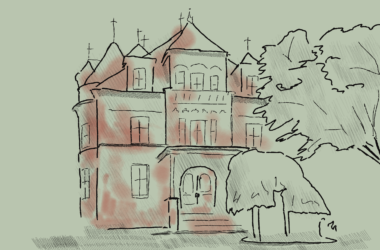
Excitement and anxiety are the dominant emotions that I feel as I graduate this semester and prepare to begin graduate school in September 2020. Having spread my degree over five years, I have watched the McGill community grow and change over time, and there are a few things that I wish I had known when I first got here. 

GPA alone is not sufficient

Frankly, I’ve gotten my fair share of Bs and Cs. As a result, I was rejected three years in a row from the Psychology Honours program. As a result, I thought that this first experience with failure defined me.

After facing those rejections, I decided to spend my last two years focussing outside of my own academic field by finding professors in other disciplines who shared my passions, seeking hands-on experiences throughout Montreal, and even volunteering in Indonesia for a summer. How I reacted to my past failings ultimately led to my subsequent successes—most notably, an acceptance to my dream program, the Master’s of Public Health at Columbia University. McGill’s structure may place value on certain metrics of success, such as GPA and research, but the truth is, the world beyond can think a little differently.

Don’t compete; collaborate

Being surrounded by high-achieving and hard-working students every day made me feel like I had to emulate their behaviours such as binge drinking, barely sleeping, and studying for unhealthy amounts of time. Despite the fact that I was overwhelmed with stress and anxiety by following these normalized patterns, I didn’t seek any help. I blamed myself, thinking that I could not handle McGill’s ‘work hard, play hard’ environment. Upon receiving my diagnoses of anxiety and depression, I learned that if you push yourself to the extreme, something is bound to give. 

I decided to be vocal about my recovery process, which involved months of therapy, antidepressants, and tackling the stigma of mental illness on campus. As university students, we don’t think often enough about checking in with our friends, our classmates, or even ourselves. Following the destructive cycle of my first year, I took baby steps toward healthier coping mechanisms, such as ensuring that I got enough sleep each night and drinking less. 

Being open not only made me feel better, but it made a difference with my peers, too. While sharing this difficult experience made me feel extremely vulnerable, nothing was better than admitting that ‘I am not okay.’ The more I was open about how the McGill culture masked the symptoms of my depression and anxiety, the more students asked if I could help them access support too. All of a sudden, I had created a space where those in my social group did not have to be alone and isolated about their difficulties in university and could share their experiences in coping with the pressure.

McGill doesn’t define you

Spending my entire life in first year within the confines of the Milton-Parc neighbourhood made it impossible to separate myself from my identity as a McGill student. Moving out to the Plateau and exploring the city on the weekends as well as volunteering for organizations such as the ICU Bridge Program at the Jewish General Hospital gave me the opportunity to explore different parts of my identity beyond being a student. These experiences provided me with different perspectives that helped me appreciate how lucky I am to live in a vibrant city with plenty of opportunities. Most importantly, they helped push me outside of my comfort zone and prepared me for the world after undergrad. 

As I get ready for Columbia, I’m thankful that I recognized the perils of a high-pressure university environment and learned to move away from this toxic ideology by embracing vulnerability within myself and my peers. After five years of important experiences and struggles at McGill, I developed into a stronger and happier person, and I discovered who I am beyond the Milton Gates. 

Editorial, Opinion

McGill should communicate quickly but carefully about COVID-19

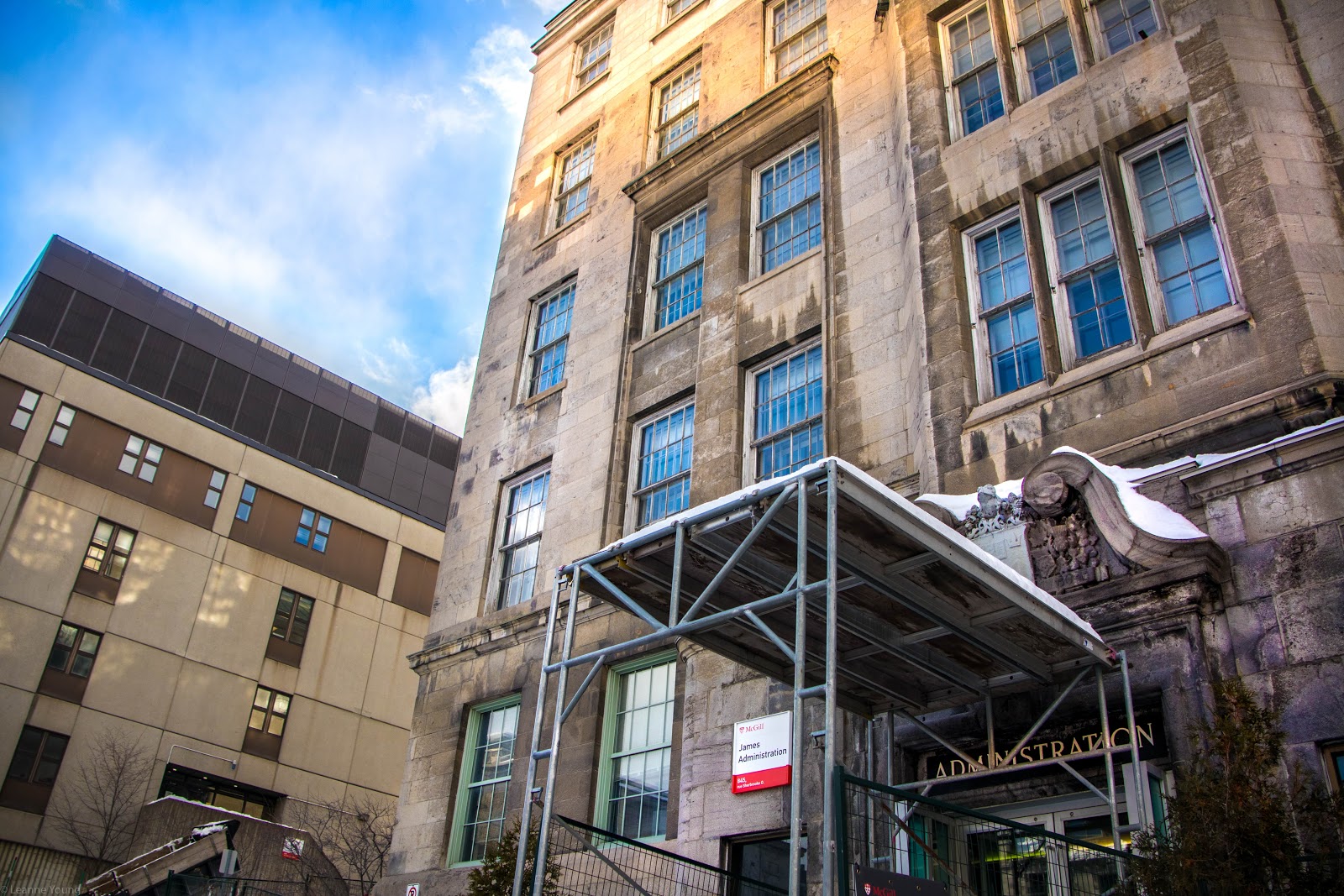
Over the course of the last week, the McGill community has been informed through a series of emails from the administration about how the university is addressing the COVID-19 pandemic. On March 13, the Quebec government announced that all schools in the province would be closing for two weeks. Following this announcement, McGill cancelled classes on March 13 to evaluate its plan of action. At the time of press, McGill has cancelled all classes, exams, assignments, and forms of assessments, with the exception of thesis defenses, until March 30th. Given the rapid evolution of the coronavirus pandemic, the administration has made reasonable efforts to communicate their decisions as the situation develops. During this time, however, many students and staff still face confusion and uncertainty about what the coming weeks and months will look like. 

On March 16, McGill made a facebook post specifying that there will be no in-person final examinations, explaining that an alternative assessment plan will be specified before the end of March. Additionally, the administration sent out a more substantial email outlining the services, activities, and areas which will be operable over the next two weeks and those which will not. Even so, students remain anxious about how graduation ceremonies will proceed, as well as whether graduate programs and summer semesters set to start on May 1 will continue as scheduled. The McGill administration should continue information clarifying the steps that they plan to take to address the consequences of the virus, though their communication thus far has been laudable given the circumstances of the situation. McGill students should take seriously the university and Provincial Government’s recommendations regarding social distancing and hygiene, in order to slow down the spread of the virus. 

Updates about McGill’s response to COVID-19 have been communicated on Facebook, YouTube, and by email. While the administration has aimed to make this information accessible, students have complained about a lack of uniformity and inaccessibility in messaging. While email is a more direct and appropriate method of communication, emails from McGill regarding COVID-19 have often been  delayed compared to the administration’s social media announcements. In the comments of the March 14 Facebook update video, students complained about a lack of captioning and also urged the administration to be more proactive in communicating with professors regarding class and assignment cancellations.

Closing campus, while necessary, can pose various accessibility barriers for students. For example, some students cannot afford WiFi in their apartments and, with libraries being closed, lack a feasible space to do class work. Given this, even after the two week period, professors should be understanding with students who were unable to stay up to date with assignments during the cancellation period. Professors should also be accommodating because this is an especially stressful time for students who may be encountering difficulty in trying to communicate with their families in other parts of the world. Students may be as afraid for their friends’ and family’s health as their own. 

On March 14, McGill asked all students abroad to return. Effective communication from McGill to students on exchange is crucial for ensuring that these students can travel safely and have clear instruction on their prospective return to Canada and the university. Moreover, McGill must clarify for all students, both abroad and in Montreal, how and if they will be able to finish their academic terms if their term is shortened, and if students will be able to graduate on time.

With respect to how students should react to the pandemic, it is important to practice both self-awareness and empathy at this time. Even if students are not concerned for their own health, they should be mindful of the health of others and practice social distancing. While young people are generally less likely to suffer or die from COVID-19 as the elderly, they can still transmit the illness to more vulnerable members of the population. Students have a responsibility to aid public health, and the most effective way to slow the spread of illness is by avoiding gatherings and washing their hands frequently. Students should also try to be mindful of their own health, both physical and mental. Writing out thoughts and feelings, calling friends and finding new hobbies are some ways that students might manage their mental health while social distancing. Finally, students should strive to avoid doing things like panic buying, allowing everyone to acquire groceries and supplies with equity. 

The coronavirus pandemic has incited stressful changes for everyone, including students, staff and administration. The McGill Tribune commends the administration for making concerted efforts to address the situation as swiftly as possible and urges thorough, clear, and accessible communication going forward. We also urge all readers to be patient and empathetic with one another as we navigate this situation; whether that means being considerate of those who are immunocompromised by practicing social distancing or simply being patient with roommates while sharing close quarters.

If you think you may have contracted COVID-19 or need further information, please contact the Quebec Ministry of Health and Social Services at  +1 (877) 644-4545 or visit their website.

Arts & Entertainment, Music

Anonymuz’s ‘Before the Night is Over’ is full of bangers

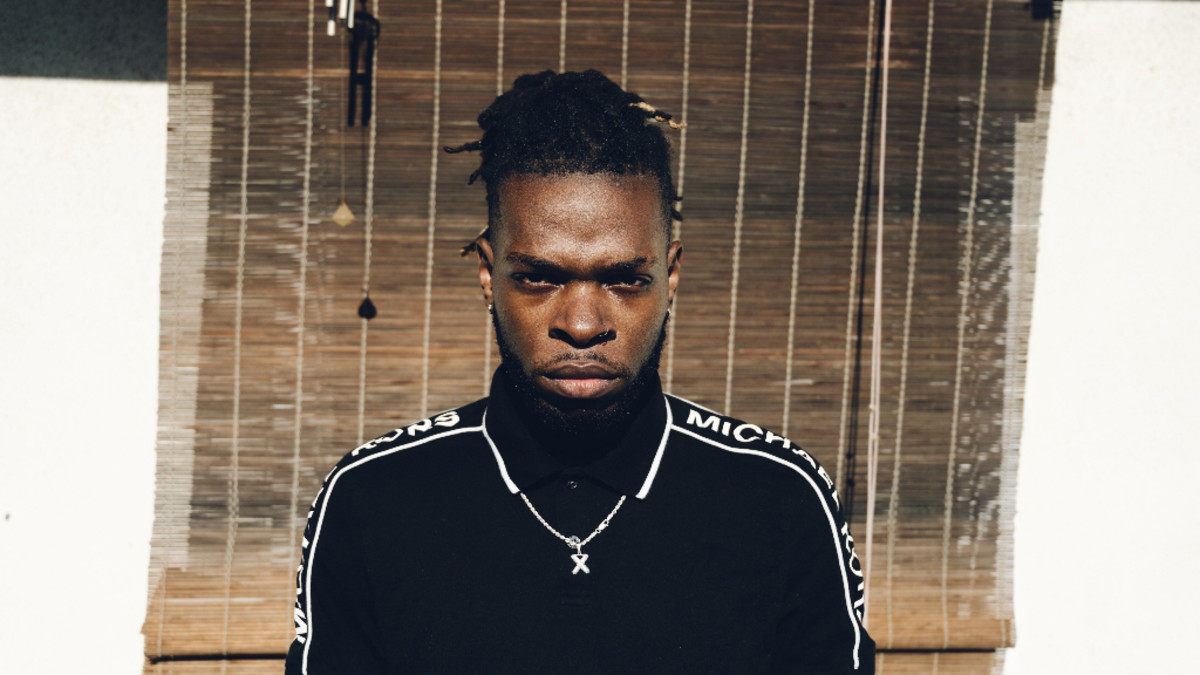
As of now, Isaiah Joseph, who records under the name Anonymuz, lives up to his chosen moniker. Though his projects have been gaining popularity as of late, the mainstream rap community has continued to overlook his unmatched talent. His newest project, a brief but sonically substantial EP Before the Night is Over, may be his greatest attempt yet at breaking the mould. Self-produced, Before the Night is Over is a remarkable achievement given the disparate styles on display.

The opening track, “Long Night”, feels like a response to the distinct Drake-like flow and production style that popular radio has come to love, with added vividness and weight. This kind of evocative evolution becomes a theme of the EP: Many of the songs build upon the production of his inspirations to create a unique sound. “Hysteria” features some bass work that is unmistakably Pablo-era Kanye, but Anonymuz’s vocals combined with the uniquely aggressive percussion makes the track unmistakably his own. 

One of the EP’s primary themes is the creative plight that often comes with being signed to major labels, a part of the music industry that Anonymuz has gone out of his way to avoid. The artist has even gone so far as to start his own label, RXDICAL RECORDS. The final track, “Riot”, condemns these labels, singling them out:  “Con artists, con artists, out of art, out of heart.” 

Where Anonymuz smashes it out of the park is with his biggest stylistic change-up yet, “We’ll Be In Love.” The song features an intoxicatingly funky beat and some surprisingly smooth vocals from Anonymuz himself, along with verses that feature a new, strikingly diverse flow. 

Anonymuz has outdone himself this time, but that comes as no surprise. He continues to be a wildly underrated and highly important voice in the world of rap, and his recent forays into production puts him in conversation with the likes of rapper and producer legend J Cole.

Commentary, Opinion

The Indigenous Equity Fee must be increased

Increasing the Indigenous Equity Fee should be a popular suggestion.

The intergenerational strength and resiliency of Indigenous students attending McGill is remarkable. Indigenous students face a number of hurdles which make it less likely for them to end up pursuing post-secondary education—among these are systemic disadvantages that play into almost every Indigenous person’s life. 

Indigenous people living on reserve are less likely than non-Indigenous individuals to complete high school, which is a prerequisite for admission to any Canadian university. The percentage of off-reserve Indigenous students graduating high school, though increasing year by year, still lags behind. The reasons for this lie in a history of colonialism that has resulted in the impoverishment, marginalization, and despair on Indigenous peoples. Unsurprisingly, the proportion of Indigenous students living off reserve who receive a high school diploma is greater among those with no family history of forced attendance at residential schools than among those with a history of family attendance. Relative to the broader Canadian population, Indigenous peoples, for example, have higher incarceration rates, higher infant mortality rates, higher school drop-out rates, higher rates of smoking, alcohol, and drug abuse, and suffer a range of chronic health conditions at a higher rate than their non-Indigenous counterparts

All of these factors speak to the incredible dedication and perseverance of Indigenous students in their post-secondary educational pursuits. These students are examples for everyone to follow in terms of their strength and resilience in the face of adverse circumstances.

However, the mere fact of working hard and being admitted to university does not mean that Indigenous students are exempt from the effects of colonialism. In many cases, they find themselves in a setting that is altogether unfamiliar to them in language, culture, and practices. According to recent student consultations held by Students’ Society of McGill University (SSMU) Indigenous Affairs, Indigenous students face racism on a daily basis through in-person and online comments from their peers and are consistently singled out in classrooms to speak to Indigenous issues. Outside McGill, they must continue to contend with the needs of their families. Within McGill, Indigenous students struggle to access mental health services at a higher rate than the rest of the student population. In addition, they face these challenges against the backdrop of daily news reports about how the federal government continues to engage in contemporary colonization, while paying lip service to ‘reconciliation’ that never actually ends up happening. These factors are just some of the unseen burdens and additional hard work that Indigenous students put into completing their postsecondary education.

McGill can be made a much more hospitable place for Indigenous students. Students have already voted to do so by introducing the Indigenous Equity fee—the $1 semesterly contribution added to SSMU student fees to create the Indigenous Equity Fund. With this contribution, SSMU Indigenous Affairs has been able to make significant progress in improving the well-being of Indigenous students by making attending McGill more accessible to those living on nearby reserves, increasing the visibility of Indigenous peoples on campus through events and campaigning, and hiring additional staff to hold consultations with Indigenous students and analyze McGill policies and procedures. The consultations have proven what Indigenous students all knew individually and identified experiences that were, in fact, common to many. They demonstrated that while the Indigenous Equity Fee is already effective, we are still coming up short in ensuring the success of Indigenous students and their integration into student life on campus. If the fee were increased to $1.50, more meaningful work could be embarked on in addition to current projects, such as introducing more mental health support specific to Indigenous students, more outreach projects, campaigns combatting racism, and making Indigeneity more visible on our campus by supporting and funding Indigenous art. These efforts would leave McGill better positioned to respond to the challenges that Indigenous students themselves have said are active barriers to access.

McGill students should all come together to help ensure the success of every Indigenous student at McGill by voting ‘yes’ to the increase of $0.50 to the Indigenous equity fee. This will not only help ensure their own well-being by providing essential resources, but that of their families and communities as well.

Commentary, Opinion

McGill failed its exchange students amid the CoronaVirus crisis

Standing toward the back of the line snaking its way around the grocery store, my cart full to the brim with frozen foods and canned soup, was not the way I had expected to spend my semester abroad at the University of Copenhagen. The night before, the Danish prime minister announced that the country was effectively shutting down: Closing schools, encouraging public sector employees to work from home, and banning gatherings of more than 100 people. Immediately after the announcement, my social media were filled with photos of empty store shelves and long lines, leaving me anxious for comfort and support from familiar institutions.

While, of course, my initial fears about having enough to eat were exaggerated, the cacophony of announcements from countries all over to curb the COVID-19 pandemic were enough to stress anyone out., Italy, Spain, and South Korea were all taking drastic measures just as Denmark did, ranging from encouraging self-isolation to closing borders. Being without my family, in an unfamiliar country, made the situation even more stressful. Times of uncertainty generally cause people to lean back on the institutions that are supposed to support them. For me, McGill should have been one of these institutions. Instead, the administration’s delayed response contributed to my anxiety. This stress was a result of structural issues within McGill’s lack of communication to the student body during the COVID-19 crisis at large. 

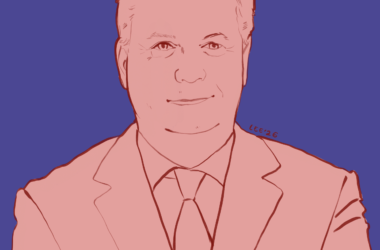
In the two-and-a-half days between Denmark’s initial announcement about closing much of the country and the first email I received from the McGill Abroad team, there was little clear communication from McGill. Only Deputy Provost (Student Life and Learning) Fabrice Labeau’s daily emails, which at that time  conveyed no more substantial information than encouraging the student body to wash our hands, were there to provide direction and reassurance. During this period, I quickly found out that many of my colleagues on exchange from universities in the US and UK had already been recalled. Even my friends at other Canadian universities, such as the University of British Columbia and University of Calgary, had received emails within 24 hours of Denmark’s announcement reassuring them that they could come home if they felt unsafe without risking losing credit for the semester. This allowed others to make decisions about whether the best option for them was to stay or leave, to some extent reducing uncertainty.

While I discussed the very same question with my parents, who were eager to have me back in Canada before the borders closed, the answer was made all the more complex by McGill’s silence, despite attempts to contact them through the COVID-19 information email. I could not be confident that, if I left, McGill would assist me in making the necessary accommodations to receive credit. However, more and more countries were closing their borders, and I wanted to be sure that I would be able to return home if the situation in Denmark worsened dramatically. 

I understand that the rapidly-changing nature of the COVID-19 crisis meant that it was difficult for the administration to make important decisions. I have no doubt that the decision to recall exchange students was not one that was made likely, and I am glad that the administration took the time to give the decision its due. However, it was difficult not to feel abandoned by the university that was supposed to be one of my main support structures when I needed it most. And in a situation in which each day saw drastic new proposals to curb the spread of the pandemic, going almost three days in isolation without any acknowledgement of what we were going through felt like an eternity. Now that I am home, I am grateful for my professors in Copenhagen, who reassured me that I would be able to complete my classes remotely, as well as the administration at the University of Copenhagen, whose consistent communication helped to alleviate some of the stress surrounding the crisis. I only hope that McGill continues to learn from other institutions which have made communication a priority, and continue to update its students on the measures being taken.


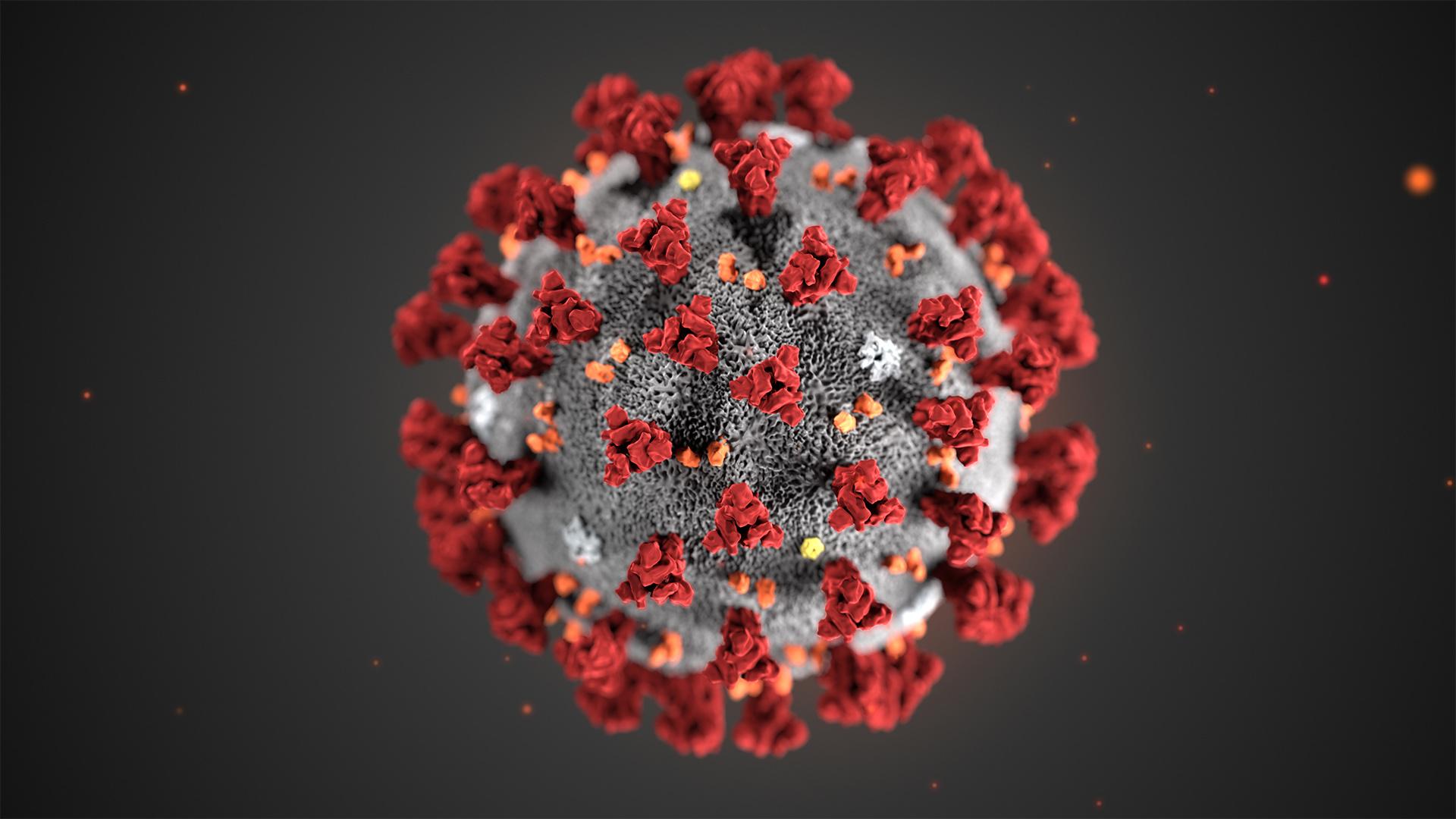
covid-19 illustration
McGill, News

No online or physical classes for two weeks during COVID-19 crisis

McGill suspends all online and physical classes

Associate Provost (Teaching & Academic Programs) Christopher Buddle announced in a video update that McGill will be suspending all academic activities for the next two weeks during the COVID-19 crisis.

“All classes are cancelled for the next two weeks, [both] online [and] in-person classes,” Buddle said. “This also includes any assessments or any examinations that students might be preparing for. Those will have to be postponed. Instructors have received information about how they can start planning [to make] sure that their courses […] can move to an online format when we return and when we reopen completely.”

According to an email sent to students by Deputy Provost (Student Life and Learning) Fabrice Labeau, thesis defenses will still take place, as well as any research activities that can be carried out off campus other than field work.

“McGill will make every effort to ensure that students complete the term as planned,” the email read. “I appreciate the perseverance of the community as we work through this situation in coordination with the Ministry of Health and the Ministry of Education and Higher Education.”

Students will not be forced to leave residences

McGill’s residences will continue to operate. According to Labeau’s email, other food services on campus may be closed or operate during reduced hours. Buddle warned that those living in residences who intend to leave Montreal should be aware that, if they return to Canada from abroad, they will have to self-isolate for 14 days. He also noted that travel restrictions to Canada may change in the coming days.

“If you choose to leave that’s fine and that’s your choice but you need to understand […] we can’t necessarily guarantee that all of your classes will be available in an online format,” Buddle said.

Buddle will be delivering daily video updates on COVID-19 at McGill throughout the next week.

Services shuttered, Wellness Hub closed for two weeks

McGill’s libraries and athletics facilities will remain closed until March 30, although online library services will still be available. The Wellness Hub is closed until at least March 21 and will move to online operations. Labeau’s email noted that students can access doctors virtually through the Maple app and mental health counselling services through Keep.meSAFE.

McGill recalls all students abroad

Following the Canadian government’s advisory to avoid all non-essential international travel, McGill is recalling all students currently abroad.  Information about academic accommodations will be announced soon. Labeau urged returning students to comply with the provincial government’s 14-day self-isolation request.

Quebec businesses asked to close indefinitely after Legault declares public health emergency

There are now 35 cases of coronavirus in Quebec, and over 1000 cases are currently being investigated. The first pediatric case of coronavirus in Quebec has been diagnosed.

In a press conference on March 14, Quebec Premier François Legault declared a public health emergency in the province of Quebec. He is encouraging seniors over 70 to stay at home and has also announced a ban on all visits to seniors’ long-term care facilities, residences, and hospitals.

On March 15, Legault asked that most businesses in Quebec close indefinitely, including bars, bars, and gyms. Restaurants may stay open, but should limit their customers to 50 per cent capacity and seat customers far apart.

As well, residents are no longer being encouraged to call Quebec’s 811 health line for coronavirus information, as it has become overwhelmed with calls from worried residents. Instead, provincial Health Minister Danielle McCann is encouraging those who cannot get through on the 811 number to call +1 (877) 644-4545. McCann also announced plans to launch 10 more COVID-19 screening clinics.

covid-19 illustration
McGill, News

McGill closed for two weeks following provincial COVID-19 update

Quebec Premier announces closure of all schools

Following a directive from the Quebec government on the coronavirus (COVID-19) outbreak, McGill has cancelled classes and exams for the next two weeks. On March 13, Premier François Legault announced the two-week closure of CEGEPs, secondary schools, universities, and daycares province-wide.

The McGill administration also announced via an email sent to students on exchange that those in Italy, China, Iran, and the Daegu and Cheongdu regions of South Korea would be immediately recalled. All other students abroad were encouraged to return to Canada if they felt unsafe.

McGill’s athletic facilities and libraries will be closed until Sunday.

Exchange students flying home

Only study-abroad students in areas covered by a Level 3 travel notice from the Public Health Agency of Canada, denoting a “large-scale outbreak in a large geographic area,” have been called home. However, some frustrated exchange students have already booked flights home.

Nina Russell, U2 Arts, is on exchange in Copenhagen, Denmark, where over 800 cases of coronavirus have been confirmed. She waited for communication from McGill after her host university cancelled classes, but after hearing nothing for days, she ultimately decided to book tickets back to her hometown.

“[The email sent March 13 stated] ‘you’ll receive more information in the coming days,’ which is annoying because [we have already] waited a few days and heard nothing,” Russell said. “I was the last to receive an email out of all my friends from [universities] literally around the world, including in Canada. It’s just frustrating to be kept in the dark so long, especially when travel restrictions are going up and I’m not sure [for] how much longer [I can fly home].”

SSMU cancels services and events

The Students’ Society of McGill University (SSMU) has cancelled a number of services, including DriveSafe, WalkSafe, and the Eating Disorder Resource & Support Centre. All SSMU-affiliated events occurring after March 15 will be cancelled. Events scheduled for the weekend are being suspended on a case-by-case basis. The academic conference hosted by SSMU Indigenous Affairs has been cancelled, however the keynote address by Cindy Blackstock may be rescheduled. Prospective attendees are urged to check the event’s Facebook page.

For those who are emotionally affected by the ongoing COVID-19 crisis, SSMU is directing students to Keep.meSAFE, a service that connects students with in-person licensed counsellors in Montreal. It is currently available at no cost.

SSMU President Bryan Buraga stated that it was critical that McGill students rally together as a community in the midst of the COVID-19 crisis.

“Of course the student body is very worried about the health situation that’s going on,” Buraga said. “I ask the student body to be patient, to trust in our expert health professionals, [and] also for students over the next couple of weeks to check in on their other fellow students, friends and family to make sure they’re doing okay.”

Ban on student travel and new international students

On March 13, Deputy Provost (Student Life and Learning) Fabrice Labeau announced a moratorium on student travel abroad. In addition, no new international students will be accepted to McGill until further notice.

“Following the directive issued yesterday by the Quebec government and the director of public health, all student travel outside Canada for internships, student exchanges, international mobility programs, competitions or conferences, is suspended until further notice,” the email read. “Additionally, effective March 12, all education institutions are required to suspend intake of new international students until further notice.”

Wellness Hub closed Friday

On March 13, the Wellness Hub was closed to students seeking healthcare, a statement confirmed by SSMU President Bryan Buraga. In addition, the Hub has cancelled all appointments taking place between March 15 to 21.

“Unfortunately, the Wellness Hub [is] closed today for the time being, to [allow McGill to] essentially figure out what to do next about the whole COVID-19 situation,” Buraga said.

17 cases of COVID-19 confirmed in Quebec

Four more cases of COVID-19 have been confirmed in Quebec since March 11, bringing the total to 17 cases in the province. All of the four new cases were linked to travel abroad. Over 250 cases are currently under investigation in Quebec.

McGill, News

Friday classes cancelled following coronavirus update

This article has been updated.

University cancels classes and exams scheduled for March 13

Confirming reports from CTV Montreal, Deputy Provost (Student Life & Learning) Fabrice Labeau announced that McGill would be cancelling classes and exams March 13 in an email sent to staff and students. Conferences for graduate students are also cancelled.

“In order to evaluate how today’s coronavirus (COVID-19) announcement from the Quebec government will impact campus operations and academic activities, the University is suspending classes and exams on Friday, March 13,” the email read.

Shortly after McGill’s announcement, Concordia University followed suit and announced that all classes would be suspended until the 16th, with courses with over 250 enrolments being moved online next week. The Université de Montréal announced its plans to undertake similar measures earlier that afternoon.

Ban on public gatherings

The decision comes after Quebec Premier François Legault’s announcement of a ban on all indoor events with more than 250 people. Anyone with flu-like symptoms and anyone returning from abroad, regardless of where they came from, was also advised to self-quarantine. Schools remain open, although multiple private schools, such as Academie Louis-Pasteur, have cancelled classes.

Libraries, arenas, and pools in Quebec will also close, as well as any spaces where more than 250 people can gather.

13 confirmed cases; one in McGill hospital

There are currently 13 confirmed cases in Quebec, with two people currently hospitalized. All of the cases so far have been linked to travel abroad.

One of the cases, a young adult who recently returned from Europe, was identified at the McGill University Health Centre. The staff members who came into contact with the patient will not be staying home.

McGill’s Faculty Olympics cancelled

All remaining Faculty Olympics (FACo) events were called following Legault’s announcement. The Students’ Society of McGill University (SSMU) Vice-President Internal Sanchi Bhalla ultimately decided to hold exclusively online closing ceremonies.

“We’ve cancelled all of tomorrow’s events, as well as the power hour tonight,” Bhalla wrote in an email to The McGill Tribune. “[We are] all sort of frazzled right now.”

SSMU meetings moved to online platform

A press release from Lauren Hill, SSMU Legislative Council’s Speaker, announced to campus media that the council meeting scheduled for March 12 would be taking place via teleconference.

“We apologize for the inconvenience, and we note that a recording of the public session will be available shortly after,” Hill wrote in an email to The McGill Tribune.

Petition to suspend in-person classes

Thus far, over 8,000 students have signed a petition demanding that McGill suspend all in-person classes for the duration of the semester. The petition, started by a Facebook group titled Ready McGill, demands that McGill cancel classes indefinitely, a measure already taken by Ontario’s Laurentian University.

Ready McGill also issued a ‘counter-statement’ to Labeau’s March 11 coronavirus update, criticizing his decision not to cancel classes at that time.

“While we welcome McGill University ‘exploring’ the possibility of transferring to distance-learning options and ‘proactively’ developing plans, we’d like to remind you that we are running out of time,” the counter-statement read. “Exposing your students and faculty to a highly contagious virus that has been exploding in cases in New York State, which is only 45 minutes away from Montreal, is not what many of us generally consider proactive.”

Features

Putting pen to paper

The New York Times headline glared out on my screen. The words reflected a phenomenon all too common on many progressive, university communities across North America.

“News or ‘Trauma Porn’?,” it began. “Student Journalists Face Blowback on Campus.” 

The Nov. 14, 2019 article by Julie Bosman, Mitch Smith, and Kate Taylor highlighted a controversy on Northwestern University and Harvard University campuses after student-run publications at both schools received criticism from students alleging a lack of sensitivity in their reporting practices. These conflicts represent a growing tension between ‘traditional’ objectivity-focussed journalism practices and the increasing demand for empathetic approaches. These demands are becoming more pervasive as standards of best journalistic practice and cultural awareness of sensitivity continue to evolve. Such sentiments underpinned many of the events surrounding the Northwestern incident.

Science & Technology

Geoengineering is a band-aid solution to the climate crisis

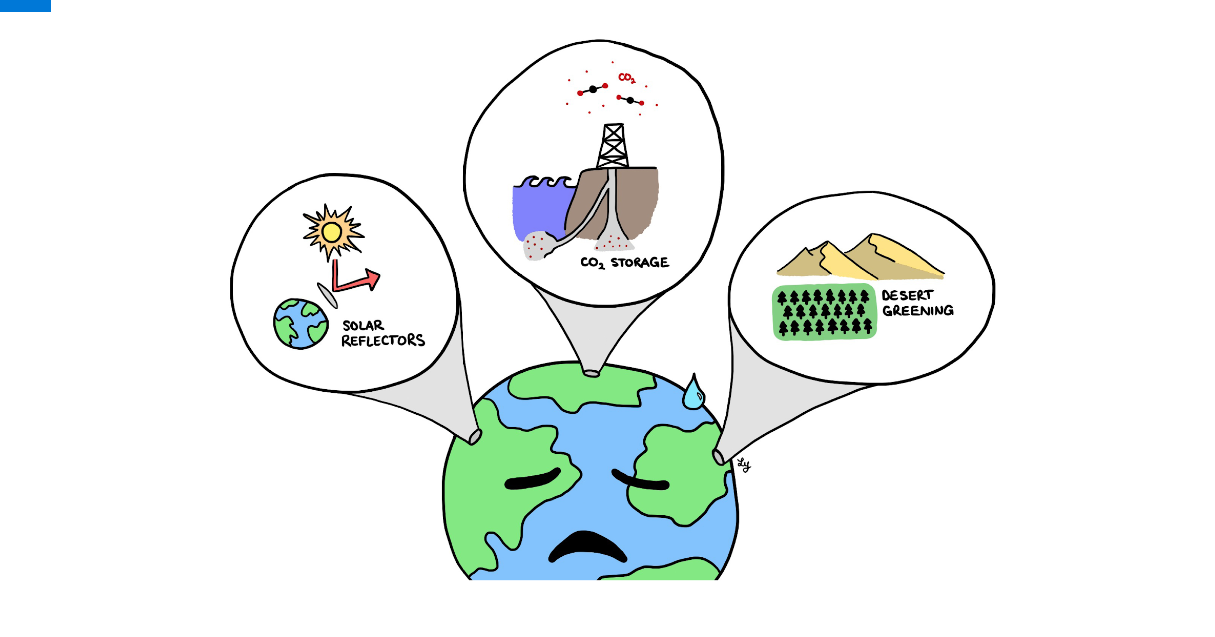
The conversation around geoengineering, otherwise known as climate intervention or climate engineering, is gaining traction as climate projections remain dire. Offering many salient yet controversial ways to mitigate Earth’s rising temperatures, geoengineering methods include spraying sulphate particulates into the atmosphere to block out solar radiation, fertilizing the ocean with iron to capture more carbon, and injecting atmospheric carbon dioxide into rock deep beneath the Earth’s surface. 

The Intergovernmental Panel on Climate Change (IPCC) has increasingly warned that countries must reduce emissions to avoid a two degrees Celsius jump in temperature, which would result in widespread social inequality and environmental degradation. Despite these warnings, emissions continue to rise, pushing scientists like Nigel Roulet, the Chair of the Department of Geography at McGill, to consider emissions-curbing experimental methods. 

“There are two areas of geoengineering, and the distinction is important,” Roulet said in an interview with The McGill Tribune. “Soft geoengineering [includes methods] that we can do that could enhance processes that are already going on to remove carbon dioxide from the atmosphere, such as increasing forest growth or having white roofs. Hard geoengineering [includes] methods that involve trying to intervene in the climate system.” 

Most techniques that people associate with geoengineering fall into the hard geoengineering category, a form that Roulet considered quite dangerous for two reasons.

“[First of all], we are not equipped with such an advanced understanding of the climate systems to forecast the possible consequences and externalities of hard geoengineering techniques,” Roulet said. “The second [worry] is the possible geopolitical consequences [….] If one state had access to geoengineering technology […], what would that mean for the global system and global effects?”

Geoengineering is often not discussed in a way that differentiates between pure climate intervention and techniques that simply enhance processes that are already occurring. Roulet believes that geoengineering merits closer examination and cannot be accepted as a quick fix to the climate crisis.

However, it is possible that as soon as geoengineering takes off, it could drain attention from examining human overconsumption.

“We have massive problems in our society that are associated with overconsumption,” Roulet said. “Thinking that technology is going to fix our problems is delusional. We need to reduce our consumption [by] a tremendous amount and ask ourselves questions like ‘How many people can the planet support with reasonable wellbeing?” 

According to Roulet, geoengineering cannot possibly address the fundamental problems of climate change, such as social inequality, exploitation of people and resources, and overconsumption. Geoengineering simply masks the symptoms. Roulet compared the danger of relying on geoengineering to taking a Tylenol when you have a cold. The difference is that Tylenol does not generally result in significant negative side effects, whereas geoengineering could have harmful consequences like altering the oxygen levels in oceans, decreasing biodiversity, and changing rainfall patterns. Scientists simply do not know enough—and might never know enough—about large-scale atmospheric processes to predict what sequestering carbon dioxide or trying to reduce the amount of sunlight reaching the Earth would do at the global scale. 

“Some methods of geoengineering are like jumping out of a frying pan into the fire, such as spraying sulphate particulars in the air,” Roulet said.

Technology will be part of the climate solution, but it cannot be the only fix. Geoengineering targets large sources of carbon dioxide like transportation and animal agriculture but does not address the smaller ones that humans emit every day.

“Humans are not well enough evolved to handle overwhelming questions,” Roulet said. “If there are readily available geoengineering solutions, we will not be forced to sit down and look at ourselves.”

Geoengineering suggestions are as diverse as they are fanciful. If humans have such a big imagination when it comes to technology, then the same could be possible for our ability to conceive different ways of implementing social and institutional changes. 

Read the latest issue

Read the latest issue