Latest News

Features

Commemorating the past through the present

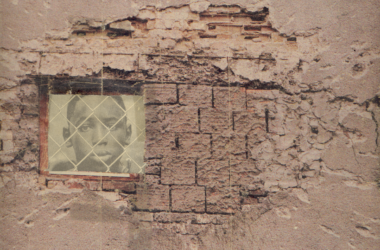
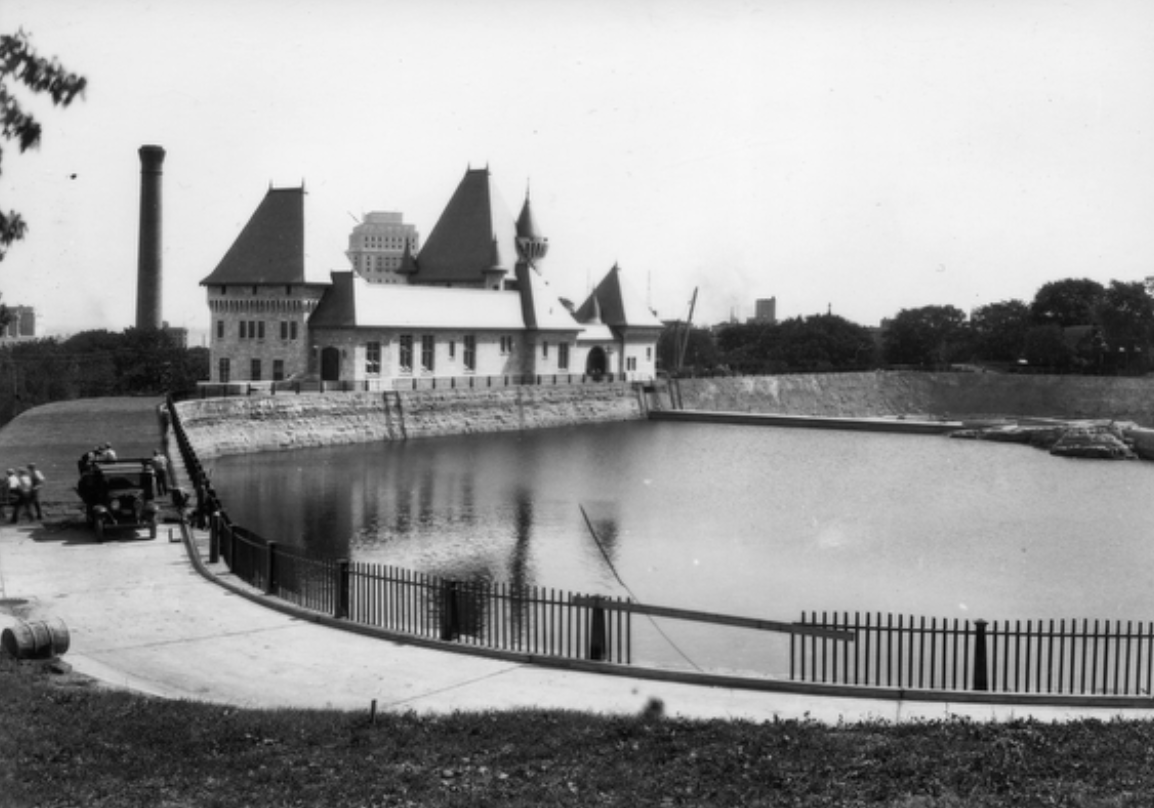
Photography has always been an interest of mine, especially the old, black-and-white photos capturing the past. While historical sources are often charged with biases, photography can depict the past through a clearer picture. There is no better example than the evolving city of Montreal. The endless summertime construction prompts us to believe that the city must be completely different from its foundation. But the beauty of the past is still present, and it can be commemorated through the photography of today. By comparing old and new images of Montreal, one can see the persistence and evolution of the city over the years.

Research Briefs, Science & Technology

How the brain and body synchronize to keep a beat

People often say that practice makes perfect, and music is no exception. From virtuosos to amateurs, rehearsal is a key part of mastering the craft.  

A recent study led by Caroline Palmer, a professor in McGill’s Department of Psychology, questioned if practice truly does make perfect, or if underlying genetic mechanisms contribute to an artist’s musical ability. The McGill-led research team identified neural markers that correspond to a musician’s ability to synchronize with beats. The researchers found a connection between one’s quality of synchronization and these neural markers, with some experienced musicians struggling to synchronize with complex beats. 

Neural markers can be either proteins or nucleic acids, such as DNA or RNA, that are expressed in undifferentiated cells during neurogenesis––the process in which neurons are formed. These markers allow researchers to attribute different perceptive functions to specific parts of the brain and are valuable to the study of how neural networks develop. 

“My collaborators Brian Mathias and Anna Zamm, [both] accomplished musicians, and I were inspired by the fact that musicians are very skilled at synchronizing their movements with a wide range of musical rhythms,” Palmer wrote in an email to The McGill Tribune.

Musicians must coordinate their sounds and movements on the scale of milliseconds. The inspiration for this study stemmed from a lack of research into how neural networks support auditory perception and movement control, and how musicians can precisely synchronize their movements to create and match beats.

“Our ultimate goal, and my contribution to the research, is to better understand the mapping between brain states and behavioural states as musicians synchronize with musical rhythms,” Palmer wrote. 

Using electroencephalography (EEG), which measures neural activity and the types of brain waves it produces, researchers tested the ability of the brain to synchronize with beats. They also measured synchronization behaviour—the brain’s ability to dictate motor-control—using a metric known as temporal accuracy. Temporal accuracy is the ability of a musician to resist deviating from timed judgements that allow them to synchronize their beat with a musical rhythm.

Musical rhythms arise from the relationship between time, also known as tempo or the frequency of a beat, and sound (i.e. notes). Rhythms can be either simple or complex, depending on how long notes are played for and the emphasis given to each note. The study involved gathering data from performing musicians with at least six years of formal instruction.

“We wanted to examine changes in [the] neural networks [of] people who could synchronize with both ‘simple’ and ‘complex’ rhythms,” Palmer wrote. 

Musicians were asked to synchronize with beats by tapping their hands to a given rhythm. At the same time, electrodes attached to their scalps measured their brains’ EEG signals. The researchers hypothesized that musicians synchronize better when their neural rhythms align with the rhythm of the music they are playing.

The results of the study showed that even experienced musicians had difficulty synchronizing with complex rhythms. Researchers identified a correlation between the quality of synchronization and the strength of “EEG power” in neural markers; musicians who synchronized better showed greater EEG power, which suggests that the frequency of their brain waves better matched the frequency of the beat. Those who did not synchronize as well showed weaker power. Researchers still do not know if these results can be generalized to individuals without professional musical training.

In the future, performers may be able to use EEG measures to become better synchronizers through the use of neurofeedback methods. While practice improves the alignment of brain rhythms with musical rhythms, it is unclear whether anyone could become what Palmer calls a “super-synchronizer”: Someone with the ability to synchronize with very complex beats.   

The study can also have implications in a variety of fields such as medicine and physical and speech therapies. 

“Musical rhythms are also used to aid recovery of speech functions following a stroke, and to aid individuals with gait disorders to walk,” Palmer wrote. “It would be exciting to examine the neural markers for synchrony […] in health applications such as these.”

Editorial, Opinion

The Royal Victoria Hospital must remain in public hands

On Sept. 4, students joined forces with Milton-Parc residents to protest the privatization of the old Royal Victoria Hospital. The building’s fate has remained unclear since it was decommissioned in 2015. In July, it was converted into a shelter for the unhoused during the COVID-19 pandemic. Although the City of Montreal has announced that it will remain as a shelter until at least 2021, the Societe Quebecoise des Infrastructures (SQI) is currently developing plans to repurpose the site, and McGill has already appropriated several of its buildings for teaching and research

No plans have been finalized yet, but activists are concerned that the property could end up in the hands of private developers, who may try to build expensive condo units on the property. Aside from an information session in 2017, local residents have not been consulted, and the project has proceeded without debate at Quebec’s National Assembly. As the hospital is built on public land, excluding the public from the decision-making process is tantamount to disenfranchisement. It is incumbent upon public officials to prioritize their constituents over private interests by organizing consultations with community members to determine the property’s future. It is equally imperative that the McGill community, from administrators to students across Montreal, collaborate with Milton-Parc residents to pressure authorities to respect public interests.

The idea that the hospital should be privatized is incredibly insensitive to the unhoused population. Gentrification is already contributing to a housing crisis in Montreal. In recent years, rising eviction rates have led to a precipitous surge in homelessness, as the housing crisis, together with related economic problems, have pushed financially struggling citizens into poverty. Establishing new condo units would add to this by raising the cost of living in the Milton-Parc neighbourhood, thus pushing lower-income residents out. For Montreal to allow a developer to privatize the hospital, which currently serves the unhoused community, would be unconscionably callous and unwise because it would deepen the crisis.

Montreal has historically disdained its homeless as a publicity problem. Even worse, in many cases, homeless people cannot be tested for COVID-19 because many testing facilities require people to present a permanent address. This is particularly striking considering that Montreal’s unhoused population is disproportionately composed of Indigenous people and other minorities, whose present economic tribulations ultimately stem from centuries of systemic racism and colonial oppression. By antagonizing these unhoused people rather than implementing appropriate solutions to underlying economic factors, the city not only fails to address its housing crisis, it also invokes the memory of colonial tyranny by perpetuating racial injustice. 

Montreal must avoid any measures that could exacerbate the situation, including privatizing the Royal Victoria Hospital. Instead, officials should address the problem by converting the space into long-term affordable or social housing units. Psychological research indicates that when unhoused people are provided housing first, before other services such as career training, their conditions are significantly improved. 

At the very least, such solutions would serve public interests rather than private developers’ financial interests. Whatever the solution, it must have the consent of community members. By failing to listen to their concerns, public officials fail in their basic duty to serve their constituents. As co-habitants of the Milton-Parc area, McGill students must recognize this injustice and stand with residents in demanding consultations. Likewise, because we contribute to gentrification, students must take an active role in supporting Montreal’s unhoused, by taking part in protests against privatizing the Royal Victoria Hospital, volunteering at homeless shelters such as The Open Door and Dans La Rue, and making donations to support them if financially capable of doing so.

Still, as stakeholders in the project, McGill administrators are better positioned to make a difference. Even if it is absolutely necessary to utilize some of the space for educational or research functions, McGill cannot tolerate the privatization of any part of the property. The hospital is a public resource, and McGill has already taken a share of it. At a bare minimum, McGill owes Milton-Parc residents the dignity of supporting their call for a voice in their neighbourhood’s future.

Science & Technology

The hazards of ill-designed science in the age of COVID-19

In recent months, several unpublished papers exploring the link between air pollution and outbreaks of COVID-19 have been swept into the media frenzy surrounding the pandemic. In April, the New York Times reported on an unpublished paper from researchers at Harvard University, which concluded that there exists a positive correlation between long-term exposure to air pollution and the mortality rate of COVID-19.

In a recent commentary, Mark Goldberg, professor in the McGill Department of Epidemiology and Biostatistics, questioned the validity of such research studies. He cited inadequate sampling and biased spatial resolution, amongst other methodological shortcomings. The commentary, co-authored by Paul Villeneuve, professor in the School of Mathematics and Statistics at Carleton University, examined nine different epidemiological studies on the link between air pollution and coronavirus outbreaks, including the Harvard paper.

Underlying each study is the hypothesis that living in areas with higher levels of air pollution increases the mortality rate of individuals who have contracted severe acute respiratory syndrome (SARS) or COVID-19. Of the nine studies, only one rejected this hypothesis. 

Goldberg first points out that incomplete data on COVID-19 cases renders the sampling methods used in these studies inadequate. Due to insufficient testing capacity in the early stages of the pandemic and the large number of asymptomatic carriers, these studies exclude a sizable proportion of COVID-19 patients.

The contagious nature of COVID-19 leads to outbreaks in clusters, which skewed the results of the nine studies. Such a pattern has been exhibited in outbreaks in a South Korean church, the Smithfield meat packing facility in South Dakota, and over 800 reported clusters in France.

“There are more important factors than air pollution [that affect COVID-19 mortality],” Villeneuve said in an interview with The McGill Tribune. “You can’t control for [the modes of transmission] in studies that use a county-level measure of air pollution and a county-level count of death.”

The commentary also criticizes the ecological design adopted by seven out of the nine selected papers. In epidemiology, ecological studies come with what is termed the “ecological fallacy,” usually resulting from inferences drawn about individuals from aggregate data. The fallacy is evident in the Harvard paper, for example. There, researchers assigned a single value to the average concentration of air pollution in 3,080 U.S. counties over a 17-year period and compared it against mortality rates. Although these counties vary drastically in area and population, the data does not reflect their heterogeneity.

“[It’s like] comparing apples with oranges,” Goldberg said in an interview with the Tribune, noting that, for this reason, ecological studies are generally frowned upon within the field of epidemiology.

Epidemiologists are still grappling with the high degree of uncertainty associated with an ongoing pandemic. Goldberg used the example of Montreal, where a Hasidic community was one of the first heavily impacted by a surge in COVID-19 cases following travel-related community transmission. The outbreak then shifted to senior homes and other disadvantaged communities. 

Recently, younger populations who are generally less vulnerable to the more severe effects of COVID-19 have become substantial vectors for the virus as school and incautious social gatherings resume. Although new data has proved this to be true, Goldberg cautioned against conducting observational research in the midst of a pandemic.

“Who gets affected changes through time [.…] If you can’t take that into account, you can’t do a study,” Goldberg said.

Although Goldberg and Villeneuve’s commentary suggests adopting a longitudinal study design as a possible alternative for researching the effects of pollution on COVID-19 outbreaks, both authors remain pessimistic about publishing this research in real time. Instead, focussing on vaccine and therapeutic trials might be more helpful not only in the present, but for future prevention as well. 

“We already know that we need to reduce and regulate [pollution] levels,” Villeneuve said. “What doing a study on pollution and COVID-19 does is it raises issues about air pollution research, and detracts from decades’ worth of research in the area.”

Hockey, Sports

Hockey away from home

From Hall-of-Famers like Teemu Selanne and Peter Forsberg to young stars like Patrik Laine and Andre Burakovsky, Finland and Sweden have produced their fair share of successful NHL players. The frozen lakes that cover the two countries probably play some role in this success. Their Nordic neighbor Norway, however, has always been less enthusiastic about hockey. Although outdoor rinks are common enough throughout its cities, Norway’s mountains lend themselves better to skiing. While only 21 Norwegian players have ever been selected in the NHL draft and only one Norwegian, the Minnesota Wild’s Mats Zuccarello, is currently active in the league, hockey in Norway is far from dead.

At the beginning of this year, I left for a semester abroad in Oslo. As an avid hockey fan, I was eager to check out the local scene. I figured that the games would be nothing like the North American games I’ve been to at the professional and university levels.

 Norway’s top-tier hockey league is GET-ligaen (the GET-league in English), with the 1. divisjon (First Division) ranked just below. Of the 10 teams in the league, three—Grüner, Manglerud Star, and Vålerenga—play in Oslo. Tickets were affordable, and my rinkside seat cost only a fifth of the price of a ticket to a Habs game in the nosebleeds. However, information about the league itself was harder to find, probably due to a combination of my thoroughly mediocre Norwegian and the league’s lack of social media presence.

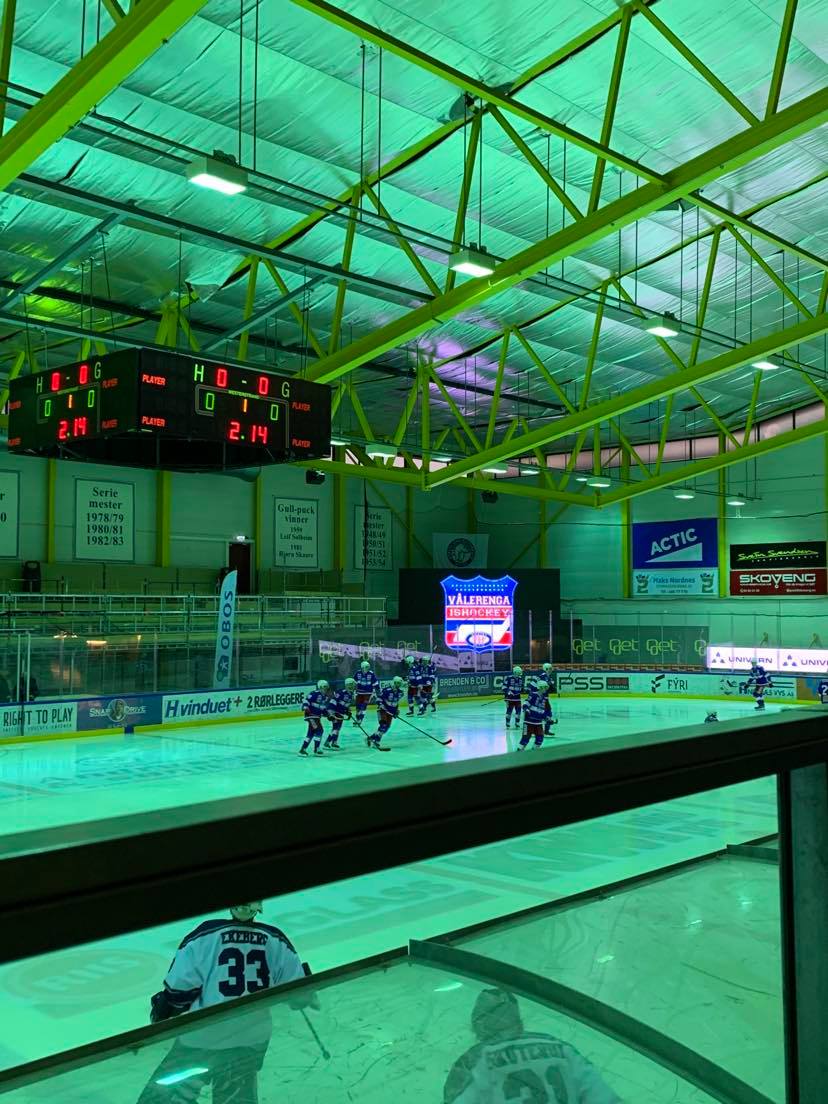
 When it came time to pick a team to cheer on, I went with Vålerenga: The most storied franchise in GET-ligaen. The club’s 2,050-seat Furuset Forum was a 45-minute ride away on the tram and subway—hardly the downtown locale of the Bell Centre or Madison Square Garden. Vålerenga won both games that I went to, trouncing Grüner 5–1 and beating Storhamar 3–2 in overtime.

 The differences from the Candian hockey that I was accustomed to were apparent as soon as I entered the small arena. The stands were nowhere near full, typical of Vålerenga home games, with an average attendance of 968 people that season. There was none of the spectacle that I was used to from an NHL game, but the second the puck dropped, I was right at home. The pace was quick, the players were determined, and the fans were excited. Chants rang through the rink, and while I could not decipher a word, I found myself just as eager to join in as I would have been for a “go Habs go!” or a “Let’s go Canadiennes!” I felt transported back to those Montréal Canadiennes games—like GET-ligaen, women’s hockey games are characterized by smaller arenas and fewer dramatic ceremonies, but fans can look past that to appreciate the spectacular quality of the hockey itself and love their teams even more for it.

 The hockey games that I attended were some of my favourite memories from my time in Oslo. They were a reminder that even if the goals are being announced in a different language, and even if you don’t know a single member of the team that you are cheering for, a breakaway can still bring you to the edge of your seat. A missed penalty call can always make you share an exasperated look with your neighbour. Hockey is still hockey. 

 Don’t count a league out just because it’s not the NHL. If you find yourself far away from the colossal arena of your favourite team, remember that you can have just as much fun going to a less commercial game, and you don’t have to break the bank to do it.


Commentary, Opinion

Frosh 2020 should serve as an inspiration

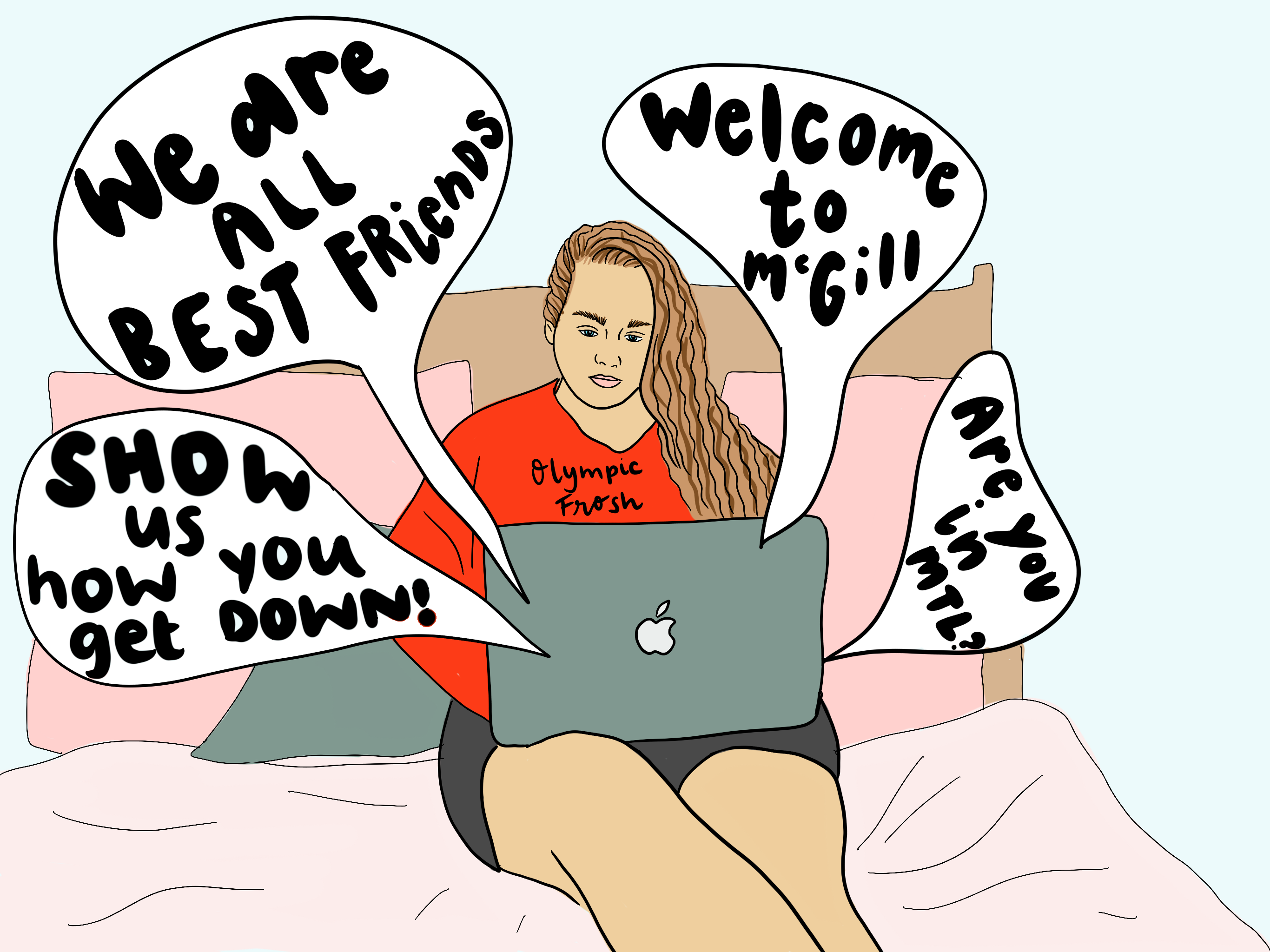
For McGill’s first-year students, Frosh week marks the beginning of a vibrant social life on campus. In the face of a global pandemic, Frosh leaders and coordinators attempted to give new students a taste of the Frosh experience from the confines of the same bedroom in which their classes began merely a week afterwards.

Despite the absence of drinking events, which many students place at the center of their Frosh experience, many positives emerged from these rather unimagined circumstances. Because Frosh was online, hoards of intoxicated students that defined prior orientations no longer disrupted the residents of the Milton Parc neighbourhood. Virtual Frosh 2020 received a mixed reception from students but it hinted at a future where fun activities can take place without the numerous issues plaguing Froshes of years past. Due to the pandemic, the underlying theme this year inadvertently shifted from unhinged partying in past Faculty Froshes to emulating the McGill and Montreal community for every student no matter their location. While the virtual components of Frosh 2020 lacked excitement, future orientations should draw inspiration from these unintended consequences and model themselves on a greater emphasis on showcasing Montreal and avoiding contributing to McGill’s disruptive drinking culture. 

Unsurprisingly, the vision orientation leaders held for Frosh 2020 did not come to fruition. Satirically mocked for its attempt to be anywhere as enticing as a normal Frosh, the main “attractions” consisted of scavenger hunts, escape rooms, and a virtual dance party. Granted, many students acknowledged that, with the limited resources available to the leaders, many of the activities proved to be more enjoyable than expected. However, low participation and attendance at the events frequently nullified that. The blame should not fall on the leaders, as they were faced with froshies whose low expectations of the virtual events caused them to give up from the beginning. Still, the various attempts to showcase Montreal felt artificial to students unable to travel to campus this fall.

Frosh is notorious for being a huge disturbance to members of the Milton-Parc community. Before the pandemic, under the pressure from Milton-Parc community members, Frosh coordinators started to take steps to better respect the community surrounding McGill. Nonetheless, disturbances persisted, and it was only a pandemic that brought an unusual quietness to the surrounding area. Continuing to implement community awareness programs whenever it is safe for the in-person events to return must be a priority. Considering that thousands of students attend the event each year, future Frosh organizers should continue to address ramifications on the surrounding community. 

Perhaps future coordinators should incorporate the unique ways in which Frosh 2020 showcased the neighbourhood. This could be achieved through familiarizing students with the neighborhood beforehand and working with local community members to inform students on how to better respect their surrounding area. One major obstacle to these initiatives, however, remains the competitive nature of McGill’s drinking culture, which induces disruptive behavior.  

While Frosh does not have to be completely dry, an effort needs to be made to curb the excess alcohol consumption. Not only is it damaging to the surrounding community, but it also feeds into a toxic social environment on campus. In essence, Frosh sets the tone for a social scene dominated by over-consumption. Many still argue, however, that drinking can be conducted in a responsible manner, especially under the supervision of leaders and coordinators. By continuing to expand upon the training protocols for both students and leaders, the negative impacts of Frosh may be in part alleviated. This approach is not without precedent and has been successful at ensuring a safe and fun environment for everyone involved. 

It would be foolish to assert that the virtual Frosh came close to replicating the same experience as in-person Frosh. But the unintended consequences of COVID-19 has spared much of the McGill and Montreal community from damage that occurs in a typical year, which should serve as a reflection on how to create events that better serve both students and residents alike. 

Off the Board, Opinion

Reimagining self-care

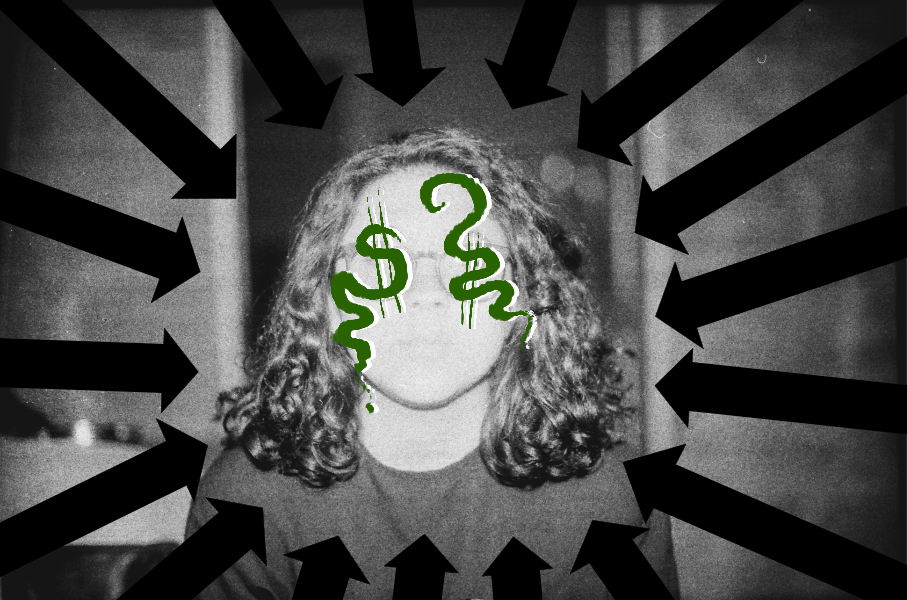
Capitalism has sunk its teeth deep into the ambiguous concept of ‘self-care.’ Many students have become accustomed to citing self-care to justify money wasted on frivolous purchases. What’s more, the western world’s ethos of perpetual, hyper-speed productivity has led to the ballooning of self-importance at the expense of others’ wellbeing. It’s time to reimagine self-care as a concept distanced from the ultimately unachievable consumerist distortion of the perfect fitter-happier-more-productive lifestyle.

It wasn’t always this way, though. Kindled by Audre Lorde’s writings and essays, Black feminist circles in the 1980s began to conceptualize self-care not as self-indulgence, but as an act of survival and “political warfare.” To Lorde, self-care was a necessary survival mechanism for Black women and other actively marginalized people to navigate a racist, sexist, hostile world. The concept of self-care that mainstream culture knows today is the result of white, corporate feminism jamming the term through the wellness-industrial complex grinder. Appropriated, commodified, and diluted, improving physical appearances has become a basic tenet of self-care.

Dangling low-hanging fruit like aloe facemasks, powder-dusted pastries, and overpriced jade rollers, the commercial self-care market tempts vulnerable, stressed people with quick-relief band aid solutions. It doesn’t help that social media giants climb into bed with capitalism at night either; I don’t go anywhere without being bombarded by hundreds of products that promise to satisfy everything that my fragile ego so badly craves. My attempts to buy myself out of the cesspool of my imaginary needs are in vain.

Audre Lorde’s essay, “Master’s tools will never dismantle the master’s house,” serves as an important reminder. The self-care industry is two-faced: At one moment, companies injure and bruise insecurities, and a second later, turn around and offer a remedy. Of course, treating oneself in moderation is a healthy practice. But the true practice of self-care involves so much more than the single-use, impulsive reflex of self-indulgence it has become.

The self-care dilemma, however, goes beyond its rampant commercialization and borderline unethical self-doubt profiteering. The neoliberal emphasis on self-preservation and self-optimization has ingrained itself into the fabric of society and dug its heels into students’ collective consciousness, too. The constantly stressed yet overly competitive student archetype is a paradigm of this mindset. The cultural rewiring required of us will be difficult, and likely guilt-inducing. It’s no easy task to unlearn such a deep-seated mindset, especially as a student immersed in a competitive bureaucratic institution like McGill.

The pandemic moment calls for a reimagined practice of self-care—one that is more distanced from manufactured consumer holidays and machine-like efficiency, and instead focuses on communal care and comprehensive well-being.

I’m still working to untangle the capitalist, ultra-efficient attitude that is ingrained in me. Speeding in as a keen U0 student last year, my utmost concern was acing all my classes, marking up every single reading, policing every minute of my time, and constantly striving to be productive. I would turn down social events in favour of toiling away under McLennan’s awful fluorescent lights. I took arty, semi-pretentious pride in being sleep deprived many nights of the week. Thankfully, a lot has changed since then.

Last week, coming in and out of focus from a dense reading, I closed my laptop, reclined on a grassy hill, and napped in Jeanne-Mance. The sun rays pooled on my skin, and I shuffled my latest playlist. All the while, I fought with my internalized instinct to keep working, or at least finish the reading before I gave in. Working through thoughts ricocheting around my brain, I began the arduous process of decoupling shame and guilt from break and leisure time. Lying in the sun for a brief moment on a lonely Tuesday was the most valuable thing I did all week.

Fact or Fiction, Science & Technology

From the BrainSTEM: A COVID-19 vaccine is only as effective as it is trustworthy

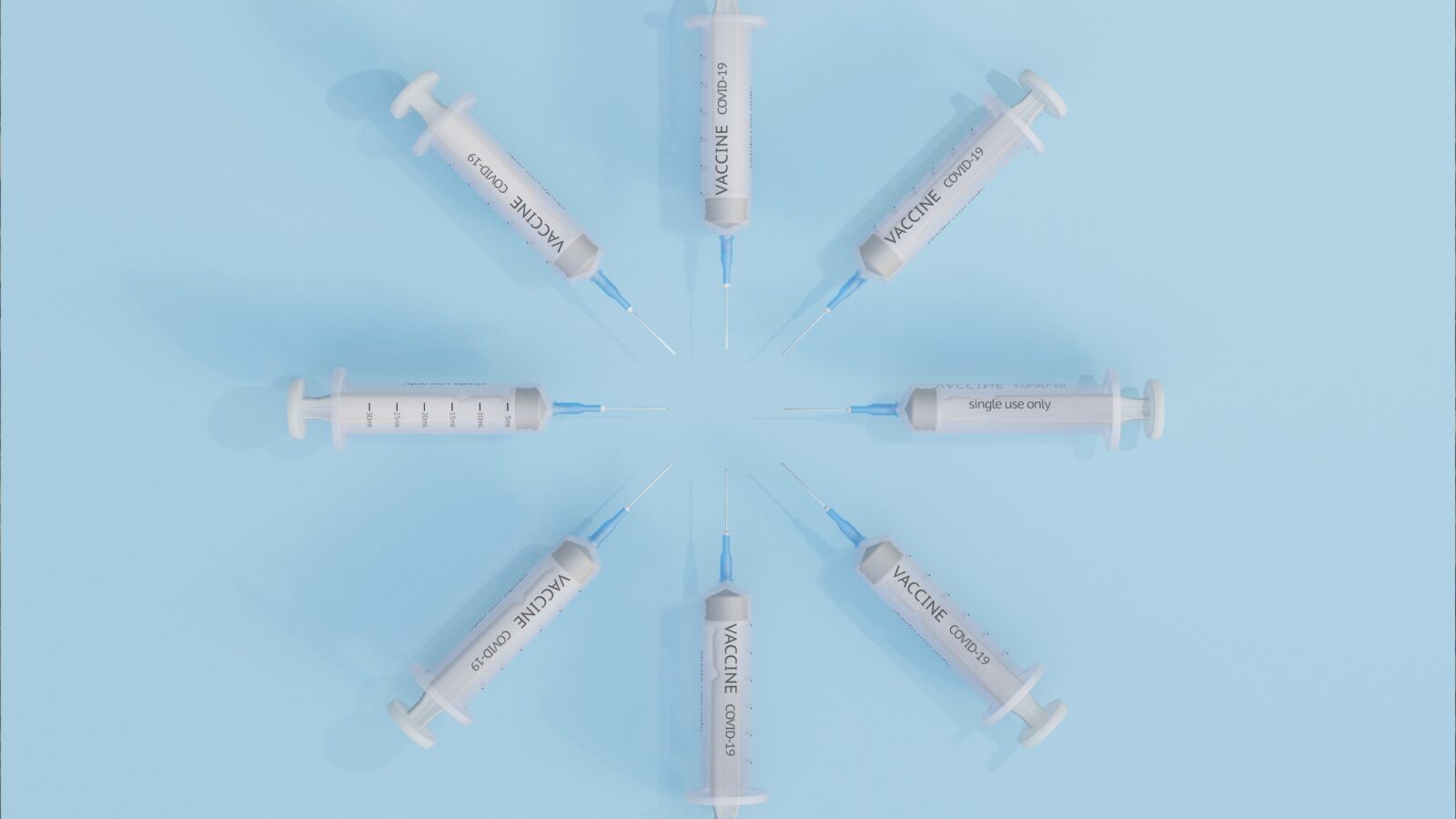
As the COVID-19 pandemic continues into its eighth month, developments in the search for a potential vaccine have fueled hopes of a return to relative normalcy. Over 100 potential vaccine candidates are currently in various stages of human clinical or animal preclinical trials, as private companies and university researchers compete for billions of dollars of government funding. However, widespread focus on the search for a single solution is unrealistic and deeply harmful to the perennial struggle against infectious diseases.

Protecting people from a virus on a large scale depends on a concept known as herd immunity, in which a large enough portion of the population develops resistance to a disease to stop it from spreading. Herd immunity typically requires 70 to 90 per cent of the population to become immune, either through infection or vaccination. In the case of  COVID-19, however, the exact threshold is still unknown. This is complicated by the fact that immunity to coronaviruses such as the one that causes COVID-19 does not typically last very long. Immunity to the coronaviruses that cause the common cold usually lasts a year or two at most.

In addition to vaccine efficacy, reaching herd immunity will require public trust. Recent polling suggests that only three out of four Canadians are willing to receive a COVID-19 vaccine. Additionally, a growing anti-vaccination movement has questioned the government’s ability to widely distribute a vaccine. As recent anti-mask protests in Montreal and across Canada have shown, a small portion of the population is not only losing trust in its government, but is proud to display their beliefs. How the government handles current public concerns is essential to the process of building trust in the vaccine it will eventually endorse.

Distrust of foreign governments and private companies is another common barrier to vaccine development. Russia’s vaccine claims have been met with controversy, with many scientists voicing significant safety concerns. Pharmaceutical giant AstraZeneca has recently resumed testing its vaccine candidate following one participant’s unexplained illness that forced the trial to abruptly pause in early September. However, AstraZeneca has not always been transparent with their research practices. The company spent multiple years concealing significant risks concerning an antipsychotic drug it produced prior to its approval for use in the United States. Governmental failure in ensuring the safety of medical treatments is harmful to public trust in their ability and dedication to protect their citizens’ health.

Once a vaccine for COVID-19 is successfully approved and distributed, the risk of the next major disease outbreak remains. The current pandemic is not a random occurrence, but rather part of a recurring pattern threatening humanity’s safety and well-being. 

Multiple epidemics have occurred over the past decade, including the 2013-2016 outbreak of Ebola virus in West Africa and the 2013-2019 outbreak of avian flu that affected parts of Eastern China. These threats come mainly from an increase in human contact with wild animal populations. Mining and logging camps, the wild bushmeat trade, and deforestation all put workers in close proximity to wild animal populations, increasing their risk of contracting new diseases.  

Preventing the next pandemic is possible, but it will require significant changes to how companies exploit natural resources, the tightening of regulations on the global wildlife trade, and continued support for communities that rely on wildlife as an essential food source.

Governments are responsible for gaining the trust of their citizens and cooperating on an international scale to regulate the corporate exploitation of the planet. Protecting humanity from this pandemic and future ones is crucial, and it will require leaders in healthcare and governance to prioritize human life over private profit.

Commentary, Opinion

Far-right COVID-19 conspiracies must not be taken lightly

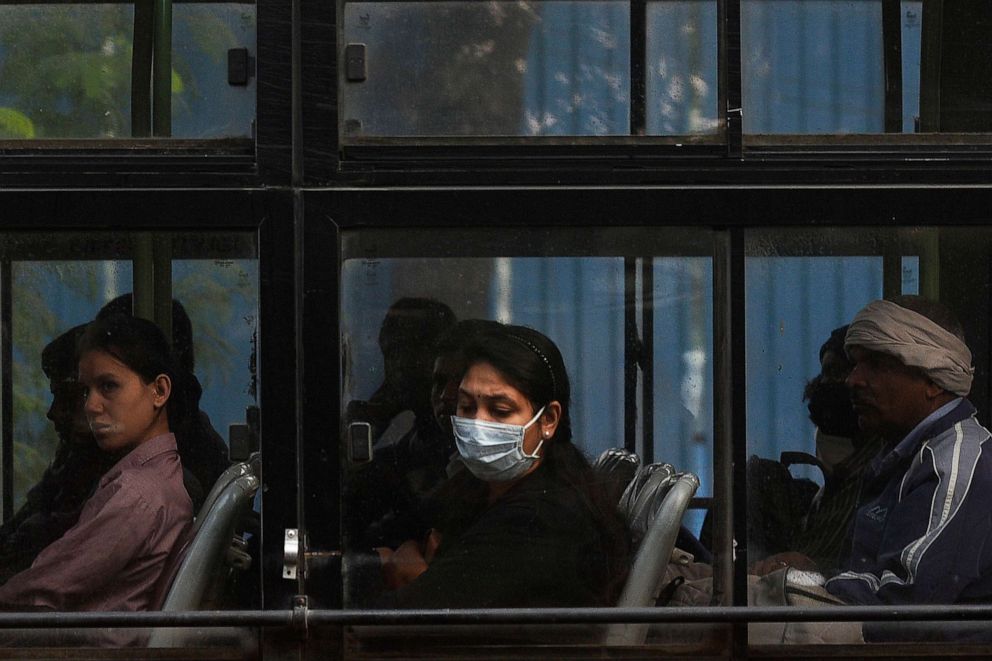
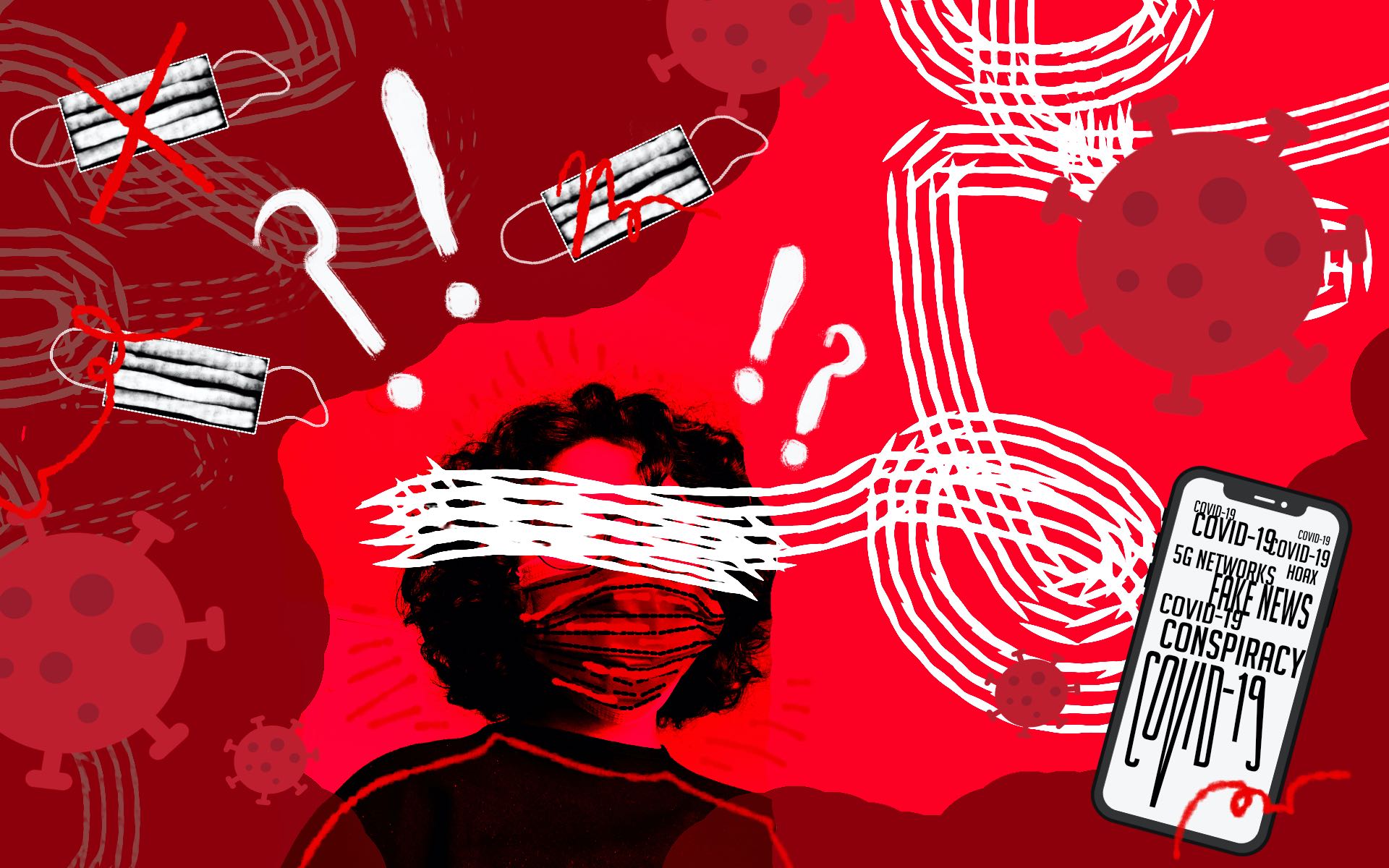
If one was to pay attention to recent events, it would appear that QAnon zealots, anti-WHO “activists,” and alien truthers have a lot in common. Two weeks ago, all three groups were active participants in anti-mask protests that occurred in Montreal, where Q-related shirts and anti-mask signs seemed to take up equal space. This was not the first protest of its kind within the city, with a similar event taking place in August. The absurdity of protesting against important health measures because of a belief in aliens, pedophile cults, and a New World Order may seem mildly amusing to students. But there is a danger to detached mirth. When conspiracies oppose science and put others’ health at risk, McGill students have a responsibility to debunk and reject these ideas where they can and diligently adhere to public health guidelines. 

To be clear, not all conspiracies are harmful, and enjoying some of them is not wrong. A great example is the glitter conspiracy of 2018. The New York Times published an article about the industry, reporting that one of the most prominent producers of glitter, Glitterex, was secretive about where the vast majority of its glitter was going. Some investigated this strange industry secret and eventually discovered the truth: The glitter was being used for car and boat paint. While glitter purchases are not exactly the most esoteric topic to theorize on, no one is going to become a glitter truther, or put anyone at harm over it. The same cannot be said for QAnon.

Starting as a series of cryptic and bizarre posts on 4chan’s /pol/, the platform’s political discussion board, the QAnon conspiracy has since garnered many followers and widespread press coverage. It puts forth that U.S. President Donald Trump is battling a circle of sinister, pedophilic elites, including top Democrats who he will purge in an event known as “the Storm.” All of this is being communicated to the loyal public by the supposed means of a high-up figure, the supposed poster, “Q”. As some have noted, the conspiracy has drawn in many adjacent theories, creating a big-tent scenario where different beliefs blend and morph, often into more dangerous variants. Most related to COVID-19, of course, are the mask-related theories.

Some of the more insidious theories take elements of the everyday and peddle them as truth. For example, some people find it hard to breathe in masks which has led to theories stating that masks lead to brain damage by lowering one’s oxygen levels. This is false, but the spread of this claim has not stopped. Another popular theory states that COVID-19 is an exaggerated threat, and that masks and current safety guidelines are meant to control the public, rather than the spread of the virus. This is also incorrect.

COVID-19 is not an exaggerated threat: Of an estimated 32.3 million cases worldwide, there is roughly a three per cent death rate. In Canada, those numbers at press time are 149,094 cases and 9,249 deaths. That is closer to six per cent. And in Quebec, that number is closer to 8 per cent, with 5,814 deaths from 70,307 cases. Even beyond death, COVID-19 can lead to long term and severe complications.

While silly theories about glitter, aliens, and the Kennedys allow for a disengaged amusement, one cannot allow the necessary isolation of COVID-19 to dim their empathy as well. People are dying and misinformation is spreading. As residents of Montreal, as well as people who care about the wellbeing of fellow community members, the student body has to be active in its rebuttals of misinformation, as educated on the recent statistics as they can, and be dedicated to discussing these issues online. If such a rebuttal reaches just one person who is prone to these beliefs, or even is a full believer, that is one less person at risk.

Art, Arts & Entertainment

‘The World Is Bound By Secret Knots’ warns against over consumption

At once familiar and shocking, tame and wild, gluttonous and skeletal, moving and lifeless, The World Is Bound By Secret Knots is a rainforest of mesmerising, ersatz creatures. From Sept. 5 to Oct. 24, the Art Mûr gallery in La Petite-Patrie is showcasing Montreal-based artist and writer Emily Jan’s animalistic sculpture installations, inspired by Jan’s time spent in the Amazonian Rainforest. Jan’s vision for the exhibition focusses on ideas of temporality, death, and how we as human beings interact with—and harm—the flora and fauna around us.

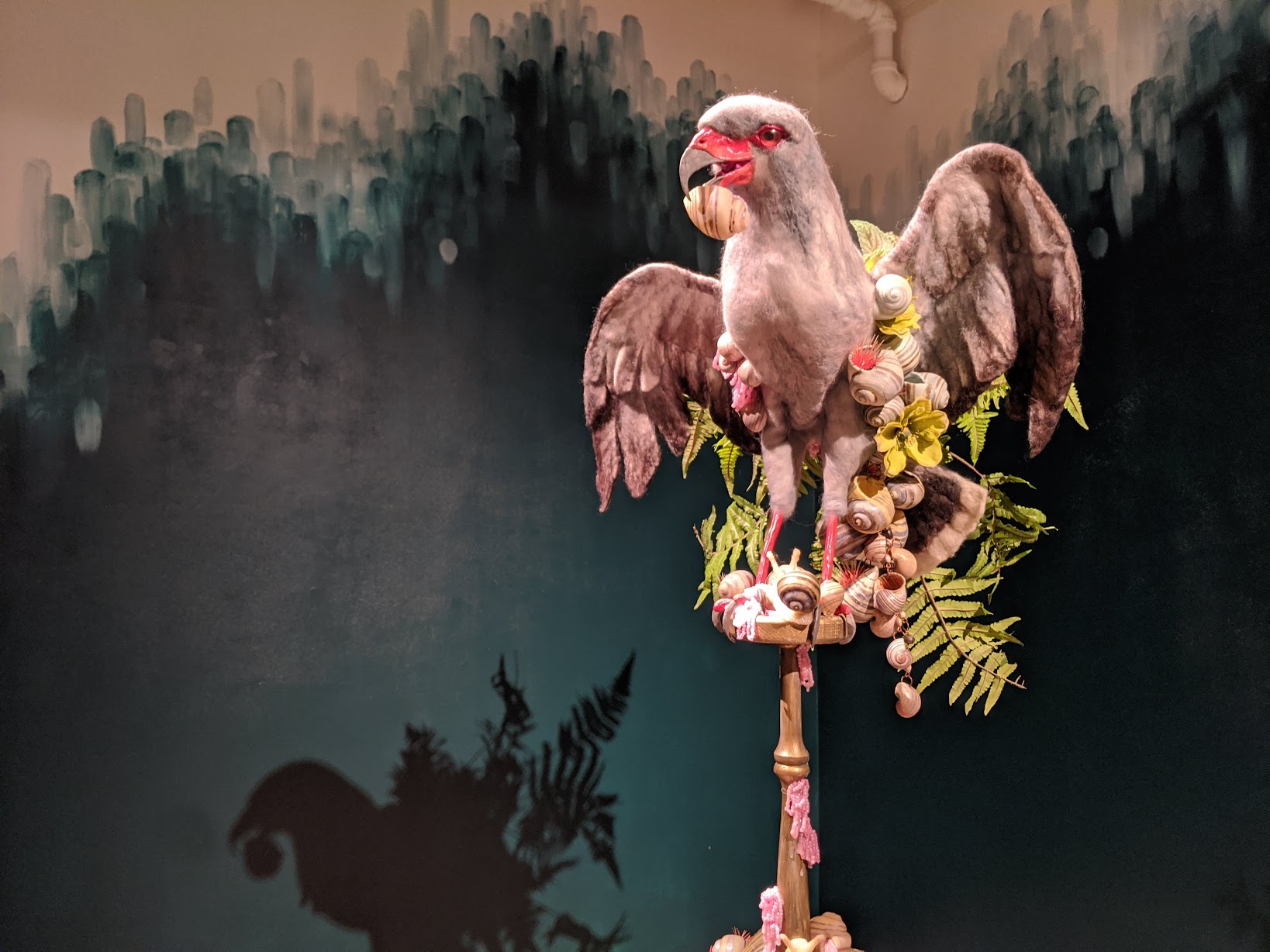
Combining materials such as resin, silk, faux flowers, and common objects, Jan creates sculptural installations that display mystical combinations of animal bodies, human artifacts, and false greenery. Apologue IX: Honey Creeper, 2018 is a splendid example of this hybrid multimedia work. Featuring a Honeycreeper bird with a glaring, red, bulbous plastic eye, Apologue IX: Honey Creeper, 2018 hangs from the exhibit’s ceiling on a craggly plastic branch, its scaly claw grasping around the edges. The bird’s beak and body are built of a tree-bark material, and as the bird curls and becomes one with the tree: Its tail sprouts leaves, first green, progressively yellowing, and finally shooting up with a burst of pink flower blossoms. 

The bird is visibly and garishly synthetic, and yet, the attention paid to the form and fold of its body makes it feel as if viewers are actually staring at the taxidermied figure of a Honeycreeper. Jan’s work thrives in this space of phoney kitsch and underlying macabre realism. 

As the exhibition progresses, Jan’s work becomes darker, as the animals are no longer just made up of consumer goods, but are engulfed by them. Particularly striking, Apologue VI: Octopus, 2018 features a pink octopus made of wool and resin drowning in human waste, suffocated in shattered tea cups, ribbons, vases with prickly flowers, and a gurgling yellow liquid, all served on fine china plates. With a glossy life-like eye, it is impossible to look away from the struggling animal as the gluttonous artifacts swallow it whole. The piece is strongly reminiscent of photos of octopi making homes in human waste and of other sea creatures trapped in beer cans and plastic bags.

Jan pushes this idea even further as objects begin to consume the animals, causing them to lose their limbs and even their faces. In Apologue IV: Slow Loris, 2017, a monkey and a bird communicate through a telephone wire. Rather than seeing the animals wholly, we see only the ominous tail feathers of a poultry bird sticking out as her body dips into a rose-rimmed china tray, while the monkey’s face is replaced with a stream of plastic white flower necklaces. The stylized bizarreness of the work is highlighted by the plastic pears strewn around the table, placed in a purposefully asymmetrical and eerie manner, reminding viewers that human hands have irreversibly altered what they have touched.

By the end of the exhibit, the message becomes clear. The shells filled with pink-bead bracelets instead of tentacles, the slugs slinking upon Christmas ornaments tangled in dead white coral, the birds with nests made of shredded money perched upon dehydrated cacti, are all begging the viewer: //Remember us//. Through the juxtaposition of wildlife with everyday objects and plastic decorations, Jan shows how inhospitable of an environment humans have created for animals, and warns us of the effects that our careless consumerist culture has had on the natural world. We have a responsibility to nature, Jan reminds us, and we must do better.

Read the latest issue

Read the latest issue