

Latest News

Commentary, Opinion

Supporting youth aging out of care is a community responsibility

I was not a political person. Yet, my identity is politicized, and every action I have taken is seen as a political statement. Driven by the wave of demonstrations in 2020 against police brutality, systemic racism, and the oppression that weighs heavily on our community—including the African diaspora, Indigenous peoples, and other racialized groups—I felt compelled to act. Frustrated by the lack of political will among decision-makers to address systemic issues and by the hesitance among some advocates and activists to commit to meaningful change, I sought ways to channel my energy into tangible solutions. I entered the work of advocacy and community building that year, organizing demonstrations, leading critical race theory workshops, and providing mutual aid support for vulnerable community members.

My work led me to the Maison d’Innovation Sociale (MIS), where I was accepted into their Civic Incubator Program’s Winter 2021 cohort. This initiative supports projects with social and environmental impact, helping them evolve from early ideas to mature solutions. The program’s 2021 cohort, which focused on resilience during the pandemic, was instrumental in my development of the Holistic Afro Youth Center, a nonprofit addressing the systemic challenges faced by youth aging out of institutional care.

At protests, I began speaking out about these injustices. People started calling me an activist and advocate—labels I never claimed but couldn’t ignore. Youth aging out of care face insurmountable challenges: A lack of stable housing, mental health support, educational opportunities, and safety nets that many take for granted. To me, it didn’t feel like activism—it felt like an inherent responsibility to shed light on these struggles and demand the change that these youth, and so many others, desperately need.

In Quebec, around 2,000 youth exit the child welfare system each year, often left to fend for themselves at just 18. While many of us rely on family into our twenties, these youth are expected to immediately become self-sufficient. It’s no surprise they are almost 200 times more likely to experience homelessness than their peers. Programs like the Programme qualification des jeunes offer limited support, but the system that once controlled their lives now leaves most of them isolated and vulnerable.

As McGill students, we hold immense privilege. We have access to world-class education, mentorship, and resources that help us navigate life’s challenges. Nearly half of Canadians aged 20 to 29 still live with a parent, benefiting from financial and emotional support. In stark contrast, youth aging out of care are thrust into independence almost overnight. Many of these youth report childhood trauma: 63.1 per cent experienced abuse, with 51.1 per cent reporting physical abuse and 24 per cent sexual abuse. Over half were involved with child protection services, often beginning before the age of six.

The consequences are stark. Out of every 1,000 foster youth in Canada, only eight will graduate with a post-secondary degree. The barrier is not a lack of ambition but the absence of foundational care networks that make success possible. This is more than a statistic—it’s a call for accountability. Youth from care deserve stable housing, quality education, mental health support, and meaningful relationships, just like any of us. 

Supporting youth aging out of care demands action. By addressing their unique challenges, expanding access to critical services, and investing in their potential, we can empower them while strengthening our community. While McGill has taken steps to support former foster youth through initiatives like the Youth in/from Care Bursary and mentorship programs, more can be done. Expanding financial aid to cover living expenses and course materials, and providing dedicated advising, counselling, and peer networks tailored to youth from care, would create a more inclusive environment. By prioritizing these actions, McGill can set a powerful example of how institutions can break systemic cycles of marginalization. It’s time to stop watching from the sidelines. Let’s advocate for a future where every young person aging out of care has the support they need to build a life they can be proud of.

Arts & Entertainment, Film and TV

‘Heartstopper’ Season 3 is the authentic love story we’ve been waiting for 

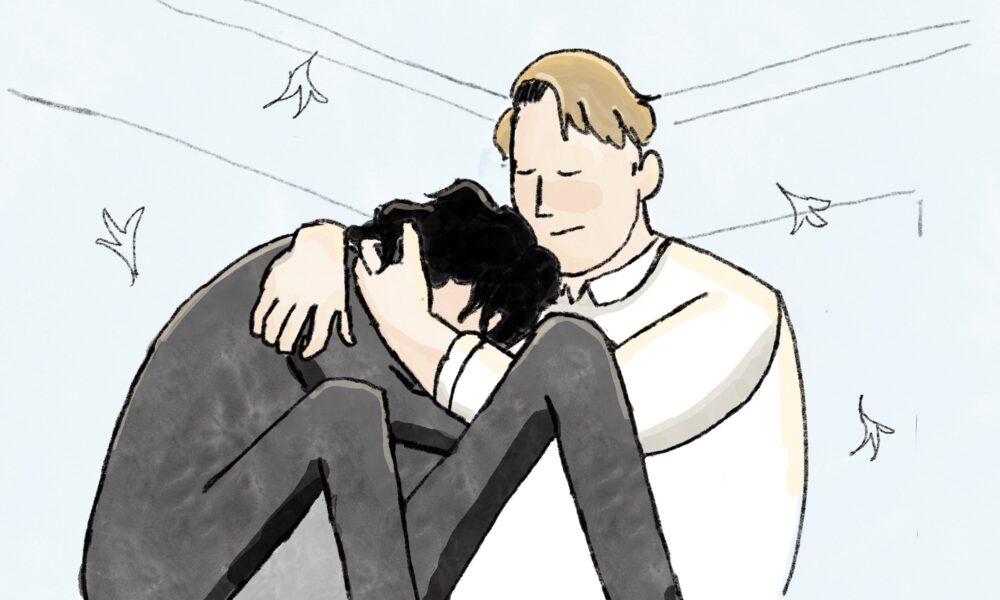
With innocent, warm charm, Heartstopper Season 3 thoughtfully guides its audience alongside Nick and Charlie’s love boat as the young couple steers toward adulthood. The new season introduces more mature content, but its foundations remain rooted in the light innocence that first won viewers’ hearts. As their relationship deepens, Nick and Charlie navigate the universal struggles of codependency, desire, and mental health, testing the true strength of their bond. Altogether, the audience ebbs along the twisting tides of queer love, deepening their understanding of intimacy and attachment.

Heartstopper excels in its portrayal of the teenage experience, using its warm, genuine tone to address some of life’s most difficult themes. This season, adapted from Volumes Four and Five of Alice Oseman’s comic series, centres on Charlie’s struggles with Obsessive-Compulsive Disorder (OCD) and anorexia, and Nick’s anxiety about supporting him as his boyfriend. Rather than focusing solely on Charlie, the show emphasizes his health’s ripple effect on others.

The fourth episode, “Journey,” is a standout of the season. The episode is narrated from two distinct perspectives—first by Nick and then by Charlie—allowing the audience to experience the same events through the eyes of both characters. 

Nick’s perspective offers insight into the pressure and worry he feels in trying to support Charlie as he is away receiving inpatient care at a treatment centre. We see Nick struggle with his desire to be present for Charlie while carrying the burden of his own emotions and fears about how best to care for his boyfriend. Alternatively, through Charlie’s perspective, we get a glimpse into the overwhelming isolation and guilt he experiences during his treatment. A deep sense of unworthiness clouds his thoughts, convincing him that his struggles burden those he loves. Charlie’s narration reveals how he internalizes these mental health challenges, feeling disconnected from the world around him and questioning whether Nick’s love for him is truly enough to bear the weight of his pain.

This dynamic emphasizes the importance of community and support, a refreshingly different take from the way much teenage media reduces mental health struggles to a mere aesthetic ideal. In Heartstopper, the support Charlie receives from his friends when he gets out of treatment highlights a crucial aspect of healing: Togetherness. The show reminds us that romanticizing struggle doesn’t solve the teenage mental health crisis; it only normalizes it. This season in particular demonstrates that true support comes from working together to uplift our loved ones in their hardest moments.  

The season’s final episode, “Apart,” highlights another layer of relationship complexity through Charlie and his sister Tori, whose dynamic offers a parallel exploration of love and responsibility. Tori’s overinvestment in her brother’s recovery reflects how easily care and selflessness can blur into a loss of personal identity. As Charlie begins to heal and reclaim his individuality, Tori struggles to adjust, her sense of purpose tied to being his steadfast support. In a heartwarming scene on a ferris wheel, Charlie reassures her, “You have so much love to give; you don’t have to give it all to me.” Her reply, “I’d do it all again,” encapsulates the strength of their bond while illustrating the importance of balance in relationships—caring for others without losing oneself.

Charlie’s journey captures this beautifully: After two months away, he’s had the time to reconnect with himself and strengthen his individuality. He grows confident enough to wear a t-shirt for his band’s performance at the school fair, a noticeable change from the oversized jumpers he had used as body camouflage throughout the show, and a confidence boost all loyal viewers can appreciate.

Heartstopper offers a rare and hopeful reminder in a polarized age of media: Love, though challenging, is deeply rewarding. By exploring themes of mental health, self-growth, and the strength of community, the series captures the complexities of human connection in a way that feels both deeply personal and universally resonant. As Nick and Charlie continue to grow together and apart, Heartstopper reminds us that love is not just about enduring hardships: It’s about rising above them together.

McGill, News, The Tribune Explains

The Tribune Explains: How to access abortion as a McGill student

Disclaimer: This article serves as an informational resource only and does not provide medical advice. Please consult a medical professional for more information on the abortion treatment options specific to your community.

Navigating access to healthcare services and insurance coverage is challenging, especially when getting an abortion. For McGill students seeking this form of reproductive healthcare, The Tribune untangles how to engage with abortion services, both at McGill and in Quebec more broadly.

Who qualifies for abortion in Quebec?

There are two methods of abortion: Taking the pills mifepristone and misoprostol, or undergoing a surgical procedure where suction empties a pregnant person’s uterus of its fertilized egg. In Canada, abortion is a legal medical procedure. 

In Quebec, abortion is available up to the 24-weeks gestation mark. Abortion providers in Quebec do not require a referral from a medical professional; only a positive result on a urine pregnancy test, which can be purchased at a pharmacy and some convenience stores and administered at home, is needed. Those over the age of 14 do not need parental permission to access abortion.

What does an abortion cost?

Abortion is free for Quebec residents, as it is covered under provincial health insurance. For international students, McGill’s International Health Insurance (IHI) plan covers abortion. Provided by Medavie Blue Cross and mandatory for all registered international students, the plan covers any intentional termination of pregnancy performed by a physician up to 24 weeks of gestation. 

To avoid having to pay out of pocket and submit a reimbursement claim for a medically-necessary abortion, Medavie Blue Cross allows direct billing for students who show their Blue Cross IHI card at the Centre de santé des femmes de Montréal clinic. Students can obtain their IHI card on Minerva. From the Minerva “Main Menu,” students can navigate to “Student Menu,” then the “International Health Insurance Coverage Form (for students)” tab, and then the “Print IHI card” link. Otherwise, students must obtain a receipt from the provider to submit a claim to Medavie Blue Cross.

Nationwide, at least one form of abortion is free for those with provincial or territorial health insurance, non-insured health benefits, or the Interim Federal Health Program. However, there are different provincial and territorial guidelines around what is covered and at what week of gestation abortion is limited. The McGill Student Wellness Hub can help students navigate their insurance plans to avoid administrative fees from accessing out-of-province abortion. Their on-site doctors and nurses can also help visitors book abortion appointments.

Without health coverage, the abortion pill—called Mifegymiso in Canada—costs $300-$450 CAD. According to Centre de santé des femmes de Montréal, surgical abortion costs $780-$980 CAD.

What the process of abortion might look like

After finding an abortion provider, the medical professional will assess one’s medical history and the progression of their pregnancy via ultrasound or blood test to determine what kind of abortion is optimal.

If prescribed the abortion pill, which is offered until up to nine weeks of gestation, one can usually perform the abortion at home. In this case, users take a mifepristone tablet to block the uterus’ pregnancy hormones. After 36-48 hours, users take a dose of misoprostol to cause uterine contractions (heavy cramping) that expel the pregnancy sac through the vagina.

Surgical abortion typically takes 5-10 minutes, and can cause moderate to high-intensity cramping. During a surgical abortion, your practitioner can also insert a copper intrauterine device (IUD) free of charge.

Post-abortion care

For many, deciding to have an abortion is a difficult decision that comes with emotional and mental challenges. The Student Wellness Hub can offer students individual mental health support along with potentially relevant therapy groups. The Hub can also help prescribe and administer other methods of birth control post-abortion. 

Beyond McGill, Les Centres de santé des femmes du Québec offer a guide to exploring post-abortion emotions, whose use they suggest be accompanied by therapeutic counselling. The organization also offers support groups in English and French for people who have undergone abortion.

Please visit the Student Wellness Hub website and McGill’s IHI resources for more information about healthcare coverage. For more information on abortion access and support, visit Les Centres de santé des femmes du Québec.

Arts & Entertainment, Music

Opera McGill haunts audiences with ‘Blond Eckbert’

For their second opera of the season, Opera McGill performed Blond Eckbert by composer and librettist Judith Weir, a piece that blends elements of fairy tale and horror. Based on a German short story of the same name by Ludwig Tieck, the tale centres around Eckbert’s wife, Berthe (MacKenzie Sechi/Maddalena Ohrbach), as she recounts her tragic upbringing.  

As attendees settle in for the performance, the orchestra plays a blend of foreboding notes that creep along the floor, promising an unsettling evening. When the lights dim, an animation of a bird drawn in harsh pen strokes projected along the front of the room begins to fly. 

In an interview with The Tribune, Stage Director Sawyer Craig explained that these drawings were largely inspired by the illustrations of American writer Edward Gorey, who himself was a great influence on American director and animator Tim Burton

A figure cloaked in black fur, feathers, and a headpiece resembling a raven slowly walks up to the stage with deliberate, menacing movements that imitate the orchestra’s slicing violin. The Bird (Rebecca Gray/Len Crino) walks in a crouched position, glaring at audience members with sharp, avian turns of their head. The audience is immediately engaged, asking themselves who the creature is, their relevance, anticipating the moment they will begin to sing.

A couch, chairs, and a coffee table, all covered in white cloth, are scattered onstage. As the Bird begins to sing, Eckbert (Mihnea Nitu/Christopher Pitre-McBride) and Berthe uncover the furniture. Berthe wears a simple black dress; Eckbert is in black and white dress clothes, leaving the focus on the Bird. Even when silent, they are continuously moving. They perch on top of objects, glower at the audience, and hover around characters. The Bird is fascinating, acting as both the source of audience discomfort through their staring, but also comedic relief by rolling their eyes and pulling on the characters’ costumes.

Berthe begins to tell her story, singing of how she ran away from an abusive home life and ended up living with an old woman who, naturally, owned a magical bird that produced jewels—then she ran away again. Throughout Berthe’s story, the orchestra acts as a character in and of itself. Its music thickens the space with heavy anticipation, coaxing Berthe to continue speaking when the pain of her past leaves her speechless. At times, instruments took turns playing, the sharp violin and the clarinet sometimes stopping altogether to emphasize the weight of Berthe’s silence. 

Characters make optimal use of the room’s space, both mentally and physically engaging the audience by forcing them to shift in their seats with discomfort. At several points throughout the opera, characters appear and begin to sing on the balcony at the back of the room. The movement is uncomfortable. Audience members are no longer passive viewers, but participating in the story. Characters demand audience attention and the simple turn of one’s head is a form of submission. This transition implicates spectators in the questionable actions characters make, amplifying feelings of disturbance. 

The second act of the opera is filled with rash decisions and confusing conclusions. Someone dies of an unknown cause; Eckbert’s delusions drive him to murder, and so he runs away. In the last few moments of the opera, countless secrets are divulged—the most jarring being that Berthe is actually Eckbert’s sister. Eckbert slowly falls to the floor. His death is ambiguous; it is unclear if he dies from shock, an illness, or at the hands of the old woman. Either way, perhaps it’s for the best. The sharp shift from nearly an hour of build-up to a rapid succession of action is jarring. Although there is shock value in this dichotomy, it also feels incomplete, leaving the audience with questions they are forced to take home with them. 

Audience members, once getting past the fact that the opera’s lovers are siblings, are forced to reflect on the destructive nature of keeping secrets and the unreliability of perception. Our incredible fear of the unknown, coupled with the anxiety of rejection, drives us into silence. However, Blond Eckbert is a reminder that this silence is not safe. It’s violently haunting. 

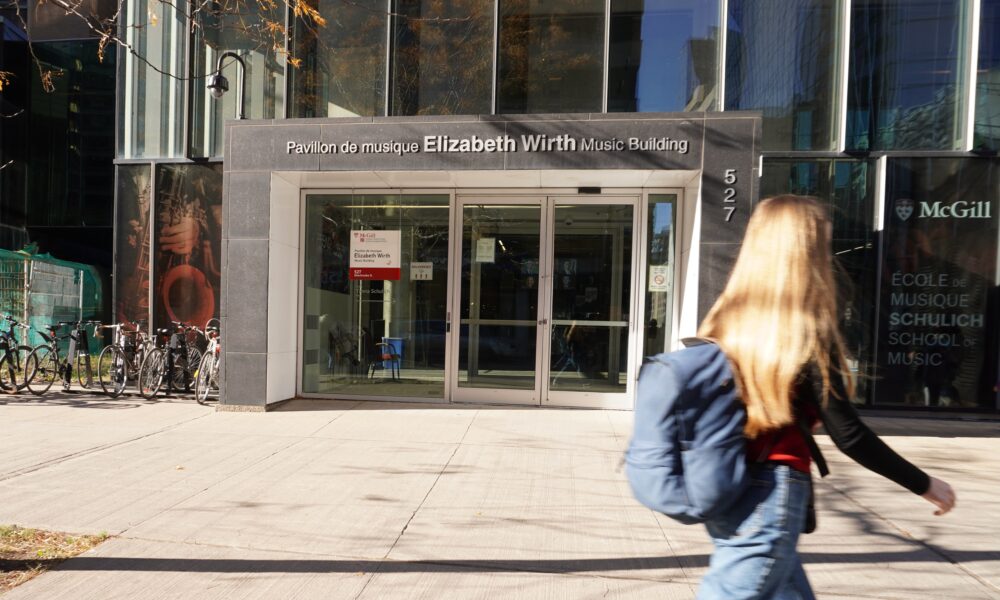
Blond Eckbert played at the Elizabeth Wirth Music Building on Nov. 7 and 8.

Arts & Entertainment, Theatre

‘Yerma’ A plea for motherhood or relevancy?

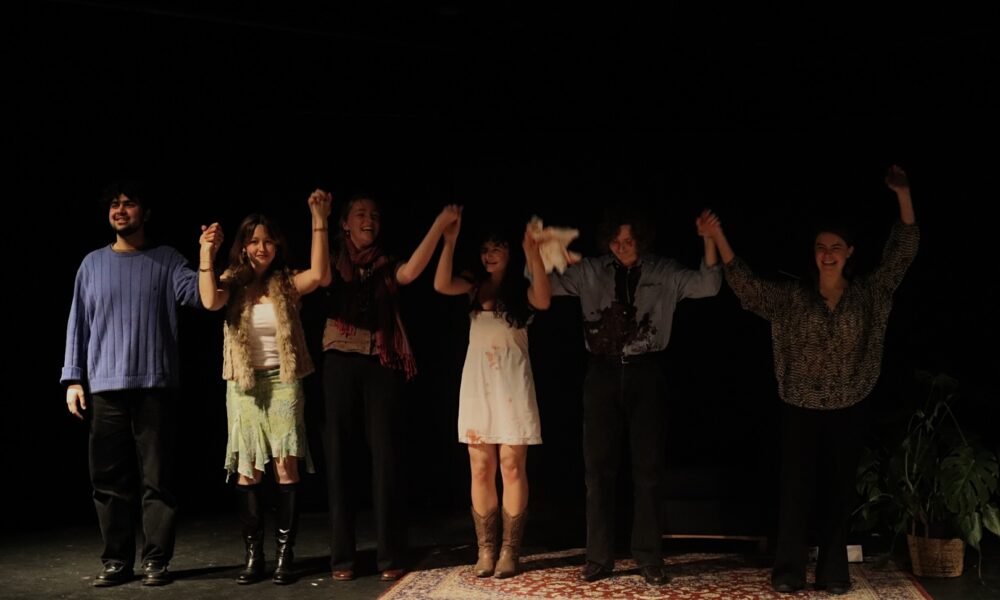
The stage lights open on a young couple celebrating their new house. Yerma and John decide they want a child. They bicker as much as they laugh; the cracks in their relationship have already taken shape. Two years go by, and the cracks have become oceans drowning any possibility of a child until only Yerma’s fantasy remains. Yerma, a work originally by Federico García Lorca and adapted for English-speaking audiences in 2017 by Simon Stone, explores a woman’s deep craving for motherhood and the lengths she is willing to go to achieve it. Players’ Theatre’s most recent production, Yerma, directed by Ruby Isaacs, U2 Arts, delivers an evocative retelling of this captivating tale. 

Odessa Rontigiannis, U2 Arts, delivers a compelling and nuanced performance in the titular role. She encapsulates Yerma’s internal struggle between hope and desperation, leading to a gripping presentation of her declining mental health. The cast as a whole brings out the intricacies in Yerma’s various relationships and shows an impressive handling of the complex subject matter beyond their years. 

Ruby Isaacs’ version of Yerma is deeply personal—Players’ small playhouse was the perfect setting. The venue’s size fostered connection between performers and audience, engrossing them in the plot. The set design mirrored the intimacy of the subject matter, consisting only of an armchair, a lamp, and a plant overtop a cozy rug. This established a rapport with the audience and centred the focus on the mental and emotional aspects of the plot.

Isaacs cleverly used the plant to represent the blurring of Yerma’s own aspirations with the expectations placed on her. Struggling with infertility, Yerma internalizes the societal pressure placed on women to bear children. As a popular blog writer, her readers expect vulnerability; however, being watched increases the pressure she already feels to adhere to societal expectations. While her transparency around infertility brings awareness to an important issue, it propels her disappointment into the public eye, thereby amplifying the pressure she faces. It is during the confusion of her motivations that the plant shifts from representing a sphere of intimacy in the home to the liminal space of semi-privacy that is the garden. This new location represents the blend of public opinion and her own goals that get increasingly muddled throughout her life. The complete confusion of the two becomes clear at the end when Yerma exclaims that not having a child is accepting social irrelevancy. 

Through the show’s soundtrack and costuming, Isaacs explores the theme of aging in a society that overvalues youth. At the start of the work, aging is represented as a celebration of career accomplishments and financial security. However, it quickly turns into a reminder of the diminishing possibility of motherhood as expressed by the choice to play the dreamy opening of Lorde’s “Ribs” between scenes. The song speaks of the fleeting nature of youth and a fear of dealing with the responsibilities of adulthood. Yerma’s mode of grappling with losing the social currency of youth is to have a child. When this is no longer a feasible option, she becomes reckless, losing herself to her spiraling thoughts. 

When speaking to Isaacs after the show, she quoted a line from Florence and The Machine’s song “South London Forever” that she said inspired her production: “We’re just children wanting children of our own.” Yerma has a deep desire for motherhood that stems from maternal love and a yearning for social relevance. The play culminates in her return from a reckless night of desperate partying in a short white dress. The dress is on backwards—she can no longer correctly wear the costume of youth. Unable to find her role in society, she decides to take herself out of it completely. Yerma does not offer a solution to the issues it presents, but opens up a necessary dialogue around the overwhelming pressures facing adult women today.

Science & Technology

Fighting a silent pandemic: The urgent threat of Antimicrobial Resistance

The world is on the brink of a silent pandemic—one where currently treatable infections risk becoming once again life-threatening. This looming danger is Antimicrobial Resistance (AMR), a phenomenon where microbes, such as bacteria and fungi, evolve to resist the medications designed to kill them. Imagine a reality where a routine surgery could become fatal due to untreatable infections. AMR is an urgent global health concern, posing significant challenges for modern medicine and healthcare. 

Dr. Dao Nguyen, Associate Professor in McGill’s Department of Medicine and Director of the McGill AMR Centre, highlights the complexities of AMR, spreading awareness for World Antimicrobial Awareness Week, which started Nov. 18.

“Antimicrobial resistance is a major and complicated issue. On a simple level, it affects individuals with infections, whether it’s something as common as an ear infection or more serious, like infections in immunocompromised patients in hospitals,” Nguyen said in an interview with The Tribune. “It’s like a perfect storm, where microbes have the ability to evolve and will continue to find new ways to resist the drugs we use against them.” 

Nguyen emphasizes that a major factor contributing to AMR is the overuse of antibiotics, particularly over the last 50 years. Antibiotics are not only used in hospitals but also in other environments such as farms and even the soil, which has led to an increasing presence of drug-resistant microbes in various settings. 

Another key issue is the lack of investment by pharmaceutical companies in the development of new antibiotics. Over the last two to three decades, companies have largely stopped investing in research on new antimicrobial medications. Nguyen warns that without the development of new tools to address these pathogens, the risks to public health will continue to intensify. 

AMR poses significant challenges globally, but the burden is disproportionately severe in low-and middle-income countries in Africa, Asia, and certain regions of Europe. These areas often lack the resources to manage the spread of resistant microbes effectively. However, the interconnected nature of global health means that AMR is not confined to any one region. 

“It’s important to remember that microbes move with the people who carry them. Similar to the way COVID-19 spread, a problem that initially appears localized, such as in Africa, for example, can quickly spread and cause outbreaks in more resourced countries,” Nguyen said. “This rapid movement makes AMR a global concern, as issues in one region can easily impact others.” 

In Canada, while AMR is less severe compared to some global hotspots, it is far from negligible. 

“A quarter of infections that Canadians get are due to bacteria that are resistant to the first choice of antibiotic that your doctor would give you,” Nguyen explained. This means doctors must resort to second- or third-line treatments, which are often more expensive, less accessible, and carry greater side effects for patients. 

Upon recognizing the growing threat of AMR, institutions like the McGill AMR Centre are taking steps to address this challenge. Established in 2021, the Centre confronts this complex issue through interdisciplinary research, education, and outreach. Nguyen emphasized that the Centre seeks to bridge diverse fields—microbiology, engineering, and medicine—to foster collaborations that drive innovative solutions.

“One of the areas of focus is trying to support projects that are ready to become a technology that is ready to be translated into something very concrete and in the real world,” Nguyen explained. “So for example, it could be a new therapy, a new diagnostic test […] and supporting a more entrepreneurial type of research.”

Researchers are collaborating with the McGill Innovation Fund to support teams focused on developing practical, real-world solutions. Their goal is to translate academic research into initiatives that have the potential for commercialization or significant tangible impact. 

The fight against AMR requires immediate and collective action. As World Antimicrobial Awareness Week nears, it serves as a critical reminder that combating AMR is a shared responsibility. By using antibiotics responsibly, supporting scientific advancements, and advocating for better healthcare policies, together we can contribute to curbing the silent pandemic.

Science & Technology

The flaws in educational software selection: A McGill perspective

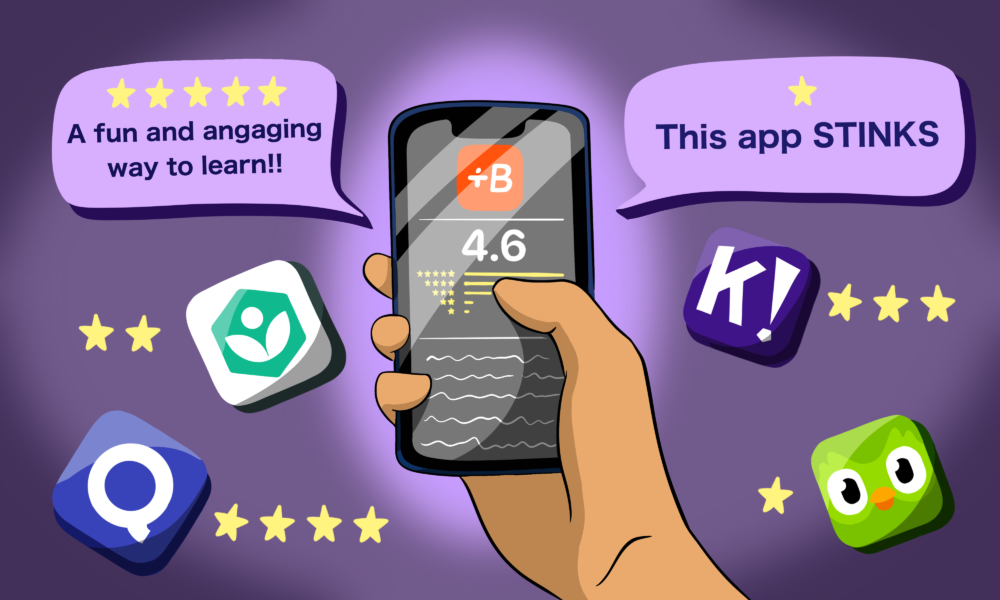
Over 400,000 educational apps are currently available in app stores, with some of the most popular being Kahoot, Duolingo, and Quizlet—all instantly recognizable to anyone who attended high school after 2010. While these apps can be useful tools for teachers, they vary widely in quality and effectiveness. 

In a recent study, Emma Liptrot, a PhD student in McGill’s Department of Educational and Counselling Psychology, and her team endeavoured to understand the factors influencing educators’ selection of educational apps. 

Liptrot first outlined the five basic educational benchmarks her team developed for high-quality apps.

“If an app is high-quality, it should follow some sort of specific curriculum; provide feedback to students if they make a mistake; include some sort of support to guide students; be developed by a team that includes experts in education, like teachers or researchers; and be based on some sort of learning theory,” Liptrot said in an interview with The Tribune.

Educators were generally more likely to download apps whose written descriptions mentioned these educational benchmarks compared to those mentioning buzzwords like engaging, interactive, hands-on, personalized, and multimedia. They were also willing to pay more for the former ones and give them a higher rating.

Although how well an app meets these educational standards did matter in educators’ choices, researchers found that educators were more likely to be affected by user ratings and app store rankings.

“The study found that high user ratings strongly impact educators’ app choices more than educational benchmarks. Educators’ decisions are influenced by benchmarks only if the app has a neutral rating, not if it has a high or low rating,” Liptrot said.

One possible explanation is that educators rely primarily on user ratings but look for benchmarks when ratings are ambiguous. 

According to Liptrot’s study, educators said they would download apps that mentioned educational benchmarks 57 per cent of the time, compared to buzzwords 49 per cent of the time, whereas they would download apps with positive ratings 90 per cent of the time, compared to negative ratings 13 per cent of the time. 

In general, educators strongly preferred apps with positive ratings: They were more likely to download them, pay more for them, and rate them positively. 

Moreover, Liptrot highlighted that ratings are not always a reliable source of information about the educational quality of a given app.

“You would expect an app that has a five-star user rating to be a high-quality educational app, but the problem is that there are many different things that can go into why an app receives five stars, and anyone can rate an app five stars. Children could rate the app five stars if they think the app is fun. Parents could rate the app five stars if their child really seems to enjoy using it,” Liptrot explained. “Previous research has actually found that user ratings are not associated with the quality of an educational app.”

Educators are ultimately responsible for providing opportunities for meaningful learning within a school environment, so they need to be more discriminating with positively rated apps. 

The app’s ranking in the app store also had a significant impact on educators’ decisions to download, pay for, and rate an app. 

“We expected that educators would prefer top-ranking apps, but our study actually found the opposite, that educators preferred apps ranked toward the bottom of the education charts,” Liptrot said.

According to Liptrot, a likely reason for this observation could be that educators misunderstood ranking, interpreting higher numbers as a “good” ranking when, in fact, “top” apps have rankings closer to one. This confusion may have been more common in the study because participants were shown individual app pages, rather than scrolling through apps from first-ranked to last as they would appear in the app store. 

Moving forward, Liptrot points to a need for companies running app stores to improve their user ratings and ranking systems to facilitate the selection of high-quality educational apps. 

“The next step in the research would involve asking educators which apps they implement in classrooms, how they choose them, and evaluating the quality of these apps,” Liptrot said.

Formula One, Sports

F1 Drivers’ Association clashes with FIA over punishments for swearing

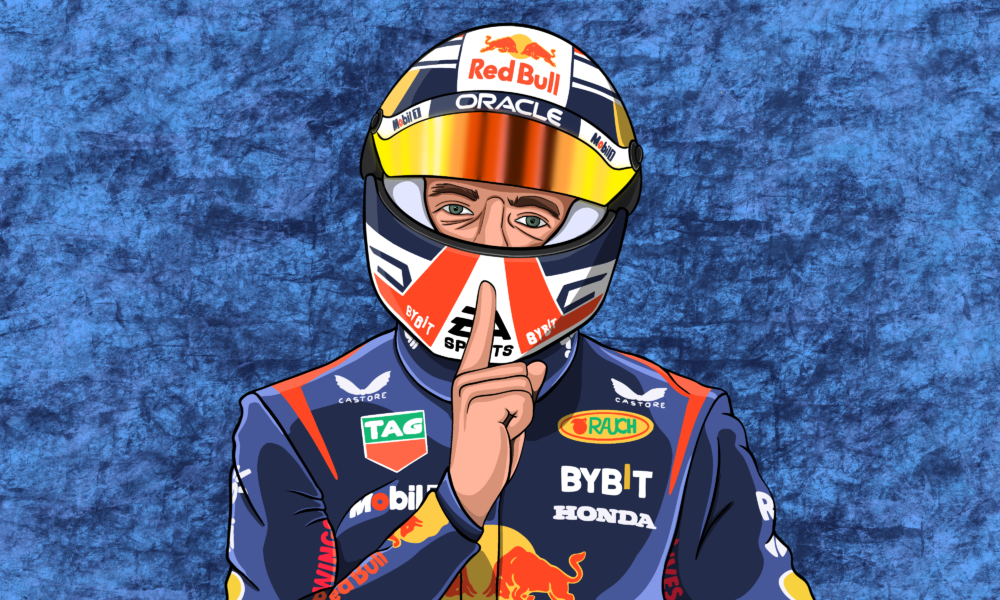
After a less-than-stellar performance in the qualification and race at the 2024 Azerbaijan Grand Prix in Baku, Max Verstappen used an expletive during a press conference when defining his car’s level of performance. From a seemingly innocuous lapse in professionalism by an athlete in the middle of an intense title race came a €10,000 EUR (nearly $15,000 CAD) fine and mandated community service time from the Fédération Internationale de l’Automobile (FIA). This move sparked a debate between F1 drivers and the FIA on the true role of the athletes.

Not long after Verstappen’s infraction, a similar incident occurred with Ferrari’s Charles Leclerc, who, in a press conference following the Mexico City Grand Prix, used a curse word to describe his reaction to an incident during the race where he nearly crashed his car into the barriers. Leclerc, like Verstappen, was fined €10,000 EUR. Following these two incidents, the Grand Prix Drivers’ Association (GPDA)—the F1 drivers’ union—released a statement denouncing the FIA’s actions. The statement says that, while they must abide by the “referee’s decisions” like all athletes, there is a clear difference between cursing directly at someone with an intent to harm them and more “casual swearing” used as a descriptor instead of an insult. The GPDA argued against the FIA’s monetary punishment of drivers and offered to help make rule changes to avoid future controversies.

These two incidents call into question the role of drivers as it pertains to their status as role models. Do athletes always need to be on their “best behaviour,” without any room for slip-ups? That’s not to say that they should be able to say whatever they want, but a €10,000 EUR fine for an expletive not directed at any specific person seems to be quite a steep penalty. Considering that F1 has no problem posting censored videos of their drivers swearing (often directed towards others in an insulting manner) to their own social media to the tune of millions of views, why would Leclerc and Verstappen be punished for cursing at a press conference which would almost certainly have far fewer eyes on it? 

This situation was further complicated when FIA President Mohammed Ben Sulayem made comments comparing the foul-mouthed drivers to rappers and pleaded for them to keep their speech clean—a sentiment many deemed to be racially insensitive. This is not the first time Ben Sulayem has clashed with a driver. In 2022, he repeatedly made statements to the media criticizing Mercedes driver Lewis Hamilton—the only Black driver on the grid—for wearing jewelry, threatening fines if it was not removed. Some of Hamilton’s jewelry was permanent and could only be removed surgically. Hamilton was one of the first to call out Ben Sulayem’s “rapper” comments, saying that there was a “racial element” to them. The precedent of underlying tensions between Ben Sulayem and the drivers is part of why the GPDA was so quick to step in and defend both Verstappen and Leclerc.

Regardless of any of Ben Sulayem’s personal bias towards the drivers, the FIA must seriously consider what the GPDA has to say. These drivers, at the end of the day, are elite athletes who are ruthlessly competitive and should not be expected to regulate everything they say following a disappointing performance. Athletes should not have free reign in their statements to the press, but the FIA must consider if this is the hill they are willing to die on. Considering his already tense relations with drivers, Ben Sulayem and the rest of the organization would be wise to take up the GPDA on their offer to collaborate on the reconstruction of rules and punishments to provide more clarity on what is expected of them.

Off the Board, Opinion

Nurturing action through collective care

Five days a week for the past four years, my classmates and I have sat in lecture halls and listened to how humans are destroying the Earth. We’ve learned about global leaders who keep failing to meet their stated climate commitments or how others choose to deny climate change entirely, preferring to suck every last drop of fossil fuels from the ground. We’ve learned about the sneaky ways in which extractive industries rip up rainforests and slither away unscathed. We’ve learned about how we value the natural world in monetary terms, neglecting its inherent worth. We’ve learned about the deep sense of alienation that many people feel from the very Earth that sustains us. I’ve learned all of this and yet, I am hopeful.

While corporations ought to address their climate impacts, they lack the monetary incentives to do so holistically. Governments are so petrified of losing grip on their power that many provide weak, surface-level solutions at best. In an effort to maintain the status quo, they will cut corners and attempt to delegitimize the scale of the threat of climate change. Add to all of this Trump’s recent re-election and the inevitable re-withdrawal from the Paris Agreement and rollbacks of environmental protections from a Republican-controlled Congress, and the threat starts to feel insurmountable. 

So where does that leave us? If corporations and governments can’t adequately address climate change and individual actions feel like just a drop in the bucket, what do we do? Defect? Fly to Bali in a private jet? Buy another piece of synthetic clothing from Shein? Do nothing else but consume because fuck it, the world’s gonna burn anyway?

Recognizing that we are reaching potentially irreparable “ecological tipping points,” as Kyle Whyte, an Indigenous philosopher, writes, is scary—but instead of resigning ourselves to complacency, we can find solace in the creation of community. Individual actions do matter when they are understood as part of a larger network of care. 

We have proof of this in our activist histories and current realities. After more than 10 years of litigation and protesting, it was the broad coalition of Indigenous peoples, ranchers, business-owners, and allies who struck down the implementation of the Keystone XL pipeline. In California, following a massive fish kill in 2002, the Yurok Tribe and allies went to court to breach the dams along the Klamath River. In the past year, those dams have been taken down, the river restored to its natural flow. Less than a year ago, McGill committed to divest from direct holdings in Carbon Underground 200 companies as a result of over a decade of Divest McGill’s direct action. When passionate individuals come together, they create a kind of power that institutions cannot ignore. These connections start small with one conversation or one gift to a neighbour.

Last winter, I lived with 20 other 20-something-year-olds in a hostel with one stove and one oven. What sounded to me like the premise of a reality TV show filled with infighting and gossip turned out to be one of the most fulfilling experiences of my life. We quickly self-organized, deciding on a system of rotating group dinners. As we sat around the table every night, over plates of falafel made from scratch or a family recipe for lasagna, we developed more than just deep relationships. Our commitment to this nightly ritual inspired a culture of sharing and working toward the collective benefit. This instilled values that we carry into our personal lives, work, and political action. We created a microcosm of our visions for the future; it is through the creation of these utopic enclaves that we push toward a more just world.

When I started my degree in Environment, I firmly believed that individual actions were useless in solving climate change—it was the corporations and governments that needed to do the work. And it’s true: One action by one person, just once, does nothing. But when we acknowledge our interdependence, we begin to see ourselves not as unremarkable individuals but as crucial parts of an ecosystem.

McGill, News

UN Special Rapporteur Francesca Albanese joins McGill community for a talk on Palestine

Keffiyehs adorned the Students’ Society of McGill University (SSMU) ballroom on Nov. 4 as over 200 students, professors, and community members gathered for a presentation from Francesca Albanese, the United Nations (UN) Special Rapporteur on the Occupied Palestinian Territories. During the talk, Albanese discussed her Oct. 1 report on human rights in Palestine, which urged UN member states to take action, before fielding questions from the audience. 

On Nov. 1, the McGill administration forced the organizers—Independent Jewish Voices McGill (IJV), RadLaw McGill, and Law Students for Palestine at McGill (LS4PM)—to change the event’s location multiple times. This occurred after Neil Oberman, a lawyer representing numerous McGill students and organizations such as local chapters of Chabad, Hillel, and Israel on Campus, sent a letter to McGill President and Vice-Chancellor Deep Saini and Dean of Law Robert Leckey threatening legal action if the university permitted Albanese to move forward with her talk on campus. It is unclear whether Oberman’s letter is the reason for the administration’s demands to organizers.  

Organizers initially planned to hold the event in Room 101 in New Chancellor Day Hall with hired security, booking it two weeks in advance. However, the administration instructed organizers to reschedule the event to a later date or move it online, which LS4PM argued would disrupt the event. After receiving pushback from students and faculty, the administration relented but sought to move the event to a smaller venue which raised new security concerns.

In an interview with The Tribune, Sam,* an organizer with LS4PM, criticized Oberman and the administration’s response to the event for being unnecessarily punitive. 

“[McGill’s interference] was shameful and unconscionable because any other UN Special Rapporteur with her profile would have been welcomed with open arms at the Faculty of Law. They would’ve rolled out the red carpet for this expert in international law,” Sam explained. “So we believe that this is once again symbolic of the ‘Palestine exception’ that actively contributes to the dehumanization of Palestinians.” 

In a statement to The Tribune, McGill’s Media Relations Office (MRO) wrote that the original plan to host the event in the Moot Court created too great a risk, pointing to indications that there may be counter-protests, and the fact that there would be classes taking place nearby. They also stated that organizers were told not to include IJV in any promotional material because of their violations of McGill policies. 

“The McGill administration informed the organizing group that IJV McGill had violated McGill policies to the detriment of members of the McGill community,” the MRO wrote. “Accordingly, for the event to proceed at McGill using McGill resources, “IJV McGill” had to be removed from promotional materials, including on social media.”

A representative from IJV who wished to stay anonymous stated that they believe the administration has not provided concrete evidence of any policy violations. 

On the day of the talk, as the organizers sought an alternative location to hold the event, they reached out to the SSMU, who permitted them to book the ballroom in the University Centre. 

Following a 40-second standing ovation from the audience, Albanese began her talk with a land acknowledgement. She then outlined the three conditions for genocide she identified in her recent report on the current status of human rights in Palestine: Killing, causing serious bodily or mental harm, and creating conditions of life calculated to bring about the physical destruction of a group.

Albanese called for the audience to recognize that Israel’s ongoing violence in Palestine falls under the category of genocide. She also highlighted the responsibility of nations to abide by the International Court of Justice’s 2024 Advisory Opinion, which holds all nations responsible for taking the necessary actions to dismantle the occupation. 

“[The UN General Assembly states that] by September next year, Israel needs to withdraw the troops and dismantle the settlements. This is the requirement according to international law,” Albanese explained. “Is Canada aiding and assisting the occupation, yes or no? Because if the answer is yes, Canada is violating international law.” 

An audience member challenged Albanese during the talk’s question and answer session, referring to an interview with France 24 in October 2024, where she described the killing of Hamas leader Yahya Sinwar as “inhumane.” This prompted the audience member to ask Albanese whether she thinks her UN role might be better served by someone who is not “so blatantly anti-Jewish.” 

Albanese responded with a swift, “No.” 

She then asserted that the audience must not conflate criticism of Israel with antisemitism. 

“My personal criticism of Israel would be there if Israel was led by a Muslim or a Buddhist or a Christian [….] If we are here counting the deaths and the victims only on the ground of religion, it will never end,” Albanese said. 

In an interview with The Tribune, Lola Milder, U3 Arts, shared that she attended the event in hopes of learning more about how students can disrupt institutional complicity in injustice. 

“It’s really valuable to have [Albanese’s] sources and evidence to refute institutions like McGill that try to dismiss protests […] and have adopted a fake neutrality that is really a support of Israel,” Milder said.

Albanese’s concluding words urged attendees to continue the fight against colonialism. 

“I hope that all of us remember the spirit of the encampment, that serves as a testament to humanity,” Albanese said. “Fight colonial amnesia and confront its legacy and struggle both on this land and in Palestine.”

*Sam’s name has been changed to preserve their anonymity.

Read the latest issue

Read the latest issue