


Latest News

Montreal, News

Students march for climate justice and urge McGill to divest

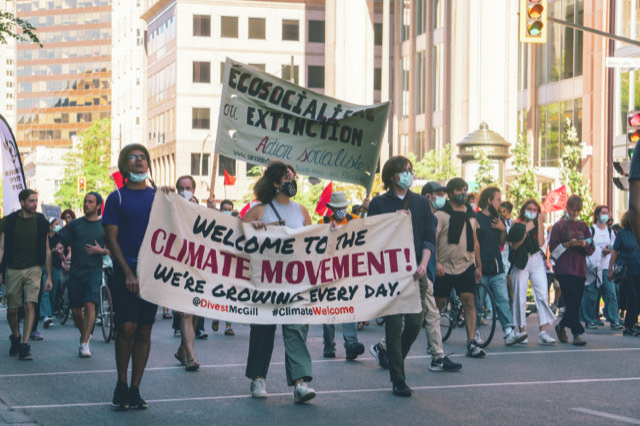
Divest McGill hosted a teach-in on Sept. 24 to encourage McGill students to participate in the annual climate march that occurred downtown later that afternoon. Students gathered at the Y-intersection on campus to listen to several speakers, and then walked to Jeanne-Mance Park with posters and signs in hand. 

The march was part of the larger Fridays for Future movement, and members of Divest McGill used the occasion as an opportunity to educate people about McGill’s investment in fossil fuel companies. Following the news of Harvard University’s divestment from fossil fuel companies on Sept. 9, many students, including Lily Cason, U1 Arts student and Divest McGill member, took to the streets to urge McGill to do the same.

“Our institution is invested in many of the main fossil fuel companies that […] are worsening the environment and the impending crisis that we are all going to have to face,” Cason said. “We think it’s irresponsible for McGill to stay invested in these companies knowing that it’s not the way of the future.”

In their speech, Lane McCrory, U2 Arts student and Divest McGill member, explained the depth of McGill’s fossil fuel investment portfolio. 

“Above all, who is contributing the most to greenhouse emissions? Who is burning fossil fuels and pumping 70 per cent of greenhouse gasses into the air?” McCrory started. “It is the top 100 fossil fuel companies that are producing 70 per cent of our total greenhouse gasses, [many] of which McGill University actively supports. McGill has tens of millions of dollars in the energy sector. This means that the institution is actively supporting fossil fuels, oil, and the coal industry.”

After listening to activists’ speeches at Jeanne-Mance Park, students joined thousands of other climate activists and organizations in marching down Parc Avenue and along Sherbrooke Street West. While official numbers have yet to be released, multiple sources estimate the number of participants to be in the tens of thousands. The Montreal climate strike was one of approximately 1,500 occurring on Sept. 24 across the globe.
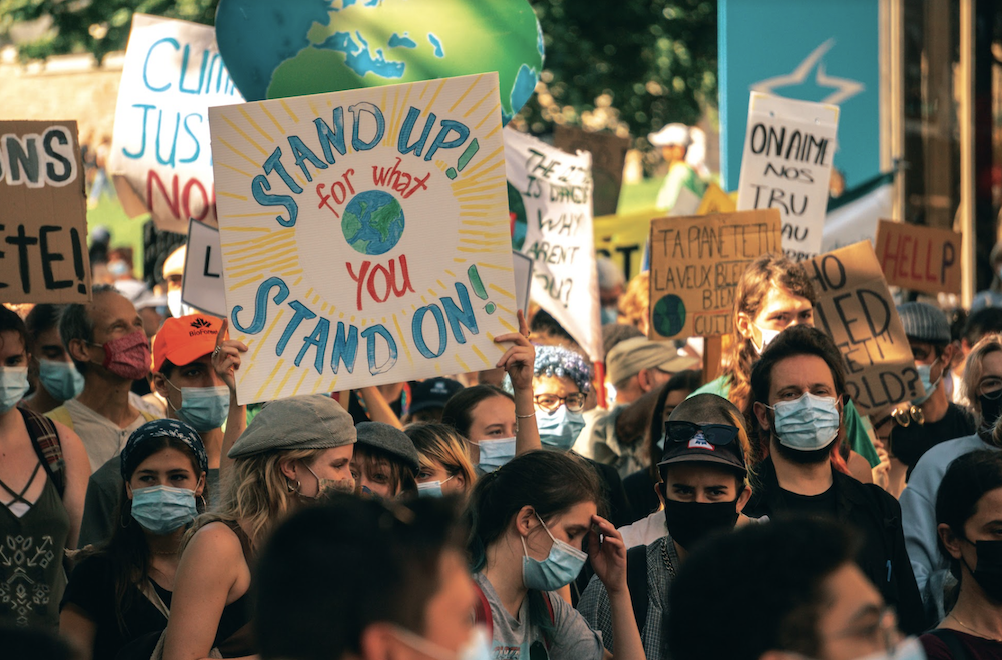
Many people, like El Bush, U1 Arts, joined the march after hearing about it by word-of-mouth.

“My friend is a part of Divest McGill, and she has always prompted me to be aware of the political climate I am in,” Bush said. “I think it is very important, especially as a McGill student who comes from a place of privilege, to actively engage in activities and with communities that are helping to decolonize and create a sustainable campus.”

Prior to the march, Divest McGill held a meeting in Three Bares Park to discuss ideas and logistics.

“[Divest] is non-hierarchical. It is all incredibly collaborative, which is a really nice space to be in,” Cason said. “Everyone who has an idea is welcome to share their ideas. You get so much knowledge in one space when you have that kind of open-forum discussion.”

Divest members counted the meeting a success.

“Divest was thrilled by the number of McGill students who came out to strike for climate justice and to learn about how fighting the university’s steadfast refusal to take money out of the fossil fuel industry fits into a larger Just Transition Framework devised by Climate Justice Alliance.” said members of the club in a joint statement to the Tribune.
Art, Arts & Entertainment

PHI’s newest exhibit imagines post-pandemic human connection

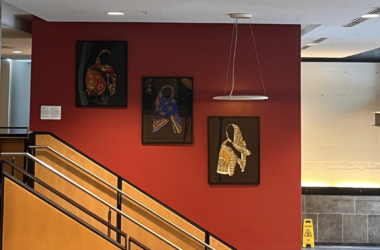
Five artists, each with their own unique artistic methods, mediums, and backgrounds unite in the exhibition …And Room in the Bag of Stars currently on display at the PHI Foundation for Contemporary Art. Curated by Daniel Fiset and inspired by science-fiction author Ursula K. Le Guin’s 1986 short essay The Carrier Bag Theory of Fiction, the art builds upon Le Guin’s ideas about prioritizing human community and unity over secession and violence. 

Le Guin’s essay proposes that humanity’s first tool was a receptacle rather than a spear, suggesting that humans were collectors and artists before they were hunters. …And Room in the Bag of Stars is a simulacrum of Le Guin’s ideas, imagining a world where people connect and share with each other, rather than engage in violence. kimura byol-nathalie lemoine, Salima Punjani, Dominique Sirois, Santiago Tamayo Soler, and Karen Trask all contributed their individually distinctive artworks to this cohesive exhibition. Exploring themes of social isolation, sexism, cultural diversity, and technological advancements, …And Room in a Bag of Stars brings to light Le Guin’s ideas and leaves behind the narrative of glorified—typically male—heroic archetypes. 

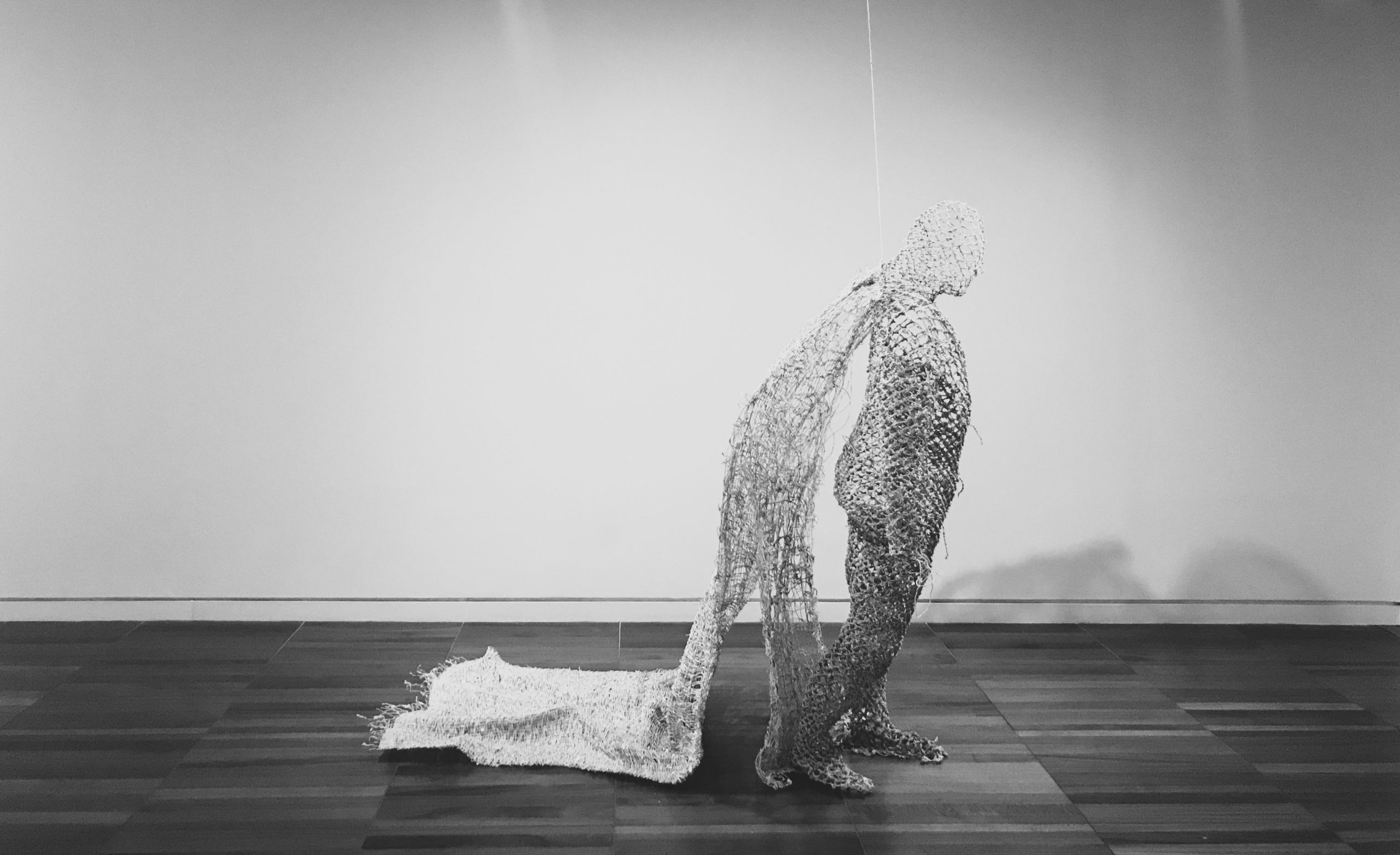
Applying the same technique used to tie knots in fishing nets, Trask’s sculpture Hanging by a Thread intricately weaves together pages torn from encyclopedias and dictionaries. In the room’s centre stands a masculine humanoid effigy, his cape trailing behind him and a single thread connecting him to the ceiling. This phantom figure’s fragility is dissimilar to the unstoppable hero to which myth and story are so accustomed; instead, its ghostly form symbolizes the fading of patriarchal ideals and the flaws in society’s consistent search for epic heroes. 

Will you pass the salt by Salima Punjani draws viewers into a multi-sensory experience. The project invites the spectator to sit at a dining room table set with dishes and cutlery, immersing them in the familiar sounds of friendly chatter, laughter, and clattering dishware. The audio’s noises come from 10 different Montreal households, recreating a snapshot of life before the COVID-19 pandemic. 

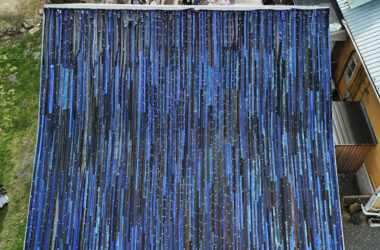
In Saekdong색동Diaspora, kimura byol-nathalie lemoine incorporates Le Guin’s theme of humans-as-collectors by using natural materials, such as bamboo, iris, and lotus, amassed from places the artist has lived. From here, the artist creates an assortment of multifaceted representations of containers, ranging from mason jars to pouches. The title refers to saekdongot, a type of vibrantly striped traditional Korean cloth that lemoine incorporates into the piece. lemoine’s precise placement and symbolic use of materials present create a strong sense of zer communal identity, mediated through art.

Along with Dominique Sirois’ Alliance #14 and Santiago Tamayo Soler’s Retornar, these five artists gather a meticulous and intriguing understanding of the human condition. …And Room in the Bag of Stars reimagines a world where humans can reconnect through art, drawing one’s attention away from the individual and toward a collective experience of healing. 

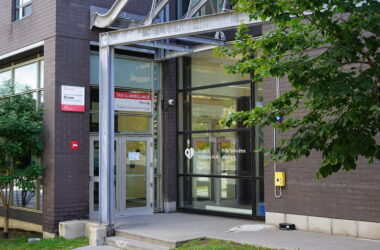
‘…And Room in the Bag of Stars’ exhibition continues until January 9, 2022, at the PHI Foundation for Contemporary Art (451 & 465 Saint-Jean Street, Montréal). Book in advance. Free admission. 

Research Briefs, Science & Technology

Neuroinflammation found to drive Alzheimer’s disease progression

Over a century ago, Alois Alzheimer, a German psychiatrist, spotted strange plaques and tangles in the brain slides of a patient with dementia. Ever since, scientists have been trying to better understand the mechanisms behind what is now known as Alzheimer’s disease.

Alzheimer’s disease (AD) is a brain disorder that progressively deteriorates cognitive and memory skills, eventually taking away the ability to perform even the most basic tasks, such as walking and eating. It is the most common cause of dementia among older adults and affects an estimated one in 10 people aged 65 or older.

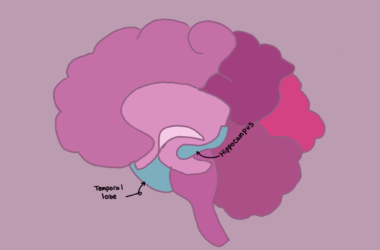
From a biological standpoint, the disease is characterized by the accumulation of misfolded proteins, called amyloid beta, in the brain. They aggregate and form plaques that eventually trigger an inflammatory response. Microglia, the brain’s resident immune cells, activate and release molecules that cause further damage to the neurons. Another class of proteins, known as tau proteins, also get modified and clump together, forming tau tangles. The misfolded proteins then propagate according to hierarchical stages known as Braak stages. They originate from lower brain areas and make their way up to higher areas that control thinking and memory. The combination of amyloid plaques and tau tangles, along with the inflammatory response in the brain, is what scientists believe to be the physical basis of AD.

The role of brain tissue inflammation in Alzheimer’s, however, is still disputed among scientists.

“Some scientists believe that neuroinflammation can protect the brain because it would attack the amyloid plaques,” Dr. Pedro Rosa-Neto, director of the McGill Research Centre for Studies in Aging and professor of neurology and neurosurgery, said in an interview with The McGill Tribune.

Nevertheless, a recent McGill study has proven the alternative theory to be true: Neuroinflammation was found to drive the progression of the disease. The research team, led by Rosa-Neto, used an imaging technique called positron-emission tomography to quantify microglial activation, amyloid beta deposits, and tau propagation across the brain.

Their findings suggest that neuroinflammation is a precursor that allows tau proteins to spread to higher brain areas. 

“Microglial activation paves the way for tau to invade the brain,” Rosa-Neto said. 

The researchers also found that amyloid beta enhances the effect of microglial activation on tau proteins spreading through the brain. Their model shows that the combination of amyloid beta and microglial activation is what determines tau pathology.

This study clearly has considerable clinical applications; for instance, treating patients with anti-inflammatory drugs could prevent further progression of the disease. However, the clinical trials have been unsuccessful so far. There are many reasons for this failure, but an important one is that patients receiving the drugs are already in the late stages of the disease.

“The results that we found suggest that there is a right timing to give this medication, which is right at the beginning of the disease,” Rosa-Neto said. 

Indeed, neuroinflammation creates a path for the progression of misfolded tau proteins from lower to higher brain areas. Turning off neuroinflammation when misfolded tau are still confined within lower structures could prevent them from spreading further. Stopping neuroinflammation only when tau has already reached higher structures would likely be futile. 

As is the case for most complex diseases like Alzheimer’s, a lot of work needs to be done before scientists can reach a complete and accurate understanding of the disease mechanism. A clearer picture of how AD progresses is a promising start in ensuring better outcomes for patients. 

Last Tuesday, on World Alzheimer’s Day, Alzheimer’s Disease International released the World Alzheimer’s Report 2021—a comprehensive report of recent advances in the field. The 2021 report was entirely written by four McGill researchers, including Rosa-Neto, underscoring their standing as global leaders in Alzheimer’s research. 

Sports

The future of sports broadcasting is at our fingertips

It’s a Friday night, and all you want to do is order pizza and watch an NFL game live with some close friends. As a student on a tight budget, however, finding access to the games you want to watch can prove difficult—and sometimes even impossible—without a cable plan. Some students have access to their families’ cable information, but many more find themselves out of luck on game night, likely spending the rest of the evening trying to access a low-resolution, stuttery, illegal stream.

Live sports are as popular as ever, but as our media consumption gradually migrates from the family TV to our own personal devices, watching sports through cable television is becoming more and more antiquated.

In the United States this year, only 56 per cent of households have a cable plan, down from 76 per cent in 2015. This dramatic cable-cutting wave is even more pronounced among young adults, with only 34 per cent of people aged 18-29 shelling out cash on a monthly plan. As this younger generation ages into their prime spending years, cable television will likely die out, and with it the large media companies that broadcast our favourite sports. 

The decline of younger viewership is already apparent in nearly every major North American sport; the average NHL viewer’s age is 49, up from 42 in 2006, and the average baseball viewer is 57, up from 52. This trend reflects the generational lag in sports viewership: Younger viewers are just as engaged in sports, but have instead turned to digital sports media commentary to satisfy their craving. Platforms such as Youtube, TikTok, and podcasts, have seen tremendous growth in the past decade. 

The mode of delivery won’t be the only thing that changes. Because live sports have such high viewership, broadcasts are meant to appeal to as many people as possible. But content creators on online platforms are gaining followers thanks to their unique approaches to sports analysis, challenging the generalized commentary inherent to larger networks. While this broad strokes approach is engaging for those who are already invested, it fails to draw in new viewership. Now that most people own a device, the potential for more niche, individualized live sports broadcasting is virtually untapped. Exclusive broadcasting contracts still held by companies like ESPN, TNT, and Fox Sports are the only barriers preventing this new wave of sportscasting from dominating the industry. 

Nearly every major sports-casting contract is ending in the next decade. While it is possible that companies like ESPN will retain some of their contracts, it is just as possible that huge tech corporations like Google or Amazon, who have already dipped their toes in the streaming pool, will spend a small fortune to acquire exclusive rights to stream games how they please. 

If one of these tech giants manages to secure streaming rights, the way we consume live sports will undoubtedly change forever. Streaming services like Youtube Live and Twitch have the capability to individualize content for millions of people. Audience segmentation is something that Spanish Football league La Liga has experimented with, bringing various influencers to commentate on soccer games—to great success. Allowing already established streamers, such as xQcOW or HasanAbi, to cast sporting events could draw in an entirely different demographic to the sports ecosystem and could make viewing games—many that would be otherwise uninteresting, such as blowouts or regular-season games—engaging in an entirely new way. 

As we all gradually move further into the digital world, it is only natural that things will change. Watching sports games on our laptops is just the beginning—segmented monetization and new commentating styles will foster unique, small communities in these digital spaces.

Arts & Entertainment, Film and TV

Festival Stop-Motion Montréal explores the cultural significance of Indigenous filmmaking

Festival Stop Motion Montréal, which took place from Sept. 10 to 19, is dedicated to highlighting the beauty and uniqueness of stop-motion film. For its 13th edition, the festival showcased both local and international talent and focussed on amplifying the work of Indigenous stop-motion artists.

As part of the festival, Wapikoni, a non-profit organization dedicated to supporting First Nations cinema, hosted a round table on Indigenous stop-motion productions, featuring Métis/Anishinaabeg producer and filmmaker Melanie Jackson, Métis filmmaker and multidisciplinary artist Terril Calder, producer Neil Christopher, Inuit filmmaker and producer Zacharias Kunuk, and moderator and Innu filmmaker Jani Bellefleur-Kaltush. The five artists—some having met at the panel, some having been long-time friends and colleagues—discussed their personal experiences as filmmakers and producers. 

“I’m fascinated by my culture, [and] fascinated by the knowledge and land,” Kunuk said. “[In the North], there are no trees, so no paper to write on. I am fascinated by [everything] thought orally.”

Kunuk’s stop-motion film Angakusajaujuq: The Shaman’s Apprentice won the festival’s award for Best Independent Film at the festival this year.

The panellists agreed that stop-motion as an art form is an interesting way to tell the stories they grew up hearing from their elders. Director Melanie Jackson used hoop dancing to underline the importance of movement in Indigenous cultures, as shown in her 2009 short stop-motion film Vistas: Dancers of the Grass.

“When it comes to stop-motion, it’s the artistry of the movements [that are important],” Jackson said. “It’s a different way to share those stories that we have been told.”

Another unique aspect of the stop-motion format is its ability to use textures as a narrative tool. Kunuk used the texture of fur, snow, and leathered garments to highlight distinct aspects of Inuit culture. Christopher explained that the authenticity of these textures would have been impossible to recreate in classical or 3D animation.

“When Zacharias Kunuk approached us with a traditional story, stop-motion just felt like the right decision,” Christopher said. “We wanted to see the texture of the fur. It didn’t feel like we should bring it to the computer, and stop-motion would allow us to do animation in a very tactile way.”

Despite the patience required to shoot a stop-motion film, there is an accessibility to the medium that is otherwise rare in cinema. Without a crew to feed and actors to pay on set, the cost of shooting a stop-motion film is often drastically lower than shooting live action. There are opportunities to explore creative liberties that would otherwise be impossible, like shooting a movie in one’s native language.

“With stop-motion, all that is unimaginable becomes imaginable,” Kunuk said.

The round table closed on a discussion on the importance of uplifting Indigenous creators, something Festival Stop Motion Montréal aimed to do during this year’s edition. 

“The next challenge for Indigenous creators is to break channels other than APTN,” Jackson said. “Teletoon or Cartoon Network, for example.” 

Jackson explained that Canada, in comparison to New Zealand, lags behind when it comes to giving Indigenous creators the opportunity to share their work on country-wide television. 

“In New Zealand, TV broadcasters take pride in showing animated shows by Indigenous people,” Jackson said. “By seeing brown skin on screen, it encourages our youth [to see that] there is another way for them to get their stories out there.” 

McGill, News

All nine faculty froshes receive gold-level sustainability rating from Office of Sustainability

All nine of McGill’s faculty froshes, including Management, Arts & Science, Physical & Occupational Therapy, Education, Science, Music, Macdonald Campus, Engineering, and Arts, received gold-level certification from the Office of Sustainability for their late-August 2021 events. This was the second time all nine achieved the gold-level designation; they received the award in 2019 as well. 

McGill’s Office of Sustainability developed the Sustainable Events Certification Program in 2017. The program examines the extent to which events held at McGill, such as conferences, fairs, and parties, are environmentally sustainable. An event’s level of sustainability is determined according to factors ranging from using reusable dishware and working with socially responsible sponsors. All of the factors are included in the program’s Sustainable Events Certification checklist. In addition to following the office’s standards for environmental sustainability, frosh organizers say they took physical and financial accessibility concerns into account during their planning.

Froshes contacted the Office of Sustainability in early July to initiate the certification process. The first step of certification was reviewing the Sustainable Events Certification checklist, which was newly adapted for Frosh 2021. Frosh organizers then met with the office’s events team to discuss areas for improvement regarding accessibility and sustainability. 

Megan Toth, a sustainability officer with the Office of Sustainability, explained in an interview with The McGill Tribune that a long consultation process occurred between the frosh sustainability coordinators and the Office of Sustainability before the froshes were officially certified in mid-August.  

“We were really pleased and impressed with the effort that [the faculty frosh coordinators] all put forth,” Toth said. “They did not have to do the level of effort that they did, but they really all came through and met with us [….] There was a lot of work going into figuring out the types of actions that they could take and where they could improve.” 

Froshes took various actions to achieve the certification, such as designating a specific Sustainability and Inclusivity Coordinator for each frosh, developing and delivering an Indigenous land acknowledgement and pronunciation guide, and calculating and offsetting greenhouse gas emissions related to travel. 

Together, the nine froshes calculated a total of 35.52 tonnes of greenhouse gas emissions during their events. Abiding by the McGill Offsetting Program, frosh organizers made payments to carbon offset projects selected through McGill’s Offset Selection Committee.  

Froshes also made use of the Sustainability Project Fund’s Tiny Stream—an award fund that grants 300 dollars to small sustainability projects. The award allowed Engineering Frosh to hire Compost Montreal to implement an effective waste disposal system and enabled Music Frosh to obtain waste sorting bins for their event at Jeanne Mance. 

Toth underscored the importance of sustainability efforts and of limiting McGill’s carbon footprint. 

“[Frosh] is a lot of people,” Toth said. “These are big events. So, when events of those sizes are more sustainable, then there’s a potential for a big impact.”

Sarah McCourt, U2 Management and 2021 frosh leader, emphasized that frosh plays a role in instilling campus culture in first-year students. 

“Frosh is significant because it introduces [incoming students] to the standards and values that we hold in the McGill community,” McCourt said. “It’s their introduction to it, and so the ideas we have on diversity, inclusion, [and] environmental sustainability are important.” 

In an interview with the Tribune, Jeanna Oliver, U0 Arts and frosh participant, said they were largely unaware of the specific sustainability efforts frosh events made, but that they were impressed by the organizers’ efforts to be inclusive and environmentally conscious. 

“To know the organizers were thinking about and putting efforts into being sustainable is really awesome to hear,” Oliver said. “These kinds of events are not easy to make sustainable or accessible, especially because of the nature of frosh [….] But, also, I think there’s always room for improvement with sustainability and inclusivity [….] As a community, we can always do more.”

McGill, News

In absence of university-wide vaccine mandate, McGill law professors warn of liability risk

Many Canadian universities, including the University of Calgary and the University of British Columbia, have recently announced proof of vaccination requirements to access campus. Students and faculty began rallying for McGill to implement a university-wide vaccine mandate in early September, and McGill responded in a statement arguing that the policy is infeasible under Quebec law. Following this, a group of 12 McGill law professors wrote an open letter that found fault in McGill’s statement. 

Twelve McGill professors—later 36, as discussions continued—researched the legal case behind vaccine mandates and wrote to Rath Panda, chair of McGill’s Board of Directors, Suzanne Fortier, principal and vice-chancellor of McGill University, and Christopher Manfredi, provost and vice-principal (Academic) urging McGill to reevaluate their stance. 

Richard Janda, associate professor in the Faculty of Law and a member of the initial twelve who voiced these concerns, argued that the university may be liable for damages to vulnerable people disproportionately impacted by the pandemic—such as immunocompromised people, pregnant women, and those with young families—should McGill not implement mandatory proof of vaccination.

“We were trying to signal that the university’s policy produced particular vulnerability for those people because they were not sure if they were safe in the classroom and some of them had to make very difficult choices between giving up their year in school versus coming to class,” Janda said in an interview with The McGill Tribune. “I have seen the kinds of serious impacts that there can be, and people who would suffer impacts of that sort would certainly have a basis for making a claim if they could make out that the university had acted negligently.”

Janda refuted the legal standing McGill used to defend their position, referencing a recent decision upheld by the U.S. Supreme Court, which involved students at University of Indiana making similar arguments.

“To argue that the people we should be protecting here are the people who, for no health or religious reason simply do not want to be vaccinated, is not really the protection of a vulnerable group of Canadians,” Janda asserted. “The president of the University of Ottawa, who has implemented such a proof of vaccination regime, is the former president of the Quebec Human Rights Commission and he’s a constitutional lawyer who knows this stuff inside out. So frankly, I trust Jacques Frémont’s analysis of this much more than I trust that of our general counsel.”

As per the federal government’s statement that education is an essential service, the McGill administration explains it will act, and implement COVID-19-specific accommodations, to make sure that no students are excluded from the learning environment. 

“The government considers higher education to be an essential service, [which imposes] a responsibility to ensure that no one enrolled in our university is excluded from essential learning activities without extraordinary justification,” wrote McGill media relations officer Frédérique Mazerolle. “McGill’s plan for the Fall involves several layers of protection, [and]  accommodations are available for vulnerable students and employees with appropriate medical documentation.”

While Janda and the university state that accommodations are available for people unable to get vaccinated for certain reasons, 2L law student *Grace is concerned that the Faculty of Law, in particular, has not delivered on this promise.

“There is absolutely no accommodation at the Faculty of Law,” *Grace said. “There is no imposed hybrid learning, if you miss class you miss class. [The Faculty cannot] accommodate to the point of telling people to just not come to school, which is very ableist in my opinion. There is no way for them to ethically impose vaccine mandates on campus without offering an across-the-board hybrid option for people who can’t go.”


*Grace’s name has been changed to preserve their anonymity.

McGill, News

McGill to mandate vaccine passports for library access starting mid-October

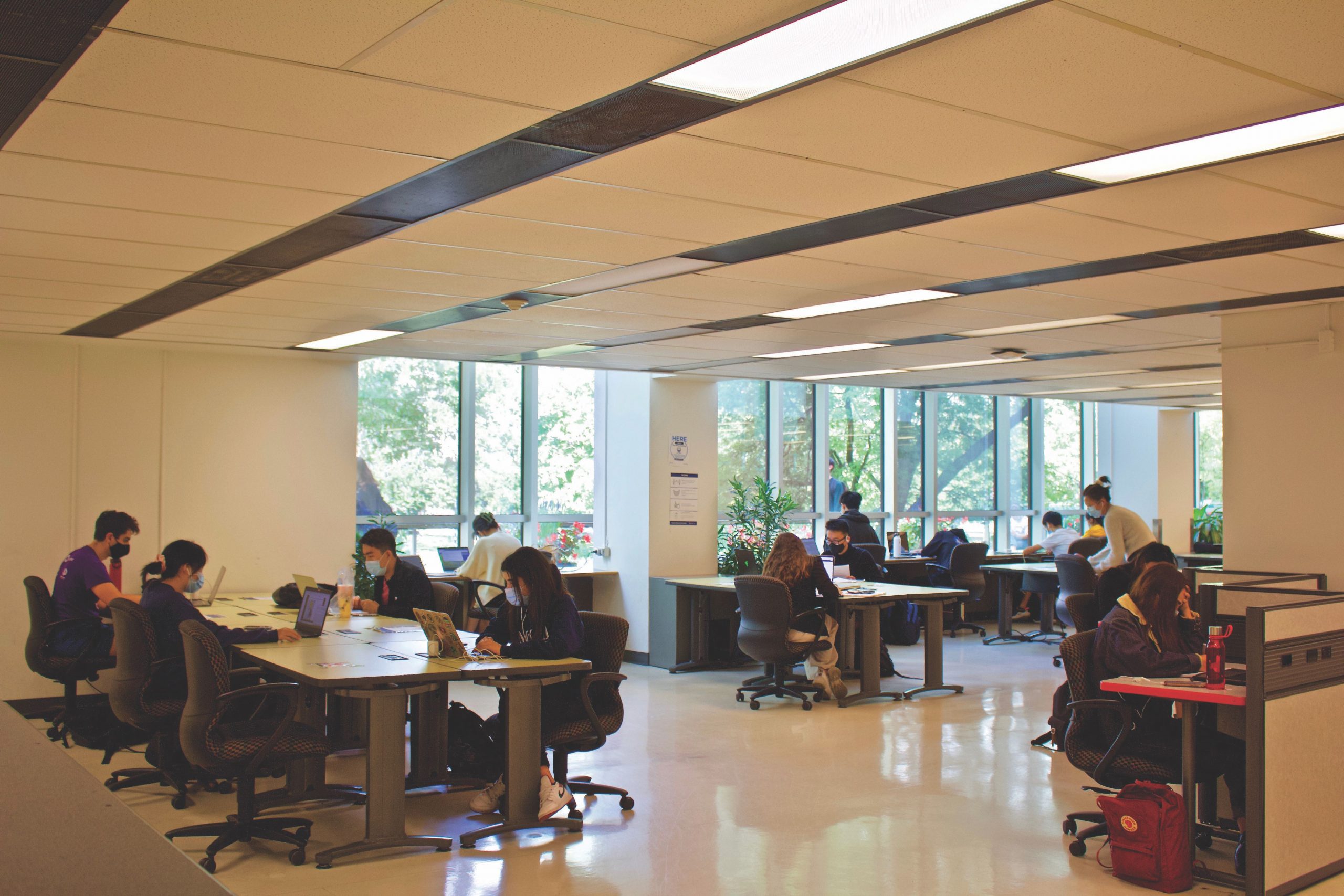
Deputy Provost Fabrice Labeau announced Sept. 17 that McGill students and faculty will need to show their Quebec vaccine passports in order to access campus libraries starting mid-October. Library staff will be exempt from this mandate.

While conferences and classes will not bar unvaccinated students from attending in person, Labeau exhorted students to get vaccinated, stressing its importance for both students’ personal well-being and that of the community.

The administration will be implementing the policy by mid-October, and will provide a one-month grace period before the policy comes into full effect. The grace period will give students and faculty the chance to register their vaccines if they were received out-of-province, or to get vaccinated if they have yet to do so. The new policy will still allow unvaccinated students and non-library staff to borrow books or materials they may need via a pick-up service that is still in the works. 

Vega Hitti, U3 Science, is in favour of the vaccine passport mandate for access to McGill’s libraries.

“It makes sense, [as] staff and students are there [at the library] as a benefit,” Hitti said. “It might be more discriminatory to keep people from their jobs , versus what students and staff have as a privilege.” 

Hitti argued that the administration should focus on strategically opening other areas as well.

“I know in my department, the lounge was closed,” Hitti said. “The cafeteria, which can gather so many people, is open. There could have been better efforts made [by the university] to make sure [vaccinated] people have more places to go rather than pooling people in the library or cafeteria.”

Frédérique Mazerolle, McGill media relations officer, reminded the community that the vaccine passport is already required to access certain parts of the university, so asking community members to present a vaccine passport to enter the library is plausible. 

“The vaccine passport is required to access a wide range [activities], including sports [practice] in the framework of McGill’s varsity program and recreation program, [fitness] centers, sporting events, and or any non-curricular event,” Mazerolle wrote in an email to The McGill Tribune.  “While the library was not part of the original list of places and activities requiring a vaccine passport at McGill, we have determined that it is possible to apply it, as long as students, faculty and staff can get access to materials needed for study or work through other means.”

Some students are apprehensive about the upcoming changes to accessing McGill’s libraries, including Inheon Choi, U1 Arts.

“That’s kind of forcing people to be vaccinated,” Choi said. “It violates the freedom of students, not only students, but everyone. I have friends who are not vaccinated due to religious reasons, so this does not respect religious or cultural issues. I agree we all should be vaccinated, but this is a little too much.”

Despite disagreeing with the vaccination requirement for library access, Choi is content with McGill’s overall approach to hybrid learning. 

“I think that it is really good they are offering online classes, for the 150+ [enrollment] ones,” Choi said. “The fact that they are online gives us the opportunity to participate, even without the vaccine, in a safe environment.”

Maggie Allen, a senior library clerk, was pleased with the policy, but believes it should extend to library staff as well.“I am 100 per cent for having everyone vaccinated and having to show proof before being allowed in the library,” Allen wrote in an email to the Tribune. “I do not agree at all with staff being exempt [from the vaccine passport requirement]. Unless there are underlying medical reasons that you cannot be vaccinated, there is no viable reason that you should not be. Universities should not be the place to breed ignorance.”

News, The Tribune Explains

Tribune Explains: What happens if your classmate gets COVID-19?

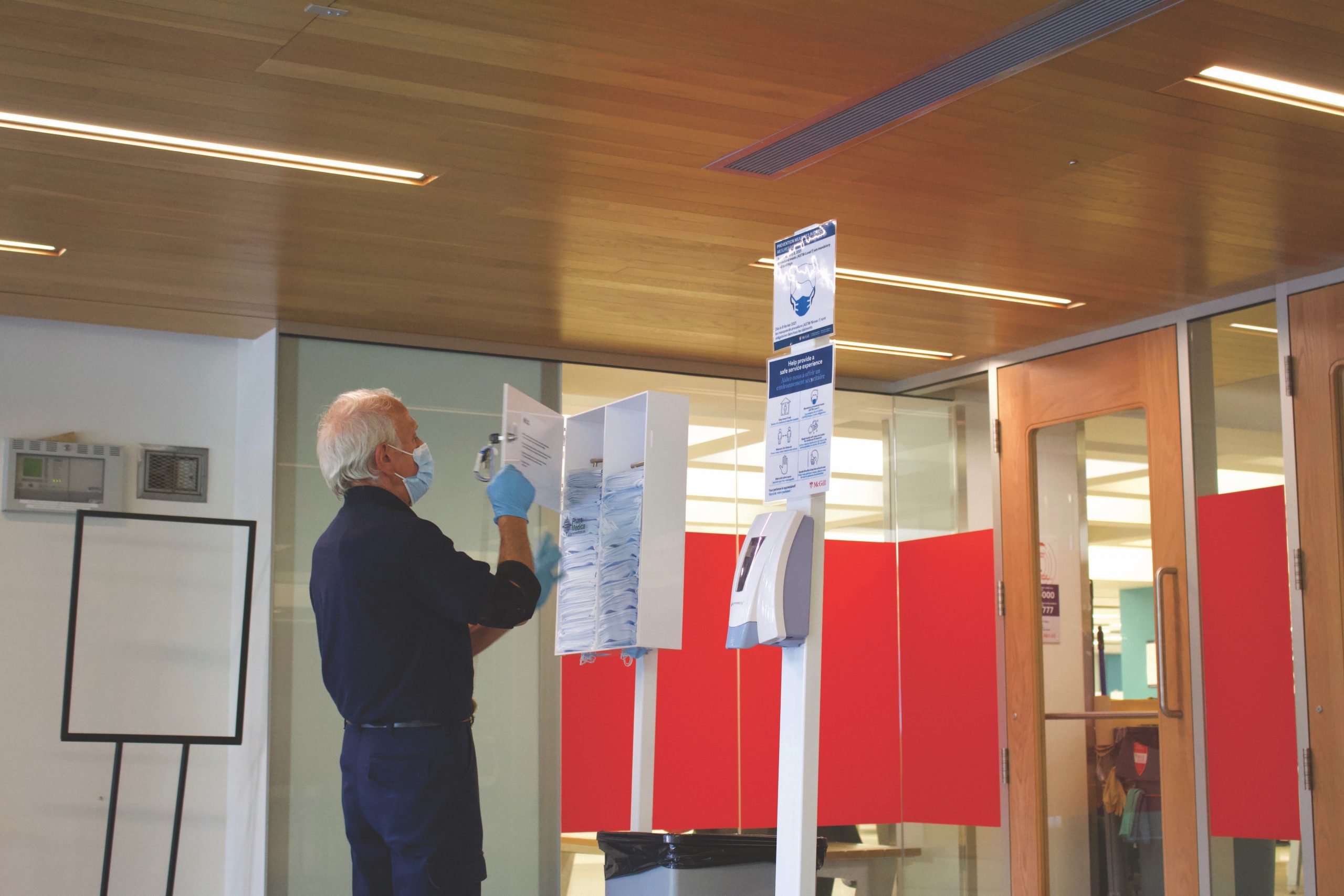
McGill’s COVID-19 management and prevention plan implemented during the return to in-person teaching includes COVID-19-related accommodations, a system of contact tracing, and email alerts to exposure risks. The McGill Tribune looked into what students can expect if they receive an email notice of a potential COVID-19 exposure. 

Who handles COVID-19 outbreaks on campus?

In Quebec, public health authorities have tasked universities with handling contact tracing and internal follow-up. At McGill, this responsibility is handled by the COVID-19 Case Management Group (CMG). The body established an eight-step process for handling cases on campus, which includes reporting COVID-19 symptoms or positive tests, conducting confidential interviews with the CMG, and determining the risk level of reported contacts with COVID-19. This process is initiated when a student or faculty member reports that they have COVID-19 symptoms or have tested positive, and culminates with the weekly publication of McGill’s COVID-19 statistics. 

How does McGill identify those at high-risk for contact with COVID-19?

McGill uses the Santé Montreal and the Institut National de Santé Publique du Québec (INSPQ) guidelines to define risk levels. A high-risk contact is someone who has been in unmasked, long-term physical contact with a person who has tested positive for COVID-19. A moderate-risk contact is someone who has spent 15 minutes with someone who has tested positive without proper masking or being less than two metres away. A low-risk contact is someone who either spent less than 15 minutes in contact with someone who has tested positive, remained two metres away, or maintained adequate masking. 

What should I expect if a classmate tests positive for COVID-19?

If a student tests positive for COVID-19, McGill sends an email to all of the students in the class informing them of the potential of exposure and indicating the level of risk involved. If a student is classified as a low-risk contact, regardless of their vaccination status, they will simply be told to monitor for symptoms, but are not expected to get a test or self-isolate. Most classroom exposures will be deemed low-risk because of McGill’s masking requirement.

If a student is at high- or moderate-risk for contracting COVID-19, they will be directed to get tested and asked to report the results of the test to the Case Management Group. A high- or moderate-risk student’s vaccination status will determine whether they must self-isolate or not; those who are vaccinated are not required to self-isolate, but unvaccinated students are.

Brianna Faughnan, U2 Arts, received an email from the university informing her she had been exposed to COVID-19 in one of her classes just one week into the semester.

“I got an email that said if you were in this class on this day, you were in contact with someone who tested positive for COVID-19,” Faughnan said in an interview with The McGill Tribune. “They did not tell me to get tested, they [only] said to monitor my symptoms, and they said that I was low-risk.”

Faughnan decided to get a test on her own accord, which came back with a negative result, but Faughnan worries others in her class were likely not as proactive.

“I’m sure that most people in my class did not proceed to get tested, or may not have even seen or read the email,” Faughnan said. “I’m very pessimistic about classes continuing to be in person given the university is not being proactive about health measures and [is] barely being reactive either.”

What COVID-19 management measures does the university have in place on campus?

The McGill administration emphasized that it has a plethora of health and safety measures in place. 

“McGill’s plan for the Fall involves several layers of protection, including exclusion of symptomatic individuals, procedural mask requirements, distancing in non-classroom environments, contact tracing, optimizing ventilation, and other means,” McGill media relations officer Frédérique Mazerolle wrote in an email to the Tribune. “Accommodations are available for vulnerable students and employees with appropriate medical documentation. The University encourages people to follow the government of Quebec’s vaccination directives.”

McGill, News

McGill Senate approves motion to create COVID-19 advisory committee

The McGill Senate held its first meeting of the 2021-2022 academic year on Sept. 22, where it passed several routine motions and approved the creation of an advisory committee that will counsel the university’s senior administration on COVID-19-related academic policies and planning.

During the meeting, the Senate considered a motion requesting the creation of an ad hoc COVID-19 advisory committee. The Students’ Society of McGill University (SSMU) president Darshan Daryanani helped craft the motion with associate provost (Equity & Academic Policies) Angela Campbell, among others.

Samer Faraj, a professor in the Desautels Faculty of Management, expressed his support for the motion, noting that he no longer sees some colleagues around campus due to their refusal to return to McGill for health reasons. Daniel Weinstock, a professor in the Faculty of Law, echoed Faraj’s concerns, arguing that there was a serious lack of trust in the administration among staff and students. 

“My sense is that there really is a lot of fear and a little bit of anger at the base,” Weinstock said. “The people who are going into classrooms feel that their concerns have not been adequately dealt with, and this has led to a crisis of trust.”

After some deliberation, the motion passed with a 94 per cent majority.

Principal and vice-chancellor Suzanne Fortier announced that the Fall 2021 convocation may be in person and that a final decision would be made at the end of September. 

Fortier reminded senators that Sept. 30 is the first National Day for Truth and Reconciliation. In past years, Sept. 30 was known as Orange Shirt Day, but thanks to legislation passed in June 2021, the day is now a federal statutory holiday. McGill has several events scheduled, including the Every Child Matters March, which will honour the victims of residential schools and fundraise for the Indian Residential School Survivor Society (IRSSS).

Daryanani presented a short statement about the upcoming National Day for Truth and Reconciliation, after which the Senate held a moment of silence. 

“Taking part in this day symbolizes our commitment to remembering Canada’s violent colonial history,” Daryanani said. “As we know, there is still a long way for all of us to go in order to achieve meaningful decolonization of our relationship with Indigenous Peoples.” 

Afterwards, the Senate approved a motion to revise the structure of the Joint Board Senate Committee on Equity, which is tasked with recommending policy that encourages the employment and participation of all individuals in the McGill community, including those from marginalized groups.

Campbell presented the motion outlining the committee’s revised structure, noting this was the first time the terms and structure of the Joint Board Senate Committee on Equity had been reviewed since it was formed in 1994. The proposed revisions included renaming the committee to the “McGill Equity, Diversity, and Inclusion Committee.” 

“There were some potential shortcomings, by virtue of the fact that the subcommittee’s structure might be over-general, under-inclusive,” Campbell said. “Their work was not always well-known, and there might be a lack of intersectionality.” 

Moment of the Meeting:

At the beginning of the meeting, vice-president (Health Affairs) David Eidelman Eidelman paid tribute to the late neurophysiologist Dr. Krešimir Krnjević, who was previously the chairman of the Department of Physiology at McGill. He also presented a tribute to the late Dr. John Burgess, an emeritus professor of medicine and a tireless advocate for Indigenous health

Soundbite:

“I think it’s going to be very important for this committee to treat us like adults, and say ‘okay, we have actually made some tough choices, and here are the choices, evaluate them as you will,’ rather than […] the decision-making process [being] a black box you’re not allowed to look into. I think we need to get rid of that black box.”

– Professor Derek Nystrom, on his hopes for the ad hoc COVID-19 advisory committee.

Read the latest issue

Read the latest issue