

Latest News

Commentary, Opinion

Pandemic prison conditions emphasize need for reform

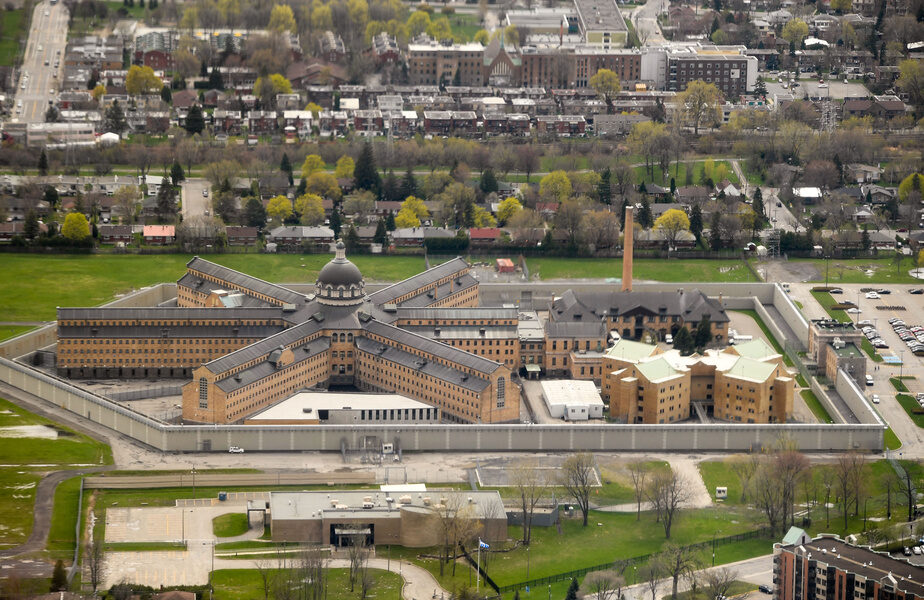
Throughout the pandemic, prisons have faced a reckoning, and Montreal’s Bordeaux prison is no exception. The prison has seen some of civilians’ worst fears play out, from multiple COVID-19 outbreaks, to inadequate resources, and more recently, to more than 1,000 inmates locked in their cells for over 24 hours while staff conducted an institution-wide search. These recent events, along with similar happenings in other prisons around the world, have re-energized calls for prison reform and restorative justice

The discourse was revitalized in the wake of the summer 2020 protests, which saw the Black Lives Matter movement take to the world stage following the police murder of George Floyd. The movement calls upon civilians and policymakers alike to rethink, and even do away with, the current criminal justice system in an effort to revitalize communities. The crisis at Bordeaux prison calls for renewed discussions in the Montreal context and also presents an opportunity for McGill students to take part in the debate. Although prison conditions may seem irrelevant or out of the control of many McGill students, the community must not turn its back on Bordeaux. It is the responsibility of all those living in Montreal and Canada to take a stance on the injustices festering in the prison system, given that these institutions are funded by tax dollars and have long-lasting impacts on the lives of marginalized youth. 

One of the most common arguments in favour of prison reform is that the current system is rife with human rights abuses with little to no accountability mechanisms. Throughout the pandemic, many Bordeaux prisoners’ basic human rights were disregarded due to the inadequate allocation of resources. With minimal access to showers, books, phones, or visits, those behind bars faced inhumane periods of isolation and solitude. Incarcerated people and employees alike protested the conditions, with over 30 engaging in a hunger strike last February to protest a lengthy  14-day confinement measure. In another instance, prison workers called on the government to provide adequate vaccination resources to the prison following a series of outbreaks. The blatant violation of human rights in these cases serve as a stark reminder of the necessity of prison reform. According to the United Nations’ recommendations for criminal justice and prison reform, prison authorities have the responsibility to ensure that the treatment of incarcerated people is in line with the law and respects their human rights. At the end of the day, it is imperative to guarantee incarcerated people, many of whom are jailed for non-violent offenses, the rights with which they were born.

In addition to assuring human rights, prison reform can support communities and promote equity and anti-oppression. In Canada, marginalized communities, most notably Indigenous individuals, are disproportionately incarcerated as a result of long histories of systemic discrimination in legal, political, and social spheres. Since systemic inequalities extend to all parts of the criminal justice system, including policing, sentencing, and prosecution, marginalized communities are often overrepresented in prisons. Meaningful prison reform must be accompanied by the adoption of anti-oppressive policies within the criminal justice system, ideally with an emphasis on revitalizing the communities that have been disproportionately affected. 

Conversations regarding prison reform should not be taboo: Students can take the lead in calling for change in an arena where older generations have often been hesitant to make strides toward justice. Students at McGill and beyond can do this by educating themselves on the issue by engaging with racialized scholars’ work on prison reform and abolition, contacting their local members of the National Assembly and parliament, and starting discussions about what prison reform could look like in the context of their own communities. Ultimately, it is only through continued dialogue about criminal justice that meaningful reform can begin.

McGill, Montreal, News

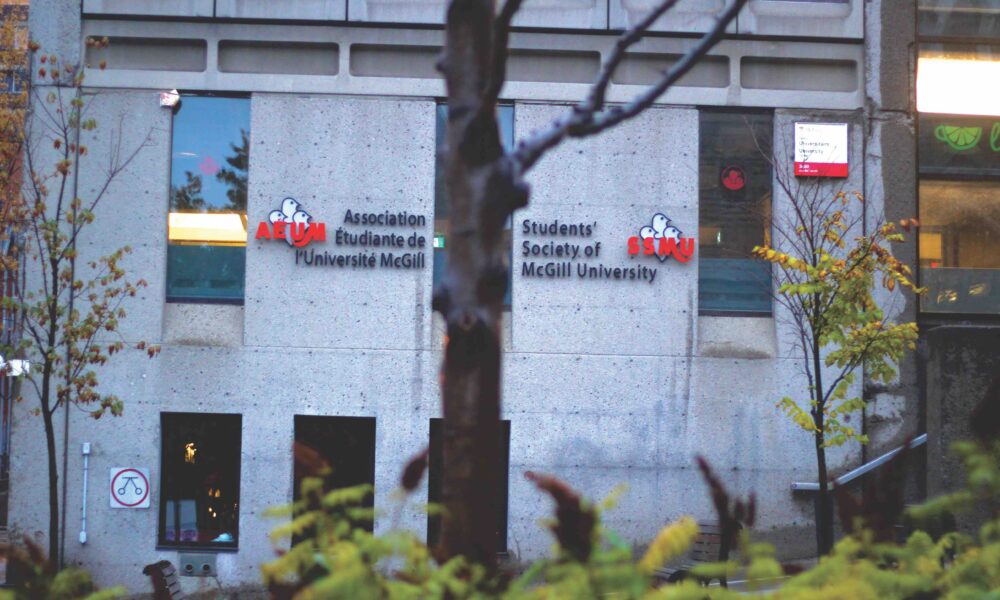
SSMU Legislative Council discusses New Vic Project and approves motion condemning Bill 2

The Students’ Society of McGill University (SSMU) Legislative Council convened on Oct. 28 to hear from Dean of Science Bruce Lennox, who provided a midpoint update on the New Vic project and answered questions regarding the project’s accessibility, sustainability, and community consultations. During the question period, councillors harkened back to the quality of the first botched Activities Night of Fall 2021, and pressed on the repeated absence of SSMU president Darshan Daryanani. Councillors also voted on referendum questions and a motion to condemn Bill 2—a bill that proposes to add sex and gender as separate categories to birth certificates, and would also require people to undergo gender-affirming surgery to officiate a sex change on their birth certificate. 

Lennox, as academic lead of the New Vic project, provided a project timeline and mock-ups of what the interiors will look like. Lennox also shared some insights gathered from consultations with Acosys Consulting Services, an Indigenous consultancy group.

“What has come out of these [many] discussions since January is a series of potential [Indigenous] representations [on the New Vic site],” Lennox explained. “[The New Vic site may include] everything from sculpture, landscaping, garden design, interior artwork, to actual interior shaping of spaces that have their origins in Indigenous culture.” 

During the question period, council members inquired about Daryanani’s absences and questioned how the society can run smoothly without a president. Vice-president (VP) Finance, Éric Sader, who has taken over Daryanani’s role as signatory on SSMU meeting minutes, stated that the president is not currently active in his role.

“The president is on leave at this time and I would ask everyone to respect his privacy,” Sader said. “And I can confirm the society is functioning quite well.”

Next, VP Student Life, Karla Heisele Cubilla, acknowledged the shortcomings of the first rendition of SSMU’s activities night, but looked forward to the upcoming activities night 2.0 running from Nov. 1 to 3. 

“The reason why we did not do an in-person fair event for the first edition is because this was planned in June,” Heisele Cubilla said. “There were no vaccine passports. No venue would take more than 150 people, so it was a big struggle. For the second edition, we are doing an in-person event […] for three days, and we are also doing a hybrid option which is via Zoom in Redlands, so we are doing our best.”

Further motions regarding SSMU referral service fees, including the Motion Regarding the MUSTBUS Fee-Levy, the Motion Regarding CKUT Existence, and the Motion Regarding QPIRG Existence, all passed. During the debate period for each motion, Medicine Representative Benson Wan proposed an amendment that would require groups requesting fee increases to provide financial reports.

“Councillor Wan, your dedication to budget transparency,” Ashkir started, “I hope it is noted in the minutes and in any article that is written about this.” 

Moment of the Meeting

Speaker of the Legislative Council Alexandre Ashkir noted that almost 50 per cent of SSMU councillors did not attend the mandatory anti-violence training and explained that follow-ups will be scheduled to ensure those who missed it had valid reasons. 

Soundbite 

“It would call on the Quebec government to remove the provisions of Bill 2 that infringe on the autonomy of trans, intersex, and non-binary people in Quebec [….] If this motion passes, it will show the trans and intersex and non-binary community on campus SSMU’s determination in supporting them. As such I urge all of you to vote ‘yes’ on this motion and condemn the transphobic bill proposed by the Quebec government.” –Arts Representative Yara Coussa on the Motion Regarding Condemnation of Bill 2

A previous version of this article incorrectly stated that almost 50 per cent of SSMU workers did not attend the mandatory anti-violence training. In fact, it was 50 per cent of SSMU councillors. The Tribune regrets this error.

Research Briefs, Science & Technology

The ebb and flow of fish biomass over the decades

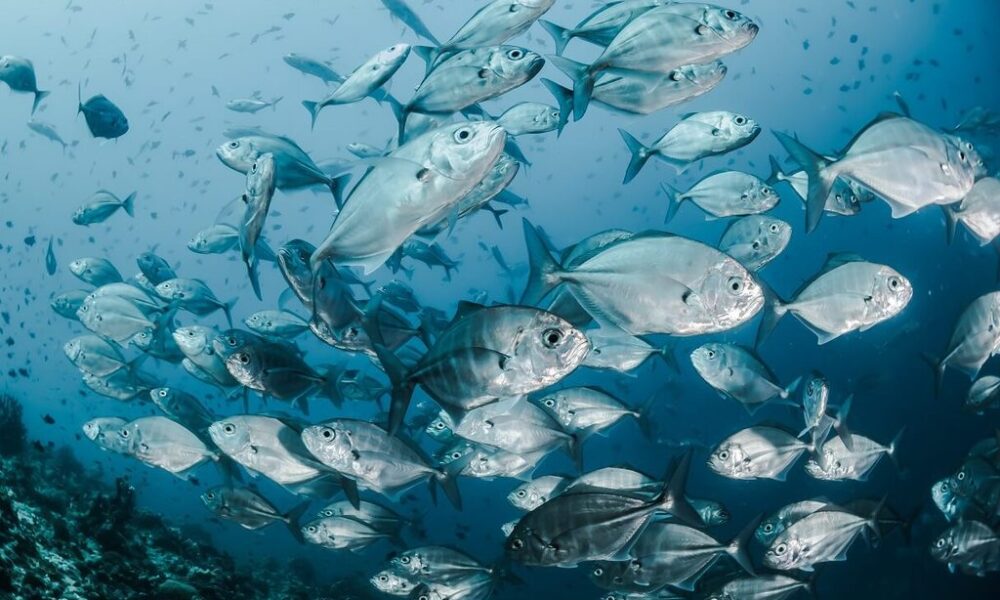
The oceans once held what humans considered to be a limitless supply of fish—populations were so abundant that it was nearly inconceivable that the waters would ever run out. That viewpoint was challenged in the ‘80s and ‘90s as overfishing caused fish stocks in the North Atlantic to rapidly collapse

According to a recent study published in Science Advances led by Eric Galbraith, a professor in the Department of Earth and Planetary Sciences at McGill, the number of fish in the world’s oceans has plummeted in recent years, reducing the rate at which nutrients are cycled. The study aimed to quantify the amount of economically viable fish biomass in the ocean and the effects that changes in the biomass would have on ocean ecosystems.

“I think what was really unique about our [study] is [that] we were able to constrain it, at least, by using satellite data,” David A. Carozza, a research associate at UQAM and co-author of the study, said in an interview with The McGill Tribune. “At least we know that our model represented peak [fish] harvest [….] It was a different approach, but still of a comparable magnitude to other studies.”

The researchers used fishery data to estimate the historical biomass of fish, molluscs, and crustaceans at different time periods. They found that pre-industrial biomass hovered around 3.3 billion tons, but that it had dropped by approximately 47 per cent by the 1990s.

 “The scale that we worked with was large marine ecosystems, mostly coastal ones, around peak harvest,” Carozza said.“And using that information, we were able to […] literally backtrack into the past so we know that the model worked into the present day.”

Fish biomass today is slowly increasing as it recovers from the global overfishing crisis of the ‘90s. This recovery process, however, is extremely fragile: Although fishing is far more regulated now, the severe reduction of fish biomass means that population levels are more sensitive to perturbations from fishing activities.

“On the policy side, there’s been a lot of imbalance between different countries. Larger fisheries are able to travel farther out in the ocean where there’s less oversight,” Carozza explained. “Although there are some promising statistics, I’m still concerned about the state of fisheries globally.”

The study’s model elucidates how changes in fish biomass affect deep water respiration and carbon levels at the ocean’s surface through carbon sequestration.

“If you were to add fecal pellets, you [would] reduce oxygen content since bacteria use oxygen in this respiration process,” Carozza said. “We observed the opposite, where when fecal pellets are reduced, deep water respiration is also reduced.”  

Fish contribute to carbon sequestration in a fascinating way. Abundant phytoplankton in the ocean creates a large draw on carbon from the atmosphere. Phytoplankton is consumed by larger organisms, and this consumption continues up the food chain until the carbon content reaches fish. The excrement that fish produce then drops to the ocean floor. This process is very efficient, with pre-industrial fish populations accounting for 10 per cent of organically sequestered carbon.

“There’s no point in counting phytoplankton, they don’t have a part in [sequestering carbon in the deep ocean],” Carozza said. “And they are quite small, very little [carbon] is exported. Even smaller fish are able to release fecal matter that can escape the mixed layer of the ocean, where that matter would otherwise reside for hundreds of thousands of years.” 

Although there are other factors that cause fish populations to decrease, the study found overfishing to be the predominant driver. 

“For drivers other than catch, the ecosystem-level impacts, over a variety of marine ecosystems, were simply not known and could not be integrated into our modelling framework,” Carozza said.

The study stresses the importance of fish biomass not only for human consumption, but also for its role in sustaining ocean chemistry and regulating carbon sequestration. It also highlights the importance of computer models in broadening our understanding of ocean processes and mitigating the human impact on the planet.

Science & Technology

Four ways McGill researchers are spearheading pandemic innovation

More than a year and a half has passed since Canada reported its first-ever COVID-19 case. From social distancing to online learning, humans have quickly adapted to these new conditions in order to contain the spread of the virus. While the pandemic has posed many challenges in academic and scientific domains, researchers jumped on the opportunity to innovate existing epidemiological techniques to help contain the spread of the virus. Most importantly, the pandemic brought scholars together to produce the best possible work within a short time frame. Over the past few months, many McGill researchers have contributed to key innovations in the fight against COVID-19.

  1. McGill COVID-19 Vaccine Tracker

As one of the most effective means of protection against the virus, vaccines have played a pivotal role in limiting transmission, reducing hospitalizations and death, and protecting immunocompromised people. With over 100 vaccine candidates and just over 20 approved ones, there is a lot to keep track of. However, a team of McGill researchers led by  Nicole  Basta, an associate professor in McGill’s Department of Epidemiology and Biostatistics, and Erica Moodie, a professor in the same department, created a tracker to provide up-to-date information about the number of approved vaccines worldwide, their manufacturers as well as the countries that administer those vaccines. The tracker also displays a list of potential vaccines that are currently undergoing trials. As debates around vaccine stockpiling and booster shots continue, tools like this will be critical in mapping access to immunization worldwide.

  1. Domestically produced COVID-19 tests 

Many of the COVID-19 cases reported are asymptomatic, so it follows that the more COVID-19 tests are administered, the more cases are detected. Quick results from these tests allow individuals who were in contact with an infected person to quarantine and curb the further spread of the virus. In partnership with the National Research Council (NRC), a team of McGill and RI-MUHC researchers led by Martin Schmeing, a professor in the Department of Biochemistry as well as  Don van Meyel, director of the Centre for Translational Biology (CTB) at the RI-MUHC, secured funding that would allow them to produce millions of COVID-19 tests. 

  1. Patient sequencing at the McGill Genome Centre

Researchers at the McGill Genome Centre recently announced a partnership with Genome Canada to extract the DNA and RNA of those who contracted COVID-19 in order to sequence it. Through genome sequencing, researchers will have a better grasp of what makes one patient more vulnerable to the symptoms of coronavirus than another, allowing those at high risk of developing complications from the virus to be identified so that their care can be prioritized. 

  1. A McGill-led study that found links between income inequality and COVID-19 mortality

Researchers, including Frank Elgar, an associate professor in McGill’s Department of Psychology, have provided evidence revealing that COVID-19 mortality rates could in fact be associated with income inequality, as well as individuals’ level of trust in the government and healthcare system. The study showed that countries and economies with greater income inequality tend to have higher COVID-19 mortality rates than those with lower ones. Moreover, countries whose populations report putting more trust in the public sector tend to have lower mortality rates compared to those reporting lower levels of trust. 

While the devastating human and economic tolls of the pandemic cannot be ignored, it is inspiring that researchers from across the globe have been able to collaborate with one another to produce meaningful work. Pandemic-era scientific research has undoubtedly highlighted the importance of cross-collaboration among many scientific disciplines. 

Arts & Entertainment, Pop Rhetoric

Halloween movies: When holiday culture meets the horror film genre

Randy Meeks from the cult classic Scream once said, “There are certain rules that one must abide by in order to successfully survive a horror movie.” In Meek’s words: “You can never have sex, you can never drink or do drugs, and never (ever, under any circumstances) say ‘I’ll be right back!’” These survival tips almost become common knowledge during the Halloween season, when horror films abound.  

In this respect, the Halloween film is not its own genre. It is necessarily connected to the greater world of horror. Halloween movies became popular not because they present a unique category in film, but because they became attributed to a cultural fascination with normative violence. 

One of the earliest Halloween horror movies is the aptly titled 1978 Halloween, directed by John Carpenter. This cult classic follows the story of Michael Myers, who escapes from a mental hospital 15 years after murdering his sister on Halloween and returns to his small town to kill again. 

The movie’s intrigue lies not in its most outlandish moments, but rather in its ability to distort reality in a terrifyingly realistic way. Myers is not only a fictional representation of a man at a loss for humanity, he is a killer in the ordinary world; he could be the viewer’s neighbour, their teacher, or their local grocery store clerk. 

What Halloween shows us is that the “Halloween movie” is not bound to the supernatural—quite the contrary. What is most alluring about movies like Halloween is their imitation of reality and perversion of the ordinary in the most twisted, ridiculous, unbelievable, and ghastly ways. 

The 1992 film adaptation of Bram Stoker’s iconic novel Dracula, directed by Francis Ford Coppola, can serve as further evidence. It’s been suggested that Stoker’s Dracula was based on Vlad the Impaler, a real-life 15th-century Romanian king. Dracula, like Myers, is a physical representation of our darkest fears: A person stripped of all humanity, now on the hunt for blood—more of an empty void than a monster.    

Horror films that lean toward the realistic can evoke sympathy for the monster. Mary Shelley’s famous Frankenstein, adapted to film in 1931, is an example of this; the viewer is drawn in because they witness a monster who, deep down, still has a heart. 

The aforementioned films, Halloween, Dracula, and Frankenstein, air yearly around Halloween. All three are labeled as either horror or thriller, but not as “Halloween.” This is because the so-called Halloween movie is not defined by the film industry, but is instead a projection of popular demand for horror.  


The final nail in the coffin suggests that the “Halloween movie” is best animated through the audience’s reaction. A scary movie is not a “Halloween movie” unless its fans come to associate the film with the holiday. The ordinary alongside the gruesome, however terrifying to admit, is inexplicably fascinating. After all, the spirit of Halloween, through its many permutations, originates in a weakened veil between the worlds of the living and the worlds of the dead—Halloween movies simply transport this magic into the power of film. 

Sports, Volleyball

A set, a spike, and a win for women’s volleyball

McGill women’s volleyball (3–2) faced the Montreal Carabins (2–3) in their second meeting of the season on Oct. 31. With confidence in their every move, the Martlets won 3-2, marking the third win of their campaign so far.

Charlene Robitaille, a fourth-year nutritional science student at McGill and middle blocker for the team, noted that this confidence stemmed from the team’s earlier victories.

“We were really excited because of our game from the previous week against the Carabins,” Robitaille said. “When we were practicing this morning, we had very good control. We were really looking forward to [the game].”

Despite their high hopes, however, the first set did not entirely go according to plan. The game was neck-and-neck, with both teams proving to be fierce competitors. The Martlets were deliberately forceful from the start, with sheer power behind every attack.

“Our biggest goal for this game was to be aggressive,” Robitaille said. “Mostly in terms of our hitting, but also for our serves [….] No one on our team was scared of the other team’s blocks.”

Ultimately, the Martlets’ efforts were in vain, as the Carabins’ tactical play and point-saving digs led them to overpower their opponents. A slew of back and forth points eventually led to a 23-25 set win for the Carabins. 

The first set loss sparked a fire in the Martlets, and they came back with a searing energy that spurred on an immediate change in the team’s strength. Their focus was up, everyone was communicating effectively, and the entire team moved as one. 

To start off the second set, the Martlets carried out relentless blocks and spectacular spikes. Clara Poire had a particularly strong spike that paralleled the net as it jetted towards the ground. The constant pressure allowed the Martlets to gain an advantage of 16-5 before the referee called a technical time out. 

The Martlets continued their rampage throughout the second set, winning 25-18. The third set saw this trend persist, and though the Carabins were keen to block their opponents’ powerful serves, the Martlets won 25-16. 

Endurance on both sides was needed as the fourth set began, with the score at 2-1 for McGill. Though they had the window open to winning it all, the Martlets unfortunately fell short, finishing 20-25 and forcing the game into its fifth set. 

The final set had the crowd on the edge of their seats. Even though the Martlets bested them in their previous match, the Carabins did not go down without a fight. 

There was no clear winner in sight when the set began, but diamonds are made under pressure, and the adrenaline of the tie fueled the Martlets. The Carabins seemed to adopt the same aggression tactic as their opponents, but to no avail. The Martlets blocked left and right, and finished off the game 15-11, winning both the set and match.

Moment of the game: 

A cut shot by right-side hitter Clara Poire grazed the other side of the net as it sped to the ground, making it impossible to return. 

Quotable: 

“Each win is important [….] We have to concentrate on every game. We focus on the game at hand before looking too far ahead.” —Fourth-year middle blocker Charlene Robitaille

 Stat: Martlet power-hitter Brook Brown led the team with 15 kills.

Creative

Change Makers Episode 5: Modern Manhood

In the fifth episode of Change Makers, Multimedia Editor Noah Vaton speaks with Lenny Lenhard, a recent McGill graduate, and the founder of Modern Manhood. A pilot project run by men, and made for men, working to positively redefine what it means to be a man.

(telegraph india)
Science & Technology

Vaccine stockpiling may do more harm than good

While the high vaccination rate among certain portions of the population has lifted public health restrictions and allowed some semblance of normalcy, the COVID-19 pandemic is far from over. Despite vaccine administration having begun in December 2020, only 37 per cent of the world’s population has received both doses, with high-income countries comprising the highest proportion of vaccinated people.

In a recent study, a team of researchers, including scientists from McGill, ran simulations that explored the impact of vaccine stockpiling by wealthy countries on infection rates in low- and middle-income countries.

Caroline Wagner, an assistant professor in McGill’s Department of Bioengineering and co-first author of the study, explained that the team was motivated to see if there was scientific evidence behind the claim that vaccine nationalism causes harm. 

“I think you can argue against [vaccine stockpiling] on purely ethical grounds, and people have, but we also wanted to think scientifically [about] what the implications might be,” Wagner said in an interview with The McGill Tribune.

The researchers simulated the expected number of infections in two hypothetical regions—one with high access to vaccines and the other with low access—using assumptions based on characteristics like vaccination rates, the strength and duration of natural and vaccine immunity, cross-border transmission, and the potential increase in infections due to viral evolution.

The results showed that in the case of limited vaccine supply, vaccine stockpiling by high-availability regions leads to increased infections in low-availability regions. There is also more potential for the virus to evolve into more contagious variants as the number of infections increases.

“Allowing infections to circulate widely, which is going to be of particular concern in unvaccinated populations, is particularly bad for the potential for viral evolution because every time the virus replicates, mutations can arise,” Wagner said. “If the virus evolves to a point where it can then evade our acquired immunity, then all the efforts to heavily vaccinate a certain region might be futile if a variant comes up that can evade the immunity conferred by that vaccine in the first place.”

In recent months, several new variants of the virus have emerged, such as Delta, Gamma, and Alpha. These variants are more contagious than the original virus and have the capacity to infect vaccinated people. Equitable global vaccine sharing, Wagner explained, would decrease the burden on the health care system in low-income countries and minimize evolution of the COVID-19 virus. 

“The vaccines are not perfect, there are breakthrough infections,” Wagner said. “But by and large, they are super effective at mitigating serious disease. Even if we don’t totally eliminate infections, if we can decrease the clinical burden of this disease around the world through vaccination, that’s very important. Especially in regions which might have less robust health care systems.”

The team presented their research to the World Health Organization and other health policy makers across different countries to encourage them to adopt a global perspective instead of solely considering their country’s interests. In the long run, with cross-border transmission of the new variants, increasing the number of vaccinated people globally would benefit individual countries. 

The team’s current model simulates the effect of vaccine stockpiling in two hypothetical regions. Moving forward, the researchers want to incorporate real-world data and are currently working on a model specific to Canada.

As scientists and policymakers explore the possibility of additional “booster” doses, it becomes increasingly important to consider trade-offs between the benefits gained from a booster shot and the continued viral evolution and harm caused to more than half of the world’s unvaccinated population.

“Everyone is talking about boosters now, so we need to think about incorporating boosters into the model,” Wagner said. “It’s possible that everyone may need boosters, […] but if we allow evolution to happen by not vaccinating the rest of the world, then we don’t know how long the gains from a booster would be beneficial for anyways. While vaccine supplies and availability are limited, it’s a zero-sum game [as] vaccinating here means not vaccinating somewhere else.”

Science & Technology

The secret to mussels’ powerful underwater glue

Mussels spend their days withstanding crashing waves and brutal intertidal environments. A question that has long fascinated scientists and students alike is how they manage to stay tethered to rocks and their fellow mussels amidst these conditions. Luckily, evolution has solutions to such complex design challenges—and it also provides inspiration for human engineers. A recent McGill-led study published in Science details the process by which mussels produce their uniquely powerful glue. 

Matthew Harrington, senior author of the paper and an associate professor in McGill’s Department of Chemistry, emphasized that the mussel glue mechanism was difficult to parse and even harder to emulate.  

“This is not easy since [the glue secretion] process is hidden inside a secretory organ called the foot,” Harrington wrote in an email to The McGill Tribune. “To overcome this challenge, we used a combination of traditional biochemistry methods coupled with cutting-edge material science methods.” 

Understanding how mussel glue forms can also have practical applications for human technology, such as surgical glues and dental adhesives. Mussel glues are much better than current human-made adhesives, which lose function in wet or humid environments. 

Working with the blue mussel Mytilus edulis, the team reconstructed the mussel foot using micro-CT tomography, revealing a complex network of longitudinal ducts (LDs), or long tubes. Two different microscopy techniques revealed that many tiny little hairs called cilia and microvilli form these LD micro channels.  The mussels secrete byssus fibers, which attach the mussel to a solid surface, through an acidic secretion of fluid protein precursors into the distal depression, an indent at the tip of the foot’s ventral side. Before formation, plaque vesicle contents are highly fluid but rapidly form a solid, porous network. Mature plaques are then mechanically strengthened by protein-metal ion interactions, mediated by a compound called silk fibroin, a protein produced by numerous insects such as silkworms. The researchers were surprised to find that the mussels use vanadium—an extremely rare metal in nature—in this process.

This research reveals several important insights relevant to bio-inspiration: The iron and vanadium ions used to form the plaque are accumulated and stored in the foot away from proteins necessary to the glue. Tiny metal flecks called intracellular metal storage particles (MSPs) are transported and mixed during plaque formation. As the secreted contents move through channels, the MSPs release their metal ions that spread throughout the plaque, allowing the glue to retain its structure.

For Harrington, the most exciting part of this research is discovering the secrets of nature’s engineering.

“These materials and fabrication processes evolved over billions of years,” Harrington explained. “We are basically reverse engineering them to figure out useful chemical and materials tricks that we can then apply in a synthetic context.” 

This innovative study uncovered much more of the glue formation process than was previously known. Harrington also notes that understanding how the glue mixes with metal ions—and to identify exactly which metal ions are being used by the mollusc—is crucial in order to mimic these processes in the lab. Indeed, there is an entire field dedicated to the human study and application of nature’s mechanisms: Biomimicry

“Humans are already making mussel-inspired glues that function in wet environments. However, these glues mainly just mimic a specific aspect of the glue chemistry—the use of a chemical group called a catechol, which is really good at binding to surfaces,” Harrington wrote.

In addition to mussel glue formation, scientists in the biomimicry field are also studying spider silk production of smart wearable fibres, examining photosynthetic leaves to engineer efficient solar cells, and investigating snake toxins to manufacture anti-depression drugs. 

Features

Orphaned tongues

A few months ago, I taught my parents a gesture known as the “finger heart.” To make it, you gently cross your thumb and index finger. Selfies featuring this gesture have become a staple of our text conversations, and I hoard a precious collection of screenshots that document this phenomenon: My dad finger-hearting while driving, my mom performing the pinch on the couch. In each photo, I respond with a proud heart-shaped token of my own, my amused grin in the photo’s corner. 

As my fluency in Mandarin worsens, this mute sign, as silly as it seems, sometimes feels like a more effective bridge than language. Like a secret handshake I taught to them, a shared creation, its meaning feels specific to the space between me and them. 

Since I grew up in Canada, my grasp of Mandarin has never been at the level of a native speaker’s. But using it with my family, taking nightly language lessons, and consistently watching Chinese dramas throughout my childhood meant the language always felt close to me. It held a comfortable place in my mouth. 

During my first semester at McGill, however, apart from a few FaceTime calls with family, I didn’t speak Mandarin for months. I didn’t notice how much I had regressed until I visited home for winter break, when words for both mundane things and more complex emotions started to feel out of reach. Pauses punctuated my sentences as I spoke.

This unintentional forgetting, a common experience for immigrants, is known to linguists as first language attrition. The process typically occurs when a person is removed from their first language community, and then immersed in a community that uses a second language. Each time the second language is used, the brain has to suppress the first language, explained Debra Titone, the lab director of McGill’s Language and Multilingualism Lab, in an interview with the //McGill Tribune//. 

“All these little cognitive events accumulate,” Titone said. “Like how the Colorado River, very slowly, drip by drip, created the Grand Canyon.” 

Read the latest issue

Read the latest issue