
McGill opened its second walk-in vaccine registration centre from Sept. 14 to Sept. 17 in Redpath Hall—this time a four-day event rather than a single day. This second installment is part of the university’s sustained attempt to help students register vaccinations received outside of Quebec, and came in response to the high demand for a vaccine registration service demonstrated at its first on-campus clinic.
Some students, such as Kyle Minnie, U2 Education, appreciated the clinic opening again, but expressed their frustration with the long, slow lines, and low daily capacity.
“I appreciate that [this centre] is being done on campus,” Minnie said. “It is nice that they are doing it again for the whole week, but as you can see from this lineup, I do not think it is as efficient as a lot of students hoped it could be.”
McGill clarified that the centre would be able to register vaccines, but not administer them, in the event’s announcement on Facebook. The registration centre’s web page states that clinicians have the capacity to register around 100 students’ vaccination statuses per the centre’s eight-hour working day. The page urges students to book an appointment at a different site on the Clinic Santé website, or come back another day, if the line is too long.
Monse Cas, a PhD student in neuroscience at McGill, believes some of the problems with the centre could have been prevented with better planning.
“We have been waiting for too long, and I think [McGill] could have handled it better,” Cas said. “Maybe they should have opened registration […] so you could arrive at your appointment and not wait for […] six hours.”
Cas arrived at the centre around 9:15 a.m. on Sept. 15, and said that the centre did not register her vaccination status until seven hours later, around 4 p.m., at which point she had missed a full day of work at her lab. According to Cas, the people in line directly behind her waited all day as well, but did not end up getting their vaccines registered that day.
Minnie was at the centre for a second day, having left after fifteen minutes the previous day to attend class, when he spoke to The McGill Tribune. Though Minnie had planned to block out more time the second time around, he ended up waiting in line for a little over six hours to get his vaccine registered.
“Once inside it was a little more clear why the line was taking so long, since there were only two people doing the actual registration,” Minnie said. “Each registration only took like five to seven minutes, though, so there are still some unanswered questions about why it took six hours to get inside [….] I have to assume that the university was trying to minimize the number of people inside the registration room since there were security guards keeping count of people.”
In an email to the Tribune, the McGill administration pointed out that the centre resembled the typical pop-up vaccination clinics in Quebec and said more dates will be added if the demand for vaccine registration continues.
“Pop-up clinics like these usually average 100 vaccinations per day,” McGill’s media relations officer Frédérique Mazerolle wrote. “We are aware that many international and out-of-province students have experienced challenges with registering their vaccines and getting their vaccine passports [….] If there is still demand for more vaccine registrations at the end of the week, more dates may be added for the following week.”
McGill has since extended the dates for its vaccine registration centre. The centre will be open from 9 a.m. to 5 p.m. on Sept. 20 and 21, and will operate out of the Welcome Centre, located at 3415 Rue McTavish.
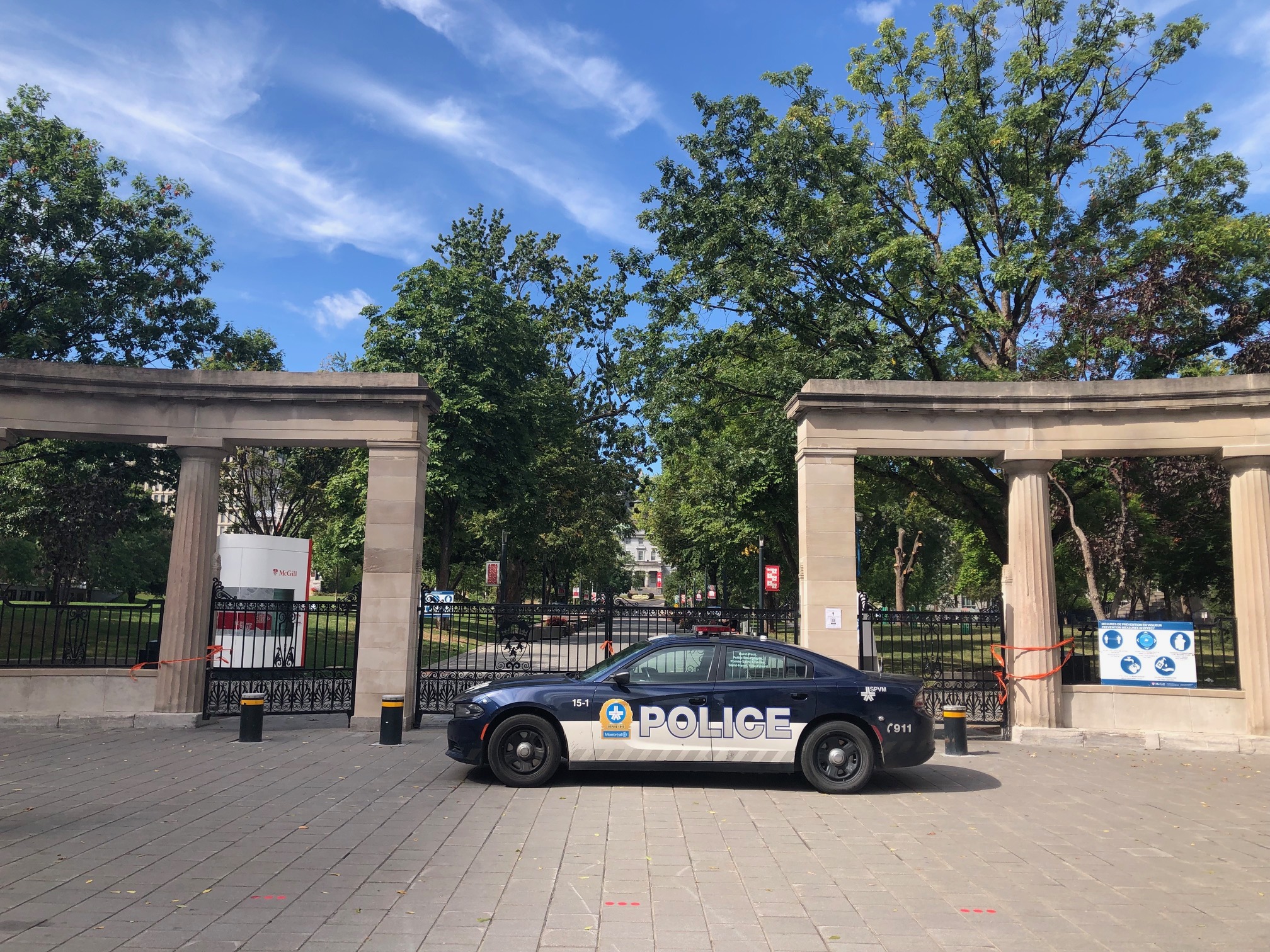
At approximately 1:45 a.m. on Sept. 18, the Service de Police de la Ville de Montréal (SPVM) responded to a call about an assault on Sherbrooke Street, not far from McGill’s Roddick Gates. The SPVM reported that two men, of 20 and 23 years of age, were the victims of a stabbing. The incident may have involved other people; as of yet, there is evidence of three or four suspects fleeing the scene. The two victims suffered injuries to their upper bodies and were immediately rushed to the hospital. While the 20-year-old is reported to be in a stable condition, the 23-year-old passed away on Sept. 18. The SPVM is currently investigating the details of the event.
The morning of Sept. 18, many members of the McGill community were surprised to find the lower area of the downtown campus cordoned off and Sherbrooke Street flooded with police vehicles. Orange police tape ran along the campus perimeter and a police car was parked to block off the Roddick Gates. The stabbing incident occurred only a few hundred meters from McGill’s McLennan Library. Avery*, a U3 Science student who regularly stays at the library late, spoke to The McGill Tribune about the incident.
“I [am] so surprised because I was here yesterday night, and late as well,” Avery said. “[I] did not see anything. [But] now after what happened, I would not stay too late in the library.”
Avery was one of many students on campus that morning—and was not the only one to express concern about campus safety. Alier Magok, U0 Science, had not heard about the stabbing until he arrived on campus only to find most of it sealed off.
“I did not know what had happened,” Magok said. “But [then], when you first open Reddit and see ‘stabbing,’ it’s crazy. Nobody knew, the police hadn’t released anything, […] but you do not feel as safe because [of] everything happen[ing].”
The homicide was not the first violent incident that occurred close to McGill this year. Avery recalled an incident that occurred in May 2021, where a 21-year-old man was stabbed inside the McGill metro station. Despite sustaining injuries to his upper body, the victim survived. Avery reflected on how this increase in violence has made her feel.
“Recently we have been seeing a lot of stabbing occurring especially on St. Catherine,” Avery explained. “Back in May, there was a stabbing at the McGill metro, so that’s why I am not very surprised this is happening. It has been occurring a lot [near campus]. We thought that it was safe.”
Frédérique Mazerolle, McGill media relations officer, relayed the SPVM’s statement that the Sept. 18 incident did not have any connection to McGill.
“According to SPVM, an altercation unrelated to McGill took place downtown […] during the very early hours of Sept. 18,” Mazerolle wrote in an email to The McGill Tribune. “For a brief period, the surrounding area was restricted due to the police operation. Despite rumours circulating on Twitter, the investigation presented only [a] minor inconvenience to our community.”
While acknowledging the safety of the McGill community as the school’s first priority, Mazerolle explained that the school did have a department dedicated to safety on campus.
“McGill University, through the Campus Public Safety Department, […] offers services on a 24-hour basis to all members of the McGill community, such as safety escorts within certain limits to all students and staff at both the downtown and Macdonald campuses.”
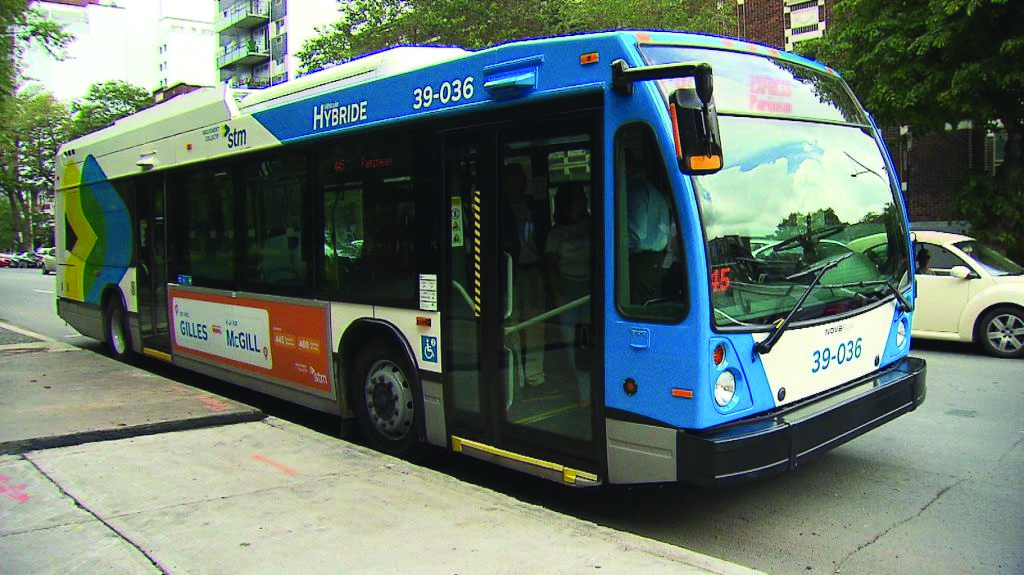
Though the Students’ Society of McGill University’s (SSMU) WALKSAFE and DriveSafe services were recently halted, one nighttime security service available to students is the Société de Transport de Montreal’s “Between Stops” program. The service runs as of 7:30 p.m. or 9:00 p.m. at different times of the year and allows bus drivers to let passengers off between stops if bus stops are too far from a passenger’s destination.
*Avery’s name has been changed to preserve anonymity.
Major technical difficulties arose during the Students’ Society of McGill University (SSMU)’s virtual Activities Night on Sept. 13, leaving the approximately 2,000 registered student participants confused. The online event platform Gather.Town crashed due to the high volume of participants, though organizers have since suggested that there is more to the story.
The w platform malfunctioned and experienced a system overload when it opened its doors to the thousands of participants. The system also experienced several glitches—room hosts would frequently freeze and participants struggled to access the different booths.
In an interview with The McGill Tribune, Karla Heisele Cubilla, SSMU vice president (VP) student life, explained that her team chose Gather.Town—as opposed to Zoom or Eventus, which were used for last year’s activities night—to host the event in hopes of delivering a more engaging online experience.
“We need to have a platform that is going to engage students, because really, Eventus did not work,” Heisele Cubilla said. “It was an expensive platform and it did not connect the groups with the students. [An] in-person fair was just not possible. In June, I reached out to McGill, hotels, and the Bell Centre, and everyone said no. [I heard from some of my staff that] Gather.Town was perfect and super interactive.”
Despite discussing capacity limits with Gather.Town executives, who recommended purchasing two spaces for the event, the platform was overwhelmed within minutes of the event’s start.
“We had around 1,200 registrants two days before the event, but two hours before the event we had a total of 2,267 students registered,” Heisele Cubilla explained. “[Our understanding was that] once capacity was reached in one of the worlds, there would not be a failure of the system, students just have to wait in a waiting room. The day of the event, at 4 p.m., 1,500 people signed in at the same time, we saw major lag, and [the first space] collapsed.”
SSMU organizers immediately began exploring troubleshooting options. Some club executives took matters into their own hands, coming up with alternatives on the fly, to connect via alternative means.
“After talking to many peers and executives from other clubs, I realized that the technical difficulties I faced using the platform were widespread,” said Liam Lynch, McGill Pre-Law Students’ Society Mock Trial president. “Once we realized that we were not able to get to our booth, we quickly set up a Zoom meeting open to all students and shared the meeting invitation through our social media channels.”
According to Heisele Cubilla, SSMU is currently planning a second activities night to make up for the first one’s shortcomings.
“We refunded all the community groups that paid,” Heisele Cubilla said. “I communicated to all the student groups what was happening, and I emailed all the students apologizing. Although there were technical difficulties outside our reach, we are still responsible to make sure that student life thrives. I have partnered with Campus Life & Engagement, and we have a team of six people working on Activities Night 2.0 for mid-October.”
The reaction to the event among student group leaders varied. Some, like Lea Baroud, vice president media and communications of the Arab Students’ Network, attributed the failure to uncontrollable technical circumstances.
“We found that the initiative of having a virtual […] booth to interact with students was a really creative one that could have replicated the experience of an ‘ordinary’ activities night,” wrote Baroud in a message to the Tribune.
Others worried about the impact that a failed Activities Night will have on club recruitment and outreach.
“I’m worried that not every SSMU club had sufficient means to connect with new students or make their name known on campus,” Lynch wrote to the Tribune. “As a result, some new or smaller organizations may have missed their chance to gain valuable new members.”
Montreal’s bustle is returning after months of rigid COVID-19 restrictions, yet the Société de transport de Montréal (STM) ridership remains remarkably low. As a result, in August, the regional transit board asked the STM to cut $276-million from its budget over the next three years. Recently, the STM proposed cutting $114-million of the funds currently allocated to operations, a decision that would affect the quality and accessibility of services offered to STM riders. Although cost-cutting will be necessary to rebuild the economy post-pandemic, underfunding the STM threatens to leave behind regular commuters. The City of Montreal must reconsider its 2021 budget allocation to respect the communities most reliant on the STM.
The STM is not without its problems, however: Notoriously inefficient, transit routes have gone largely unchanged over the past decade, resulting in accessibility issues for commuters—especially those from Montreal’s North and South Shores, areas primarily inhabited by low-income and racially diverse communities. Some logistical elements of STM services are outdated as well: To renew OPUS cards, for example, riders must go in-person to a metro station or to select pharmacies. This process is unnecessarily complicated when compared against Toronto’s PRESTO card system, which allows riders to manage their accounts entirely online. With adequate funding, the STM could capitalize on technological advances, make services more accessible, and help restore ridership levels—which would mitigate the transit sector’s current financial crisis. The municipality’s decision to target the STM, a service in evident need of revamping, inspires questions about the depth of Montreal’s commitment to equitable and efficient tax dollar spending.
The proposed STM budget cuts also raise ethical questions regarding the city’s environmental goals. Montreal is one of Canada’s greenest cities, but cutting funds for a system so crucial to emission reduction contradicts Projet Montreal’s supposed commitment to sustainable development. Even if the STM decided to keep the $114-million in the budget, that alone would not be able to cover the cost of creating new metro lines or implementing long-term environmental projects. Still, allocating funds to green initiatives while reducing the efficiency and accessibility of transit services is counterintuitive—especially given the budget’s three-year timeline.
As universities and businesses resume in-person activity, those living beyond Montreal’s downtown core will rely more heavily on STM busses and metros. The city’s lack of alternate transportation options means that riders will have to deal with the potential consequences of underfunding, including prolonged wait times or outdated service renewal options. Since high living costs continue to push some racialized communities away from the downtown core, the effects of slower STM operations will be felt disproportionately. The municipal budgetary plan highlights a troubling pattern of Montreal’s municipal public service policies neglecting to adequately serve marginalized communities.
Attention to budget reform has dominated recent political debates. Despite outcry from Montreal locals to defund the police in 2020, the city’s 2021 budget boosts funds to the police. Montreal’s law enforcement and transit systems disproportionately impact marginalized communities, yet the city’s 2021 funding allocation fails to reflect that in their budget. If the city is truly committed to meeting community needs, fiscal policies should support, not hurt, those most impacted by the public service sector.
If Montreal’s budgeting fails to reflect public demand in areas as uncontroversial as transit, the possibility of seeing meaningful structural reform in law enforcement is far-fetched. City officials must be receptive to the needs and voices of vulnerable community members, even in the face of economic pressure. Otherwise, those most affected by the service sector’s shortcomings will be left to suffer the consequences of retrenchment.
A week after their home opener defeat to Laval, the Martlets took to the pitch in hopes of earning their first points of the 2021-2022 season. While they hoped for a win, the Martlets came home with a singular point following a 0-0 draw to UQAM. Similar to the game versus Laval, McGill played well in the first half but lost their shape and patience as the game wore on. UQAM was able to slow down McGill’s build-up and the game entered halftime at a stalemate that neither team seemed ready to break. In the second half, the Martlets came out energized, playing long balls and pressing high. Despite several high-quality chances in front of goal, the Martlets were unfortunately not able to capitalize.
“We deserved a better fate,” head coach Jose-Luis Valdes said in an interview with McGill Athletics. “We didn’t necessarily have a lot of possession and turned the ball over too much, but we didn’t allow them too many scoring opportunities in the first half. After the intermission, we decided to press and that gave us a little more confidence, which resulted in our side getting the ball higher up-field and created more chances to score.”
According to spectator Shaz Kassimali, U4 Science, McGill’s press on offence added an energy in the second half that was noticeable from the stands.
“The girls’ effort was relentless, they pushed through till the end, and their resilience is inspiring and admirable,” Kassimali said.
In addition to the team earning their first point of the season, first-year goalkeeper Brenna Bordeniuk earned her first McGill clean sheet. Bordeniuk delivered a commanding display in nets, making a key save from close range on UQAM forward Eve Levesque at the end of the first half. Second-year team captain Olivia Mazzarello also spearheaded a talented backline, helping Bordeniuk with added protection.
“I think we were able to create some more goal-scoring chances,” Mazzarello wrote in a message to The McGill Tribune. “We’re going to continue looking to improve our creativity up top and working on our collective play all around.”
The game was the first of a doubleheader with the men’s team, yet the stands only started to fill toward the end of the Martlets’ game. The men’s team went on to win behind two incredible penalty saves, which are proven to be influenced by crowd noise.
“The energy in the stands was impeccable and really affected the outcome of the game,” said Safa Khalifa, U1 Arts, who attended the men’s game. “Everyone was standing and cheering for even the smallest things, saves, steals, good passes [….] I think it really encouraged the guys on the team to keep doing what they do. The crowd’s passion really motivated the team to score that game-winning goal.”
The Martlets began a series of away fixtures with a 3-0 win on Sunday, Sept. 19 versus Université du Québec à Trois-Rivières (UQTR). In a little under two weeks, on Oct. 1, the Martlets will return home to face rival Concordia under the Molson Stadium lights at 6 p.m. A packed crowd certainly would help spur our Martlets on to their first home win of the season.
Moment of the Game
In the 58th minute, first-year forward Annika Schmunk forced a top-drawer save from UQAM’s Andreanne Dubeau to keep the game at 0-0.
Stat Corner
The Martlets went into this fixture having lost their last three contests against UQAM, dating back to 2019.
Quotable
“It feels great and it’s motivating because we are expecting to get a lot more wins and [to] just keep getting better as a team,” said first-year defender Stephanie Hill regarding their first point of the season.
There was once a time when the terms “Pride” and “Chinatown” would not be associated unless you were talking about a restaurateur’s delight in the quality of their har gow (Cantonese dumplings). However, these days in Montreal’s Chinatown district, pride has a new meaning.
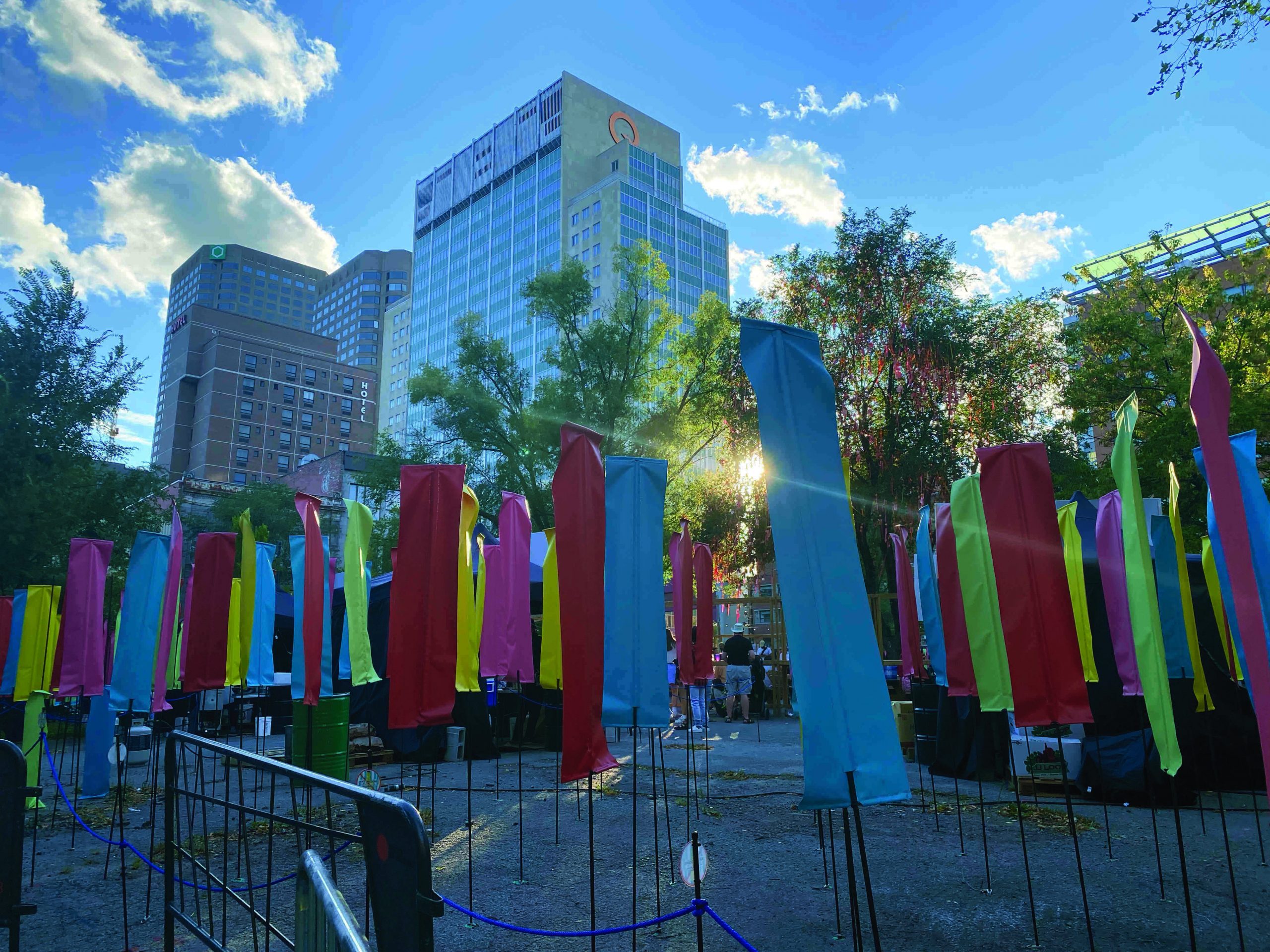
On Sept. 12, queer folks and allies united at Place des Souhaits for “Fierté au Quartier Chinois,” an event organized by Sticky Rice magazine, to celebrate Chinatown’s first pride and to mark the magazine’s one-year anniversary.
In an interview with The McGill Tribune, Viet Tran, Sticky Rice’s editor-in-chief, explained the importance of the event for Montreal’s queer Asian community.
“It became necessary to break the silence around [being queer and Asian],” Tran said. “What has been expected from Asian folks was to be quiet and to make ourselves discreet.”
Sticky Rice magazine explores what it means to be an Asian Canadian by highlighting the experiences of the Asian diaspora communities across Canada. Through essays, interviews, films, and other mediums, the magazine promotes an ever-changing dialogue around Asian-Canadian culture and identity.
Sticky Rice was founded in 2020, when anti-Asian hate crimes were on the rise. Amid this difficult period, the team decided it was time for Asian-Canadians to express themselves creatively from a place of vulnerability and authenticity.
The challenge to explain and understand what queer folks experience in predominantly Asian spaces is a difficult one, as Asian cultures are not homogenous. All with their own traditions, values, foods, belief systems, and people, Sticky Rice and its contributors recognize that they cannot speak for the experiences of all queer Asians.
“It’s not a secret that older generations are known to be more conservative with regard to sexual diversity,” Tran said. “There’s also something to be said about the relative lack of jargon in many Asian languages to address LGBTQ+ issues. We’re hoping that by giving queer Asians the permission to celebrate themselves in a more traditional neighborhood will inspire them to continue taking up space.”
Tran felt it was important to invite people from all demographics to the event.
“I do think that in any culture in which the pillars of family life sometimes take priority over individual differences, there are more efforts put into calling in people from all generations,” Tran said. “It was really important that this event be multi-generational, because the goal was to build bridges between younger queer demographics, local business people, and their legacies.”
Last weekend’s event featured performances from Montreal-based artists Hua Li, Waterboi, Miranda Chan, Beau Gomez and Die Nasty, Molly Gum, Frantz Lin, and Kai.
Frantz Lin described the significance of the event for him and others involved.
“As far as I know, this was the first Pride in Montreal’s Chinatown, period,” Lin said. “It’s historic. It’s pretty important for Asian and Chinese youth to take our energy and community to partake in and claim Chinatown.”
Attendees enjoyed Asian street food and drinks provided by the on-site Asian Night Market and also learned about the Chinatown area through community-led walking tours.
Tran described the significance, and importance, of holding this event in Chinatown.
“It’s a neighbourhood that harbours a lot of cherished memories for us and our families, so we wanted to really pay respect to its history and to the resilience of its culture through guided walking tours, and by re-appropriating the space through an Asian-led party,” Tran said.
Sticky Rice’s second volume focusses on opening up the conversation around what it means to be Asian and queer. Titled (BE)LONGING: The Queer Edition, the volume showcases queer Asians from all backgrounds who have not historically been centred in mainstream 2SLGBTQIA+ platforms.
“As a musician of Asian descent, it also meant a lot to have such a diverse audience full of allies alongside the intergenerational support I felt from other Asians in the audience,” Montreal-based performer Hua Li said. “Sticky Rice highlights the margins of the Asian experience and gives us the space to break free from the model minority myth.”
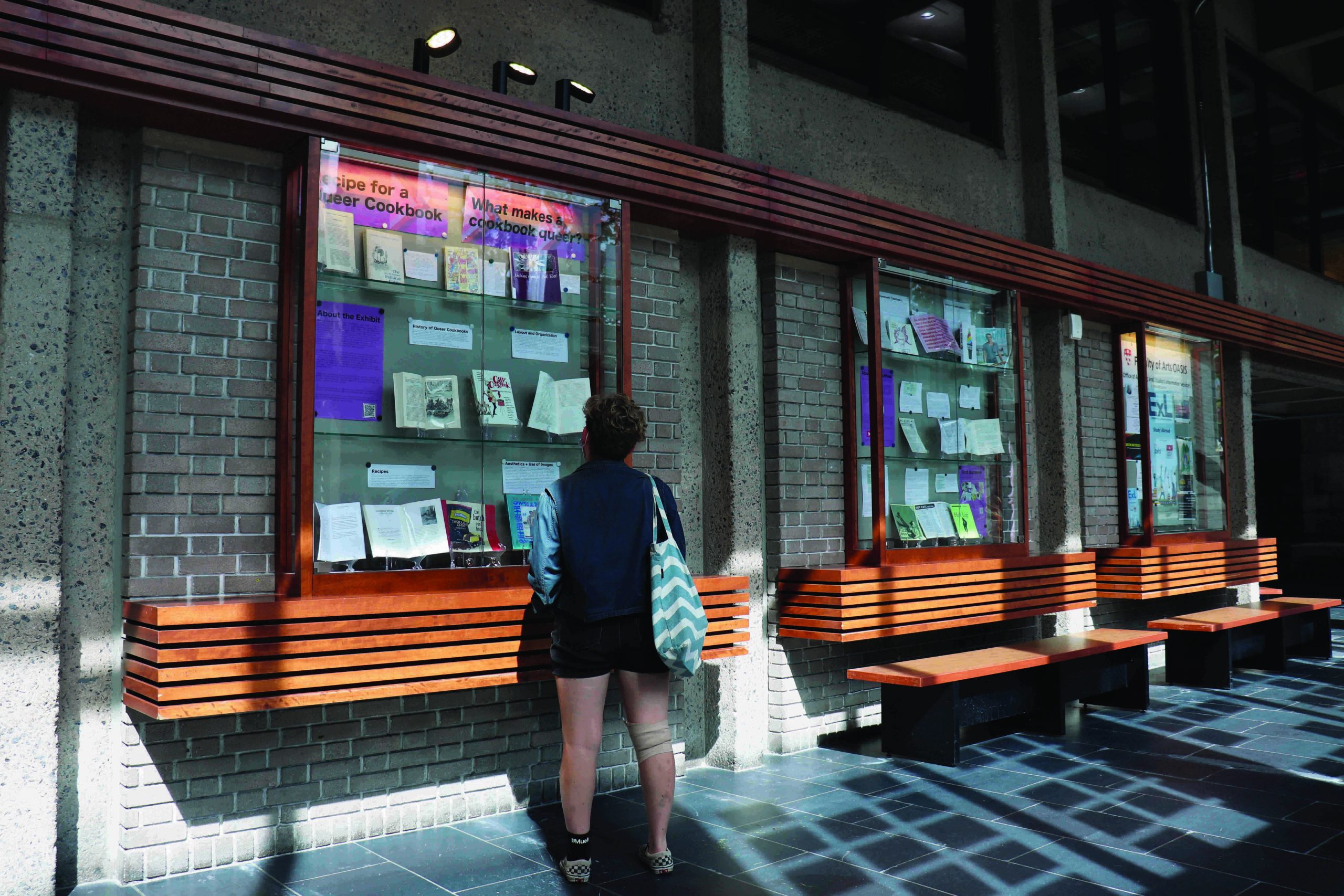
Up until Dec. 20, students walking down the Leacock corridor will notice a new addition to the glass cases lining the wall: The “A Recipe for a Queer Cookbook” exhibition.
Curated by Alexandra Ketchum, a faculty lecturer at McGill’s Institute for Gender, Sexuality, and Feminist Studies, the exhibit showcases more than 20 cookbooks that, for one reason or another, can be described as queer.
Ketchum’s interest in queer cookbooks stems from her research into feminist restaurants. Her love for the subject was born out of a formative experience from her undergraduate years, when she visited Bloodroot, a self-proclaimed feminist restaurant and bookstore located in Bridgeport, Connecticut. Ketchum ended up writing about the spot in her undergraduate honours thesis and eventually pursued her master’s and PhD at McGill, where she studied feminist restaurants, cafes, and coffee houses in North America.
The exhibit itself is inspired by lesbian feminist restaurant owners, some of whom put together their own cookbooks.
“Bloodroot [has produced several cookbooks],” Ketchum said. “The first one was in 1980, called The Political Palate. In many ways, it’s like a political manifesto and a cookbook.”
While she has many research interests, Ketchum explained that amidst the difficulty of the pandemic, putting together the project was an opportunity to have fun with her research.
“I’m into these cookbooks as artifacts and what they tell us about history, what they tell us about different cultural movements,” Ketchum said. “It allows me to ask […] deep questions about identity, queerness, politics, access to publishing and so forth, but it was also just fun.”
When asked what exactly makes a cookbook queer, Ketchum pointed to the importance of the viewer’s own interpretation.
“Part of the exhibit was to […] invite viewers and readers […] to think about, ‘what do I think makes it queer?’” Ketchum said.
However, there are some characteristics Ketchum includes in her own personal definition of a queer cookbook. For example, the authors of the book must, in some way, identify as part of the 2SLGBTQIA+ community, and the cookbook should connect to queer communities—be it through fundraising efforts, raising awareness about queer issues, or gathering recipes from community members.
But overall, the cookbooks vary––some are plant-based, some have religious affiliations, and some emphasize sexuality and include nudity. A few of Ketchum’s personal favourites include The Kitchen Fairy’s Be Gay! Eat Gay!: The Gay of Cooking and Lagusta Yearwood’s Sweet and Salty.
While most of the cookbooks on display come from her own personal collection, Ketchum also collaborated with the Quebec Gay Archives and Quebec Lesbian Archives, who provided the zines. Beyond loaning material for the exhibit, Ketchum wanted to collaborate with the archives in order to inform viewers that they are available for research on queer history
“[Viewers or readers] can scan the QR codes [in the exhibit] and find out how to make an appointment where they can see what other collections are available, or what’s digitized,” Ketchum said. “And all of a sudden, archives don’t feel like these spaces that are behind locked doors that you can never go to.”
For those who are not able to visit the physical exhibit in Leacock, the digitized version is available online at The Historical Cooking Project, a blog Ketchum has been editing since 2013.
Since 1821, McGill University has climbed the ranks and established itself among Canada’s high-performing research institutions. It is no understatement that McGill professors and alumni went on to excel in their respective fields, particularly in scientific domains.
Ernest Rutherford, who was a professor of experimental physics at McGill, conducted world-renowned research on the concept of radioactivity. In 1908, he was awarded the Nobel Prize in Chemistry for his work, which included coining “radioactive half-life” and distinguishing between alpha and beta radiation. Past these remarkable achievements, The McGill Tribune has compiled a list of lesser-known accomplishments that have irrevocably altered and advanced various scientific disciplines.
The discovery of radon in 1899
Anyone who has taken basic high school chemistry courses will have come across this noble gas in the periodic table. With an atomic number of 86 and an atomic weight of 222, radon sits just below xenon, and forms as a result of the radioactive decay of uranium. Radon was the fifth radioactive element to be discovered, with the first four being uranium, thorium, radium and polonium. Rutherford, after whom the physics building on campus is named, made yet another groundbreaking discovery when he identified the noble gas alongside fellow McGill professor Robert B. Owens.
The development of the first artificial cell
Biological cells are the building blocks of life: A group of cells are arranged into tissues, which form the organs that make up nearly every part of our bodies. In 1957, Thomas Chang, a then-undergraduate student in the Faculty of Science, engineered the world’s first artificial cell that imitates one or more actions of a biological cell. Chang developed an artificial cell that was able to carry haemoglobin as efficiently as a red blood cell does.
The first internet search engine
Imagine having thousands of files stored on a computer with no way to easily sift through them to find a specific result. Fortunately, search engines exist to avoid this issue. A search engine probes the information stored on a computer to pick up the specific data the user requests. Examples of search engines include web search engines like Google or Yahoo, for example, and are designed to find and display information that was already stored on the World Wide Web. The first web search engine was developed by Alan Emtage in 1990, a postgraduate student at the School of Computer Science, after he was tasked, along with a team of other students and staff, to connect McGill to the internet.
The first veterinary pathology course
Often dubbed the “father of modern medicine,” Sir William Osler completed his medical studies at McGill, receiving his MDCM degree at the age of 22 in 1872. He went on to complete his postgraduate training and returned to McGill in 1874 to pursue professorship. Osler was the first professor to teach a course on veterinary pathology in North America with the aim of furthering his students’ understanding of the origin and development of diseases. He later joined the University of Pennsylvania faculty, became one of the four founding fathers of the Johns Hopkins School of Medicine, and established the first formal residency program there.
The invention of Plexiglass
Plexiglass, also known as acrylic, is a chemical compound invented by William Chalmers, PhD ‘30. The material became widely used in the manufacturing of airplane windows during the Second World War and has also seen a revival throughout the COVID-19 pandemic—where it was quickly implemented in vaccination centres and grocery stores to curb the transmission of the virus. Due to its strength and durability, plexiglass is typically sold as a shatter-resistant alternative to glass. Common applications of plexiglass include aquariums walls, building windows, and greenhouse panels.
The discovery of cytokine interleukin-2
Cytokines are a family of small proteins secreted by cells that send messages to the immune system to perform a certain function, thus playing a pivotal role in regulating the body’s immune response. The ‘interleukin-2’ hormone entered scientific discourse when a team of researchers were studying the impact of retroviruses on human disease; the hormone was necessary for the maintenance of T-cells in the lab. This cytokine, later referred to as ‘interleukin-2,’ was discovered by McGill researcher and Royal Victoria Hospital’s surgeon-in-chief Dr. Lloyd D. Maclean in 1965.
The creation of MUSIC/SP
Punch cards, physical pieces of paper with lines of code punched into them, were once used to store digital data. However, the Multi-User System for Interactive Computing/System Product (MUSIC/SP), formerly known as “McGill University System for Interactive Computing,” was invented as a time-sharing operating system that allowed students and university staff to enter and extract information from the modern, newly developed terminals. Released in 1972, MUSIC/SP was able to expand globally. By the time the operating system became obsolete due to more efficient methods of data storage, it had already reached 250 research institutions and schools.
The invention of the Montreal Procedure
The Montreal Procedure, used to treat epilepsy patients, was developed in 1952 by renowned neurosurgeon Wilder Penfield, a then-professor at McGill and founder of the Montreal Neurological Hospital and Institute along with neurologist Herbert Jasper, who was a professor of experimental neurology. Epilepsy is characterized by groups of nerve cells signalling in an abnormal manner, causing seizures. The Montreal Procedure is an epilepsy treatment that attacks the nerve cells that cause these seizures. During the operation, patients are given a local anesthetic, thus remaining conscious throughout the procedure. The surgeon would then use electrical brain stimulation and let the patient inform them of the sensation they receive from such stimulation, allowing the surgeon to identify and remove the tissues affected by the seizure.
Names like McCall MacBain Arts, Redpath Museum, or Stewart Biology may bring to mind lecture halls and study spots, but all these McGill landmarks have at least one more thing in common: They all use concrete in their construction. Just about every infrastructure project in Montreal, and across the world, relies on the sand and gravel mining industry. These materials are used as aggregate—a mixture of sand, gravel, and crushed stone used to produce construction materials such as concrete and asphalt—and are then incorporated in infrastructure projects such as bridges, roads, and walkways.
At around 23 billion tonnes annually, concrete is the second most consumed material in the world, after water. The sand and gravel used in concrete production are the most mined materials globally, with 32 to 50 billion tons extracted each year. Despite the size and scale of this industry, the human and environmental impacts of sand and gravel mining, especially in low- and middle-income countries (LMICs), are not yet well understood.
To fill this research gap, Mette Bendixen, assistant professor in the Department of Geography at McGill, and her colleagues set out to review and assess the effects of sand and gravel mining in LMICs, especially as they pertain to the United Nations Sustainable Development Goals (SDGs).
“Sand is definitely a complicated topic that interacts with fields including science and health,” Bendixen said in an interview with The McGill Tribune. “It is a global challenge that is often overlooked. So many people don’t know that it’s such a highly used commodity.”
In an article published in One Earth, Bendixen and other researchers from institutions around the world argue that aggregate mining can alter local topography and damage surrounding freshwater and marine ecosystems. Not only do these mining activities affect the health of the environment and its flora and fauna, but they also affect human health. Some of the potential health effects of sand and gravel extraction include respiratory diseases from the inhalation of small crystalline particles, as well as exposure to environmental contaminants such as arsenic, lead, and cyanide.
The communities most impacted by sand and gravel mining are often the most marginalized in their local contexts. The article notes that the low-income and uneducated workforce is heavily dependent on aggregate extraction, and that these populations are particularly vulnerable to poor health outcomes such as lung cancer and silicosis. Artisanal and small-scale miners in LMICs, controlled by sand mafias, are often criminalized and subject to violence as well.
“[Miners] are not criminals. They are just trying to make a living,” Bendixen said. “Actually, sand and gravel mining can provide a relatively good income.”
Bendixen and co-authors explain that communities, especially in LMICs, need extractive industries to provide jobs and build infrastructure, which are key elements of the United Nations’ SDG. For instance, children from these families can afford to go to school, furthering SDG 4’s goal of quality education for all. For these reasons, Bendixen believes it is not productive to ban mining activities outright, but instead advocate for better solutions, including circular material usage—a concept supporting the necessity of reutilizing already-consumed resources.
“We, in high-income countries, have the moral obligation to reuse the material we already have,” Bendixen said. “We should try and look for other alternatives.”
This call to action begs the question: Do McGill’s buildings and roads use materials that are eco-friendly? Bendixen thinks not, although she says it is often hard to tell where building materials come from.
“I would be surprised if the resources were sustainably sourced,” Bendixen said. “There are very few incentives to use recycled materials.”
Bendixen compared the situation to the looming threat of climate change, and believes that it is the responsibility of governments to implement solutions.
“We need political leadership,” Bendixon said. “Just as we are committing to limiting global warming to 2°C, we must commit to the circular approach, to reusing materials.”
Content warning: Discussion of physical and sexual violence.
Two volunteer-based security services on campus are halting operations, with a firm date for resumption yet to be determined. Run by the Students’ Society of McGill University (SSMU), WALKSAFE announced the suspension of their regular services on Facebook Sept. 13, following SSMU DriveSafe’s similar announcement on Sept. 3.
WALKSAFE president Leon Picha, U2 Management, attributed the shutdown to limited staffing and phone line complications during the SSMU University Centre’s multi-year closure.
“As the University Centre moved, we did not have access to our landline for some time and we actually do not have access to the WALKSAFE phone,” Picha said. “But also we do not have enough volunteers. A lot of our volunteers have graduated and, if we were to operate, we predicted that volunteers would have to do three times their original commitment.”
Tiffany Leung, vice president (VP) operations at DriveSafe, also blamed their services’ suspension solely on their inability to access the landline. The issue of DriveSafe’s hiatus is currently being handled by SSMU representatives.
While both services have been out of day-to-day operations since March 2020, they have still provided security services by special arrangement, like both services’ helping out during Frosh Week and Drivesafe’s partnership with the Montreal Student Initiative for COVID-19 Response and Relief.
SSMU vice president (VP) student life, Karla Heisele Cubilla, explained that COVID-19 has also played a role in disrupting the operations of services like WALKSAFE.
“The pandemic has been really rough on our services and our clubs,” Cubilla said. “The government keeps giving us updates daily, and it takes time to plan how a service is going to be run.”
According to Yossef Levin, Med 3 and former WALKSAFE volunteer, the service suffered internal difficulties such as understaffing even before the pandemic.
“When I was part of WALKSAFE during my bachelor degree, we operated on tight staffing, and often they would ask people to help fill out shifts,” Levin said. “Many of the executives would take on an excessive amount of shifts from what I remember [….] There were days when they had to cancel services because of understaffing. This happened every so often, especially in 2019.”
(Brian Schatteman / The McGill Tribune)
The shutdowns have left some newcomers to Montreal uncertain of how to stay safe on and around campus. Sarah*, U1 Arts and Science, was disappointed to hear that the security services on campus had been suspended.
“Coming from a small town, my family and I had concerns with a lot of what you hear about the city,” Sarah said. “But then looking at these services that McGill provides, and knowing that they existed, was quite comforting. Getting here, and realizing that they are not in operation, was a bit nerve-racking.”
Earlier this month, Sarah was walking downtown with her roommates when they witnessed an assault. She attempted to reach WALKSAFE the following evening.
“We saw this girl in front of us get aggressively groped,” Sarah said. “The next day, I had an appointment late at night and thought, ‘I should use WALKSAFE,’ but was not able to.”
The shutdowns come on the heels of grave campus incidents elsewhere in Canada. In the early morning hours of Sept. 11, an 18-year-old student at Western University in London, Ontario, died of injuries sustained in an assault on a street adjacent to campus. In addition, four separate cases of sexual assault were reported to Western campus authorities during the week of Sept. 6.
Lapses in current security offerings are unacceptable, argued U3 Arts student Mikaela Fasold. Remarking on the dwindling security options available to students, Fasold called on volunteers to rise to the occasion.
“Students now have even fewer resources […] short of building their own buddy system or gambling that campus security can always be there to provide protection,” Fasold said.
“The onus lies on all of us to step up.”
Emergency aid can be reached through a Security Services Safety Escort (Downtown: 514-398-30000. MacDonald campus: 514-398-7777). The Sexual Assault Center of the McGill Student’s Society hotline is 514-398-8500. McGill Students’ Nightline can be reached at 514-398-6246. SSMU WALKSAFE and SSMU DriveSafe are actively recruiting, see their respective Facebook pages for more details.
*Sarah’s name has been changed to preserve their anonymity.