Latest News

McGill, News

Professor rosalind hampton hosts talk on building anticolonial strategies

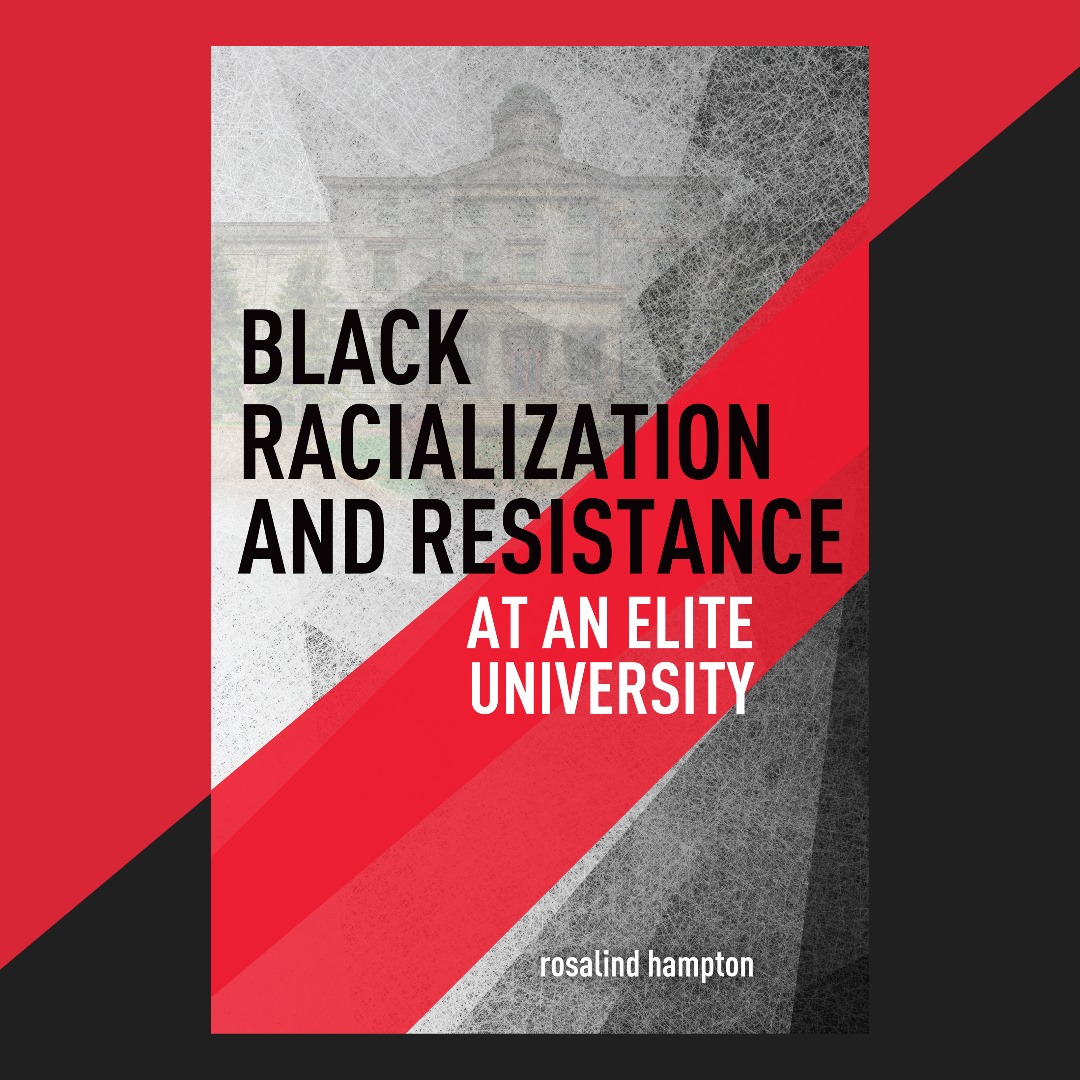
In combination with the Subcommittee on Racialized and Ethnic Persons (REP) and the Black Students’ Network (BSN), professor rosalind hampton hosted a virtual book talk and conversation on Jan. 20 to discuss her new book Black Racialization and Resistance at an Elite University. The book details the experiences of Black people studying and teaching at McGill University and examines how those experiences have been shaped by settler colonialism and racial capitalism. 

“Black people have attended and worked at the university since the 19th century,” hampton said. “As in Canada more broadly, this presence and the contributions of these people have largely been erased and excluded from institutional histories. My book contributes to correcting this erasure.”

Khalid Medani, associate professor in the departments of Political Science and Islamic studies, chair of the African Studies program at McGill, and member of the McGill Black Faculty Caucus, introduced professor hampton. 

“[Professor hampton’s book] gave me an understanding of the real struggles, marginalizations, [and] violence meted out against Indigenous people not only historically, but also in the university.” Medani said.

Medani commended hampton’s work on dispelling the division between African and Black studies. 

“Rosalind hampton allows us to be both African and Black, and both Black and African in a seamless way,” Medani said. “There are lots of structural, racist, and other institutional, historical barriers […] that have kept Africans and African studies apart from Blacks and Black studies.”

Hampton then opened the discussion to the audience and answered pre-submitted questions from attendees curated by BIPOC student moderators.

One audience member asked about the greatest challenge to Black and Indigenous inclusion at McGill University, noting the university’s history of exclusion

“Colonialism is the greatest challenge,” hampton said. “[It is] colonialism and the logics of European enlightenment around humans and around civilization and the ways in which the colonial project contradicts those ideals.”

Hampton elaborated on the inherent contradiction in colonial systems and institutions attempting to now include Black and Indigenous people. 

“If we think about the university and all of its wonderful liberal ideals, they can’t apply to Black and Indigenous people or it calls out the whole colonial project, or the whole project of racial capitalism that keeps racial hierarchy in place,” hampton said. “The way the institution of the Canadian university has dealt with that historically is just to leave us out of the picture, to pretend we’re not there because it’s too messy and complicated.”

Hampton also took issue with the idea and terminology of “inclusion” itself. 

“Do we really want to be ‘inclusions’?” hampton said. “Do we want to enter into a university that otherwise is the same old university doing that harm? Do we just want a seat at that table or do we want a profoundly different university? [Instead,] I think that we come in and we do claim space and we do fight for the opportunity to do the work that we want to do, but on the terms that start with us.”

Jadyn Normore, U2 Medicine and Health Sciences and member of the Qalipu First Nation, was one of the student co-moderators of the event. Normore said she left the event feeling empowered and more knowledgeable.

“The conversation that was had over the two-hour event made me realize the amount of microaggression and underrepresentation that occurs at my own university,” Normore said. “It is definitely something that everyone should be thinking and talking about, and this book should be on everyone’s reading list for the near future.”

Student Life

Meals For Milton-Parc adapts action to tightening guidelines

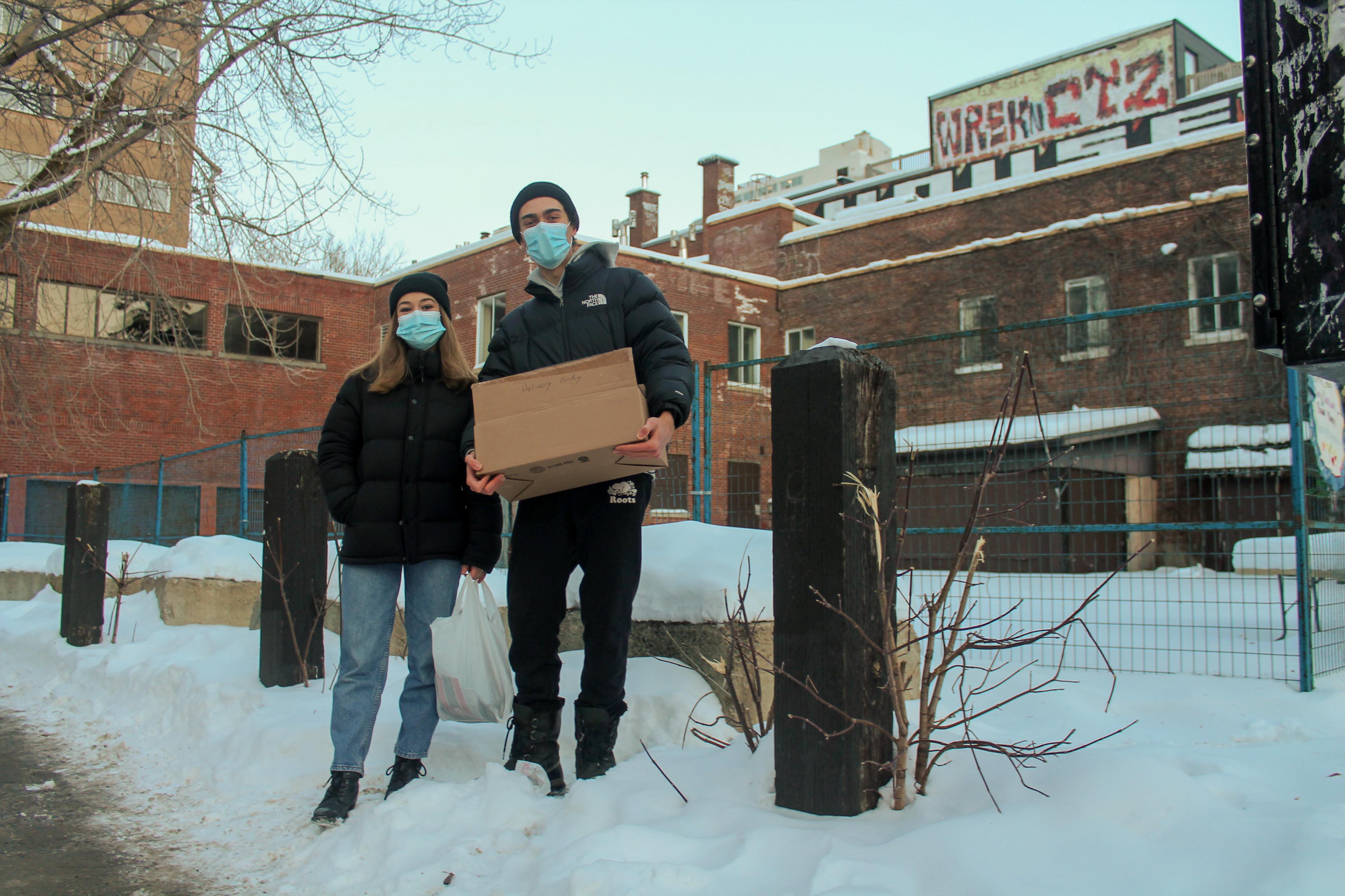
When Sophie Hart, U3 Arts, first developed Meals For Milton-Parc, she focussed on providing food and care packages to unhoused neighbours and highlighting the systemic issue of Indigenous overrepresentation in the unhoused population. Since The McGill Tribune last spoke with Hart in early October, the organization has distributed over 1,000 meals to unhoused Milton-Parc community members along with weekly care packages consisting of sanitary supplies, blankets, tents, and winter clothing.   

Due to the ongoing pandemic, however, the organization has had to constantly adapt to both the Legault Government’s COVID-19 guidelines and the cold weather. Since the drop in temperatures, Meals for Milton-Parc has been operating within local shelters, using their facilities to prepare food for their meal sharing initiative. Because of the surge of COVID-19 cases in the unhoused community since December, the government moved to limit shelters to operate at 20 per cent capacity. In the months since, Meals for Milton-Parc has shifted gears to find new ways to support and advocate for the unhoused community outside of the shelters. 

“Since the outbreak in December, everything has had to change,” Hart said in an interview with the Tribune. “I am so grateful for our incredible volunteers for being so open to the constant changes of our organization and their roles, because there is no way to have a structured plan during COVID-19.”

The initiative is operating with the safety of both their volunteers and the community members they serve in mind. To adjust to the complications of the newly imposed curfew, Meals for Milton-Parc is now handing out care packages three times a week, each containing a $15 gift card, two face masks, and two snacks. On Mondays, Wednesdays, and Saturdays, volunteers walk from Avenue des Pins to Sherbrooke Street, all the way down Parc Avenue, towards the downtown core. Each unhoused community member they come into contact with receives one care package. On these walks, volunteers also check in with community members to ensure that their efforts are best serving their needs. 

“This is super important because in this process we are showing our faces and showing that we care, and in doing this, we are hoping to create bonds and a community between housed neighbors and unhoused neighbors,” Hart said.

Hart also discussed the problems that the 8 p.m. curfew presents for unhoused community members. Instead of operating at their typical winter hours, shelters are now closing earlier and many are no longer offering overnight emergency beds due to the new guidelines. 

This includes The Open Door, a shelter located in the Milton-Parc neighborhood, which is now mandated to close at 9:30 p.m. While the city has made beds for the unhoused community members available in different locations throughout Montreal, including the East End, they are not accessible to the unhoused Milton-Parc community. As a result, many members have elected to sleep outside instead of leaving their neighborhood. John Tessier, an intervention worker at The Open Door, spoke to the Tribune about the city’s ill-designed plan. 

“The problem is that the government has people in offices, with no connections to the people we are serving and who do not know their needs, making the decisions,” Tessier said. “Instead, they should be trusting the people on the ground, the people who are well acquainted with the day to day problems and the needs to make these decisions.”

Since the implementation of these public health regulations, there have been fatal and devastating consequences. On Jan. 16, just hours after The Open Door shelter closed due to public health regulations, Raphael Andre, an Innu unhoused community member, froze to death only a few meters from the shelter. According to Tessier, Andre was the last person out of the shelter everyday for the past week and asked if he could stay overnight on Jan. 16.  

“There are so many different layers to this that are so unacceptable,” Hart said. “There is a lack of dignity and respect for our unhoused population and it needs to change on many levels within our community.” 

After public scrutiny, the government is allowing The Open Door to remain open overnight starting the week of Jan. 25. However, only 25 beds are allowed to be used, even though the shelter has the capacity to fill their 65 beds while remaining COVID-safe. 

To learn more or donate, visit Meals For Milton-Parc’s website.

McGill, News

Tribune Explains: McGill’s procedure for responding to sexual assault

Content warning: This article discusses sexual violence 

Recent events from within the McGill community have sparked conversations about McGill’s existing sexual violence response framework and its efficacy in delivering justice to survivors. The McGill Tribune/looked into how the university’s Policy Against Sexual Violence relates to the Code of Student Conduct and Disciplinary Procedures (the “Code”), and how these policies handle sexual assault allegations. 

What is the difference between a filing disclosure and filing a formal report?

To file a disclosure, a survivor shares an instance of sexual violence with the Office for Sexual Violence Response, Support and Education (OSVRSE). Disclosing does not trigger an investigation, nor does it require the survivor to describe the incident. Filing a disclosure does not automatically make it subject to the Codeit is up to the survivor to choose whether they wish to proceed with this step.

A report refers to a formal account or statement about sexual violence to university authorities, who will then begin a standard process of investigating the allegation.

If a survivor wishes to file a formal report, the Code of Student Conduct and Disciplinary Procedures is used as the disciplinary framework. The disciplinary measures outlined in the Code are only applicable if the survivor elects to file a formal report, not if they only file a disclosure.

What is McGill’s policy for responding to disclosures? 

McGill responds to disclosures filed through OSVRSE, although filing through Security Services or the Sexual Assault Centre of the McGill Students’ Society (SACOMSS) are other possible routes. Upon receiving a disclosure, the university works with the survivor and the appropriate university authorities in the time between disclosing and responding to ensure a safe living and working environment for the survivor. 

The university may also grant reasonable accommodations to the survivor, including exam or assignment deferrals, late withdrawal from a course without a transcript “W,” tuition reimbursements for withdrawn courses, priority access to Counselling Services, or a change in university residence. 

What is McGill’s policy for responding to formal reports?

Reports of sexual violence are filed with a Special Investigator, a McGill-employed,  impartial, trauma-informed person tasked with examining formal reports of sexual violence. The Special Investigator conducts and completes an investigation within 90 days of the date that the report was filed. The survivor always retains the right to not participate in the investigation. There is also no time limit of how long ago an incident happened for reporting an act of sexual violence.  

The survivor reserves the right to contact external legal aid or law enforcement authorities. Survivors can pursue private legal action alongside filing a report at McGill. Upon completing the investigation, the Special Investigator submits a final report to the Provost and gives a copy to the survivor and the respondent. The report will also include recommendations on the measures that should be taken, disciplinary or administrative, to address the report. 

What are the possible consequences and discipline outcomes?

Disciplinary actions will vary according to the nature and severity of the incident. The survivor has the option to express the impact that the sexual violence has had on their life through a written statement that can be submitted to disciplinary authorities. 

If the respondent is a student, disciplinary outcomes as defined in the Code can include an admonishment, a reprimand, limiting or removing campus duties and privileges, suspension, and even expulsion. Additional outcomes, such as education, training, counselling, and supervision, may also accompany the disciplinary measures. Before deciding whether to implement the measures, the university will consult with the survivor. 

What happens in the interim between receiving a report and coming to a resolution?

If a disclosure or report requires that immediate measures be put in place to ensure the safety of the survivor, the university will consult the individual before authorizing measures. Some measures may include voluntary actions agreed on by the respondent, limiting communication between the respondent and the complainant, devising alternate academic, extracurricular, residential or work changes, and temporarily excluding the respondent from campus.

religion, climate
McGill, News

Student groups write open letter concerning Religious Studies professor

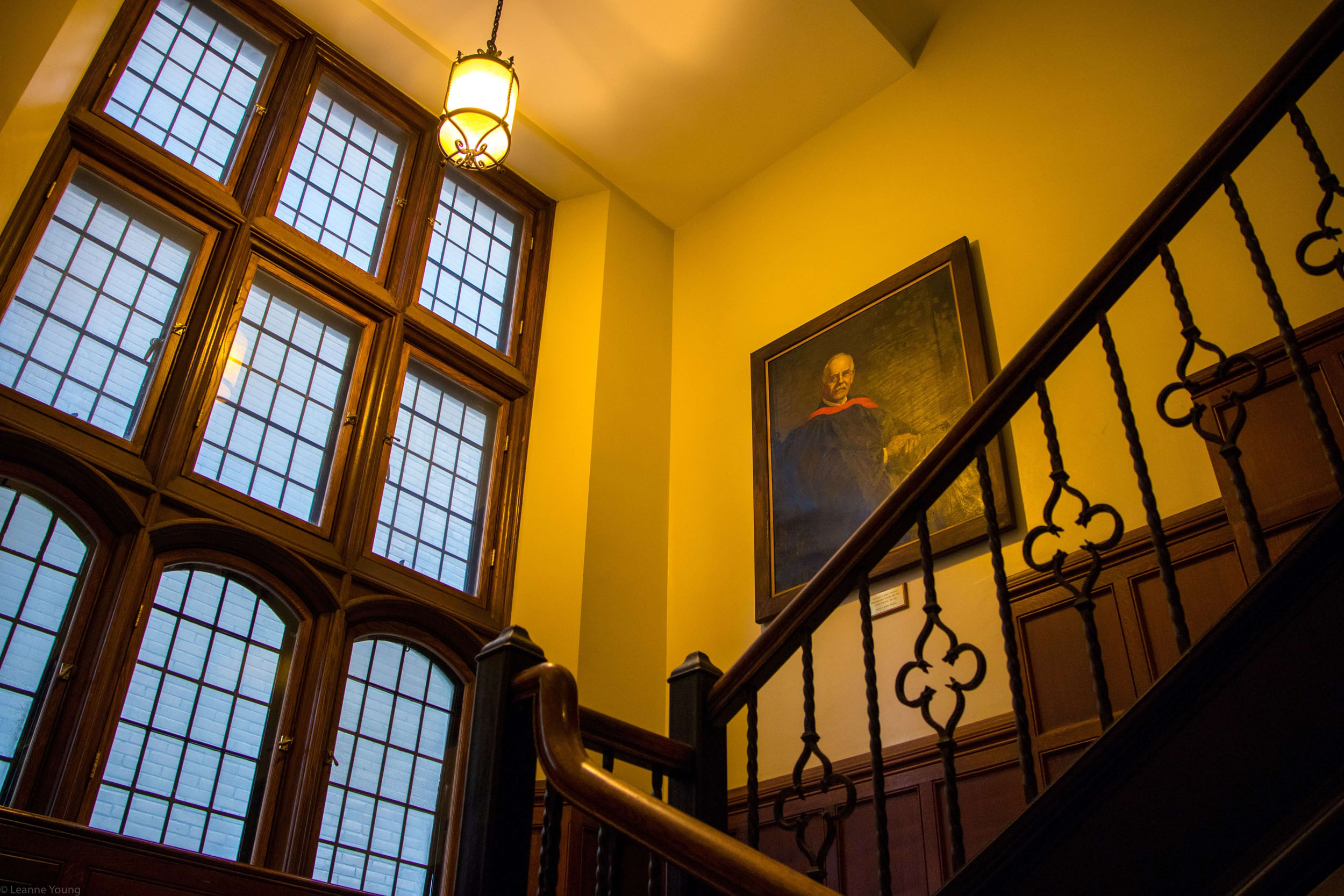
Five McGill student organizations—Religious Studies Undergraduate Society (RSUS), Theological Undergraduate’s Student Association (TUSA), Arts Undergraduate Society (AUS), Student’s Society of McGill University (SSMU), and Union for Gender Empowerment (UGE)—have signed an open letter outlining concerns about Douglas B. Farrow, a professor in McGill’s School of Religious Studies (SRS). The letter was spearheaded by RSUS, which said they had been receiving complaints about Professor Farrow’s conduct for years. It states that Farrow repeatedly makes discriminatory comments about 2SLGBTQIA+ communities and calls on the SRS to assign other faculty members to teach three of his courses, which are required for the Bachelor of Theology (B.Th.) program. Furthermore, the letter urges the SRS to remove his work from the William and Henry Birks Building lobby display cases. 

The letter further alleges that much of Farrow’s academic writing reflects discriminatory views and that in supporting and displaying his work the SRS is endorsing those views. It claims that both his class lectures and published work create an exclusionary environment by denying the legitimacy of 2SLGBTQIA+ identities. 

Mo Rajji Courtney, BA ’20 and UGE’s outreach coordinator, wrote in the letter that the UGE has also received a growing number of complaints about Farrow during the past several years, and especially since the McGill Preferred First Names Policy (PFNP) was implemented in 2013.

“Students, particularly queer and trans students, told us that they didn’t feel safe in his classes […] and that it was seriously affecting their mental health,” Rajji Courtney wrote in an email to The McGill Tribune.

The letter mentions students’ frustration with Farrow’s disregard for the PFNP, noting that in the section of Farrow’s RELG 333 syllabus about the policy, he says nobody has to use language that they disagree with. The letter argues he is implying that someone could “disagree” with one’s preferred first name or pronouns.

Brooklyn Frizzle, U2 Arts and SSMU Vice-President University Affairs, believes that homophobic and transphobic conduct should be the concern of all McGill undergraduates.

“It’s more important now than ever for all of us to consider how academic freedom is defined,” Frizzle wrote. “I think it’s also important to remember that concerns over bigotted teachers, whether racist, sexist, homophobic, or transphobic, have always existed [….] It’s only now that these concerns are gaining widespread attention thanks to the tireless efforts of marginalized students.”

Alexander Plant, U3 Theology and TUSA President, says that although professors should be allowed academic freedom, it should not be at the expense of students feeling welcome in the classroom.

“Professors have the right to free speech and to argue whatever academic point they wish,” Plant wrote. “However […], free speech does not mean the freedom to say anything you want. Rather it is the freedom to express one’s ideas and thoughts in a composed and thoughtful manner. It also means allowing opposing views the chance to be heard and responded to with respect.”

Matthew Hawkins, U3 Arts and RSUS VP External, who took one of Farrow’s courses, noticed the behaviour of the Farrow that was highlighted in the letter.

“[Professor Farrow] made it very clear that his opinion on subjects such as trans rights, [2SLGBTQIA+] rights, and reproductive rights, were the correct opinion, not just in a certain academic line of thinking […], but as a deeply held conviction that he expected us to agree with de facto,” Hawkins wrote in an email to The McGill Tribune. “Further, when he voiced those views, it was clear that it was also a statement on how he regarded the students of varying identities within his classroom.”

Professor Garth Green, director of the School of Religious Studies, will soon talk to representatives of the student societies involved and colleagues in the administration.

“The School, no less than the Faculty and the university as such, takes this open letter, and the charges within it, very seriously indeed,” Green wrote in an email to The McGill Tribune. “Just as it takes its responsibility to cultivate [a] continually safe and respectful and challenging and rewarding learning environment for all of its students [seriously].”

Art, Arts & Entertainment, Internet

MMFA’s ‘Survivance’ lives on through virtual exhibition

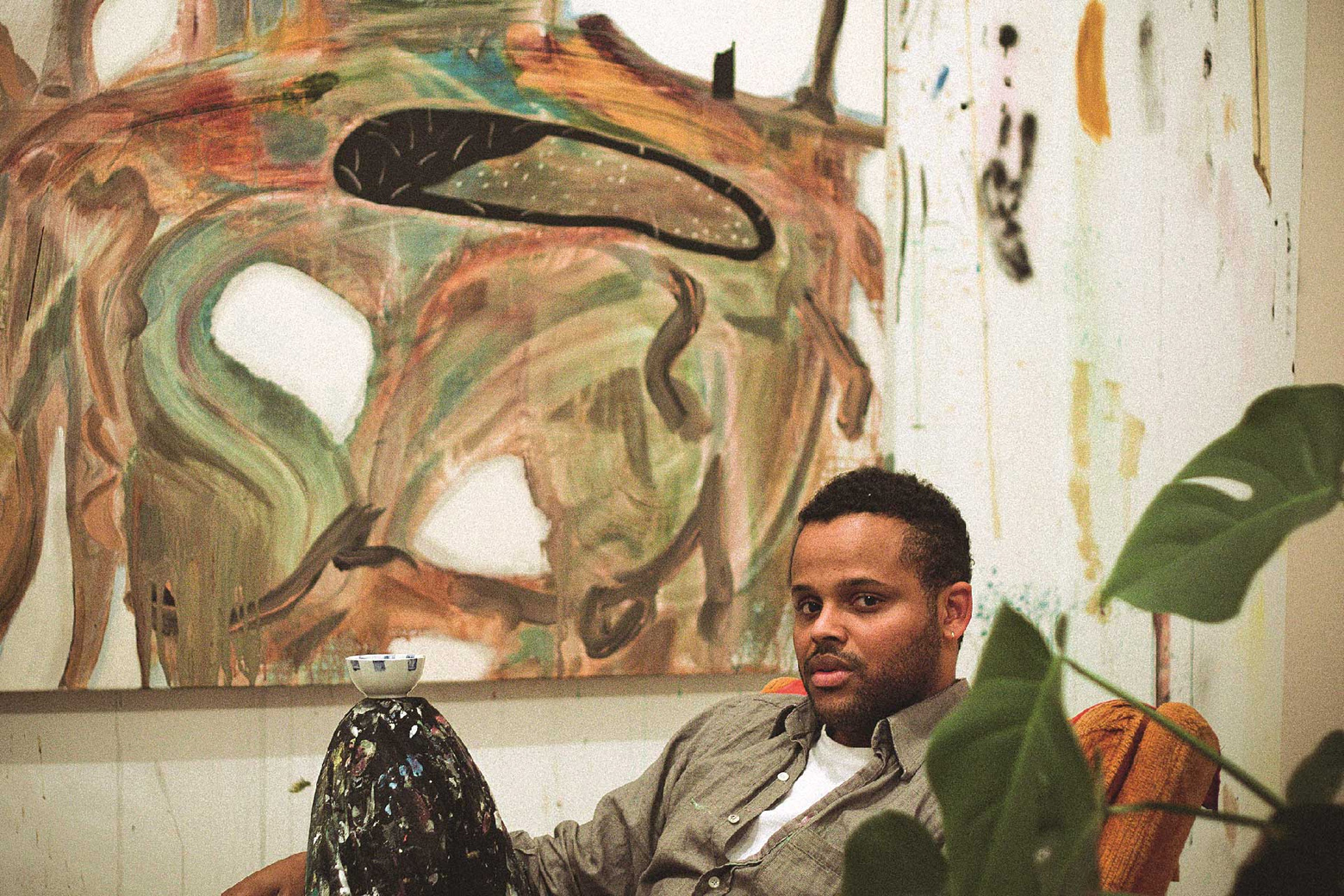
While we run out of Netflix shows to binge, the Montreal Museum of Fine Arts (MMFA) offers us a new source of virtual entertainment: Art exhibits. Of the five very different exhibitions currently available, ranging from Riopelle ‘s landscapes to Signac’s pointillism paintings, Manuel Mathieu’s seemingly expressionist Survivance installation is not to be missed. The Haitian-born Montreal artist’s approach to art stands out, expressing emotions through vibrant abstractness, made even more visible through the new medium of the virtual exhibit. 

The MMFA’s virtual experience allows the viewer to discover the exhibits as if one was pacing the museum, walking from one gallery to the next. The platform’s features are easy to manage, though there are some technical glitches, such as audio tracks appearing in front of paintings. Patience is required when moving one’s cursor to observe each painting through different angles. Yet, there is considerable effort by the MMFA to incorporate visual and auditory details in order to recreate an in-person museum experience that would otherwise be lost to the viewer on an online platform. 

Survivance is shown as it is displayed in the gallery, allowing viewers to zoom in to see the details of the paintings up close. The audio recording gives descriptions of the artwork and insight into Mathieu’s thought process. Though one may still miss the sensation of strolling in the museum, the virtual counterpart immerses visitors with features that are only accessible through our computers.

Mathieu’s exhibition displays 20 paintings presented in Canada for the first time with a special installation created for the MMFA. Mathieu’s paintings at first appear as an abstract mix of colors that lack shape or sense. The audio features here are practical, describing Mathieu’s thoughts and interpretation of his painting, giving the audience a new perspective to the piece. 

Survivance focusses on pivotal moments of Mathieu’s life. After surviving a major motor vehicle accident in 2015, he pushed himself to make his art more important and impactful. Mathieu depicts this incident and his recovery in Rempart 2018. On the canvas, it is difficult to discern any shape from the juxtaposed strips of colors, leaving it up to interpretation. The upper part of the painting is covered with stacked rectangles, giving the illusion of a wall, which, Mathieu describes in the voiceover, represents his grandmother, who supported him after the accident. Nonetheless, as the artist represents his own memories and emotions in a vivid chaos, it lets the audience associate with art through their personal recollections. 

The imposing structure, Ouroboros 2020, is still quite impressive, even through a screen. Large white canvases are aligned one layer after the other, burnt in the center to create a void. The work consists of a play between appearance and disappearance, how one moment can be ephemeral and disappear. Mathieu gives an importance to his art, a role in his life as well as to its public. This installation allows viewers to look at it through various angles, where the sculptures take different forms and shapes to change one’s perspective of the art. These details create a homogeneity ruptured by the burnt centers which represent infinity and life. 

As we live through the pandemic, MMFA’s virtual tours provide a limited escape: It only works if visitors ignore that they are once again in front of their screens. Yet, Survivance expresses emotions and memories by demonstrating the transcendent power of art, and how these tumultuous times could later be portrayed by artists.

McGill, News

Divest McGill holds workshop on climate justice and divestment

Divest McGill held a virtual workshop titled “Divest 101” on Jan. 20 to educate students about divestment and encourage them to take action. Two representatives of Divest McGill, Zahur Ashrafuzzaman, U1 Arts & Science, and Millie Murray, U1 Arts, led the presentation by outlining the ethical, social, and financial incentives for divestment from the fossil fuel industry.

Ashrafuzzaman and Murray began the workshop with a land acknowledgment that explained the ties between Indigenous communities and climate justice. 

“Climate change is something that disproportionately affects people of marginalized communities, Indigenous communities, and the global South,” Murray said.

Ashrafuzzaman said that Divest McGill believes institutions need to separate themselves from fossil fuel companies due to the irreversible damage that steadily rising land and sea temperatures cause the Earth. 

“We can only afford to burn about 200 gigatons of carbon to stay below 1.5 degrees Celsius of warming,” Ashrafuzzaman said. “Or, about 560 [gigatons] to stay below two degrees, which, at this point, is what most scientists are shooting for.”

Murray claims that fossil fuel companies have skirted government regulations for decades due to the industry’s grip on governments’ and regulatory bodies’ finances.

“The fossil fuel industry […] is one of, if not the most, powerful institutions that exist today,” Murray said. “Fossil fuel companies have the influence and power and money to essentially tell our democratic institutions what to do and what not to do. A great example of that is that Exxon, […] one of the largest petrol companies, […] knew about climate change as early as [the] 1970s and paid to cover it up and essentially pushed back climate science and our ability to counter climate change […] because it would negatively affect their ability to be profitable.”

Ashrafuzzaman explained that divestment is also a powerful statement because it has historically been a way to stand in solidarity with Black communities. Divestment movements have their foundation in the anti-Apartheid activism of the 1970s, when Black organizers boycotted Polaroid for selling technology to the South African government that was used to implement the racist Pass Laws, an ID system used to oppress Black South Africans.

In addition to the many ethical reasons for divestment, Murray believes that it is actually a logical financial decision for universities to make.

“Fossil fuel prices have been dropping, with COVID-19 only accelerating that, and recently the University of California has […] committed to divest for purely financial reasons,” Murray said. 

Divest believes that by pulling out of fossil fuel investments—which make up at least seven to eight per cent of the university’s endowmentMcGill could send a strong message to fossil fuel companies that it will not tolerate harming the planet and thereby worsen social inequities. 

“By divesting, we are telling the fossil fuel industry that what they are doing is not okay, and we’re not going to allow them to continue doing it,” Murray said.

In spite of the McGill Senate voting to support divestment in 2018, the Board of Governors (BoG) subsequently decided to uphold the investments. Following this decision, Divest McGill protested against BoG’s decision and spread awareness of the situation. 

“It’s not [the BoG’s] mandate, but in effect, having so many corporate members on the highest board […] with only two faculty allies [and] only two voting students, [the BoG is] not democratic,” Ashrafuzzaman said.

Divest McGill is currently focussed on boycotting the grocery store chain Metro Inc., which BoG Vice-Chair Maryse Bertrand has personal investments in. The group is also working to increase student representation on the BoG and planning in-person action as public health authorities permit. 

McGill student Evelyn Morehead, U2 Science, attended the event to learn how to channel her outrage into action.

“I only recently found out about McGill’s investment in fossil fuels,” Morehead said. “This really angered me, so I wanted to attend this workshop to learn more about the work being done to divest and learn how I can help make positive change.”

Science & Technology

Top Quebec discoveries of 2020 feature McGill brain cancer studies

For the year 2020, Quebec Science magazine’s annual list of top 10 scientific discoveries featured two studies on brain cancer led by McGill researchers. The list was selected by a jury of scientists and journalists and the top discovery will be determined by a public vote. Votes can be cast online until Feb. 8. 

Peter Pan cells initiate childhood brain tumours

A major challenge in treating childhood brain tumours, the deadliest form of childhood cancer, has been the shortage of knowledge about the origin cells of tumour subtypes and their development, especially in contrast to normal brain cells.

Research led by Dr. Claudia Kleinman of the Lady Davis Institute at the Jewish General Hospital, Dr. Nada Jabado of the Research Institute of the McGill University Health Centre (RI-MUHC), and Dr. Michael Taylor of The Hospital for Sick Children used powerful high-throughput technologies to analyze the individual characteristics of hundreds of thousands of brain cells.

The team created a comprehensive atlas of cell types that are present during the normal development of the pons and forebrain—key brain regions vulnerable to tumours. Data from several tumour types were mapped onto this atlas to successfully trace the origin cell populations where the cancer-causing mutations first occurred.

“We found that several of these tumours originate in the earliest stages of cell differentiation, and that in some cases, the mutations are likely prenatal,” Kleinman wrote in an email to The McGill Tribune.

Additionally, the failure of origin cells to differentiate during development—change from one type of cell into another—has been identified as a common source of several types of brain tumours.

“Like Peter Pan in Neverland, once the mutation happens, these cells refuse to progress into a mature state, ultimately leading to cancer,” Kleinman wrote.

The researchers observed that the removal of the mutation in one cell type of cancerous origin allowed the cells to progress further towards their normal development, demonstrating that it may be possible to reverse the “Peter Pan” effect.

Since tumour survival is only dependent on the cell of its origin for a limited time, a better understanding of this dependency may help in the design of therapies that target specific types of childhood brain cancers at their earliest stages.

A method to the madness of glioblastoma

Cancer therapeutics aim to exploit specific vulnerabilities of cancer-causing cells, but a major challenge is that tumours are generally heterogeneous, meaning they contain a diversity of cell types with different sensitivities to treatment. Glioblastoma, the most common adult primary brain cancer, has a survival rate of only 10 per cent, five years after receiving treatment. 

Research led by Dr. Kevin Petrecca of the Montreal Neurological Institute and Hospital of McGill University investigated the organization of different glioblastoma cells and their similarities.

Genetic data obtained from tens of thousands of single glioblastoma cells was analyzed to compare the development of clustered types of glioblastoma with that of normal cells. 

“[We discovered that] there are many types of glioblastoma cancer cells within each tumour, and these cell types follow a pattern of organization and evolution that recapitulates normal brain development,” Petrecca wrote in an email to The McGill Tribune.

Furthermore, the analysis identified a type of progenitor glioblastoma stem cell (GSC) that initiates a hierarchy of cell lineages of glioblastoma.

“Cancer stem cells give rise to four lineages of differentiated cancer cells,” Petrecca wrote. “Critically, the stem cells are the most proliferative.”

The high proliferation rate of GSCs—the fact that they divide most rapidly and contribute disproportionately towards tumour growth—makes them a promising target for therapy.

While GSCs were shown to be the most resistant to Temozolomide (TMZ), the current chemotherapy standard of treatment for glioblastoma, leveraging a compound that inhibits the function E2F4—a protein family that GSCs rely on for survival—has significantly reduced tumour growth and increased survival in a mouse model.

Basketball, Sports

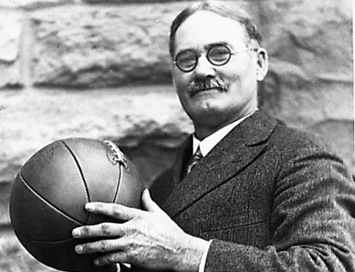
130 years ago, McGill alumnus Dr. James Naismith invented basketball

McGill students are known for their ingenuity. Succeeding at this institution requires exceptional problem solving abilities. Dr. James Naismith, member of the McGill class of 1887, invented one of the more creative solutions to a problem, a solution that is now the seventh most popular sport in the world: Basketball. 

On Dec. 21, 1891, Naismith was simply doing his job as a teacher at the Springfield YMCA gymnasium when he invented what would come to be known as basketball. The winter weather had kept his students from outdoor activities, and all other sports were too dangerous to be played indoors. Under orders from his superior at the time, Dr. Luther Gulick, Naismith was given 14 days to create an “athletic distraction” for his students, who were restless from constantly being indoors. 

Naismith revisited his childhood activities and remembered a game called “duck on a rock.” This game was more about dexterity than strength and involved tossing small stones to knock over a large rock, known as “the duck,” from its place on a tree stump.

Newly inspired, Naismith retrieved a soccer ball and two peach baskets. He cleared the court, and mounted the baskets on opposite sides. He divided the students into two teams of nine and told them the goal was to get the ball in the basket. And so, “basket ball” came to fruition. 

The original rules stipulated that the ball could be thrown or batted in any direction, but not with a closed fist. Additionally, most physical contact was banned as well as running with the ball. Infractions were punished with fouls that either removed a player from the game or gave points to the other team. Simplest of all, whichever team got the ball in the basket the most won.

The game grew in popularity as Naismith’s students continued playing and other schools began to look for indoor sports. As it spread through colleges, the game evolved, with additions such as backboards in 1895 and dribbling in 1901

The game spread during the First World War, bringing basketball overseas. In 1919, the Inter-Allied Games were held following the end of the war, where 18 countries sent players to compete in the first official international basketball games. 

In 1936, basketball became an Olympic sport, where Naismith threw the tip off and awarded the medals to the winning team. By 1949, the Basketball Association of America had merged with the National Basketball League to form the National Basketball Association, or the NBA. 

Naismith’s accomplishments go far beyond the basketball court. At McGill, Naismith was also involved in football, soccer, gymnastics, and lacrosse. He was a three-year starter on the football team, in addition to participating in the first ever formal American football game. He also received the Wickstead Silver Medal and Wickstead Gold Medal for gymnastics in his junior and senior years. 

In addition to his sporting achievements, Naismith was incredibly gifted in academics. He graduated top 10 in McGill’s class of 1887 with an Honours B.A. in Philosophy and Hebrew. After graduation, Naismith earned another degree in theology. This became one of 11 academic degrees he would receive, including an M.D. from Gross Medical College in 1898 and an honorary Doctor of Divinity from McGill in 1939.Naismith’s legacy is best summed up by a simple anecdote: When basketball was first created, his students urged him to call it “Naismith Ball.” Naismith refused and used the name he preferred: “Basket ball.” In the face of popularity, Naismith remained focussed on his initial task of solving a problem as simply as possible.

Campus Spotlight, Student Life

From research paper to academic journal article

Often, the life of an undergraduate research paper ends after it has been graded and relegated to a forgotten Word document. At McGill, however, undergraduate students can have their best papers published by one of dozens of scholarly journals that are completely authored, edited, and published by undergraduate students.

Of the 29 departmental associations under McGill’s Faculty of Arts, 18* responded to an email from The McGill Tribune stating that they have an undergraduate research journal. For most of these publications, submissions go through an extensive selection, peer review, and editing processes before they are published. 

The process of running a journal can be daunting as the publication process is complex and it is somewhat uncommon for undergraduates to have their work published. However, the McGill Library staff is committed to assisting undergraduates with research publication. Jessica Lange, scholarly communications and repository librarian, has worked at the McGill Library since 2009 and has seen a significant shift in the undergraduate research journal landscape.

“In around 2012, there was noticeably growing interest in undergraduate research,” Lange said. “It is not just graduate students and faculty that are interested in conducting research, so we began running workshops for undergraduates interested in research.”

Sandy Hervieux, McGill’s liaison librarian for Political Science, Philosophy, and Religion, assists with the McGill Journal of Political Studies’s publication process.

“Working with students writing papers for a course is very different from working with students publishing research journals,” Hervieux said. “In courses, it is about teaching students how to effectively do research and evaluate information. With editorial boards, it is more about the process of how a journal comes together and how to evaluate all of the different submissions that the editorial boards get.”

Lange agreed, emphasizing the significance of undergraduate research in broader scholarship.

“It’s important for editorial boards to understand their connection to the greater scholarly ecosystem,” Lange said. “We see our role as not only helping these editorial boards understand the process but also providing a continuity that journals have a difficult time maintaining when there is a new set of editors every fall.”

Michael David Miller, McGill’s associate librarian and liaison librarian for French Literature, Economics, and 2SLGBTQIA+ Studies, believes that the library has an important role in helping student-run editorial boards and authors understand the legal implications of publishing.

“At the beginning, none of the journals had copyright agreements,” Miller said. “Sometimes, seasoned politicians don’t want their undergraduate work to be published for all to see, so understanding the implications of putting things online is very important. Students have to be as good [at understanding the legal implications of online publication] as professional journalists because it’s being broadcast to the entire globe.”

Miller still stressed the value of getting published as an undergraduate.

“A lot of students that decide that they want to be published in an undergraduate journal will probably end up going on to graduate school, so they get a taste of what a master’s or PhD program might be like, because it’s going to require extensive research and disseminating their ideas,” Miller said. “At the undergraduate level, the stakes are lower and they are finding their academic voice. This makes them more comfortable in a master’s program.”

Although publishing a journal requires significant effort, McGill students should not shy away from the challenge. With so many undergraduate research journals, each writer and editor’s journey will be gratifying in a different way.

One such journal is the International Development Studies Students’ Association (IDSSA) journal Chrysalis. Although the journal is associated with the aforementioned students’ association, there is no stipulation on what department the papers must be written for, and the publication receives submissions across all departments, from Management to Islamic Studies. 

Robin Vochelet, U4 Arts, started working with Chrysalis in his second year when he was looking to become more involved on campus and saw a posting for Chrysalis editors. 

After a last minute application and two years as an editor, Vochlet now leads the Chrysalis team as editor-in-chief. 

“There are not a lot of editors, so the experience is very homey,” Vochelet said. “I love being the editor-in-chief because we receive all these papers on so many different topics that I wouldn’t necessarily stumble upon in my classes.”

According to Vochelet, International Development Studies is one of the most highly-enrolled programs in the Faculty of Arts. In order to be considered by Chrysalis, papers must have received a grade of at least an A- and be written for a 300-level class or above. 

“I had a paper published in the McGill Journal of Economics, so I’ve been a writer, an editor, and now the editor-in chief,” Vochelet said. “Whereas most students focus on research in graduate school, I love that undergraduates at McGill can build a passion for a topic through research. This often helps students narrow their academic interests and encourages students to continue their studies.”

Vochelet encourages all students who have written a paper fulfilling the criteria to submit to the publication and says that fear of rejection should not be a barrier.

“As lenient as your professors or teaching assistants might be, there is a reason you got that high grade,” Vochelet said. “At the end of the day, you miss 100 per cent of the shots you don’t take. Even though it sounds cheesy, it’s always true, and it could lead to something great.”

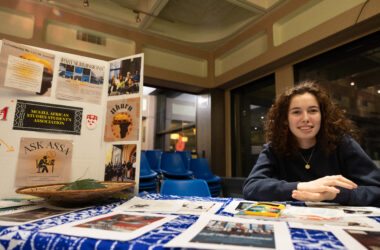
Ruru Hogan, U1 Arts, became the editor-in-chief of the African Studies Students’ Association (ASSA) undergraduate journal during her second year at McGill. As an Anthropology and International Development double major with a minor in African Studies, Hogan has been able to examine African Studies from a variety of lenses. She loves that through the program she has been able to study Africa outside the focus of development.

Unlike some of the more established undergraduate journals on campus, Uhuru is only three years old. In addition, while most other journals are affiliated with a departmental student group, African Studies is not a department at McGill. Rather, it is considered a program under the jurisdiction of Islamic Studies

“Professor Khalid Medani has been at the forefront of ASSA’s growth and pushed for it to have a journal,” Hogan said. “We have been learning a lot about the process of publishing a journal as we go.”

Uhuru’s only criteria is that academic papers receive a grade of B+ or above. The journal accepts any essay, piece of literature, short story, or poem related to African or African American Studies.

“Papers do not have to be written for an ‘AFRI’ course,” Hogan said. “Being in a very small program is both a blessing and the curse. The community is intimate enough that we are able to reach out to students in the program whom we know and ask them to submit. However, one of the biggest struggles we have faced is publicizing our journal and encouraging people to submit their work.”

Growing a young publication and spreading awareness of its existence are difficult, but Hogan has nevertheless found the experience extremely rewarding.

“I love that being part of the journal allows me to be both academic and creative, and I love that being on the Uhuru editorial board has brought me into this very tight knit community,” Hogan said. 

*The undergraduate research journals affiliated with Arts undergraduate associations are: Branches (Environment), Canadian Content (Canadian Studies), Canons (Religion), Cannon (Art History and Communications), The Channel (English), Chrysalis (International Development), Fieldnotes (Geography), Field|Terrains (Anthropology), Fragments (Philosophy), Hirundo (Classics), Historical Discourses (History), JournalLing (Linguistics), Maktoub (Middle East), McGill Journal of Economics (Economics), McGill Journal of Political Studies (Political Studies), McGill Journal of Undergraduate Mathematics (Mathematics), PSI Journal (Psychology), and Uhuru (African Studies).

Student Life

Persevering in a plant-based lifestyle

With the new year well upon us, many have set resolutions to adopt new habits and achieve certain goals. One popular resolution is starting a primarily plant-based diet or living a vegan lifestyle, which is why, on Jan. 13, the Herbivore Society for Peace and Justice (HSPJ) held a virtual discussion, titled “Transitioning to a (More) Plant-Based Diet.” HSPJ is an organization that focusses on reducing the consumption and use of animal products to foster more ethical and sustainable personal practices. Throughout the month of January, HSPJ is hosting a month-long campaign, known as Veganary, to educate students about veganism and plant-based diets. 

The virtual event allowed people of all diets to engage in casual conversation and share their experiences with a plant-based diet. Students discussed their reasons for having plant-based diets, swapped fun recipes, and exchanged ways to stay motivated. Gabriel Yahya Haage, HSPJ’s Communications Head Organizer, shared some advice with the Tribune for someone new to veganism. 

“Finding the right substitutes in cooking can make the shift a lot easier,” Haage said. “Connecting with a vegan community is quite useful, as they can offer advice, both about cooking, as well as other aspects of avoiding animal products.”

The decision to transition from a meat-based to a plant-based diet is the often easiest part, but the meagre plant-based options at most restaurants and fast-food joints can make it hard to adhere to one’s goals. Even students who have been vegan for years can find it challenging to maintain this way of life. As with any other lifestyle change, going vegan or vegetarian requires consistency and a support system to maintain accountability. Jasmine Coulombe, U3 Science, shared how she has maintained her vegetarian diet for 12 years. 

“I always remind myself of why I initially became a vegetarian: To help stop animal cruelty. Watching documentaries and reading about animal farming and slaughterhouses really changed my perspective on eating meat,” Coulombe said. “However, it does get hard sometimes, especially at social gatherings. It’s important to remember that even if you fall off the wagon and eat meat, you shouldn’t feel guilty about it. Being vegetarian or vegan isn’t about being perfect, but rather just being more conscious of what you eat.”

The lengthy list of “can’t have” foods can be intimidating for new vegans. Cutting out meat, ice cream, and pizza deters many from going vegan because it feels extreme. Natalie Warren, HSPJ’s events head organizer, discussed the importance of transitioning slowly and finding a support system. 

“I wish I was more open to having conversations with other vegans when I was transitioning,” Warren said. “I wasn’t perfectly vegan, so I felt bad asking for advice. In reality, it’s not about being the ‘perfect vegan’ or ‘100% plant-based.’ I spent a lot of time looking at YouTube recipes and vegan YouTubers. This helped to an extent, but I […] don’t have access to the same foods. I could have learned a lot more food hacks and advice from the people around me.”

For those starting their plant-based journey, HSPJ is a great resource for staying accountable, learning new recipes, or talking to other like-minded people. Since members come from different backgrounds, cultures, and diets, it offers access to a wealth of perspectives on plant-based living. HSPJ will be hosting plenty of virtual events for vegans, vegetarians, and curious meat-eaters in the coming weeks of Veganuary. 

If you are interested in getting involved with HSPJ, send them a message through Facebook or an email at [email protected].

Read the latest issue

Read the latest issue