


Latest News

Basketball, Sports

Kawhi rewrites Canadian basketball history

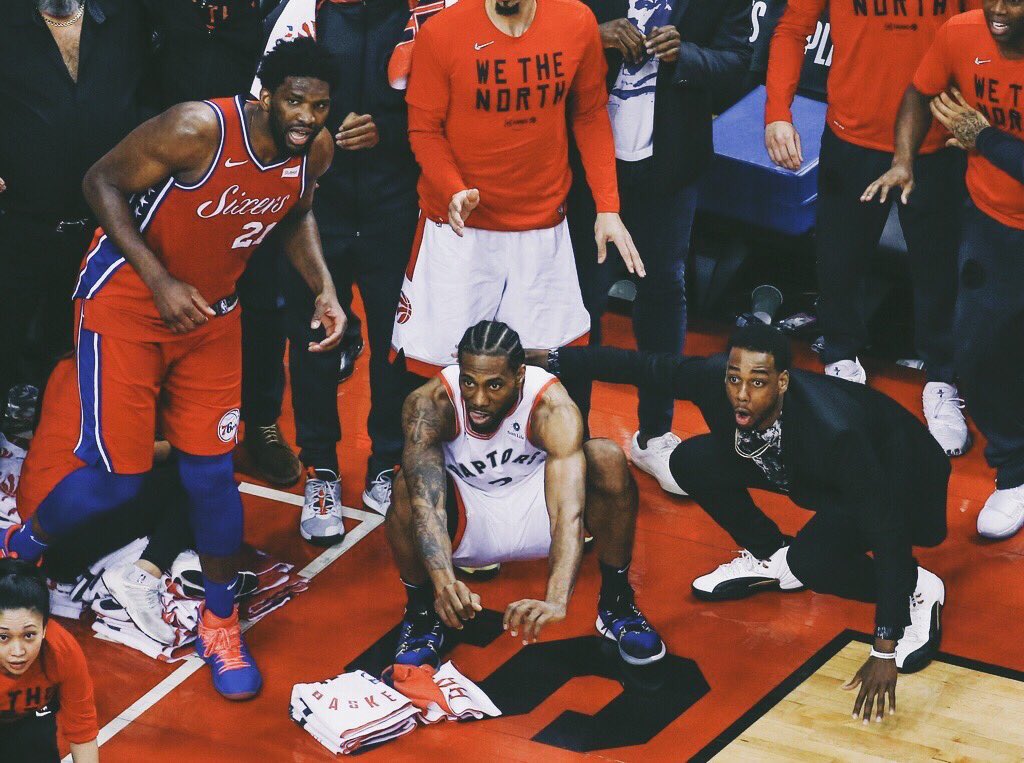
Toronto Raptors forward Kawhi Leonard leaned forward and crouched: His shot over Philadelphia 76ers All-Star centre Joel Embiid hit the front of the rim and bounced up. The ball came back down and bounced off the rim again, over to the other side. It hit the rim twice more before it went in. As his teammates swarmed him, Leonard screamed, and so did the nation.

According to an analysis from Second Spectrum that accounts for shot difficulty, length, and defence, Leonard’s attempt had a 32.1 per cent chance of going in if an average player was taking the shot. While Leonard is no average player, Raptors fans still weren’t counting on a shot of that magnitude—a buzzer-beating Game 7 winner. The image of a shot like that one not falling in favour of the Raptors is part of their narrative, which is one of bad luck: When something could bounce the Raptors’ way, it usually doesn’t.

The 2017–18 NBA playoffs, in which Toronto earned home-court advantage throughout, ended in a four-game second-round sweep to the fourth-seed Cleveland Cavaliers. In Game 1 of that series, the Raptors could not convert on several close-range attempts to win the game. In Game 3, LeBron James hit a difficult shot at the buzzer over outstretched rookie forward OG Anunoby to seal the Cleveland victory. These images sear themselves into a fan’s memory, where they remain until replaced by ones like Leonard’s game-winning shot.

Within a single frame of the last 4.2 seconds of the Raptors’ Game 7 win, there are reactions aplenty. Grimaces and tears, smiles and sadness. Toronto-born rapper Drake, noticeably absent from his sideline seat in Scotiabank Arena, commented that he felt he should drop a freestyle just to use the photo of Leonard and the bench waiting for the shot to fall in as album artwork.

5.8 million Canadian viewers tuned in to watch this monumental game, which set records for a basketball game in the country at the time. Throughout the game, Raptors announcers Matt Devlin and Leo Rautins repeatedly drew parallels to another Game 7 against Philadelphia, in 2001. At that game, with the Raptors down one point, Vince Carter missed his attempt to win the series for Toronto at the buzzer.

“2001, it didn’t fall for Vince,” Raptors guard Kyle Lowry told Sportsnet’s Eric Smith directly after the May 12 victory. “2019, it fell for Kawhi.”

With the Raptors moving onto the Eastern Conference Finals on such an incredible shot, fans could finally shed their anxieties and fears after years of postseason disappointments. Leonard’s shot rattled in and Toronto had its moment, a moment they could uniquely call their own. This was the first buzzer-beater to win a decisive Game 7. The Raptors now stand alone in the basketball record books.

There would be no more losses at the hands of LeBron James or jump-shots that hit the rim but don’t go in the net. Leonard ended that era and opens a new one for the franchise: A new chapter of optimism has begun.

Leonard’s success brings the Vince Carter story full-circle. Over the years, Carter’s impact on Canadian basketball has become clear. Hamilton filmmaker Sean Menard directed a documentary titled The Carter Effect in 2017, showing how Carter inspired the next generation of young Canadian athletes. Cleveland Cavaliers forward Tristan Thompson and Indiana Pacers guard Cory Joseph, both Toronto natives, told Menard about the value of having a superstar athlete perform at the highest level so close to home. But Carter, for all his athleticism and highlight-reel dunks, missed that big playoff shot. Leonard didn’t.

Six games have passed since Leonard’s shot, and plenty more Leonard plays have helped the Raptors advance to their first-ever NBA Finals. With Game 1 set for May 30, excitement for basketball in and around Toronto is at an all-time high. This moment brought current fans out of their seats, and to tears, and helped make new fans along the way. Toronto has not yet had a player like Kawhi Leonard or a team like these Raptors—and now the city will be screaming with him and his team every chance they get.


Soccer, Sports

2018-19 UEFA Europa League final preview

In September 2017 Baku, Azerbaijan won the bid to host the Union of European Football Associations (UEFA) Europa League’s final match in the city’s Olympic Stadium. The all-British final between Arsenal and Chelsea is set to take place May 29.

The site of this match-up is already a source of controversy. Both teams’ home stadiums are in London, a mere 10 kilometres apart. Holding the match in Baku requires devoted fans to travel over 4,500 kilometres to support their sides. This location has affected ticket sales. Arsenal and Chelsea expressed concern about the small number of tickets UEFA allocated to them for sale to fans—12,000 out of 70,000 seats total. However, with only 6,000 tickets purchased, the remaining half of the 12,000 tickets allocated to the London teams remain unsold. The cost of travel seems to be a major deterrent for fans to attend the match.

“We are really sorry for the problems [Arsenal and Chelsea’s] fans are encountering [in] trying to organise their journey to Baku,” the UEFA’s executive committee said in a recent statement. “Our experts are keenly working on this matter with a view to help find cheaper solutions for travelling fans.”

Regional politics has also had an impact on attendance by both fans and players. A territorial dispute between Azerbaijan and Armenia has raised issues for Arsenal’s Armenian midfielder, Henrikh Mkhitaryan. Mkhitaryan, despite having been assured safe entry into Azerbaijan by both the UEFA and Azerbaijan Football Association (AFFA), has decided not to attend the match. Several Arsenal fans with dual Armenian and British citizenship also had their visa applications denied. Arsenal reportedly brought this issue to the attention of UEFA.

The Arsenal and Chelsea rivalry is a historic London matchup between two consistent contenders for the Premier League title. In their most recent encounter, in January 2019, Arsenal defeated Chelsea 2–0. Arsenal finished the 2018-19 season fifth in the Premier League, while Chelsea finished third. This will be the 198th competitive meeting between the London clubs, with a record of 76 Arsenal wins, 63 Chelsea wins, and 58 draws. Many are predicting a Chelsea victory this year based on the club’s higher standing in the Premier League and a strong offense led by Belgian international, Eden Hazard. Arsenal’s offense has, however, also been in good form at the end of the Premier League season, with forward Pierre-Emerick Aubameyang winning the golden boot. This will not be an easy match for Chelsea defenders. Arsenal’s defense will have to recover from the slump they faced toward the end of this season if they hope to prevent a Chelsea victory.

 To qualify for the Europa League final, Arsenal defeated Valencia CF in the semifinal round, while Chelsea prevailed over Eintracht Frankfurt. Despite their fluctuating performance at the beginning of the tournament, Arsenal has remained dominant in their games since the quarterfinal round, where they kept a clean sheet against Napoli. While Chelsea had a strong round of 16, defeating Dynamo Kyiv with an 8-0 aggregate, their momentum slowed in the quarterfinal and semifinal rounds. A penalty shootout against Eintracht Frankfurt in the semifinals ultimately sent them through to Baku.

In January, Arsenal’s Czech goalkeeper Petr Cech announced that he planned to retire from professional soccer at the end of the season. Cech played for Chelsea from 2004 to 2015, winning 13 major trophies, before signing with Arsenal in June 2015 and winning the Football Association Challenge (FA) Cup with the Gunners in 2017.

Along with being crowned Europa League champions, the winner of this game will be entered into the UEFA Supercup, where they will face the Champions League winner, and will be guaranteed a spot in next year’s Champions League tournament.

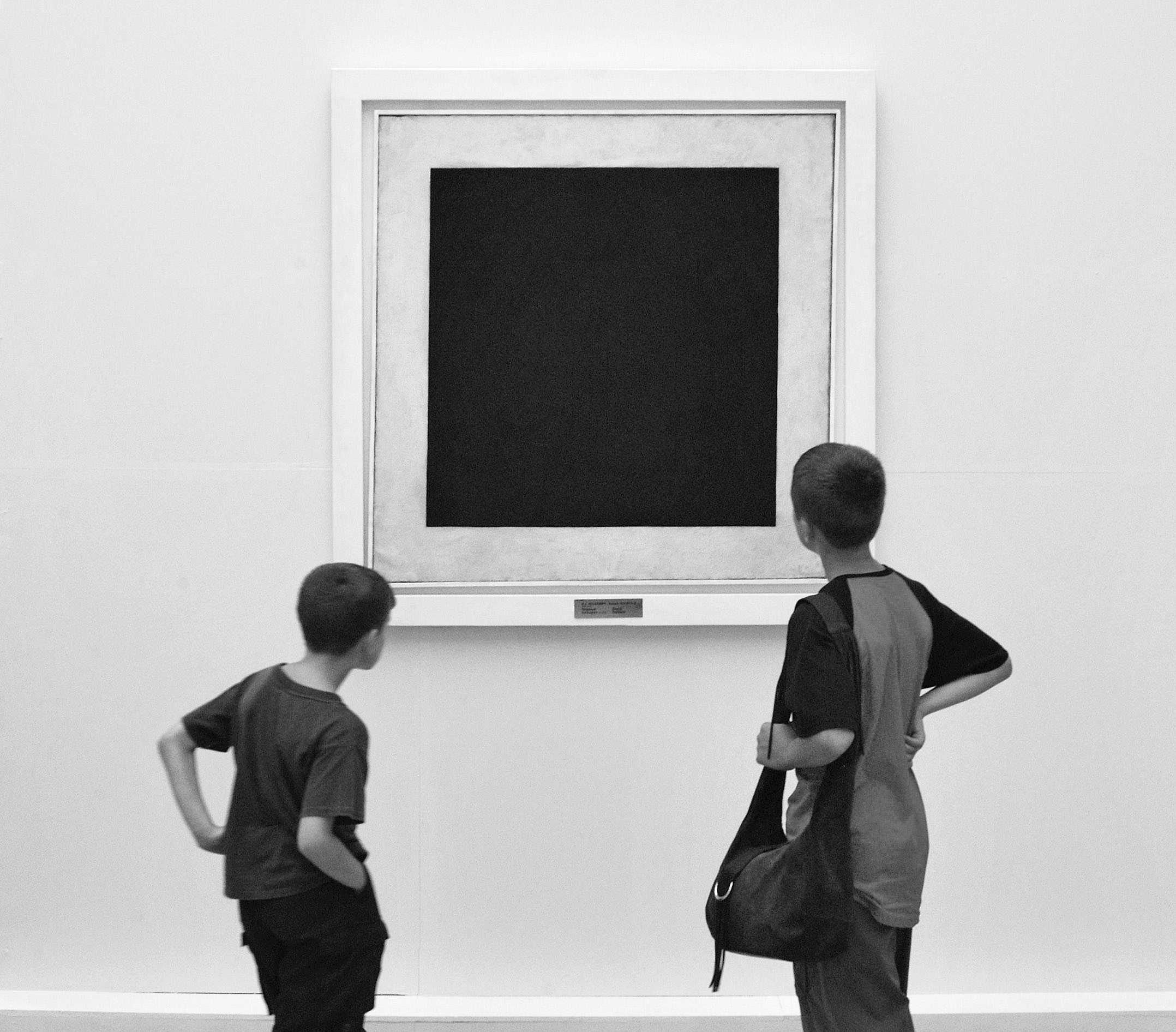
Museum-goers baffled by Malevich’s “Black Square.” (www.sergeev.com)
Out on the Town, Student Life

Museums Day 2019: Storytellers, artisans, and conceptual art on display

On May 26, Montreal residents and visitors will have the opportunity to take advantage of the city’s 33rd annual Museums Day by visiting any of the 30 participating institutions for free. Organized by Musées Montréal, the diverse and colourful program showcases Montreal’s cultural vitality and features international artists and performers. Though many of the museums are located in the downtown area or Old Port, there are free shuttles and Bixi bicycles available to facilitate transportation between museums. Rather than returning to repetitious, old haunts such as the Biodome or the Montreal Museum of Fine Arts, here are a few lesser-known options to consider, ranging from historical sites to performance artworks.

Pointe-à-Callière, Montréal Archaeology and History Complex

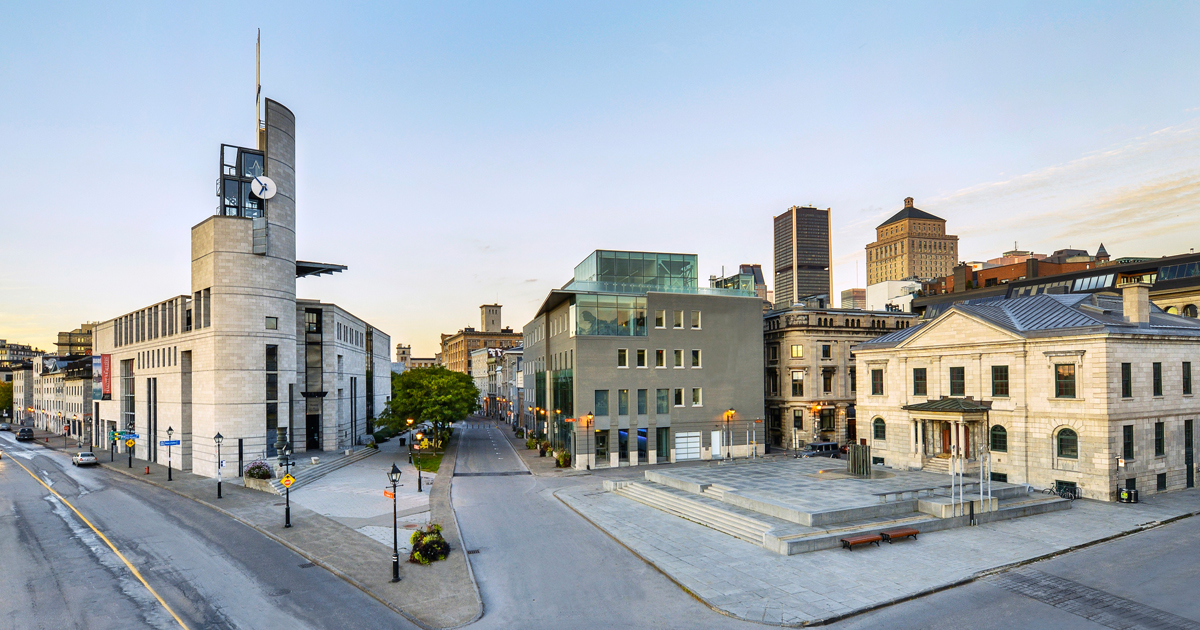
Image result for pointe-à-callière museum(pacmusee.qc.ca)

Located on the site where Montreal was founded, Pointe-à-Callière features remarkable architectural ruins from the city’s past. The complex presents an archaeological history of Montreal:  Walking over the glass floor in the permanent exhibition Where Montreal Began, visitors can view the remains of Fort Ville-Marie below. Additionally, the multimedia show Generations MTL provides visitors with an immersive sound and visual experience while watching a captivating narrative of the centuries of borrowing and exchanges that helped forge Montreal into the hub at the crossroads of Europe and North America.

Musée des maîtres et artisans du Québec

Image result for Musée des maîtres et artisans du Québec

(musees.qc.ca)

For a more hands-on museum experience, students should visit the Musée des maîtres et artisans du Québec. Crafting workshops afford the opportunity to create bent metal medallions and traditional woven fléché wristbands. The museum currently features two temporary exhibitions in collaboration with Festival Accès Asie, an Asian art festival: Exil – Peuples d’ici et d’ailleurs and Bridges of Hope. In Exil, artists of diverse cultural backgrounds explore the theme of exile as transition and change through different mediums such as installations, sculptures, drawings, and photographs. Meanwhile, Bridges of Hope features South Asian artists who examine the same these, but in the context of diaspora through visual works.

Fondation Phi pour l’art contemporain

Image result for Fondation Phi pour l’art contemporain

(musees.qc.ca)

Housed in two restored heritage buildings in Old Port, the Fondation Phi pour l’art contemporain is a must-visit for contemporary art lovers. ThoMusée des Hospitalières de l’Hôtel-Dieu de Montréalugh international in scope, its programming, events, and exhibitions work to respond to local contexts, as seen in their current featured exhibit, Yoko Ono’s GROWING FREEDOM. The exhibit is composed of two parts: The instructions of Yoko Ono, which puts visitors in the role of  helping to complete the conceptual works on display, and The art of John and Yoko, which presents collaborative projects undertaken by the pair during the former’s life, including the infamous bed-in at the Queen Elizabeth Hotel in Montreal. As a Museums Day exclusive, EMDE, a Malian musician and descendent of the Bwa people, will perform Mandingo-blues style music infused with jazz, funk, and reggae accents.

Musée des Hospitalières de l’Hôtel-Dieu de Montréal

Image result for Musée des Hospitalières de l'Hôtel-Dieu de Montréal

(ledevoir.com)

To explore the history of the city’s first hospital, spend some time at the Musée des Hospitalières de l’Hôtel-Dieu de Montréal. The museum presents a rich heritage of care and compassion, ranging from exhibitions on the evolution of medicine to stories of Hospitallers’ work in health crises that struck Montreal in the past. A special exhibition, Jeanne Mance (1606-1673) From France to New France, focuses on the life of Jeanne Mance, Canada’s first lay nurse and founder of the Hôtel-Dieu de Montréal. Jeanne Mance sought out donations for the hospital, recruited nurses from France to help care for patients, and was the hospital’s administrator until her death. Two guided tours of the Jeanne Mance exhibition will be offered on Museums Day.

Commentary, Opinion

Bill 21 promotes hatred, not secularism

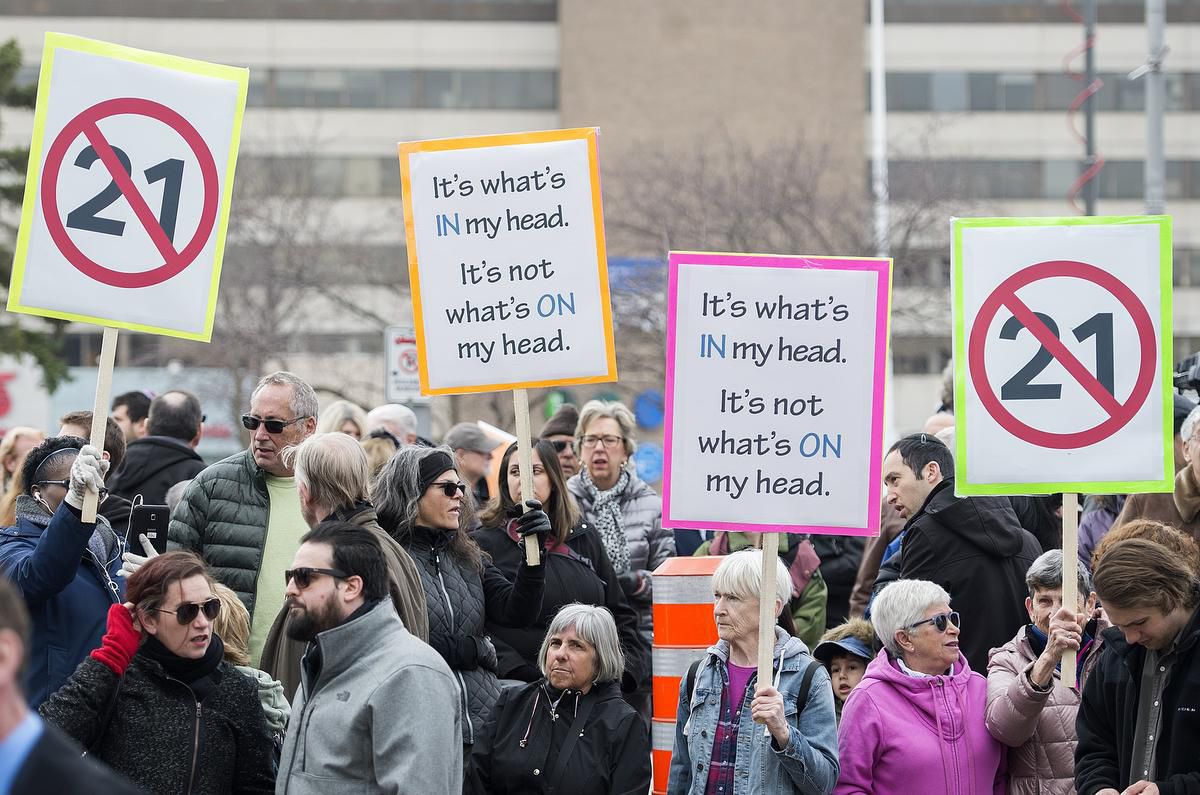
Organized by a collective called “Coalition Inclusion Quebec,” over 400 people took part in the latest of many recent protests against the highly controversial Bill 21 on May 5. Those present at the demonstration linked arms around Montreal’s courthouse to demonstrate their opposition to the bill. Introduced by the Coalition Avenir Québec (CAQ) earlier this year, Bill 21 claims to promote secularism by prohibiting public employees from wearing religious garments and symbols, such as hijabs, kippahs, and turbans. Instead of fighting against it, the proposed legislation sets a dangerous precedent that normalizes hate and underscores the need to actively oppose discrimination.

Much of the discussion about the bill has revolved around its legality and political significance in the province and the country as a whole. However, when discussing the bill and its implications, it is important to remember that this is not merely a legal or political issue. Since this bill predominantly affects those who practice specific religions, namely Islam, Judaism, and Sikhism, those unaffected have a greater responsibility to understand its implications. Bill 21 would impact real Quebecers who risk being forced to choose between their livelihood and the expression of their religious identity. State secularism should never impede on the rights of an individual to express their faith.

The indirect repercussions of Bill 21, regardless of whether or not it becomes law, are just as disturbing as its direct effects. The bill will continue to promote hate and division in Quebec, and, in fact, it already has: Justice Femme, a group that provides legal support to Quebec women, has received an influx of reports of acts of both verbal and physical hate toward Muslim women since the bill was tabled in March. While this could be attributed to unrelated factors such as an increase of reporting when such incidents occur, it is likely that the bill makes the expression of discriminatory and hateful beliefs seem acceptable. Violent acts like the 2017 Quebec City mosque shooting and other hate crimes towards a wide range of religious groups have demonstrated the blatancy of Islamophobia, anti-Semitism, and xenophobia in Quebec. Bill 21 validates these dangerous prejudices instead of working against them.

It appears unlikely that the bill will affect the ability of McGill administrators, faculty, and staff to wear religious garments to work. However, this does not mean that Bill 21 will not affect our community, and it certainly does not mean that it is not our problem. McGill welcomes students from around the province, the country, and the world. For them, knowing that their identity is not accepted in their province has the potential to contribute to feelings of insecurity and unsafety that no one should have to experience simply for expressing their faith. Living inside of the ‘McGill bubble’ will not prevent our peers from experiencing hate crimes. The reality is that many students will feel even less safe when going about their daily lives should this bill become law.

Now more than ever, it is our responsibility to stand up against discrimination in Quebec. When it comes to a multitude of issues, such as climate change, young people have become increasingly tasked with mending the fractured world we live in, and this is no exception. Sadly, 18-to-24–year-olds are the only age group in Quebec that does not support the bill. Rather than sit back and watch as Bill 21 makes the province less safe, McGill students should make use of their anger and attend demonstrations, which are often publicized on Facebook. Students should write to members of the National Assembly, and confront acts of hate when they see them in public and online.

Sports

A new app to navigate Montreal’s recreational facilities

Montreal is home to over 1,500 outdoor public sports parks. This number is surprising, mostly because all of the opportunities advertised online narrow to expensive city clubs’ websites. Finding a place to practice one’s favourite sports is quite difficult, especially for students looking to participate in activities beyond what the McGill Gym offers. And for those lucky enough to find one next door, there is a lack of resources to provide patrons with information such as who can practice there and what equipment is available for use.

In turn, Aloïs Griffon-Monnet, a former Université du Québec à Montréal (UQAM) student and avid sportsman, created a mobile app, SecondBreath, to remedy the situation. SecondBreath will offer users the ability to locate Montreal’s many outdoor public sports facilities through an interactive map. The app will also display a given facility’s relevant information: Opening hours, fees, what sports can be practiced there, the type of surface (sand, grass, concrete, clay), and whether there are lights available for night use. Users will be able to view pictures of the facilities and rate the quality of any facility they’ve visited, and, through an interactive map, they can see the number of persons that are currently playing at a given location. Additionally, ‘check in’ and ‘check out’ options give friends the opportunity to invite each other to work out together. With such a function, SecondBreath will act as a social platform as well as a searching and rating mechanism for sports facilities around the city.

Griffon-Monnet hopes that the app will encourage people from different backgrounds and athletic levels to be more active.

“What is amazing with sports is that you get to meet people from different backgrounds and ages,” Griffon-Monnet said in an interview with The McGill Tribune. “My best friends are between 21 and 32 years old, and I am 24. They are engineers, chemists, McGill, and HEC [Montréal] students [.…] I would have never crossed their paths if it wasn’t for sports.”

Further, many have found that engaging in athletic activities with other people can be beneficial beyond just their physical health. Given the incredible pressure that they are under, students often feel isolated and distressed. With SecondBreath, Griffon-Monnet hopes to provide people with an outlet to relieve such feelings. He believes that, through sports, participants can build healthy friendships which will help them cope with anxiety, stress, and loneliness.

“Practicing a [team] sport is not merely about meeting new, random people,” Griffon-Monnet said. “It is about feeling a sense of belonging. People who play together share something. They create a bond. They have the same passion, and, above all, have the same fair-play mentality.”

With summer quickly approaching, students who are staying in Montreal can try out Griffon-Monnet’s app whether they are looking to play pick-up with their friends, find a new sports facility, or just meet people who share a love for a game.  

SecondBreath will be launched in the summer of 2019.

Campus Spotlight, Student Life

A passion for publishing

McGill’s undergraduate journals provide a platform for students and aspiring scholars to collect and share academic writing on topics that they are passionate about. The McGill Tribune has compiled a list of featured journals at McGill that publish new and innovative research.

The Biannual Online-Journal of Springsteen Studies (BOSS)

Founded in 2014 by Jonathan D. Cohen, who was finishing his undergraduate degree in history at the time, BOSS publishes peer-reviewed essays on the work of Bruce Springsteen. The content is multi-disciplinary, covering everything from lyrical analysis to surveys of his devoted fanbase; contributors have backgrounds in academic fields such as literary and cultural studies, history, religious studies, and psychology. While the topic might seem niche to some, Cohen noted that BOSS’s open-access website attracts almost 18,000 readers a year.

“To me, the value of journals like this is expressed in the impact it has on its readers,” Cohen said. “Even though we’ve made his work into an academic study, Springsteen’s music reaches so many people that this journal is beyond the scope of just scholars. It’s for everybody.”

Article worth reading: “Another side of ‘Born in the U.S.A.’: Form, Paradox, and Rhetorical Indirection” by Jason Schneider provides a fascinating look into the complexities of patriotism, critiques of the United States, and the rhetoric in Springsteen’s hit song.

CuiZine: The Journal of Canadian Food Culture

This journal explores all aspects of Canadian cuisine through analytical articles, poetry, and visual art. From poutine in Quebec to seal in Nunavut, CuiZine regards Canadian food not as a static aspect of culture, but as a constantly evolving field. Additionally, CuiZine accepts creative submissions, including poetry and short stories on culinary culture. Through this diverse content, the journal shows that food can both connect and distinguish Canadians.

Article worth reading: “Poutine Dynamics” by Nicolas Fabien-Ouellet explores the stigma, adaptation, and social mobility of the classic Quebecois dish.

Montreal Architecture Review

Published annually since 2014, the Montreal Architecture Review offers a multidisciplinary approach to architecture. Its most recent issue focused the expression of ethical and spiritual ideals in architecture. By providing a historical and philosophical view on the concrete art of designing buildings, the journal makes connections between other fields of study, like literature and psychology.

Article worth reading: “That Dark Cabinet: Building the Morbid Anatomy Museum” by Robert Kirkbride recounts how the author conceived of the Morbid Anatomy Museum in Brooklyn, New York, with ample historical and art-historical research to help explain his design process.

Canadian Review of Art Education (CRAE)

For over 40 years, this annual journal has published articles and essays focused on art education. CRAE provides and analyzes research from scholars in the field of art education with accompanying visual artwork and poetry. According to Heather McLeod, the journal’s editor-in-chief, the publication is a platform for scholars from different disciplines to exchange ideas.

“The journal provides a place to communicate art education research on a national and international scale,” McLeod said. “While we focus primarily on academic research, in recent years our journal has taken a more interdisciplinary approach to show the connection between both the research and the art forms.”

Article worth reading: “Ekphrastic conversations: Writing Poems as Dialogues with Works of Art” by Amanda Gulla studies poetry written in response to celebrated works of art.

McGill, News

McGill changes controversial varsity team’s name

On Apr. 12, Principal and Vice-Chancellor Suzanne Fortier announced her intention to change the name of the men’s varsity sports teams in an email to the McGill community. The men’s sports teams will be referred to as ‘the McGill teams’ during the 2019-20 season and a committee will choose a new name by Sept. 2020.

“Inclusion and respect are at the core of our University’s principles and values; pejoratives run contrary to who we are as a community,” Fortier wrote. “For these reasons, the Redmen name is not one that our community would choose today, and it is not one that McGill should carry forward into our third century.”

While controversy has surrounded the former name for years, the recent string of efforts demanding a change from McGill’s administration began in 2016, after the Truth and Reconciliation Commission of Canada (TRC) published a report documenting the history of the residential school system in  Canada. The TRC included 94 calls to action in their report, several of which were addressed to universities and included asking schools to develop more Indigenous history and cultural studies courses and programs.

Following the release of the report, McGill launched the Task Force on Indigenous Studies and Education which, in turn, formed the Working Group on Principles of Commemoration and Renaming. In Dec. 2018, the Working Group recommended that “McGill should alter its commemoration or naming practices where the harm outweighs the good.”  

Fortier later announced that she would take the Winter 2019 semester to decide whether or not to pursue the idea. Aneeka Anderson, an Inuk U1 Arts student, was overwhelmed when she learned the outcome of Fortier’s decision.

“Hearing that the Redmen name will be changed was an emotional moment for me, as it was for many,” Anderson said. “I reached out to my best friend instantly, and when I finally saw her that night, we just hugged and cried. I felt safety, relief, and, most importantly, so proud to be Indigenous. This campaign was led with unbelievable strength, grace, and a steadfast belief in justice for Indigenous peoples. Nothing could make me more proud.”

The name change comes after months of protests on campus led by members of the Indigenous community. On Oct. 31, the Student Society of McGill University’s (SSMU) Indigenous Affairs Committee led a rally outside of the James Administration Building to demonstrate against the continued use of the name. The event was followed by a referendum question on the SSMU Fall 2018 Referendum ballot, asking whether McGill students would support a change to the men’s team’s name: With a historic turnout of over 23,000 students, 79 per cent of McGill students voted against the name’s continued use. SSMU responded by releasing an open letter in support of a name change and immediately began lobbying McGill’s administration. Ella Martindale, co-chair of the Indigenous Student Alliance  and a member of the Cowichan First Nation, gave credit to the leadership of Indigenous groups at McGill.

“I’m so grateful for the Indigenous leaders, like […] Jirousek who has worked on this particular campaign, and I’m also grateful for the Indigenous students and leaders who came before who fought for space for us to pursue this issue,” Martindale said. “I’m not particularly grateful toward McGill, because I think this is only a small step, but I am so proud of the students here that have worked to get rid of the name, and some of that work was breaking down walls and making McGill listen to us.”

Next semester, Fabrice Labeau, interim deputy provost student life and learning, will form and lead a committee that will choose a new name. According to Fortier’s letter, the committee will be made up of both administrative staff and McGill athletes. Tomas Jirousek, SSMU’s Indigenous affairs commissioner and a member of the Kainai First Nation, hopes that McGill will continue to fulfill its commitment to truth and reconciliation.

“There [are] a few concrete ways McGill can move towards meeting its commitment to both the Provost’s Task Force on Indigenous Education as well as the TRC,” Jirousek wrote in a message to the Tribune. “I’d like to see the administration commit to hiring Indigenous professors straight into tenure track positions, currently we have one, commit to the expansion of the Indigenous studies major, and work toward establishing an Indigenous presence in central governing bodies such as the Senate and the BoG.”

McGill, News, PGSS

PGSS Executive Reviews

The McGill Tribune Editorial Board reviewed the 2018-2019 Post-Graduate Student Society (PGSS) executives on their performance in their positions. The Editorial Board gave each executive a score from 1-10 based on how we felt the executives performed. The grades were converted from a percentage into a letter grade based on the McGill grading system. Under this grading scale a “C” is a passing grade that meets expectations, a “B” exceeds expectations, and an “A” refers to an outstanding performance.

Commentary, Off the Board, Opinion

Changing the significance of home after the war

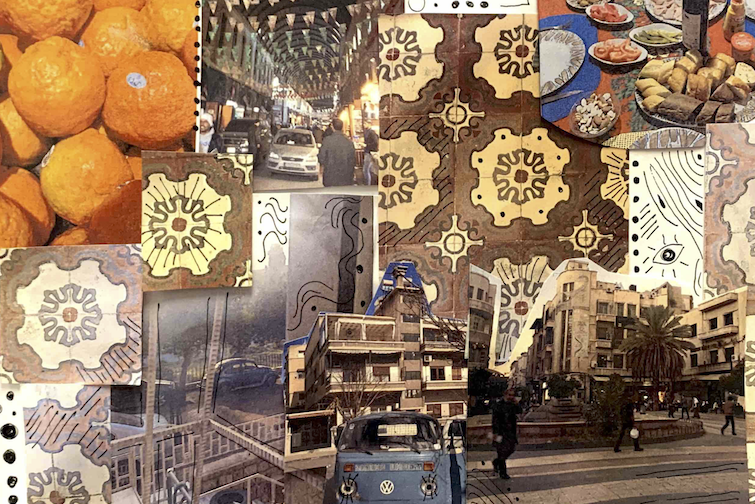
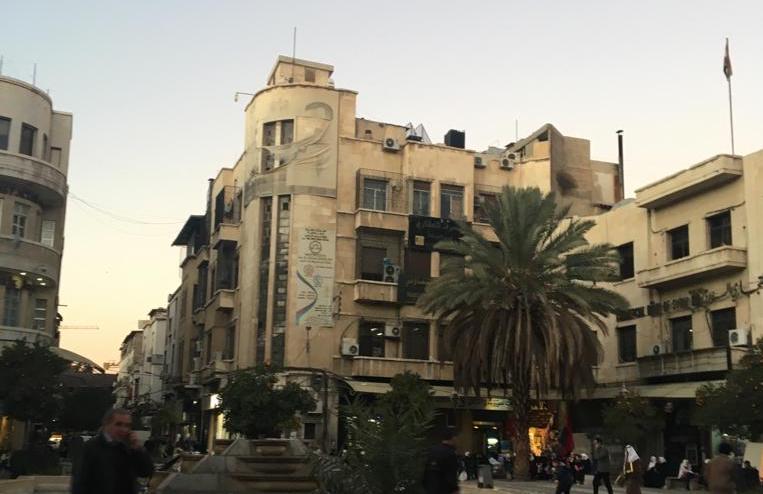
The last time I went to Damascus to visit my mother’s family, I was around 12 years old, and although I can’t really remember all the details, there are some memories that have stayed with me. I remember visiting my great aunts at their convent, walking through the old souk, Arabic for marketplace, smelling the narenj trees by my grandparents’ house, and being endlessly captivated by my grandfather’s ever-growing home library—I developed my love for reading in that house. Despite recalling my childhood so fondly, when my mother told me that she booked a flight to visit Damascus for Christmas, I was terrified. I was ready to go home again, but I wasn’t ready to see what home had become—I didn’t want war to tarnish my memories.

(Abeer Almahdi / The McGill Tribune)

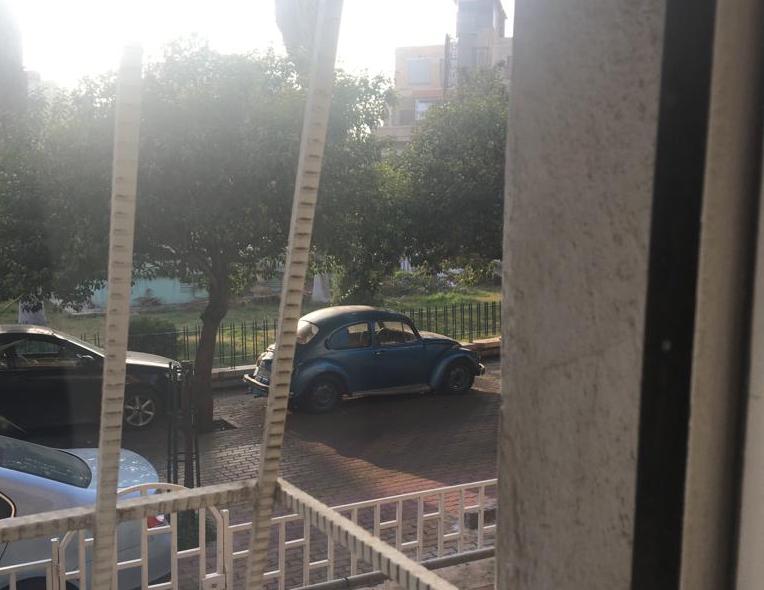
After a two-hour drive from Beirut, with a few stops for the bagel-like ka’ak and checkpoints along the way, we finally made it to Damascus. Everything at my grandparents’ house was as I remembered, down to the tree outside their living room window. I even went back to the souk and continued a book I started almost ten years ago.

Things started to change on Christmas day at my mother’s high school reunion. We were all sitting in her friend’s living room, having drinks and laughing, when we heard the sound of fireworks. While fireworks are typical for the holiday season, their frequency was strange: One huge crack every 30 minutes. It wasn’t until I opened Twitter that I realized we were hearing a missile attack. My mother asked me if I was scared, and, though I said no, I was terrified. Even though the missile target was Qatana, around 25 kilometres from the party, I was engulfed in an irrational, growing fear.

When we arrived home, I jokingly told all of my friends of the ordeal. I knew I was safe: The target was nowhere close to me, and my family has been through a lot worse than my brief encounter. But, that’s where the trip’s honeymoon phase ended.

I remember my grandmother asking if I was okay. Though she was used to war by now, she knew that I grew up far removed from it. I was fine, but my memories were shattering around me. All of the images of bitter orange trees, family gatherings eating wara enab, and playing in the park with my cousins replayed in my head for hours on end. I expected that, despite suffering a seven-year-long conflict, Syria was going to be unchanged, just like my childhood. I wasn’t ready to accept the reality of conflict, I kept trying to go back to a time that was over. I realized that I wasn’t ready to let go of my childhood or my memories.

(Abeer Almahdi / The McGill Tribune)

Then I started seeing all of the aspects I had ignored. I started seeing the refugee camps, the long wait times at checkpoints, the closed-down shops, and the rubble. I started seeing the blue signs of the United Nations High Commission for Refugees, the soldiers with assault rifles, and the large stacks of money my mother would use to buy street food because of hyperinflation. Syria had changed, and I wasn’t able to keep up.

I am extremely lucky and grateful to have been sheltered from the realities of the war because I grew up outside of it. Still, my grandparents’ normalization of their situation genuinely shocked me. I have to learn to accept that Syria will never be the same, and going home will not be either. All of my memories will remain fond, but I can’t keep looking to the past, or else I will forget to recognize everything for what it has become. War is out of my control, but enjoying holidays with my grandparents while I still can is not.

As a child of the diaspora, I will always keep a part of Syria with me; I will keep parts in picture frames around my apartment, in conversations with my friends, and in everything that I write. I will never truly leave Syria, even while I am thousands of miles away in Montreal.

(Abeer Almahdi / The McGill Tribune)

Read the latest issue

Read the latest issue