


Latest News

Science & Technology

CRISPR-Cas9: The gene editing tool that has revolutionized molecular biology

It all began with bacteria: The observation and study of these single-celled organisms in the early 1980s allowed scientists to get a glimpse of the bacterial genome. In bacterial DNA, researchers found a class of repetitive nucleotide sequences, which they called Clusters of Regularly Interspaced Short Palindromic Repeats, or CRISPR.

This finding was the basis of what would become CRISPR-Cas9, the gene editing tool that won this year’s Nobel Prize in Chemistry, awarded to Dr. Emmanuelle Charpentier and Dr. Jennifer Doudna, who began their work in 2011. 

Like human cells, bacteria have the ability to recognize invading pathogens that attack their DNA. Unlike human cells, which have a variety of ways to kill viruses or inhibit their replication, some bacteria incorporate a part of the virus genome into their own DNA, using it as a guide to detect DNA from similar viruses during subsequent infections. These viral segments are known as “spacers” and are integrated into the bacteria’s CRISPR sequences for later use.

The other component of the CRISPR system is Cas9, a bacterial enzyme that cleaves foreign DNA marked by CRISPR sequences. If the bacterial cell detects the same virus a second time, a copy of the viral DNA is transcribed to the Cas9 enzyme, giving it a molecular “clue” of what to search for in the cell. Once it matches the clue sequence to the invader’s DNA, Cas9 acts like a pair of scissors, cutting the viral DNA and preventing reinfection.

While working with one bacterial species, Charpentier found RNA sequences which play a key role in the cleavage mechanism of CRISPR-Cas9. In collaboration with Doudna, they succeeded in recreating the Cas9’s genetic scissors in a test tube, showing that upon fusing an RNA transcript (also called a “guide RNA”) with Cas9, they could develop a simplified system that reproduces that same cleavage mechanism.

Over the next 10 years, Charpentier and Douda refined their method of gene editing, allowing them to excise and insert DNA sequences of their choosing. In an interview with The McGill Tribune, Dr. Yann Joly, a bioethicist and assistant professor in McGill’s Department of Human Genetics, commented that their discovery would revolutionize the idea of gene editing.  

“Charpentier and Doudna used this knowledge about an obscure bacterial immune mechanism (CRISPR) and transposed it into a tool that can simply and cheaply edit the genomes of everything living organism: Human, animal, or vegetable,” Joly said. 

The advantage of this method is that it enables not only cutting, but also the pasting of new DNA sequences at the site of the excision. Guide RNAs can also provide a template for repairing broken DNA

Many genome editors existed before CRISPR, but using them was time consuming, cumbersome, and expensive,” Joly said.

A technology that has the power to edit the genetic makeup of humans raises ethical concerns.

“Because CRISPR-Cas9 is so easy to access and use by anyone with [any] scientific knowledge, it means that the technology is also vulnerable to misuse by biohackers and bioterrorists,” Joly said. “Given potential limitations and [possible] side-effects of the technology, along with the potential for editing the germline, the consequences could be far reaching. Such misuses are also very difficult to prevent through traditional ethic[s] policies and regulations.”

One current debate discusses the extent to which CRISPR-Cas9 should be regulated in clinical research involving human subjects. Although there are legal implications, this discovery has potential for revolutionizing the field of gene therapy and targeted medicine. Regardless, CRISPR-Cas9 still has a long way to go, both mechanically and ethically, before its use can become widespread.

“The potential [uses of CRISPR-Cas9] in medicine and agriculture [are] extremely promising but the technology still needs a lot of fine tuning,” Joly said. “Research and experiments on computer models and animal models [remain important to understanding] off-target effects, [such as] mosaicism and unknown long-term effects.”

Sports

Learning to love exercise

With cold weather looming and assignments piling up, getting out to exercise can feel like a daunting task. Physical activity is a vital part of both mental and physical wellbeing, yet it can often have negative connotations. One problem is the common perception of exercise as a punishment, rather than a reward. This idea often stems from individuals’ issues with body image and lack of self-love that can become compounded in university with the concept of the “freshman 15” and the toxic culture surrounding food. Some people will need more concrete resources than just a change in mindset, but for many, inspiration or a shift in thinking is often all it takes to learn to love to exercise.

Working out should never be a punishment for eating too much or for looking a certain way. Instead, it should be a tool to destress and enjoy the power of the human body.

“Many women hate to work out because we’ve been taught to do it for the wrong reasons,” Michelle Segar, a behavioural psychologist at the University of Michigan, said in an interview with Elle.

While Segar focusses her research on women, this idea is important for any gender. Workouts should be about getting stronger mentally and physically, not about losing weight. Exercise can also be a great way to get outside and enjoy the fresh—or in Montreal, often freezing—air. 

While many students use their lack of time as an excuse for not exercising regularly, time management is often the real culprit. Every day, block out at least 30 minutes to engage in some physical activity. Since exercising increases productivity, after a workout, one can more efficiently accomplish tasks for school, making up for the time spent exercising. 

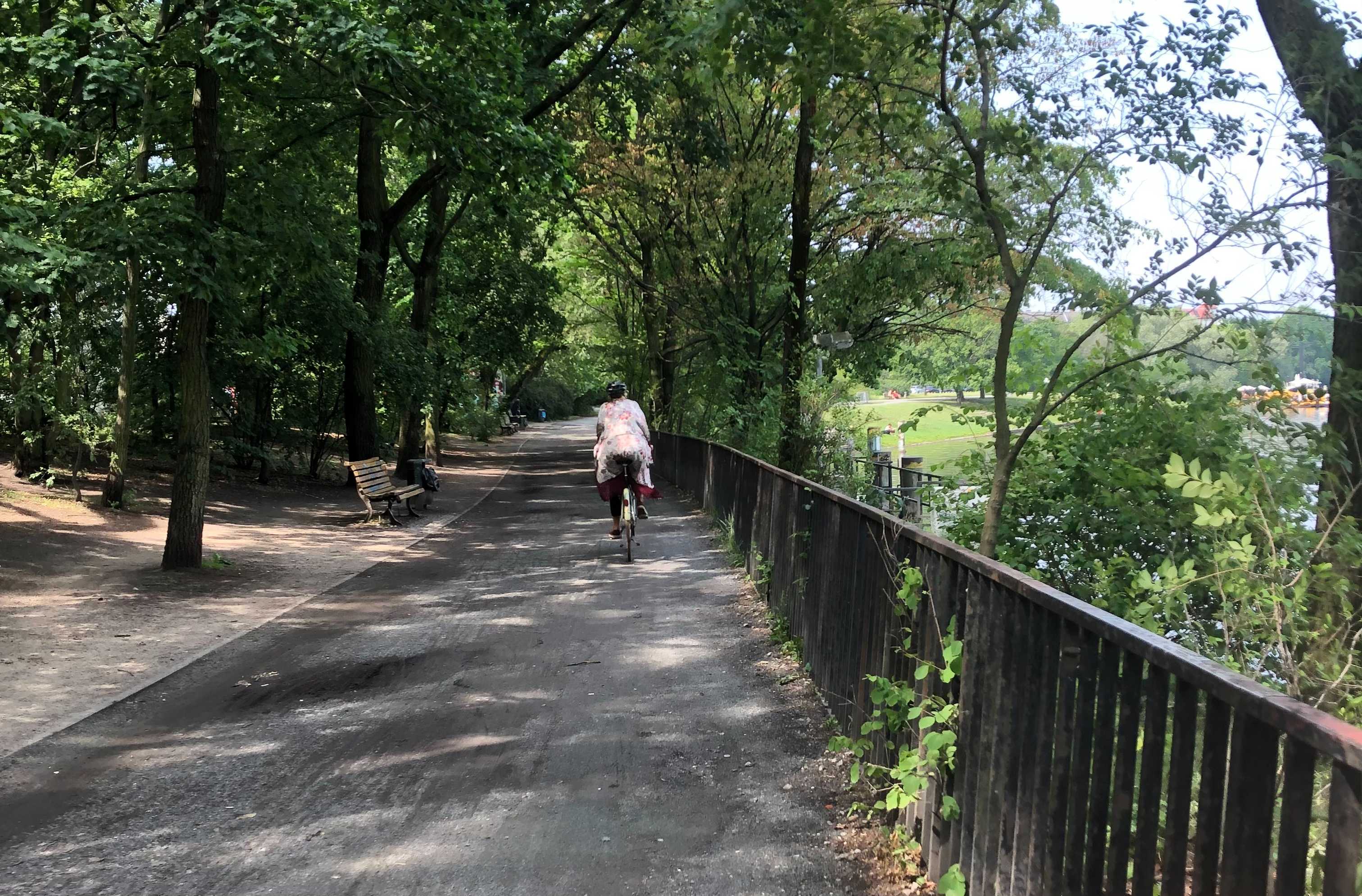
To fully enjoy working out, pick an activity that is fun and engaging. Physical activity is not only running or lifting weights. A workout could be as simple as a brisk walk with a friend. During this time when most students spend the day stuck in their apartments, getting out—when regulations allow—and going for a walk with a friend can be a great way to get steps in and simultaneously blow off some steam. For the days when leaving the apartment is not an option, dancing to music is a fun and easy way to get your heart rate up and improve your mood. As the weather turns colder, the possibilities for exercise do not have to dwindle, even in Montreal. Ice skating, cross-country skiing, and snow-shoeing are wonderful socially distant exercises to try. The McGill Outdoors Club is a convenient resource for rentals and opportunities for physical activity.

One of the best ways to improve cardiovascular health is running. Running can be painful at first, but it can also be fun. If possible, invest in a pair of proper running shoes to avoid leg injuries. The best approach to running is to start small; don’t expect to be Usain Bolt when starting out. Try running for five minutes, and if that feels easy, try 10 minutes and keep increasing your time running until it becomes difficult again. The key to running is consistency. Even if it is only 15 minutes per day, routinely running will make it easier and less painful. Another way to make the idea of running more palatable is to put together a playlist of inspiring, upbeat music and try running to the beat of your favourite tunes. 

On top of exercise, there are simple ways to lead a more active lifestyle. Instead of sleeping through that 8:30 a.m. Zoom class, try standing for its duration. When going to the grocery store, walk the whole way instead of taking public transport or driving. Use the stairs instead of the elevator when possible. Even cleaning your house or apartment can count as physical activity.

Forming a healthy and positive relationship with exercise can be difficult. However, by making an activity fun and taking pressure and expectations away, it can become something to look forward to. Working out for personal growth and happiness rather than to fit societal expectations is incredibly empowering. 

Album Reviews, Arts & Entertainment, Music

Chasing Thunder Road

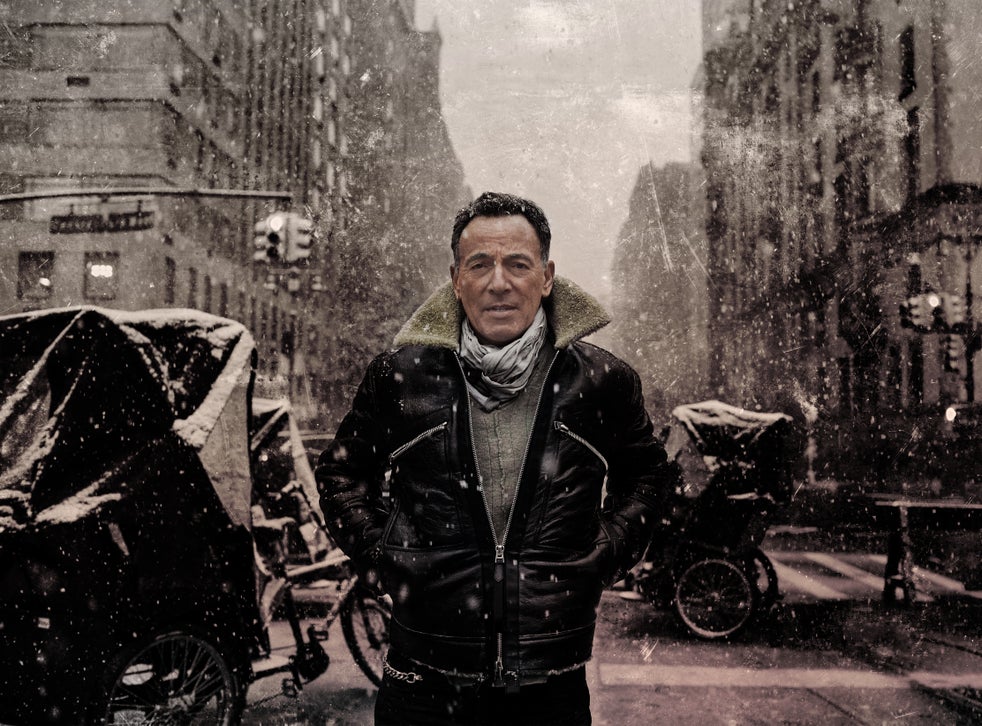
Loss is hardly a new subject for Bruce Springsteen: Many of his most popular songs surround this absence from arena anthems like “Born in the USA”, to heart-wrenching ballads of dying dreams like “The River.” His new album, Letter to You, returns to this well once again, but with a far more personal and honest tone than his previous work. Many of Springsteen’s classic tracks tell stories of a narrator coping with a world that they feel is leaving them behind. Shuttered factories, highways that never slow down—if you’re the main character of a Springsteen song, you’re probably not all that happy about it. 

But Springsteen himself has never lived that life, and he doesn’t hide it either. In Springsteen on Broadway, his (almost) one-man-show, he confesses to the audience that he never held a nine to five job at all. He’s played this character for more than 50 years, and he plays it well. 

Letter to You feels different in its reflections. When Springsteen sings about a young man’s dreams, they’re specifically his. When he reflects on his life and career, just as he does in The River, it’s not about a construction worker chasing a feeling, but rather a reflection on his younger years of playing the dive bars of the Jersey Shore circuit. Springsteen conveys his loss musically rather than just lyrically—though he does that plenty, especially in his closing song “I’ll See You in my Dreams.” The deaths of Danny Federici and Clarence Clemons, longtime members of Springsteen’s backing band E-Street, can be felt by their lack of musical presence. The band hasn’t ditched Federici’s and Clemons’s organ or saxophone altogether, but when they are used, it feels tasteful and reverential without the risk of careless replacement. 

What struck me during my first listen of the album in full was how little I related to his stories. Sure, I grew up in New Jersey and occasionally spent time in Asbury Park, but I never had a garage band or spent teen nights on the beach and boardwalk. And yet, Springsteen has completely mastered one emotion: Nostalgia. It is universal across his music, and appears strikingly in Letter to You. The longing in Springsteen’s lyrics reaches out from his life to his listeners, forging a necessary intimate connection. Just this once, the master of crafting nostalgia will let you into his own. 

This pull towards a past that is not my own fascinates me. I’m 21, in school, can’t legally drive, and I’m not a rockstar, yet I feel a strong emotional connection towards Springsteen’s music. Many of my closest friends feel the same as I do, and while we influence each other’s music taste to some extent, loving Springsteen is something we’ve all arrived at independently. Although his music can be easily dismissed as “dad rock,” younger audiences surely enjoy his music for another reason. 

One of my favourite songwriters, Glen Hansard, has advised hopeful songwriters to write about something specific and personal so that people will relate to it. It’s a bit counterintuitive, but perhaps that is what’s at play here. Springsteen doesn’t just create the longing from nowhere—the intimacy in his stories brings out a nostalgia that is dormant inside us. By writing these immensely personal stories, even if fictitious, Springsteen allows us to attach our worlds, our meanings, and our stories to them. This may even be behind the dedicated young POC and 2SLGBTQIA+  people who are becoming ever more present within the fan base. 

Letter to You is a masterpiece of E-street proportions. It tugs on the heart, it puts the roar of a stadium in the listeners ear, and above all, it reminds listeners that we all have a capacity for longing that doesn’t just span a half-century career, but also connects us to our most empathetic selves.

Commentary, Opinion

Kamala Harris’ refusal to be interrupted sets an empowering example for women

Kamala Harris, the Democratic nominee for Vice President of the United States, faced off against current Vice President Mike Pence in the vice-presidential debate on Oct. 7. Harris is a woman of colour and the daughter of Indian and Jamaican immigrants. When facing constant interruptions from her Republican counterpart, Harris sent a powerful message to young girls and experienced women in academia alike: Women must be heard and taken seriously. Harris demonstrated that she is a strong who will not tolerate men interrupting her by using the phrase, “Mr. Vice-President, I’m speaking,” every time Pence tried to interrupt her. By invalidating Pence’s constant interruptions, Harris showed that disrespecting women in professional settings must end. 

In contrast to Pence’s attempts to derail the conversation, the phrase “I’m speaking” served as a respectful way for Harris to assert herself. While some took to social media to call the repetition of the phrase to be obnoxious, it was its constant iteration that gave it so much power. “I’m speaking” was an inoffensive way for Harris to regain control without catering to the stereotype that women are overly emotional. A double standard undeniably exists between men and women in politics: When male politicians get angry, society characterizes them as tough and decisive, but when female politicians show any emotion, they are criticized for being too emotional. A 2019 study by Georgetown University showed that 13 per cent of Americans believe that men are better emotionally suited for politics than women. During the debate, Harris asserted herself in a way that did not further perpetuate this stereotype.

The way Harris firmly managed ill-mannered behavior from Pence set a stellar example of a woman standing her ground for women in all disciplines, especially in politics, where young girls do not often see themselves represented. Representation is key to encouraging more women to become involved with politics. Research shows that as female politicians gain more seats in the U.S. House and Senate, more women plan on running for office. This positive feedback loop holds true in Canada as well. Seeing women publically stand up to mistreatment from men empowers young girls to stand up for themselves and shows them that they should not tolerate disrespect. At school, women hesitate to speak up when they are being spoken over. Interruptions in class discussions, work settings, and personal lives are constant hindrances to women every day. 

Women at McGill are no exception to being interrupted by men. Whether in conferences or in class, some women feel that they have to justify their place at McGill, despite having earned their spots. While this is common in discussion-based fields like political science, such experiences worsen in other male-dominated fields, such as engineering. A study co-written by Brian Rubineau, an associate professor in the Faculty of Management, found that many female engineering students are pushed out by a hyper-masculine culture in which women are regarded as less intelligent. 

Female politicians are faced with multiple obstacles, but for women of colour, these barriers are exacerbated. Harris’ confidence and resilience shows the world that she knows she deserves the space and platform she has worked her entire life to claim, and that she will not allow anybody to take that away from her. Women in academia deal with this every day, and constantly have to prove that they deserve to be there alongside men who take up more than their fair share of speaking time. Harris’ words resonated with many women, and, hopefully, men too will learn to make space for women’s voices. The act of interruption is not always malicious, but when directed by men towards women in such a context, is invalidating in a way that men will never experience. As women like Harris work to have their voices heard, men need to start listening. 

Arts & Entertainment, Film and TV

What we liked during quarantine: Horror edition

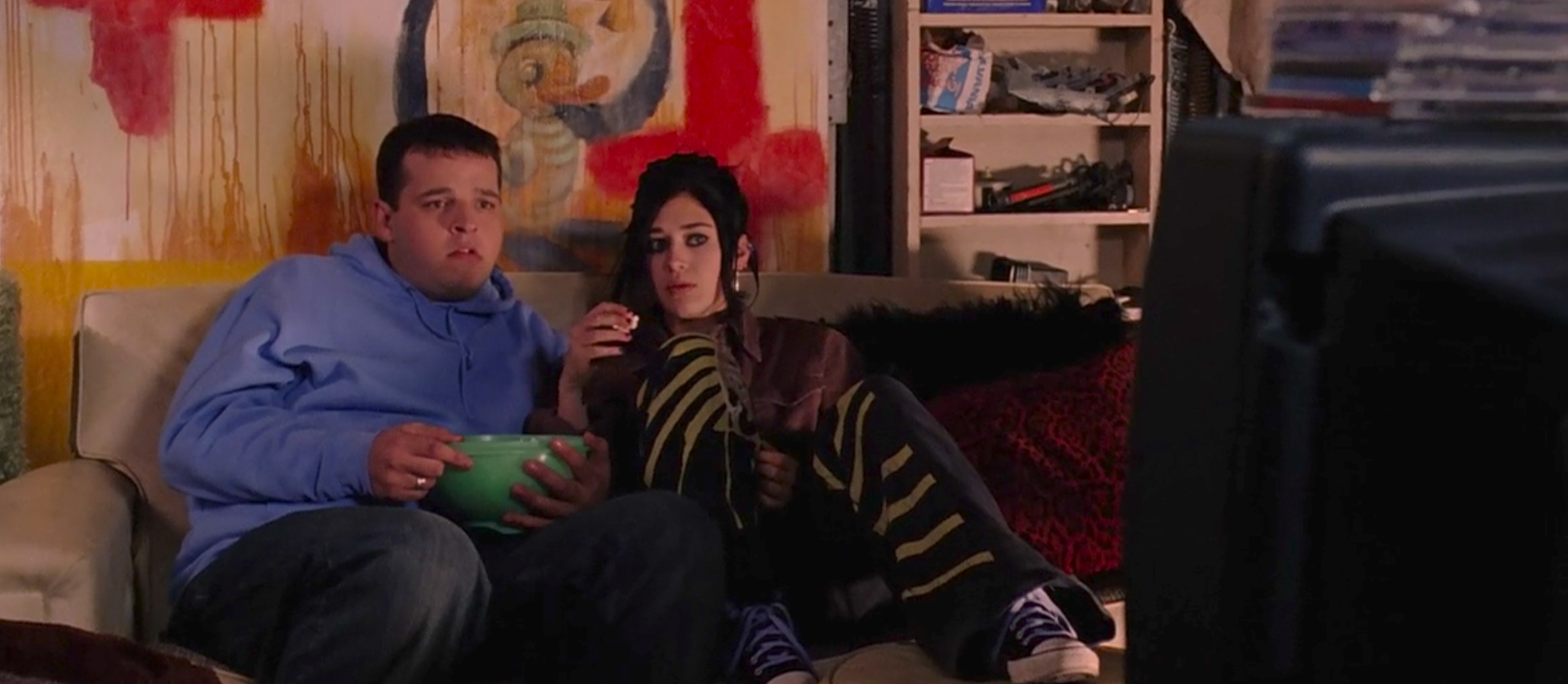
Midterms, elections, pandemics—there’s a lot to be scared about right now. But living in a red zone for the past month, confined indoors, and toiling through online university has only made these spooky movies even scarier. Now is the perfect time to take a break from real world scares and enjoy The McGill Tribune’s favourite quarantine horror movies.

Coraline, Michelle Siegel

Coraline (2009) brings a double dose of quarantine themes—not only does the stop-motion claymation film invoke the isolation and boredom of Parks and Recreation’s Requiem for a Tuesday,” but it also details the lengths that individuals will go to escape the boredom of being stuck at home. Coraline  follows a young girl who, often left alone by her work-from-home parents, discovers a seemingly perfect alternate universe behind a tiny door in her family’s new home. However, she soon learns that the new world and the family behind it are not who they appear to be. Similar to the daily monotony of pandemic life, even Coraline’s brief foray into town is dreary and disappointing, as Coraline faces a new and sinister reality: Ugly school uniforms. This imaginative tale is scary for its younger intended audience and for university students who may enjoy revisiting this classic Halloween flick.

Saw, Deana Korsunsky

For the optimal balance of scares and creative plotline, Saw (2004) rises above all other horror movies. The film’s principal story is about two men who wake up chained in a disgustingly vile bathroom, a mysterious corpse between them. Clueless as to how they got there, the men play a recording of a voice that assigns one of them a mission: Kill the other before time runs out. Disclaimer: Saw is bloody and gruesome, and your roommate may call you a psychopath for enjoying it. Regardless, the film does not simply rely on gore alone to entertain; its intricate storyline and chilling plot twist create thrilling suspense that will captivate any viewer. Saw is an opportunity to sit back, enjoy a horror film, and say to yourself: I may be stuck inside my apartment, but at least it’s not a filthy bathroom in which I have to commit murder.

REC, Vanessa Barron

REC (2007) is a quintessential quarantine horror movie. The Spanish found-footage movie follows a reporter and her cameraman filming a news segment about firefighters when they’re called over to an apartment building to investigate a woman going totally feral and biting police officers in the neck. We’ve all been there, am I right? Without warning, the building is sealed off from the outside, and the reporter, cameraman, and tenants are trapped inside with a deadly disease that makes people eat each other. A skillful combination of the zombie and found-footage genres, REC builds dread that accompanies the claustrophobia and paranoia inherent to quarantine.

Unfriended, Katia Lo Innes

Now that we live in the virtual dystopia of online classes, watching Unfriended (2014) is a gleeful and innocent return to a past internet: When the worst part of turning on your computer was not being forced into a breakout room, but having a drunk video of you defecating yourself on Facebook. Unfriended is primarily concerned with the spooky world of cyberbullying. The most unsettling part of the movie is that it seems to exist in a world where Skype is a reliable video-calling platform. Unfriended doesn’t quite get to the heart of what actually makes the virtual world terrifying and foreboding nowadays, like its pervasiveness and ability to exacerbate mental illness. Nonetheless, it does ask the silly question: What if your Facebook friend was actually a demon?

Arts & Entertainment, Film and TV, Pop Rhetoric

Ryan Murphy’s misguided progressivism

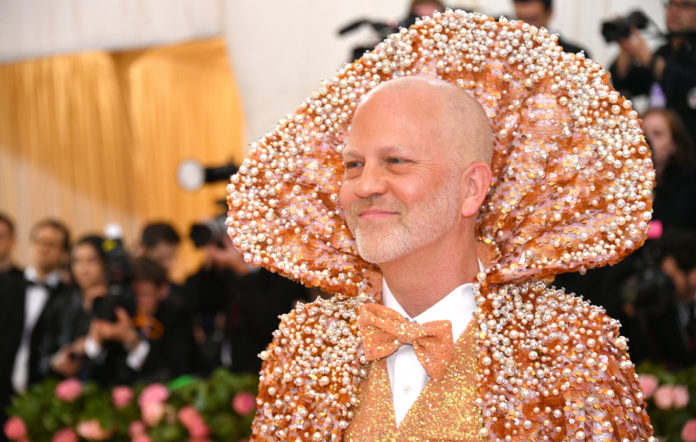
In the last decade, Ryan Murphy has been a singular force to be reckoned with in the world of television. Murphy has written, directed, and produced some of the most celebrated contemporary TV shows and films, including his humble beginnings with Nip/Tuck, to the attention-grabbing anthology American Crime Story, the critically acclaimed series Pose, and more recently Ratched

Murphy has become popular due in part to his exploration of overlooked subject matter and valorization of marginalized communities. Despite advocating for diversity and inclusion in popular media, Murphy has not always succeeded in giving nuanced portrayals of the communities that he purports to champion. It is important to remember that misogyny, transphobia, and ableism can emerge in supposed diverse spaces, and equally, in popular queer media. 

As a gay man, Murphy has made bounds in the television industry; however, this has unintentionally resulted in audiences and critics permitting him to continue to produce laughs and shocks at the expense of degrading non-white and female characters. Yes, Murphy is a trailblazer, but he is not exempt from the same mistakes that previous showrunners and network executives have made.

Emerging in the early 2000s when television shows with heteronormative white narratives like Gilmore Girls and One Tree Hill were the norm, Murphy changed the television landscape with Glee, which ran from 2009 to 2015. Glee received both critical and popular praise for being one of the first mainstream teen serials to prominently feature gay, lesbian, and transgender characters, people of colour, and disabled characters. 

While Glee brought then-ignored stories to light, it exploited its characters’ identities for derivative narratives and diversity points. For example, Kurt, an openly gay, musical theatre-loving student, was portrayed as stereotypically effeminate and beholden to character development limited solely to his sexuality. Most of the issues that Kurt encountered in the first couple of seasons revolved around his sexuality. Namely, Kurt was bullied for being gay by football jock David Karosfky, who himself struggled to come to terms with his sexuality. This victim trope prevented Kurt, Karofsky, and Glee’s other queer characters from rightfully having realized narrative arcs.  

Beyond shallow writing, Murphy engages in shallow casting practices, using actors who do not identify as members of the communities their characters belong to. From ignoring calls for racial diversity to selecting able-bodied actors to play disabled characters, Murphy’s casting choices reveal just how little thought is put into crafting substantial narratives for marginalized communities. 

Yet, the stories Murphy presents are vitally important. The Normal Heart is a brutally honest, painful, and powerful depiction of the AIDS crisis in New York in the 1980s. Pose tackles poverty and homelessness among 2SLGBTQIA+ communities, transphobia, as well as racism and sexism in corporate America, with a respect and sensitivity that was often absent in Murphy’s earlier work. Both these stories are self-reflexive, a key characteristic that Murphy’s previous shows lacked. 

Murphy takes on challenging topics that are ambitious for even the most thoughtful and sensitive television writers. It’s important to acknowledge his representational shortcomings,  as his popularity influences both his young viewers’ attitudes and perceptions and the practices of other television writers and producers. Murphy’s more recent projects show a greater deal of sensitivity in their writing and casting, giving hope that the prolific producer has grown along with his projects. 


Chill Thrills, Student Life

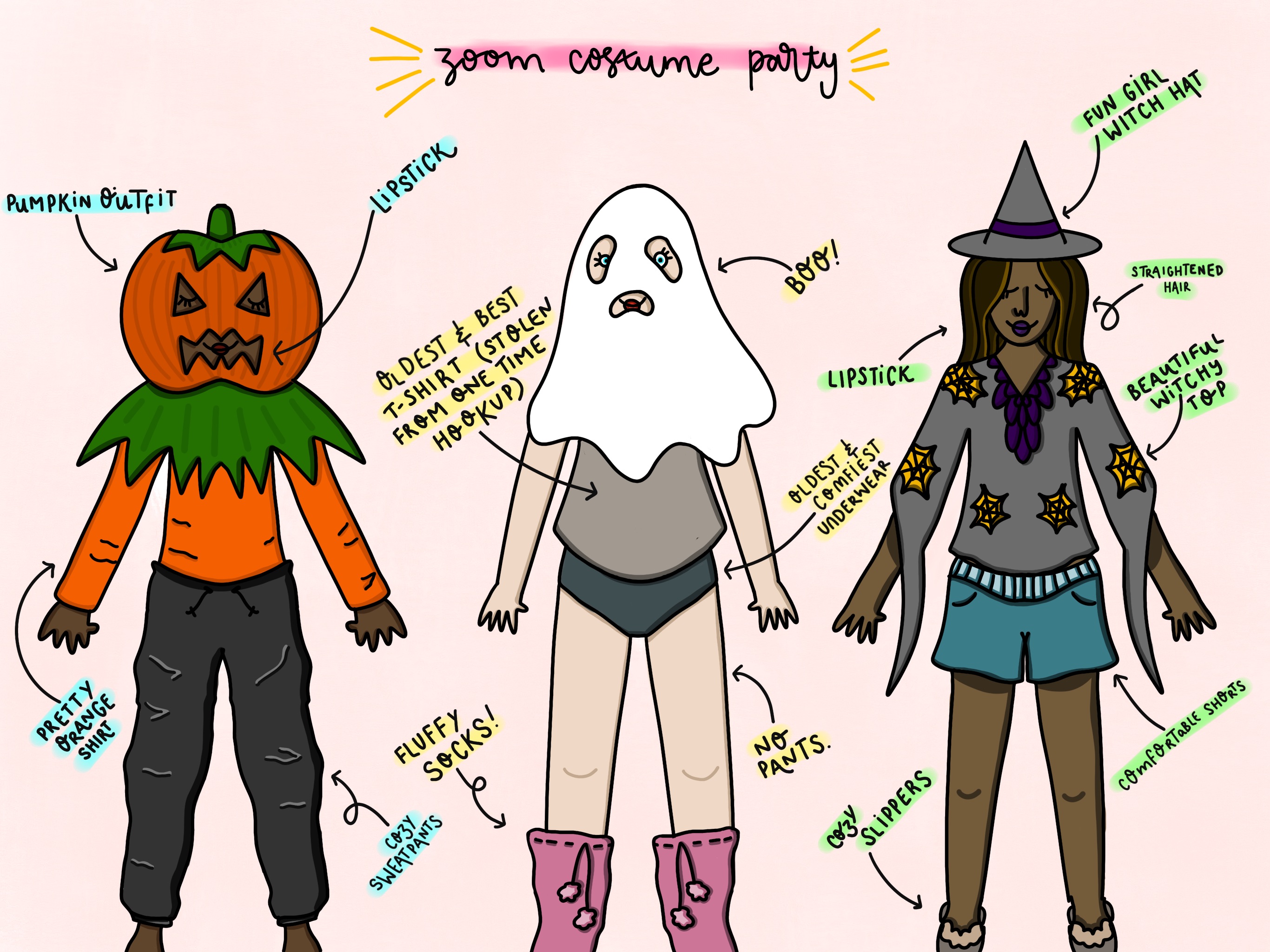
Halloween costumes for the upper half of your body

As Zoom continues to pervade every aspect of life, Halloween is proving to be no exception. Although there won’t be the chance to romp down St. Laurent in a pair of Dollarama bunny ears this year, you can still dress up and be festive. While not optimal, Zoom filters can add a whole new layer to Halloween costumes, providing students with a fun way to creatively “dress up” on a budget. Members of The McGill Tribune’s Student Life Section compiled some of their favourite DIY Halloween Zoom looks for students to try. 

Vaccine – Lucy Keller 

Talk about the prospect of having a vaccine for COVID-19 is unavoidable—whether it’s friends fretting over when it’ll be developed, or listening to the disastrous U.S. presidential debates about the vaccine, it has been the focal point of many recent conversations. While seemingly complicated, a waist-up vaccine costume is quite easy to make. Simply use an old white shirt and mark the dose increments to look like a syringe, and tape or glue grey construction paper on top of a winter hat in the shape of a needle. 

A Vampire from Twilight – Alaana Kumar 

A traditional Halloween vampire could be too simple for this unique Halloween. Luckily, Zoom filters provide the perfect opportunity to finally live out your middle school fantasies and join the cast of Twilight. Simply wear a v-neck white or black t-shirt, straighten your hair, add a snapback and pack on the body glitter. Make sure to put those Zoom backdrops to good use by placing yourself at a baseball field on a dark and cloudy dayoh, and use those Zoom sparkles, because you can never have too many. 

Abraham Lincoln – Alaana Kumar 

This year, Halloween falls during the U.S. presidential election campaign—talk about a spooky season! If you’re looking to get a little political, look no further than the U.S. president with arguably the most iconic style: Abraham Lincoln. Head to the craft store and get yourself some black markers and cardboard to fashion together a top hat, along with a fake beard. Don’t worry if the hat is out of the frame because as far as your audience can tell, you’re just that tall. 

News anchor – Leyla Moy

For this simple costume, lean into the limitations of your camera angle and the chaos of the 2020 news cycle. Wear your blandest semi-professional shirt and frame yourself from the waist up. Keep the background clear to add in a generic picture of a globe or a stock photo of the Montreal skyline. Throughout the night, swap your background out for images relevant to the conversation—or to really bring down the mood, take inspiration from the actual news and provide constant updates on world issues. 

Breakout Room – Katia Lo Innes

Nothing strikes more fear into the heart of a McGill student than being placed in a Zoom breakout room. Create an outline of a computer screen to poke your head through, and then attach two to three other similarly sized squares around you. In the respective squares, add people you wouldn’t want to be caught in a breakout room with, like an old hookup or your academic rival. To fully commit to the costume, only wear it for 20 minutes. Spend the first five minutes making awkward small talk, then go completely silent, blinking awkwardly. If anyone tries to talk to you, “turn off your camera” by running to the washroom to watch TikToks on your phone.


Arts & Entertainment, Film and TV, Pop Rhetoric

The Evangelical Crux of the Bachelor franchise

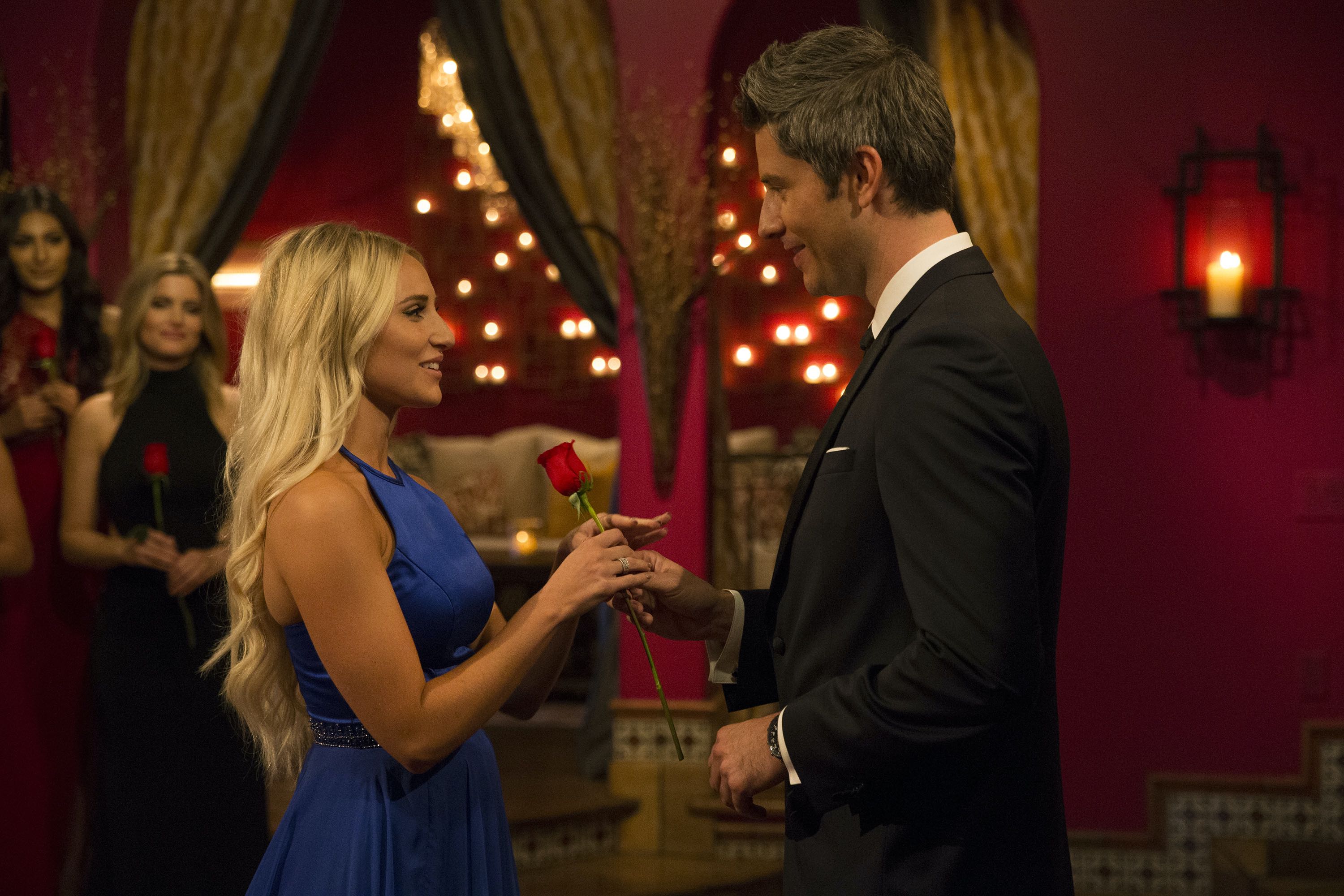
Bachelor Nation,” as the viewership of the sprawling ABC franchise affectionately refers to themselves as, watched in awe and elation during last season of The Bachelorette, when Hannah Brown dramatically sent home Luke Parker—the season’s villain—during week seven. The two had bonded over their shared Christian faith, and Parker had told Brown that he would not want to continue with their relationship if she had slept with any of the other men on the show, as he thought that it was not something a Christian woman should do. Before sending him home, Brown reprimanded Parker, bluntly telling him that, “I have had sex, and honestly, Jesus still loves me.” 

Although this was one of the first times in The Bachelor’s 24 seasons that sex had been so explicitly discussed on camera, it was just one of the many instances where the franchise highlighted its deep evangelical Christian roots.

The franchise, which began in 2002, has led to an empire of spin-offs and fan-made media. Each season follows a man or woman who parses through roughly 30 contestants until they pop the big question to the winner. In more recent years of the show, the lead bachelor or bachelorette is selected from the group of contestants in the previous season, allowing the producers to develop their personality and build a narrative for them over the multiple seasons. Often, their characterization is built on idealized American evangelicalism. 

Christian leads and contestants have been a routine staple of the franchise: Former contestants  Sean Lowe, Jake Pavelka, and Emily Maynard have all been open about their faith. It is interesting to note that the focus on Christianity has only increased as the seasons have progressed, moving past the franchise’s reputation as tawdy low-brow reality TV into the realm of moralism. Not every contestant has been Christian, but on a television network that professes to be secular, the celebration of Evangelicalism and absence of any other faith is striking. It would be remiss of the show to discount contestants by blocking them from expressing their core beliefs, but the disproportionate exposure of evangelicalism is especially conspicuous given the franchise’s nearly two decades on-air. 

Pushing the Christianity of contestants could be a ploy to appeal more to the show’s established audience. A 2019 study revealed that the primary audience of The Bachelor is situated in Southeastern and Midwestern America, with hotspots of viewership in Tennessee, Arkansas, Mississippi, Louisiana, and Oklahoma—all of which have Christian populations ranging from 79 to 84 percent. It makes sense that the show would prominently feature Christianity to appeal to these demographics. 

However, the logic of appealing to core audiences has seemingly become a crutch for the franchise to use as an excuse for their multifaceted failures in diversity. The Bachelor franchise has been rightfully criticized for its lack of overall diversity, especially during the past year by audiences and online groups like the Bachelor Diversity Campaign. The lack of  religious, racial, and cultural representation is symptomatic of the show’s systemic discriminatory structures, as people from different religions have stories and practices that would not fit as neatly into the franchise’s limited culture lens. Of course, a reality show will never truly reflect the real world, but that doesn’t mean The Bachelor franchise must limit itself to the fantasy it portrays. 

The issue is not simply that every lead of the show has been Christian, but that other faiths are erased and unmentioned. In a Huffington Post article interviewing a number of former contestants about The Bachelor franchise’s lack of diversity, Season 13 bachelor Jason Mesnick discussed how his Jewish heritage was ignored in his season. He revealed that many scenes with Jewish traditions were filmed for both his season of The Bachelor and his televised wedding, but none of it ever aired.

It was made abundantly clear this past summer that it is time for The Bachelor franchise to change. Along with racial diversity, religious plurality is a paramount trait that must be featured in the future of The Bachelor.

Student Life

What your Zoom background says about you

Decorating comes with added stress this school year, as Zoom University often allows classmates a glimpse into your home. If you are obligated to turn your camera on in class, trying to score extra face time with your professors, or wanting to show off your new pair of blue-light glasses, you may find yourself curating your background to please the audience. The McGill Tribune has compiled a non-exhaustive list of possible backgrounds and how they reflect your personality. 

Blank wall

A blank wall is the perfect blank slate for office hours with your professors, job interviews, or meetings. Showing a blank wall allows other people to project any assumptions about you, for better or for worse. It can leave them thinking you are professional and put together, or wondering if you just haven’t had the time to decorate at all. Perhaps, you’re embarking upon a minimalist, waste-free lifestyle. The blank wall is an overall crowd-pleaser because it isn’t distracting, although definitely better if used sparingly.

Door

A door background is gutsy, but not too gutsy. There is a barrier between your meeting and the chaos of your home, but the barrier can be broken down at any moment by a cohabitor who forgot you were going to be on a call. Putting your door directly in the background screams: “This is the plainest surface in my room.” Your fellow classmates will love placing bets on how long it will be before someone inevitably walks in and gets all wide-eyed when they realize that they’re interrupting your highly important video chat.

Bookshelves

Politicians, public figures, and even some professors have their bookshelves as their backgrounds. You are none of those things. Bookshelves are the perfect background for the pseudo-intellectual in your tutorial who tells the professor how the difficulty level was perfect for the assignment that you desperately struggled on. Be better than that. 

Decorated wall

The curated photo collage on your wall is great to flaunt in specific classes. For your art history class, show off the $7 Matisse print you got at the poster sale. Displaying nature posters in an environment class might just make you a friend when someone slides into your private messages in the Zoom chat to compliment your decor. Exhibiting your taste in posters or artwork has become the newest form of self expression now that no one can flaunt their latest fits on campus. 

Whole bedroom

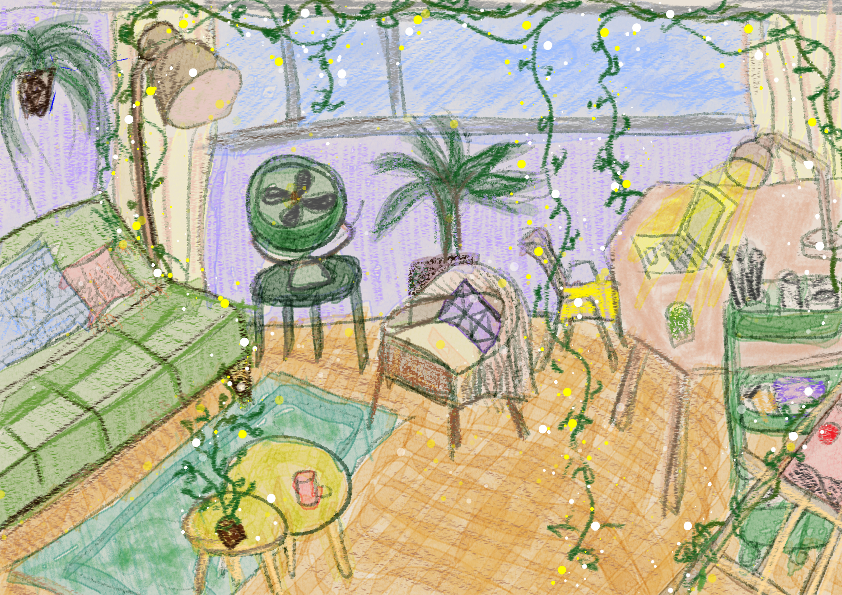
Showing off your whole bedroom in the background is the ultimate flex. Really, only the people who truly have their lives together can manage to keep their rooms immaculate enough to do this. It’s the perfect way to intimidate your classmates while impressing your professors. All your snoopy peers want you to know that the fairy lights above your bed look cute, and that they complement the hanging planters really well!

Outdoor area

You’re either one with nature or you’re just sitting on your balcony. Either way, good on you for trying to get that vitamin D. In all seriousness, sometimes you really cannot do Zoom calls from inside your home, and outside is a great alternative. Everyone in the southern hemisphere should join calls from outside, so the rest of us in Montreal can experience the nice weather vicariously through you. Many thanks in advance.

Green screen effect

You’re fake, but at least you’re embracing it. Everyone knows you’re not actually in an 18th century-style study, but if that’s what you need to believe to get through the day, then go ahead. Green screen people rule the Zoom chats along with whole bedroom people, so thanks for asking the clarifying questions, but kindly pipe down, because waiting for the prof to answer you is slowly killing the rest of us. Maybe if you hadn’t spent 10 minutes at the beginning of class sorting out your green screen, you would have caught that the exam is not, in fact, on Thursday. 


Science & Technology

The Tribune’s declassified pumpkin disposal guide

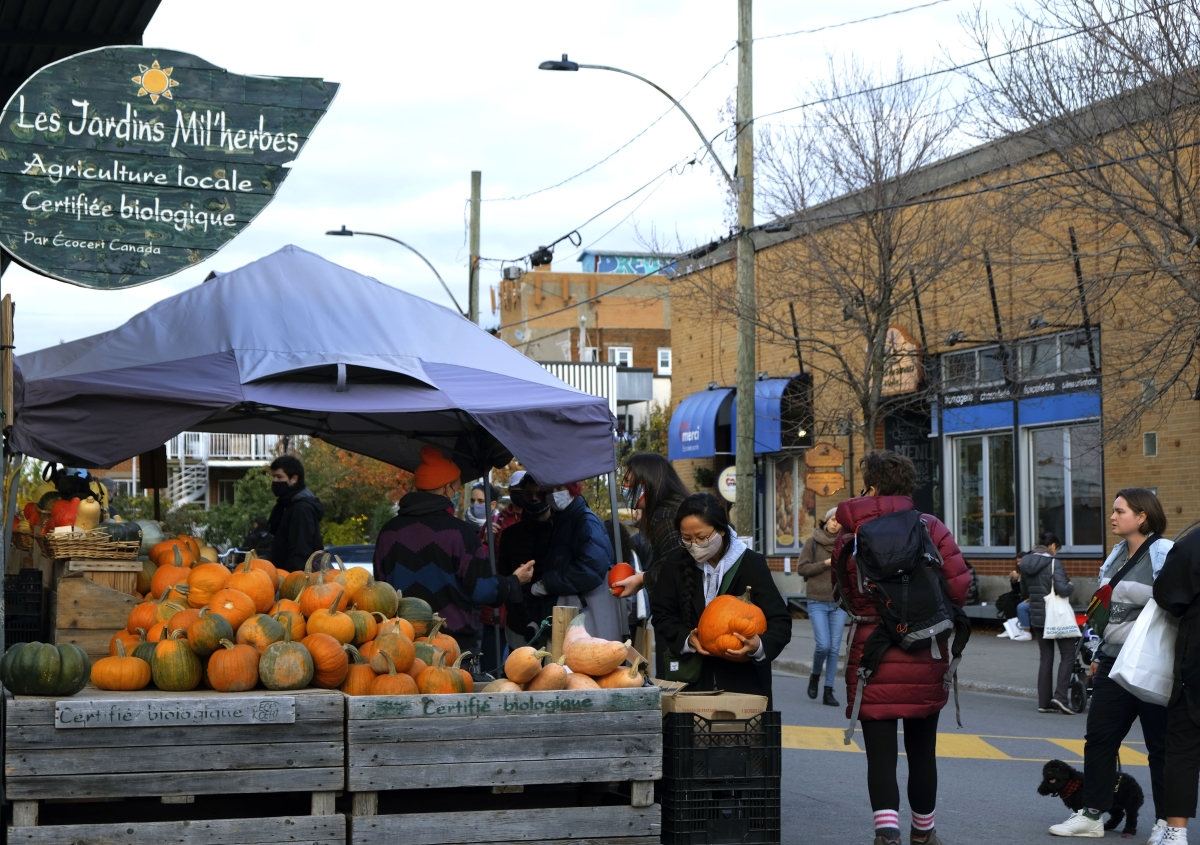
Every year in early October grocery stores across Montreal, much like the rest of North America, place large bins full of bright orange pumpkins outside their shops, and every year customers buy them all up. The market for pumpkins and pumpkin-related activities, like hayrides and farm visits, has grown in recent decades. In 2001, Canada planted 5,700 hectares of pumpkins, squash, and zucchini; by 2017, there were more than 6,400 hectares of land growing these fall staples. Come Nov. 1, however, consumers are frequently left with rotting pumpkins in dire need of disposal. 

Simply tossing a pumpkin in the garbage can have negative consequences on the environment. The addition of food waste to municipal solid waste (MSW) leads to anaerobic decomposition in landfills. Anaerobic decomposition occurs when organic materials break down in environments without oxygen—the bottom of a landfill, for example—producing methane gas along with carbon dioxide and water vapour. Methane is a greenhouse gas that is about 28 times more potent than carbon dioxide in accelerating climate change, and 20 per cent of Canada’s methane emissions come from its landfills. 

There are, however, ways to keep pumpkin husks out of landfills. The first is, hopefully, the most obvious: Eat the gourd. Pumpkins that have not yet started to rot are still perfectly edible. These squash contain a wide range of essential nutrients, including vitamins A and C, potassium, and iron. There are a variety of flavourful options for preparing this delicious autumn vegetable. Try making a wholesome and warming pumpkin soup, or roast your cucurbit with other vegetables for a delicious side that is easy to keep in the fridge for later. 

In the weeks leading up to Halloween, many people may have left their carved pumpkins outside as decoration, where exposure to the elements and Montreal’s squirrels are likely to make the pumpkin significantly less appealing to eat. Pumpkin decorations are an autumnal mainstay, but that does not mean the whole vegetable has to go to waste. When scooping out the stringy innards of a pumpkin to carve a spooky face in the side, save the seeds for later. Separate the seeds from the tissues and wash them off before drying. Then, toss the seeds with seasoning of your choice and roast them for a tasty harvest season snack. 

Eating as much of the pumpkin as possible should be the first step in keeping them out of landfills, but if molten pumpkin carcasses are still left over on doorsteps, eating that rotten flesh becomes a deeply unpleasant thought. This is not an excuse to throw those sad, orange racoon snacks in the garbage. Make sure to compost these pumpkin remains, either through Montreal’s municipal compost collection service or in an at-home compost heap. Checking neighbourhood specific compost collection instructions and days is simple and can help keep food waste out of landfills, reducing greenhouse gas emissions from MSW. 

Every year, the average Canadian household loses $1,100 in food waste. Planning meals––and edible decoration use––in advance can help individuals save money and ensure nutritious vegetables like pumpkins do not end up contributing to the ongoing climate crisis. Participating in fun holiday traditions, such as pumpkin carving, is still possible without the mindless consumption and waste that the commercialized versions of holidays often promote. A little extra planning and effort can make this Halloween special and memorable, especially with parties and spooky social gatherings off the table this year. 

Read the latest issue

Read the latest issue