


Latest News

public health
Science & Technology

Unearthing an epidemic: The birth of Canadian public health

Diseases are one of humanity’s greatest blind spots, an enemy that always reappears. Fears of loss and death can lead to dramatic societal turmoil, from economic troubles to civil unrest. They remain, however, pivotal moments in history, providing valuable opportunities for comparisons between past and present disease management tactics. 

A team of archaeologists were recently called to document the remains of a 19th-century church discovered by construction workers underneath a parking lot in the district of Sainte-Rose, Laval. The archeologists carefully recorded the outlines of the old church, cemetery walls, and graves in what was once the churchyard.

Interestingly, the team observed that the graves were small, tightly packed, and located quite close to the surface. By accessing the cemetery’s records, which spanned from 1788 to 1890, they learned that over 7000 people were buried in the small plot, primarily children less than a year old. The archeologists also noticed an intriguing spike in deaths on two occasions, in 1832 and 1834. Archeologist Justine Tétreault tied these spikes to dates in the church records. 

“Well, we know the exact numbers [of burials] through records, but what we saw on the site is a very high density of burial pits,” Tétreault said in an interview with The McGill Tribune

In fact, the 1830s were pivotal in the history of public health in Canada. In 1832 and 1834, two cholera epidemics swept through North America, causing mass casualties in Lower Canada—now Quebec and Labrador.  

Cholera is a gastrointestinal disease caused by the bacterium Vibrio cholerae. Highly infectious, it causes diarrhea, massive dehydration, and is often deadly. In the early 1800s, however, the cause of the illness was still unknown.

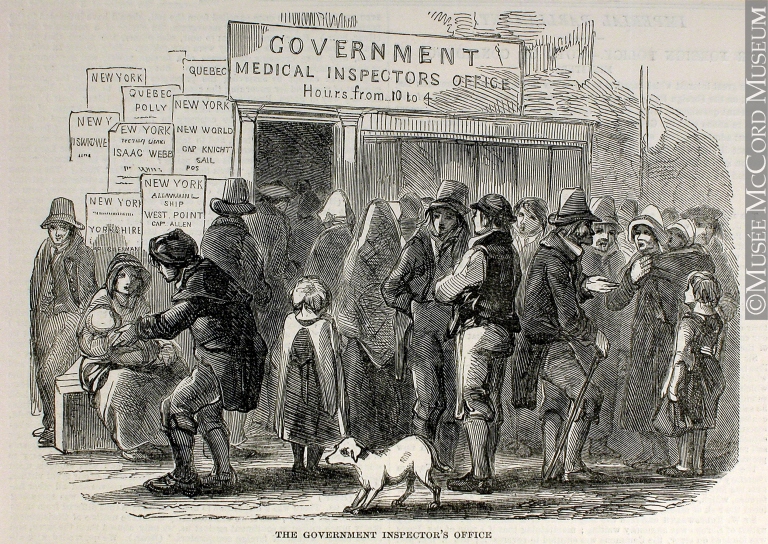
In the winter of 1831, government officials in Lower Canada learned that cholera had hit the British Isles and could spread to Canada. This information effectively prompted the birth of Canadian public health legislations, culminating in Canada’s first Quarantine Act in 1872. The famous Grosse-Île quarantine station was established during the 1832 epidemic to mitigate the impact of cholera’s arrival. 

Despite these newly implemented measures, the illness’s toll was devastating. Cholera claimed over 5,000 lives in Lower Canada alone, a significant loss for a region with a total population of only 500,000 residents at the time. Jean-Philip Mathieu, a PhD candidate in the Department of History and Classical Studies, noted that fear was prevalent in the population at the time. 

“It was a catastrophe for human health. It was absolutely catastrophic,” Mathieu said in an interview with the Tribune. “This was a major fear for people. It strained the system of proper Christian burials because the mortality rate doubled over a few months.” 

Frightened and underprepared, Canadians were left to improvise. Government officials responded by creating a Board of Health, but also fired cannons and burned tar to cleanse the air—a futile effort, especially when fighting a waterborne pathogen. As with the COVID-19 pandemic of today, people dreaded the misunderstood disease, and their fear translated into a distrust of the government and other experts.

“The improvisation of trying to deal with this [pandemic is] very familiar,” Mathieu said. “People not complying, not following directives, not trusting doctors. A major thing people [thought was] that doctors [were] actually giving them cholera—there’s a distrust of expertise. There are a lot of commonalities [with COVID-19], and all pandemics have certain things in common.”

The apprehension caused by an unknown disease now seems eerily familiar. Yet, throughout history, epidemics and pandemics have always brought about two things: Tragedy and change. Many of the health measures implemented in 1832 persisted far beyond the end of the outbreak.

“This particular epidemic really changed things,” Mathieu said. “People realized how improvisational this was, and that you need better planning and better regulations because you [can’t] escape epidemic disease [….] And a quarantine station is just one example of that, of these governments with very limited tools and technologies, [and without] a very strong state structure. I think that’s really important contextually.”

History is cyclical. Every so often, we unearth glimpses of the past that help us understand similar experiences of those who came before. Today, like in 1832, it may seem as though the world lingers in a perpetual state of fear, distrust, and uncertainty. Yet, these same fears will push experts to change the face of public health, even if such changes only become visible in retrospect, 200 years from now.

Montreal, News

Dozens gather at Palais de Justice de Montréal to protest against recent PEQ reform


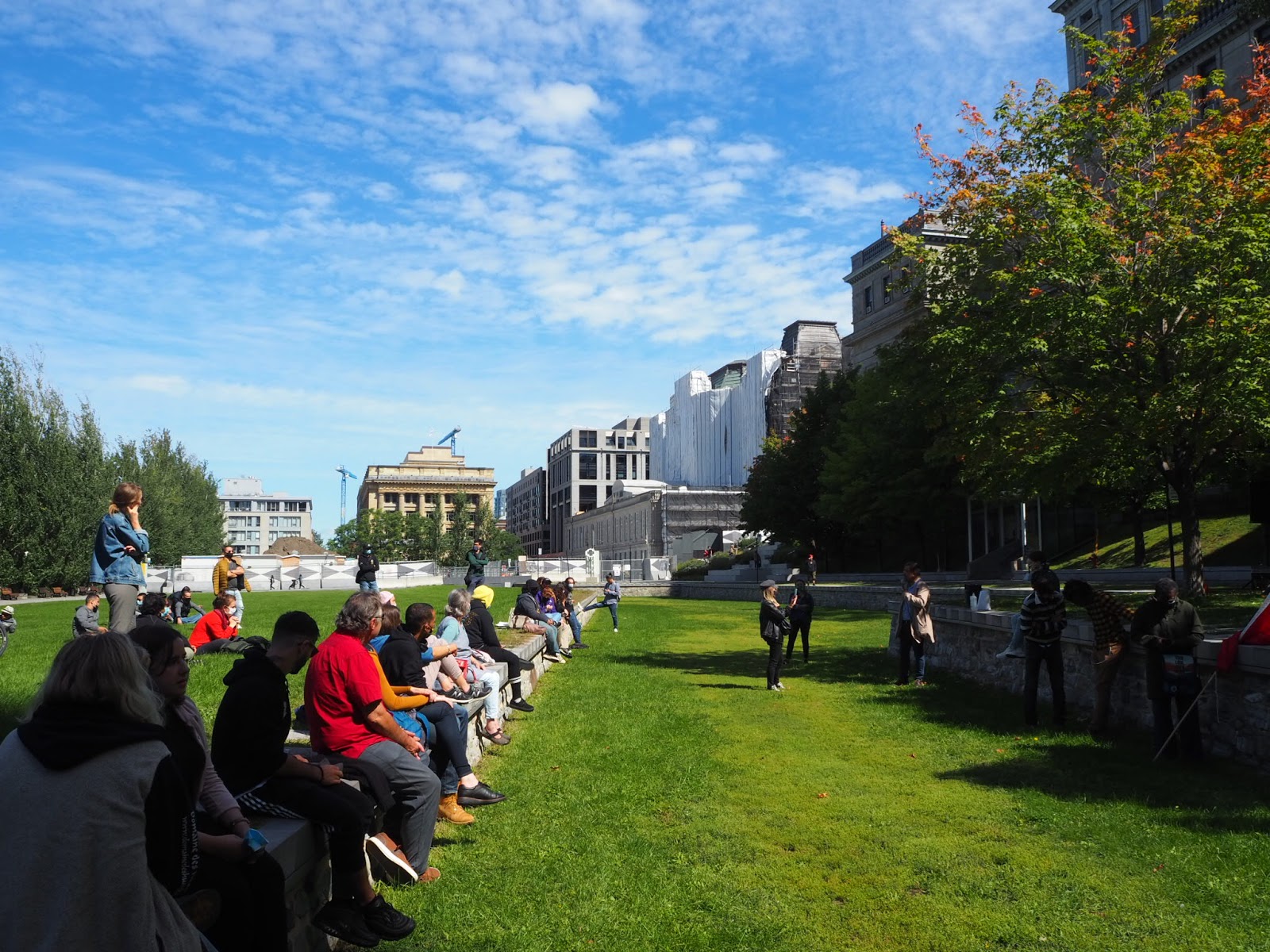
Approximately 50 people gathered by the steps of the Palais de Justice de Montréal on Sept. 12 to protest the recent reform of the Québec Experience Program (PEQ). The small but vocal crowd cheered speakers on while remaining socially distant. The protest was organized by the activist group Le Québec c’est nous aussi, which advocates for inclusivity in Quebec.

 The PEQ reform, implemented on July 22, has tightened the immigration program’s eligibility conditions, requiring increased work experience for international students and temporary foreign workers in Quebec. 

 Andrés Fontecilla, a Québec Solidaire Member of Provincial Parliament (MPP) for Laurier-Dorion, spoke with verve about his opposition to the new reforms. 

“[With] the reforms being fundamentally unjust, there are always reasons for us to mobilize […] and we will mobilize […] until we correct the principal injustices of this program,” Fontecilla said.  

Fontecilla also outlined the group’s principal demands to the CAQ government.

“[The government] must respect its word,” Fontecilla said. “The Quebec Premier François Legault and the former Immigration Minister Simon Jolin-Barrette gave their personal word as minister and Premier [that] international students would have a granted right [to work]. This means that, despite the reforms, the people that are already here will be able to apply following the old rules of the PEQ program. [The government] has to respect its promise. It is a state promise.”

Ramatoulaye Diallo, treasurer at the Conseil central du Montréal métropolitain-CSN, an organization that represents the rights of over 100,000 workers from nearly 400 syndicates across Montreal, explained the importance of standing up for foreign students and workers.

“Fighting against injustice is what we do,” Diallo said. “[We’re] here today because we think that the PEQ reform is an unjust reform towards racialized people and […] immigrants.”

Diallo noted the importance of foreign students to Quebec, highlighting that their participation in the economy is undervalued by the CAQ government.

“My impression is that if we create an injustice like this, we will be missing workers, and in that sense, it can affect my work,” Diallo said. “I want young people, especially young graduates to be able to come here in Quebec and to be able to find work [so that] they can contribute to the development of this country.”

Saïd Apali, who is part of the Syndicat des étudiants salariés de Montréal, felt that while his syndicate represents many international student workers at the University of Montreal, he took part in the protest because he believes it is also an important social cause. 

“There are already many studies that demonstrate that people who are ethnic minorities […] and women […] face structural barriers on the labour market, that are discriminated against, [be it] direct, indirect, or systemic,” Apali said. “But now [instead of helping], the Legault government is saying, ‘we will put even more barriers’ […] which will make it even harder to integrate into the labour market [….] We see that this has many different ideological motives and that these are racist ideological motives.”

Fontecilla explained that the PEQ reform, which was introduced by the CAQ in mid-July, was able to pass under the radar because the public was primarily focused on the pandemic.

“[The government] profited […] from when everyone had their eyes turned towards the healthcare system, the CHSLD, and the number of [COVID-19] deaths,” Fontecilla said. “The government, especially the former Immigration Minister Simon Jolin-Barrette took profit from this to pass the reform in […] hiding—and his operation hasn’t worked—but he’s profiting from the mediatic attention being elsewhere to pass this reform. It’s a rather sad political tactic, pretty unimaginative, but heck, it’s politics.”

All interviews were conducted in French and translated by the author.

Every week is a busy week for SSMU clubs and services (Simon Poitrimolt / McGill Tribune)
McGill, News, SSMU

SSMU Clubs and Services forced to adapt amid COVID-19 regulations

While students around the world have begun to adjust to the new normal of online classes and socially-distanced gatherings, the COVID-19 pandemic still affects almost every aspect of our lives. In particular, the pandemic has impacted student’s social interactions, including their ability to participate in clubs and societies. Activities night, held on Sept. 9 and 10, transitioned from being a gym jam-packed with booths into an online portal where students could sign up to interact with the clubs they were interested in.

Student-run clubs not only serve as convenient ways for students to meet others with similar interests, but also create opportunities for students to escape their daily class schedules. Furthermore, clubs serve as ways for students to help their communities or be exposed to and work within more specific fields.

MEDLIFE McGill, a club dedicated to advocating for accessible education and healthcare globally, is one of many student organizations impacted by COVID-19. MEDLIFE McGill’s Vice-President of Finance and Sponsorship Elise Goncalves explained how McGill’s transition to online learning has affected the club from running as it once had. 

“Our meetings have gone online,” Goncalves said. “We use Slack to talk to each other and regular Zoom meetings to keep each other up-to-date, [whereas], we used to hand [out] flyers […] and set up booths on campus to raise awareness for our cause.”

One of the more notable barriers to the club has been the lack of opportunities for outreach, as the only readily available communication tools are Facebook and Instagram. This has made it more difficult for MEDLIFE McGill to collect donations, as normal fundraising activities are not feasible due to COVID-19 regulations. 

There have, however, been some positive aspects to the transition to online platforms. MEDLIFE McGill hosted an online Q&A session in which students were able to ask questions relating to the club. In addition, MEDLIFE McGill also hosted an Instagram fundraiser, where team executives completed challenges to reach fundraising goals. 

Krista Mahler, the co-chair of McGill Students for UN Women, explained how their fundraisers were similarly affected by the move to virtual resources. 

“We have been trying to accustom our club [members] to virtual changes,” Mahler said. “We will hold events and panel discussions online. It has been hard to generate money for the club itself, including being able to donate our money. Moving forward, [McGill Students for UN Women] will be doing virtual volunteer work, like sending letters out to women’s shelters, particularly Chez Doris, to create ties and inspire them.” 

Another organization that has been affected by the COVID-19 pandemic is Desautels Management Achievement Awards (DMAA). Kaitlyn Lynch, the director of Marketing, expressed that DMAA would be forced to reconsider how it would host events.

“Our club works towards having an event in February, an award ceremony, which was held at the Four Seasons [hotel] last year,” Lynch said. “We don’t know whether or not that is going to happen in-person yet. We have been looking at alternatives for the event and [whether we will] still be able to get sponsorship money to hold this event, but right now it is all up in the air.” 

Although the pandemic forced student clubs to implement new methods of outreach, it is not all negative. The silver lining comes from developing more creative strategies that can reach a wider audience, such as the use of listservs, social media, and online events. Online meetings and events also allow students to avoid commuting to campus, and makes it more convenient and easier for students to get involved. It remains to be seen if these strategies will continue after the pandemic and as life returns back to normal.

Student Life

What we’re learning about remote learning

In case you have not gotten the memo, McGill classes are all now held virtually. Gone are the days of running to your 8 a.m. classes, commuting to school, and pretending to stay awake during lectures. Yet, this comes at the cost of the regular start-of-the-year events, and a regular campus community.

Initial rejoices and complaints aside, remote learning remains unchartered territory, and its impacts on professors and students are not yet fully known. At the moment, instructors at McGill are taking steps to figure out how to successfully teach online, developing with new methods to make the transition smoother for students. 

Charlotte Usselman, assistant professor in the Department of Kinesiology and Physical Education, shared her insight as a first-time Zoom professor. 

“Open and honest communication with students is the key,” Usselman said. “I was very blunt with my class, telling them that […] although I had done my absolute best to prepare for the coming semester, I knew that there would be hiccups. I asked the class to be forthright and honest in their feedback and suggestions [….] So far, I’ve found that opening myself up to those suggestions has been extremely rewarding.”

Usselman also revealed some of the struggles that she and other instructors faced in the weeks and months leading to the start of the semester.

“Instructors preparing their courses for remote delivery this semester were not given extra hours in their workload to prepare, [so] we had to make time in our already-busy schedules to adapt,” Usselman said. “Many of us have worked hard to try to gain these new skills, […] but it has come at a cost in terms of time spent with our research labs, with our friends and family, and our sleep schedules.”

Maureen Rose, senior faculty lecturer in the School of Human Nutrition, had prior experience with remote learning as an instructor.

“[Remote learning] is not as effective as in person, as the interaction and sharing of ideas is less smooth and students seem more shy on Zoom,” Rose said. “Teaching 100 plus little black boxes is not fun nor interactive. [However], the impetus to try different ways of teaching and letting students take more responsibility for teaching themselves […] is an aspect of remote learning that I like.”

Remote learning has served some students well. For those with a safe and stable home environment, it can allow students to work at their own pace, away from the stressful environment of school. Additionally, with many classes now recorded and asynchronous, students are able to decide when their school day begins. 

Tracy Liu, U3 Science, finds that she is able to better balance her work and school life with remote classes. 

“With classes being held remotely, I save so much time commuting to classes and no longer have to work my personal schedule around school,” Liu said. “I currently have a research position, and remote learning allows me to work full time and take my classes in the evening. I am getting so much more done.”

On the other hand, Lily Ragsdale, U4 Science, finds it difficult to engage with her professors, classmates, and the material through remote learning.

“I’m just not getting fulfilled with remote learning,” Ragsdale said. “I’m unable to […] engage with virtual lessons and taking classes while being confined in my apartment is hard. I know that students and teachers are trying their best to make remote learning work, but things like slow communication and missing extracurriculars are inevitable.”

Only time will tell whether remote learning can actually be an adequate substitute for in-person classes. As the remote semester continues, it is important to keep in mind that this model of class is currently the best alternative, as keeping the university open poses a safety risk for students. Remote courses are certainly better than no classes at all. 

Basketball, Sports

Style Seminar: Russell Westbrook

While the Houston Rockets’ Russell Westbrook was incredibly inconsistent in the 2020 NBA Playoffs, his pre-game outfits have never failed to impress. When it comes to bold and flavourful ensembles, nobody else in the league can compare. As many mourn the Rockets’ second round playoff exit to the Los Angeles Lakers, The McGill Tribune celebrates Westbrook’s fearless fashion sense.

Mega-distressed sweater: 7/10

We’ve all got that sweater with a little rip at the cuff or a fraying hem, but Westbrook took distressed clothing to a new level with this shabby-chic look on Jan. 25, 2018. The giant slash across his chest does a good job of looking like he nearly escaped death at knifepoint while also highlighting his necklace. This outfit could have rocketed up to a perfect 10 if the sweater’s rips had been a little more extensive. As it is, the neatness of the sleeves combined with the ragged shoulders is more reminiscent of a targeted moth attack than a deliberate choice. Still, the overall effect is admirable.

Photographer vest: 10/10

The best fashion is fashion with a purpose, and this look from Westbrook certainly deserves that label. His white t-shirt and pants create a blank canvas on which he writes a subtle jab at star forward, amateur photographer, and ex-teammate Kevin Durant. Westbrook pointedly wore this outfit on Nov. 3, 2016 before his first game against Kevin Durant since Durant left Oklahoma City for the Golden State Warriors. Westbrook played it cool and denied any link between his ex-teammate and the outfit, but that didn’t stop him from becoming the talk of Twitter. If the next step in NBA rivalries is throwing shade through style, Westbrook is certainly ahead of the curve.

Bathrobe and sweats: 7.5/10

This outfit screams “don’t talk to me until I’ve had my morning coffee.” While this was taken before an 8 p.m. game against the Philadelphia 76ers, Westbrook looks like he just rolled out of bed. His full-body grey sweats and Air Force 1s topped with a bathrobe may have you thinking Russell has given up on his high-fashion pursuits, but upon closer investigation, this ensemble costed over $1295 to put together. This outfit lost points for the out of place bandana-headband; it doesn’t add to the outfit and takes away from his bedhead look.

Personal protection equipment: 9/10

This outfit is perfect for those who need to get straight from the job site to the game. Westbrook wore this outfit on Feb. 9, 2019 before his victory against the Houston Rockets, making sure his arrival was in full compliance with OSHA workplace safety guidelines. The bright orange and yellow in tandem with his purposeful stride make for a vibrant and distinct outfit that’s sure to catch eyes. This look would have been a perfect 10 if he had not forgotten to wear his OSHA mandated steel-toed reflective sneakers. 

One quarter of a barbershop quartet: 10/10

This look has it all: A well-tailored suit, a funky pattern, and velvet shoes that tie everything together with a fun textured element. The boater hat—a staple of every barbershop quartet member’s look—adds a whimsical accessory and proves that Westbrook is not afraid to commit to a look. Details, like the pocket square, hit their mark perfectly in this outfit, making the statement look that much more memorable. The only thing missing from this is three teammates in matching outfits and a fun little musical number. 

Canadian tuxedo full-send: 5/10

This look gets most of its points for commitment. The jeans are just a little bit too wide at the bottom to be skinny, and a little too tight everywhere else to be a straight-leg cut. Sure, fashion can be revolutionary and should push boundaries, but inventing a new cut of jeans is downright unnecessary. The jeans and jacket being in the same shade of mid-wash denim also offers no optical rest for viewers of this outfit. Westbrook loses more points for the denim baseball cap as well; it’s just ugly. He does however, get an additional point for the jean Jordans, because those are cool. 

Thrift store mix and match: 8.5/10

This outfit makes Westbrook look like he’s walked right off of Macklemore’s “Thrift Shop” music video set. Sure to make any Eva B shopper jealous, the combination of bright colors and floral print create a retro summer look suited for anybody feeling colorful. The juxtaposition of suede shoes and a pink fur jacket adds a variety of textures to this outfit that make it versatile and adaptable to different weather conditions. The outfit, however, suffers from his fire-engine-red handbag that clashes with the subtle pastel colors that hold the rest of the look together.

Avant-garde cargo mess: 3/10

Every part of this outfit clashes with itself in an unpleasant way: The colour scheme, the proportions, the functionality. Westbrook’s pants appear to be equipped to carry at least five people’s school supplies and snacks, but seem unnecessarily cumbersome and clunky. It doesn’t help that his t-shirt is too long and covers up the top of his pants while also falling under his asymmetrical traffic-cone-orange jacket. This composition is not Russell’s finest work and we can only hope he doesn’t repeat his mistakes.

Science & Technology

Department of Family Medicine introduces new Inuit health module

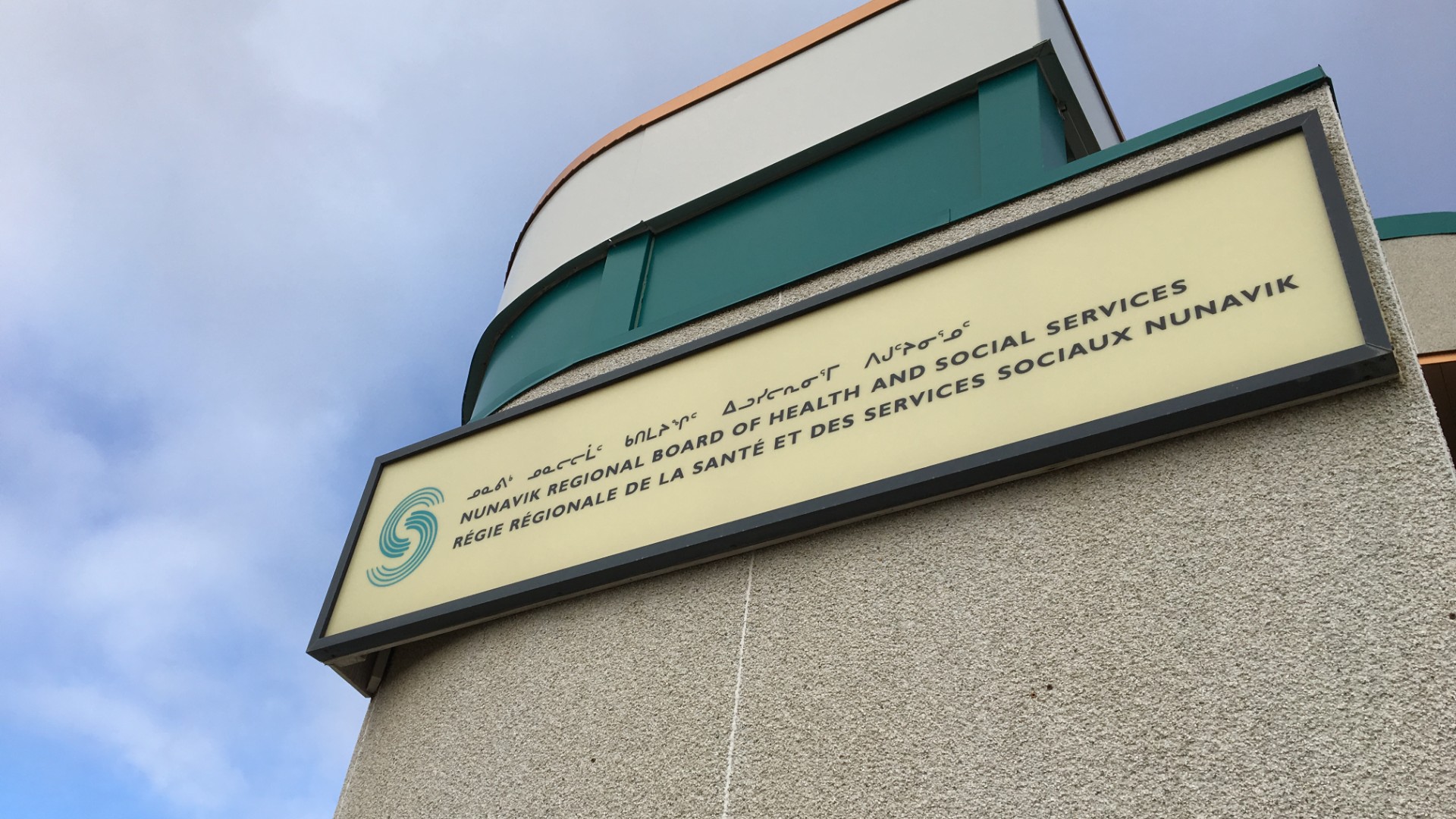
McGill’s Department of Family Medicine is developing a course that aims to help doctors and researchers understand Inuit perspectives on healthcare that they expect to be open for enrollment by the Fall of 2021. Spearheading the development of this new Inuit health module is recently appointed associate professor of Family Medicine Richard Budgell, who is of mixed Inuit ancestry himself.  

Bringing with him over 30 years of experience working with Inuit and other Indigenous groups in Quebec and Labrador, Budgell assures that the new module will foster important discussions regarding a range of topics related to community health in the Canadian north. The module will focus on educating medical students about the Inuit view of healthcare, the historical effects of colonialism on Inuit health practices, and the history of disease as a result of first contact with European settlers.

“The Canadian health[care] system has been imposed on Inuit,” Budgell said in an interview with The McGill Tribune. “[We should] approach people with a sense of humility as opposed to a sense of superiority.”

Despite stereotypes that Inuit reside only in remote areas, Budgell explained that there are hundreds of Inuit who travel from Inuit land claims regions, such as Nunavik in northern Quebec, to receive care in Montreal. For example, it is not uncommon for expectant Inuit mothers to travel hundreds of kilometres to give birth in Montreal. 

Budgell noted that Inuit patients have very different definitions of health than many Canadian doctors, a factor which greatly impacts the quality of care that clinicians can provide. Generally, Inuit regard health as a holistic experience, one that includes an important spiritual componenta facet of health that Western medicine has been criticized for overlooking. As such, when addressing the concerns of Inuit patients, Budgell advises doctors to respect the importance of spirituality. 

“[We’ll be] looking at systemic issues in terms of colonialism and how that has affected [Inuit’s] contemporary experience,” Budgell said. 

Inuit often receive care at institutions that are scarcely staffed by Inuit healers, a systemic issue echoed by the under-representation of Indigenous doctors in the Canadian healthcare system and an outstanding problem that the module seeks to address. Budgell explained how this disparity stems from Indigenous youths’ relatively low high school completion rates in comparison to the rest of the population. When Inuit students are not presented with opportunities to contribute to their communities, students can become discouraged by academic work.

“The education that [Indigenous] people are receiving in elementary and high school has very little cultural relevance to them,” Budgell said. “I’d like to see a world where health facilities in Indigenous communities are dominated by Indigenous people.” 

Before beginning his position as associate professor, Budgell served as the Regional Executive Director of the First Nations and Inuit Health Branch for Indigenous Services Canada, a title with demanding responsibilities. His biggest challenge was confronting cultural stereotypes about Indigenous peoples harboured by many Canadians, biases that he hopes to dismantle in his course. 

Nationwide, high school and elementary school curricula have been slow to incorporate pre-colonial Indigenous history, let alone lessons on Indigenous health practices. A first introduction to the basics of Indigenous culture at the post-secondary level is a reality for many Canadians, but Budgell emphasized that blame should not be put on the students themselves. 

“You can’t blame people for having been the product of poor education,” Budgell said. “The curriculum about Indigenous people has been inadequate probably everywhere across the country.” 

Budgell’s ultimate goal is to engage in a dialogue with students. He encourages them to contact him with questions about Indigenous health in order to begin what are, in his view, long overdue conversations.  

“We all have knowledge and we all have questions,” Budgell said.

Creative

Introducing: The McGill Tribune 2020-2021

There are opportunities for everyone at the Tribune. Our 2020-2021 team looks forward to working with you this year!

Find more information on our upcoming documentary film festival: Resilience on the Facebook or Eventbrite.


Features

Sustainable peace for a sustainable future

McGill often touts its research credentials as among Canada’s best: According to the latest QS rankings, it boasts the 43rd highest research output and 36th best faculty globally. It is no wonder that students flock to Montreal in hopes of rising up through the ranks of distinguished academics. After all, McGill was where DNA was identified as the component of genetics, and home to the inventor of the gas mask and the man who wrote Canada’s national anthem, among the many others who succeeded in making significant contributions to their field of research. But although McGill’s researchers have helped to improve our world, they have also invested in and researched technologies that have contributed to war, and surveillance, creating devastating consequences for ordinary citizens across the globe. 

Science & Technology

Baking with bacteria: The science of sourdough

While the world was in quarantine, many people picked up new hobbies. For some, it was working out; for others, it was watching movie marathons; and for many, baking became a new favourite pastime. On social media, people shared their experiences trying their hand at making bread and pastries in their free time. 

Baking became so popular that many grocery stores around the world experienced yeast shortages. With yeast unavailable, many home bakers got inventive and turned to sourdough starters instead. Sourdough starters are an alternative to yeast that help produce an airy, tangy bread with a crunchy crust. It’s delicious, yes, and it’s also alive.

“A sourdough starter is a microbial community in a dough […] that has the potential to turn the starch and sugar from that dough into carbon dioxide and alcohol to make the bread rise,” Dr. Jennifer Ronholm, assistant professor in the Department of Food Science and Agricultural Chemistry, said in an interview with The McGill Tribune

The fermentation mechanism of a sourdough starter closely resembles that of yeast. Yet, it is the wide variety of bacteria in the culture that gives sourdough its irresistible, tangy flavour. When carbon dioxide gas is released during the setting process, it forms little pockets of air that make the bread rise into a delicious, fluffy loaf. 

“In sourdough bread, the microbial community is composed of some yeasts, but there are […]100 times more lactic acid bacteria than yeast in a sourdough starter,” Ronholm said. “Yeasts produce alcohol and carbon dioxide whereas the lactic acid bacteria produce carbon dioxide, lactic acid, and acetic acid. It’s those other acids that give the sourdough breads their unique flavours.”

The bacteria found in sourdough starters, often of the genus Lactobacillus, do not need to be intentionally added to the starter mix as yeast does in traditional breads. Bacterial cultures in sourdough usually originate from the flour and water used to make the starter, and from the baker’s own hands, which, despite their vigorous handwashing, are covered in bacteria.

In an ongoing project from 2017, Dr. Rob Dunn, a professor of applied ecology at North Carolina State University, found that the bacteria introduced to starters from different bakers’ hands gave their sourdoughs unique bacterial profiles and, by extension, one-of-a-kind flavours. 

Dunn and his team instructed 15 bakers from around the world to bake bread using the same ingredients, but with starters that they had nurtured themselves. The results of the project indicated that the variable bacterial profiles of each starter produced notable differences in flavour when taste-tested. 

“Each bread had a unique ‘microbe flavour’ influenced by chance and the microbes in the flour, on the bakers’ hands, and in their bakeries,” Dunn said in an article for Technology, Entertainment, Design.

Bakeries and home chefs around the world are quick to boast about the quality and longevity of their sourdough starters, passed down over decades from their own parents and grandparents. Sourdough starters do not age like wine or cheese, however—they are constantly changing and growing.

“I think a lot of people don’t realize that it’s different from day to day,” said Ronholm. “A lot of people have these starter cultures that have been passed around for years or some companies have started cultures that are years old, but from hour to hour, day to day, these cultures will be continuously changing. Even though you’re advertising that you have this ultra-old culture, it’s very different from day to day.” 

Not only are these microbial cultures fascinating and delicious, they’re also living beings. Those who make their own sourdough starter often get attached to it, treating it like a surrogate pet-in-a-jar and feeding it flour and water regularly. So, perhaps when this is all over, amateur bakers around the world will have made some new friends despite social distancing guidelines—even if those new friends are microscopic.

Commentary, Opinion

SSMU cannot ignore francophone students’ concerns

In March, during its Winter 2020 referendum, the Student’s Society of McGill University (SSMU) voted on a new constitution, but a French version of the proposed document was not provided on the ballot. It was not even written until three months later — even though SSMU is officially a bilingual organization. What is more, according to the very constitution that was put to the vote, the French version would have primacy over the English version in the case of minor linguistic differences. Yet it was not available at referendum, which effectively means students were asked to vote on a document they had no access to.

In light of this, SSMU’s Judicial Board unanimously declared the 2020 Constitution illegitimate. Despite SSMU President Jemark Earle’s request that the English 2020 Constitution remain valid until a French version is approved, the justices called for a new referendum in the Fall, where voters would be provided with both versions. They argued that it would be unfair to force Francophones to vote on a constitution many expect them to approve because it would be “impractical” not to do so. Students voting on the English version did not need to consider such logistical factors when they voted during the Winter 2020 Referendum.

Despite this, SSMU’s Board of Directors (BoD) challenged the Judicial Board’s decision, effectively ignoring Francophone students’ concerns and disregarding the fact that one of the new constitution’s objectives was precisely to amplify Francophone voices. But the rationale behind this decision is actually simple: The BoD has only chosen to ignore the concerns of Francophone students in this instance because these concerns turned out to be untimely. If the BoD truly thought SSMU’s bylaws were ill-designed, then the solution would have been to change the rules, not to break them. But the rules were not the problem here. The real problem is that SSMU behaves as if it can neglect its Francophone student body whenever that body becomes inconvenient.

It only takes a glance at SSMU’s recent history to observe this pattern. The 2017 Constitution’s French version, for example, has never even been available on SSMU’s website, and when Le Délit managed to access the document, they discovered numerous spelling and syntactic mistakes. SSMU’s history of publishing poor translations does not stop there. During the 2019–2020 academic year, Francophone Affairs Commissioner Juliette Chesnel had to spend several hours per week overseeing the translations of all SSMU documents—even though it was not her official job—because they were full of mistakes.

SSMU’s negligence towards Francophone students is merely a testament to a wider indifference the McGill community shows vis-à-vis the Francophonie. This indifference explains why the Francisation Fee—which would have financed the translation of all SSMU documents and the establishment of a new budget for the Francophone Affairs Commission—was the only fee that was rejected during the 2020 Winter Referendum.

Non-Francophone students seem to be disconnected from the experiences of Francophone students at McGill. Despite being at home, many French Quebecers feel like they have to make more of an effort to fit in at McGill than English-speaking foreigners. True, McGill is an English-speaking university—although this deserves nuance since many classes at McGill are taught in French, students can take exams in French, and the Faculty of Law and SSMU are bilingual—but sweeping away Francophone students’ concerns is not good for anyone. Borrowing The Tribune‘s own words, students at McGill can actually benefit from “embracing” Montreal’s multicultural reality.

The McGill community needs to understand that if the French language is not actively protected and encouraged, it will simply disappear because the English-speaking majority will prefer English and the French-speaking minority will have no choice but to adapt to the majority. This is already happening at McGill, as French-taught courses are in decline. Defending the Francophonie is a matter of defending the rich cultural heritage of a historical minority at McGill. 

The McGill community usually prides itself on the celebration of diversity and the inclusion of minority voices. That is, apparently, until these minorities become inconvenient. But progress often is, and sometimes should be, inconvenient. Francophones at McGill deserve to be heard and deserve to participate on equal standing in the larger conversation at McGill. Whether we like it or not, there is no McGill without the inclusion of Francophone voices.

Read the latest issue

Read the latest issue