

Latest News

Student Life

Wisdom Exchange Project combats loneliness through intergenerational friendships

Loneliness has touched everyone at one point in their lives. Now, loneliness has paradoxically become a shared experience, with both its mental and physical impacts warranting increased  attention. The intergenerational Wisdom Exchange Project, initiated by a team of graduate students from McGill University, Ryerson University, and the University of Waterloo, seeks to foster friendships between two demographics especially vulnerable to social isolation: Older adults and graduate students in Quebec and Ontario.

Sivaniya Subramaniapillai, a PhD candidate in the Department of Psychology at McGill, is one of four team members of the Exchange Project. In an interview with The McGill Tribune, Subramaniapillai discussed the value of fostering intergenerational bonds.

“The goal is to merge two people who would otherwise not be able to develop a friendship,” Subramaniapillai said. “I think there’s a huge benefit of having an exchange of ideas and wisdoms between people of different backgrounds. This is what really inspired the project, the focus on exchange between ideas.” 

The project’s founders believe the generational differences that seemingly separate individuals can become sources of mutual wisdom. Subramaniapillai discussed the unique possibilities of building intergenerational connections. 

“I’m seeing it as a friendship spark that happens because we’re learning from someone else who has had a lifetime of experiences that’s different from our lifetime of experiences,” Subramaniapillai said.

Creating these friendships becomes vital in the face of enduring loneliness, a state that impacts  psychological and physical well-being. Recent research connects prolonged periods of isolation to serious health ramifications, including heart disease and dementia. For older adults already at risk of illness, transitioning to retirement, and losing close networks of friendships, loneliness is a particularly crucial concern.

Although they receive less research attention, feelings of isolation among graduate students are prevalent as well. Due to the secluded nature of research work, experiences of imposter syndrome, and constant deadline pressures, graduate school can damage the mental wellness of students

Subramaniapillai discussed her own experience working as a graduate student while in social isolation. 

“A lot of the time that’s spent doing research is really [lonely] work,” Subramaniapillai said. “Especially with COVID-19, those natural conversations with lab mates [and] with my supervisor are no longer there. I think I really relied on these spontaneous conversations that happened in the lab.”

Despite the dire effects of long-term loneliness, Subramaniapillai is optimistic for the future. Increasing levels of social contact are proven to lead to positive health outcomes, showing the crucial role that meaningful relationships have for generations both old and young.

The Wisdom Exchange Project also seeks to spark educational discussions of physical and psychological health. As a part of the initiative, knowledge translation seminars will be hosted where graduate and postdoctoral trainees share their research on topics of healthy living. With these conversations, the team hopes to combat a challenge often faced by researchers: Publicly disseminating the results of empirical studies. 

Subramaniapillai explained her desire to cultivate opportunities for dialogues that can improve the reception and impact of influential findings. 

“The goal of these seminars is to provide a platform for scientists to communicate their research in a really easy, understandable manner,” Subramaniapillai said. “But they aren’t meant to be a unidirectional format. We really hope that the older population ends up participating in these seminars, actively engaging with these scientists.”  

Before the pandemic, the Wisdom Exchange Project was already in progress. The exacerbated toll of social isolation in recent months, however, inspired the project’s team to kick-start the initiative. 

In the coming weeks, the Wisdom Exchange Project will release a questionnaire to begin the pairing process. 

Interested students can complete the questionnaire or email [email protected] for more information.

Student Life

Comforting meals for cold days

I love preparing my own food: There is a certain feeling of freedom that comes from knowing that an entire dish can be customized to my liking. Over the summer, I found solace from the hectic developments of the pandemic and politics by experimenting with elaborate meals such as miso ramen with chashu, eggs benedict with hollandaise, and lemon-garlic glazed cod.

However, as the semester comes to an end, it can be difficult to maintain a healthy lifestyle. Although it might be easier to turn to Tim Hortons and Starbucks for the sake of convenience, preparing our own food is still an important source of comfort. Comfort comes in many forms, and I strongly believe that home cooking even the simplest meals can provide calming relief during stressful times. Cooking produces healthy sustenance, provides a creative outlet of sorts, and offers temporary mental relief from external anxieties. Below, I have shared four of my favourite healthy, cheap, and flexible meals to prepare during finals season.

Salads

Although they have a reputation for being bland, salads can be much more exciting than simply leafy greens. I like to make salads using a base of a combination of lettuce, spinach, and kale, but any greens can work. On days that I am not in the mood to make my own homemade ranch dressing, I use dressings purchased at the grocery store. I also like to throw in some carrots or cucumbers to add crunch and flavour if I have them on hand. For a heartier salad, toss in a protein such as tofu, smoked salmon, or grilled chicken, which can all add a luxurious element to your meal.

Fried rice

The great thing about fried rice is that it only really requires day-old rice, oil, and soy sauce for texture and flavour. From this base, you can throw any ingredients you have on hand into the frying pan—the more ingredients, the better it tastes. Besides scallions and scrambled eggs, which I personally feel are a staple for any fried rice dish, add vegetables like broccoli and carrots and protein like ground meat or tofu.

Bean soup

On cold days that leave you wanting something warm, bean soup is a savoury and substantive meal. Both canned and dry beans are affordable pantry staples. My personal favourites are pintos, limas, lentils, and chickpeas. To prepare dry beans, soak them in water overnight, and from there it is easy to make the soup by sauteing onions, celery, carrots, and garlic. Then, cook the mixture in water or, for a more hearty soup, try stock. If I have cooked ham, I like adding even more protein to the mix. 

Curry 

For those who enjoy spicy foods, curry is a flavourful option. Personally, I like making homemade curry roux, but most supermarkets also sell inexpensive curry mixes. Curry is an excellent complement to many vegetables, such as potatoes, carrots, and kale. For a more ambitious meal, I like to serve with pork or chicken cutlets. Be sure to have some rice on hand to mitigate the intensity that comes from the spice.

Student Life

The Yellow Door to host physically distanced Annual Benefit Dinner

Due to the pandemic, many people are facing profound hardships, including the loss of loved ones and livelihoods, as well as increased social isolation. In particular, the elderly face special challenges with regard to their mental and psychological well-being. Social distancing, although a crucial strategy to curb the spread of COVID-19, is a major cause of loneliness, particularly in nursing homes. This puts older adults at greater risk of depression and anxiety disorders. Those who do not have nearby family or friends and rely on the support of voluntary services or social care face additional risk. 

The Yellow Door is a nonprofit community organization that brings together university-aged students with seniors from the Peter-McGill neighbourhood to combat social isolation and create meaningful connections across generations. Many of their programs, such as their Wellness Groups, are geared towards helping vulnerable seniors stay connected with their communities while promoting mental and physical wellness. 

Before the pandemic, volunteers visited senior members of the Peter-McGill neighbourhood in their homes and helped them with appointments and errands. The Yellow Door also hosted many activities that gave youth and seniors an opportunity to be together, including yoga, Community Hour, and Book Club. Naturally, the pandemic has drastically changed how The Yellow Door operates, as all activities have moved online and strict safety protocols for in-person visiting have been enacted. Mariel Edwards-Carreau, the administrative coordinator at The Yellow Door, explained how the organization has adapted to the pandemic. 

“Our staff and volunteers worked very hard in the spring to help our senior members feel comfortable [using] platforms such as Zoom to stay connected,” Edwards-Carreau said. “We rely on the internet and phone calls a lot these days but have been lucky to have an increase of volunteers willing to help during these times.”

One event still taking place is the Annual Benefit Dinner, one of The Yellow Door’s main fundraising campaigns. 

“By donating to this fundraiser, we are able to provide seniors with both a delicious and nutritious meal and a chance to connect with other members during the holidays,” Edwards-Carreau said. “For some of our members, it is the only holiday event they have [….] The Annual Benefit Dinner also helps fund our programming so that we can continue helping our isolated members throughout the rest of the year.”

In previous years, the Annual Benefit Dinner took place in person at a restaurant with the entire Yellow Door team, live music, holiday decorations, and festive food. This year, members will gather under very different circumstances. On Dec. 10, a team of volunteers and Yellow Door staff will deliver meals to seniors’ doors and host a live online piano concert that allows community members to dine together safely. Dedicated volunteers, local caterers, and donations are making this year’s dinner possible. 

“We’ve heard feedback from some of our members that other organizations are simply not having holiday events this year due to the pandemic, so we feel grateful that we can still provide them with a little bit of normalcy and something to look forward to during these uncertain times,” Edwards-Carreau said. “As much as we are sad that we can’t be together in person, everyone is really excited that we can still celebrate the holidays together.” 

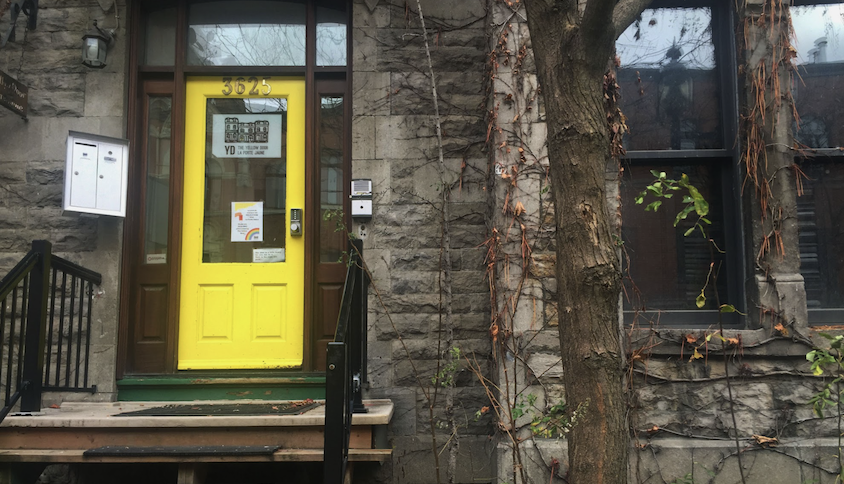
If you want to donate to The Yellow Door’s Annual Benefit Dinner, visit their website here.  Checks and cash can always be mailed to 3625 Aylmer, Montreal, QC H2X 2C3. For information about volunteer opportunities at The Yellow Door, click here or contact The Yellow Door at [email protected].

McGill, News

Refugee Research Group webinar discusses contemporary refugee issues

The McGill Refugee Research Group held its latest event in the Contemporary Refugee Issues Fall 2020 Series, “Global Updates: Refugee Protection and Empowerment webinar,” on Nov. 26. The webinar explored both the individual and organizational responses to refugee crises around the world, which the COVID-19 pandemic has worsened. Three McGill Ph.D. students presented their research on the protection and empowerment of worldwide refugees.

Nick Parent, second year McGill PhD candidate in the department of Geography, researches the displacement, encampment, and repatriation of Congolese refugees. Parent believes that Congolese refugees will be essential in redefining the local political landscape in the Congo and negotiating the terms of their return. 

“My project is very much about trying to bridge people to systems,” Parent said. “We’re trying to find ways to create narratives based on this information [regarding the personal experiences of refugees] and [create] a deliverable output that can be forwarded to the refugee management system with consultation with refugees. [We’re] really trying to make this as much of a bottom-up process as possible, so that whatever management system they do is informed by the refugees themselves.”

Next to speak was fourth-year PhD candidate in anthropology at McGill, Cristina Yépez, who presented findings from her anthropological research, which focusses on Venezuelan migrant and refugee communities in Ecuador. Her recent work has examined how the COVID-19 pandemic has impacted 2SLGBTQIA+ Venezuelan migrants. Yépez explained that the impacts of the COVID-19 pandemic, such as widespread unemployment and limited testing capabilities, have exacerbated the long-standing discrimination of members of the migrant and refugee 2SLGBTQIA+communities, due to the now decreased access to health care, education, and sources of income. Yépez illustrated how 2SLGBTQIA+ migrants and refugees have often taken up informal-autonomous work, such as street vending and sex work, as a last resort given the high unemployment rates.

“Sex for subsistence is highly violent and risky, even more [so] during the pandemic,” Yépez said. “[It] is very often used in exchange for housing because of widespread situations of eviction and expulsion.”

Merve Erdilmen, a PhD candidate in political science at McGill, studies the global governance of international organizations and the effects that refugee-related policies have on female refugees. Through her research, Erdilmen investigated female Syrian refugees in Turkey and analyzed the impacts of global gender mainstreaming policies. Erdilmen looked at how these policies have limited women’s access to health and education.

“One of the challenges women in Turkey face are barriers to accessing education and livelihood opportunities,” Erdilmen said. “Only 15 per cent of women refugees work in income-generating jobs.” 

Erdilmen believes, however, that refugee advocacy groups often have different agendas and a limited understanding of what needs to be done to empower and protect women refugees. Erdilmen illustrated this concern by explaining that women refugees are rarely consulted when governments decide to change policies that may affect them. 

“This rather traditional understanding of refugee women empowerment often misses the ways in which power politics constrain access for women,” Erdilmen said. “Overall, my respondents state that strategies to foster empowerment must be locally durable and must consider both economy and local approaches that empower [women].”

Ian Van Haren is a fourth-year PhD candidate in sociology with a specialization in population and health dynamics and is the graduate student coordinator for the McGill Research Group and was the host of the webinar. He concluded the event by discussing how best to approach the global refugee crisis.

“It’s really [important] to think about whose voices are being heard and understood in shaping the prospects that refugees in different contexts have,” Van Haren said. “It’s a really interesting process […]. Our examples show us how these three migrant crises have played out and what can be studied in these different locations.”

Student Life

Crossword: Farm fresh

*Hints for 19 down

ACROSS

1. Tiny islands

7. Takes advantage of

10. *Place to practice your double axel

12. Church songbook

13. To refuse

15. Common fried rice vegetable

16. Limit, or slang for falsehood

18. Adversary

19. Ocean (French)

20. Unpaid TV spots (Abbr.)

22. Mode of dress

23. Complete collections

24. As well

25. *McGill building with bovine residents

30. One of three H2O: Just Add Water mermaids

31. Singer Bareilles

32. “If it ____ broke…”

33. Parc Avenue pizzeria

34. Graduate students, often

36. NBA award that Michael Jordan won five times (Abbr.)

37. Bird that’s a real “hoot”

38. U.S. politician from the Bronx (Abbr.)

39. June birthstone

41. Stereotypical Frenchman’s name

44. *Homes for plants

45. Pursues in court

46. Closest to the centre 

DOWN

1. Sort of (Suffix)

2. Zoom predecessor

3. Less hip

4. Europe’s highest volcano

5. Madre or padre’s sister

6. Long-running sketch comedy show (Abbr.)

7. Spanish article

8. 2012 Bond film

9. Diorama containers, maybe

11. Telus or Videotron, for example (Abbr.)

14. Like Thor or the Vikings

16. Whistle or shout at on the street

17. Distribute into groups

19. Where to find the starred answers

20. Oft-mocked fall drink offering (Abbr.)

21. Teeter-totter, by another name

22. Disconnect, or a place to buy jeans

26. Not dead yet!

27. Descriptor for a final paper, maybe

28. Tater ___

29. Chinese communist revolutionary

34. Central segment of a human body

35. Land units

37. Grand ___ Opry

38. SSMU, en Français

40. Four Monopoly properties (Abbr.)

41. Letter after upsilon

42. Charged particle

43. Montreal winter time-zone


Answers

Arts & Entertainment, Film and TV, Pop Rhetoric

Destiel sings its swan song

Over 15 unrelenting seasons, Supernatural has developed a remarkably devoted and persistent fandom. The show follows brothers Sam (Jared Padalecki) and Dean (Jensen Ackles) Winchester, along with the angel Castiel (Misha Collins), as they protect middle-class Americans from mythical monsters while defying death at every turn. Castiel joined the Winchesters in the fourth season, after bringing Dean back to life—and, many have argued, falling halo over heels for him.

On Nov. 5, Castiel finally confessed his love to Dean after seasons of teasing such a reveal and was promptly sent to literal Hell, causing fans to declare Destiel, as the relationship is affectionately known, canon. Despite the emotionally stunted Dean showing absolutely no reaction to this declaration, the moment instantly reinvigorated the online Supernatural community, as well as long-standing accusations of homophobia and queerbaiting by the show’s writers.In the face of the fandom’s constant fetishization of Destiel, showrunners have seemingly no interest in committing to their relationship.

The show continuously romanticizes traditional American masculinity, yet its most devoted fans are overwhelmingly women whose intensity has managed to keep the show limping along as casual viewers wavered. Supernatural developed a devout internet following that has produced over 300,000 unique works of fanfiction over various websites. The relationships between attractive, angsty white men seem particularly conducive to the fascination of teenage girls, as seen with Sherlock and Star Trek.

A potential romance between Dean and Castiel was undeniably teased at from their very meeting. Lingering touches and smouldering stares regularly sent fangirls into a tizzy, but the realization of their relationship was kept tantalizingly out of reach. This form of queerbaiting is common to many TV shows teenage girls typically favour, and is deeply harmful to gay men.

This unending baiting stoked online obsession with Destiel on fanfiction sites and social media, most notably Tumblr. Even the website’s bloggers who were completely uninterested in Supernatural were excruciatingly aware of the floods of GIFS and more controversial memes the fandom fervently spread. This internet enthusiasm led to the complete fetishization of the characters into both “smol beans” and hypersexualized studs, which only served to increase fanbase devotion. The fandom versions of the characters eventually leaked out into mainstream social media, presenting a version of Destiel that is disconnected from their relationship’s representation on the show.

Although Supernatural is ostensibly about the simple pleasures of killing monsters and looking good in leather, Dean Winchester leads a remarkably tragic life, only worsened by the loss of Castiel. After a demon kills his mother, his father raises him to hunt supernatural creatures, prompting an off-the-grid lifestyle filled with violence and loss. All three leading men are deeply alienated from society and frequently struggle with self-doubt and self-loathing. The extension of such a show far beyond its natural lifespan is unsurprising considering that American television viewership loves to watch gay men suffer.

The series finale of Supernatural premiered on Nov. 19, quashing all remaining hope for an ultimate Destiel reunion. Castiel fails to appear in the episode, although Dean’s presumably heterosexual ’67 Chevy Impala makes it into heaven. The ending to this marathon of a TV show demonstrates the steadfast resistance of showrunners to acquiesce to fan demands, and the culmination of years of shameless hinting at anything more than friendship. Faced with the final nail in their ship’s coffin, fans chose to mock the quality of the finale in their frustration. The show’s writers squandered their last chance to achieve the bare minimum of allyship by recognizing a homosexual relationship, leaving a bitter taste in fans’ mouths as Supernatural mercifully starts to fade from collective memory.

Student Life

Alleviating the transfer student blues

There is one thing that all McGill students can agree on: McGill is an extremely challenging school. While the degree of difficulty varies between courses and programs, it is safe to say that it is nearly impossible to find a truly easy class that requires minimal work. This academic rigour, mixed with a highly intelligent student body, can cause students to experience imposter syndrome. Feelings of inadequacy in comparison to their peers can prompt students to question their acceptance or accomplishments at McGill. Although McGill students differ in their experiences of imposter syndrome, it is particularly prevalent amongst transfer students. 

“Imposter syndrome is when someone doesn’t feel worthy of their achievements and feels nervous, particularly before they speak, in front of other people,” Sarah Henning,  licensed psychologist, said. “It gets highlighted when people receive an award or receive acceptance into a new and rigorous setting.”

In most cases, students transfer schools because their experiences at their past university did not work out for one reason or another. Whether this is due to academics, tuition fees or other social factors at their previous university, students make a conscious and life-altering choice to transfer to a new school and acclimate to a new environment for a second time. 

McGill’s lack of programming specific to transfer students still unfamiliar with the school can contribute to imposter syndrome. While McGill runs an orientation for transfer students, historically, this program has been only an hour-long non-interactive lecture focussing on transfer credits. While the session provides important information, it can be both overwhelmingly broad and surface-level, consisting of direct screenshots and slides from the McGill website.

Not only does this orientation fail to cover the necessary information on how to navigate the university from a student perspective, it also does not seek to introduce transfer students to their peers. 

Gilbert Lin, manager of Campus Life & Engagement (CL&E) at McGill, explained in an interview with The McGill Tribune that the reason behind the structure of this session is to ensure students understand credit requirements for graduation. 

“We understand that there are a lot of activities going on on campus, and we do not want to keep students any longer than necessary,” Lin said. “The transfer program is organized the way it is because of the academic rigour at McGill. Our first priority in this session is to introduce the specific credit requirements for transfer students, which we know is often different from other students, and so we want to make sure we cover that before touching on other information.” 

Lin replaced Leslie Copeland, the former manager of CL&E, last year. Lin said that he had increased the duration of the transfer orientation in an attempt to put more emphasis on building friendships. The transfer orientation, however, is still only one event and students do not receive any additional, long-lasting support throughout their first year. While CL&E offers great programs such as The Buddy Program, The Student Matching Program, and The First Friend program, which pair incoming first years with upper year students, no CL&E initiative is aimed at supporting and connecting transfer students. 

Before Lin took on the role, there was no reception during the orientation event for students to meet, and there are still no specific Facebook entering class pages or social media groups for transfer students to connect. 

Mahler Meyerrose, U2 Arts, transferred to McGill last year from St. Lawrence University. Reflecting on her experience in the transfer program, Meyerrose explains how the whole process was quite jarring. 

“During the transfer session I was sitting next to a bunch of grad students and PhD students,” Meyerrose said. “The program is not at all just undergrads. I thought it was really weird how it was such a mixed group of students.”

While this experience alone could cause a transfer student to feel isolated, confused, and disoriented, once classes begin and the add/drop period ends, students are buried in work and must begin to learn the social norms of McGill while attempting to keep up with academic expectations. In this process, it is quite easy for students to not only feel different from their classmates due to their unique educational background, but also to  feel confused as to how to access the many resources listed online. Without other peers to relate to due to the lack of a transfer student community, it is understandable that students find themselves doubting their intellect and feeling alone at such a large university. 

This experience hits quite close to home because three years ago, I transferred to McGill from Northeastern University. While I could not be happier today that I transferred, it would be a lie to say that my first year at McGill was easy. 

Not only was it hard to make friends during the first couple of months, but I also struggled to learn the ins and outs at McGill. After leaving the transfer students session three years ago, I remember feeling like I was simply a statistic in the eyes of the orientation leader, as if she was just there to make sure that we could swiftly graduate from the school we just enrolled in. From not knowing what to respond when someone asked what residence I was in, to being unsure how to maneuver add/drop at a new university, my first year at McGill feels like a blur.

Looking back at how I felt during these first couple of months, I remember struggling to find a way to describe my feelings. I was not embarrassed by the fact that I transferred, but I did feel a need to “fit in” with what I always considered “real” McGill students. I was also trying, to the best of my ability, to adjust to the demands of McGill courses, not feeling bright enough to engage with my peers.

In retrospect, I understand that I was experiencing imposter syndrome. In navigating my transfer, I would have appreciated help from McGill through either a more comprehensive transfer programming or more guidance. While I understand that there are mental health resources available through the Student Wellness Hub and the Healthy Living Annex at the university, at the time, I was unaware that this feeling was abnormal. 

Many resources, such as the American Psychology Association and the Harvard Business Review, detail the best way to overcome this syndrome: To begin talking about it with others. For transfer students, this would likely be much easier amongst themselves, allowing them to feel a sense of community amongst 27,000 undergraduates. But without a robust support system offered by the university, this community is unlikely to emerge.

“I know for me, whenever I feel this way, I know it helps to talk to my colleagues and they usually reassure me that this feeling is normal, and can go away,” Henning said. 

Moving forward, the McGill Orientation Program should consider these factors when introducing new and different students to the McGill community. In providing support throughout the first year, or even the first semester, the McGill Orientation Program could ease the feelings of imposter syndrome for transfer students and create an inclusive transfer student community. 


McGill, News

Fall 2020 TAs still missing payments as the semester nears end

Following various technical issues with Workday, McGill’s new human resources (HR) system, the Association of Graduate Students Employed at McGill (AGSEM) has filed several individual, union, and collective grievances against the university in accordance with their Collective Agreement (CA). Some problems included lack of access to technology necessary to teach classes, incomplete or stalled hiring, payment in the form of cheques rather than direct deposit, and most notably, late payments to teaching assistants (TAs). 

On Oct. 30, McGill Student Accounts and HR offered temporary relief measures for those experiencing financial difficulties resulting from the Workday issues. This included automatically deferring unpaid tuition balances without interest until January 2021, reversing interest charges on late Fall 2020 tuition fees, and offering an additional $1,500 in loans also to be repaid by January 2021.

The Post-Graduate Students’ Society (PGSS) University Affairs Commissioner Kristi Kouchakji explained how HR’s decision to issue the loans without conferring with the union initially sparked confusion among those who received them.

“We had no idea that HR had decided to administer it as an opt-out with no up-front communication until we started hearing (understandably) confused, and in some cases angry, feedback from members,” Kouchakji wrote in an email to The McGill Tribune.

Kiersten van Vliet, who served as the president of AGSEM until the end of Nov. 2020, expressed her concerns regarding McGill’s HR slow response, despite the fact that they have acknowledged AGSEM’s grievances.

“For some context, even this late into the semester, there are TAs almost finished their contracts who are still not ‘hired’ in Workday—and consequently have not received a single paycheque,” van Vliet wrote. “HR has repeatedly missed their own deadlines for resolving the pay issues—late October has become late November and beyond. We’re already into hiring for next semester and they haven’t yet ‘hired’ some of the TAs this semester. We anticipate many of the same hiring issues again in Winter because the fundamental problems with the Workday system itself have not yet been resolved.”  

In response to McGill’s violation of the CA, AGSEM filed several grievances claiming late fees and interest equivalent to what McGill charges for late tuition payments. McGill is currently working through each grievance and AGSEM is still awaiting settlement offers from the administration.

Frédérique Mazerolle, McGill’s Media Relations Officer, stressed that the university is working closely with both AGSEM and PGSS to resolve any outstanding Workday issues.

“Each case is handled individually,” Mazerolle wrote. “Depending on the nature of the problem, communications were initiated with the administrator or the employee or both. In the weeks to come, more robust user support tools and renewed training will be implemented to support units through the next wave of hiring.”

Despite frustrations with Workday, Grish Balaji, a TA in McGill’s Department of Electrical and Computer Engineering, was impressed by the many departments that quickly took action to remedy the issue, and after careful consideration, is still planning on working as a TA next semester. 

“[Teaching assistants] plan our budget[s] based on the income we receive,” Balaji wrote in an email to The McGill Tribune. “To know that there were delays in payment because the records were not properly processed from McGill’s side breaks the hopes and inner peace of every TA. I have friends complaining about having to work outside campus even though they’re a TA at McGill because McGill hasn’t processed their records/payments.”

The new TA Collective Agreement was ratified in September 2020 and will be signed by mid-December. After that, McGill has 90 days to process retroactive TA raises won in negotiations, which AGSEM says it will be closely monitoring. The PGSS has released a comprehensive survey on graduate student funding and living, learning, and working conditions in order to better address constituent needs.


A previous version of this article stated that HR’s decision to issue cheques sparked confusion, when in fact, it was the loans that sparked confusion. The article has been updated. The Tribune regrets this error.

McGill, News

McGill Athletics & Recreation stays strong despite COVID-19

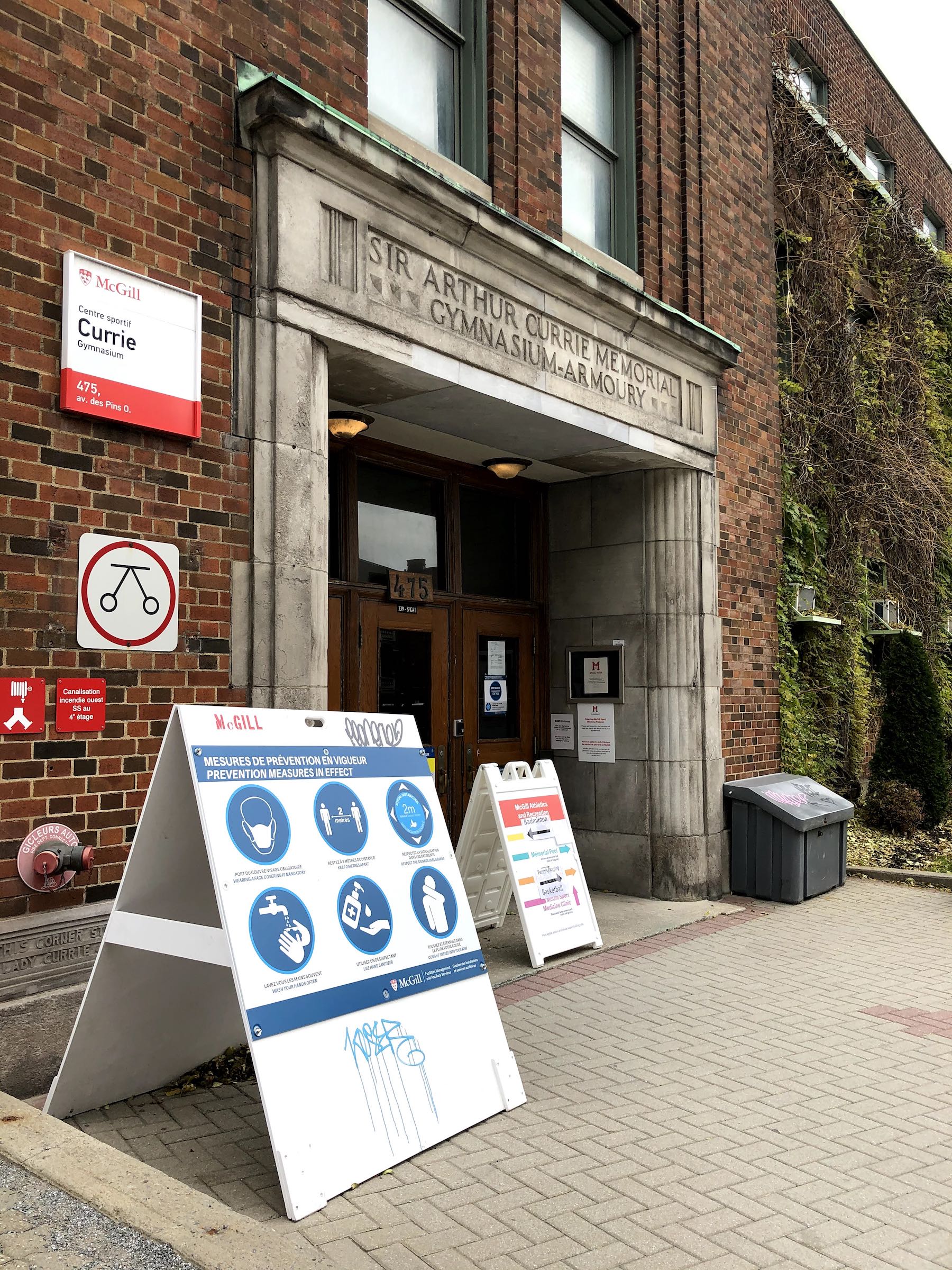
The COVID-19 pandemic has affected all levels of sports at McGill, including varsity, intramurals, and recreational programs, resulting in a significant negative impact on the McGill Athletics & Recreation’s revenue stream. Quebec’s lockdown restrictions have impacted operations at both the Currie Gym and the Macdonald campus. With fewer people using the facilities and less money to allocate to teams and programs, Athletics & Recreation has had to adapt to accommodate students while respecting provincial public health guidelines.

This year, student fees, memberships and programs, facility rentals, camps, sponsorship engagements, Sports Medicine Clinic services, and other retail operations experienced a decrease in revenue. Senior Communications and Marketing Manager Stephanie Malley explained the impact of COVID-19 on Athletics & Recreation’s budget in an email to The McGill Tribune.

“While much effort has been directed toward reducing expenses through these challenging times, fixed costs including energy, cleaning, maintenance and salaries continue to be incurred,” Malley wrote. “Athletics and Recreation’s fiscal year 2020 budget will close with a large deficit that will need to be addressed over the coming years.”

To adhere to university and public health recommendations, Athletics & Recreation installed signage throughout the sports complexes to encourage proper physical distancing and have increased cleaning schedules in high-traffic areas. Athletics & Recreation staff work both on and off campus to ensure that all in-person activities are run safely and effectively. Lifeguard Robyn Nakano, U3 Arts and Science, discussed her experiences working at the Memorial Pool during the Fall 2020 semester.

“It’s been a [time of] transition,” Nakano said. “We started out originally with three guards […] which was a change from last year. Now we’re back to two guards, which is fine because we’re a small pool [….] We have had a really tough time this semester getting shifts covered because not as many people came back [to Montreal] in the fall.”

Athletics & Recreation has modified their recreation programs several times since the start of the pandemic to remain in accordance with the ever-changing public health guidelines that regulate physical activities. In the email to the Tribune, Malley elaborated on the popularity of the in-person programming at the downtown and Macdonald campus fitness centres. At the beginning of the semester, while in-person fitness classes, intramurals, and fitness centres were open, they were consistently at or near capacity. Government regulations that placed Montreal into the red zone on Oct. 1 required the department to scale back its operations. 

Athletics & Recreation is still able to provide some on-campus activities, including lap swimming, indoor tennis and badminton, track running, basketball, and recreational skating. The department also added an online component to its fitness class schedule, allowing students to take up to 15 online classes for free each week. Pascal Namia, U3 Arts and Science, is grateful that McGill is continuing to offer recreational activities this semester.

“I’m glad [McGill] opened [the gym] up to allow training,” Namia wrote. “My routine was usually arms/legs followed by cardio, and I would spend all 90 minutes in the gym. I felt safe COVID-wise, but sometimes social distancing wasn’t possible in the weights section [….] Nowadays, I just play badminton in the evenings with a buddy of mine to get a sweat in [….] I’m glad that they’re still offering recreational sports, because if they don’t, I lose something I look forward to doing at the end of the week. It keeps my mental health in check.”

Additionally, the McGill Intramural Office modified its services for online delivery, offering virtual programming like E-Sports, Strava Run Club challenges, and online trivia. In-person programming included Spikeball and a Lawn Games League, though Winter 2021 intramurals have yet to be announced. Many students, like Josh Shapiro, JD ‘20, an intramural participant during previous semesters at McGill, are thankful that some activities are still being offered this semester. Shapiro, a finalist for the inaugural class of McGill’s Intramural Hall of Fame, participated in this semester’s online trivia events. He discussed what he misses most about past intramural activities in a message to the Tribune.

“I badly miss the camaraderie of teams like Jewventus, my co-rec soccer team,” Shapiro wrote. “Thanks to Rene Bondy’s efforts to continue the intramural program through the current semester, however, I have been thrilled to participate as a member of the ‘Follow @unsoliciteddishpics’ trivia team in the weekly intramural trivia.”

Varsity teams have also faced their share of obstacles this Fall. Due to the current government and league directives, no varsity team events, competitions, or in-person practices are taking place. However, many teams have still found creative ways to stay in shape, such as individual or group Zoom workouts. Martlets soccer player Tia Lore, BA ‘20, spoke to the Tribune about the challenges she encountered this semester.

“[One] challenge is just being in one place, for so long,” Lore said. “With classes, you would [go from one class] to a different class and walk outside to go to the gym [….] We’re so used to having practices every day, or that time restriction where [you have] to get this [assignment] done because [you] have practice, whereas now there’s no time restrictions, so I feel like I have to learn how to manage my time again.”

With the varsity sports season cancelled, groups like Varsity Council say they have had a hard time connecting with athletes this semester. Varsity representatives have adapted to this semester’s circumstances by moving all of the council’s social events online, promoting its events via Instagram, and looking to start a Strava account in hopes of motivating more athletes to workout. Varsity Council President Evelyn Silverson-Tokalidis, U3 Arts, highlighted the difficulties facing student-athletes due to the pandemic.

“We are a council that focusses on attending [varsity events], promoting and working with athletes, especially during their seasons,” Silverson-Tokatlidis wrote. “Now, with seasons not happening, it is hard to motivate athletes to stay social and connected during this time. It is hard to plan events and motivate a group of people to work toward a common goal when the very goal that they want to work toward has been taken away from them.”

Athletics & Recreation will continue to adhere to university and public health guidelines moving forward. For the winter semester, the focus will be on the safe return of in-person varsity activities. Looking ahead to the 2021-2022 competitive season, Athletics & Recreation’s efforts will be directed toward RSEQ schedules, hosting protocols and analyzing the delivery of in-person activities such as meetings, educational seminars and sport specific banquets.

With Montreal remaining in the red zone until Jan. 11, 2021, Athletics & Recreation will continue to adapt and improve the activities offered to students. Malley emphasized the importance of exercise for physical and mental health during the quarantine.

“The health and well-being of McGill students, coaches, staff, and sports complex members has always been a top priority for Athletics & Recreation,” Malley wrote. “In a time when more and more people are spending their day in front of a screen, our role in keeping our community moving is even more important. The correlation between exercise and mental health is well established, and we want to make sure the McGillians have a variety of outlets to relieve stress and stay healthy.”

solace
Sports

Finding solace in sports

Skiing

Sarah Farnand, Sports Editor

Since I was a kid, skiing has been a great source of comfort. I began waterskiing when I was five years old, and started downhill skiing shortly after. After a few laps around the lake and a few trips down the bunny hill in the winter, I was hooked. Unlike other sports I played growing up, I never participated competitively in downhill or water skiing, which made the experience stress-free and therapeutic. Even in high school, when I began competitive nordic skiing, it was never a source of anxiety because I honestly did not care how I did. I was just there to meet people and exercise. 

Growing up, especially during my teenage years, I was an extremely competitive person. I hated losing, and I had big aspirations for my hockey and running careers. I was certain that I would pursue one of them in college, so I trained hard and pushed myself to my absolute limits. And while every high school sports movie will tell you that hard work is what it takes to be successful, it also made me hate those sports. I was very close to quitting both hockey and running and, after coming to university, I no longer participate in either at a competitive level. 

All of my memories from skiing, however, are positive, from the memories I made with my friends during nordic practices to downhill skiing with my dad during school breaks and waterskiing at my grandparents’ house over the summer. Skiing is also a perfect opportunity to enjoy the outdoors and nature. Looking up from the snow or the water and seeing the beautiful mountains and trees surrounding me as the wind blows in my face is a surreal experience every time. The peace that overcomes me while I ski is can’t be put into words. 

Partaking in a sport with no expectations, simply because it is enjoyable, can be a source of solace and help heal negative connotations towards sports and exercise.

Cycling

Adam Burton, Sports Editor

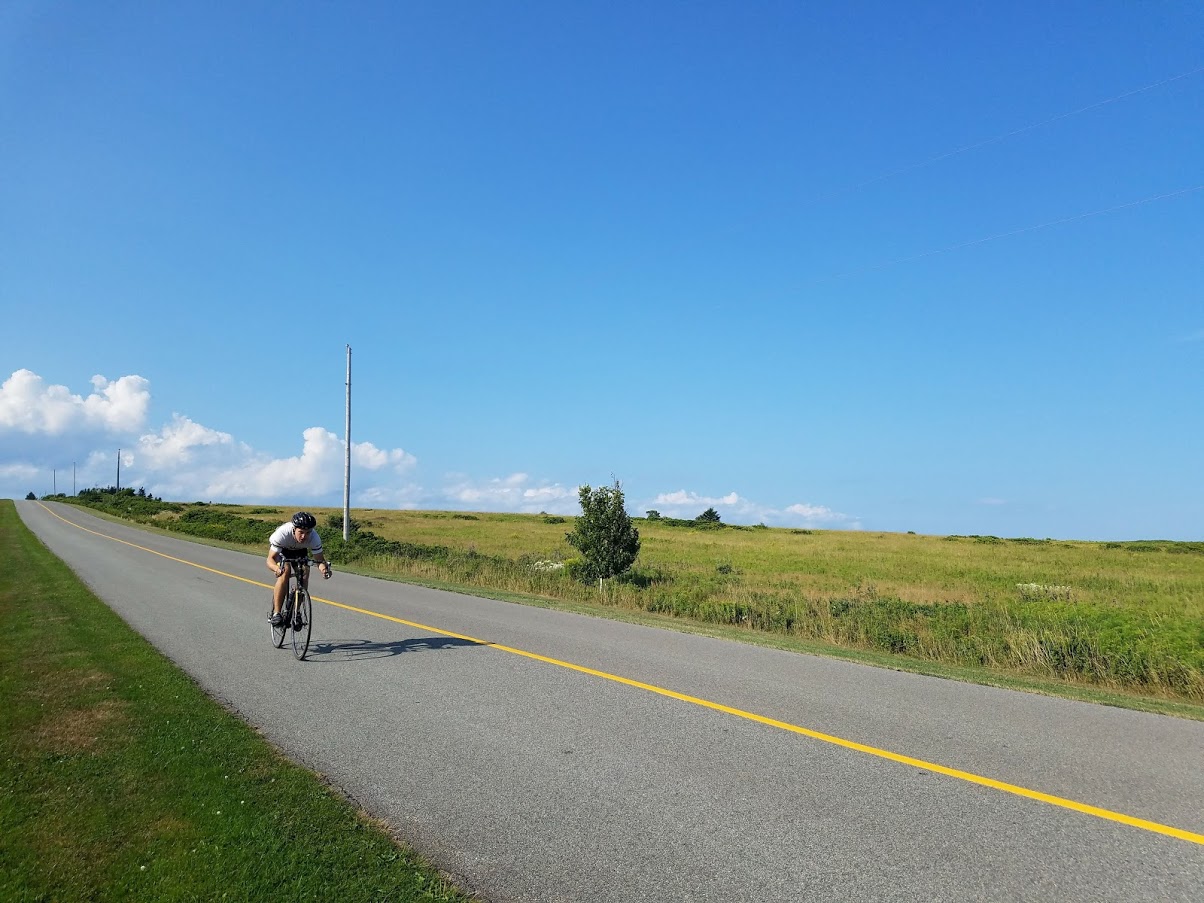
Open roads, gentle breezes, and the rhythmic hum of wheels gliding along the tarmac: When you’re cycling, there’s nothing but you and the path ahead.

My cycling journey began at the age of seven, when my dad threw me on the back of his tandem and dragged me along for rides all around America. I’ve come a long way since then, and while my dad was my initial source of inspiration for riding, I’ve made cycling my own.

Growing up in New York, I was easily overwhelmed by what was happening around me, whether it was academics, extracurriculars, or navigating the never-ending maze that is the high school social ecosystem. When the going got tough, I always found it easiest to retreat and spend some time alone to ground myself. As I grew older, cycling became my grounding activity. The feeling of focus, control, and isolation is comforting, and taking time for yourself was refreshing, whether it was a 20-minute bike ride home from school, or a four-hour mission to the middle of nowhere and back.

The onset of the COVID-19 pandemic left many with a wealth of time, and a dearth of activities to fill it with. Thankfully, riding my bike was still an option. Being able to leave my house every day and explore a new neighbourhood gave me a sense of freedom that the pandemic had otherwise taken away. Going out, visiting random towns, grabbing a coffee at a rural Tim Hortons, and nodding in approval of oncoming cyclists was the most fulfilling part of my summer.

When I’m out on the road, I get into a rhythm, my breathing synchronizing with my pedalling. Everything that burdens me simply disappears, and I come home energized, refreshed, and ready to seize the day.

Read the latest issue

Read the latest issue